Easy Phonics worksheets activities for 4-Year-Olds
3 filtered results
-
From - To
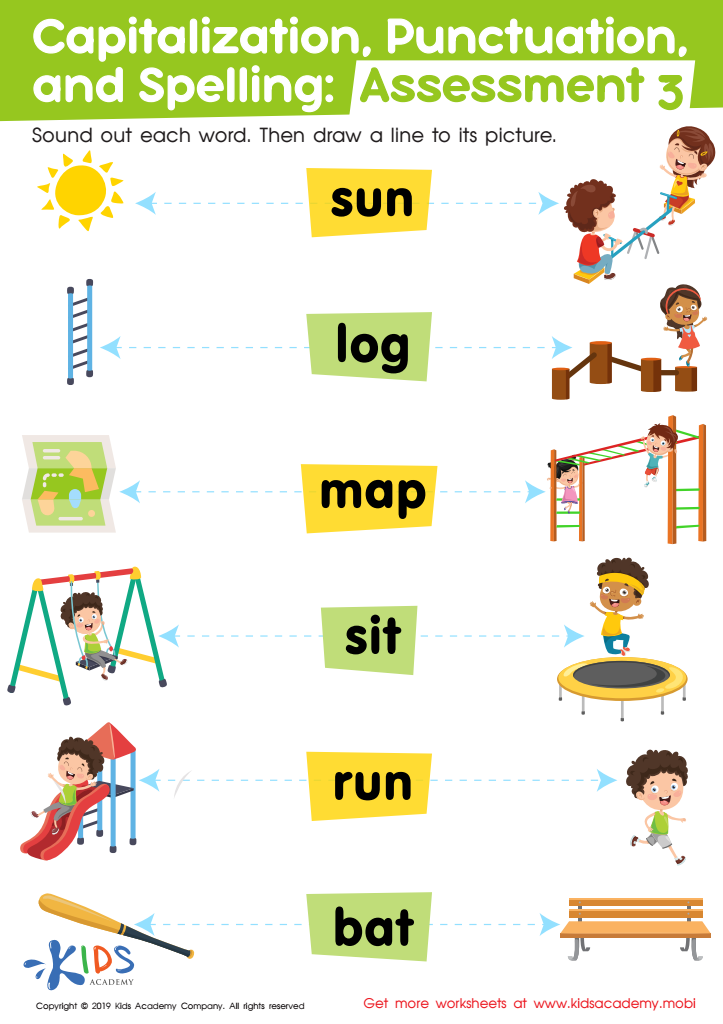
Capitalization. Punctuation. Spelling. Assessment 3 Worksheet
 Assign to My Students
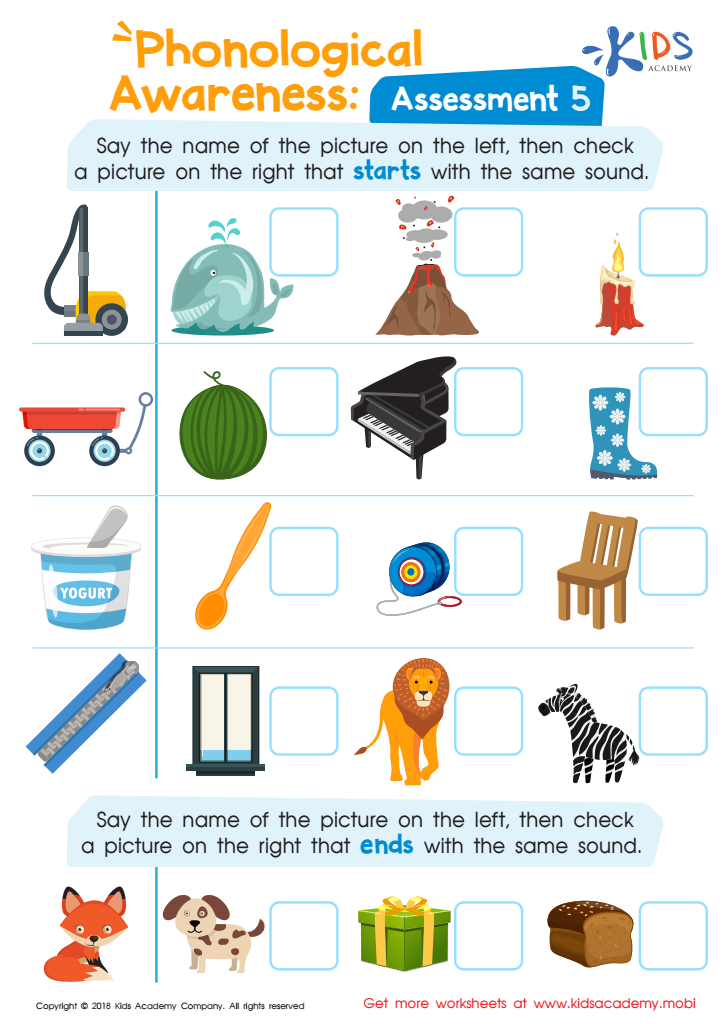
Phonological Awareness: Assessment 5 Worksheet
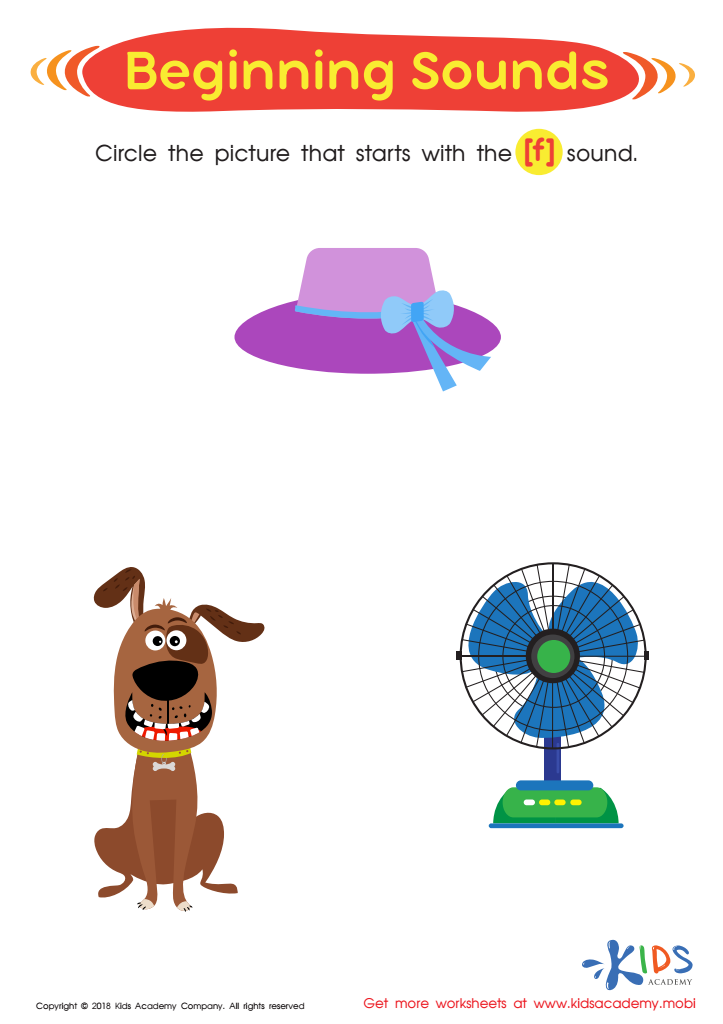
Beginning Sounds Assessment Printable








Easy Phonics worksheets activities are a fundamental tool in the journey of learning to read and write. These activities are designed to systematically guide children through the complexities of the English language, breaking down the daunting task of understanding phonics into manageable, bite-sized lessons. The use of Easy Phonics worksheets activities can significantly impact a child's literacy skills, making them an essential resource for both teachers and parents.
One of the primary reasons these activities are so useful is that they cater to a wide range of learning styles. Whether a child learns best through visual cues, hands-on activities, or repetition, Easy Phonics worksheets can be adapted to meet their needs. This flexibility ensures that all learners have the opportunity to succeed, regardless of their preferred learning method.
Furthermore, Easy Phonics worksheets activities make learning engaging and fun. By incorporating games, puzzles, and colorful illustrations, children are more likely to stay interested and motivated. This positive association with learning helps to foster a love for reading and writing that can last a lifetime.
Another significant benefit is the structured progression these worksheets offer. They start with the basics, such as individual letters and sounds, and gradually build up to more complex concepts like blends and digraphs. This step-by-step approach reinforces learning, ensuring that foundational skills are solid before moving on to more challenging material.
Additionally, Easy Phonics worksheets provide immediate feedback. Whether working in a classroom setting or at home, children can quickly see their successes and areas for improvement. This instant gratification is vital for building confidence in young learners.
In conclusion, Easy Phonics worksheets activities are a precious resource in the educational toolkit. They accommodate various learning styles, make learning enjoyable, offer structured progression, and provide immediate feedback, all of which are crucial for developing literacy skills in young learners.








