Easy Connect the Dots worksheets activities for Ages 7-8
5 filtered results
-
From - To
Discover our engaging Easy Connect the Dots worksheets specifically designed for children ages 7-8! These activities encourage creativity and enhance fine motor skills, allowing young learners to enjoy the excitement of connecting dots to reveal fun images. Ideal for use in classrooms or at home, our worksheets promote hand-eye coordination, counting skills, and concentration. With various themes and complexity levels, every child will find an activity that sparks their interest. Perfect for rewarding young artists and improving their love for learning, our Easy Connect the Dots worksheets are a delightful way to encourage educational play. Download and print today!
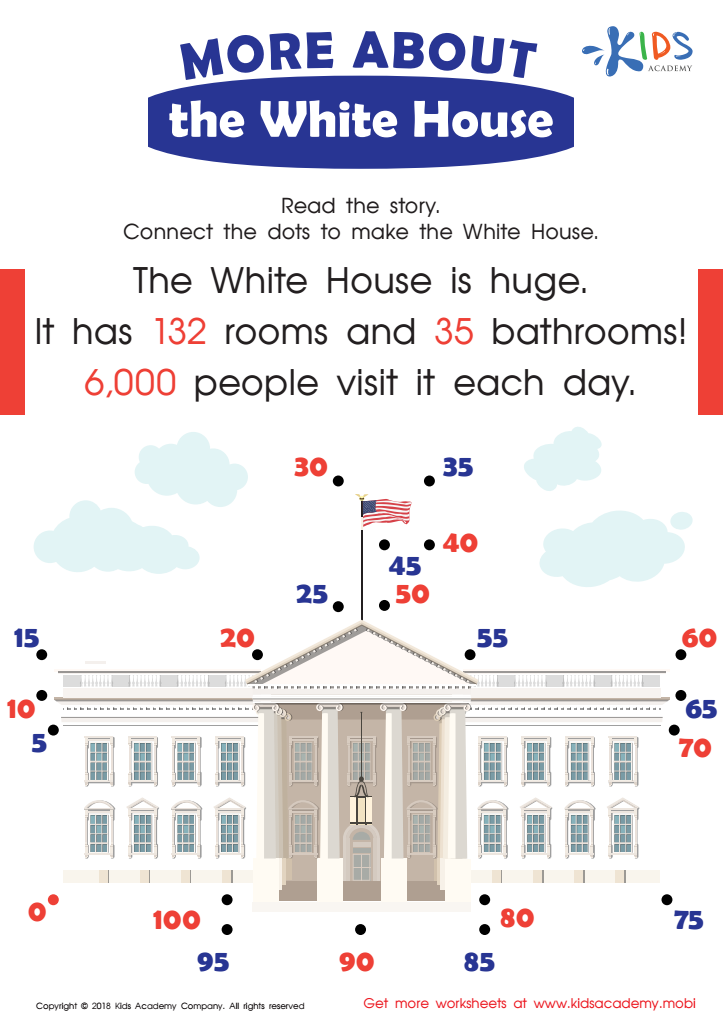
More About the White House Worksheet
 Assign to My Students
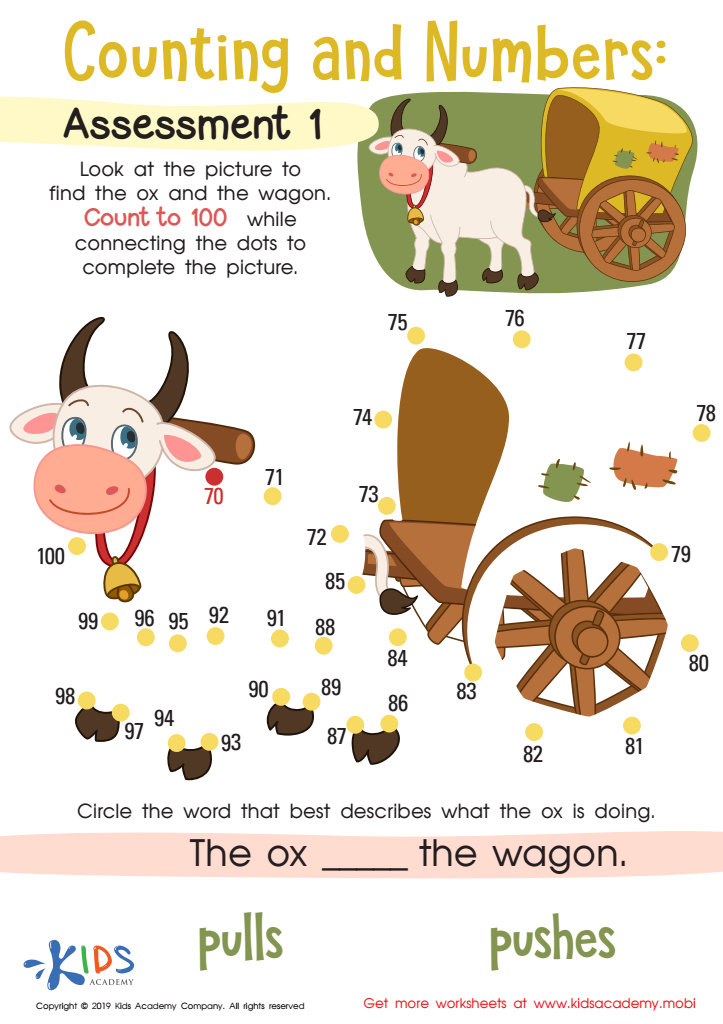
Counting and Numbers: Assessment 1 Worksheet

Counting on the City Skyline: Dot-to-Dot Worksheet
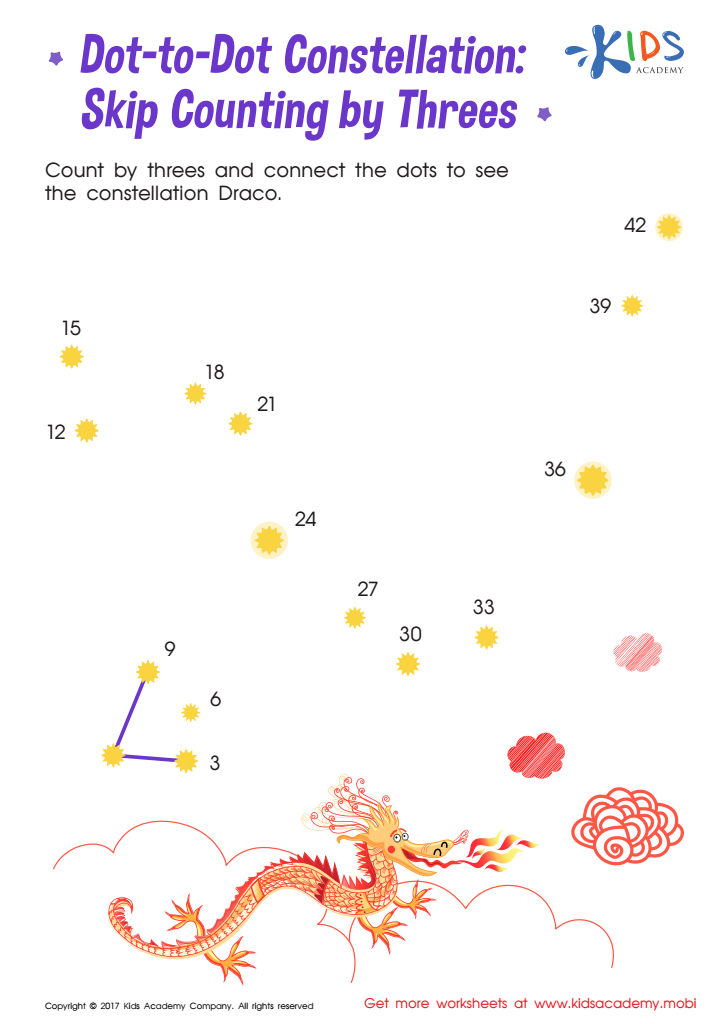
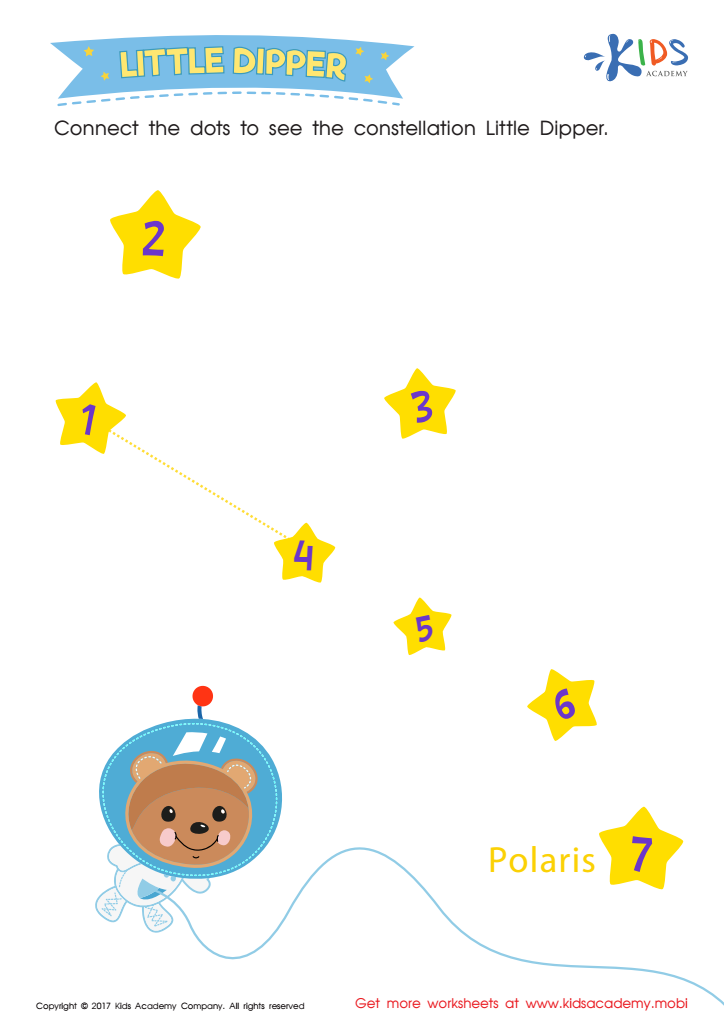







Easy Connect the Dots activities for ages 7-8 provide numerous benefits that parents and teachers should find valuable. Firstly, these activities enhance fine motor skills and hand-eye coordination as children use a pencil to connect the dots in the correct sequence. This fosters writing readiness, an essential skill for academic success.
Additionally, connect-the-dots encourage cognitive development, as children must follow numerical or alphabetical orders, helping them grasp sequencing and problem-solving. These activities also engage critical thinking, as children learn to anticipate the outcome of their connections, promoting logical reasoning.
Moreover, Easy Connect the Dots serves as an excellent tool for reinforcing number or letter recognition. This dual-purpose nature makes it particularly useful in both home and classroom settings, blending learning with play.
Finally, these activities promote patience and concentration, as children learn to focus on completing the task at hand. If parents and teachers actively participate, it opens opportunities for bonding and discussion, making learning more interactive and encouraging creativity in how children complete their designs. Overall, these simple yet effective activities play a crucial role in both developmental and educational growth, making them essential tools for caregivers and educators to embrace.








