Easy Sorting worksheets activities for Ages 8-9
2 filtered results
-
From - To
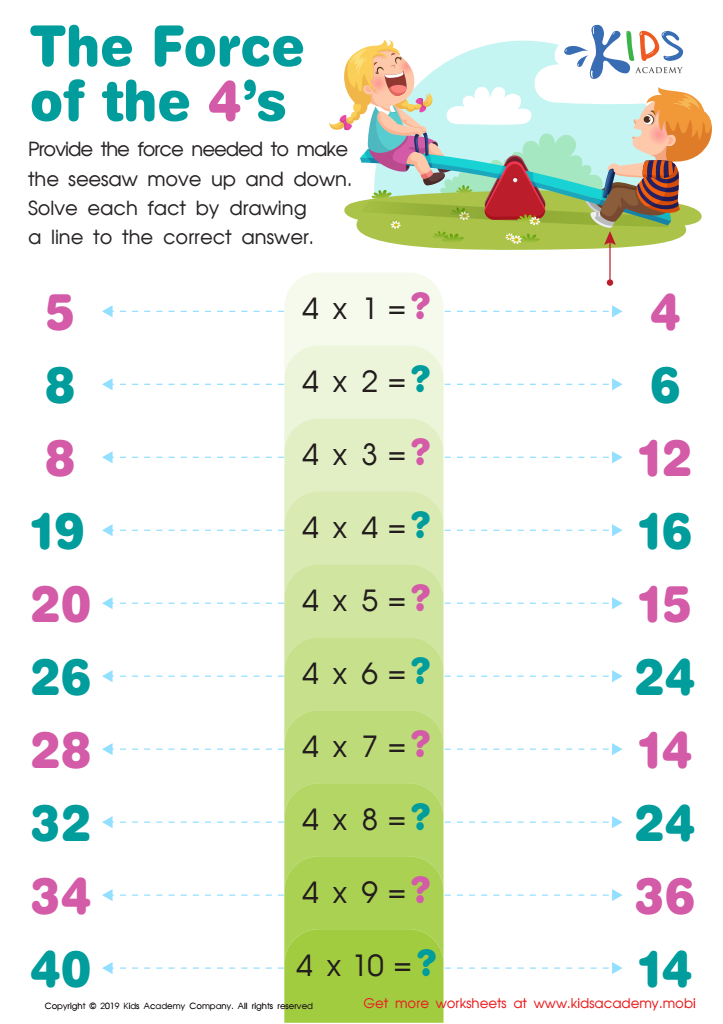
The Force of the 4's Worksheet
 Assign to My Students
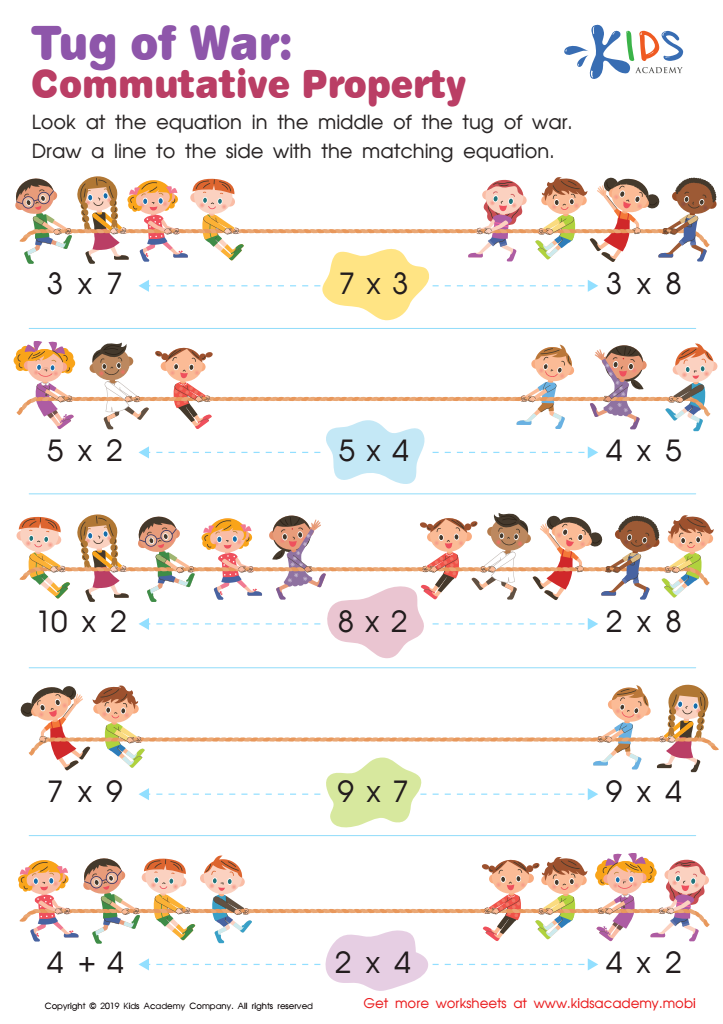
Tug of War: Commutative Property Worksheet








Easy Sorting worksheets activities serve as an invaluable tool in the development of a child’s cognitive and organizational skills. These engaging exercises are not only fun but also lay the groundwork for understanding patterns, categories, and logical reasoning. Let’s delve into why Easy Sorting worksheets activities are so beneficial for young learners.
Firstly, these activities are instrumental in enhancing a child’s ability to recognize similarities and differences among objects, shapes, and colors. This foundational skill is crucial for academic success across various subjects, including mathematics, science, and language arts. By engaging in Easy Sorting worksheets, children learn to categorize items based on specific criteria, which sharpens their observation and analytical skills.
Moreover, Easy Sorting worksheets activities are designed to be accessible and engaging for children. The simplicity of the tasks ensures that young learners are not overwhelmed but are instead encouraged by their ability to complete the exercises. This boosts their confidence and fosters a positive relationship with learning. The satisfaction of sorting objects correctly provides immediate feedback, reinforcing their understanding and encouraging them to tackle more complex problems.
In addition to cognitive benefits, Easy Sorting worksheets also promote fine motor skills development. As children manipulate different items to sort them according to the task, they refine their hand-eye coordination and dexterity. This physical aspect of the activity adds another layer of learning, making it a holistic educational tool.
Furthermore, these worksheets introduce children to the concept of organizing and structuring information, a skill that is invaluable in both academic and everyday contexts. Learning to sort and categorize information efficiently can help children in studying, completing tasks, and even in understanding social dynamics.
In summary, Easy Sorting worksheets activities are a multifaceted educational resource. They facilitate cognitive development, boost confidence, improve fine motor skills, and teach organizational strategies. Incorporating these activities into a child’s learning routine can significantly enhance their academic and personal growth, making them a must-have in the educational toolkit.








