Extra Challenge Tracing worksheets activities for Ages 8-9
14 filtered results
-
From - To
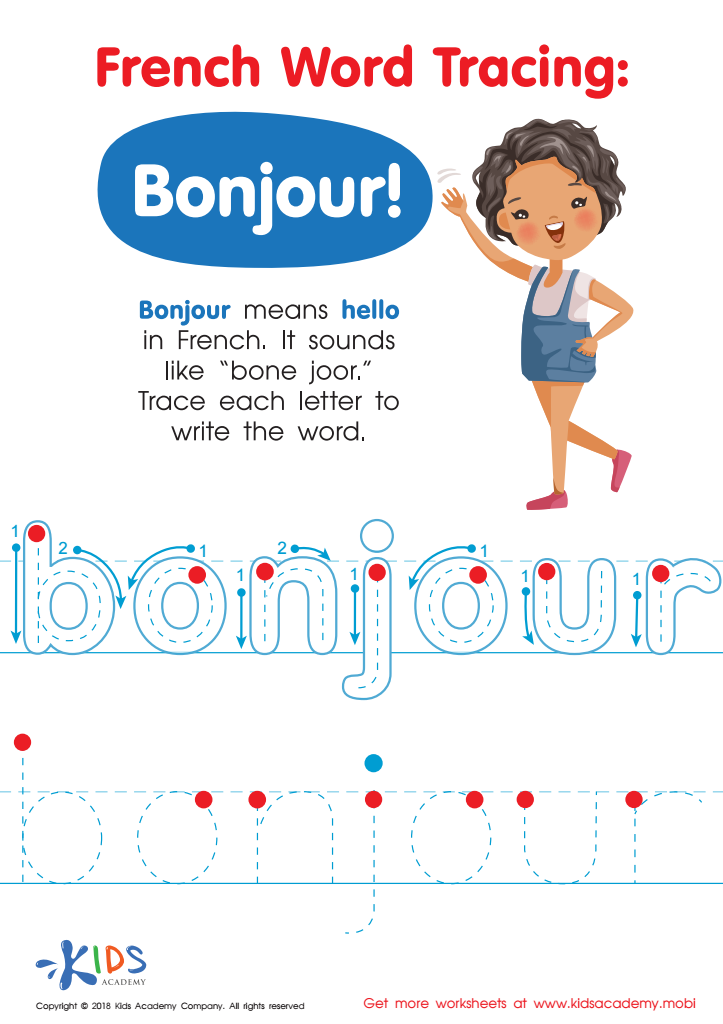
French Word Tracing: Bonjour Worksheet
 Assign to My Students
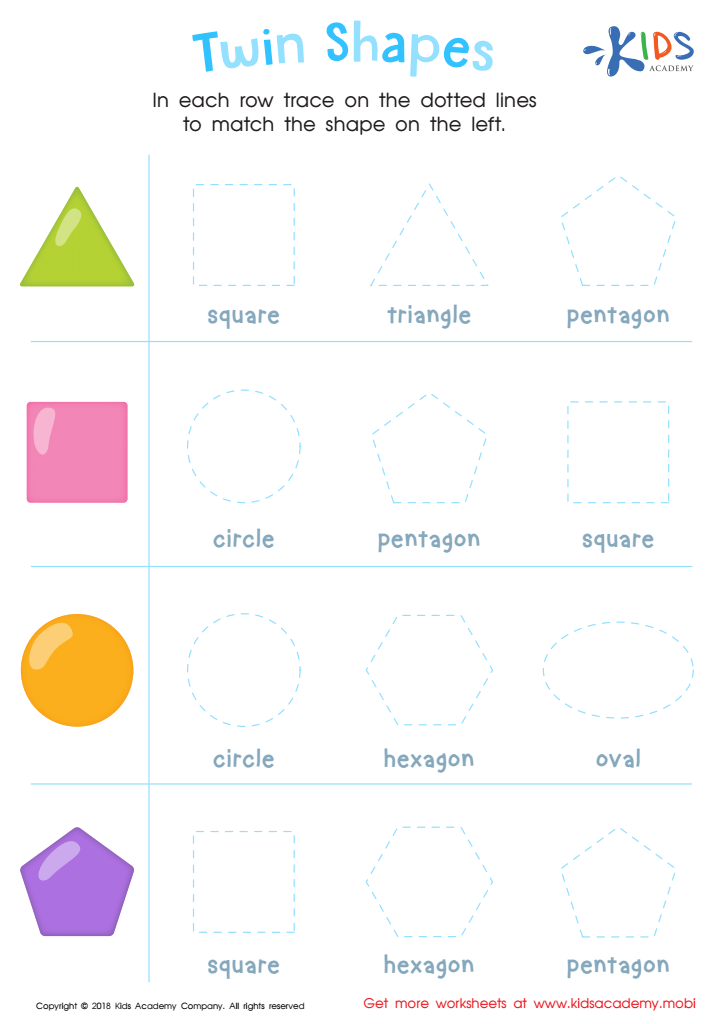
Twin Shapes Dot-to-Dot Worksheet
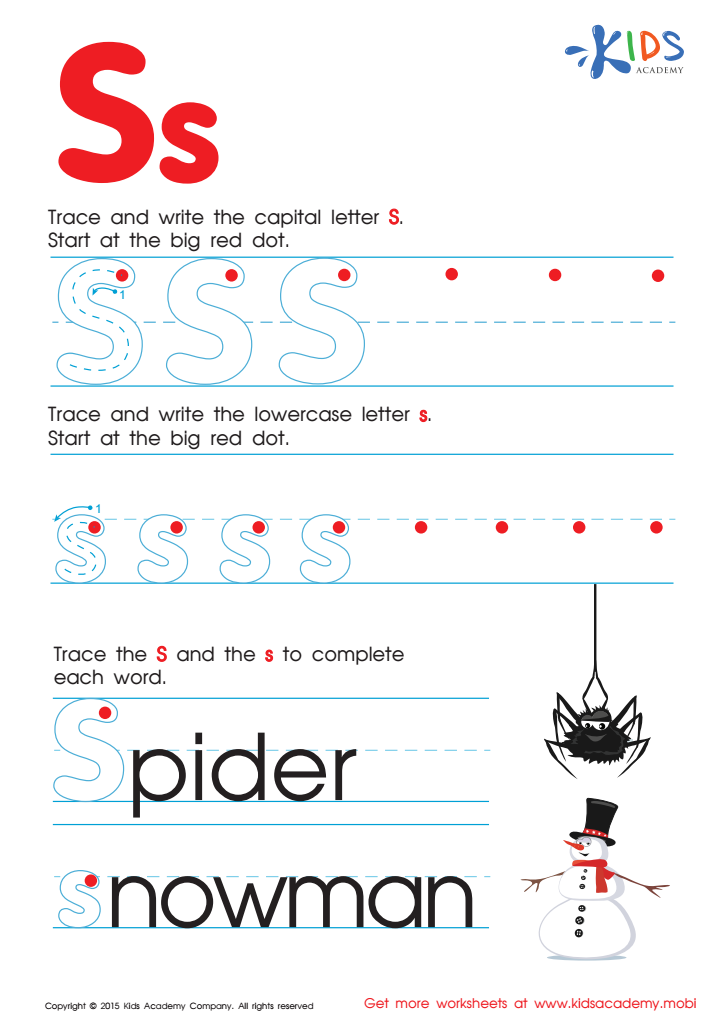
Letter S Tracing Page
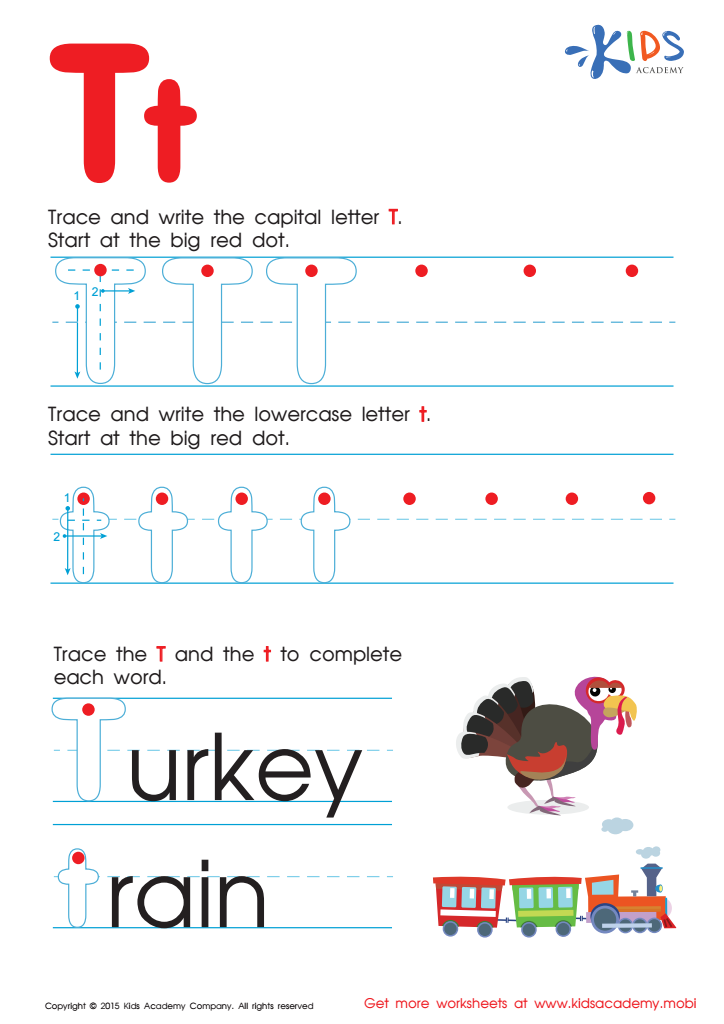
Letter T Tracing Page
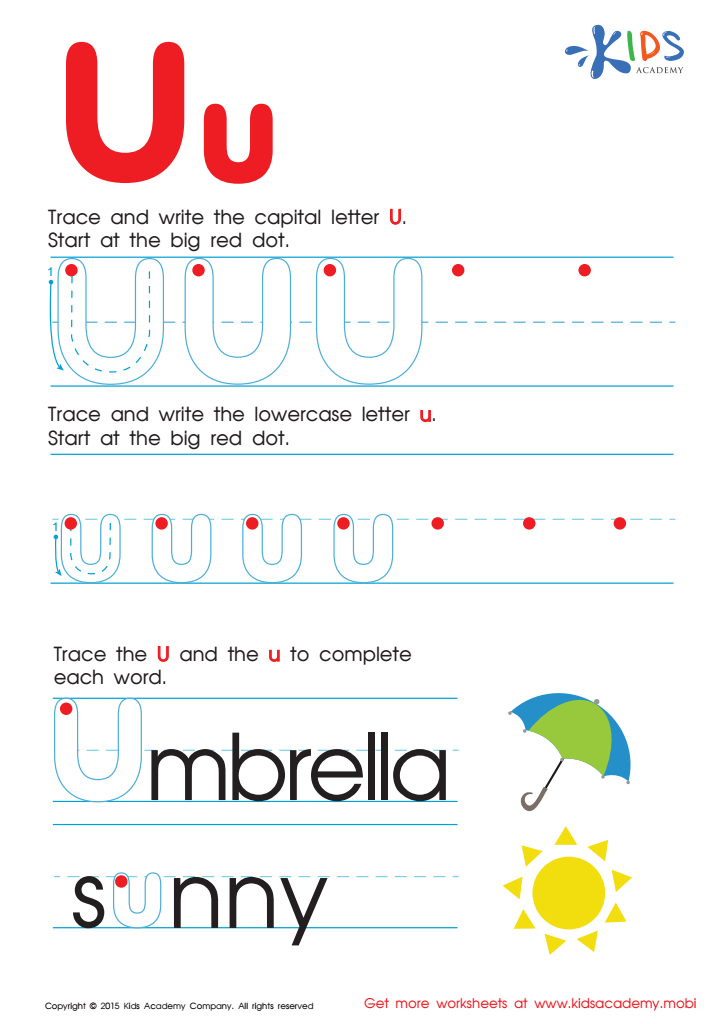
Letter U Tracing Page
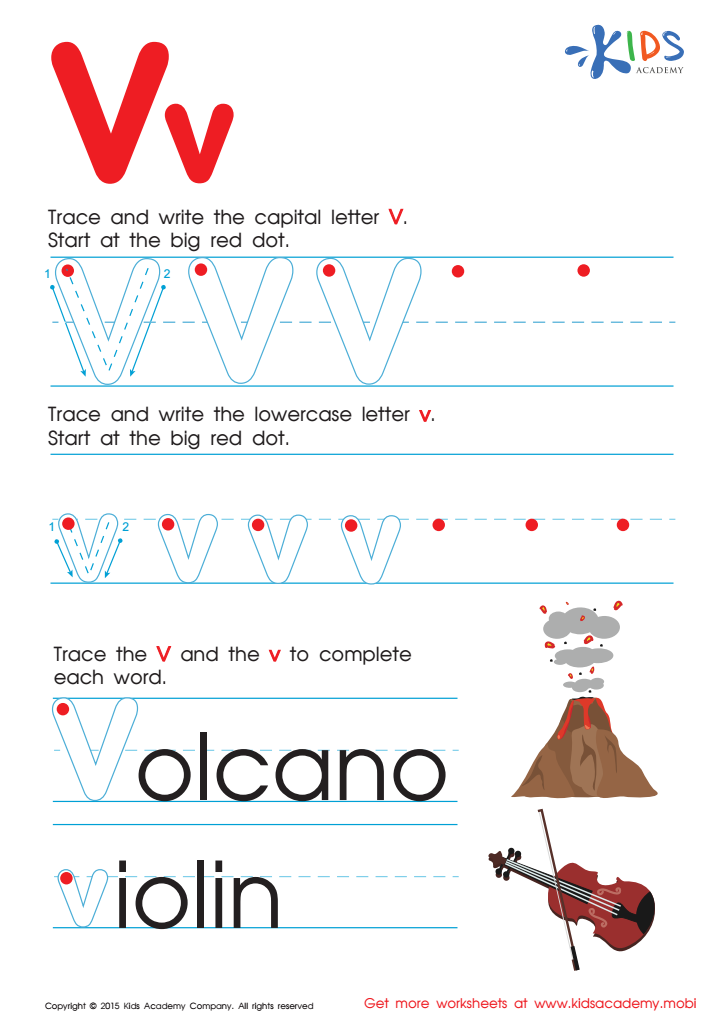
Letter V Tracing Page
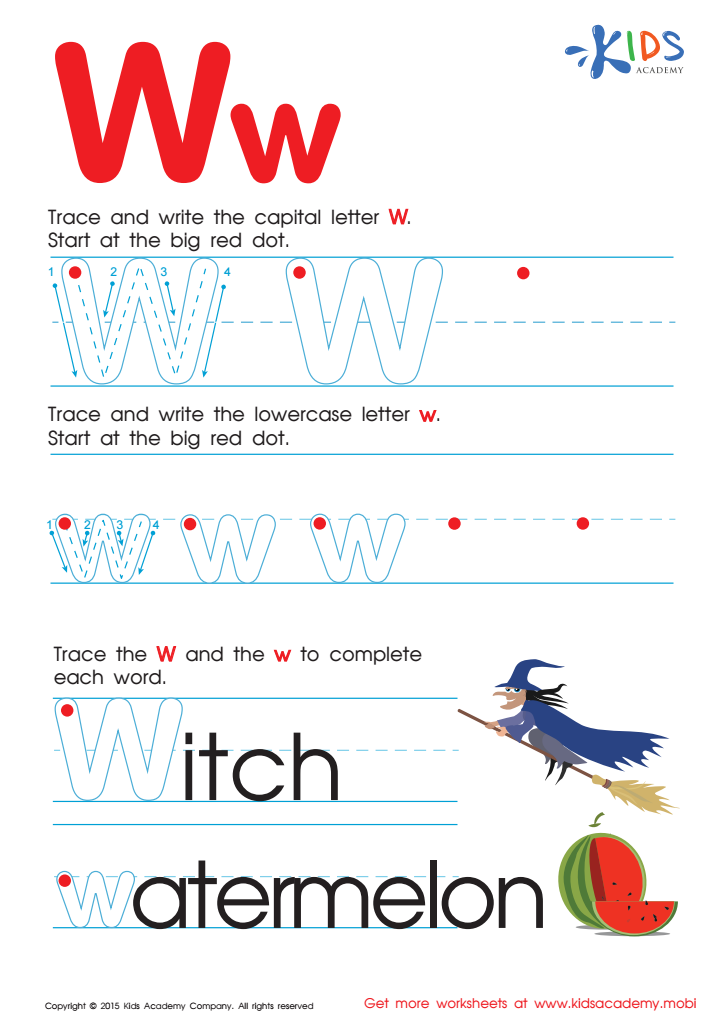
Letter W Tracing Page

Letter A Tracing Page
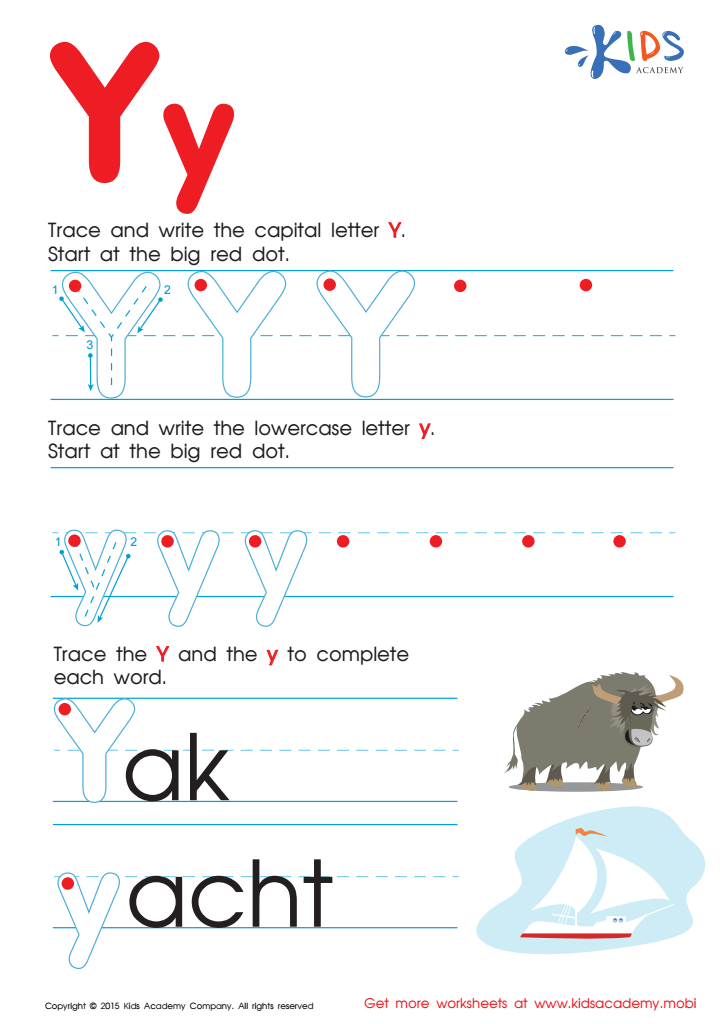
Letter Y Tracing Page
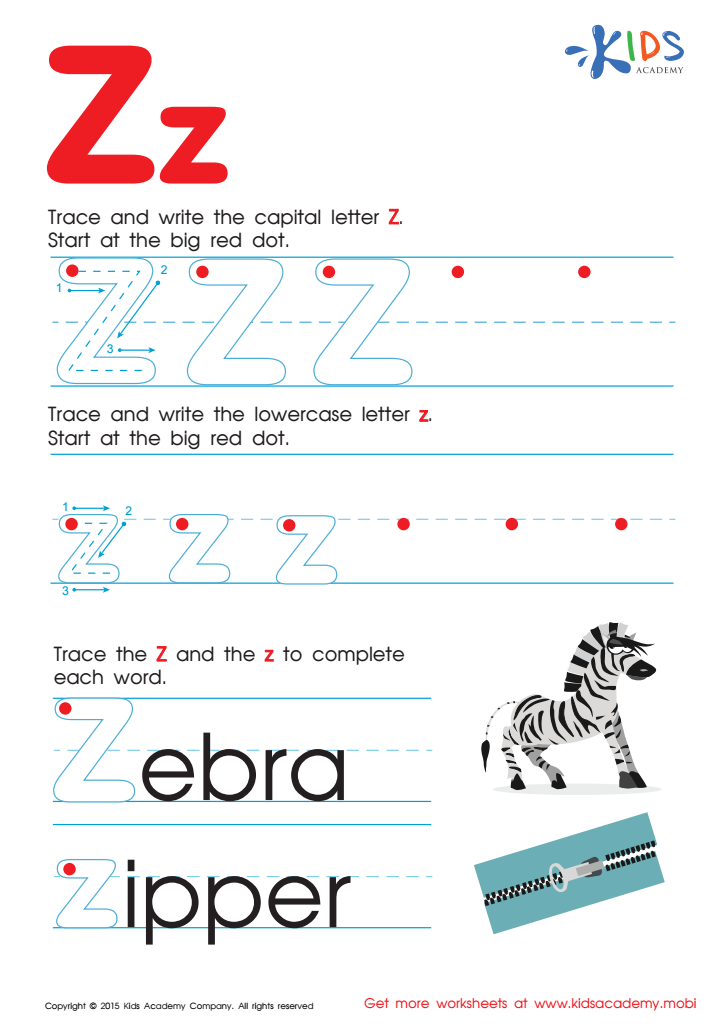
Letter Z Tracing Page
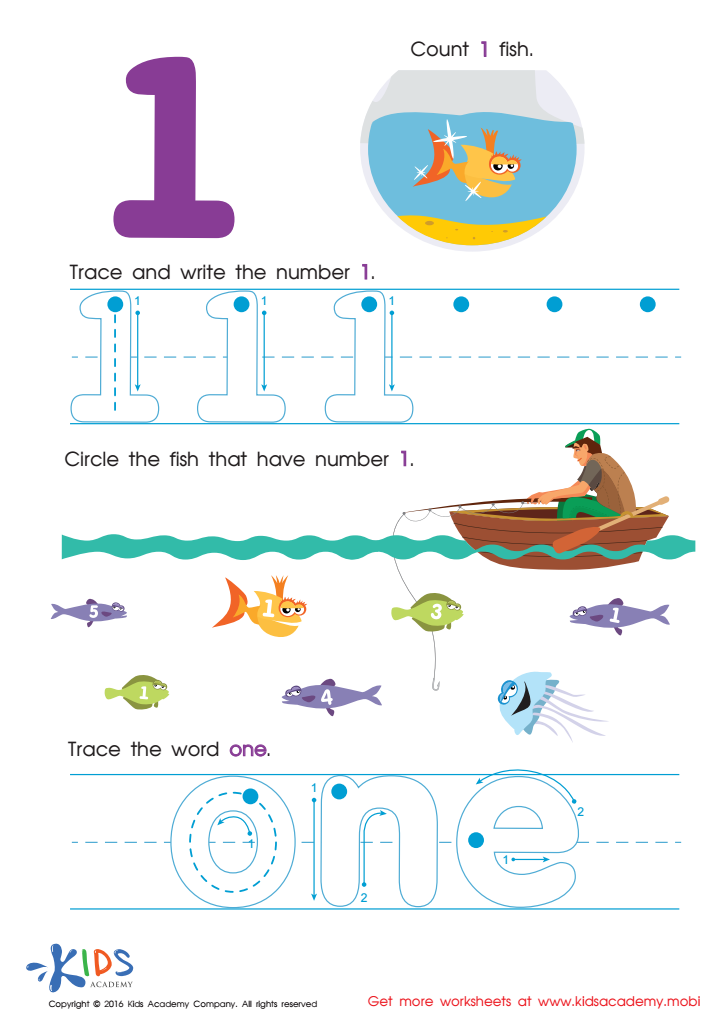
Learning to Write 1 Worksheet
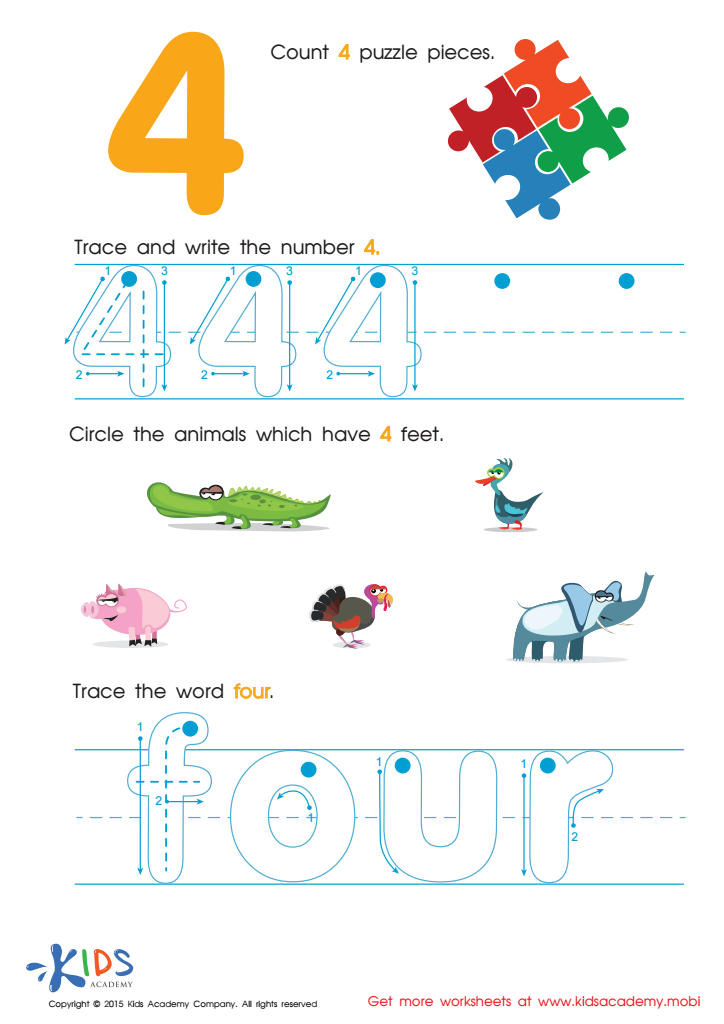
Teaching Children to Write Number 4 Worksheet
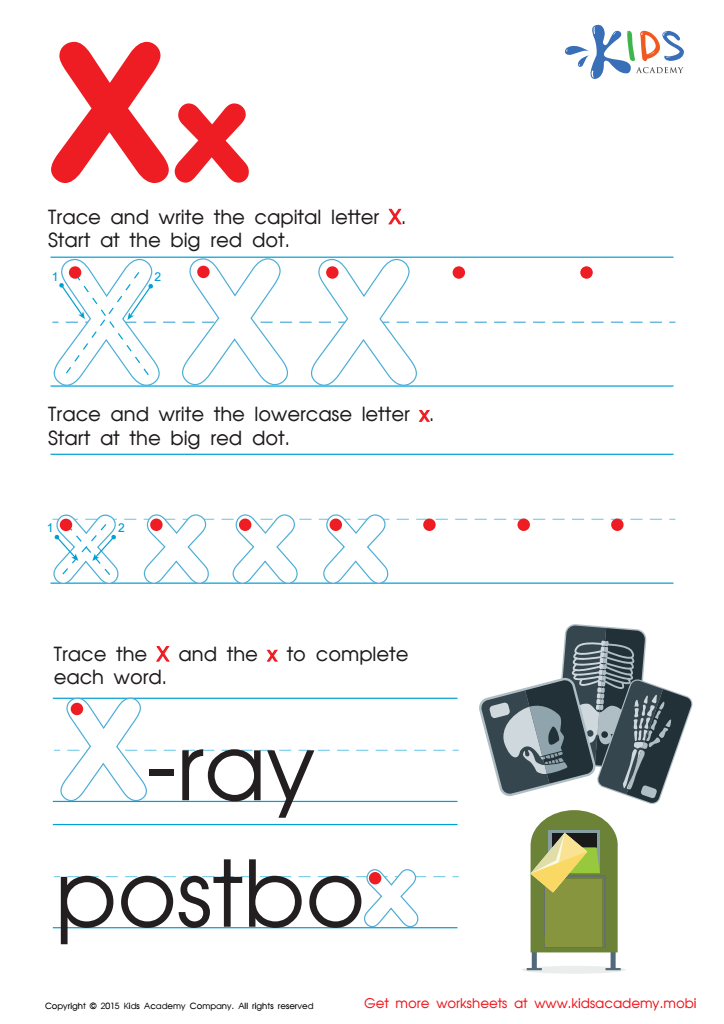
Letter X Tracing Page
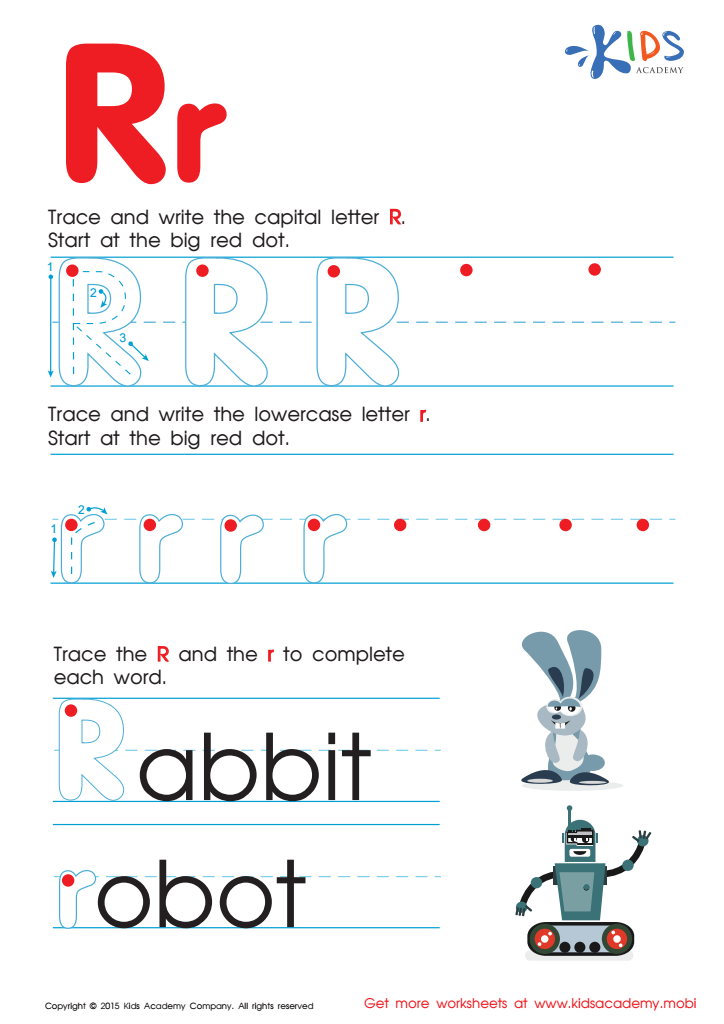
Letter R Tracing Page








Extra Challenge Tracing worksheets activities are a vital tool in the educational toolkit for young learners. These carefully designed worksheets not only enhance fine motor skills but also prepare children for successful writing experiences in their future academic pursuits. The importance of these activities cannot be overstated, as they serve multiple purposes in early childhood education.
Firstly, Extra Challenge Tracing worksheets activities provide a structured way for children to practice precision and control over their hand movements. This form of practice is critical, as it lays the foundation for legible handwriting. By tracing various shapes, letters, and numbers, children develop the muscle memory needed for writing, which is an indispensable skill in their academic journey.
Moreover, these tracing worksheets are designed to present an extra challenge, pushing children slightly beyond their comfort zones. This aspect of difficulty is crucial for cognitive development, as it encourages problem-solving skills and resilience in the face of minor struggles. Children learn to focus and apply themselves, gaining confidence as they overcome each challenge.
The structure of Extra Challenge Tracing worksheets activities also introduces young learners to the discipline of following directions. By guiding their pencils along predetermined paths, children learn to pay attention to detail and follow instructions carefully—a skill that will benefit them across all areas of study.
Furthermore, these worksheets are an excellent way for children to learn about shapes, letters, and numbers in a hands-on manner. Engaging with these fundamental concepts through tracing reinforces recognition and understanding in a way that passive learning cannot match.
In conclusion, Extra Challenge Tracing worksheets activities are an invaluable resource for fostering fine motor skills, encouraging cognitive development, and introducing essential academic concepts. By incorporating these activities into early education, we can give children a strong foundation for future learning success.








