Filters

56 filtered results

Clear all filters
Favorites
With answer key
Interactive

56 filtered results

Difficulty Level

Grade


Check out this FREE Logical Thinking Trial Lesson for age 3-6!

Match Exactly the Same

Favorites
With answer key
Interactive
  • Logical Thinking
  • 3-6
  • Interactive
  • Normal
Sorting Worksheets for Preschool

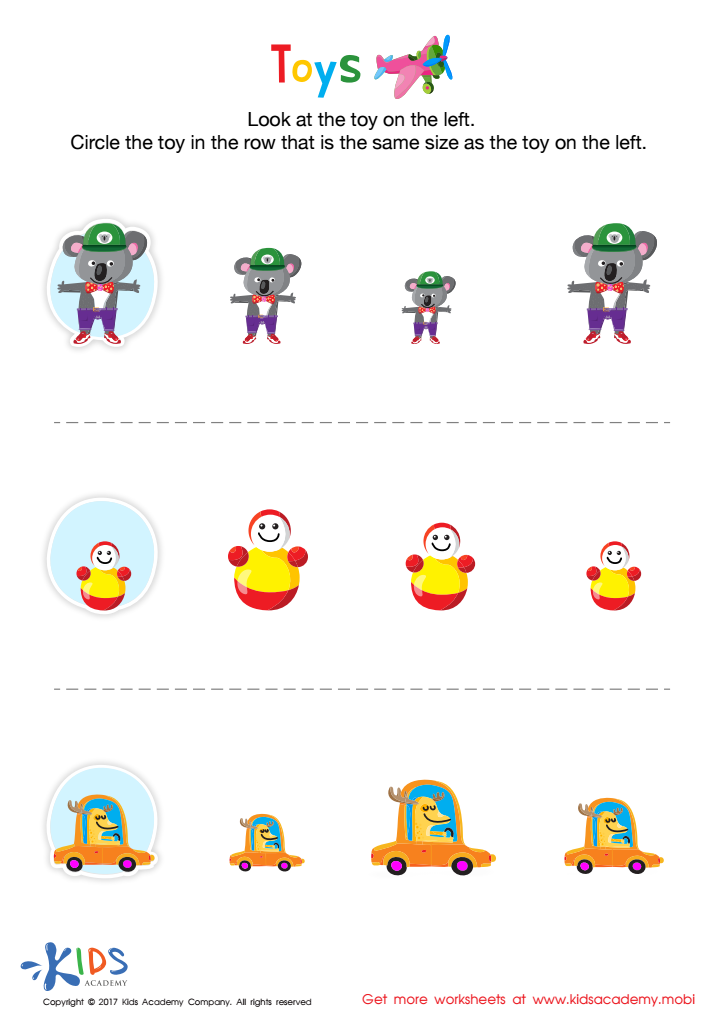
Matching: Classifying Toys by Size Worksheet

Sorting worksheets are an effective way to help your preschooler learn life and educational skills. Spatial awareness, direction recognition, and reading directions all help build a strong foundation for future educational success.
Matching: Classifying Toys by Size Worksheet
Worksheet
Preschool Matching Worksheets

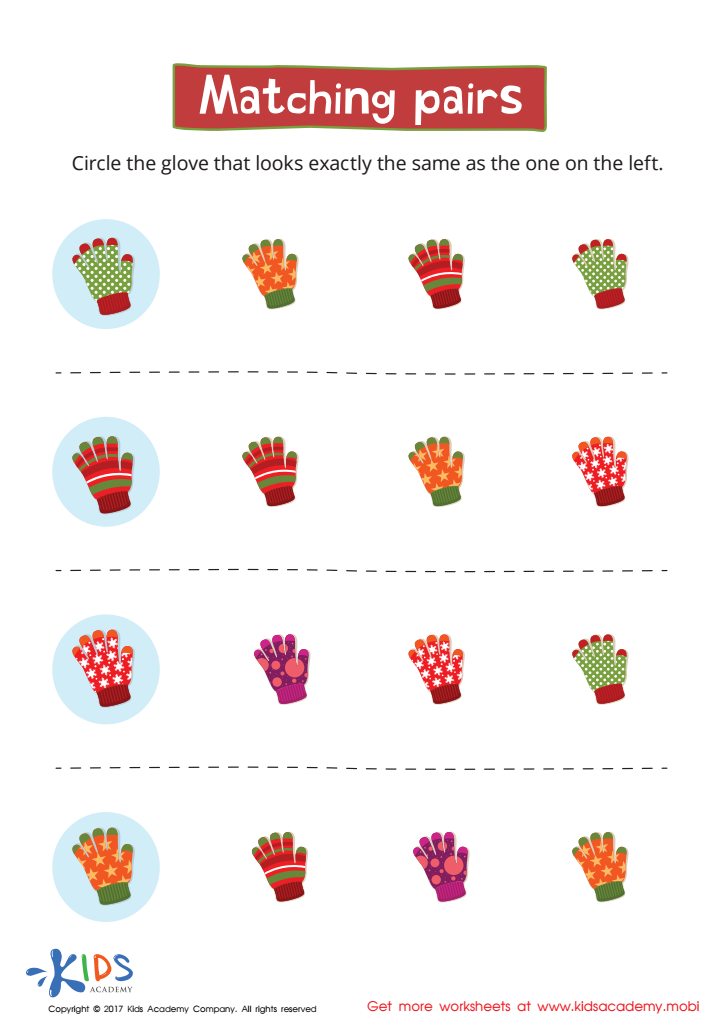
Matching: Matching Pairs Worksheet

Winter's here! Get your child ready with a fun matching worksheet. Challenge them to sort mitten designs, recognize directions, and match mittens in other rows. This helps preschoolers hone problem-solving skills and recognize shapes. Print out more seasonal activities for a diverse summer experience!
Matching: Matching Pairs Worksheet
Worksheet
Sorting Worksheets for Kindergarten

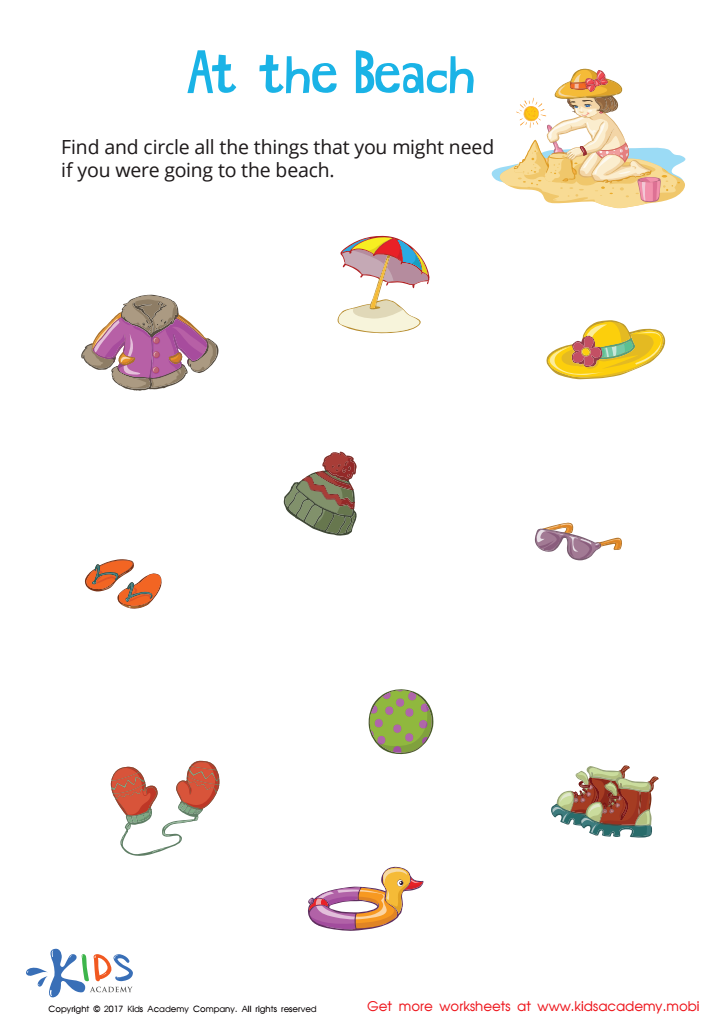
At the Beach Sorting Worksheet

Let your child get beach-ready with this summer worksheet! They'll sort items for a beach trip, then imagine their own trip and make a list. This helps sharpen problem solving and sorting skills plus encourages creative thought.
At the Beach Sorting Worksheet
Worksheet
Sorting Games for Kindergarten
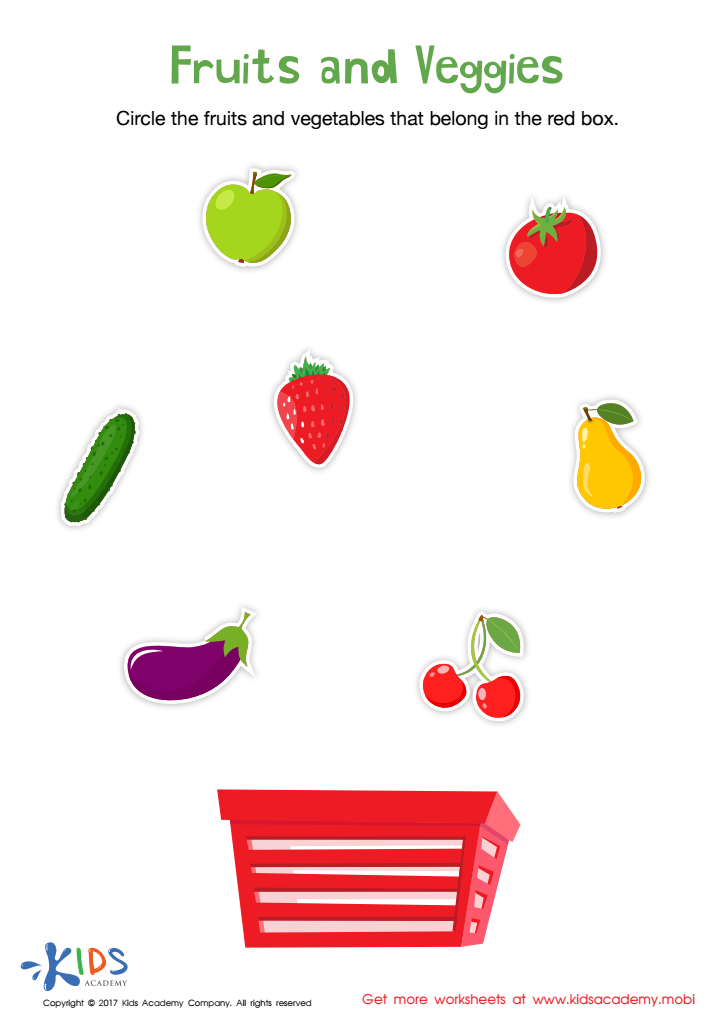
Classifying Fruits and Veggies by Color Sorting Worksheet
Worksheet
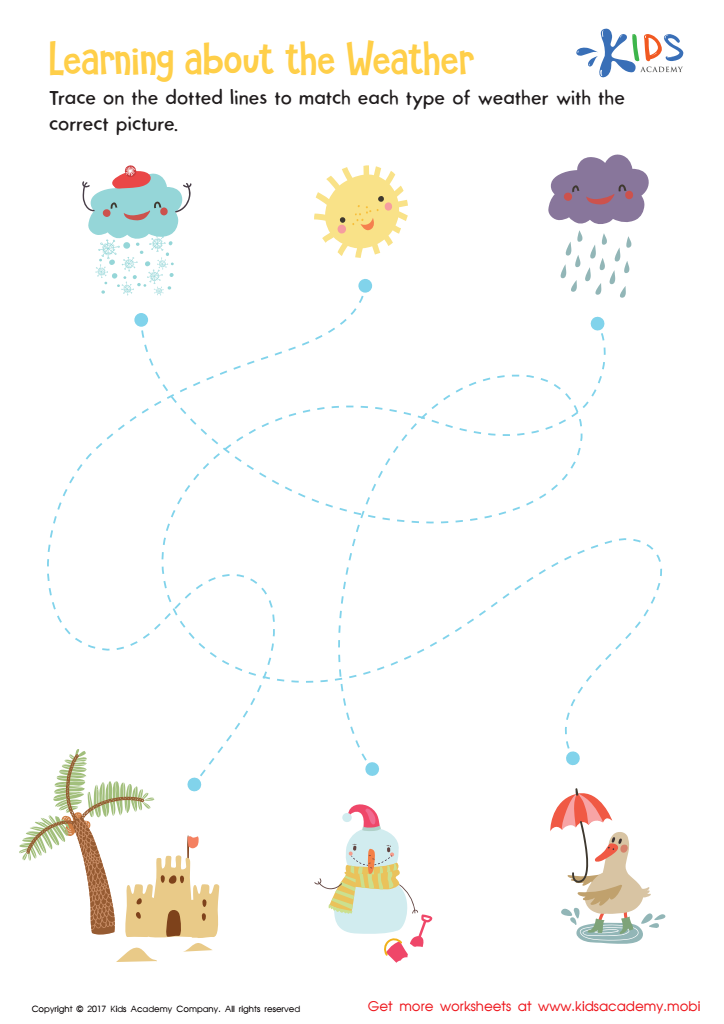
Weather Matching Worksheet

Learning About the Weather Worksheet

Learning About the Weather Worksheet
Worksheet
Which one is different worksheet for preschool

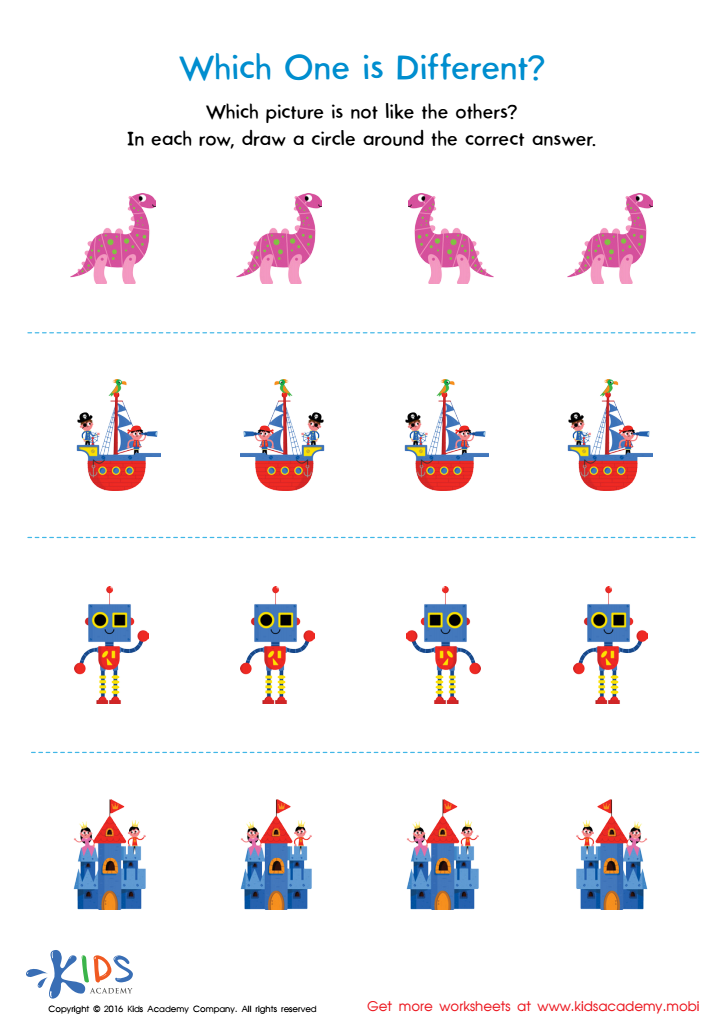
Which One Is Different Worksheet

Preschoolers can hone logical reasoning and critical analysis skills with this "Which one is Different?" worksheet. Kids must look closely and pick out unique attributes of objects and images. It's a skill that can serve them throughout their lifetime.
Which One Is Different Worksheet
Worksheet
Silhouettes - shapes worksheet

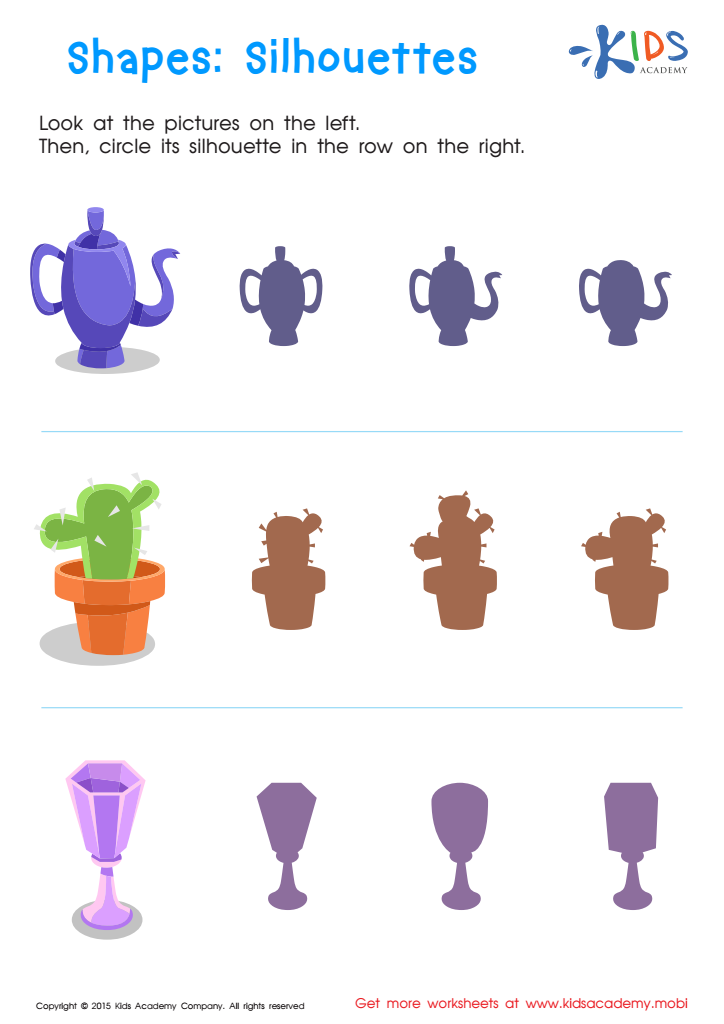
Silhouettes – Shapes Worksheet
Kids can have fun while learning to compare sizes with this silhouettes shapes worksheet! Matching pictures to silhouettes helps them build early math skills, while enjoying the activity!
Silhouettes – Shapes Worksheet
Worksheet
Sorting Worksheets for Kids

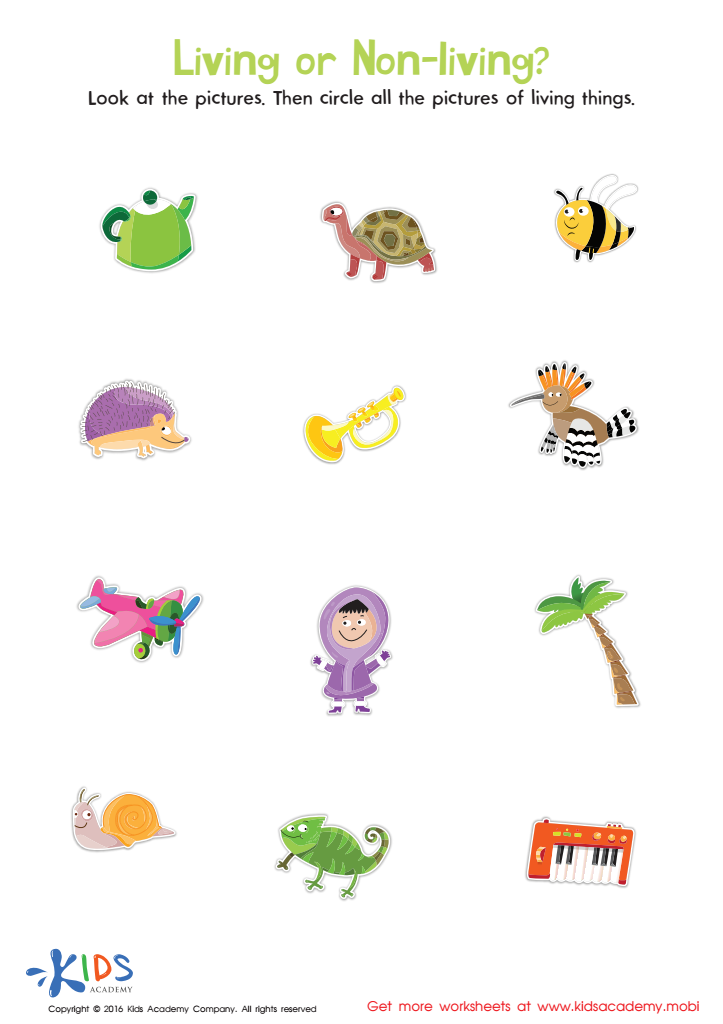
Identifying Living and Non–living Things Sorting Worksheet

Help your child sort living and non-living objects with this cute worksheet. Kids will use problem-solving skills to recognize and categorize the images they see. Matching worksheets available to help their skills soar.
Identifying Living and Non–living Things Sorting Worksheet

Worksheet


... 2 3

Normal logical thinking activities for children aged 3-6 are crucial for a myriad of developmental reasons. First and foremost, these activities lay the foundation for critical thinking and problem-solving skills. At this age, children are naturally curious, and engaging in logical tasks encourages them to explore relationships, patterns, and categorizations, which are essential skills for later academic success.

Moreover, logical thinking promotes cognitive development. By participating in structured activities that challenge them to reason and make decisions, young children enhance their memory, attention span, and mental agility. This not only aids in their intellectual growth but also stimulates their creativity, allowing them to approach problems and creativity from various angles.

Additionally, normal logical thinking activities can improve social skills. Many of these activities are best conducted in groups, helping children learn to collaborate, share ideas, and resolve conflicts. Social interaction during such tasks nurtures communication and teamwork skills essential for building strong relationships.

Lastly, fostering logical thinking early in childhood contributes to emotional resilience. When children are faced with challenges in these activities, they learn perseverance and adaptability, both vital traits for lifelong success. Thus, parents and teachers should prioritize normal logical thinking activities to empower children in their holistic development.