Normal Tracing Letters worksheets activities for Ages 3-6 - Page 2
31 filtered results
-
From - To
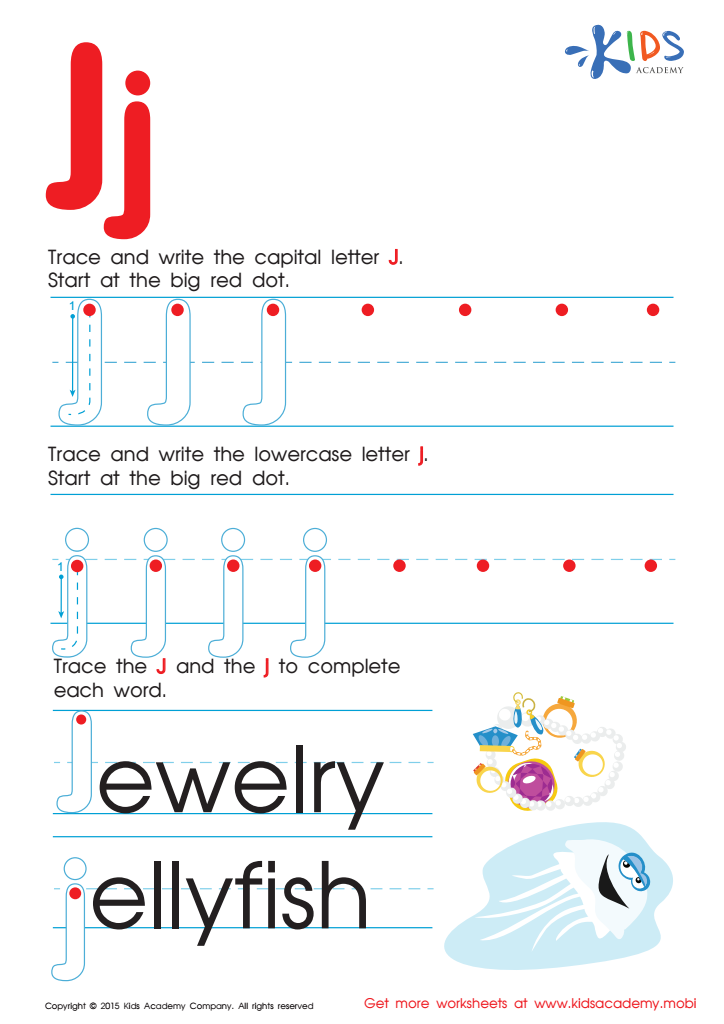
Letter J Tracing Page
 Assign to My Students
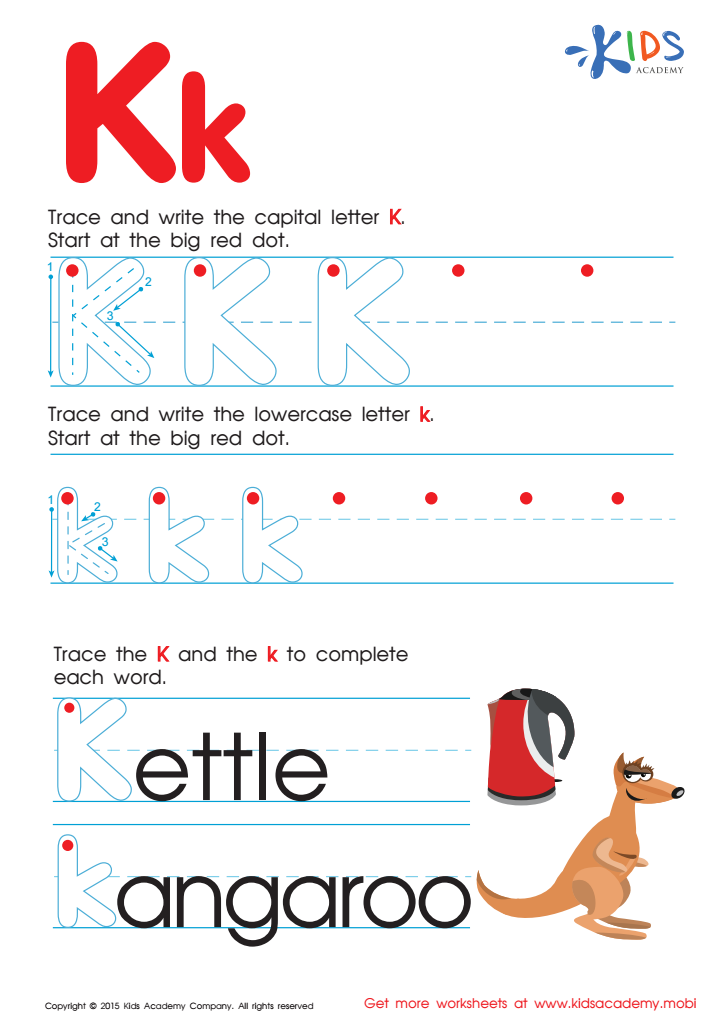
Letter K Tracing Page
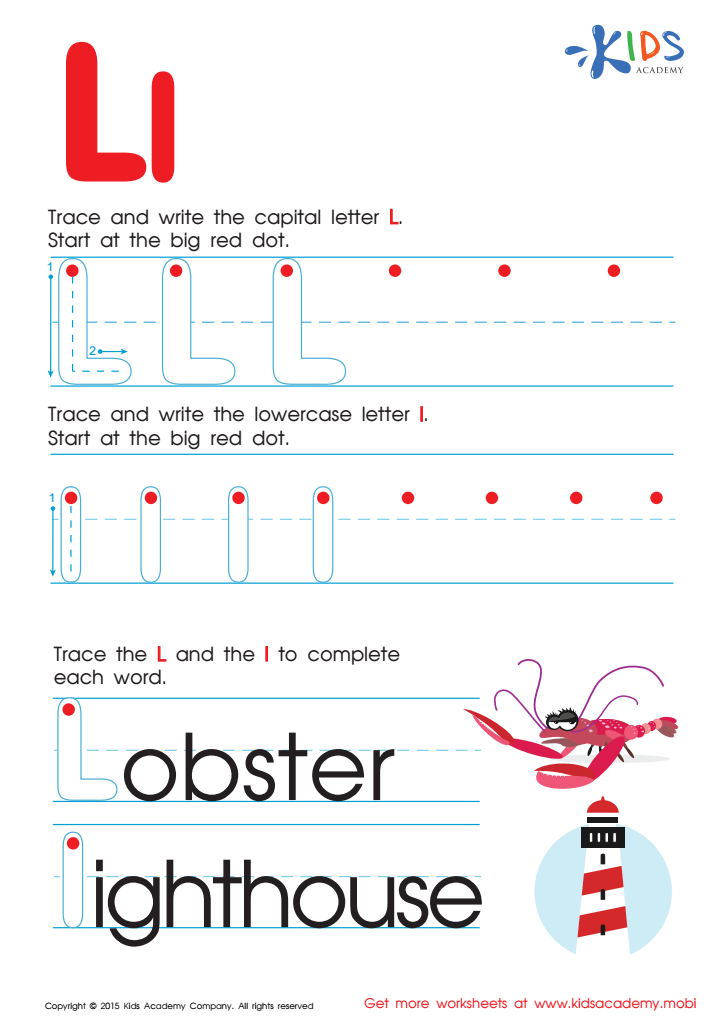
Letter L Tracing Page
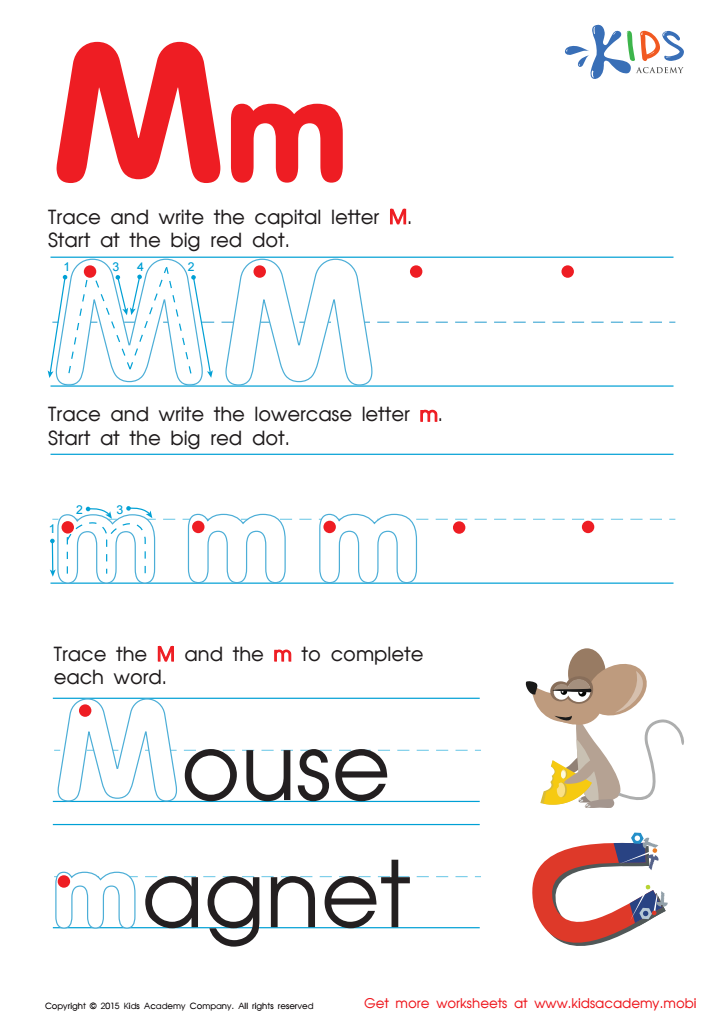
Letter M Tracing Page
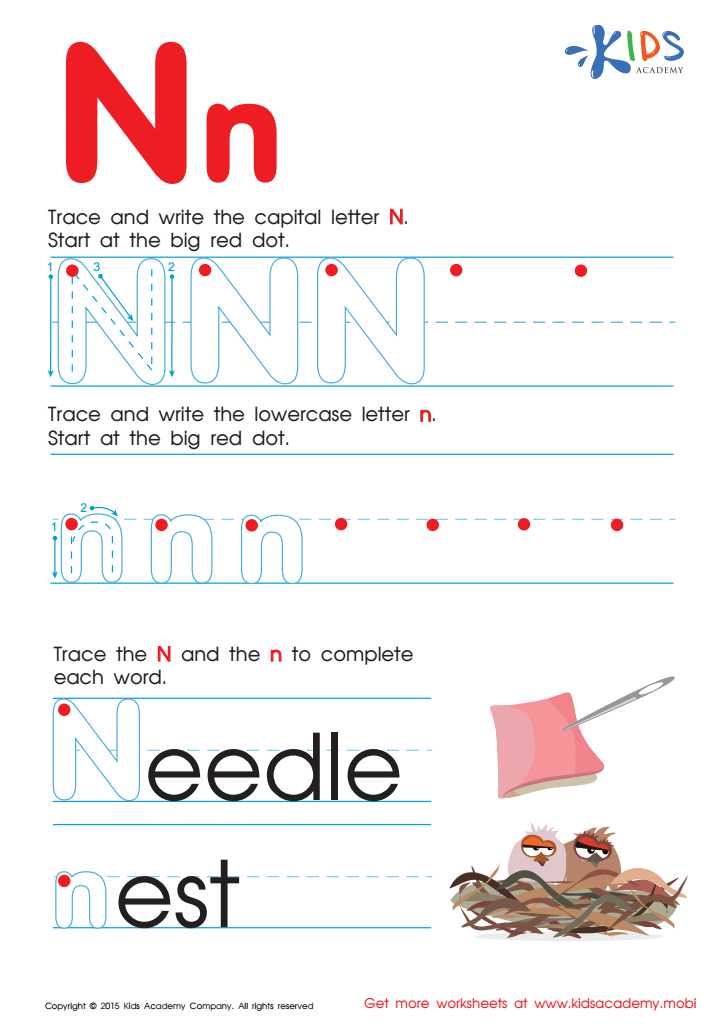
Letter N Tracing Page
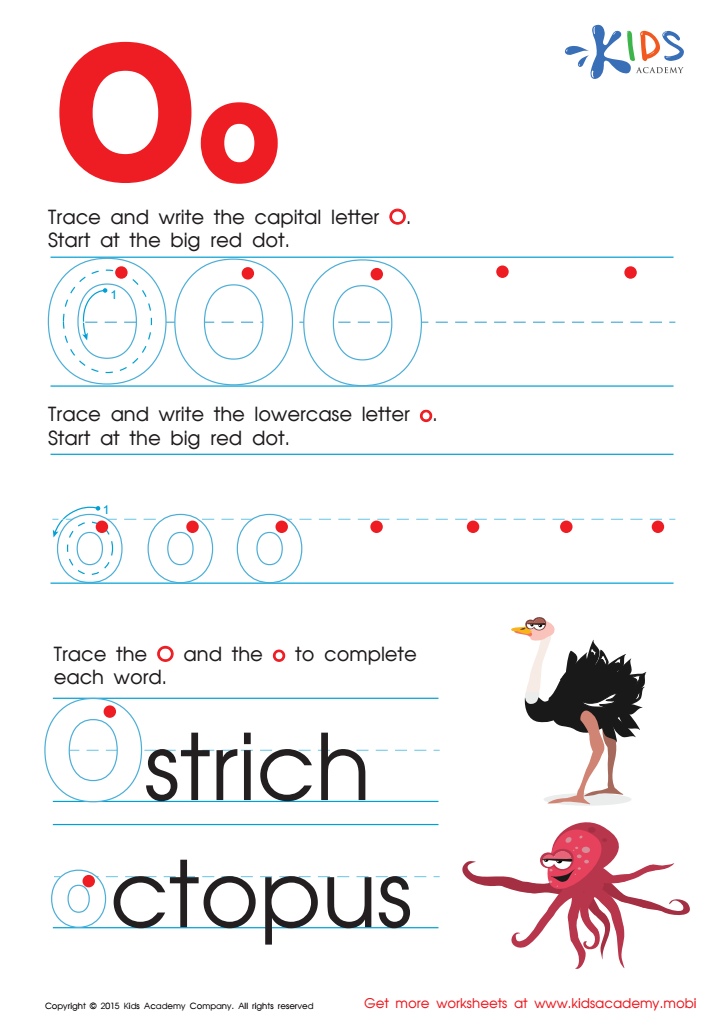
Letter O Tracing Page
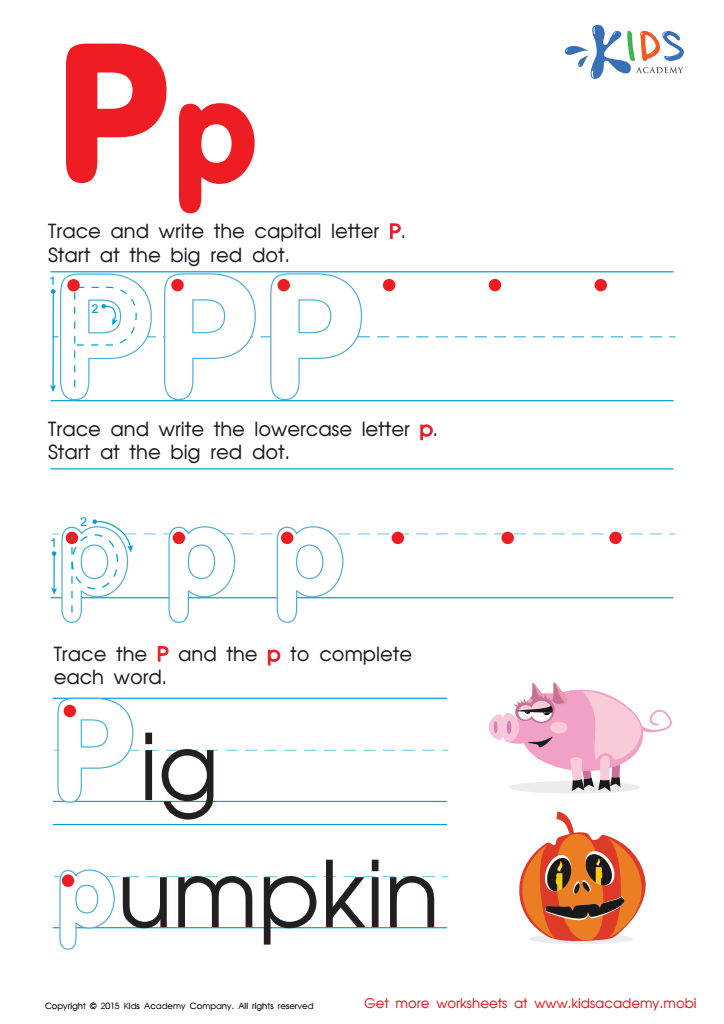
Letter P Tracing Page






Normal tracing letters activities for children ages 3-6 play a crucial role in early literacy development. These activities not only enhance fine motor skills but also foster hand-eye coordination, which are foundational for writing. When children trace letters, they begin to recognize and memorize shapes, setting the stage for letter identification and phonics instruction. This engagement promotes a positive association with writing and reading, crucial for lifelong learning.
Moreover, tracing letters can enhance concentration and encourage patience, as children focus on completing the task. It also provides an opportunity for parents and teachers to engage with children in a meaningful way, supporting bonding through shared learning experiences.
Beyond technical skills, these activities can boost children's confidence in their abilities. When they see their progress—recognizing their letters and writing them independently—they develop a sense of accomplishment.
For teachers and parents, incorporating tracing activities into daily routines can cultivate a love for learning, making literacy less daunting and more fun. Ultimately, these activities lay a strong foundation for future academic success, ensuring that children are well-prepared as they transition into more complex literacy tasks in their educational journey.








