Normal Tracing Letters worksheets activities for Ages 4-7 - Page 2
32 filtered results
-
From - To
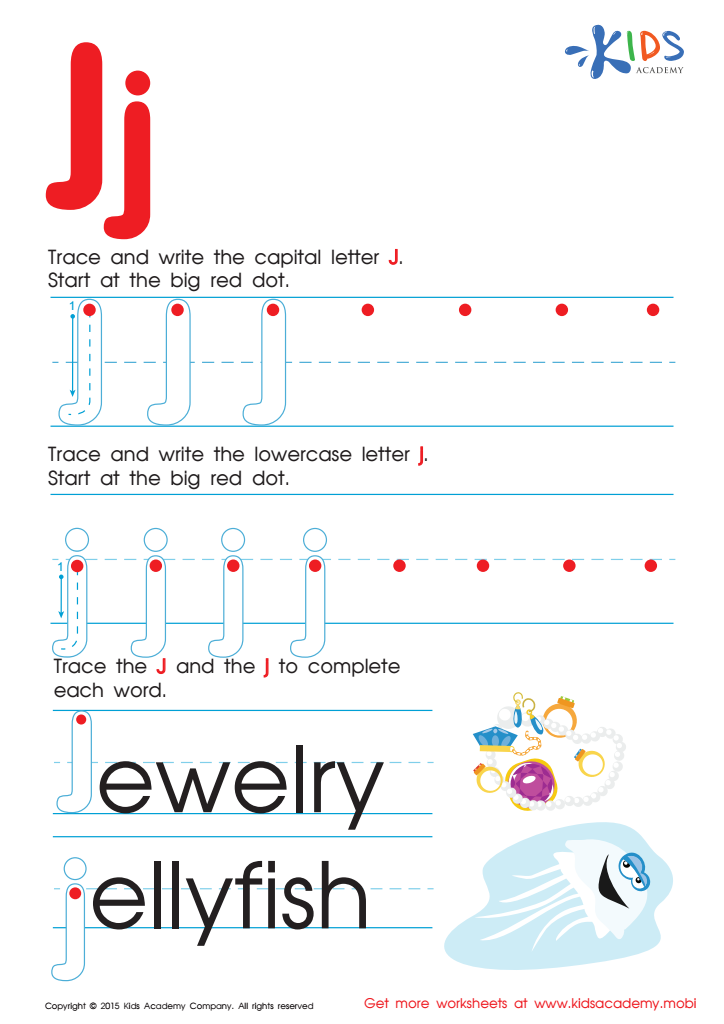
Letter J Tracing Page
 Assign to My Students
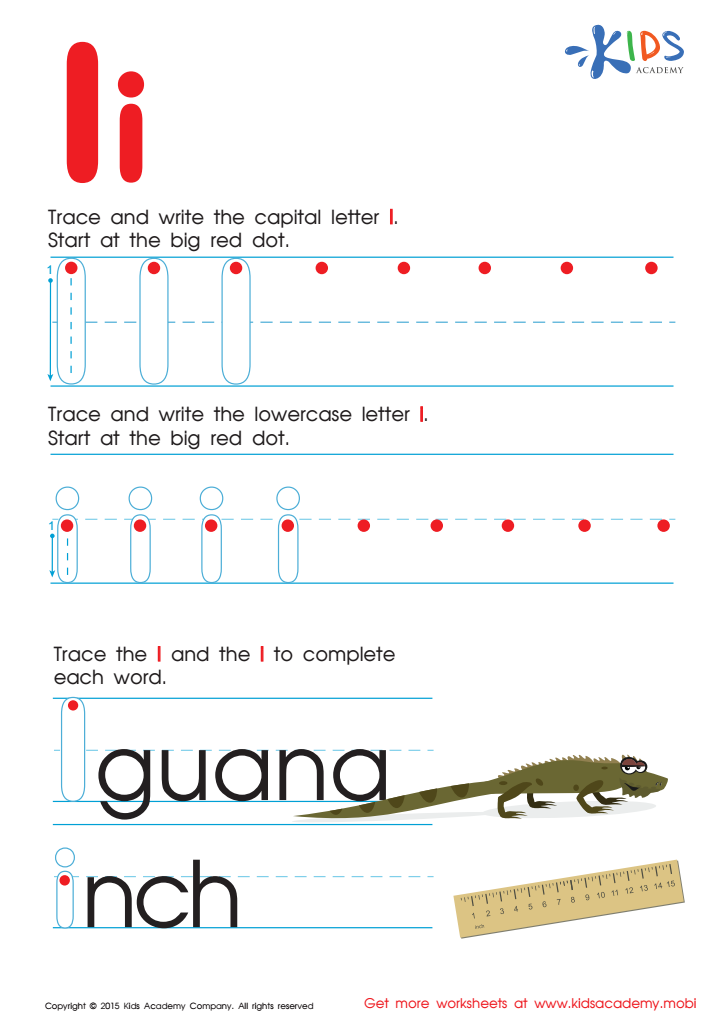
Letter I Tracing Page

Letter H Tracing Page

Letter G Tracing Page
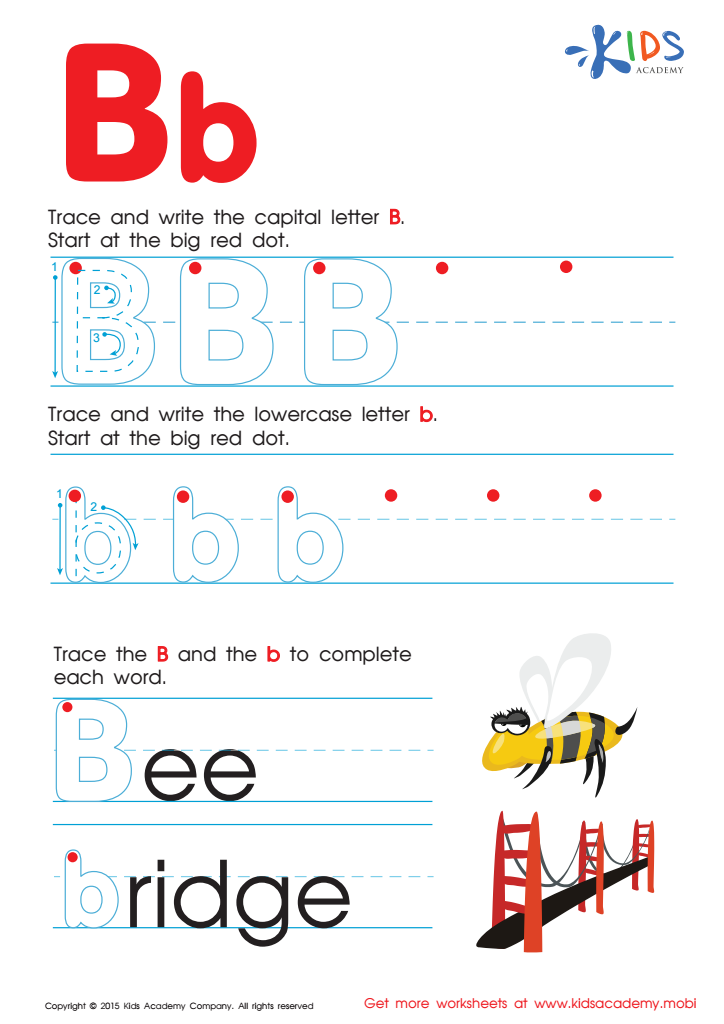
Letter B Tracing Page
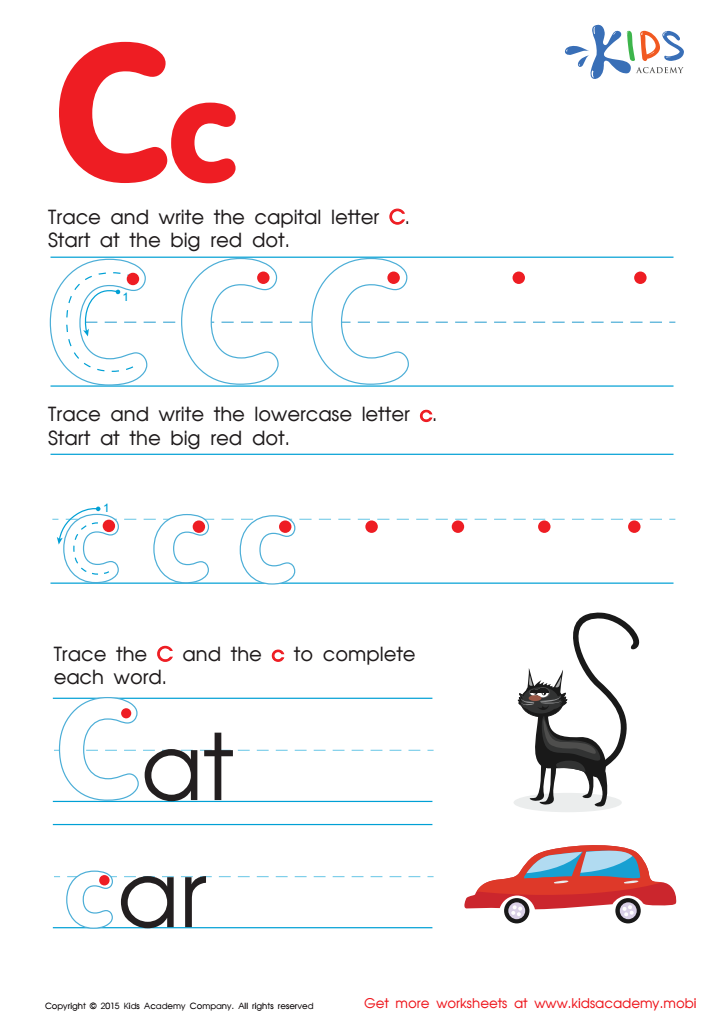
Letter C Tracing Page

Letter D Tracing Page
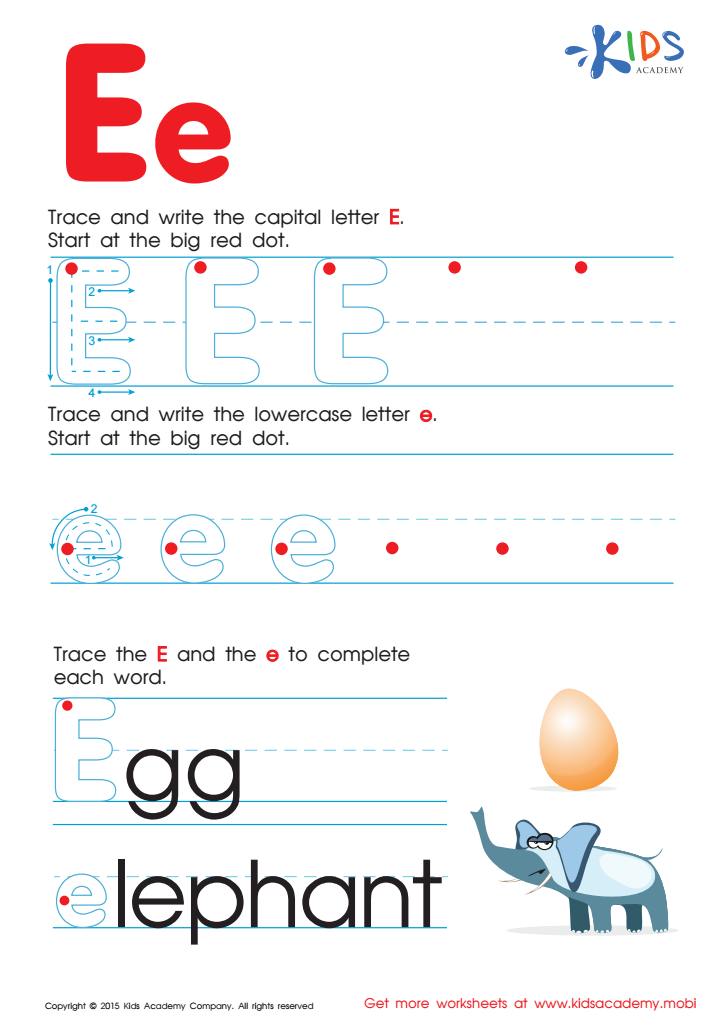
Letter E Tracing Page







Normal tracing letters activities are essential for children ages 4-7, as they lay the foundation for essential literacy skills. At this developmental stage, children are honing their fine motor skills, which are crucial for writing. Tracing letters helps cultivate hand-eye coordination and grip strength, making writing more manageable and enjoyable in later years.
Additionally, these activities enhance letter recognition, which is fundamental for reading proficiency. As children trace letters, they visually familiarize themselves with character shapes, improving their ability to identify letters in various words. Furthermore, tracing can foster phonemic awareness; often, these activities include associated sounds that help children develop their understanding of how letters correlate with sounds, supporting early reading skills.
Moreover, engaging students in letter tracing also promotes concentration and patience. As kids focus on their handwriting, they learn critical skills such as following directions and mastering tasks, laying a groundwork for positive study habits.
For parents and teachers, incorporating normal tracing letters activities into learning can cultivate a love for writing and reading, ensuring children are better prepared for academic success as they transition from preschool to primary school environments. Overall, these activities are foundational tools for developing confident and competent young learners.








