Normal Tracing Words worksheets activities for Ages 6-7
34 filtered results
-
From - To
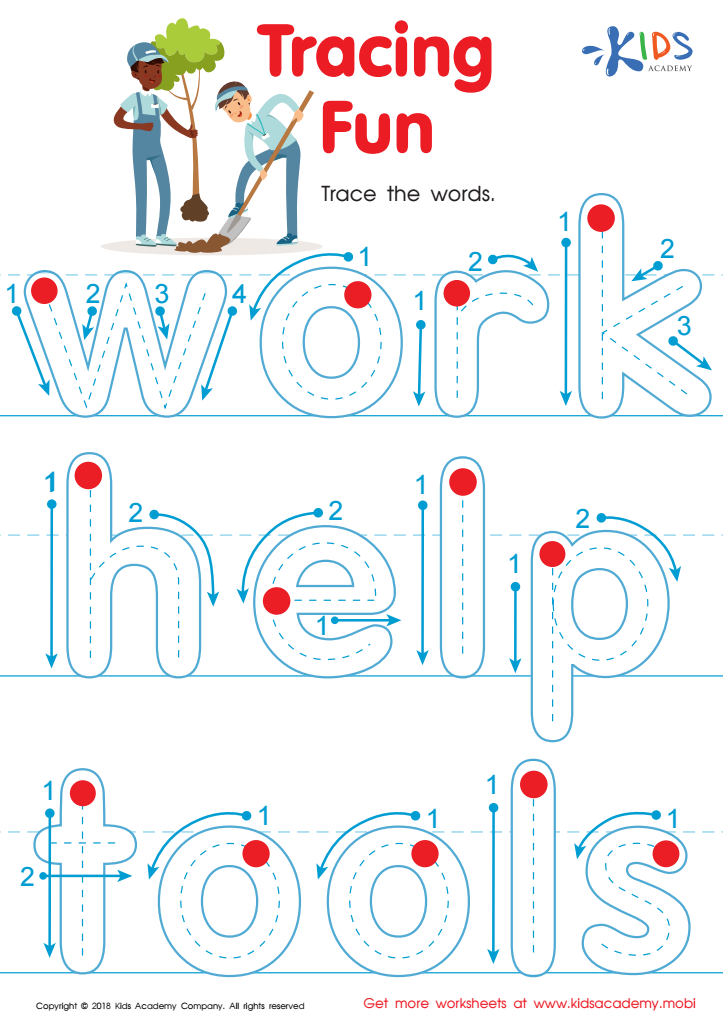
Tracing Fun Worksheet
 Assign to My Students
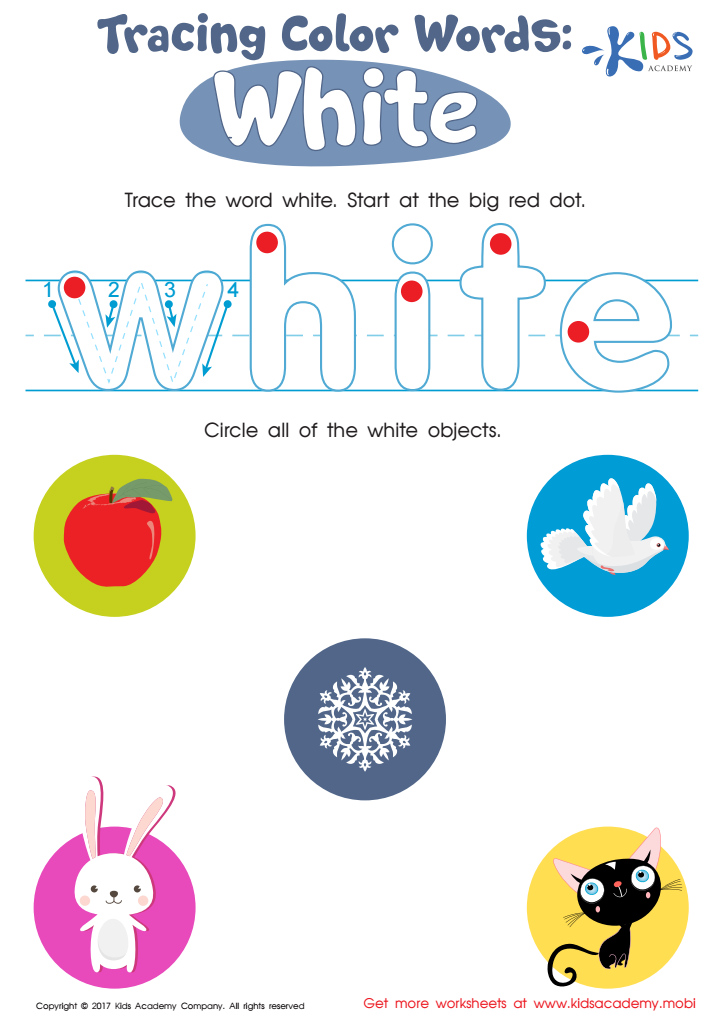
White Tracing Color Words Worksheet
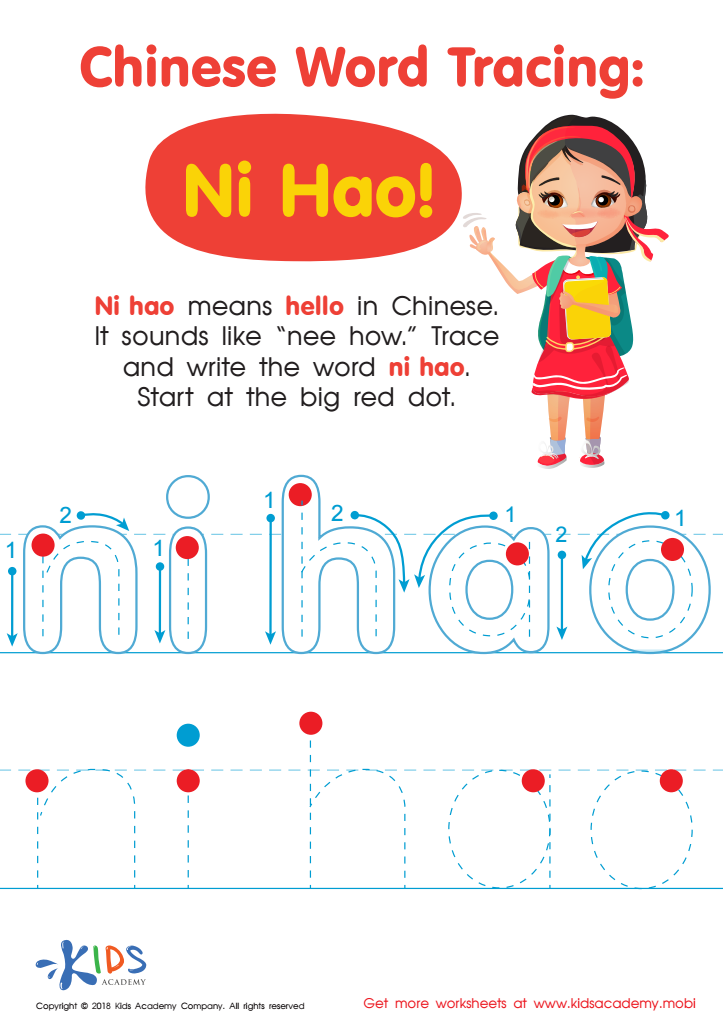
Chinese Word Tracing: Ni Hao Worksheet
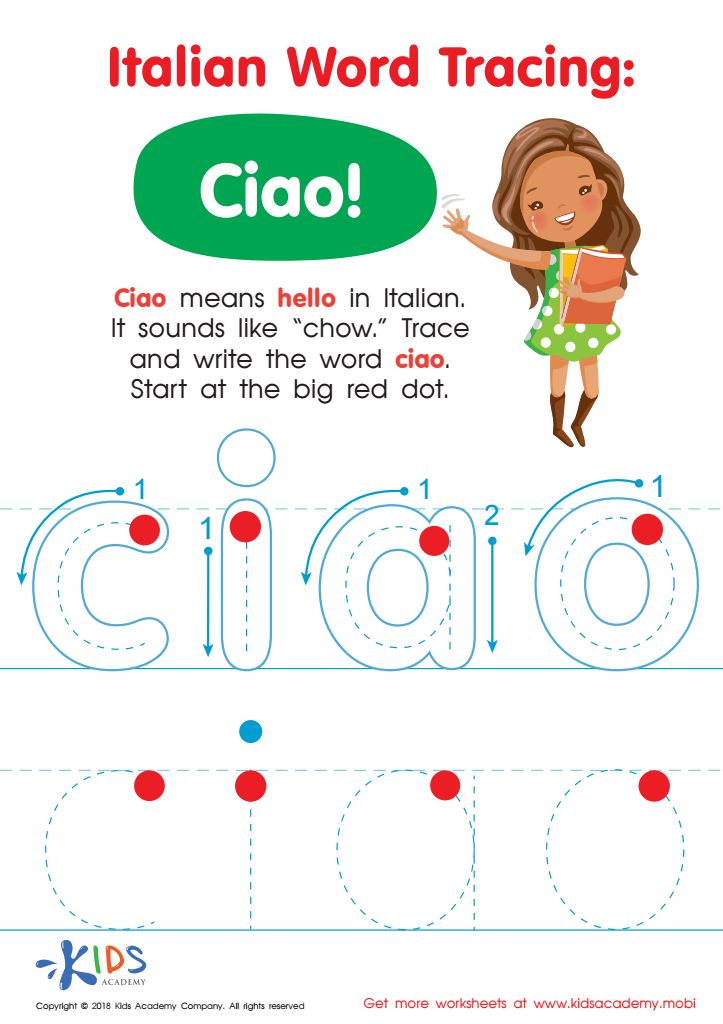
Italian Word Tracing: Ciao Worksheet
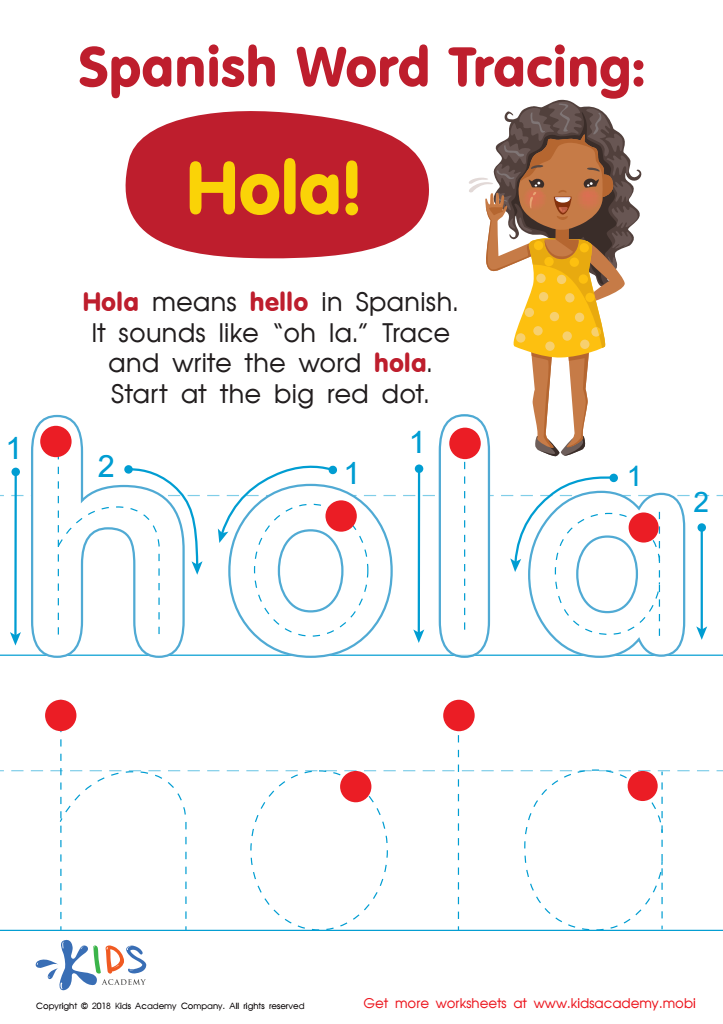
Spanish Word Tracing: Hola Worksheet
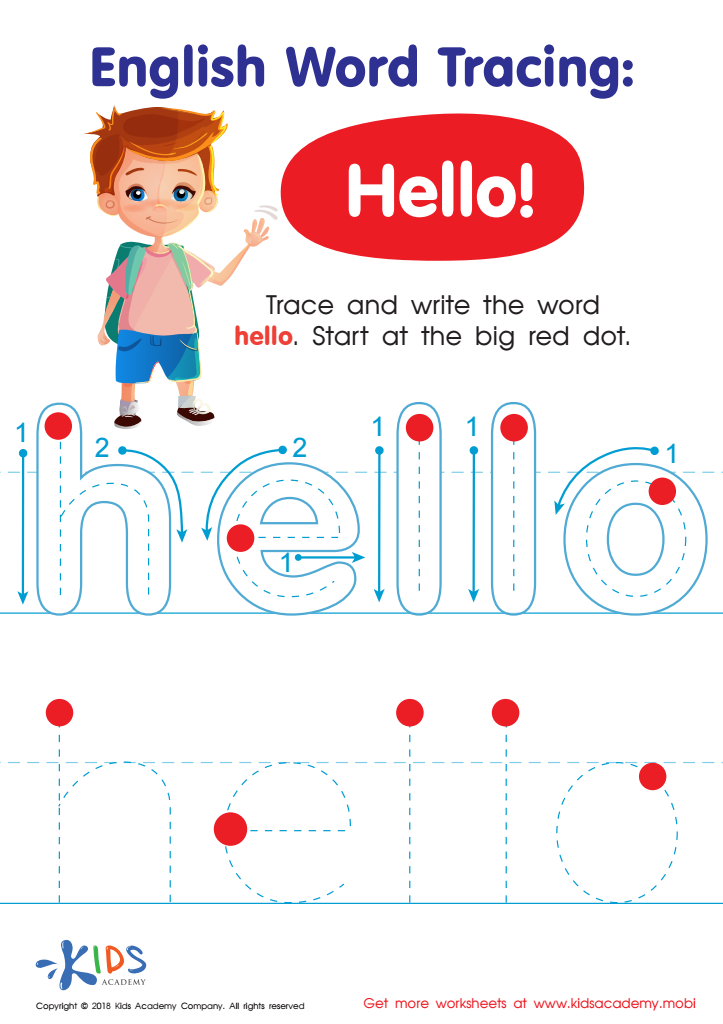
English Word Tracing: Hello Worksheet
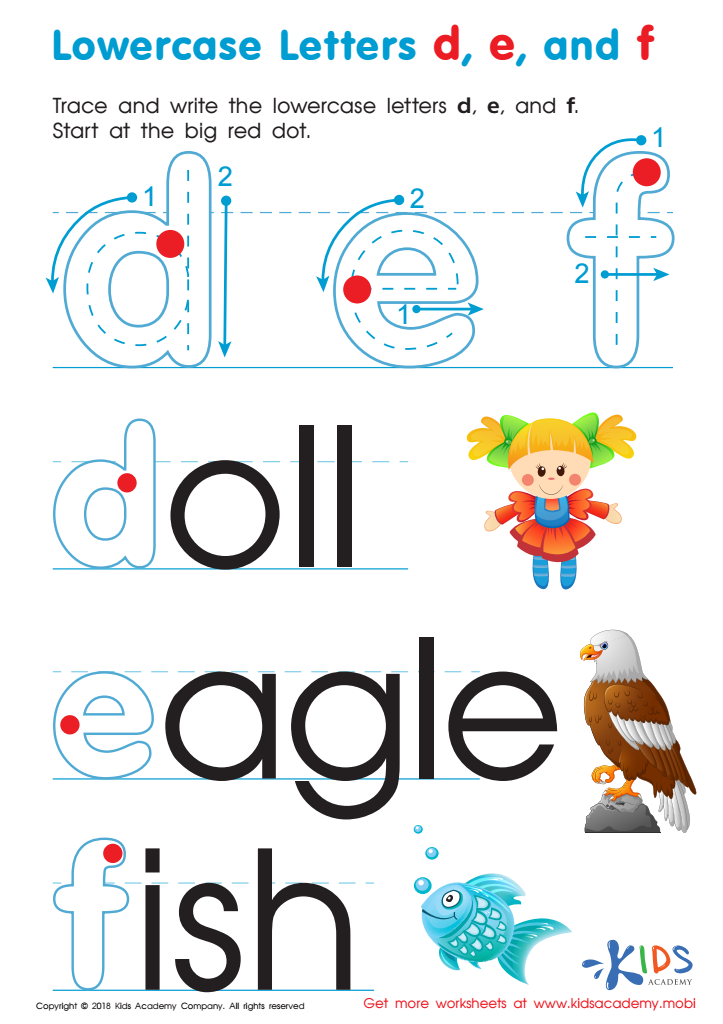
Lowercase Letters d e f Worksheet
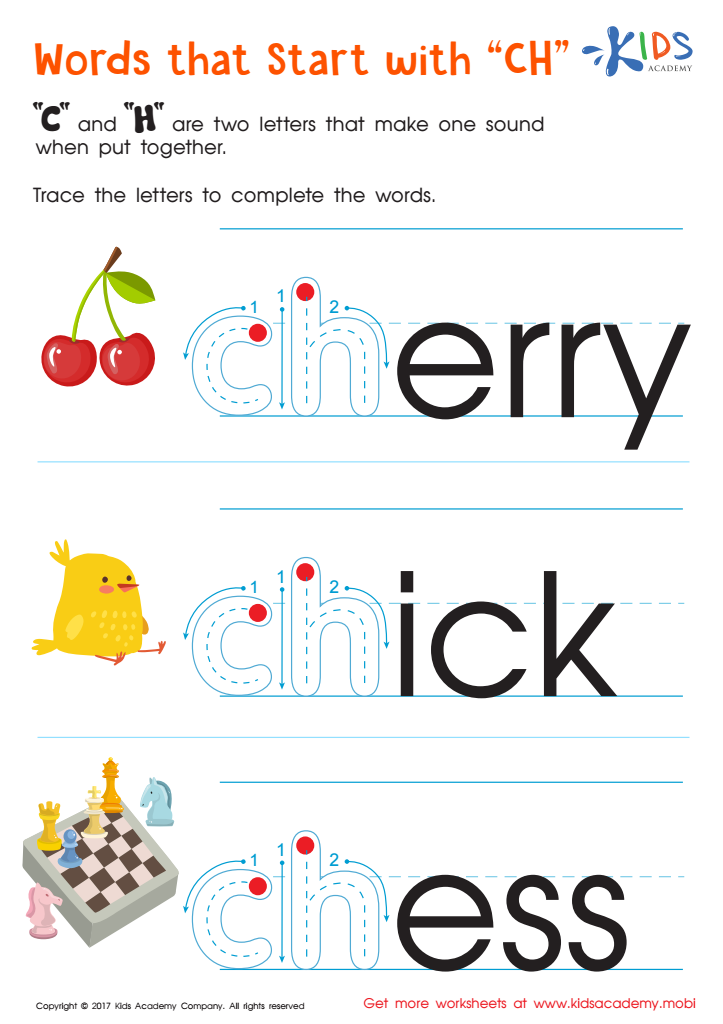
Words That Start with "ch" Spelling Worksheet
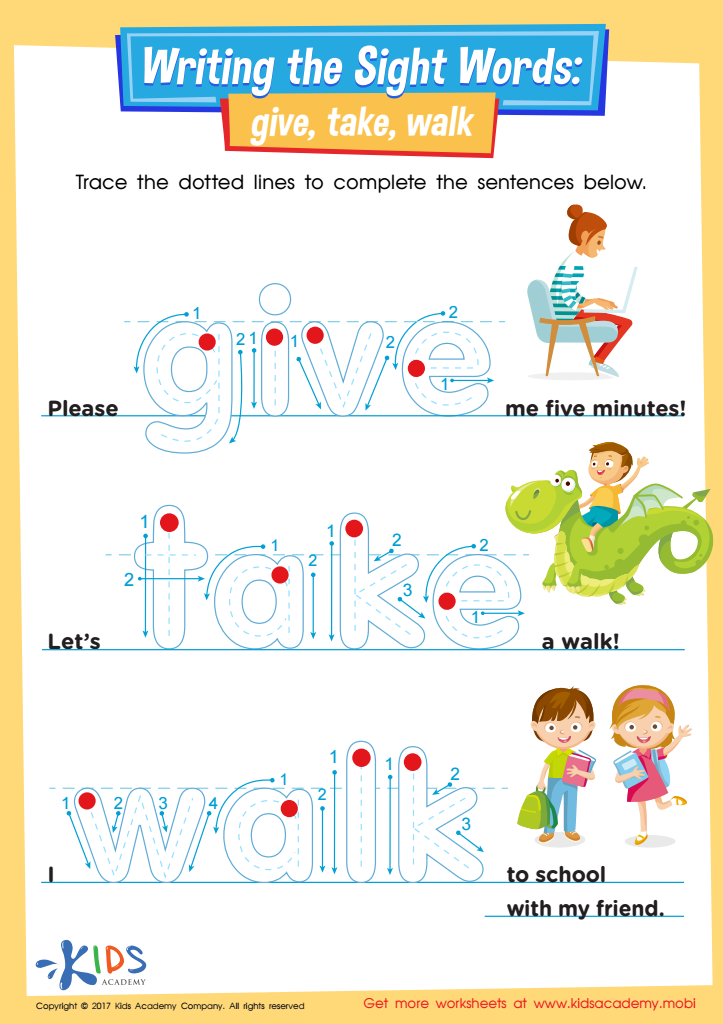
Give, Take, Walk Printable Sight Words Worksheet
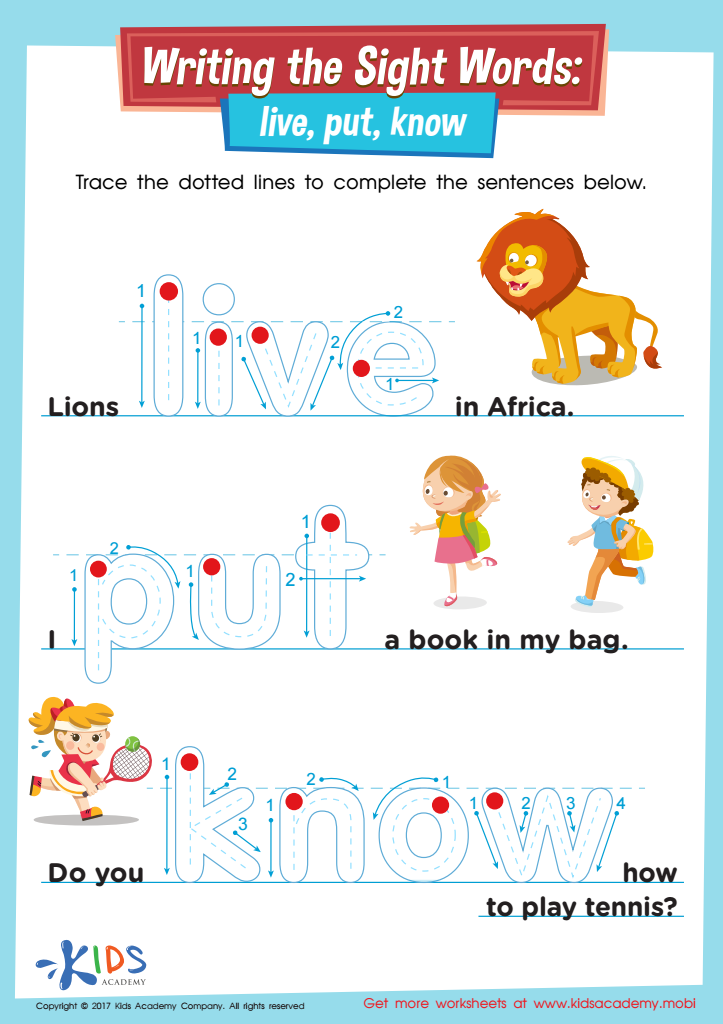
Live, Put, Know Printable Sight Words Worksheet
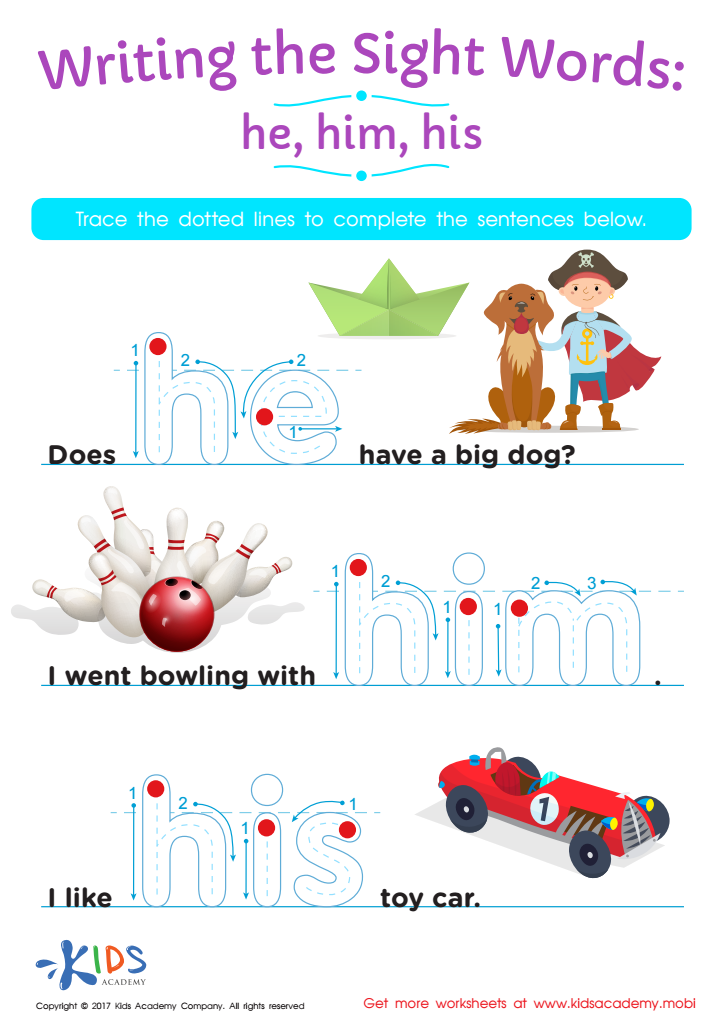
He, Him, His Printable Sight Words Worksheet
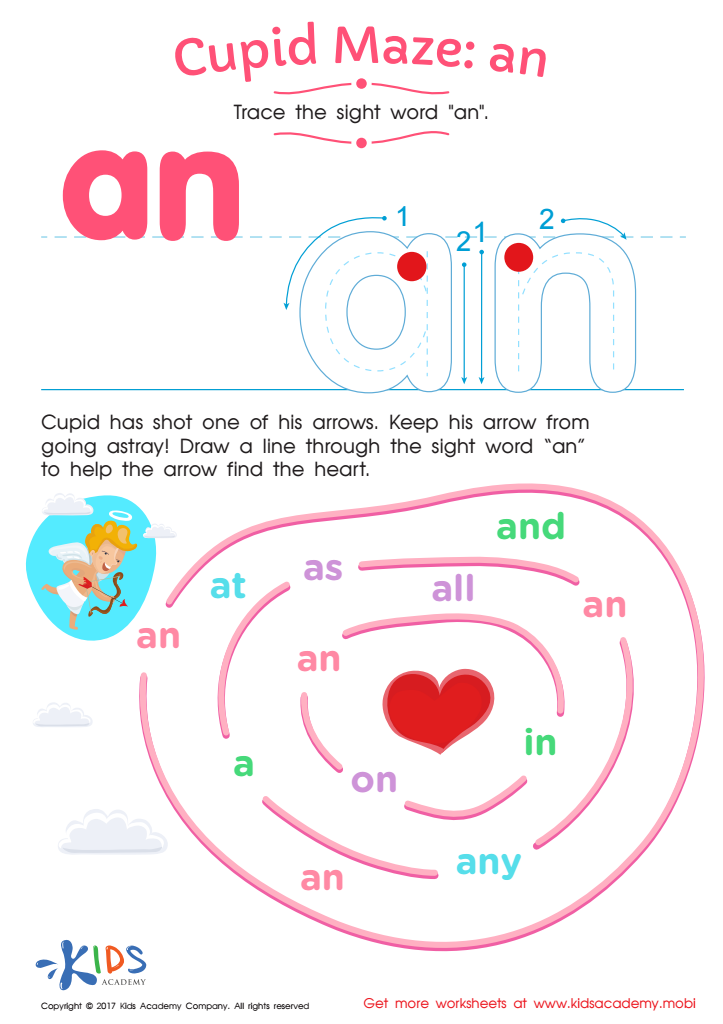
Cupid Maze: An Printable
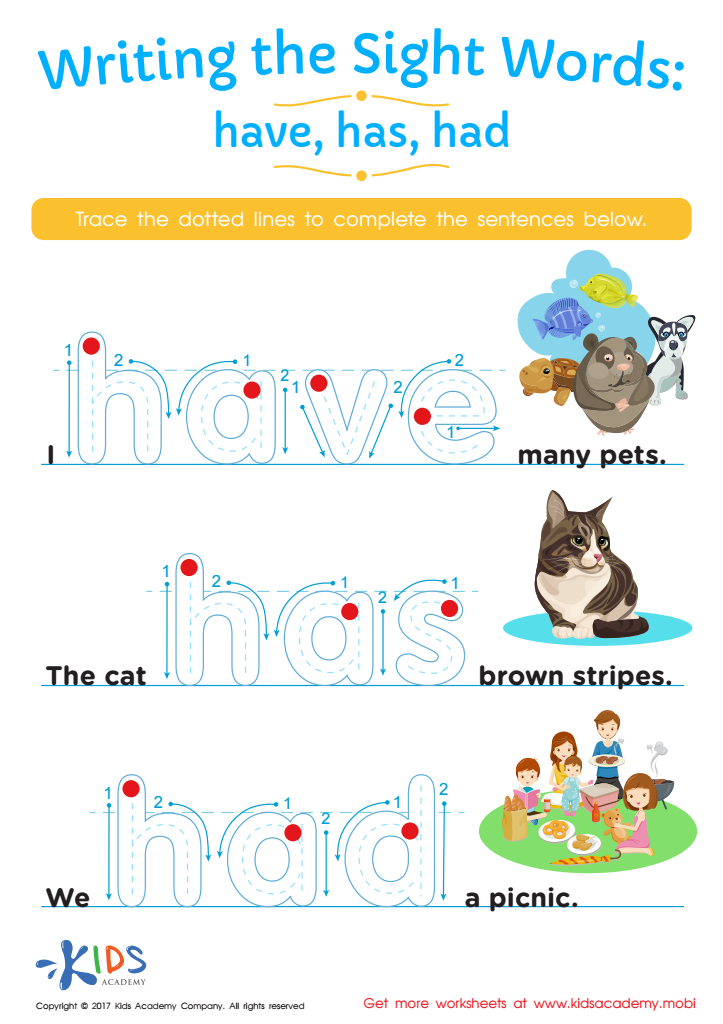
Have, Has, Had Worksheet Sight Words Worksheet
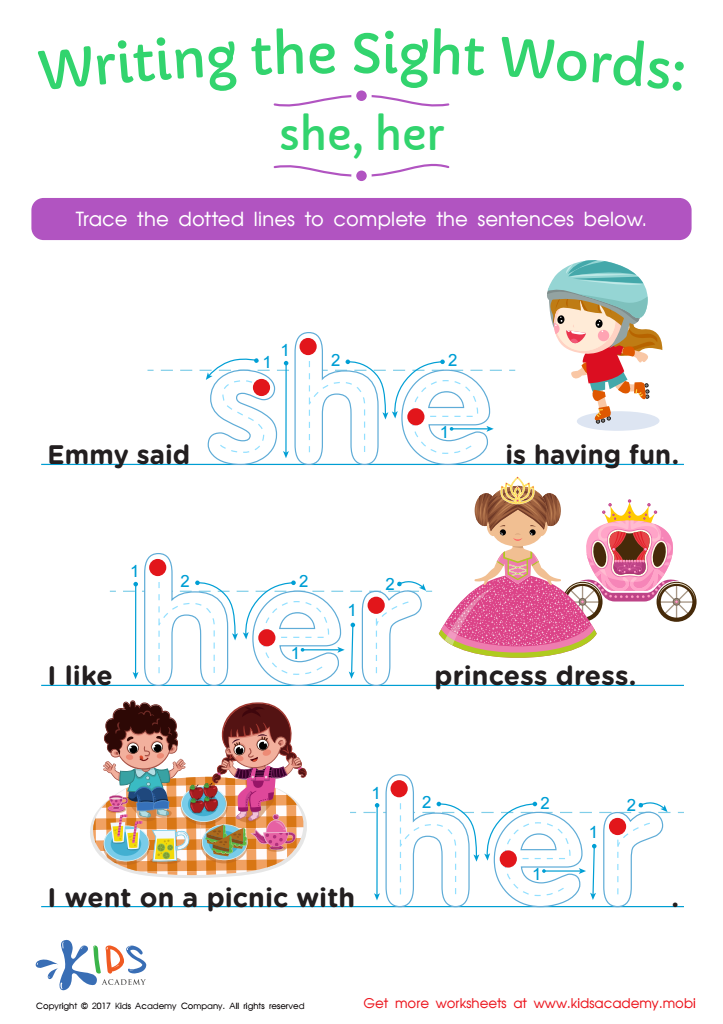
She, Her Printable Sight Words Worksheet
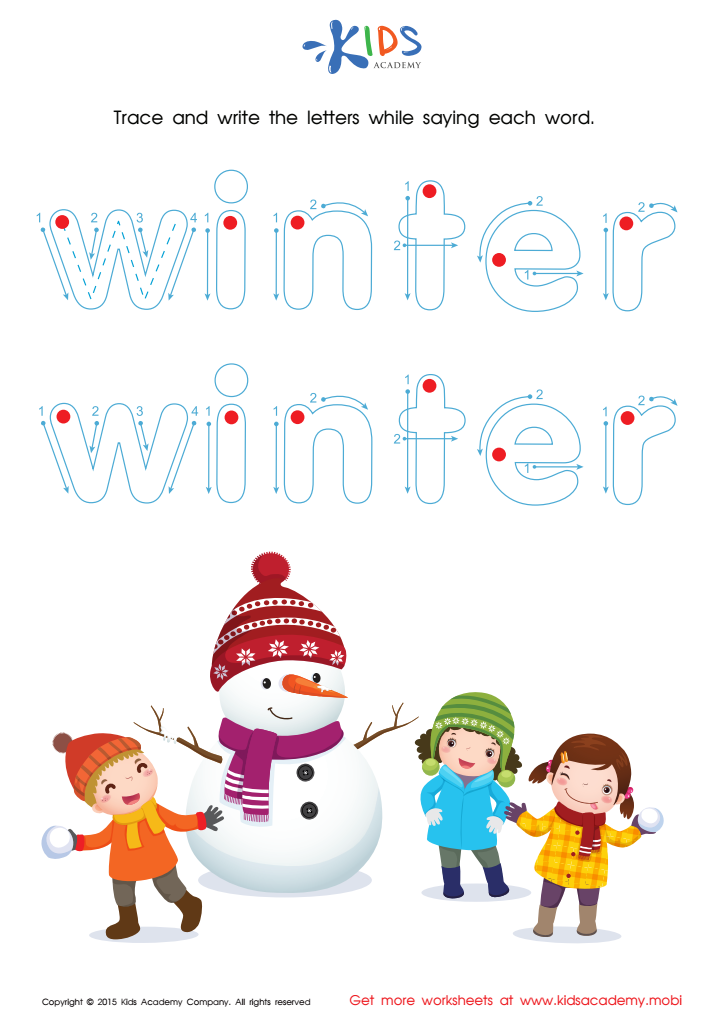
Snowman Tracing Winter Words Worksheet
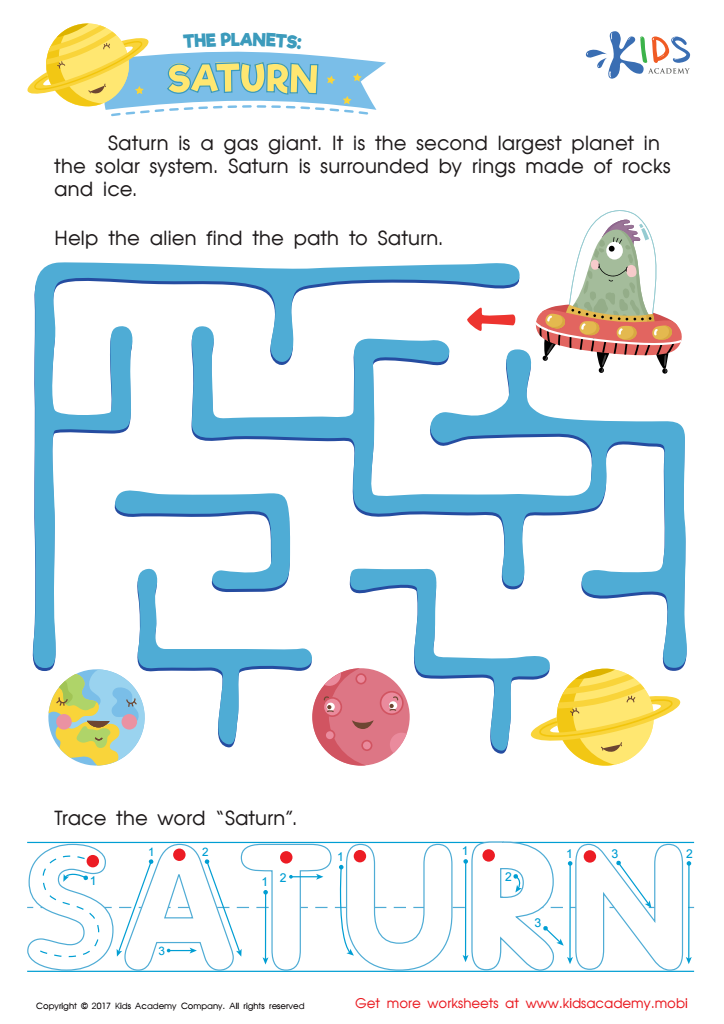
The Planets: Saturn Printable
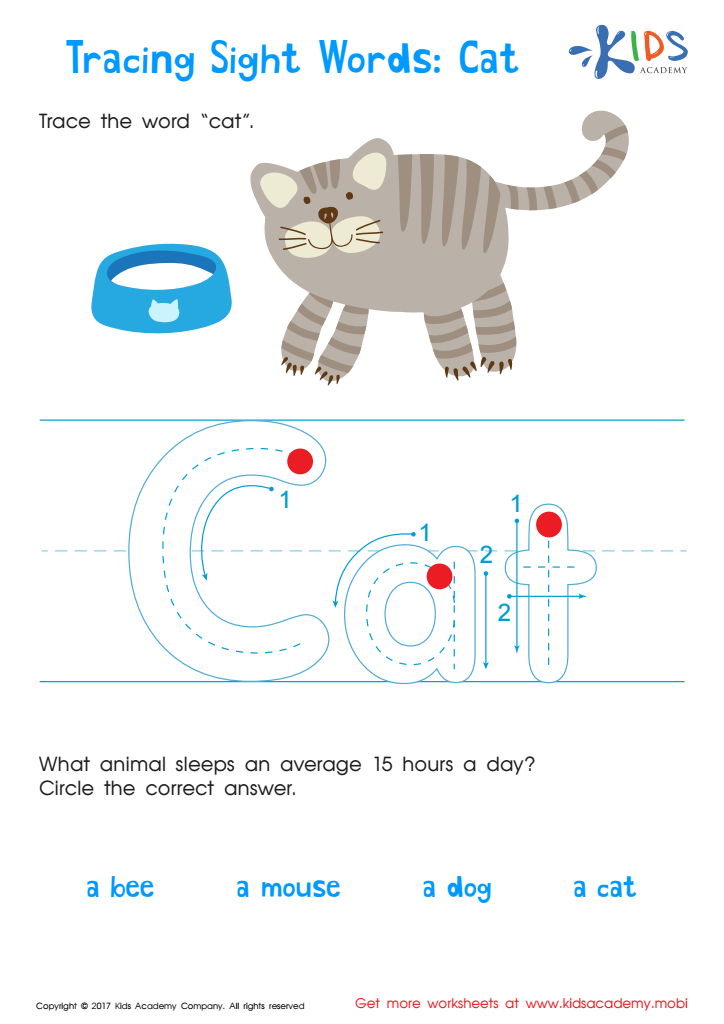
Cat Printable Sight Words Worksheet
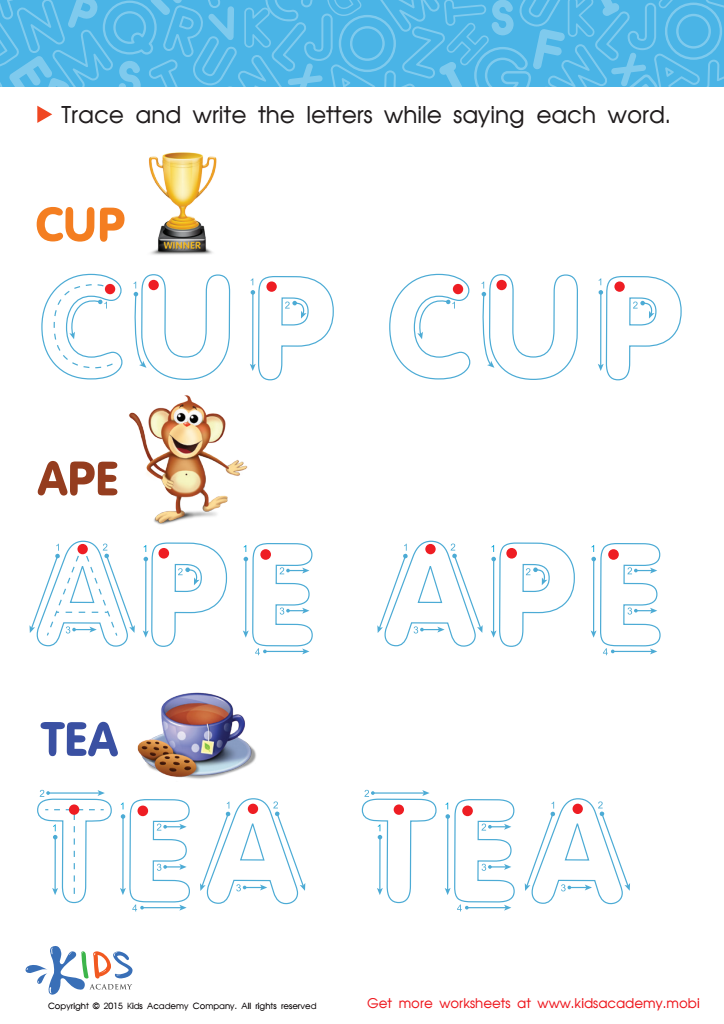
A Cup, an Ape and Tea Spelling Worksheet
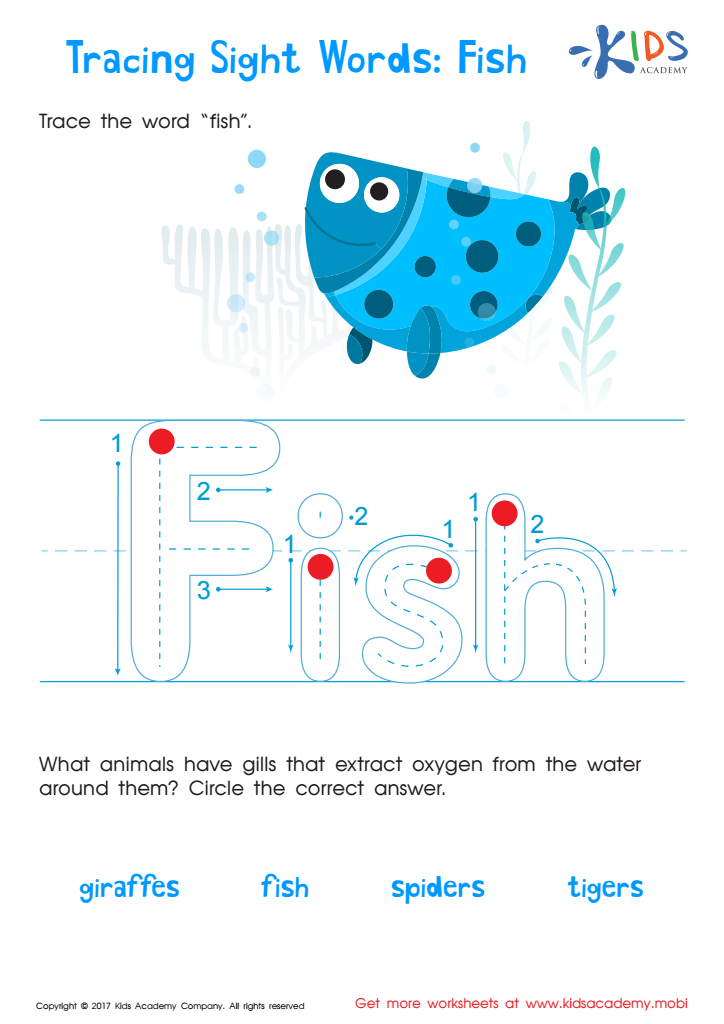
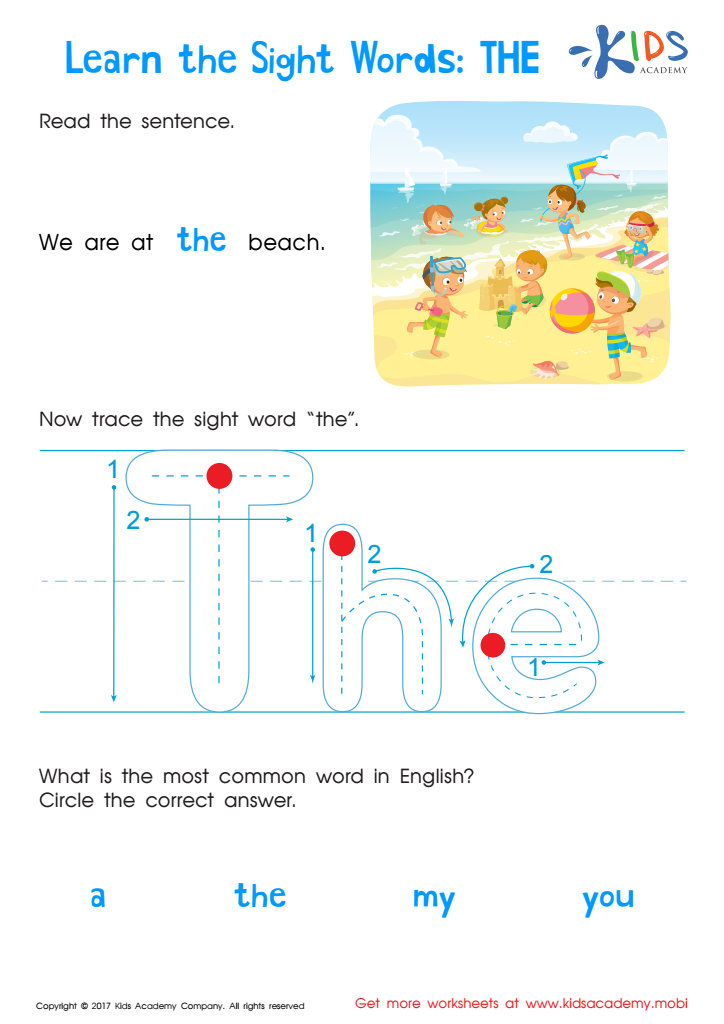
Sight Words: The Worksheet
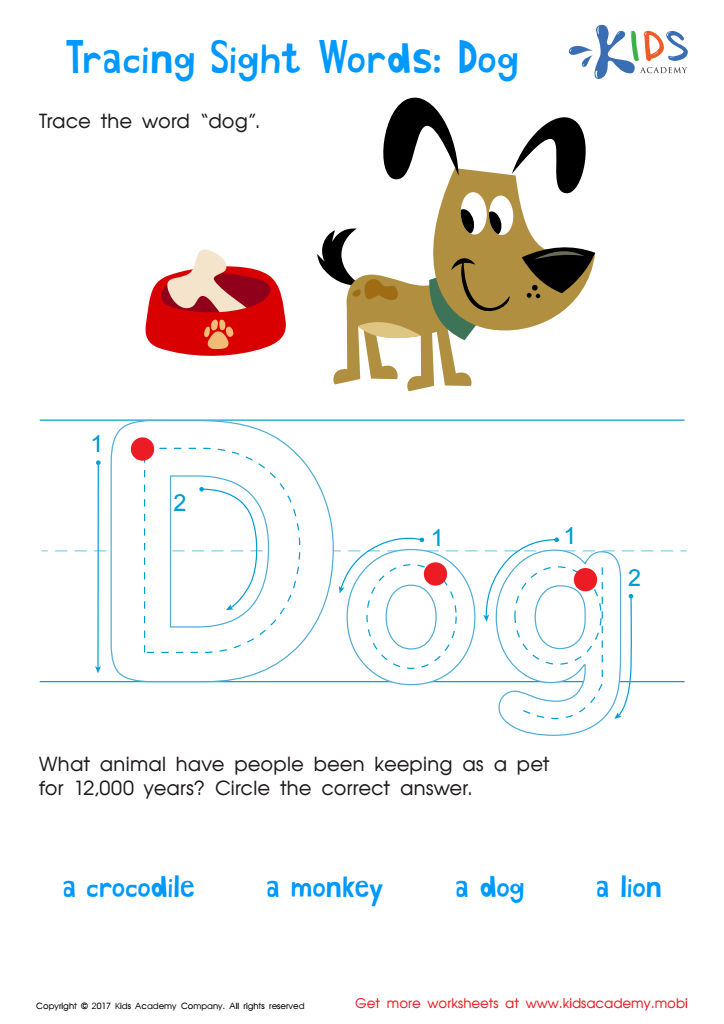
Dog Worksheet Sight Words Worksheet
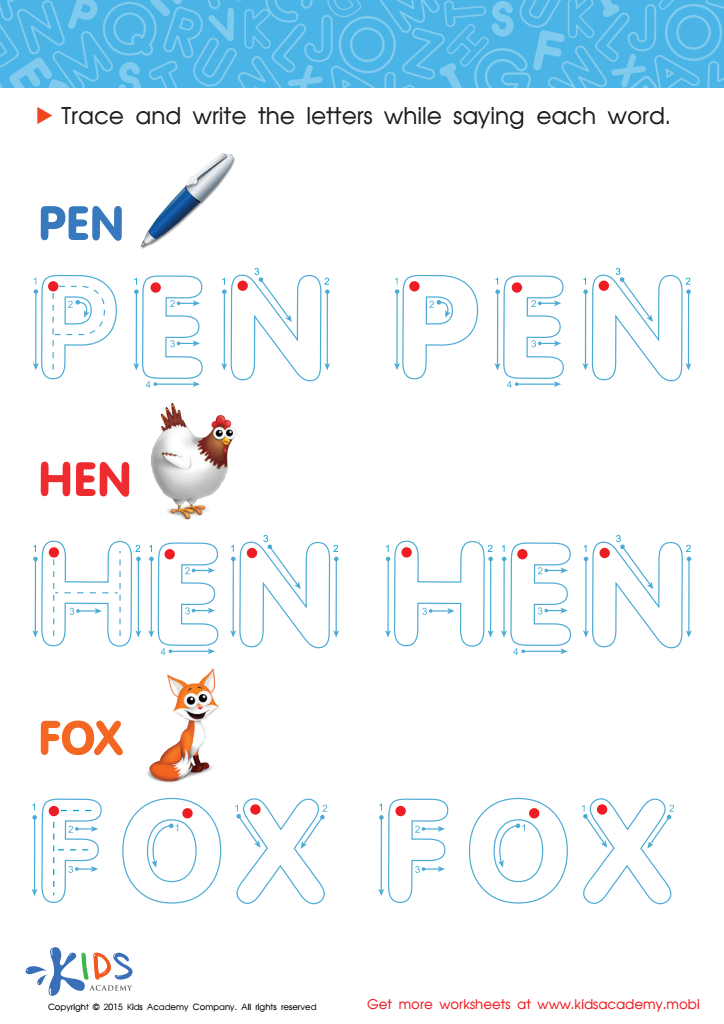
A Pen, a Hen and a Fox Spelling Worksheet
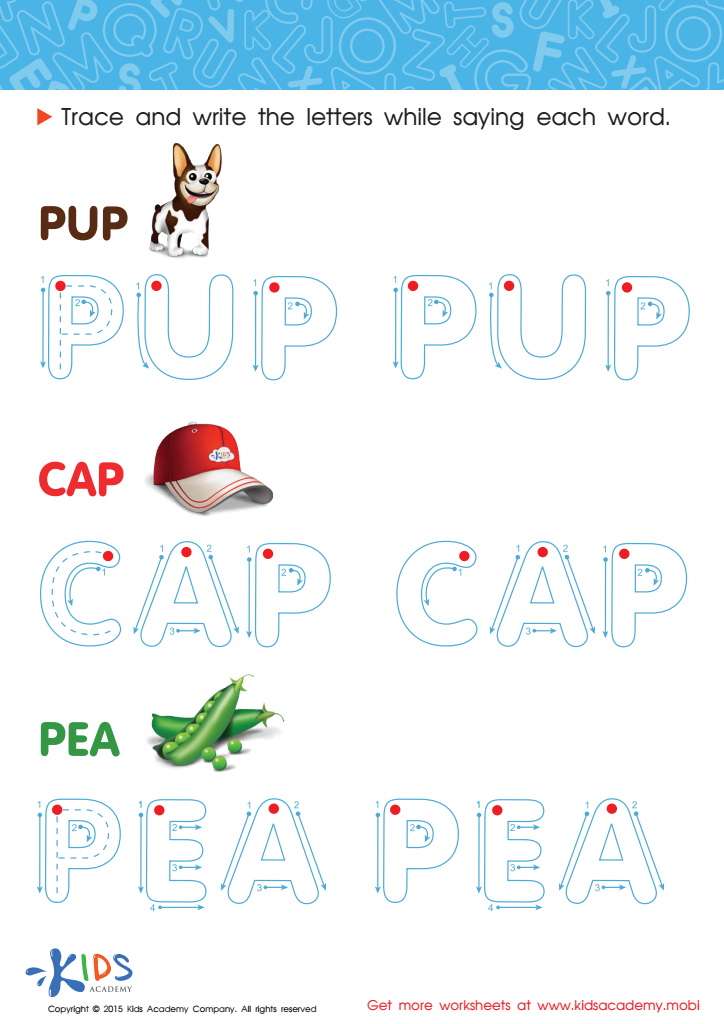
A Pup, a Cap and a Pea Spelling Worksheet
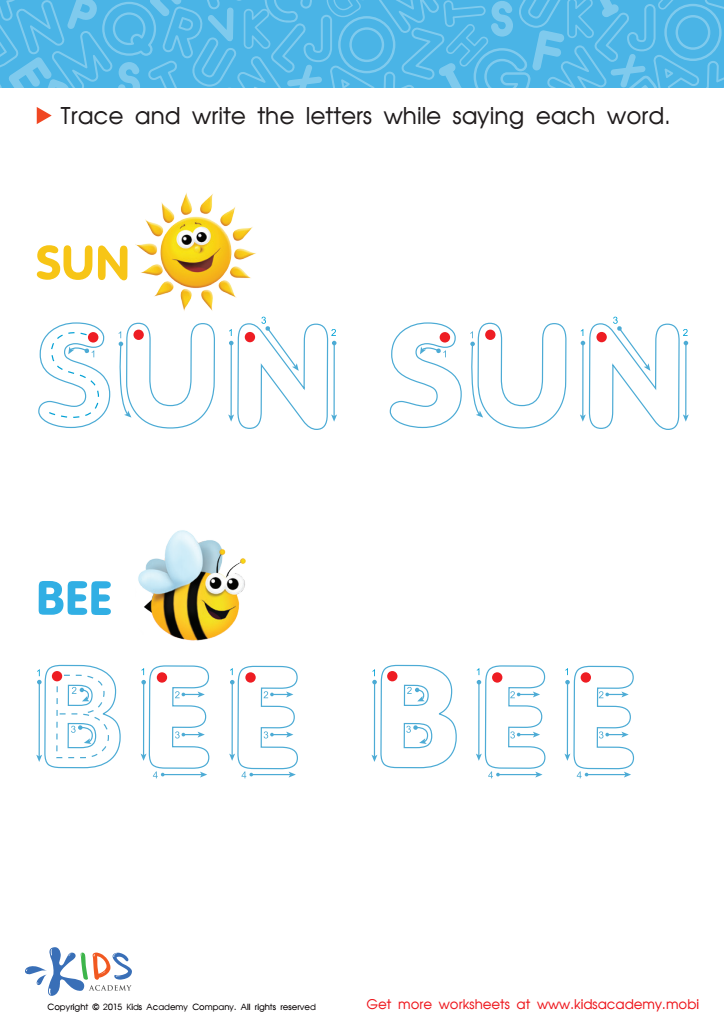
The Sun and a Bee Spelling Worksheet







Normal Tracing Words worksheets activities are a cornerstone in the foundational stage of literacy and language development for children. Engaging in these activities offers a myriad of benefits that support both academic growth and fine motor skills development. Let's delve into why these simple yet effective tools are invaluable in a child's learning journey.
Firstly, Normal Tracing Words worksheets activities serve as a primary step towards mastering handwriting. By tracing over letters, children become familiar with the shapes and strokes that form words, which is critical for developing neat and legible handwriting. This repetitive practice helps in reinforcing muscle memory, making the transition to writing independently smoother and more intuitive.
Beyond handwriting, these worksheets play a critical role in enhancing vocabulary and spelling skills. As children trace words, they are simultaneously learning to recognize and spell them, which boosts their reading and writing capabilities. This repeated exposure to words in a focused manner aids in solidifying their understanding and retention of the language.
Furthermore, Normal Tracing Words worksheets activities are instrumental in refining fine motor skills. The act of tracing requires control and precision, which encourages the development of hand-eye coordination and dexterity. These skills are essential not only for writing but also for other everyday tasks such as tying shoelaces or using cutlery.
In addition to the cognitive and physical benefits, these worksheets are easily accessible and adaptable to various learning styles and paces. They provide a low-pressure environment for children to practice at their own speed, making learning enjoyable and less intimidating. This flexibility ensures that children of different abilities can benefit from engaging with Normal Tracing Words worksheets activities.
In conclusion, Normal Tracing Words worksheets activities offer a multifaceted approach to early childhood education. By incorporating these activities into a child's learning routine, educators and parents can support the development of essential literacy skills, fine motor skills, and a positive attitude towards learning, laying a strong foundation for future academic success.








