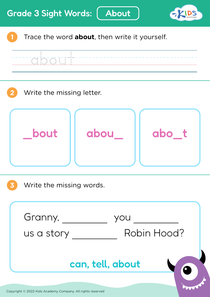
Tracing Letters worksheets activities for Grade 3 - Page 2
42 filtered results
-
From - To
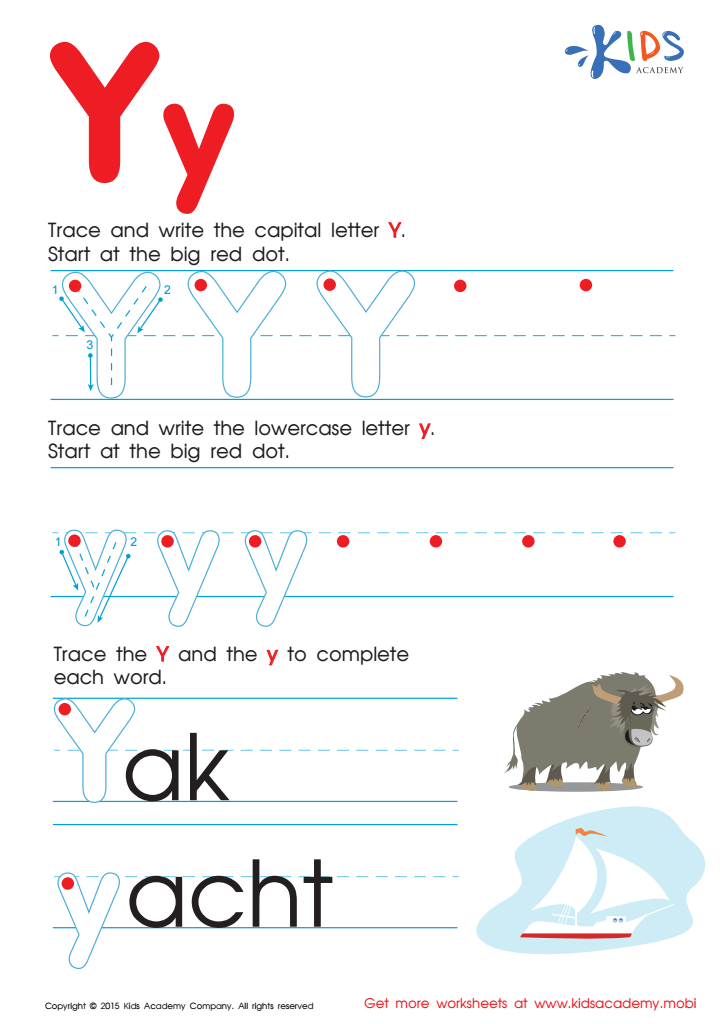
Letter Y Tracing Page
 Assign to My Students
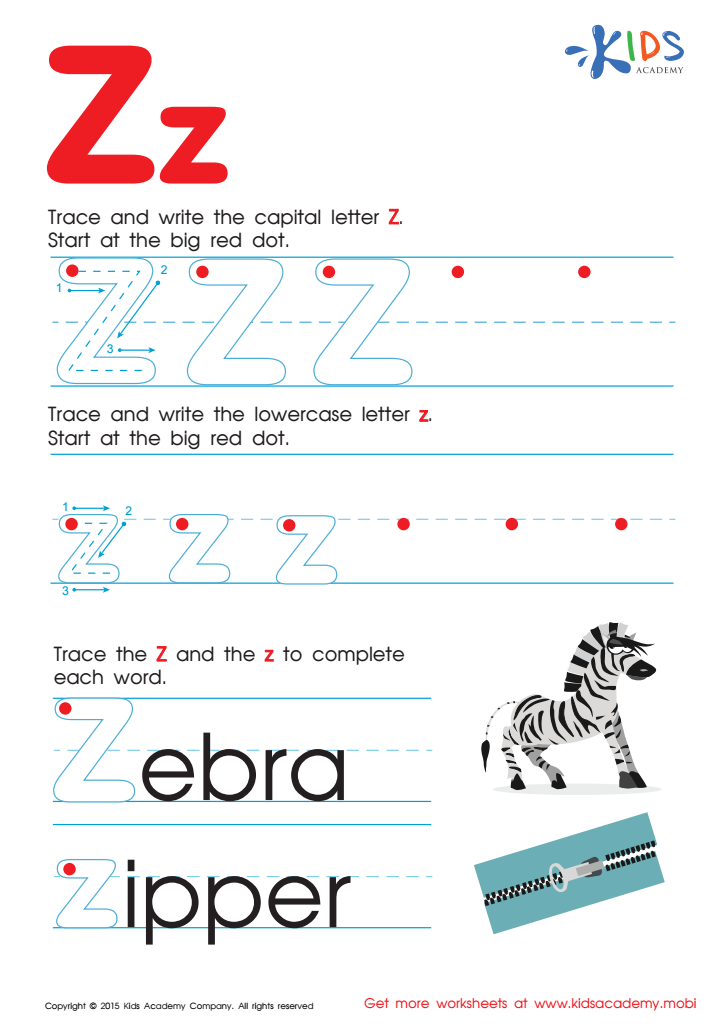
Letter Z Tracing Page
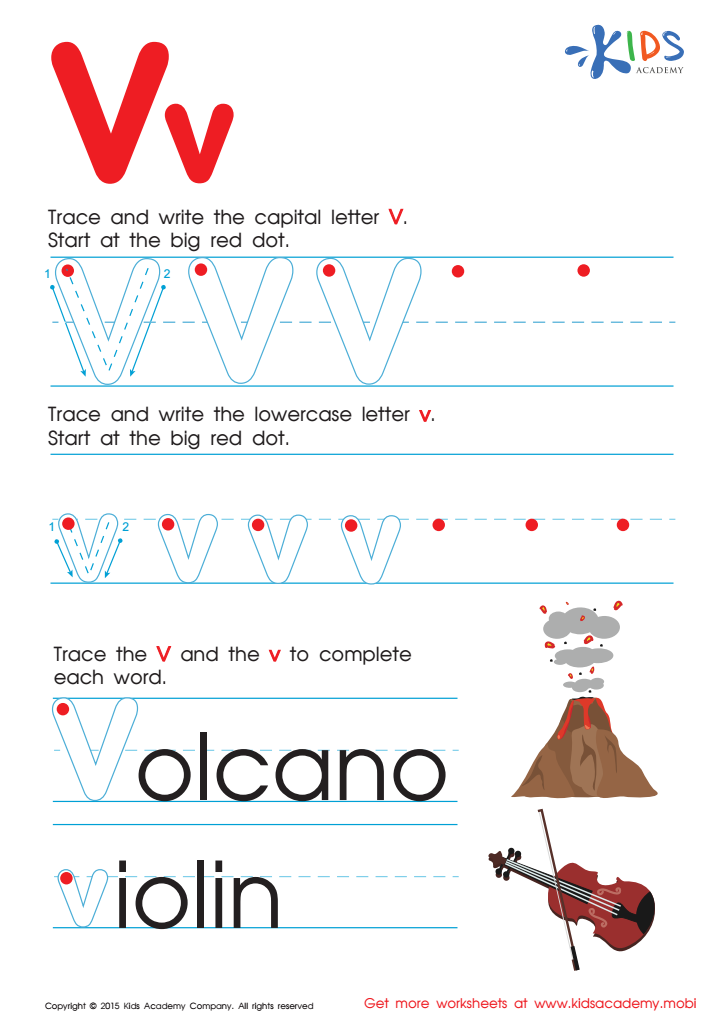
Letter V Tracing Page

Letter E Tracing Page

Letter D Tracing Page

Letter C Tracing Page
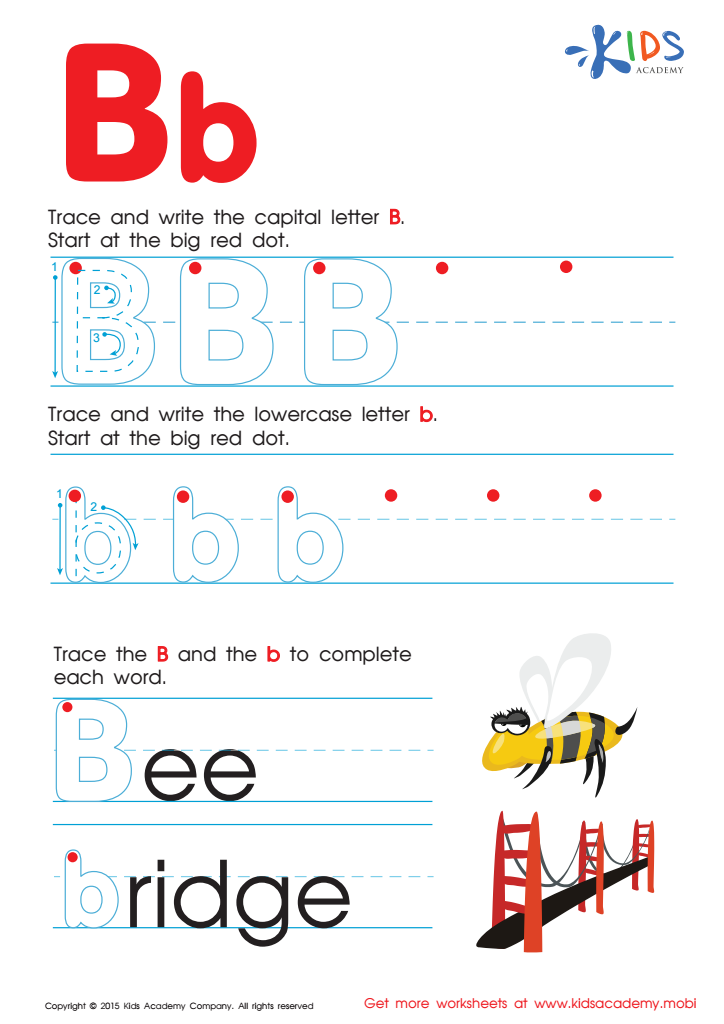
Letter B Tracing Page

Letter A Tracing Page
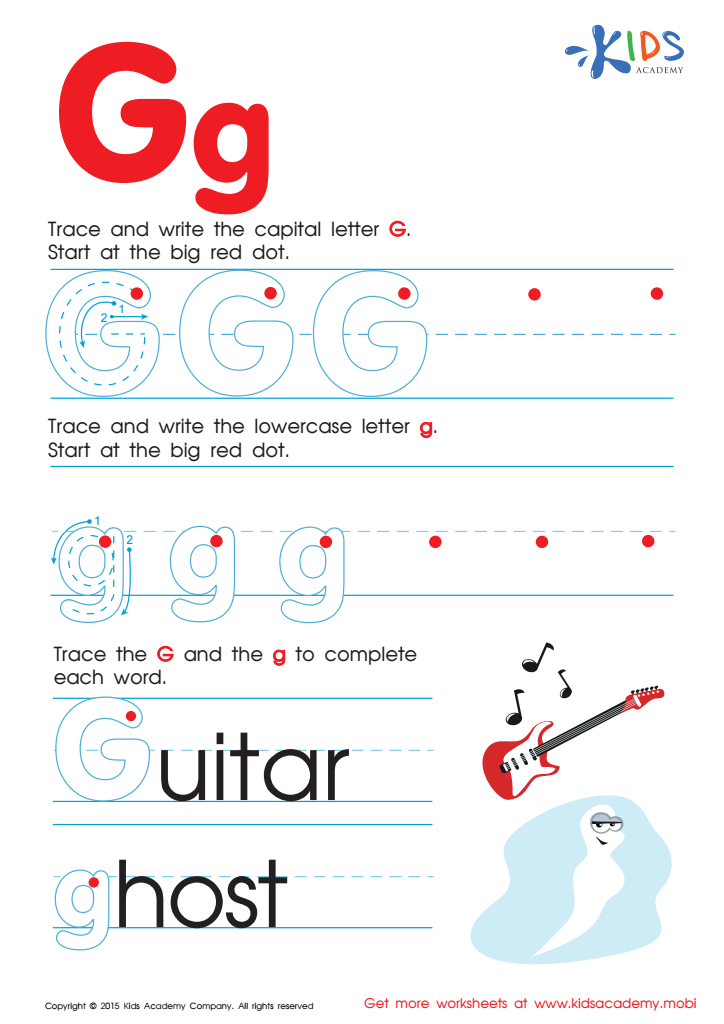
Letter G Tracing Page
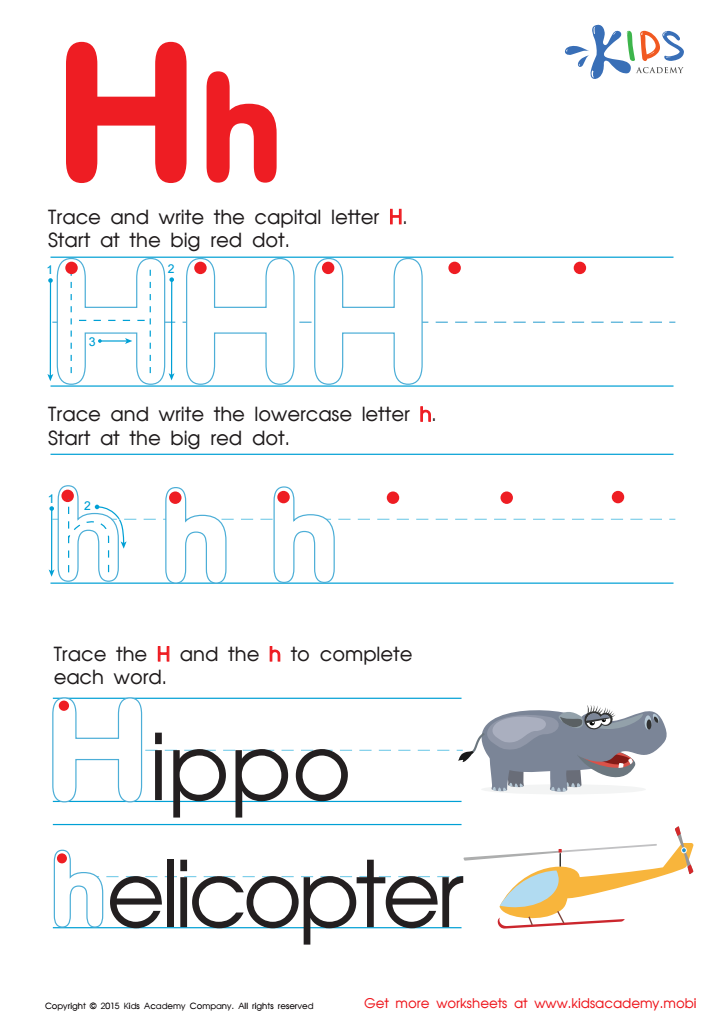
Letter H Tracing Page
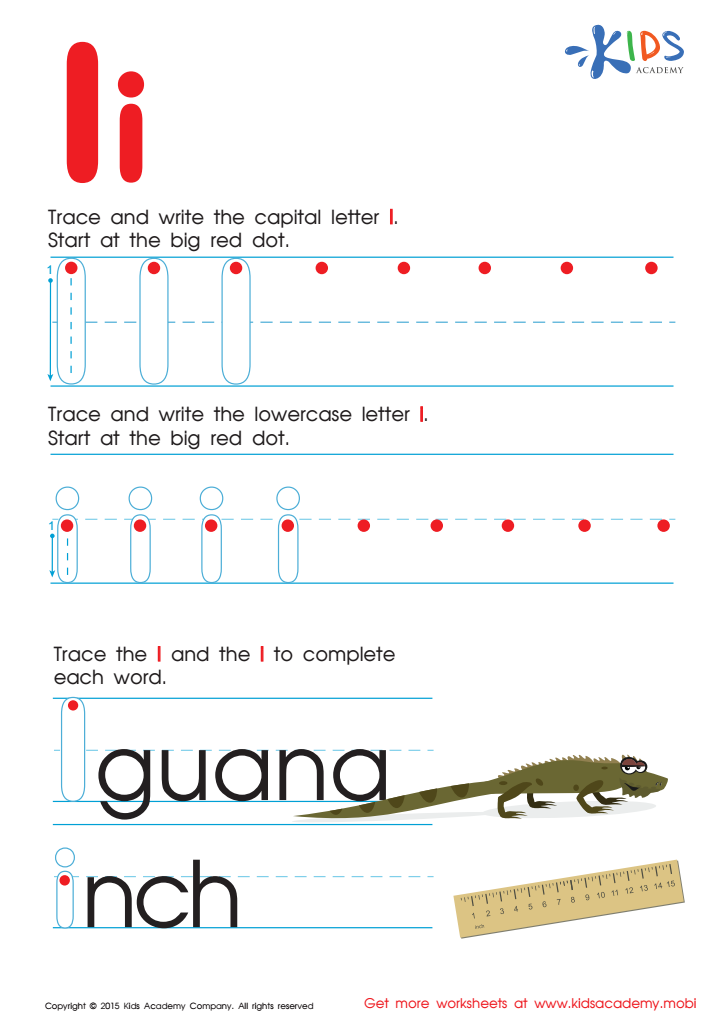
Letter I Tracing Page
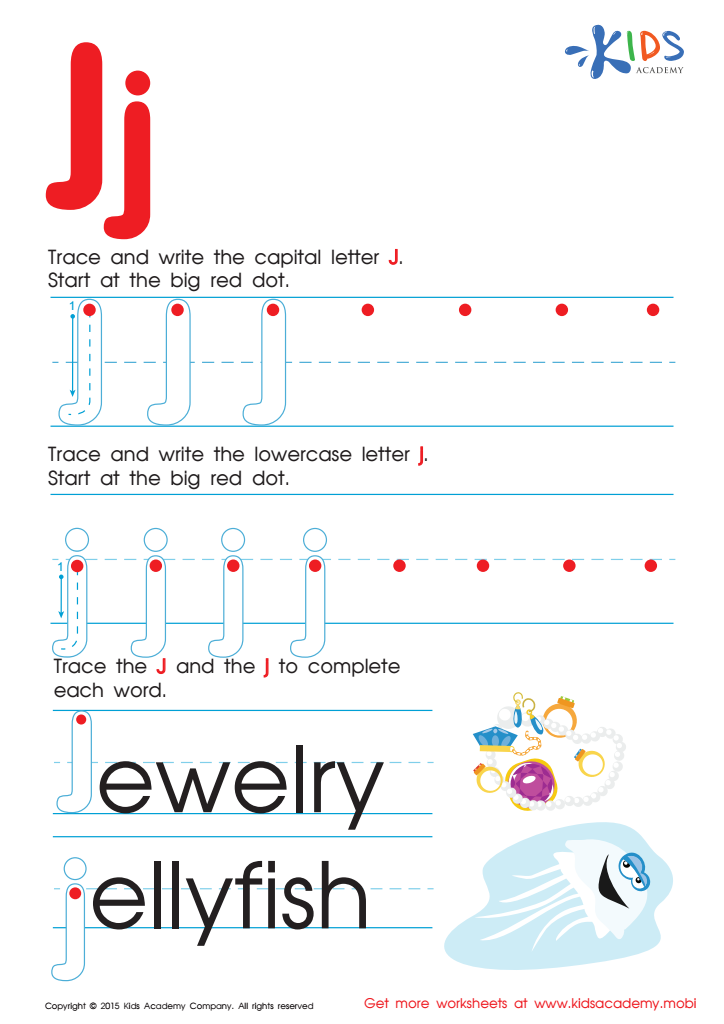
Letter J Tracing Page
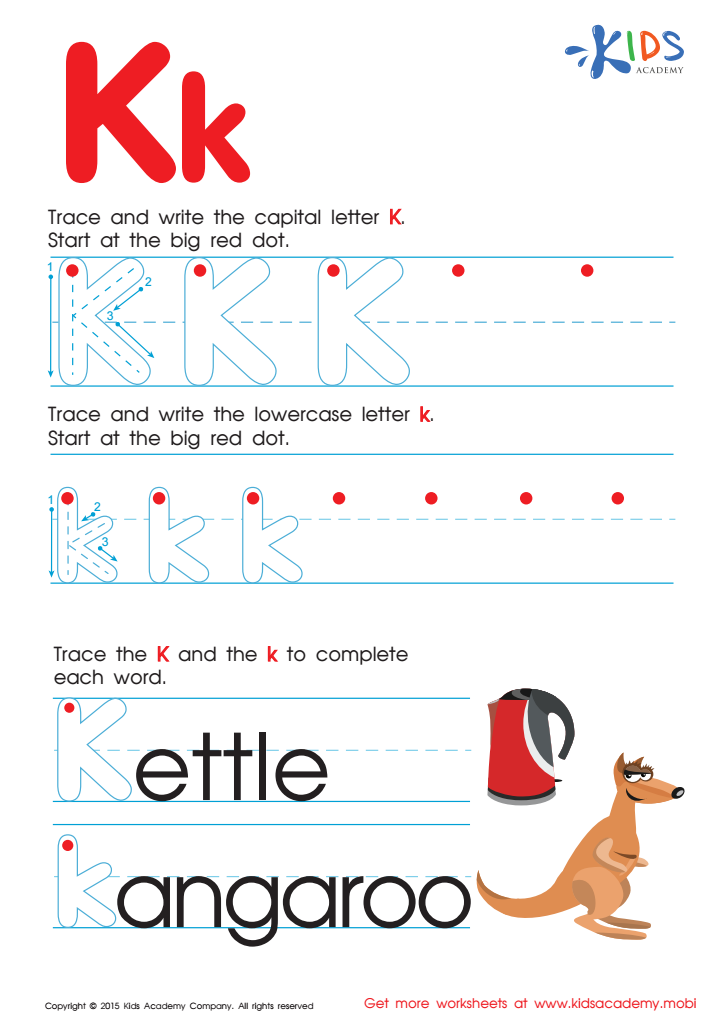
Letter K Tracing Page
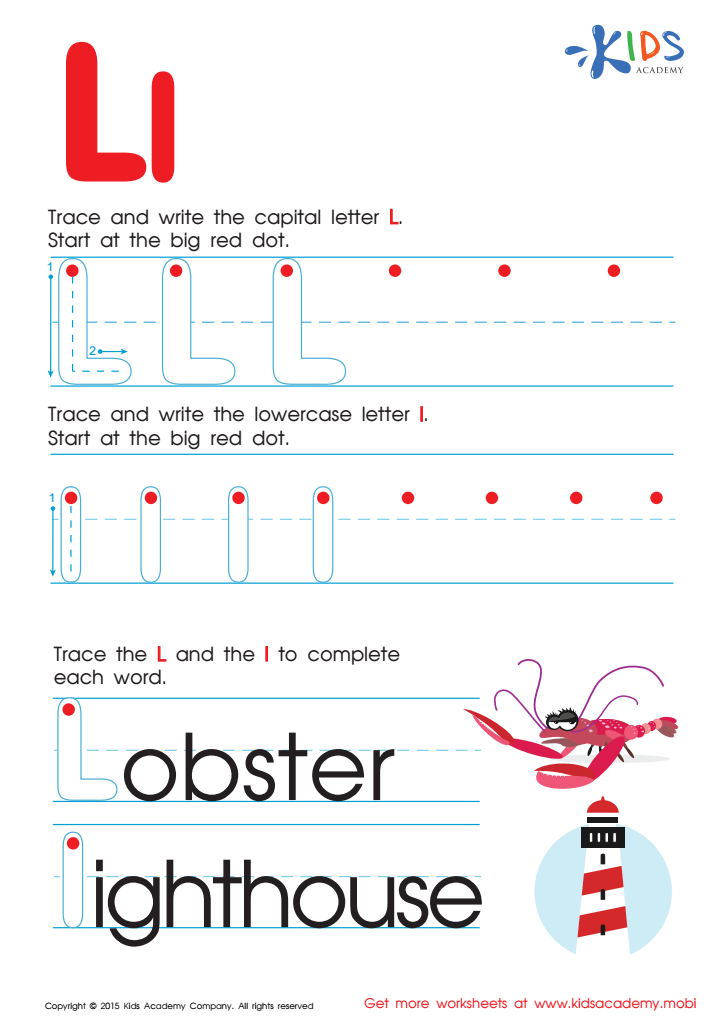
Letter L Tracing Page
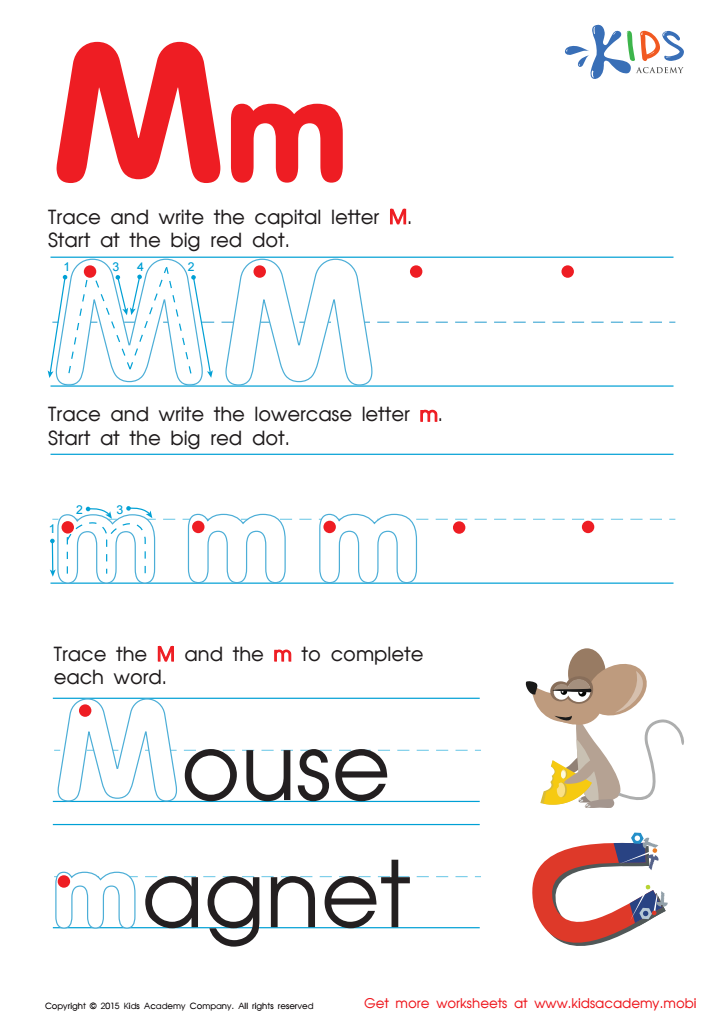
Letter M Tracing Page
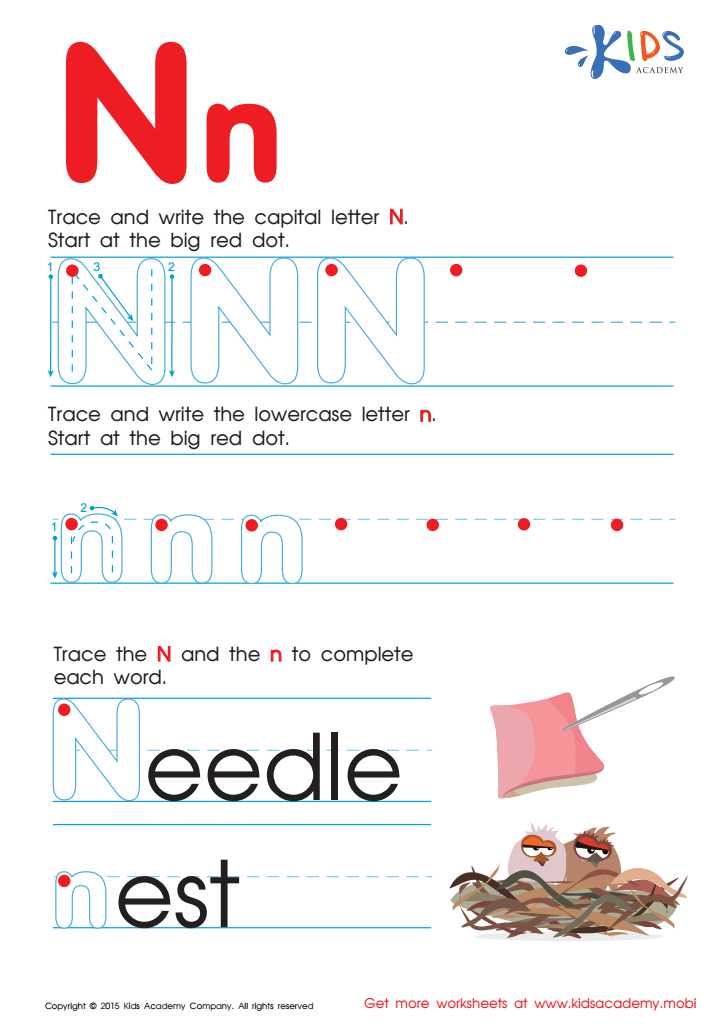
Letter N Tracing Page
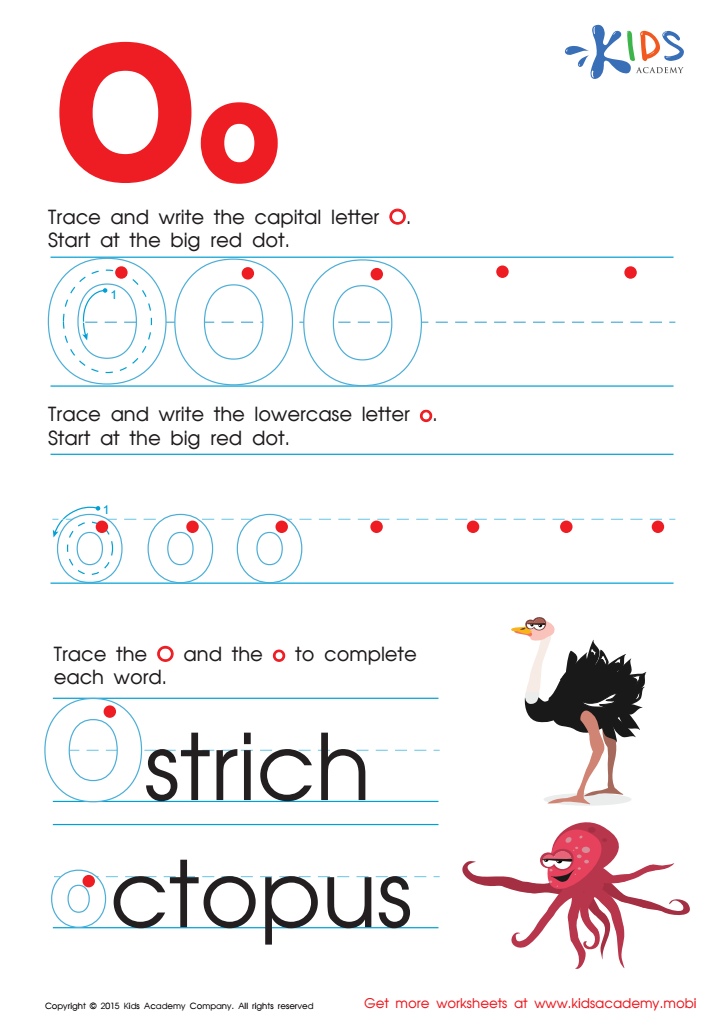
Letter O Tracing Page
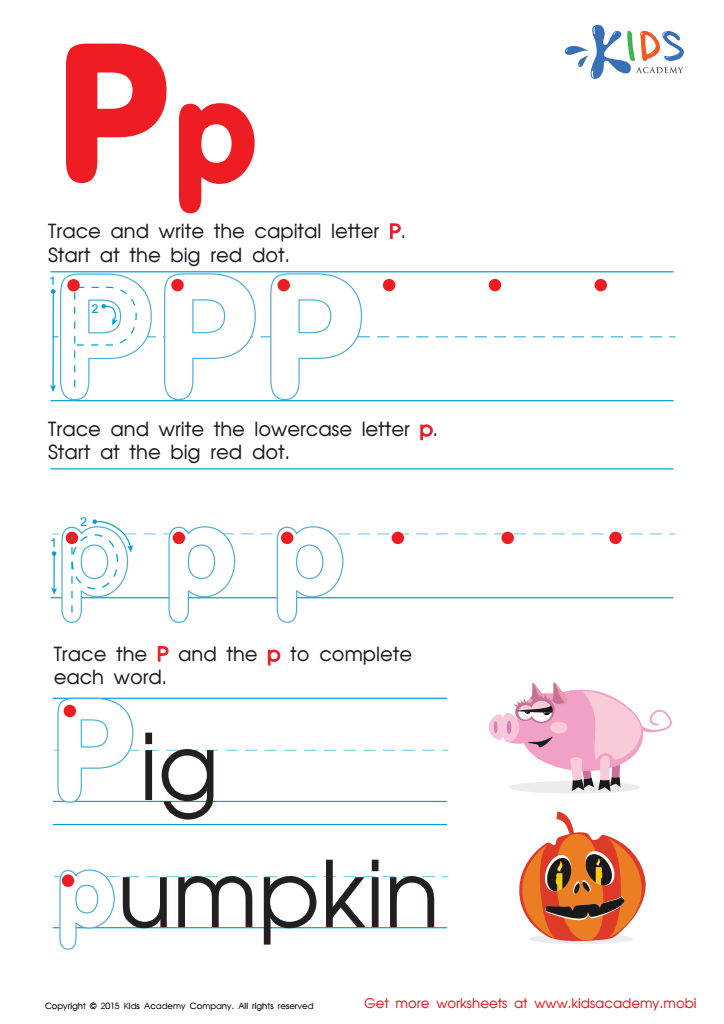
Letter P Tracing Page








Tracing Letters worksheets activities for Grade 3 are an essential educational tool that supports young learners in honing their writing skills. At this stage, students are transitioning from basic print to more sophisticated writing tasks, making it crucial to reinforce their foundational writing abilities. The significance of these activities cannot be overstated, as they serve multiple educational objectives that contribute to a child's academic growth.
Firstly, Tracing Letters worksheets activities for Grade 3 help in improving handwriting. By repeatedly tracing letters, students develop muscle memory, which is vital for writing fluently and legibly. This practice ensures that students can write each alphabet confidently, reducing reversal mistakes and promoting neatness in their work.
Secondly, these activities enhance fine motor skills. The act of tracing letters requires control and precision, which strengthens the small muscles in the hands and fingers. Improved fine motor skills not only benefit writing but also other classroom activities such as cutting with scissors, using a ruler, and even keyboarding skills.
Moreover, Tracing Letters worksheets for Grade 3 act as a bridge to cursive writing. Many schools introduce cursive writing in grade 3, and mastering print letter formations through tracing activities provides a solid foundation for learning cursive. This transition is smoother when students are familiar with the shapes and strokes of each letter.
Additionally, these worksheets are a fantastic tool for reinforcing letter recognition and phonics. As students trace, they are also reminded of the sound each letter makes, which is crucial for reading and spelling. This multi-sensory approach to learning ensures that students not only write the letters but also understand their significance in language.
In conclusion, Tracing Letters worksheets activities for Grade 3 are invaluable for developing a myriad of skills ranging from handwriting and fine motor skills to letter recognition and phonics. These activities lay the groundwork for more advanced writing tasks and ensure students are well-prepared for the academic challenges ahead.