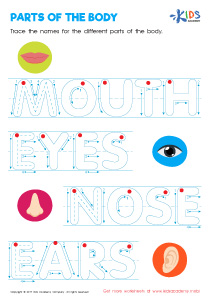
Discover Fun and Engaging Printable Worksheets for Ages 3-5: Explore Our Community and the World Around Us
30 filtered results
-
From - To
Introducing our vibrant collection of Community Worksheets, specially designed for curious minds aged 3-5. Dive into a world of learning and exploration with our thoughtfully crafted activities that bring the concept of community to life for young learners. Each worksheet is tailored to foster understanding, curiosity, and a sense of belonging in the communities they live in and interact with. From identifying community helpers to understanding the roles each person plays in making a community thrive, these worksheets are perfect for preschoolers eager to learn about the world around them. Engage your child with our Community Worksheets for Ages 3-5, and watch as they grow in knowledge and understanding of the vibrant communities they are a part of.
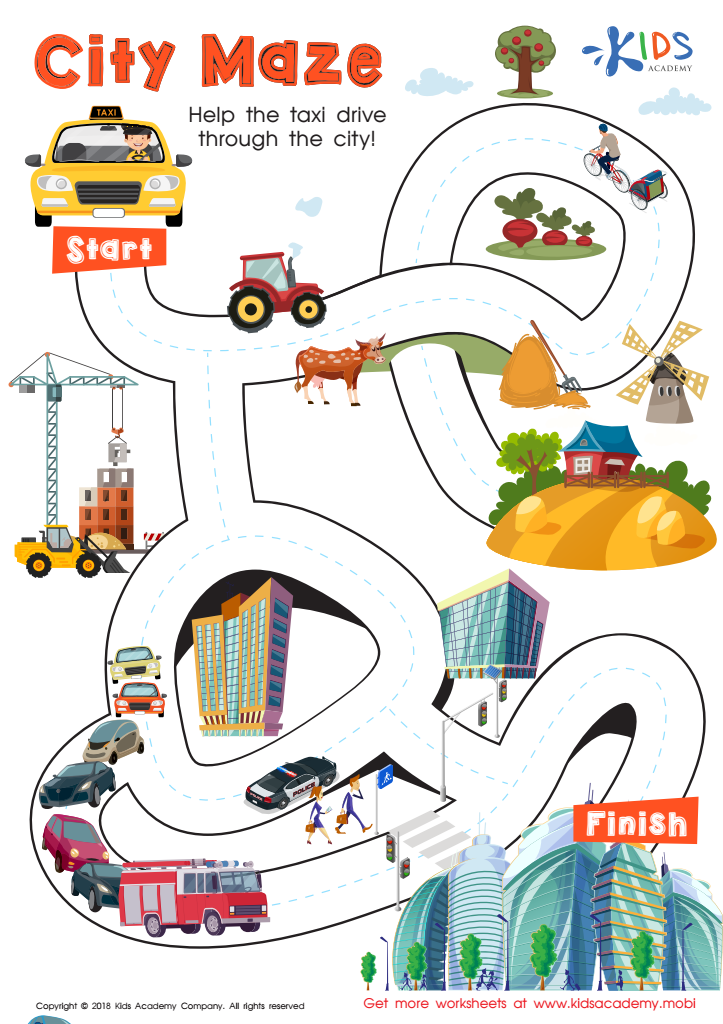
City Maze Worksheet
 Assign to My Students
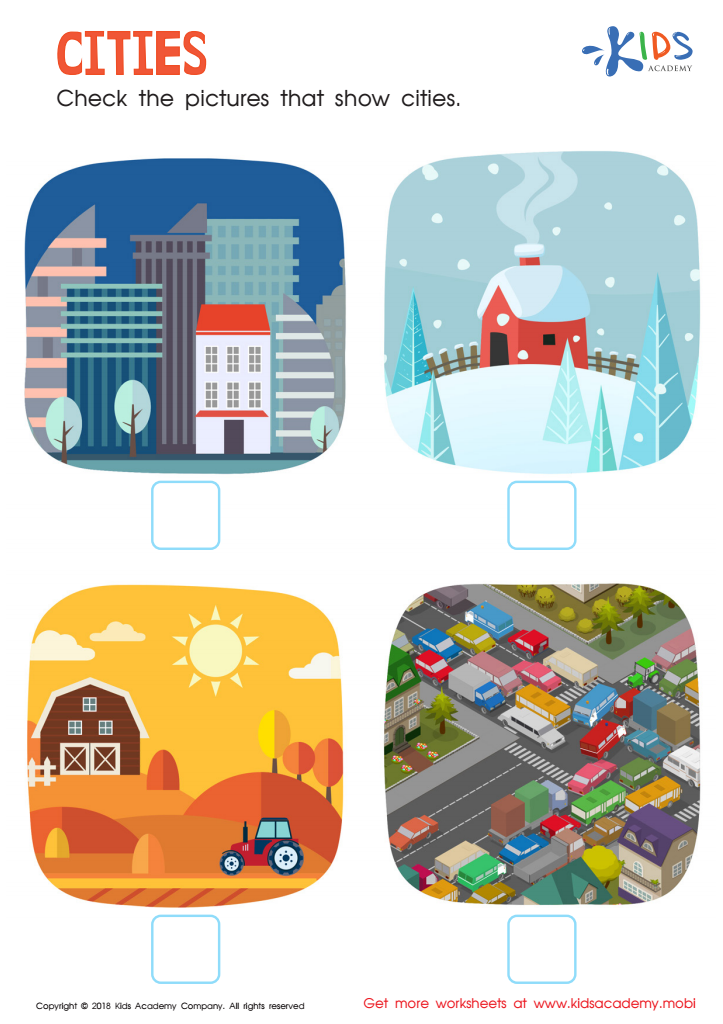
Cities Worksheet
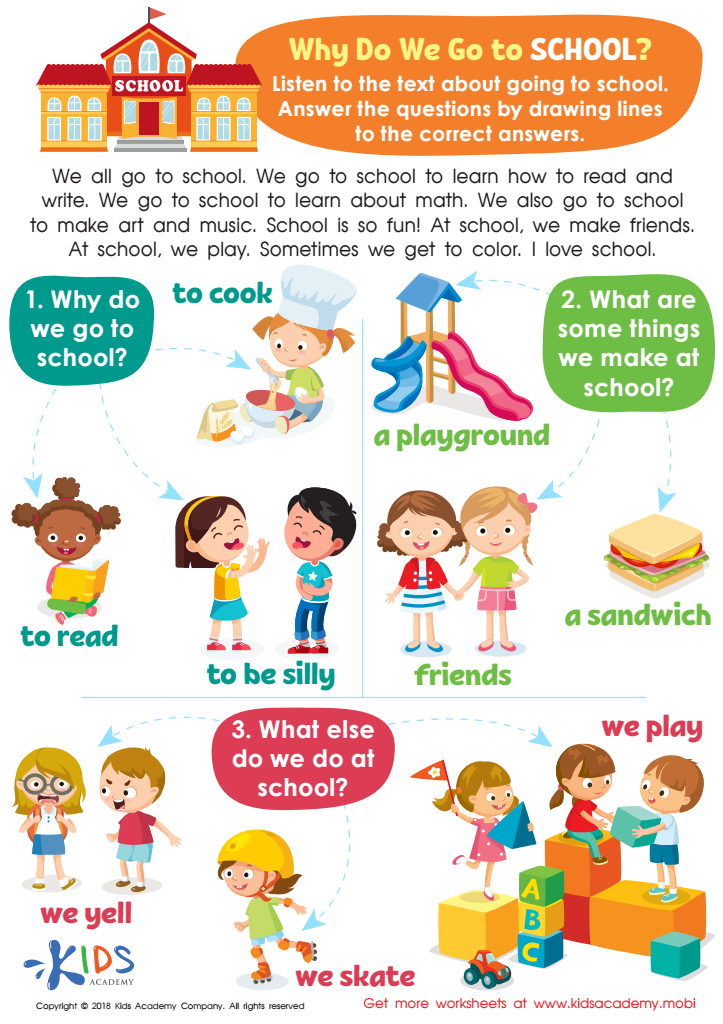
Why Do We Go To School? Worksheet
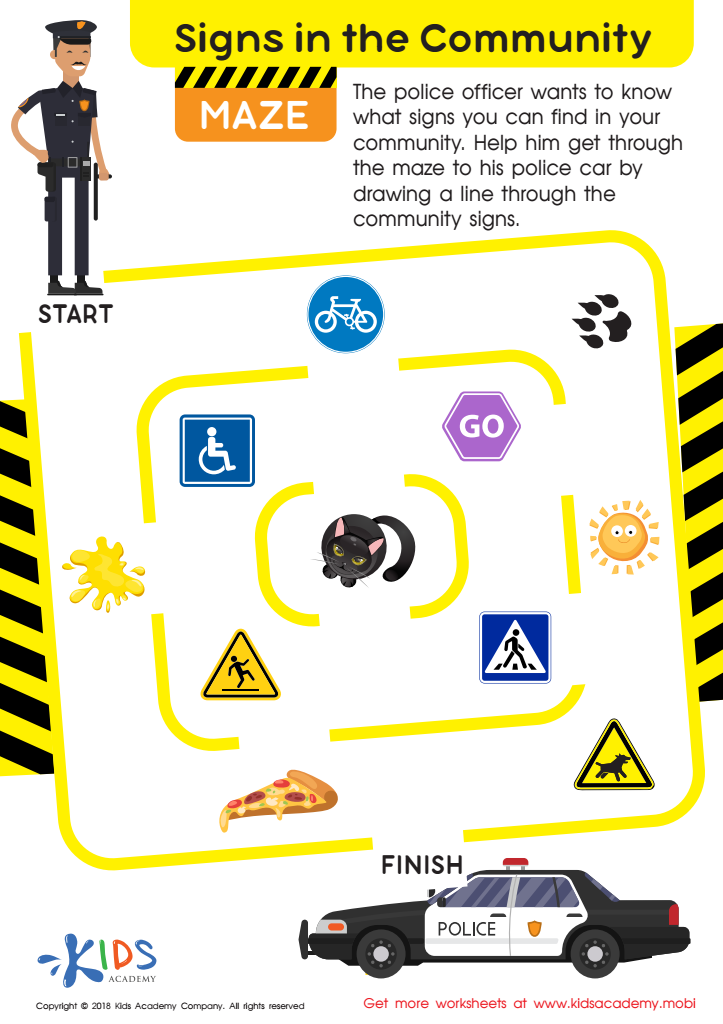
Signs in the Community: Maze Worksheet
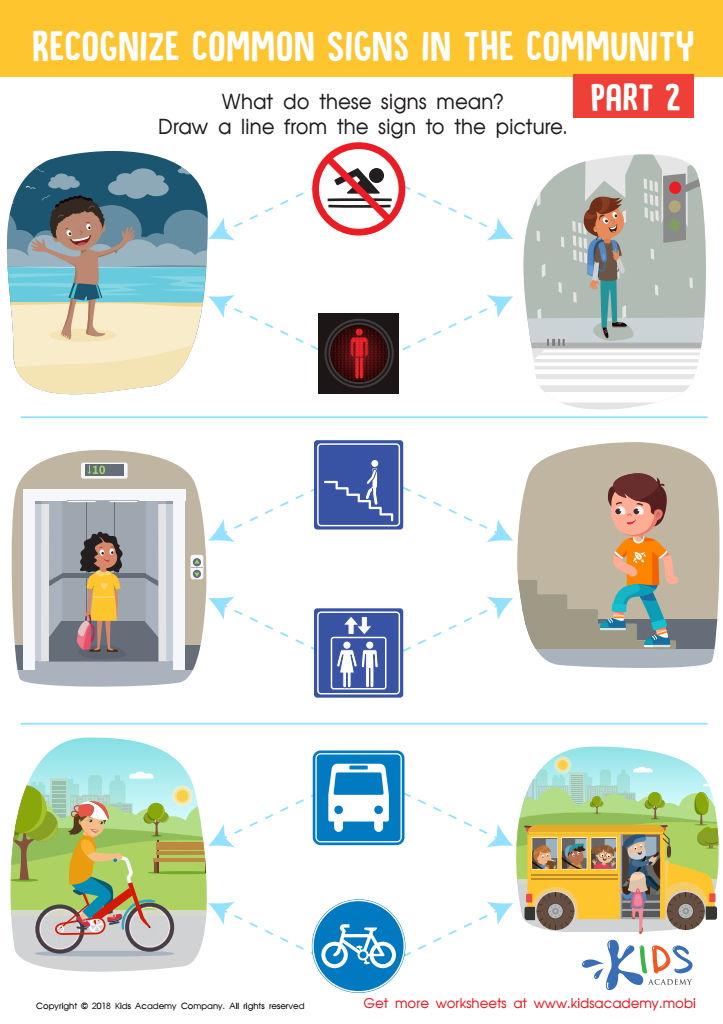
Recognize Common Signs: Part 2 Worksheet
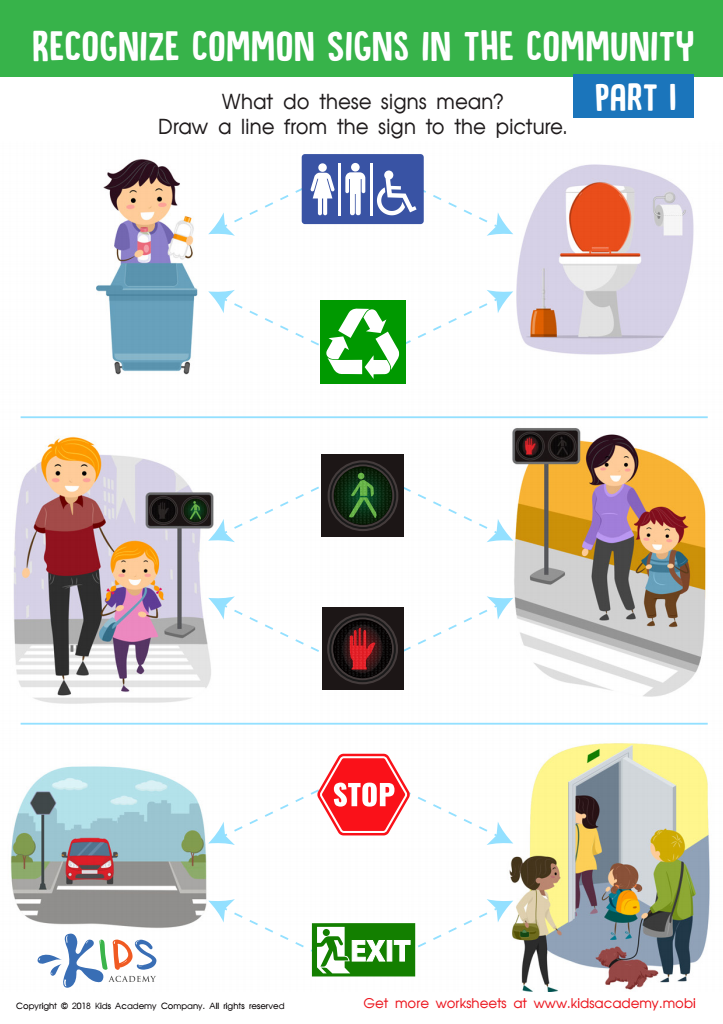
Recognize Common Signs: Part 1 Worksheet
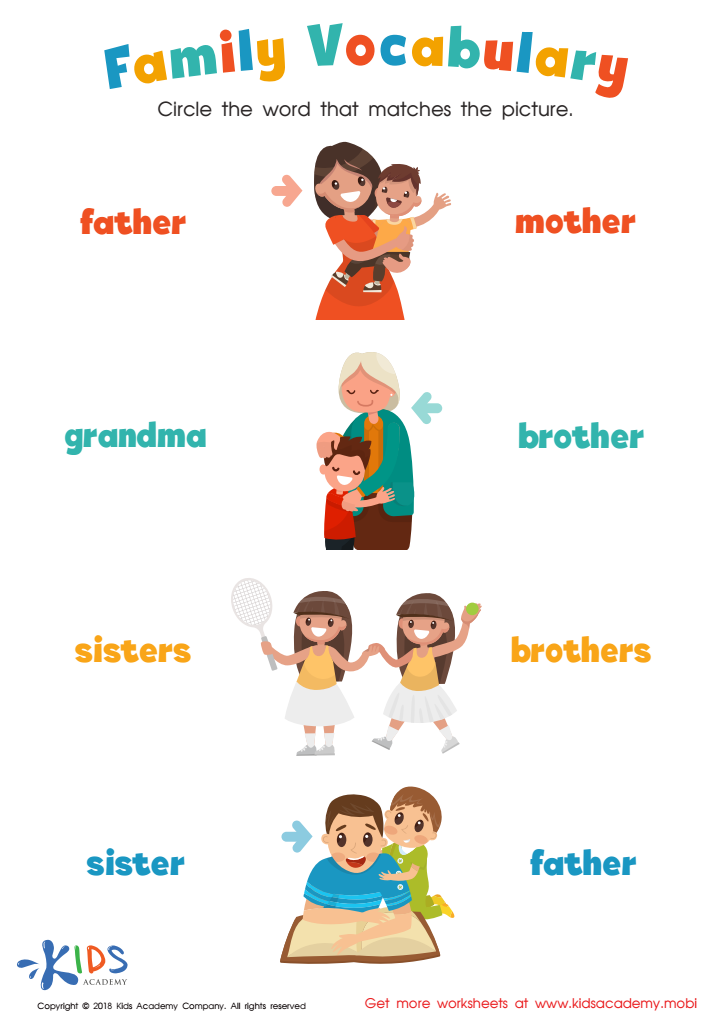
Family Vocabulary Worksheet
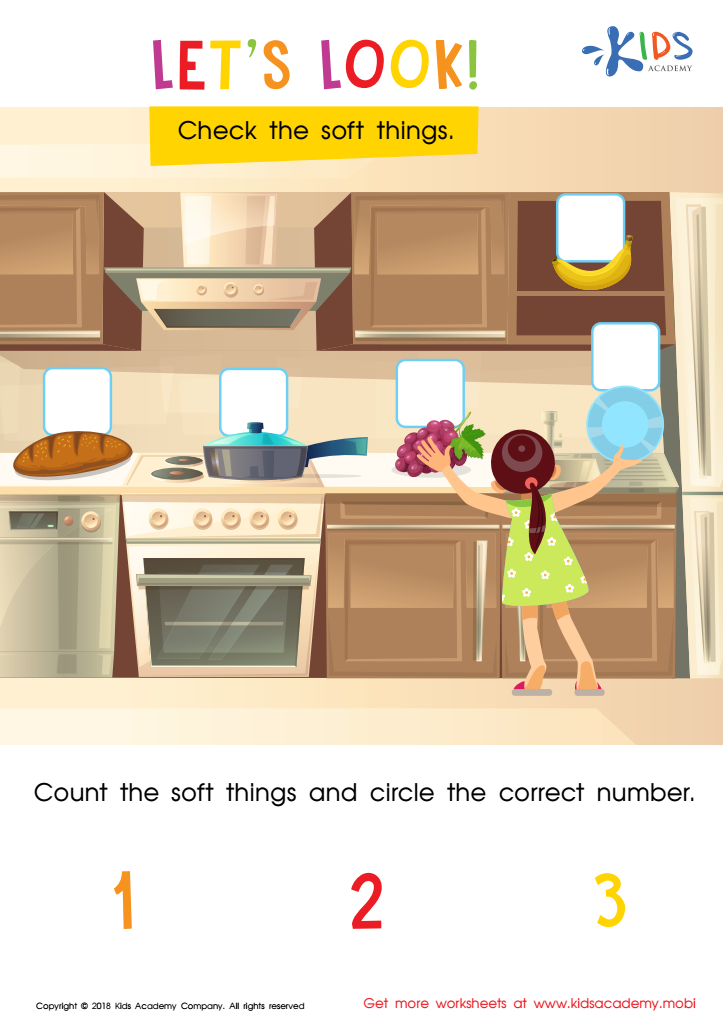
Let's Look! Assessment Worksheet
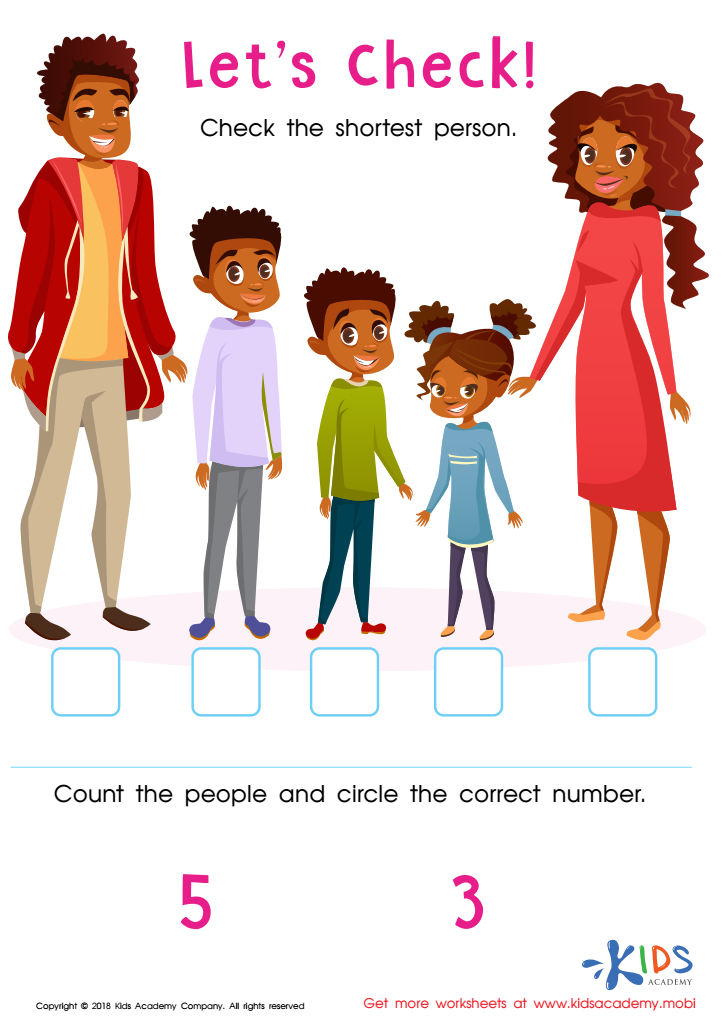
Let's Check! Assessment Worksheet
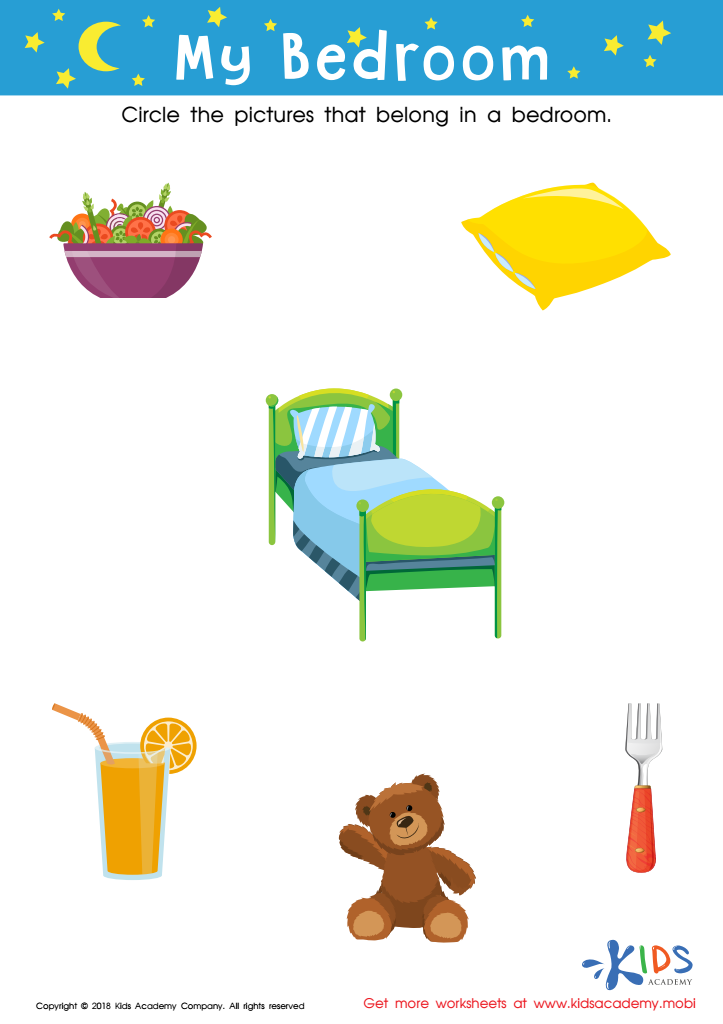
My Bedroom Worksheet
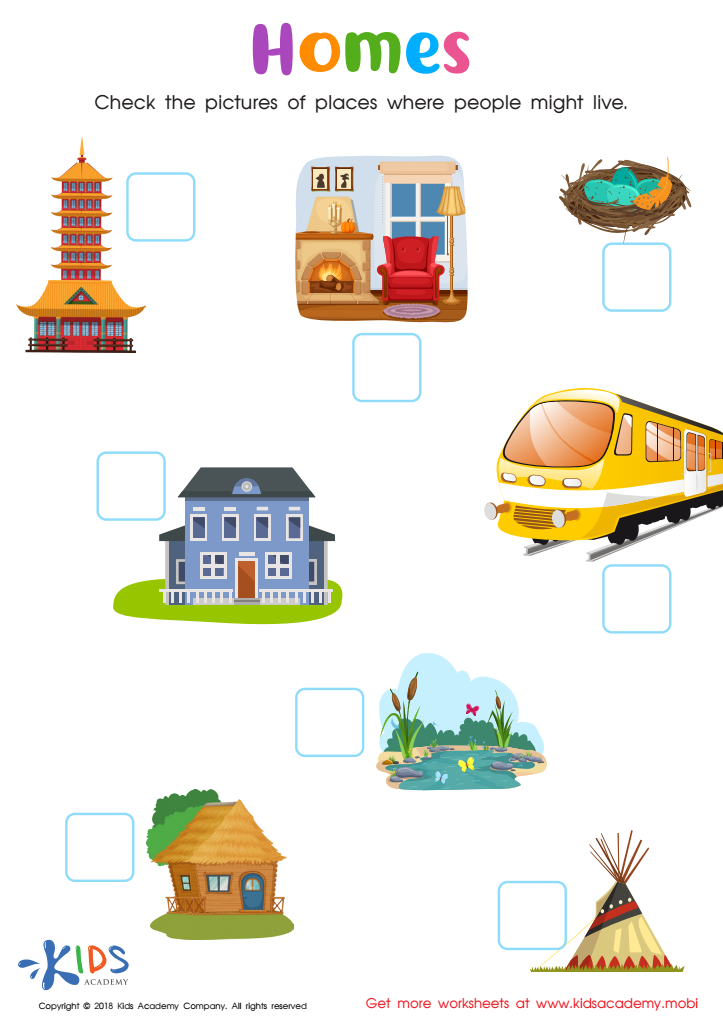
Homes Worksheet
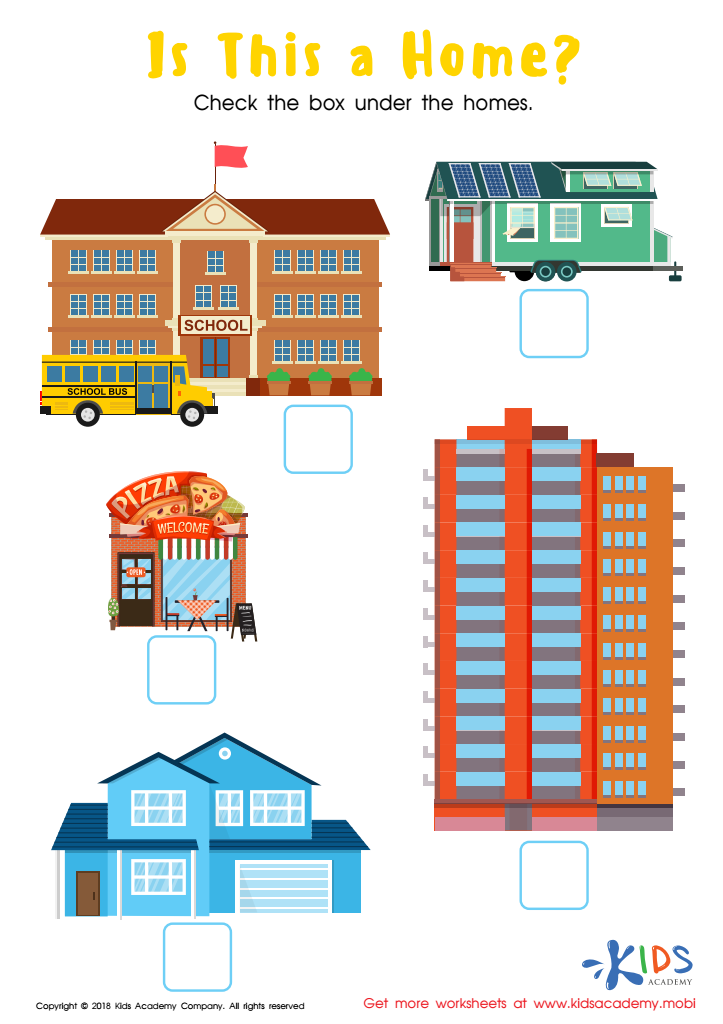
Is this a Home? Worksheet
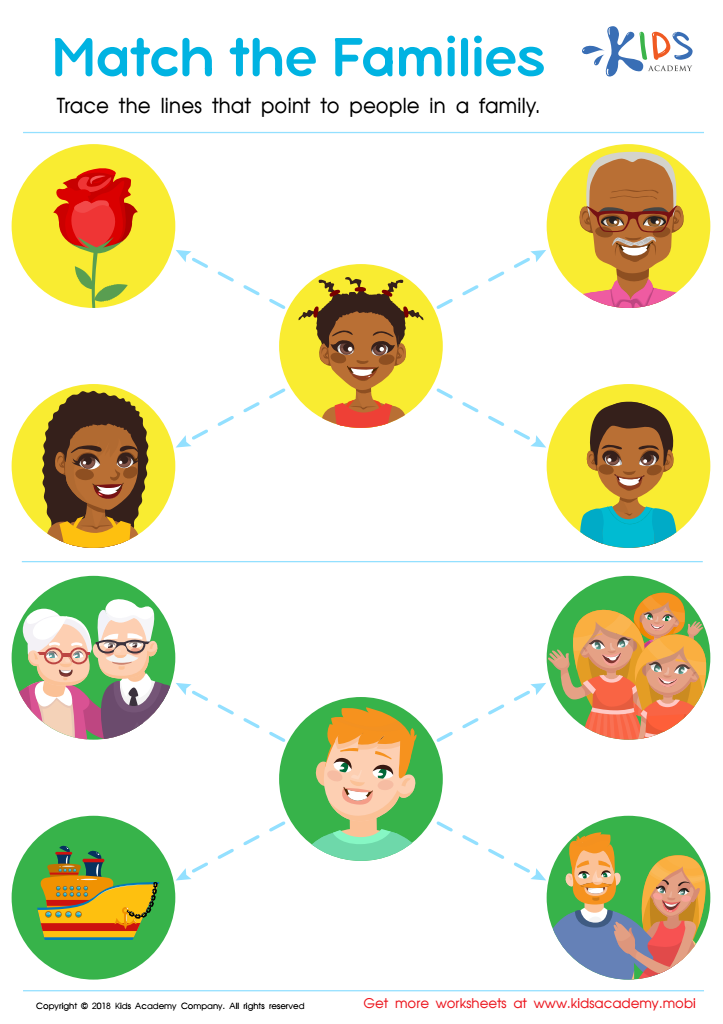
Match the Families Worksheet
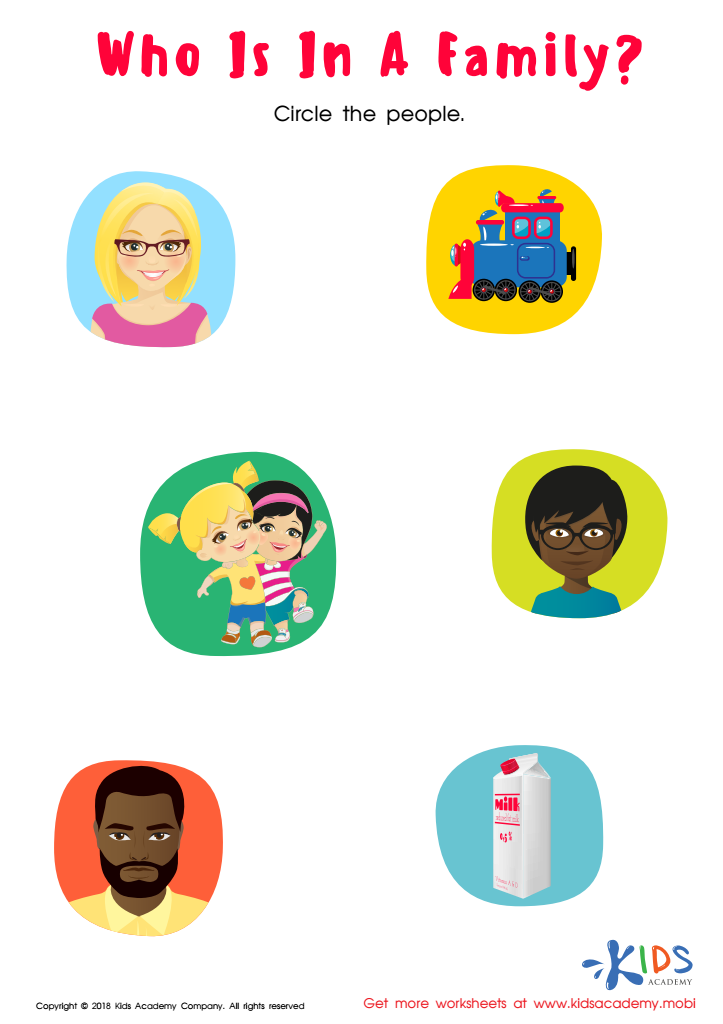
Who Is in a Family? Worksheet
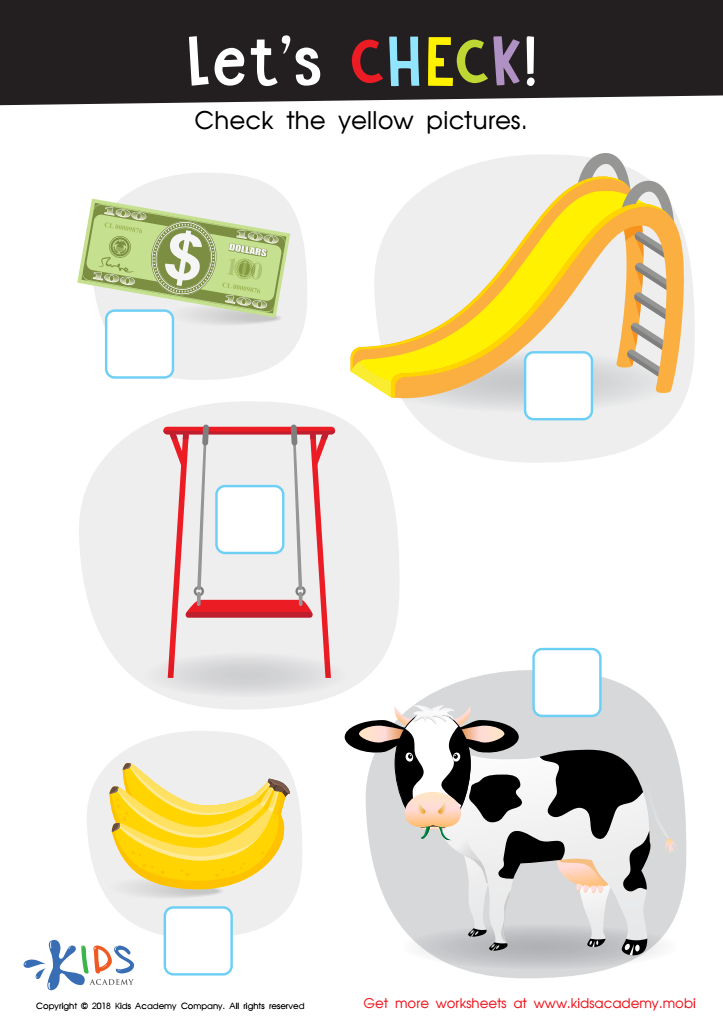
Let's Check! Worksheet
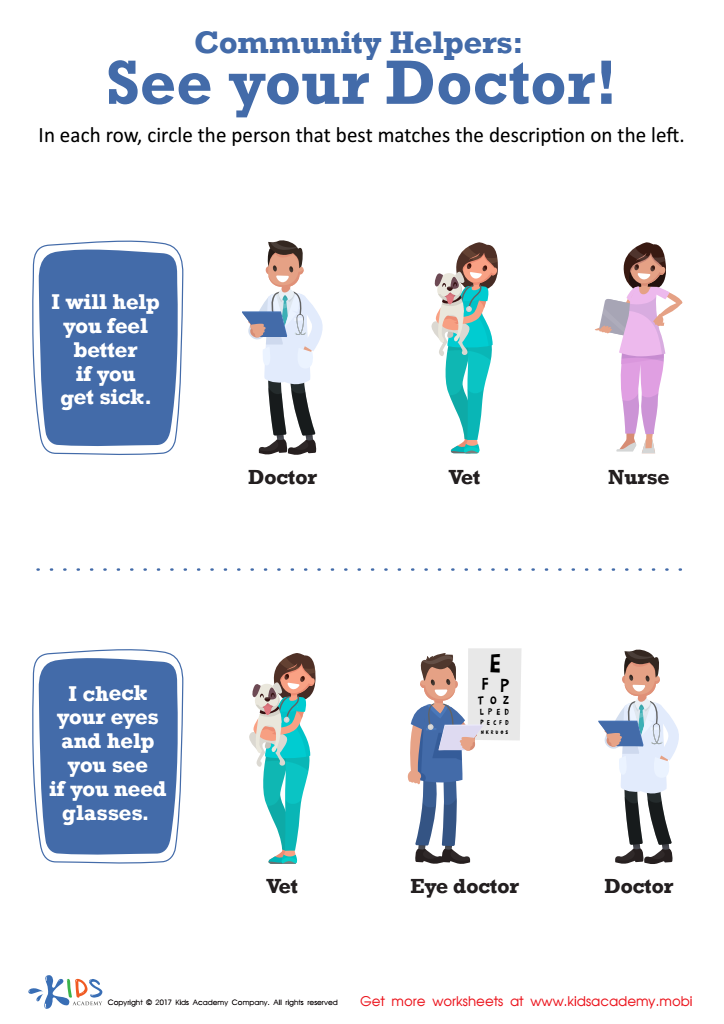
See Your Doctor (Part 1) Printable
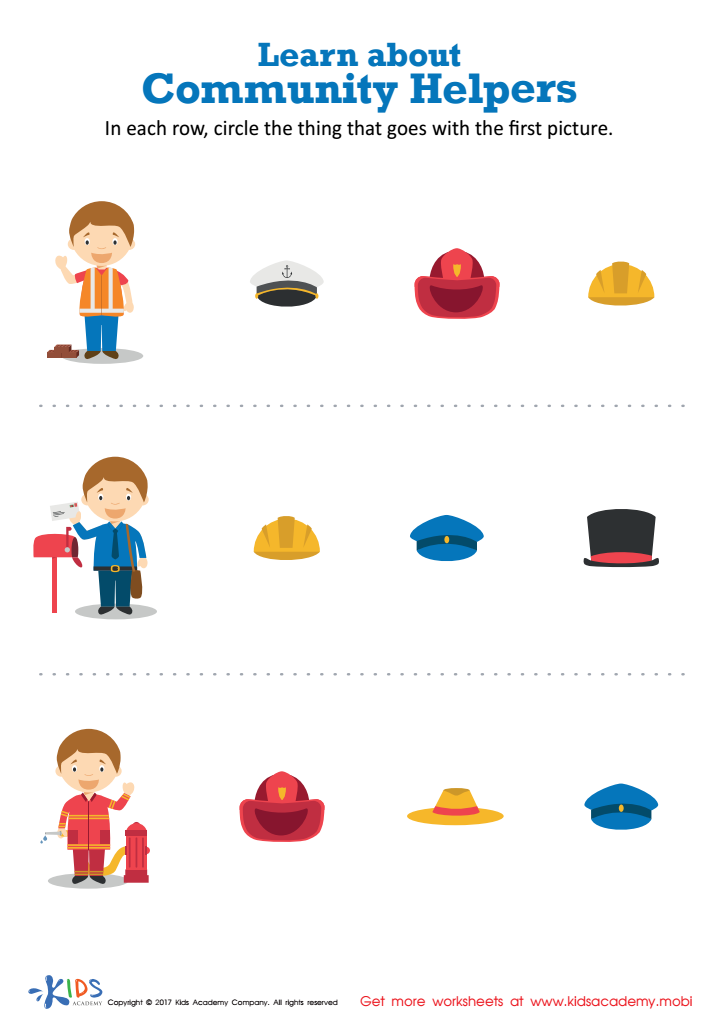
Learn about Community Helpers Printable
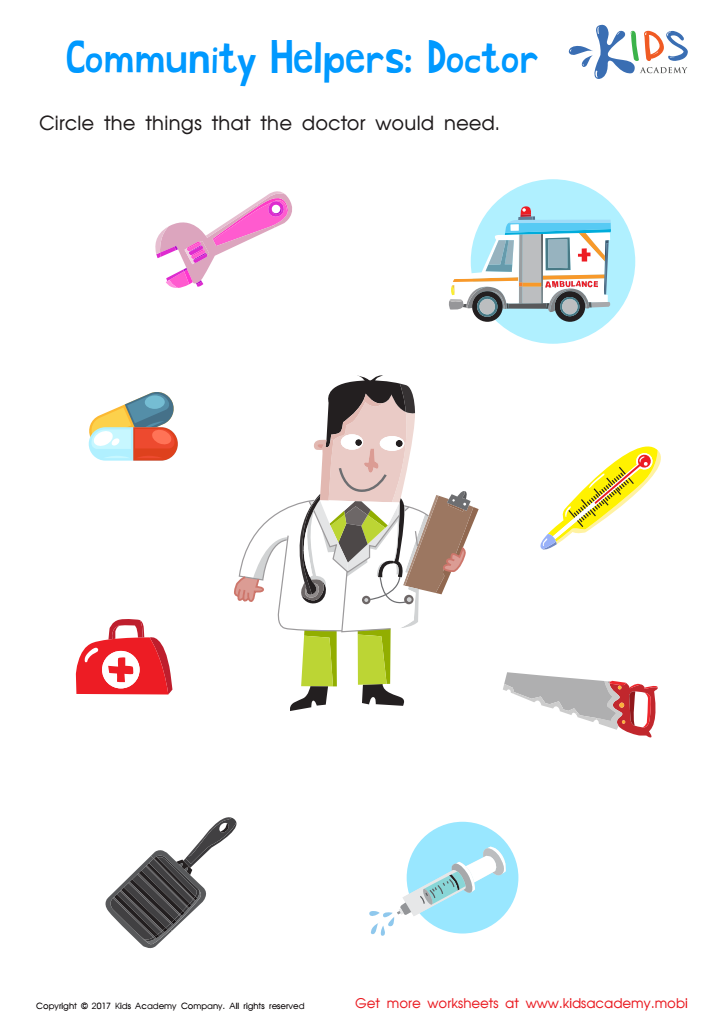
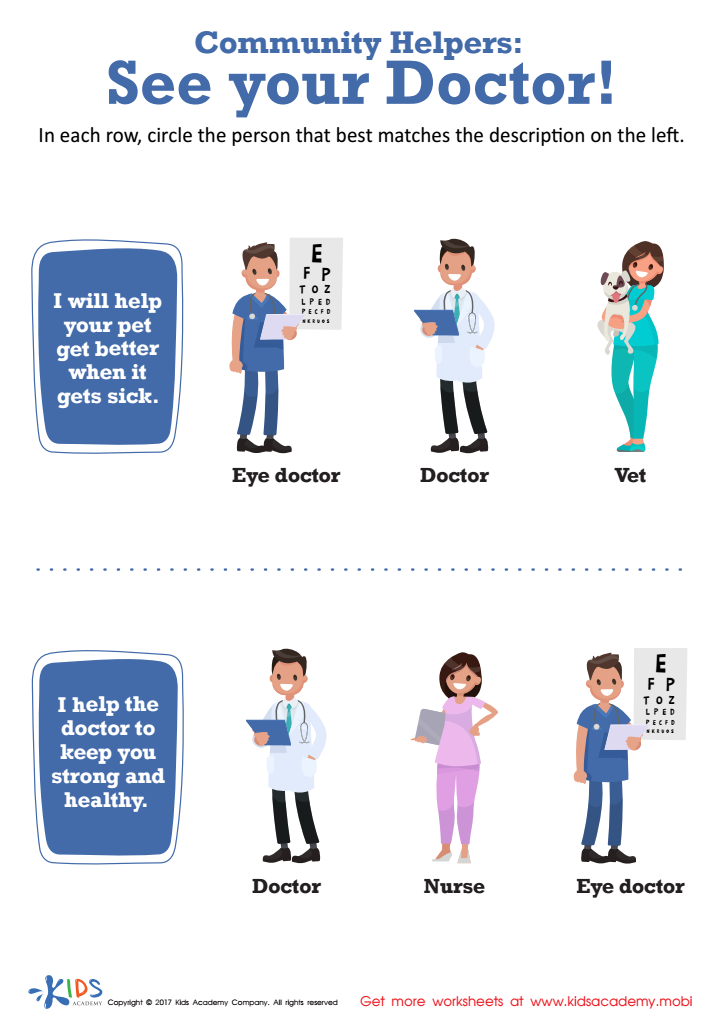
See Your Doctor (Part 2) Printable
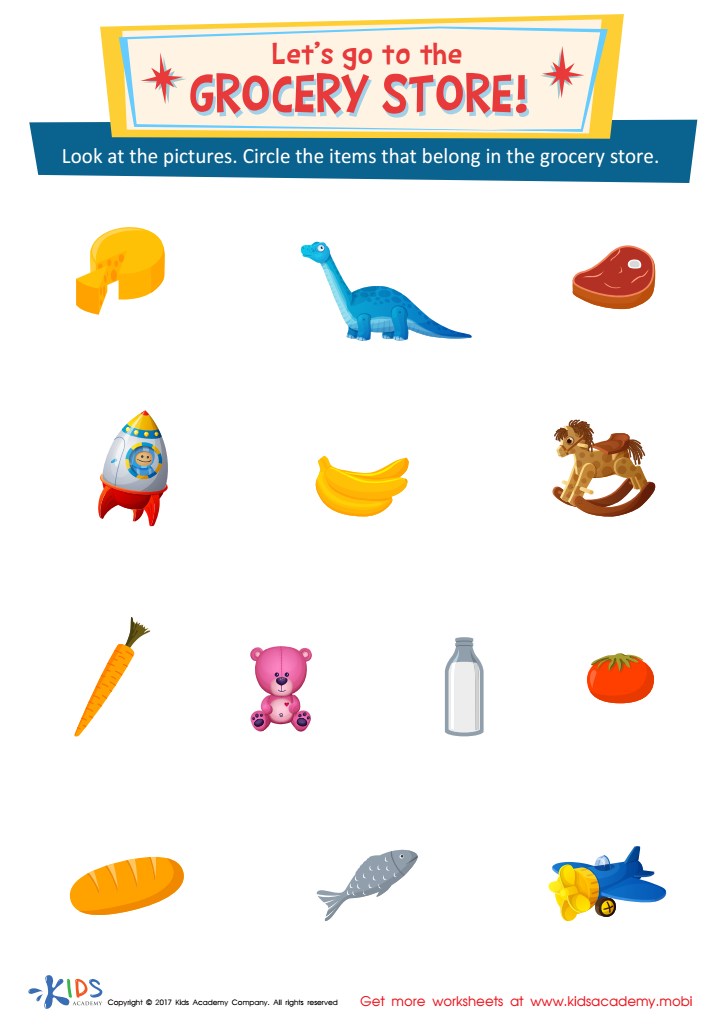
Grocery Store Worksheet
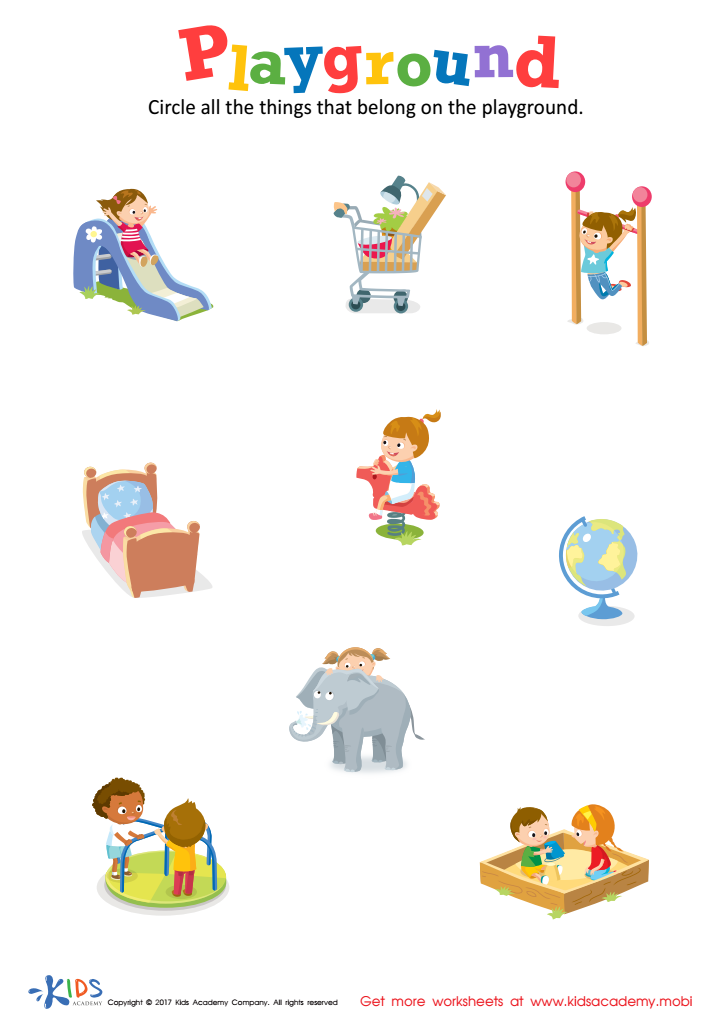
Playground Worksheet

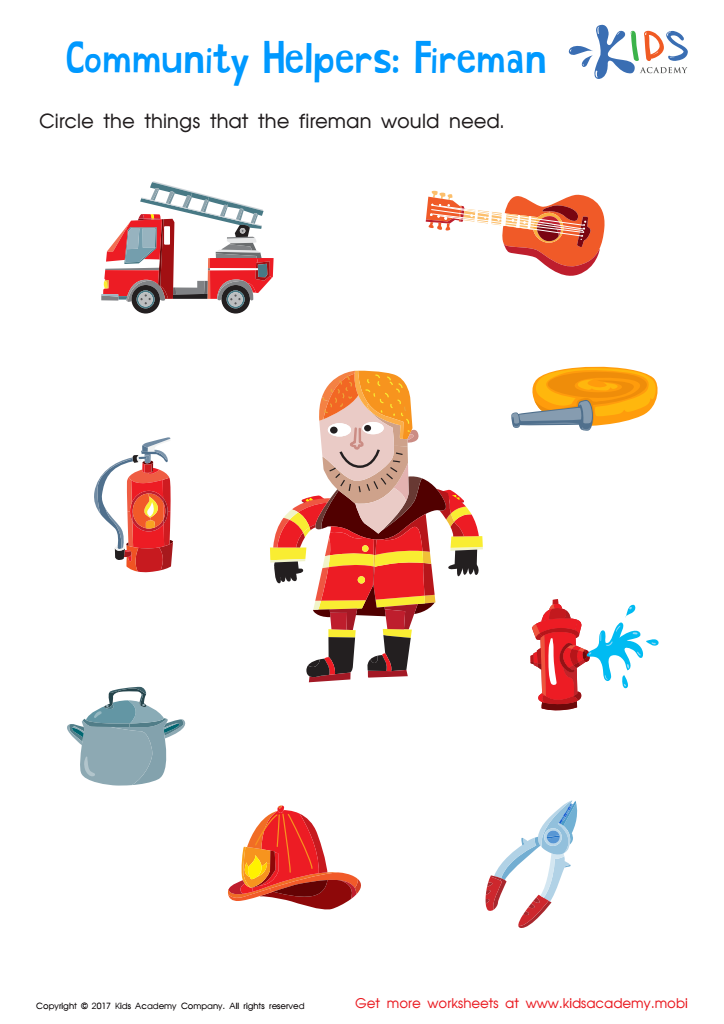
Fireman Worksheet
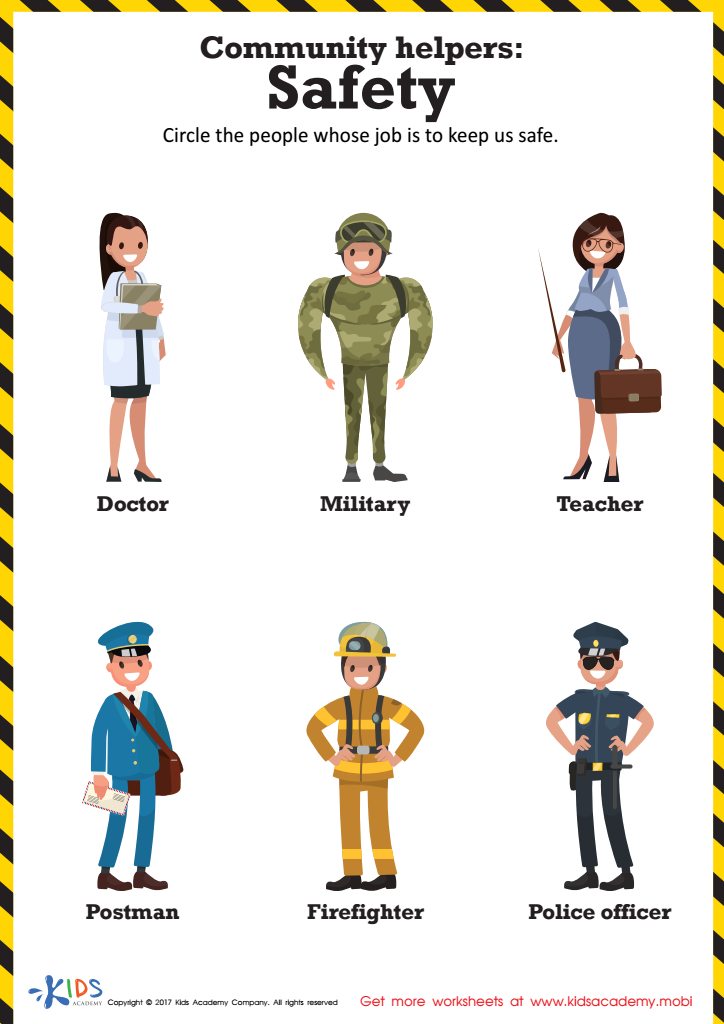




.jpg)



The Importance of Community Worksheets for Ages 3-5
In the formative years of ages 3 to 5, children are incredibly receptive to new concepts and ideas. It is during this stage that introducing them to the concept of community through specially designed worksheets can be remarkably beneficial. Community worksheets for ages 3-5 are crafted to help young minds grasp the essence of living and interacting within a community.
These worksheets serve as a fundamental tool in teaching children about the diverse roles and responsibilities that make a community function harmoniously. Through engaging activities and visual aids, children learn about the different professions, cultural practices, and social interactions that are integral to a community's wellbeing. Additionally, these worksheets help instill values of empathy, cooperation, and respect for others from a very young age.
Moreover, community worksheets for ages 3-5 are designed to be interactive and fun, fostering a positive learning environment that encourages curiosity and active participation. By integrating these worksheets into early education, we lay a strong foundation for children to understand and appreciate the importance of being an active and responsible member of their community. Through this early exposure, children not only gain knowledge but also develop a sense of belonging and identity within their community.