Filters

13 filtered results

Clear all filters
Favorites
With answer key
Interactive

13 filtered results

Difficulty Level

Grade


Introducing our vibrant Punctuation Worksheets, expertly crafted for Ages 3-5! Embark on a delightful educational journey with your little ones, where they'll explore the magical world of periods, commas, and question marks. Designed by educational professionals, these worksheets blend fun with learning, ensuring your child grasps the basics of punctuation with ease and enthusiasm. Perfect for preschoolers, our engaging activities will not only introduce them to punctuation but also enhance their reading and writing skills at an early age. Dive into our Punctuation Worksheets for Ages 3-5 and watch your child's literacy skills blossom!

Check out this FREE Trial Lesson on Punctuation for age 3-5!

Spiral Review: Make Corrections to Sentences with Errors

Favorites
With answer key
Interactive
  • 3-5
  • Interactive
  • Punctuation
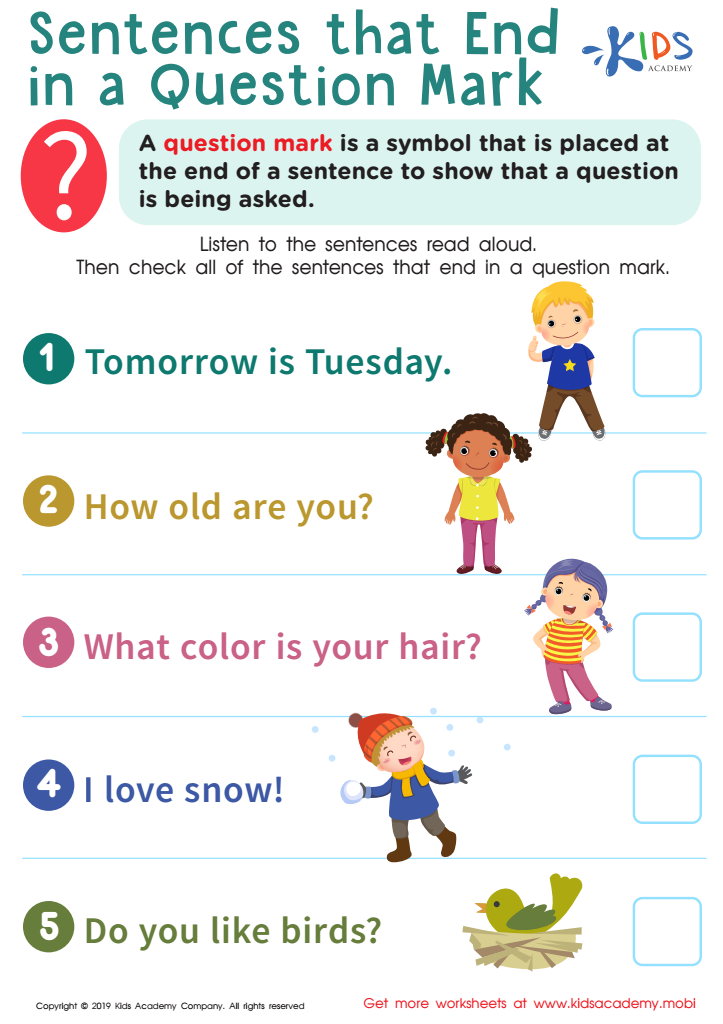
Sentences That End in an Question Mark Worksheet

Sentences That End in an Question Mark Worksheet

Teach your students about the four most common punctuation marks - period, comma, question mark, and exclamation mark - with this worksheet. Show them how to use the question mark to indicate a sentence is a question. Then, have them check all sentences that end in a question mark.
Sentences That End in an Question Mark Worksheet
Worksheet
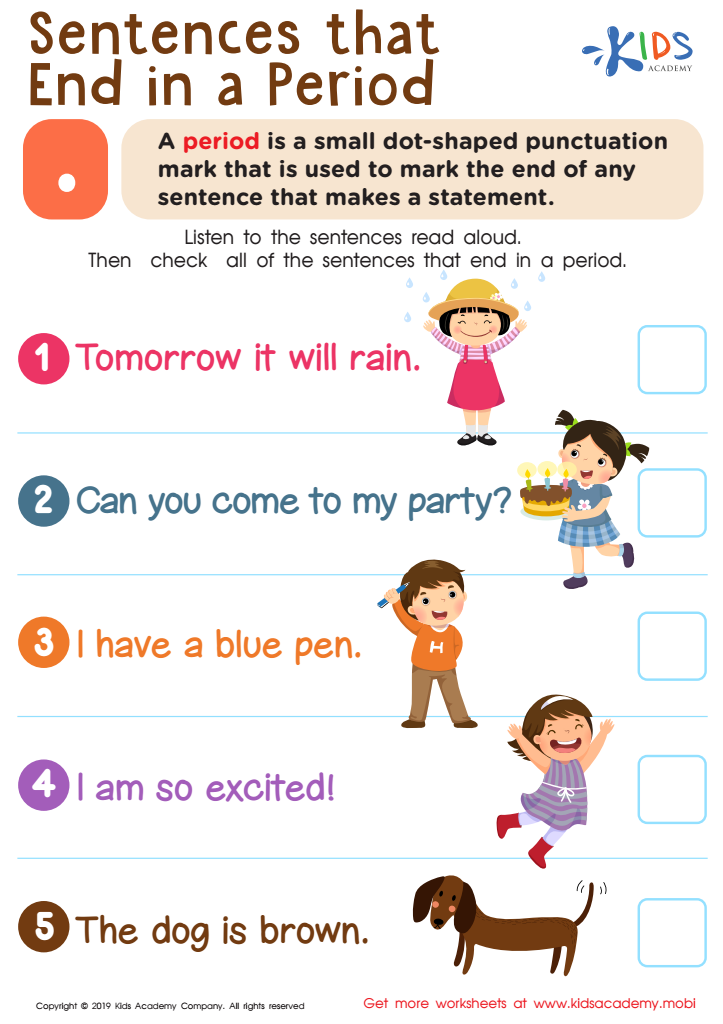
Sentences That End in a Period Worksheet

Sentences That End in a Period Worksheet

Before beginning, ask your kids if they know what punctuation marks are and can name a few. Common examples are the period (a small dot-shaped mark at the end of sentences), comma, question mark, and exclamation mark. Help practice their use with questions in the worksheet.
Sentences That End in a Period Worksheet
Worksheet
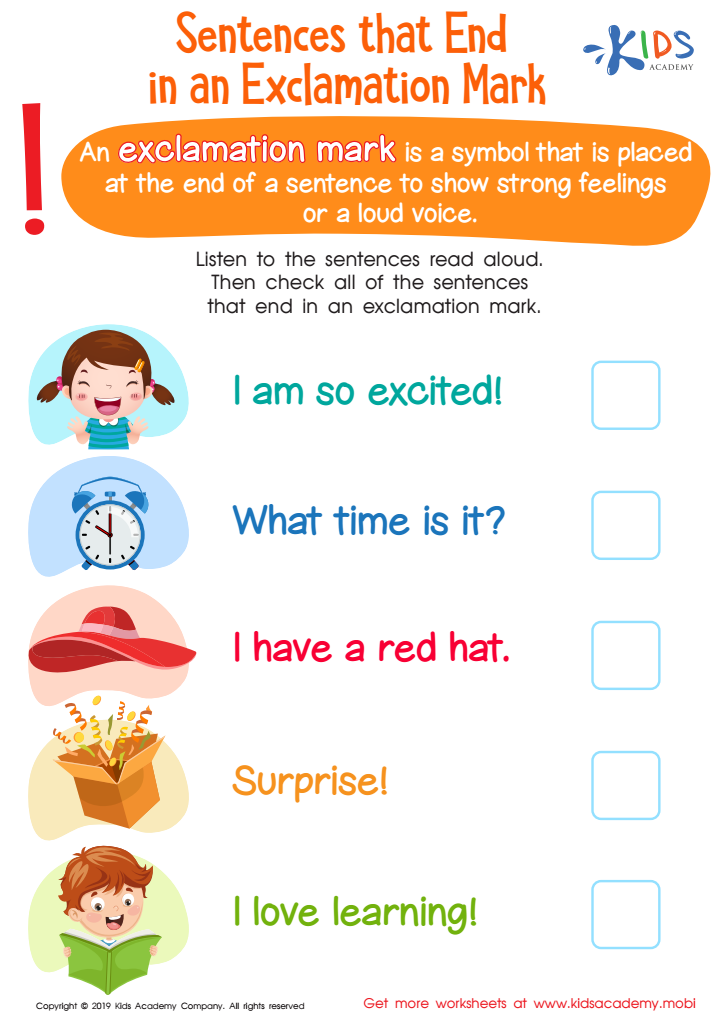
Sentences That End in an Exclamation Mark Worksheet

Sentences That End in an Exclamation Mark Worksheet

This worksheet is a great way to brush up kids' punctuation skills. Period, comma, question mark and exclamation mark are the first four punctuation marks they should learn. Exclamation marks show strong emotion or a noise. Use this printout to teach and test kids' understanding of exclamation marks.
Sentences That End in an Exclamation Mark Worksheet
Worksheet
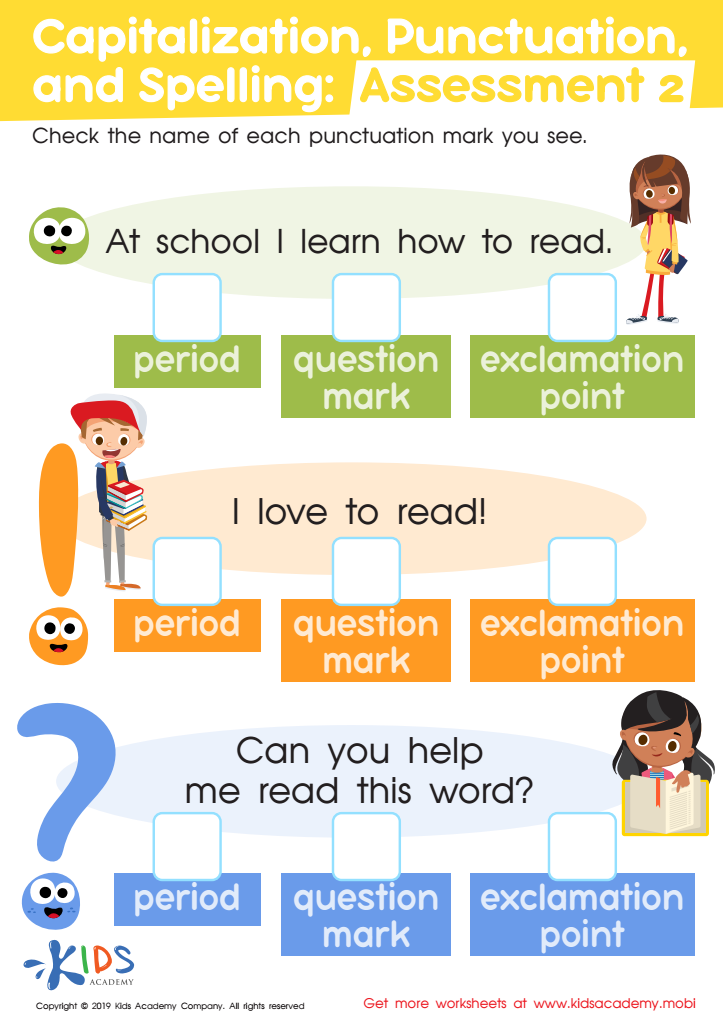
Capitalization. Punctuation. Spelling: Assessment 2 Worksheet

Capitalization. Punctuation. Spelling: Assessment 2 Worksheet

Teach your kids the basics of punctuation. Ask them to name the punctuation marks they know and review a worksheet together. Start with the full stop, question mark and exclamation mark. Show them examples and explain the differences between a comma and semi colon. Teaching proper use of punctuation marks is key to their development.
Capitalization. Punctuation. Spelling: Assessment 2 Worksheet
Worksheet
Fix Spaces Worksheet

Fix Spaces Worksheet

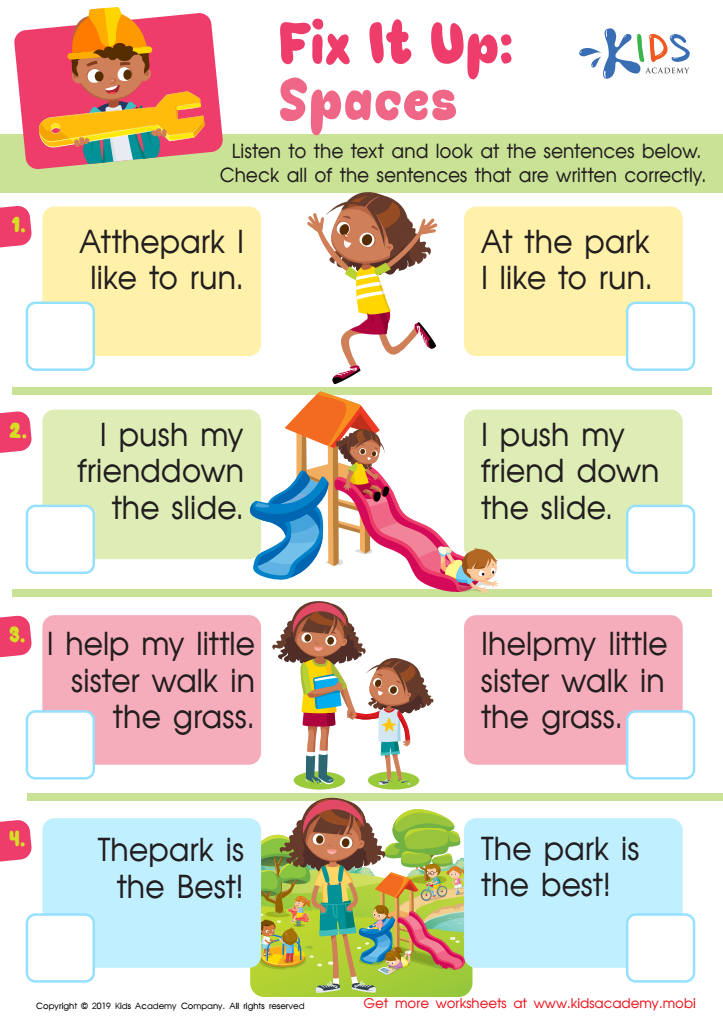
Encourage kids to check sentences in the worksheet for proper spacing. Explain that clear, orderly writing needs spaces between words, otherwise words can become jumbled and hard to understand. Show them how to identify correctly spaced sentences.
Fix Spaces Worksheet
Worksheet
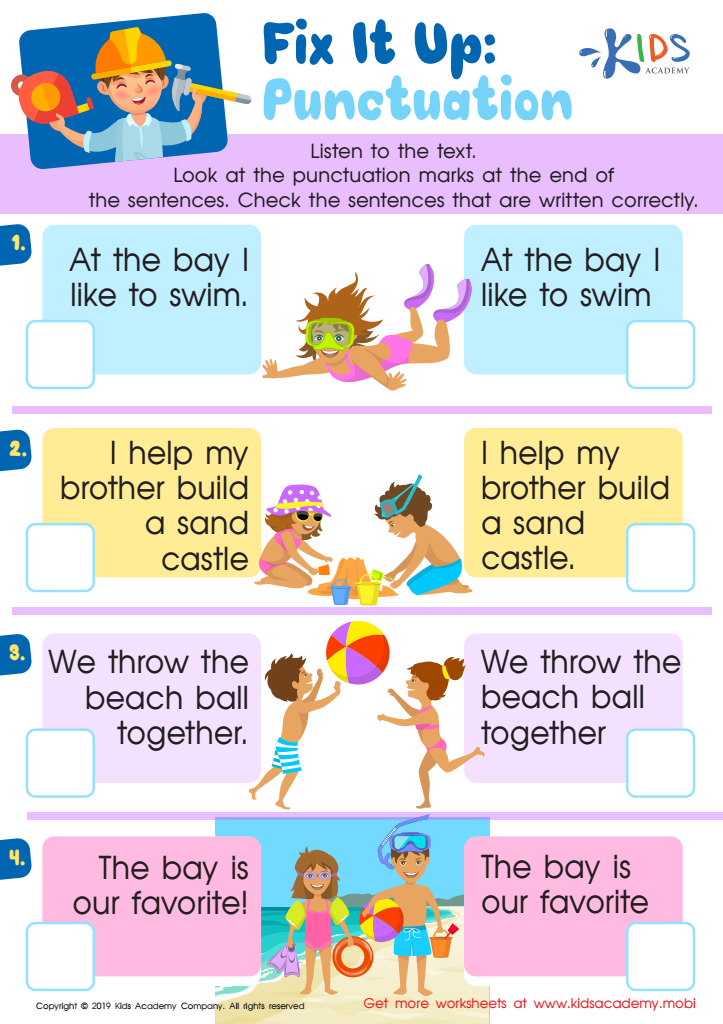
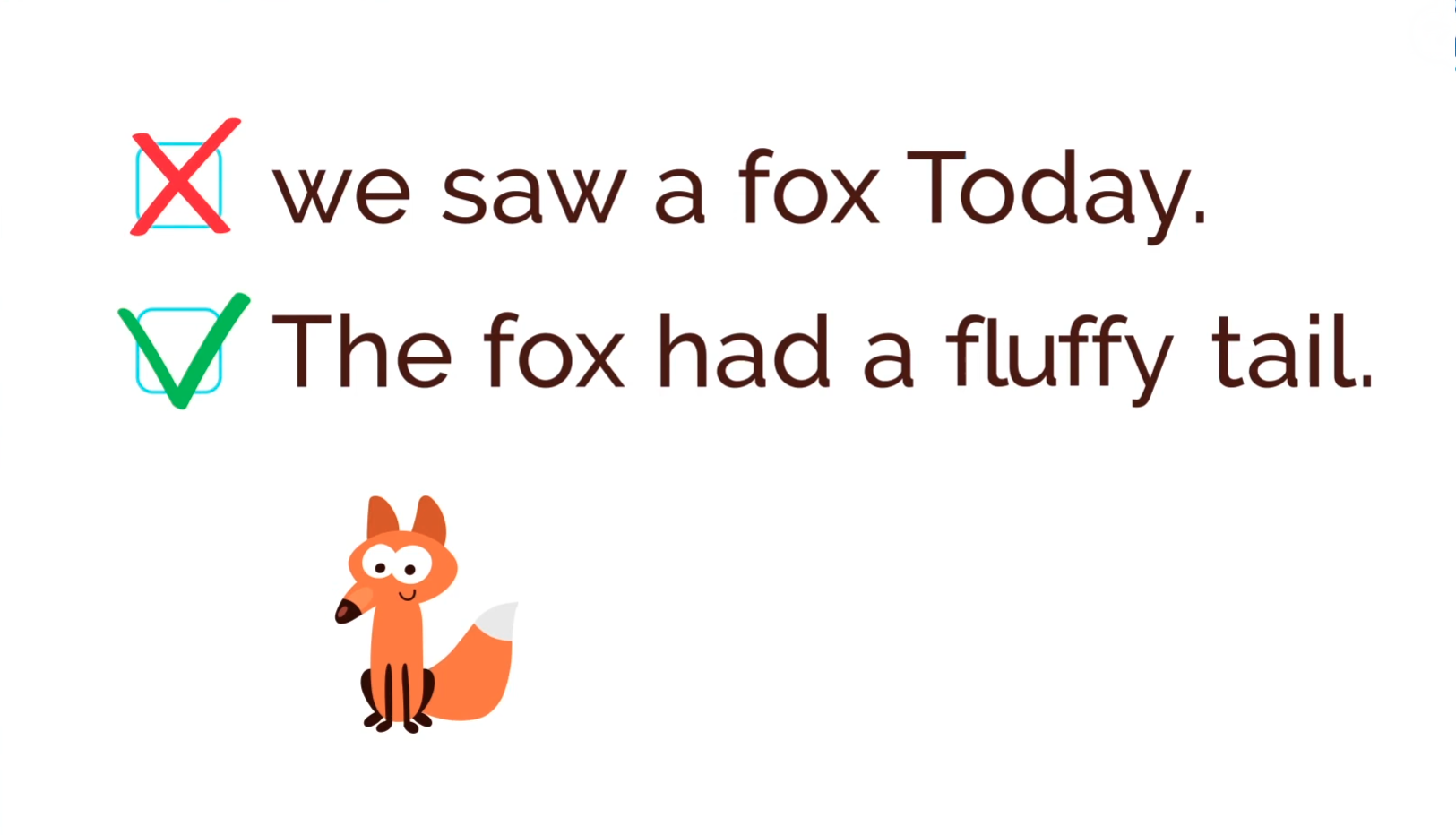
Fix Punctuation Worksheet

Fix Punctuation Worksheet

Have your kids tell you which punctuation marks they know before using this colorful worksheet. Read the sentences together and ask them to identify which are correctly punctuated. Guide them to check their answers. This simple activity helps teach kids to use punctuation correctly.
Fix Punctuation Worksheet
Worksheet
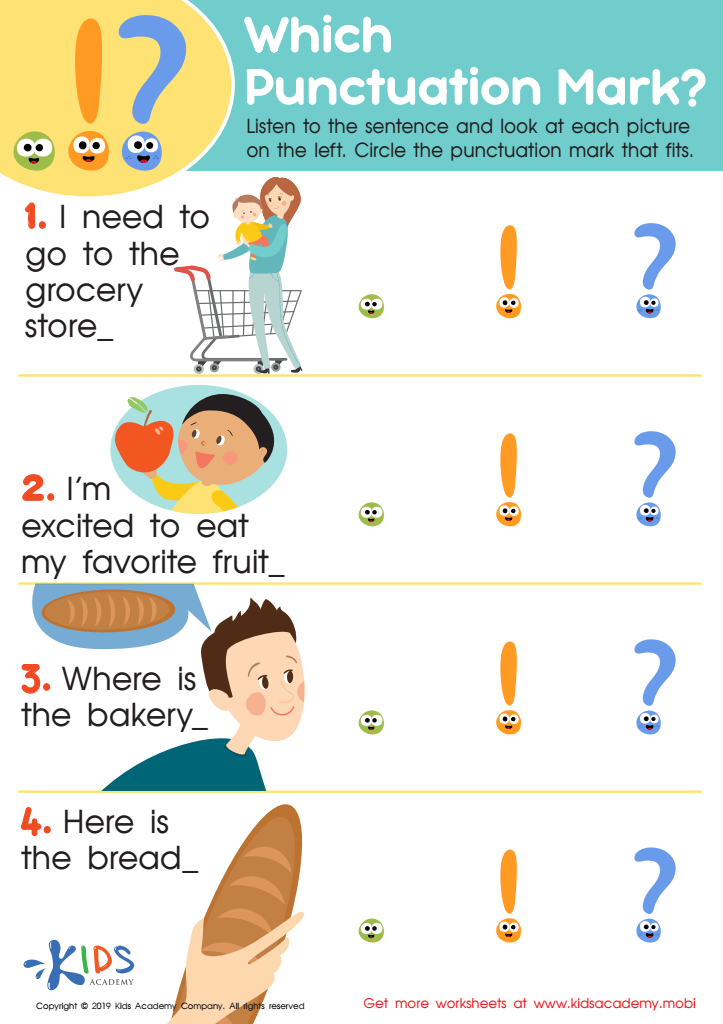
Which Punctuation Mark Worksheet Preview
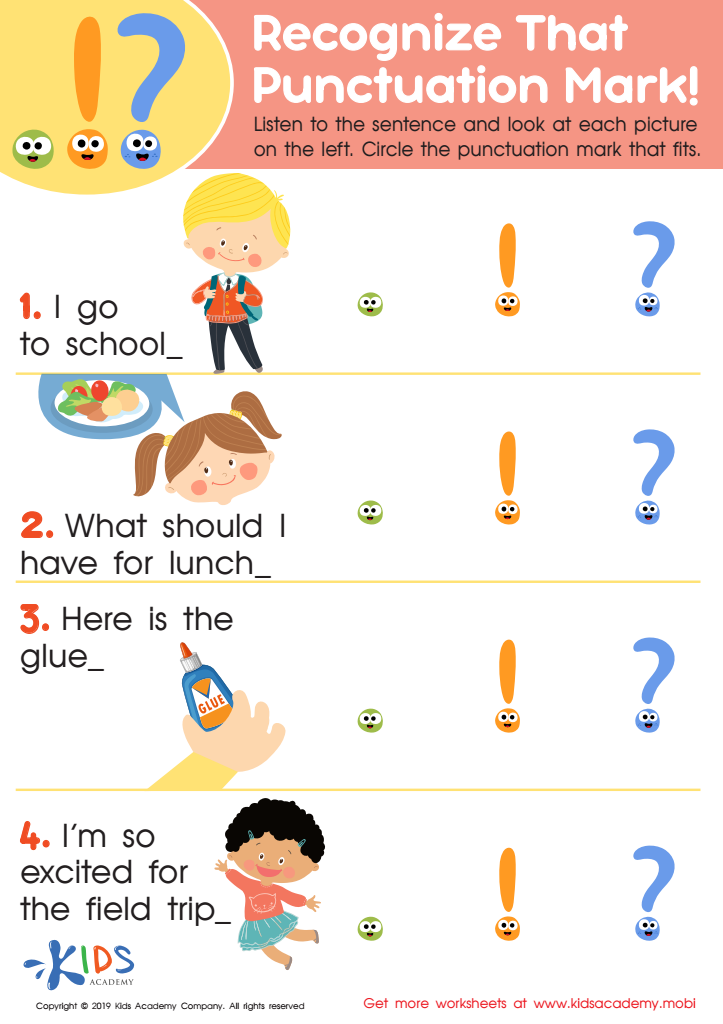

Which Punctuation Mark Worksheet

Punctuation marks are essential for expressing what we say. This worksheet asks your kindergarten student to circle the correct punctuation mark for each sentence. Read each sentence aloud and help them identify the expression needed. A picture accompanies each sentence. Enjoy! (79 words)
Which Punctuation Mark Worksheet
Worksheet
Recognize Punctuation Marks Worksheet

Recognize Punctuation Marks Worksheet

Before beginning the worksheet, ask your students to name punctuation marks they know and what they mean. Common punctuation marks are full stop, question mark and exclamation mark. Point out each one in the picture and read the sentences, helping them circle the right punctuation.
Recognize Punctuation Marks Worksheet
Worksheet
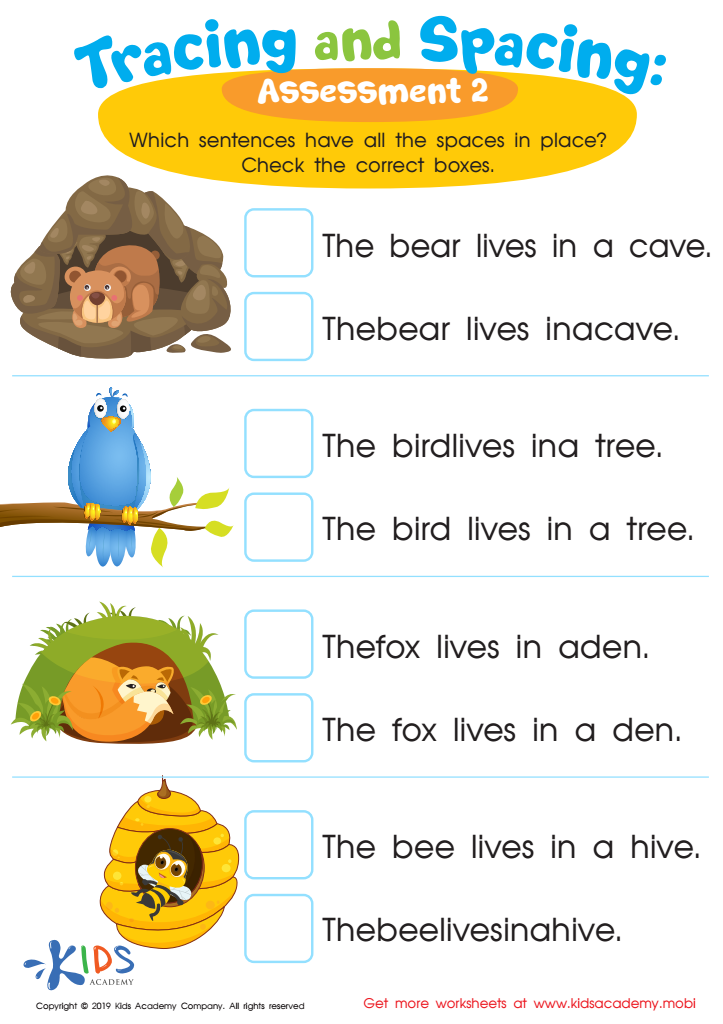
Tracing and Spacing: Assessment 2 Worksheet

Tracing and Spacing: Assessment 2 Worksheet

Help your little learner master letter spacing by using this charming assessment worksheet! Illustrated animals are paired with sentences; read each sentence and look at the spacing. Check the box next to the correctly spaced sentences to complete the sheet.
Tracing and Spacing: Assessment 2 Worksheet
Worksheet
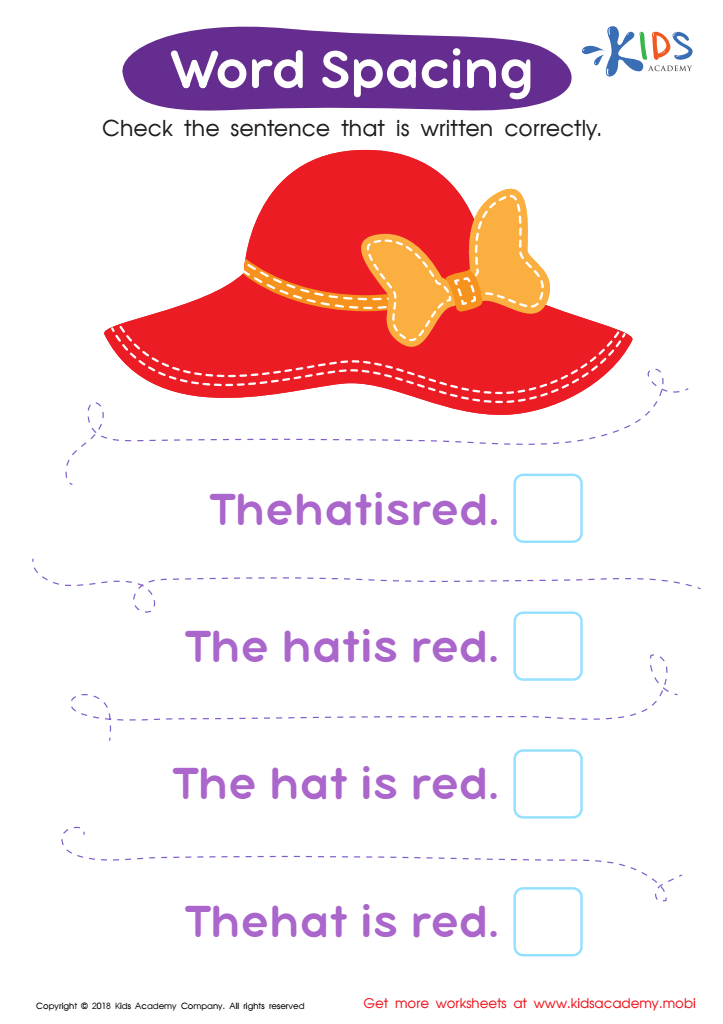
Word Spacing Worksheet

Word Spacing Worksheet

Can your child read and write simple sentences? Test their skills with this easy worksheet. Point to the four sentences under the picture; each conveying the same message but with different word spacing. Ask your child to select the sentence with proper spacing.
Word Spacing Worksheet
Worksheet
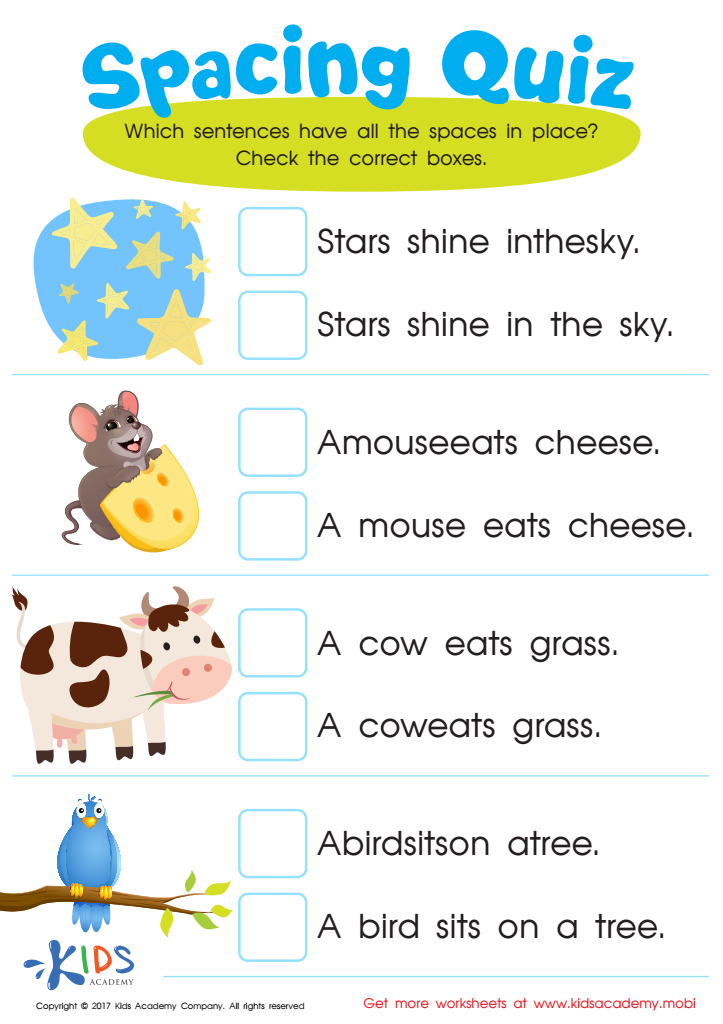
Spacing Quiz Worksheet

Spacing Quiz Worksheet

Space between words is key for writing legibly. It can be hard for beginners to get it right - help them practice with a fun nature-themed worksheet! Just have them read each sentence slowly, listening for where spaces should be and looking to see if they've been added in the right places.
Spacing Quiz Worksheet
Worksheet
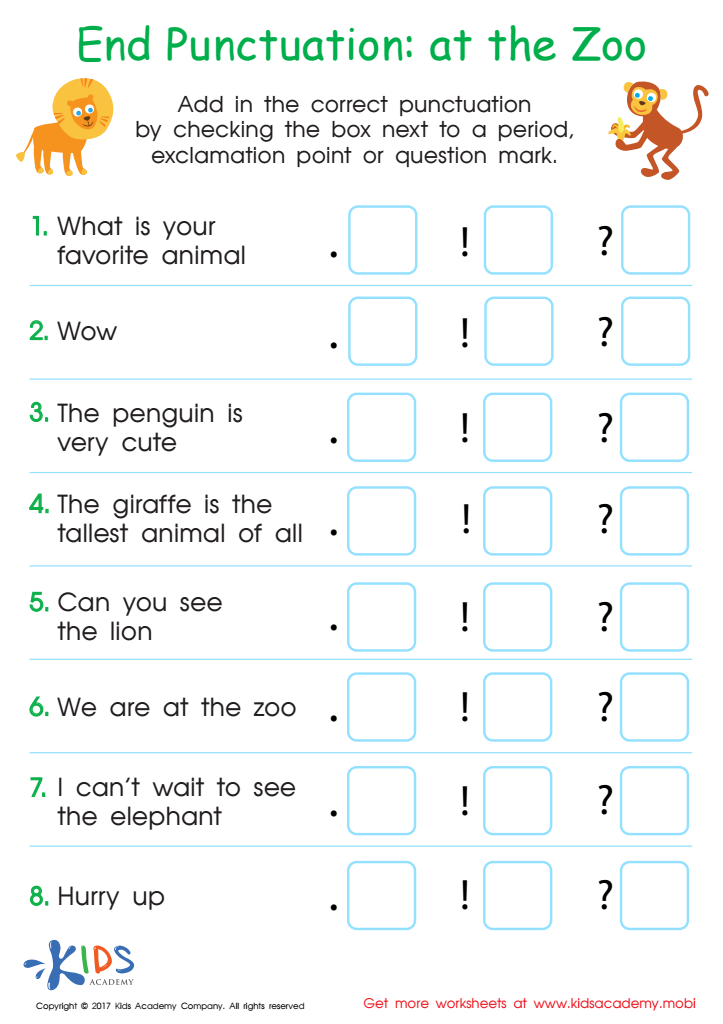
End punctuation worksheet: At the Zoo

End Punctuation: At the Zoo Worksheet
Let your kid hone their sentence and punctuation skills with this cute At the Zoo worksheet. Read it out loud to provide guidance if needed, and help your child find the right punctuation mark for each sentence.
End Punctuation: At the Zoo Worksheet
Worksheet
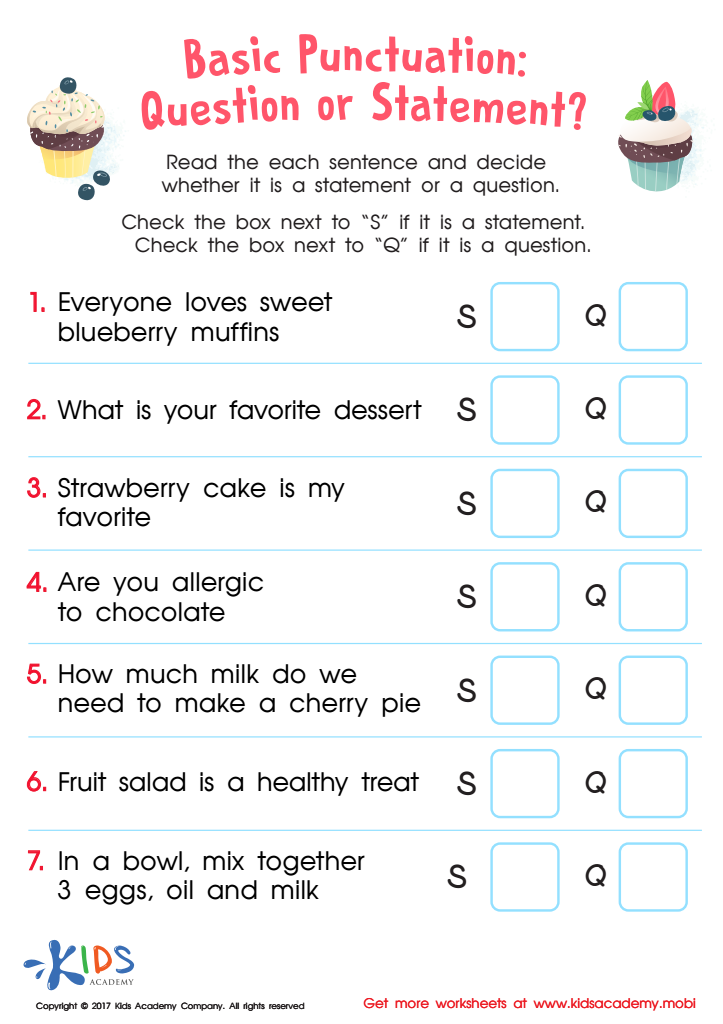
Punctuation worksheet: Question or Statement

Basic Punctuation: Question or Statement Printable

Once kids can read and write, it's time to learn punctuation. With this fun worksheet, your child can practice distinguishing questions and statements using candy-themed examples. Question or Statement?
Basic Punctuation: Question or Statement Printable

Worksheet


Punctuation for Ages 3-5 is not just about dots and dashes; it's about laying the foundation for effective communication and literacy. At such a formative stage, worksheets on punctuation serve as an invaluable tool for young learners. They introduce children to the basics of reading and writing in an engaging, interactive manner.

Here’s why worksheets on punctuation are particularly beneficial for ages 3-5:

  1. Building Blocks of Literacy: Early exposure to punctuation marks through worksheets can help children recognize and understand their usage, which is a critical step towards literacy.

  2. Enhancing Reading Skills: Punctuation marks are the road signs in the world of reading; they guide the reader on how to proceed. Worksheets that focus on punctuation teach children how to pause at a comma or stop at a period, which improves their reading fluency and comprehension.

  3. Boosting Writing Abilities: By practicing with punctuation worksheets, young learners begin to grasp how punctuation can change the meaning of a sentence. This early practice lays the groundwork for effective writing skills.

  4. Engagement and Fun: Worksheets designed for ages 3-5 are often colorful, interactive, and filled with fun activities that make learning about punctuation enjoyable. This positive learning experience fosters a love for reading and writing.

In essence, punctuation worksheets for ages 3-5 are not just about learning the symbols; they are about unlocking the door to communication, enhancing literacy, and setting the stage for academic success.