Addition & Subtraction Worksheets for Ages 3-6 - Page 14
316 filtered results
-
From - To
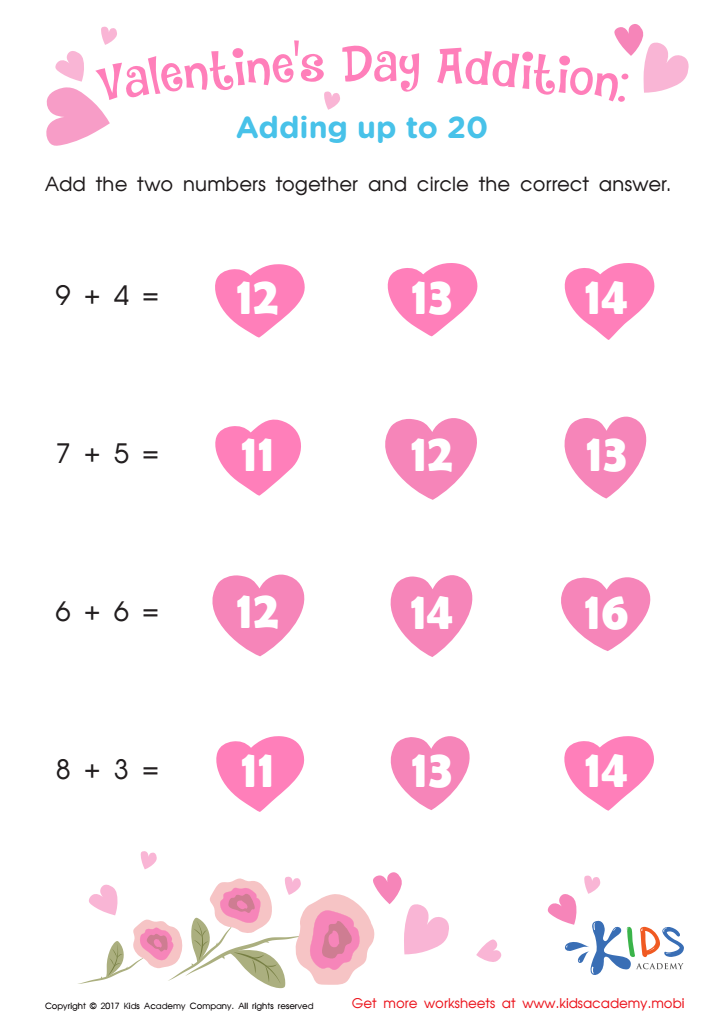
Valentine's Day Addition Worksheet
 Assign to My Students
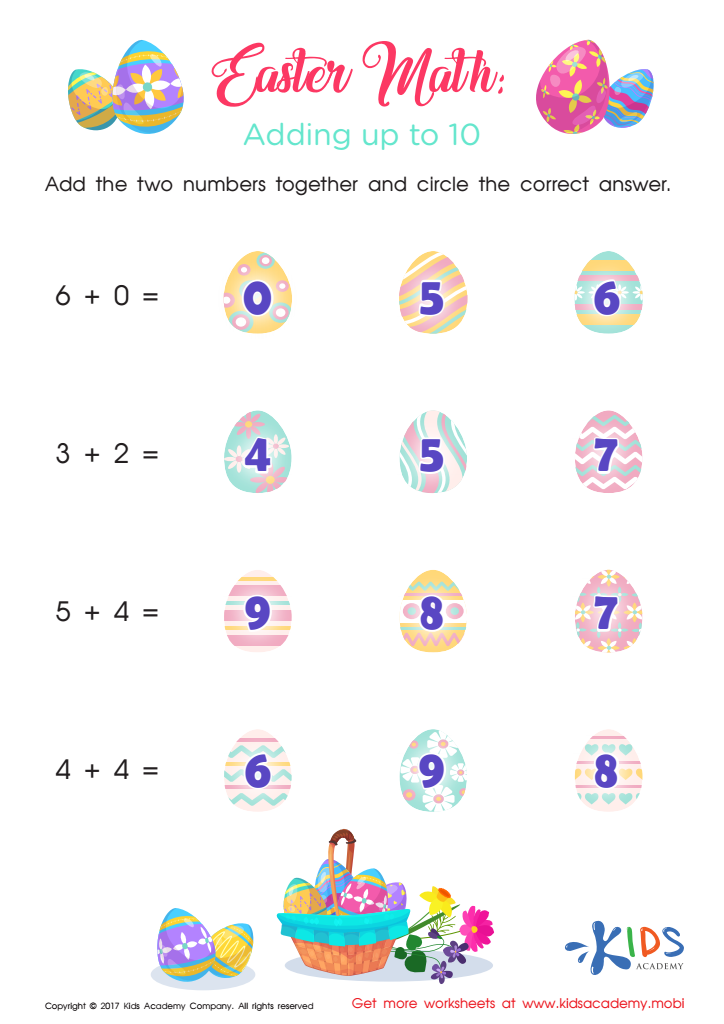
Addition Up To 10 Worksheet
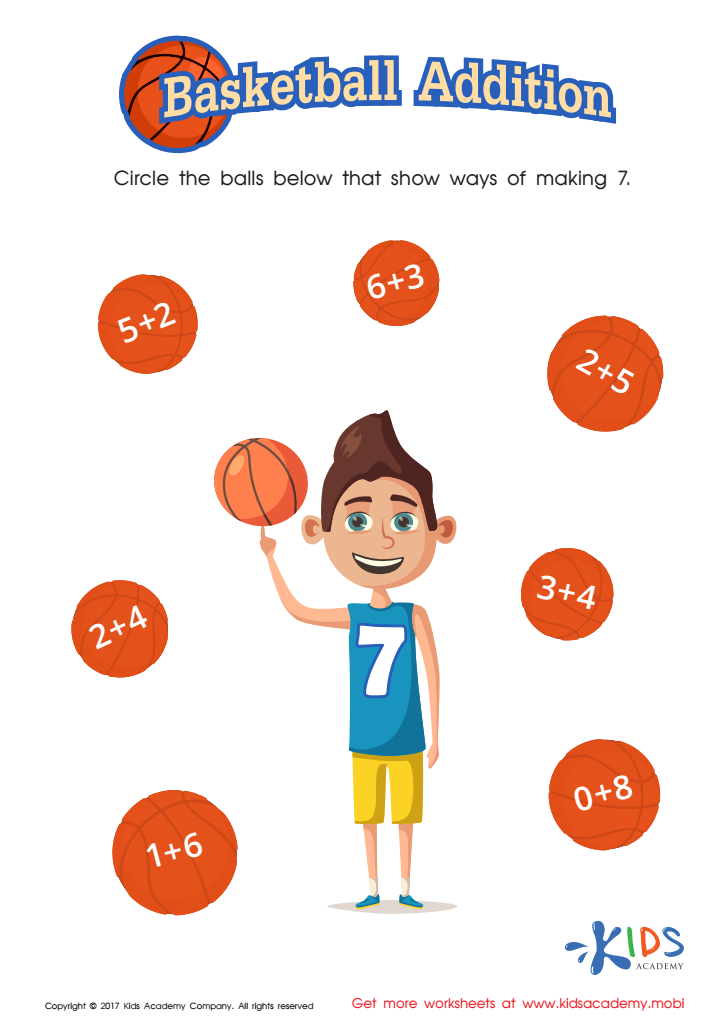
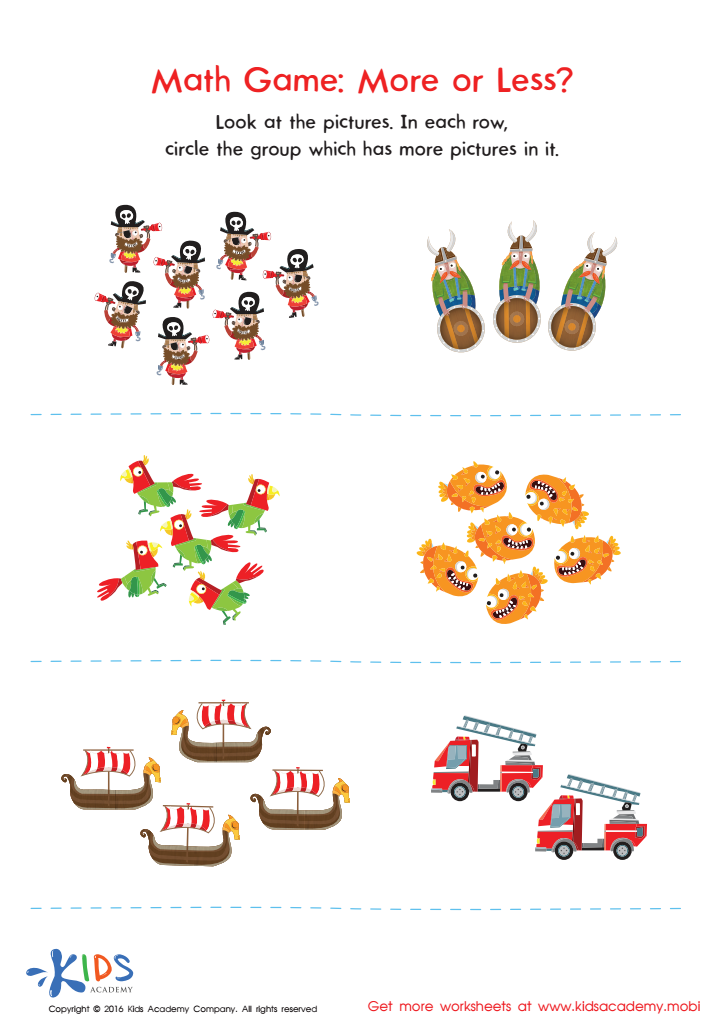
More or Less Worksheet








Understanding addition and subtraction is fundamental for children aged 3-6, laying the groundwork for their overall mathematical proficiency. During these early years, children are highly receptive to new concepts and can effectively grasp the basics of mathematics. Addition and subtraction help develop critical thinking and problem-solving skills, as they learn to manipulate numbers and understand relationships between them.
Parents and teachers should care about these skills because they foster cognitive development and enhance a child's ability to engage with the world around them. Numeracy skills are essential not just for future academic success, but also for daily life, as children will apply these concepts in practical situations, such as sharing toys or counting snacks.
Additionally, early exposure to math activities promotes a positive attitude toward learning. Creating a foundation in addition and subtraction can lead to greater confidence in tackling more complex mathematical challenges later. Incorporating playful and engaging activities—like games, songs, and interactive stories—makes learning these concepts more enjoyable and effective.
Ultimately, a strong understanding of basic math assists children in their development across various subjects and helps in building essential life skills, making it crucial for educators and parents to focus on these early numeracy skills.








