Building Vocabulary Worksheets for Ages 3-6 - Page 7
148 filtered results
-
From - To
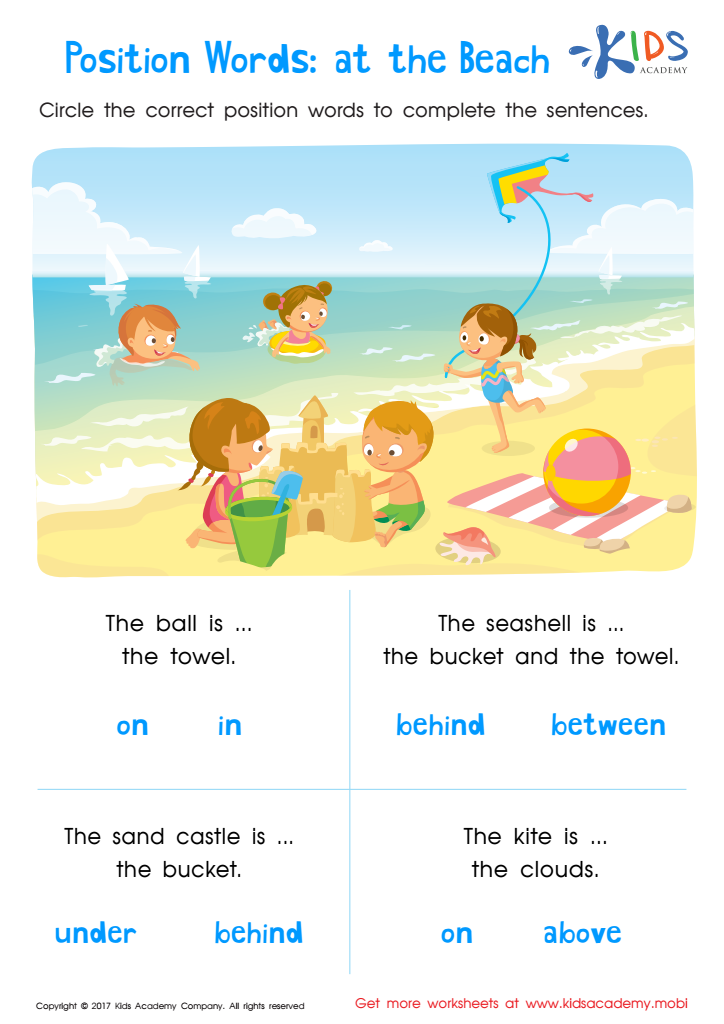
 Assign to My Students











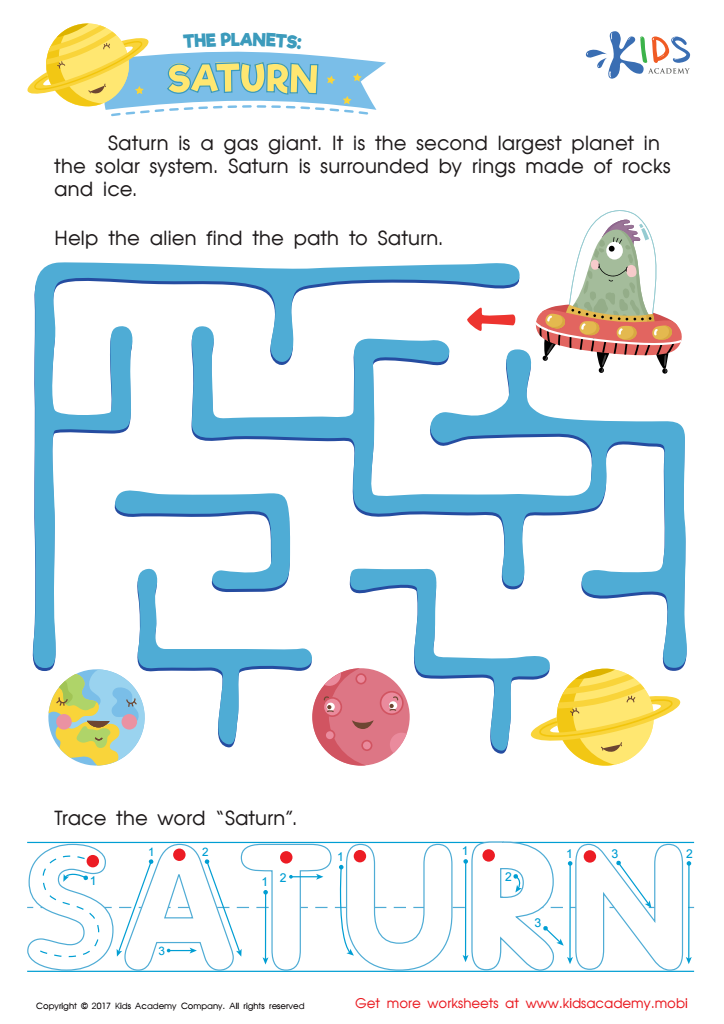
The Planets: Saturn Printable
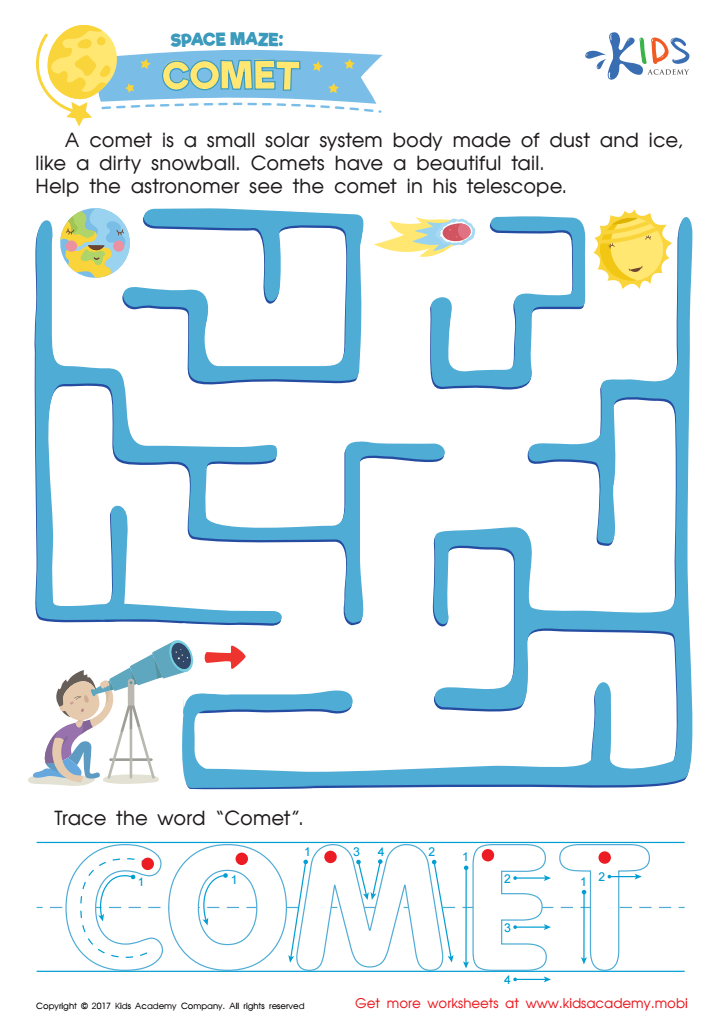
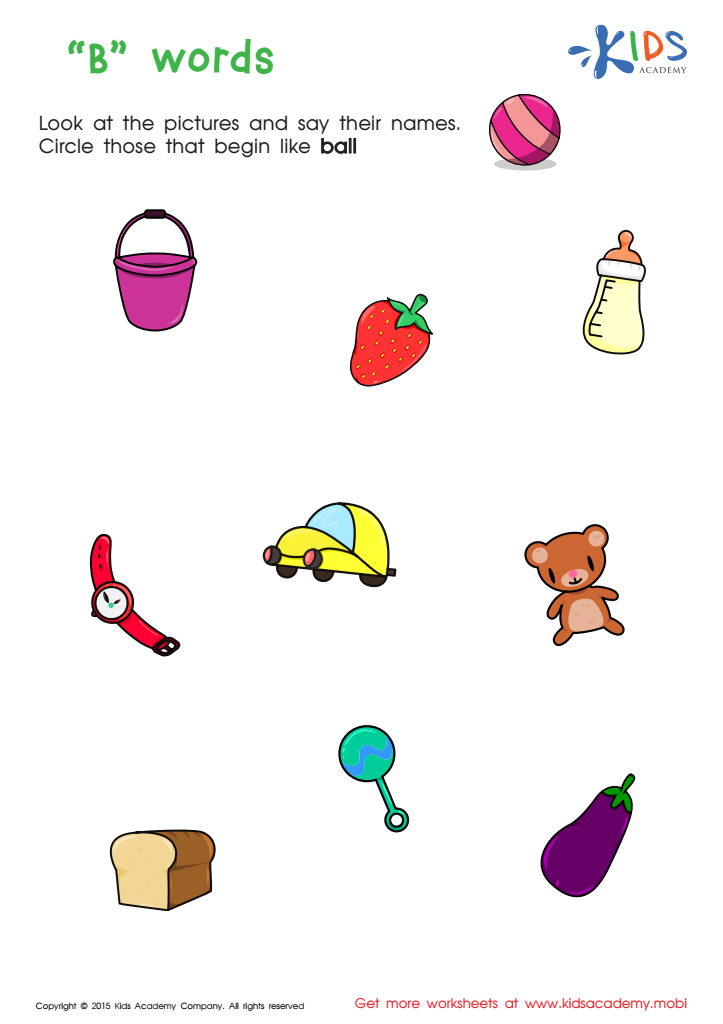
First Words Worksheet







Building vocabulary in early childhood is crucial because it lays the foundation for future speech, reading, and writing skills. During the ages of 3 to 6, children experience rapid brain development, making this a prime time for vocabulary acquisition. A robust vocabulary enhances comprehension, allowing children to understand and express their thoughts clearly.
Furthermore, a rich vocabulary enhances cognitive development and critical thinking skills. When children are exposed to diverse words, they learn to make connections and develop a deeper understanding of the world around them. This knowledge is essential not only for academic achievement but also for effective communication.
Parents and teachers play a pivotal role in this developmental phase by creating a language-rich environment. Engaging children in conversations, reading aloud, and introducing new words in fun and relatable contexts boosts their familiarity with language. Early exposure to vocabulary correlates strongly with future educational success, narrowing achievement gaps later on.
Ultimately, caring about vocabulary development equips young learners with the tools they will need in school and beyond, fostering a love for language that supports lifelong learning and personal expression. Investing time and attention in this area reaps significant rewards for children’s literacy and communication abilities down the line.








