Geography Worksheets for Ages 3-6 - Page 2
42 filtered results
-
From - To
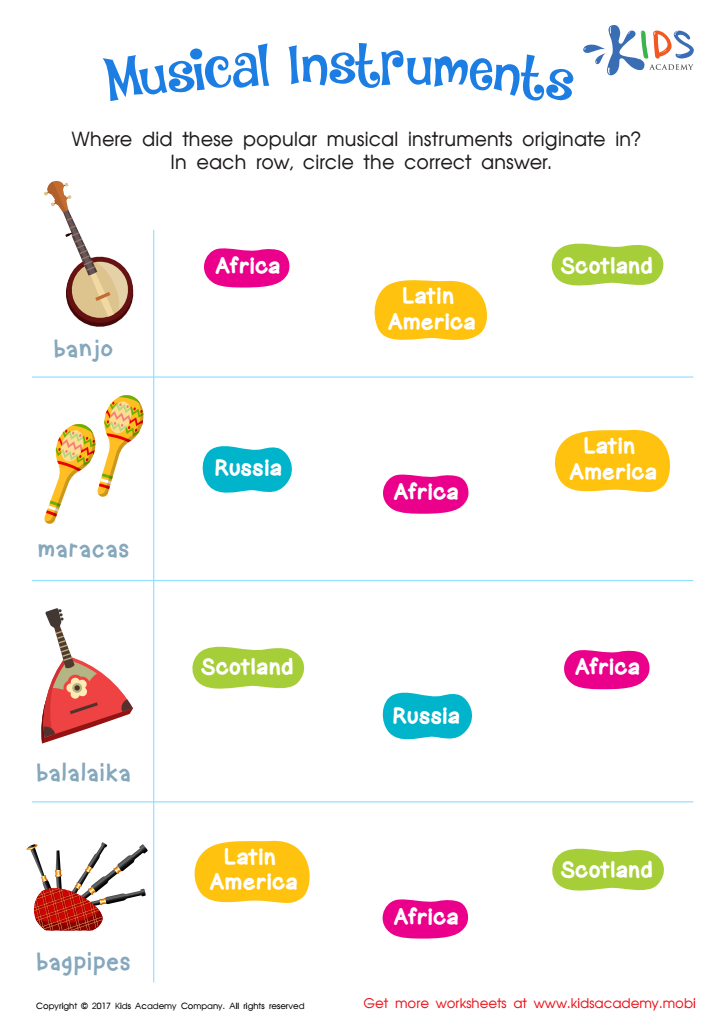
Musical Instruments Printable
 Assign to My Students
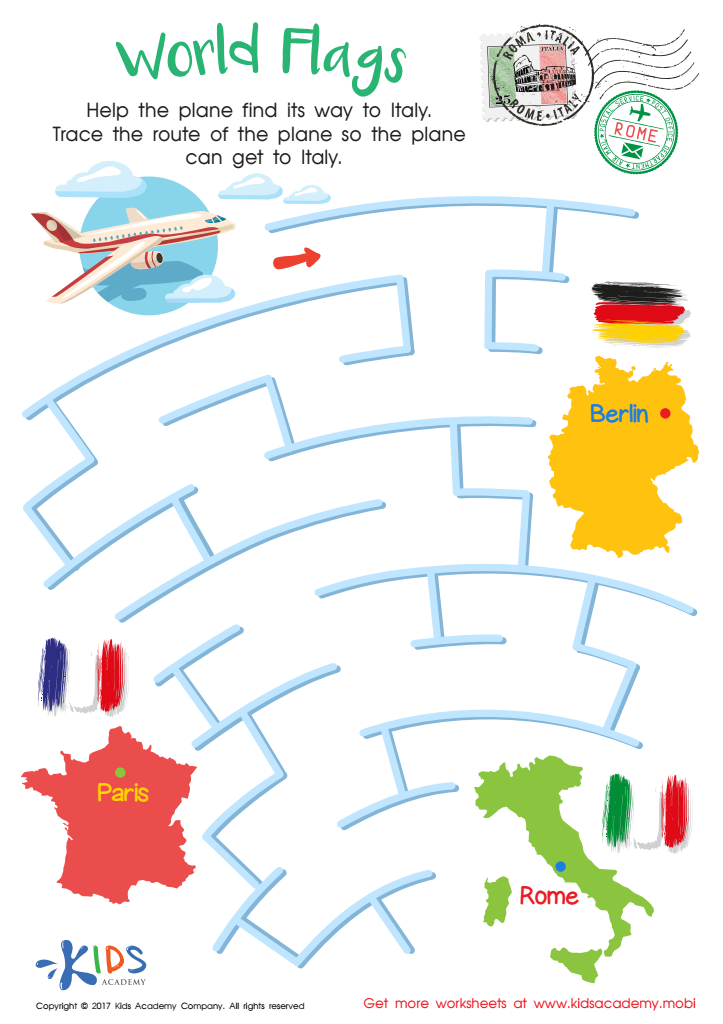
World Flags Maze Worksheet
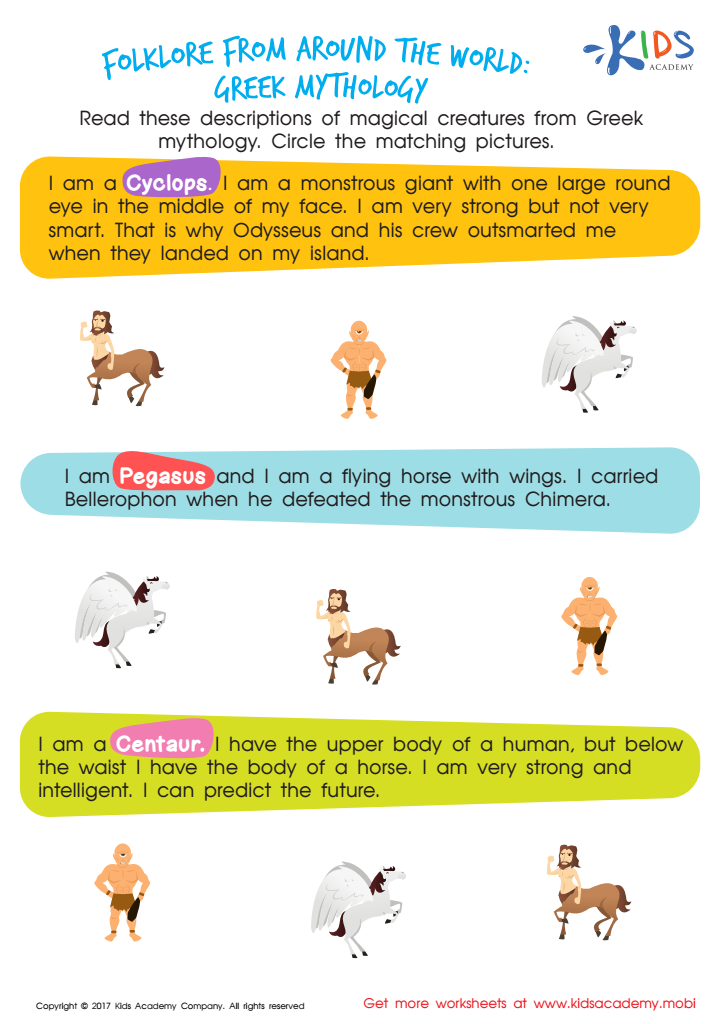
Greek Mythology Worksheet
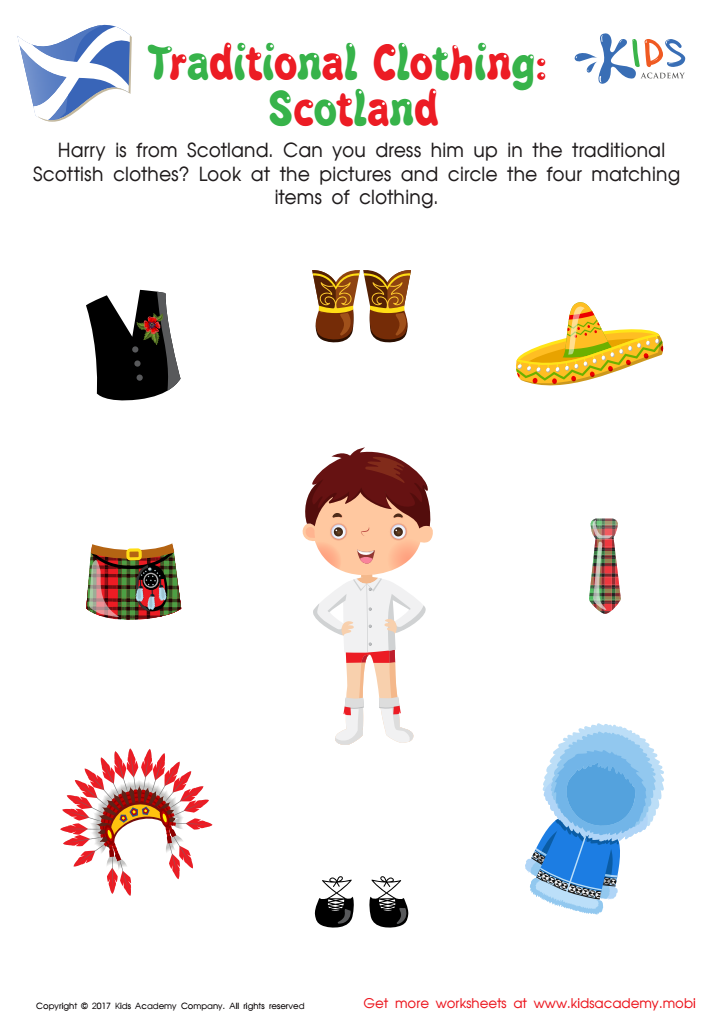
Traditional Clothing in Scotland Worksheet
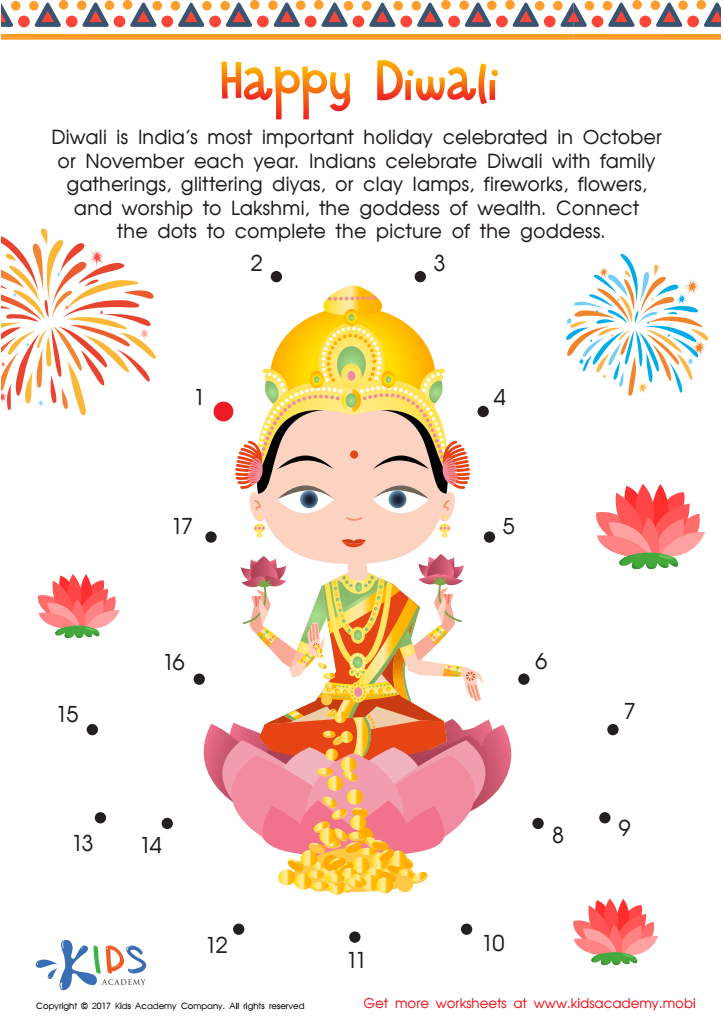
Happy Diwali Printable
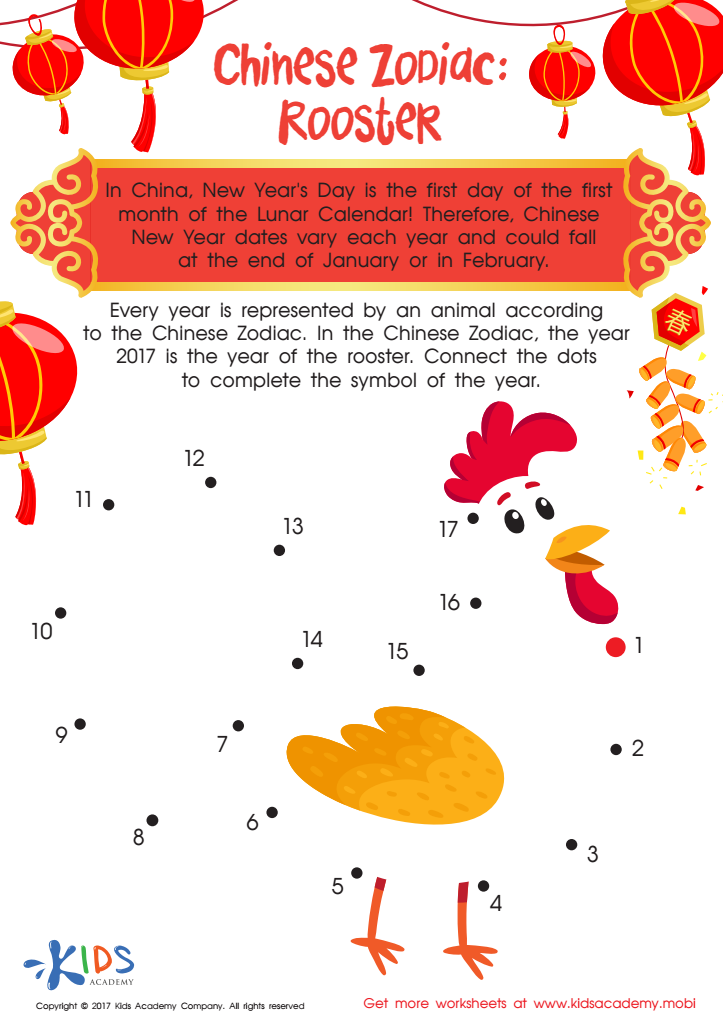
Chinese Zodiac Printable
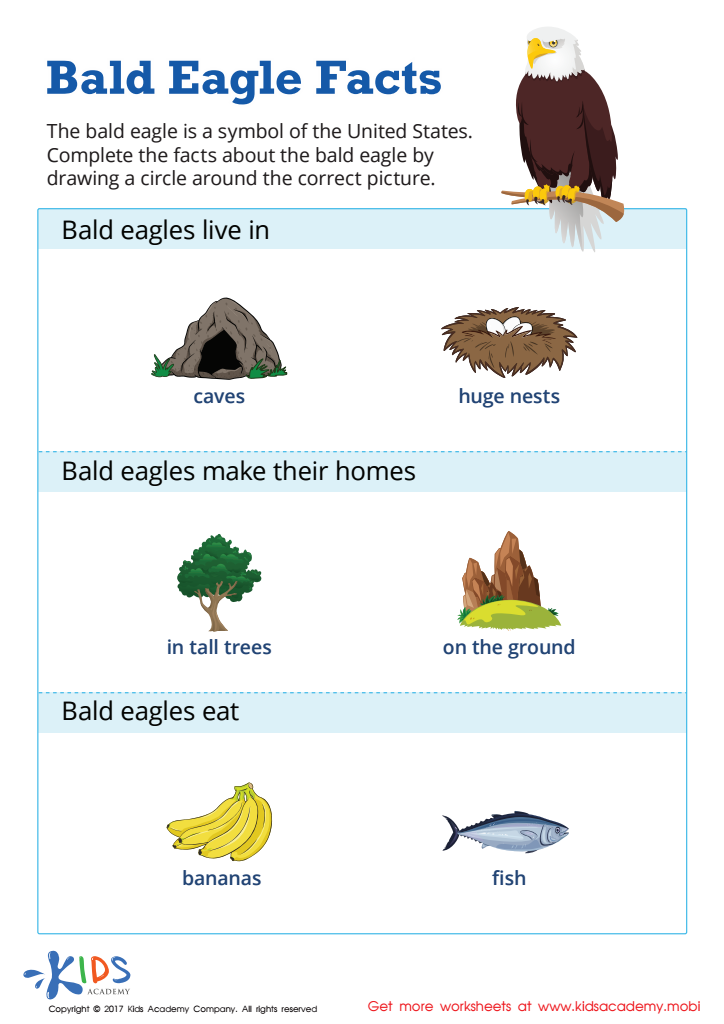
Bald Eagle Facts Worksheet
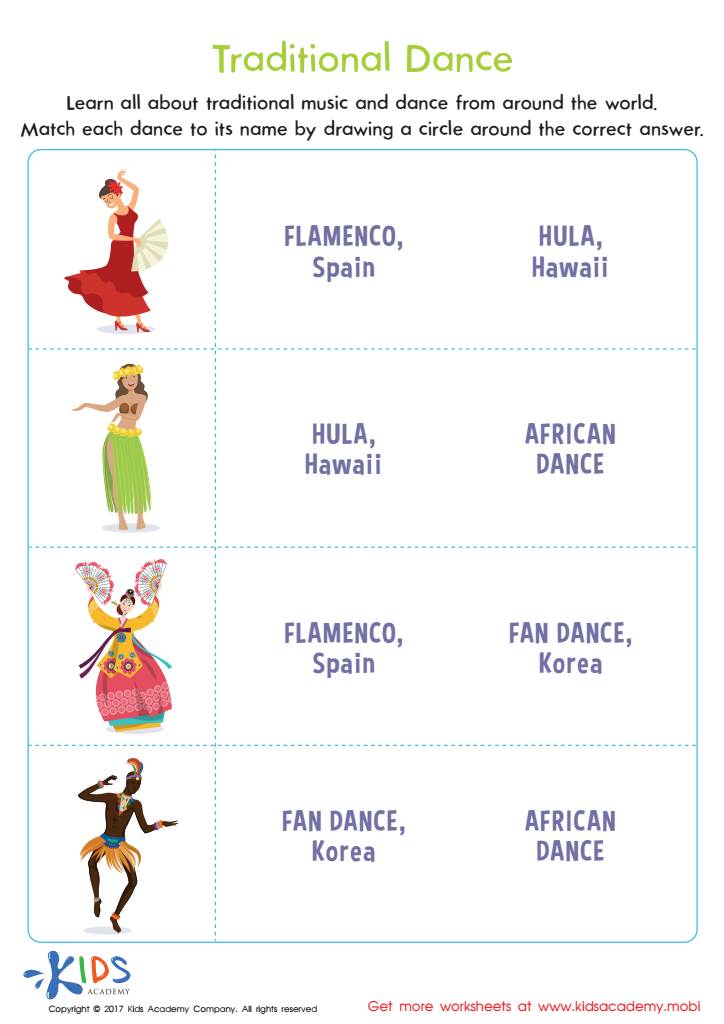
Traditional Dance Printable
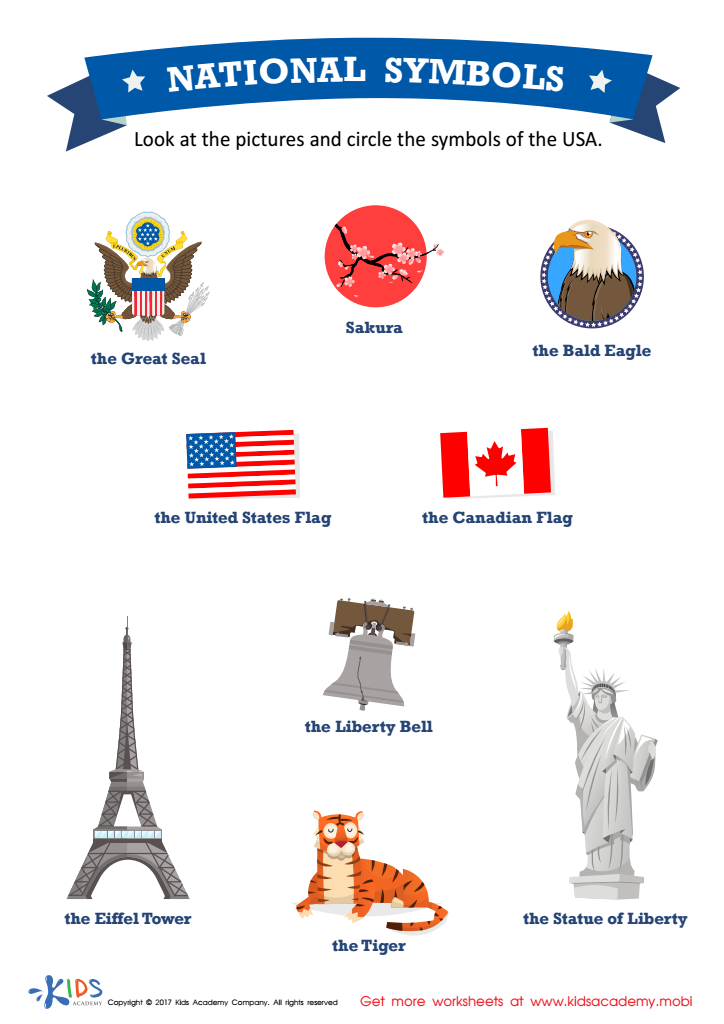
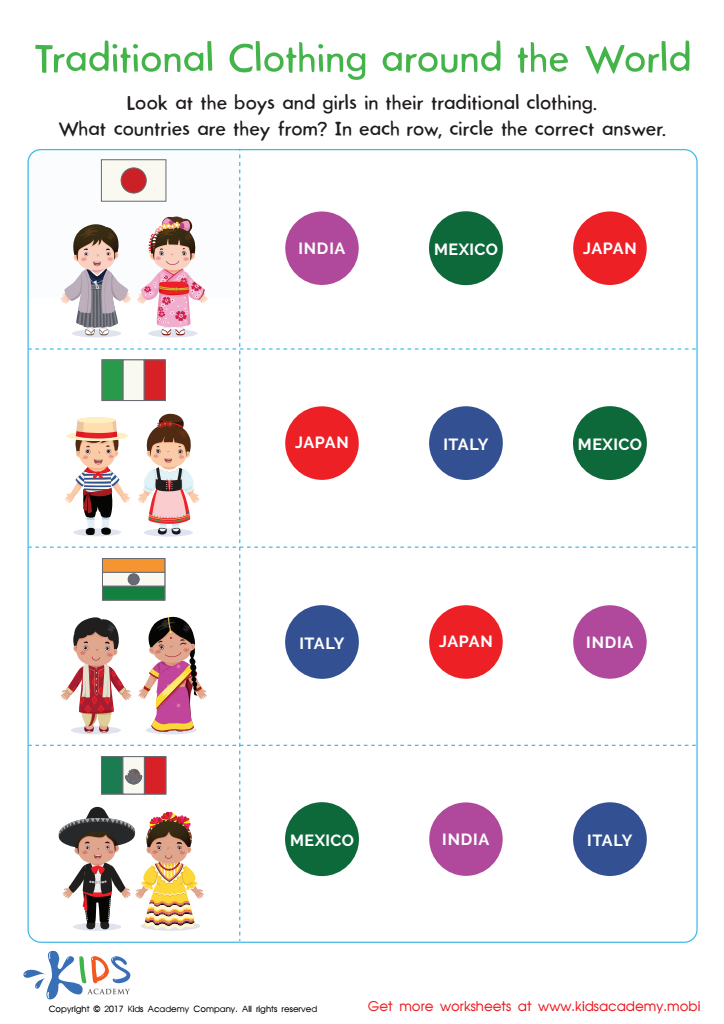
Traditional Clothing Worksheet
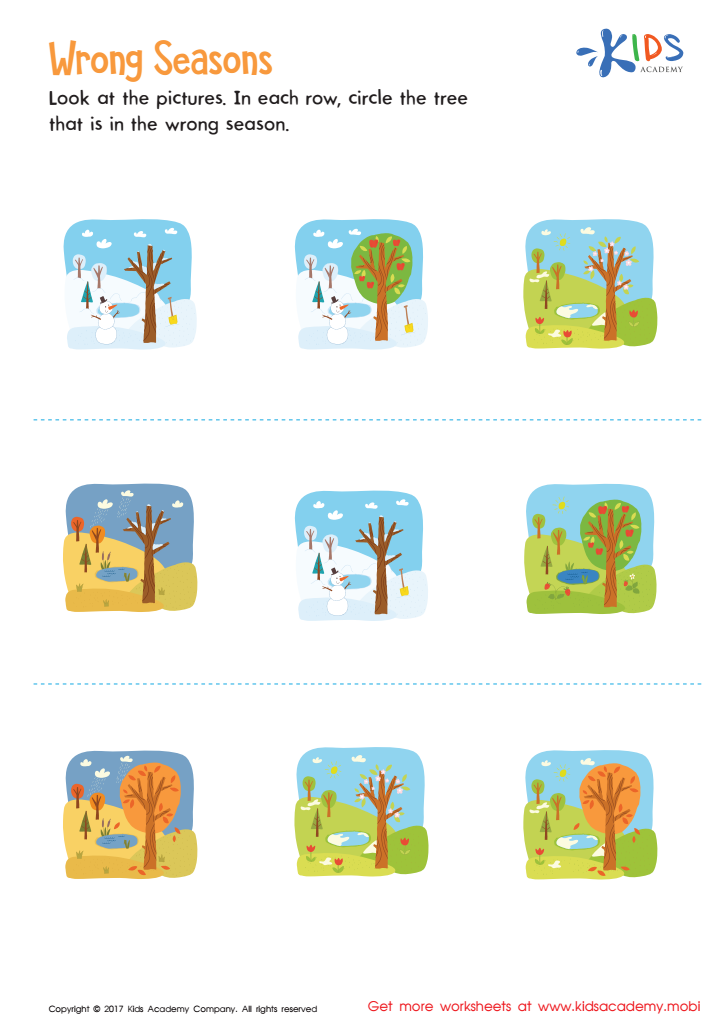
Wrong Seasons Worksheet
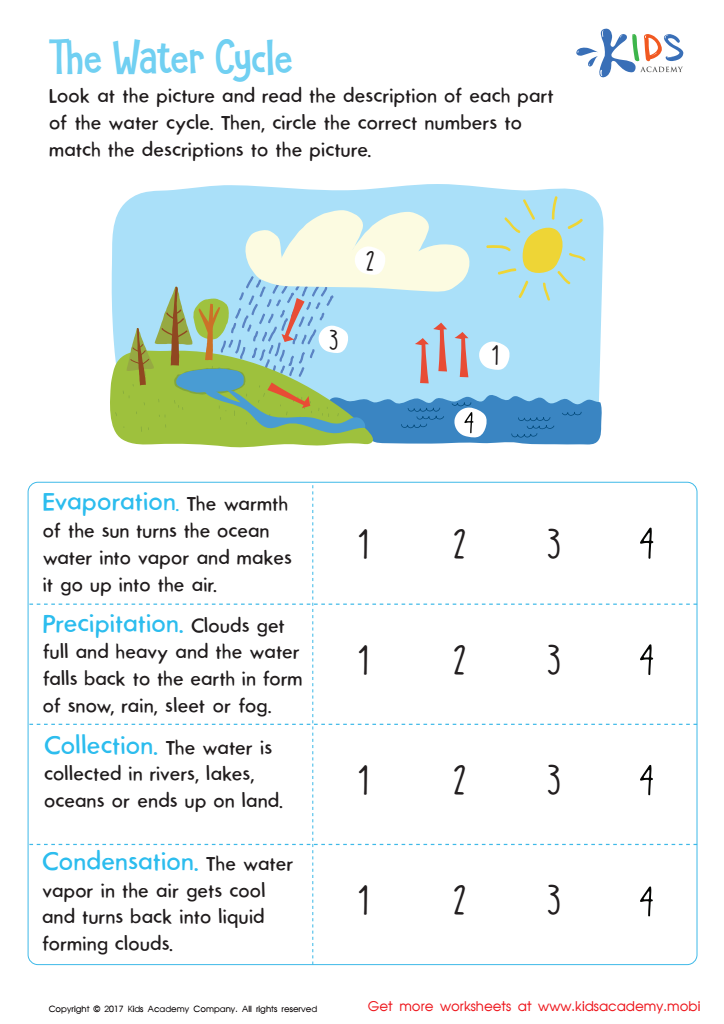
The Water Cycle Worksheet
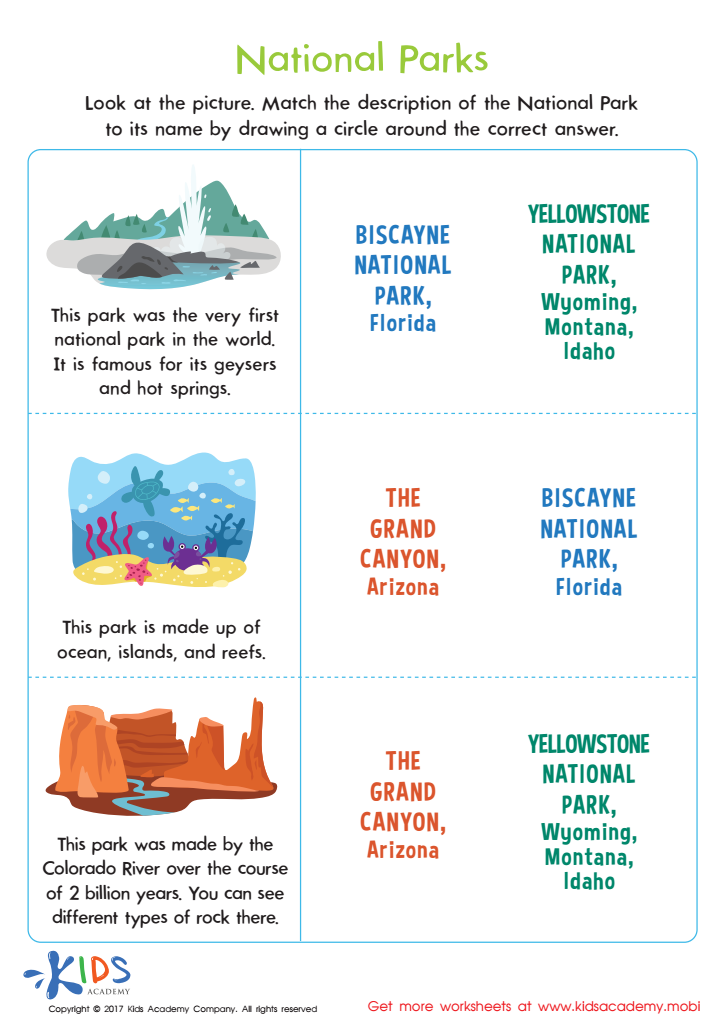
National Parks Printable
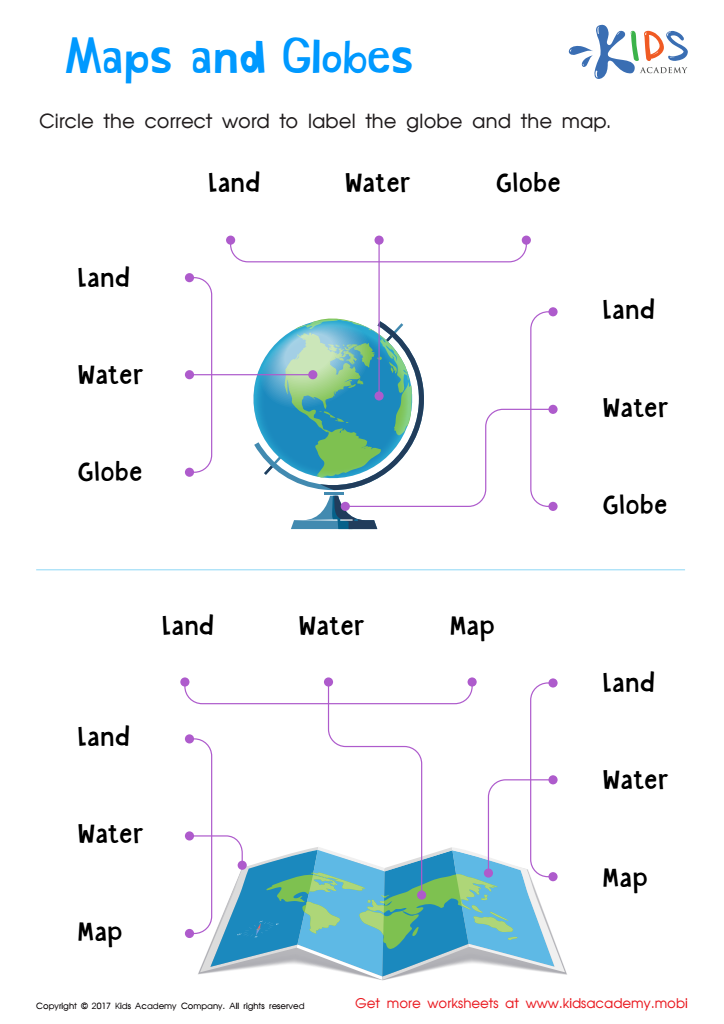
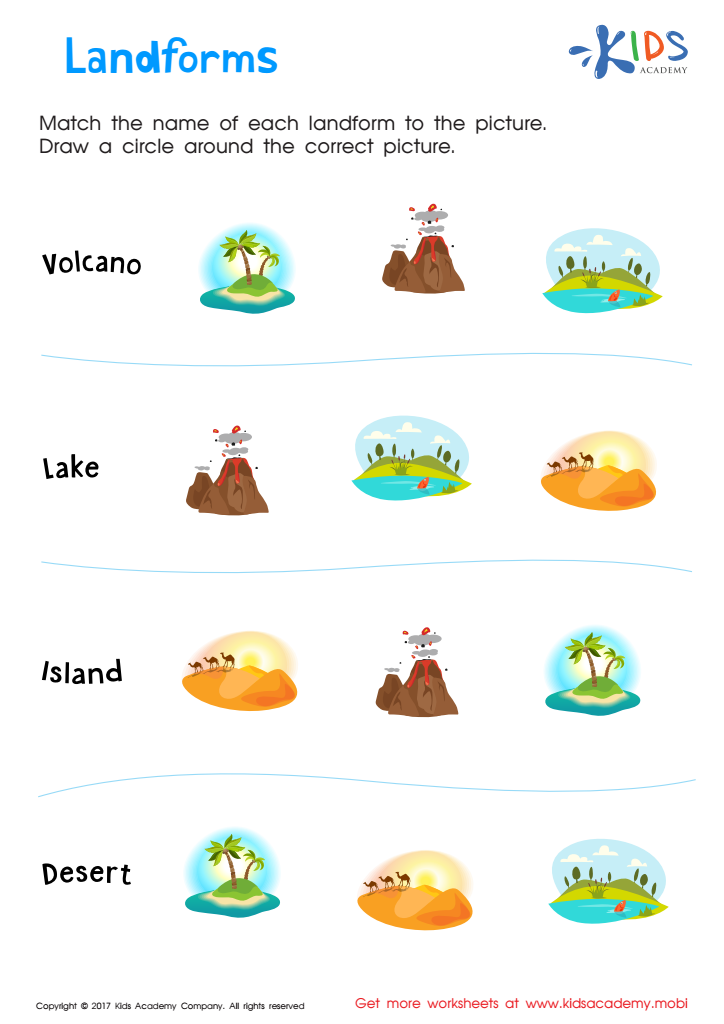
Landforms Printable
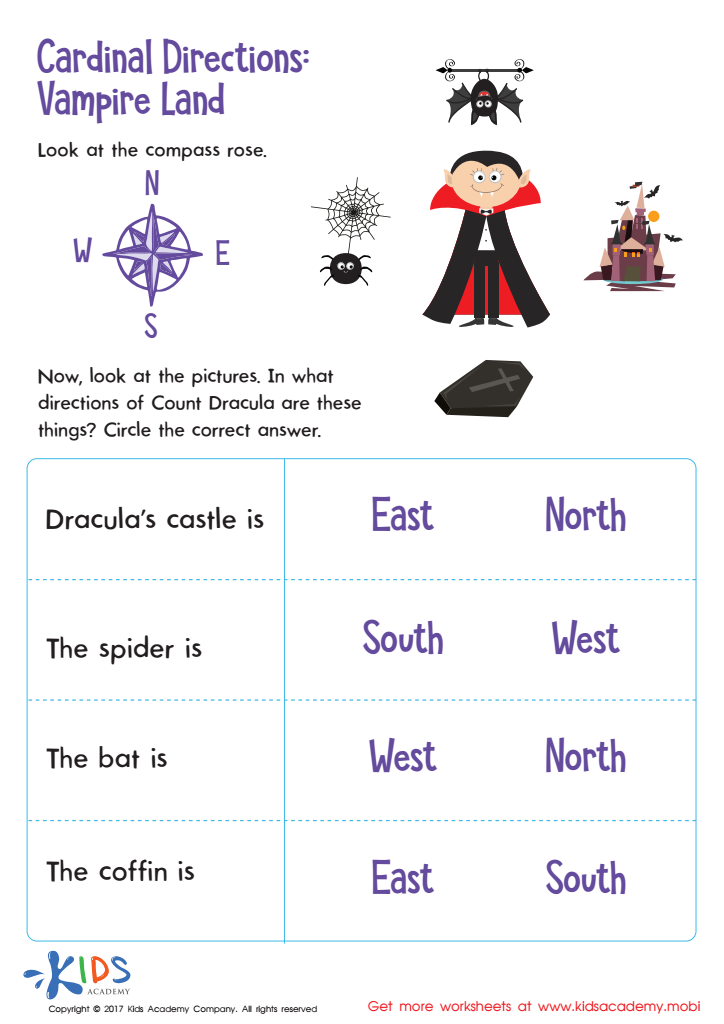
Cardinal Directions Printable
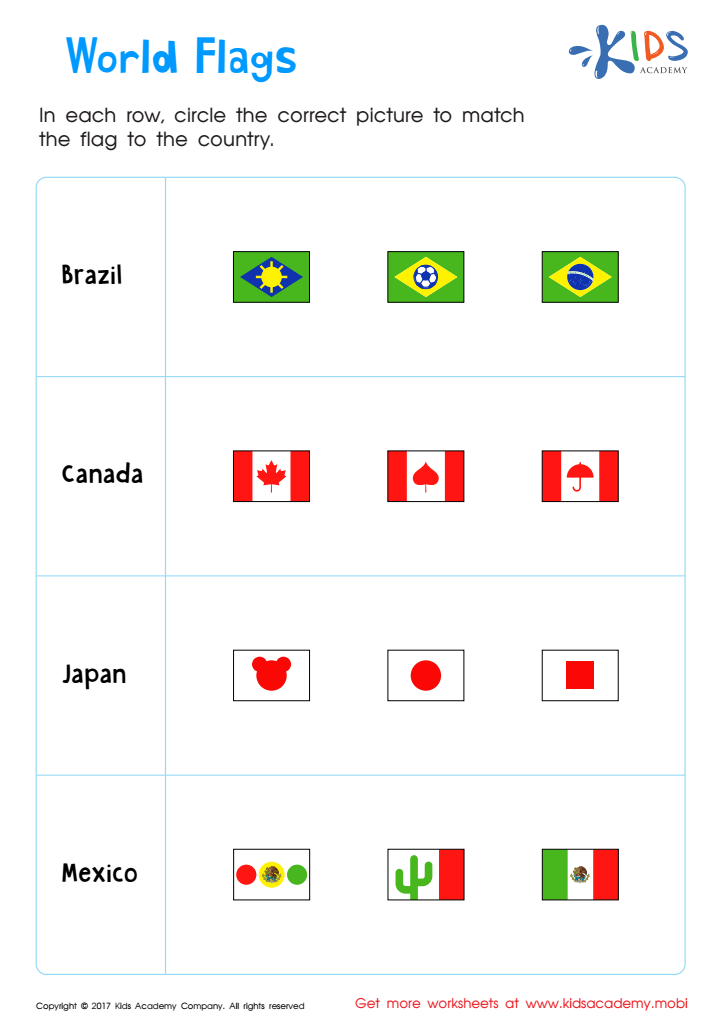
World Flags Printable
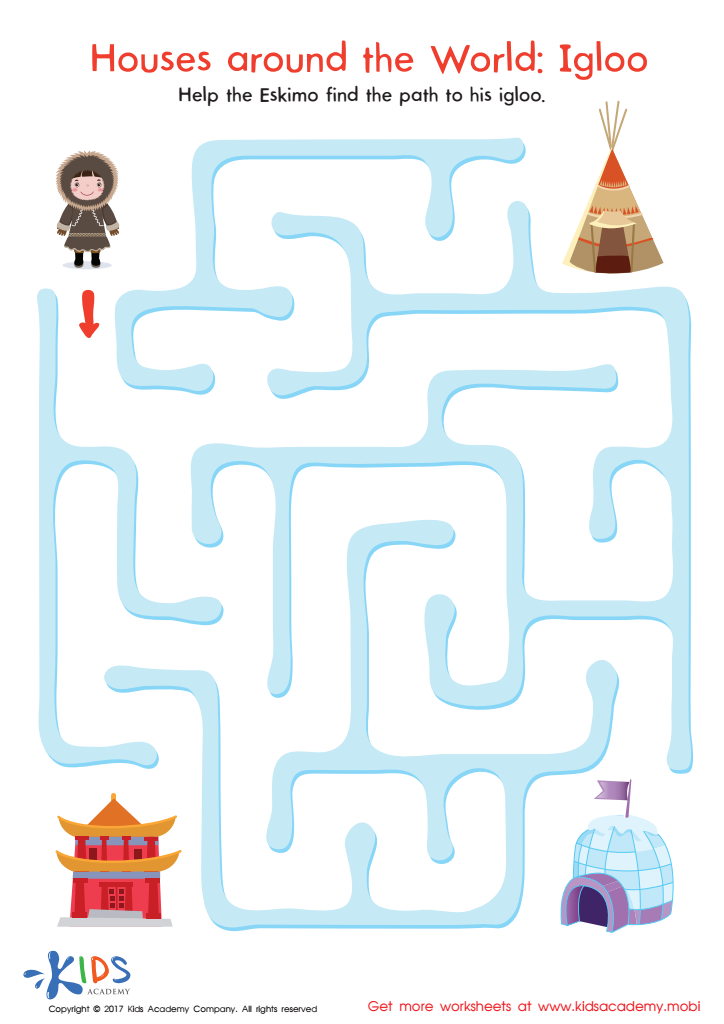
Houses Around the World: Igloo Printable






Geography for children ages 3-6 holds immense importance in their early development. This subject does more than simply teach kids where places are on a map; it broadens their understanding of the world around them and fosters essential cognitive and social skills.
At this stage, young minds are incredibly curious and agile, absorbing vast amounts of information. Introducing basic geographical concepts helps nurture their natural curiosity and encourages a love for exploration. Through simple activities like looking at maps, noticing different land features, and talking about places, children develop spatial thinking and learn to recognize patterns.
Additionally, geography aids in cultural awareness. By learning about different places and the people who live there, children gain an appreciation for diversity. This is crucial for promoting empathy and understanding from an early age. Concepts such as different climates, cultures, and traditions make them appreciate the world's richness and diversity, which is fundamental in a globalized society.
Moreover, geographical learning can support literacy and communication skills. Discussing stories, landmarks, and routes encourages kids to describe what they see and understand, enriching their vocabulary and narrative skills.
Thus, geography is a gateway to broader learning, shaping well-rounded, culturally aware individuals who appreciate their place in a larger world.