History Worksheets for Ages 3-6 - Page 2
26 filtered results
-
From - To
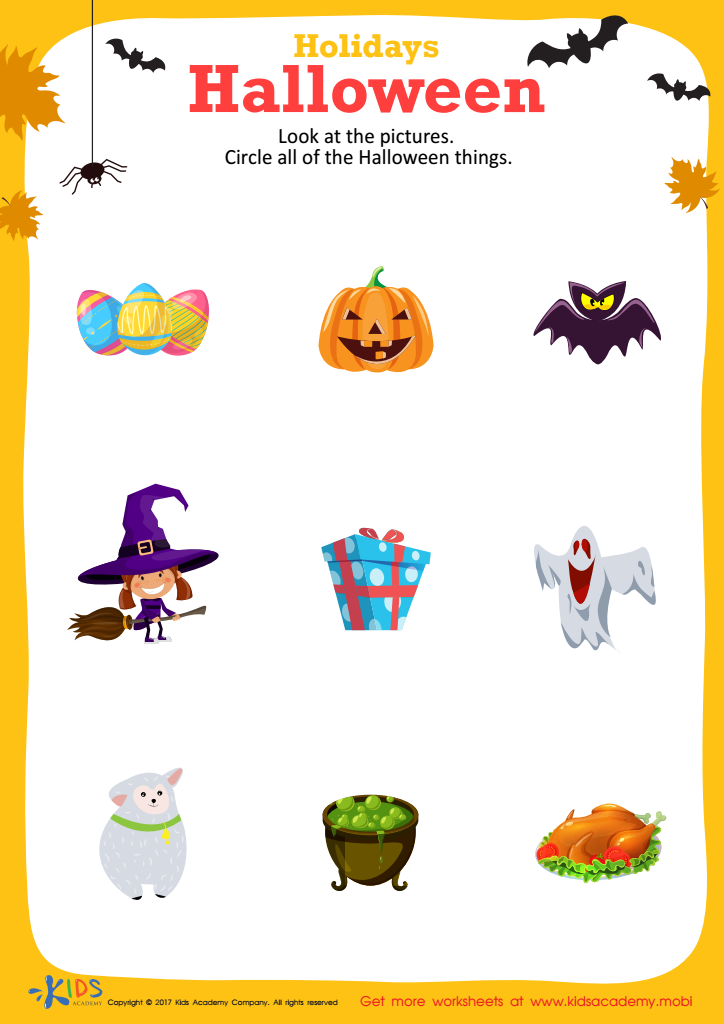
Halloween Holiday Worksheet
 Assign to My Students
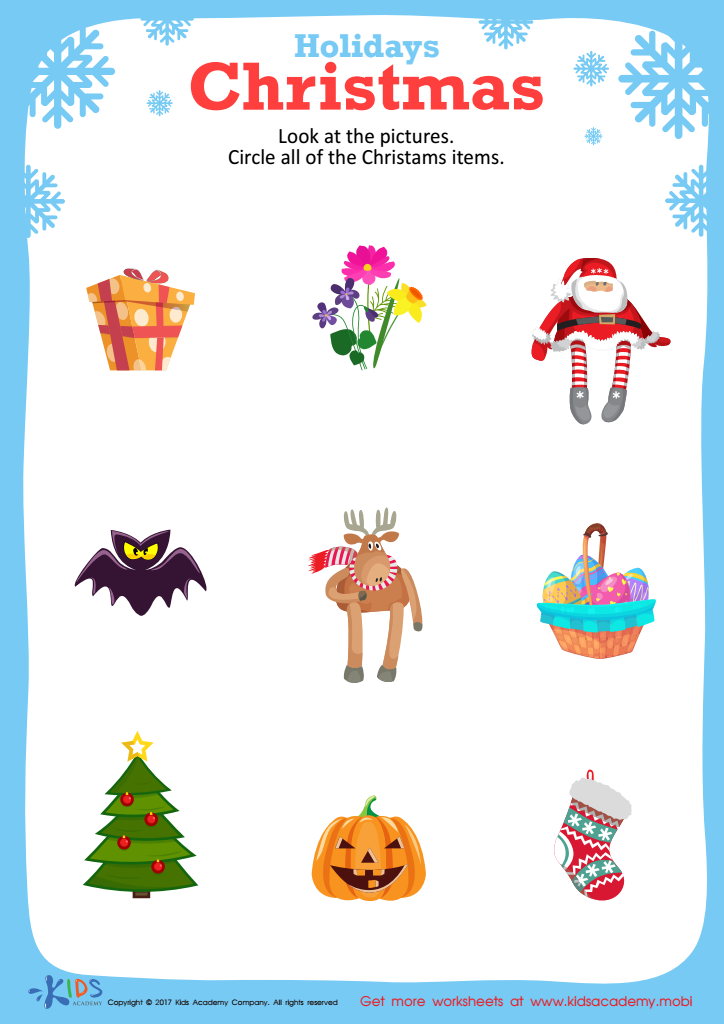
Christmas Holiday Worksheet







.jpg)
Teaching history to children ages 3-6 is crucial for several reasons. At this young age, children possess a natural curiosity about the world around them, making it an ideal time to introduce their heritage, culture, and foundational narratives. Engaging them in historical stories helps develop critical thinking and analytical skills as they learn to understand different contexts, timelines, and experiences.
Moreover, history nurtures a sense of identity and belonging. Learning about past events and figures—particularly those from diverse backgrounds—fosters appreciation for different cultures and perspectives, promoting empathy and inclusivity. This awareness is vital as children grow in an increasingly multicultural society.
Additionally, early exposure to history encourages language development and communication skills through storytelling, vocabulary enhancement, and comprehension. It fosters imaginative play, allowing children to explore various roles and experiences, further enriching their social and emotional development.
Incorporating history through playful, age-appropriate activities—like storytelling, dramatization, or simple discussions about their own family histories—creates lasting connections and lays the groundwork for more extensive learning in the future. Thus, parents and teachers play a key role in shaping well-rounded individuals who understand their place in the world.