Vowels Worksheets for Ages 3-7 - Page 2
86 filtered results
-
From - To
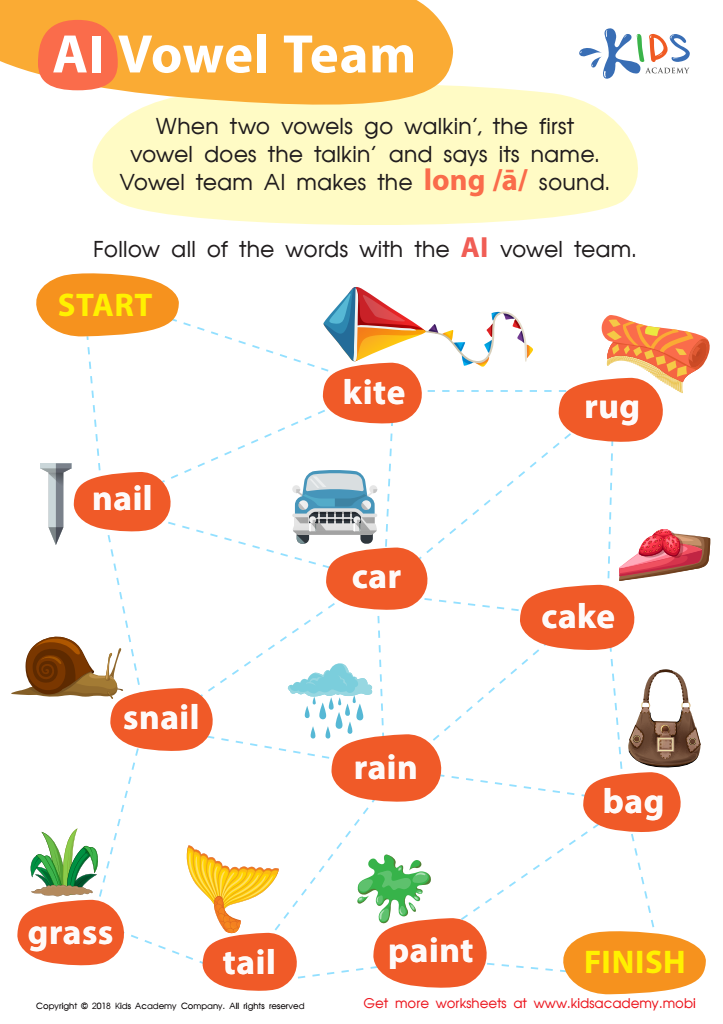
Reading: AI Vowel Team Worksheet
 Assign to My Students
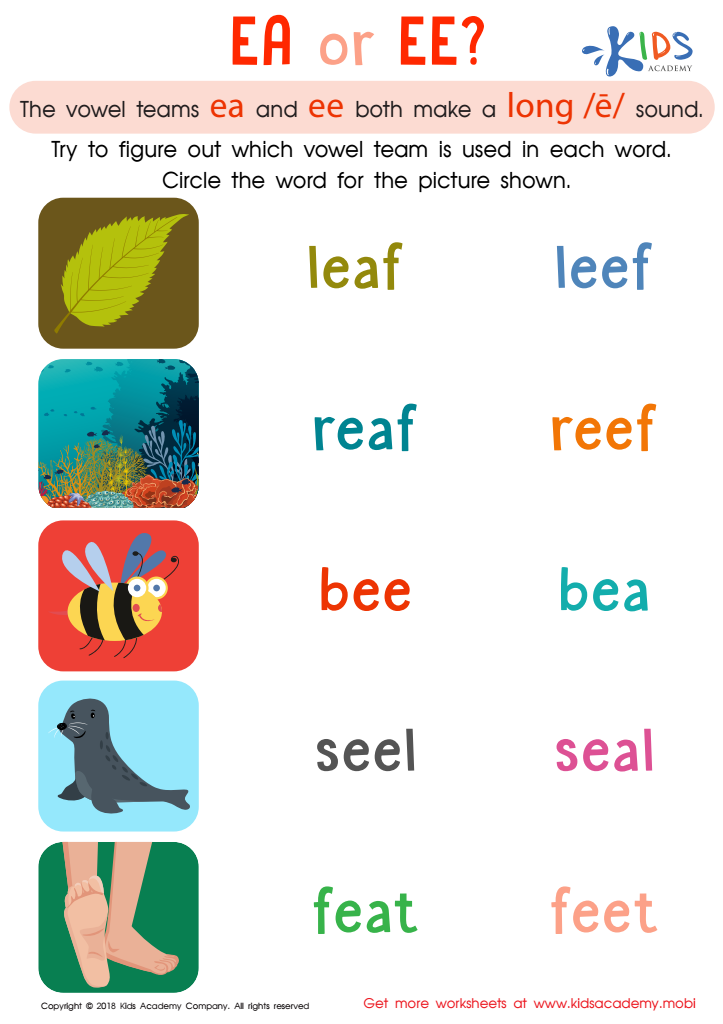
Reading: EA and EE Worksheet
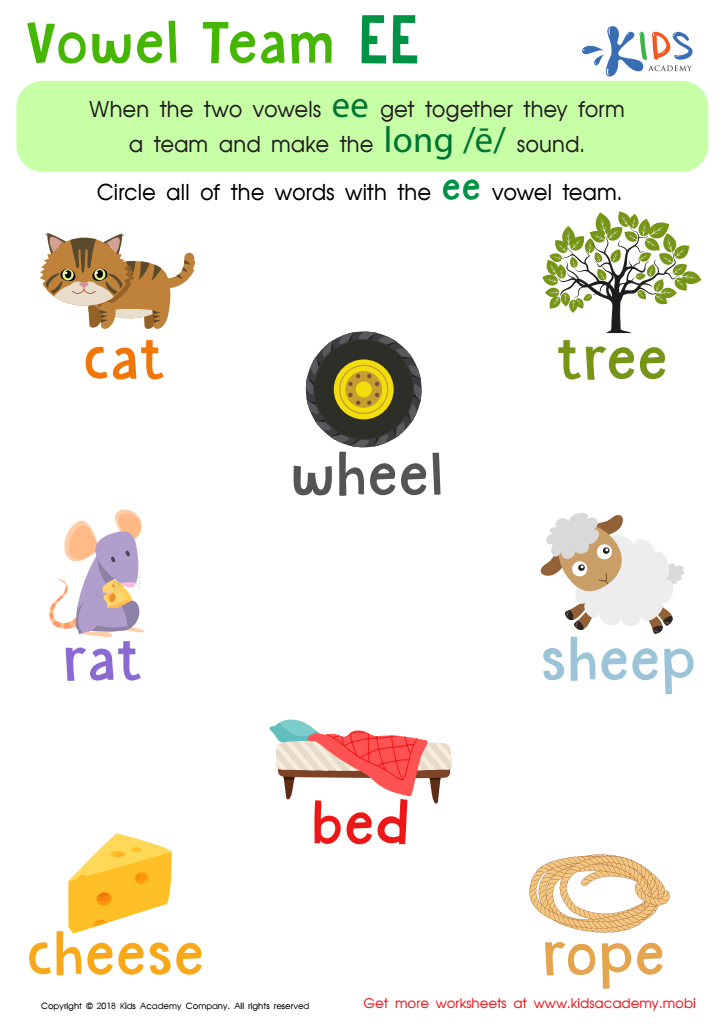
Reading: Vowel Team EE Worksheet
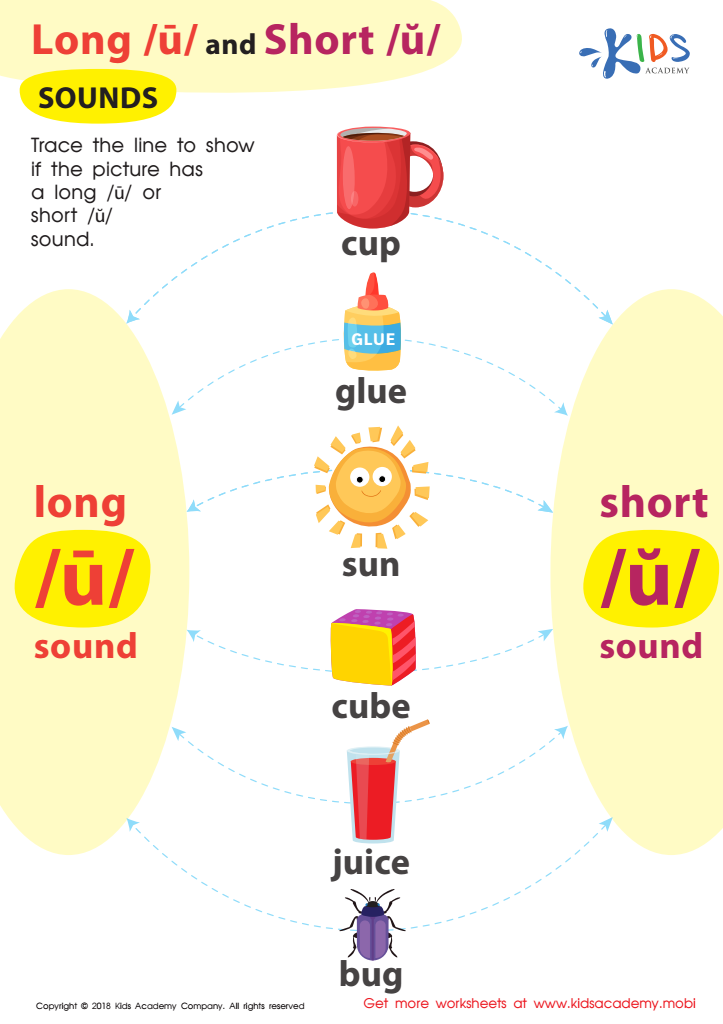
Reading: Long U and Short U Sounds Worksheet
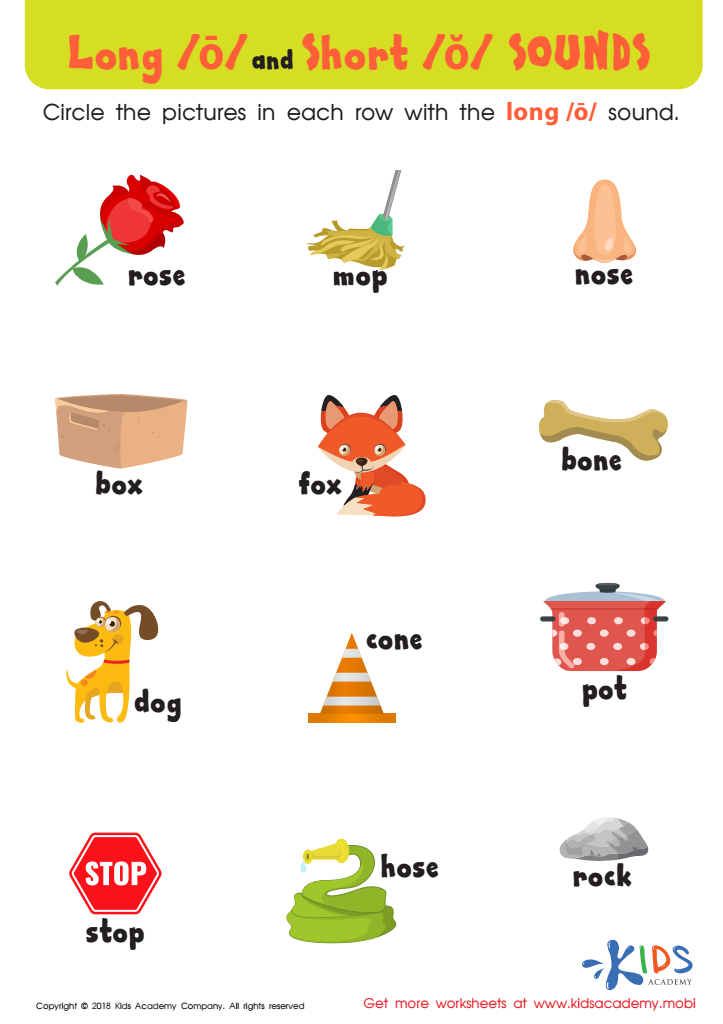
Reading: Long O and Short O Sounds Worksheet
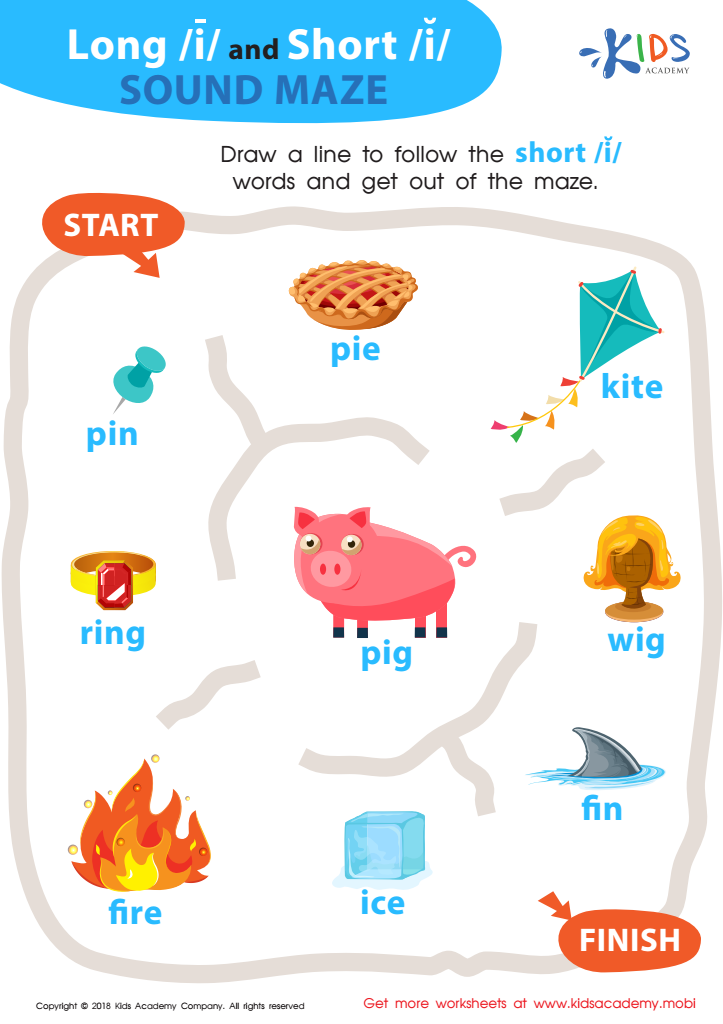
Reading: Long I and Short I Sound Maze Worksheet
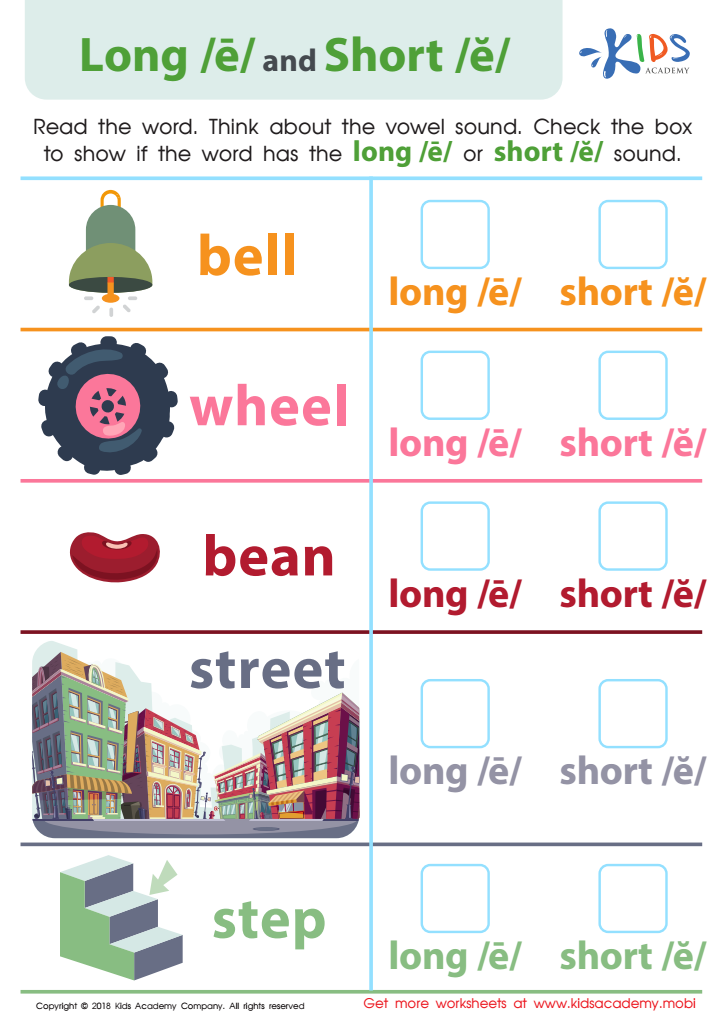
Reading: Long E and Short E Worksheet
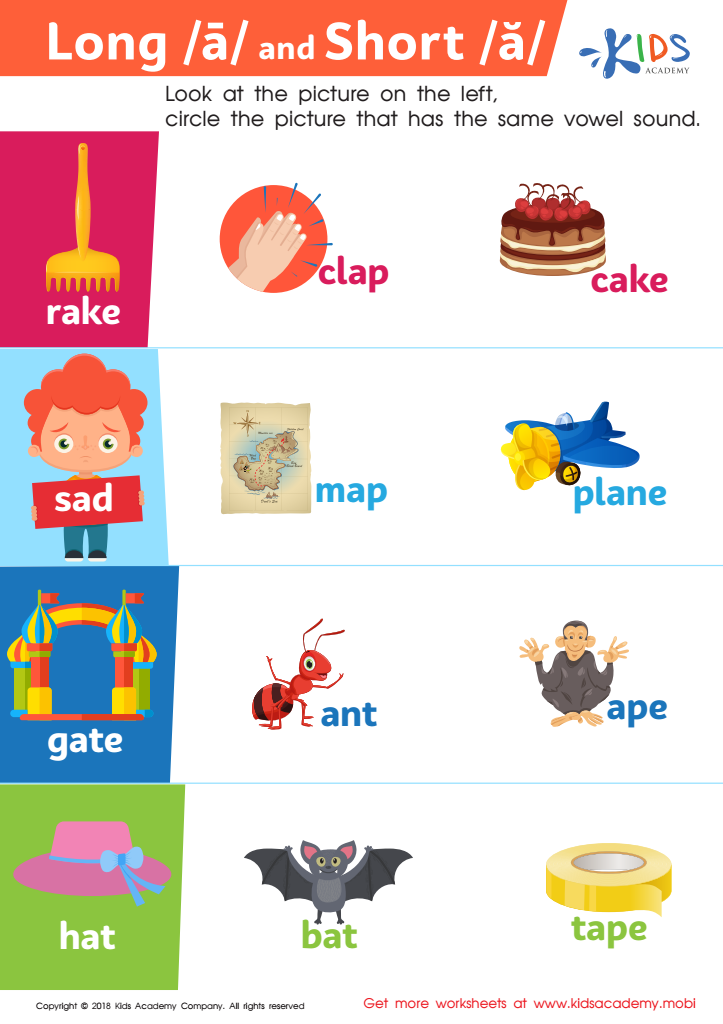
Reading: Long a and Short a Worksheet
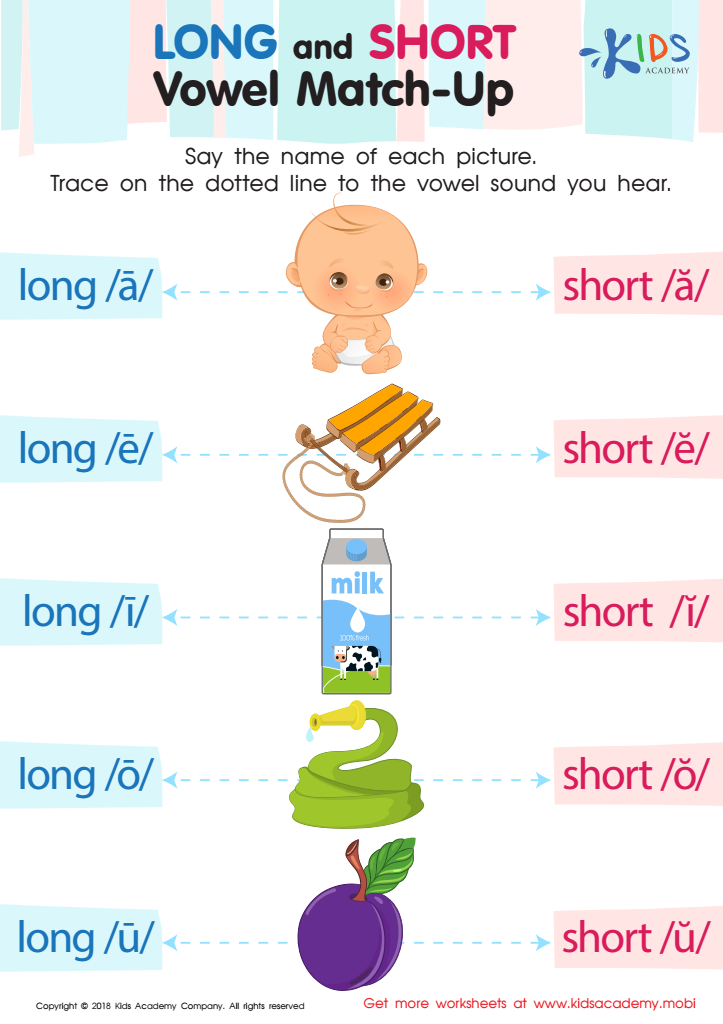
Long and Short Vowel Match up Reading Worksheet
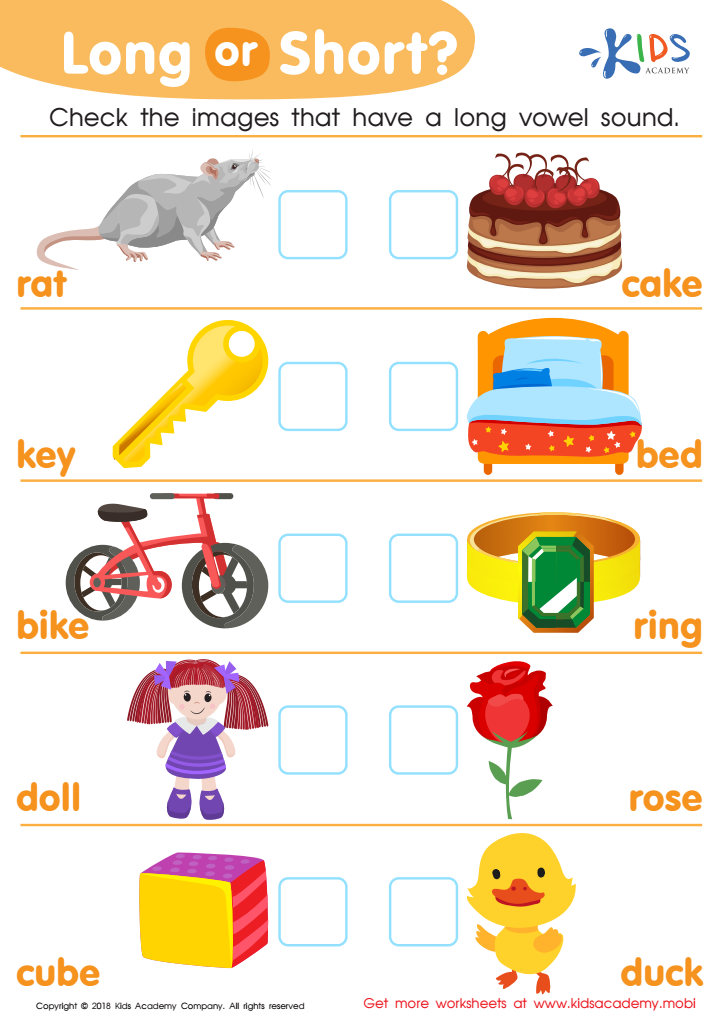
Long or Short Reading Worksheet
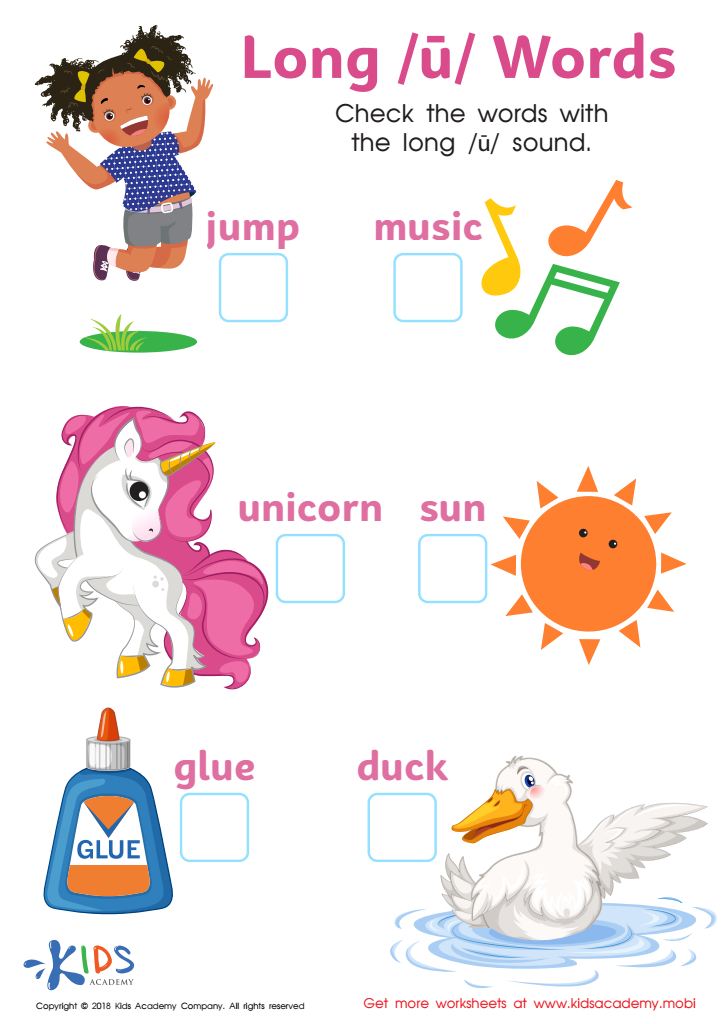
Long U Words Reading Worksheet
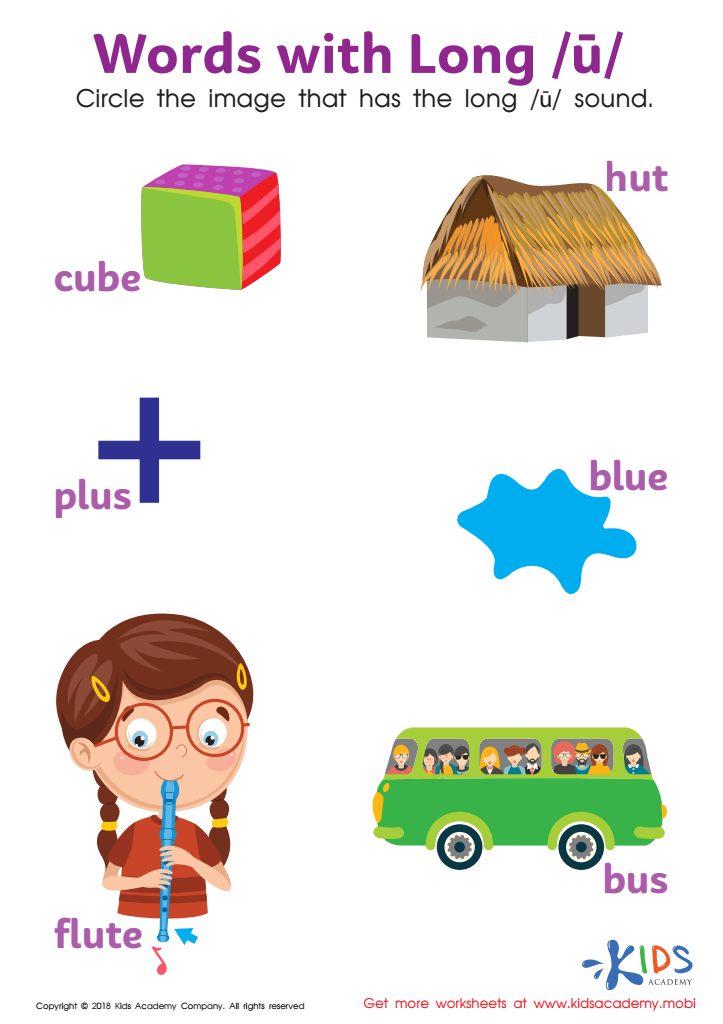
Words with Long U Reading Worksheet
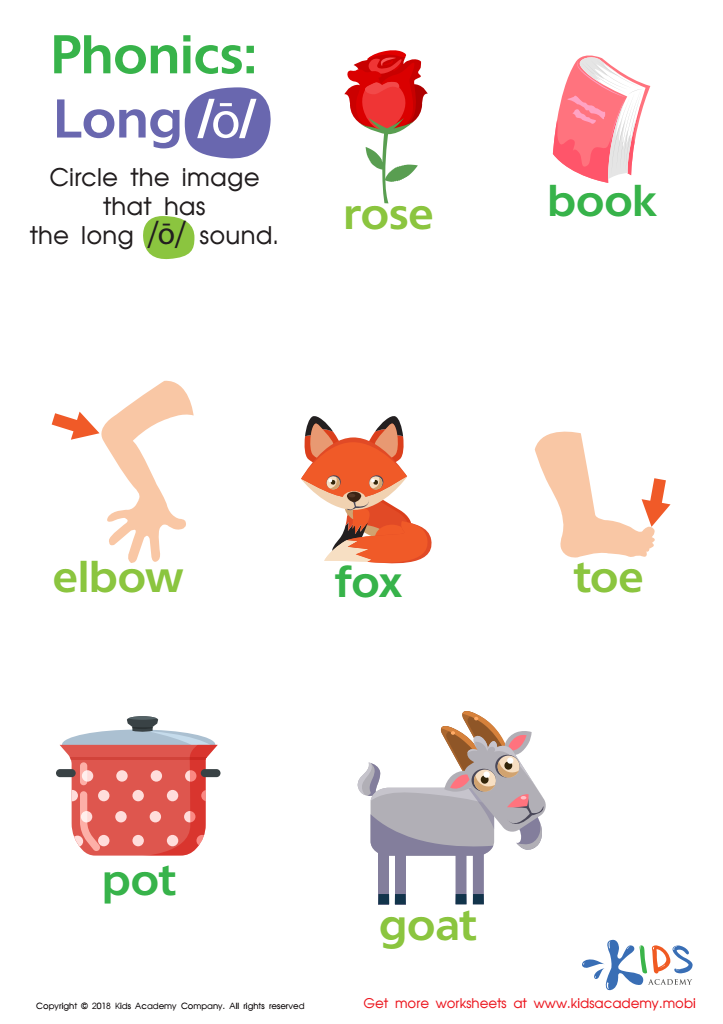
Phonics Long O Reading Worksheet
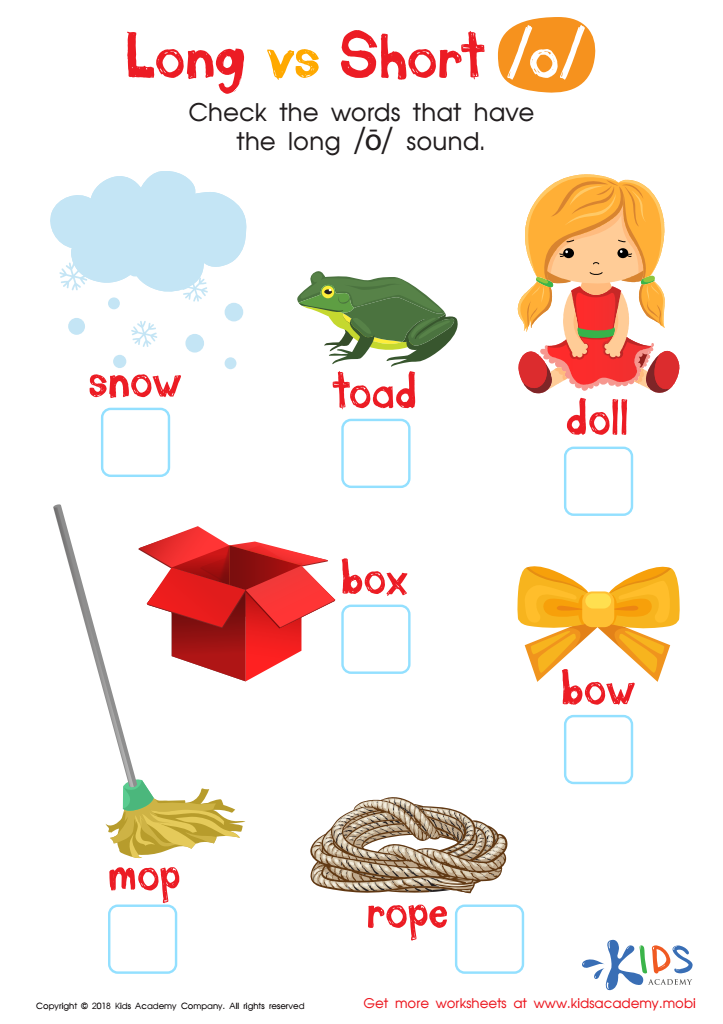
Long vs Short O Reading Worksheet
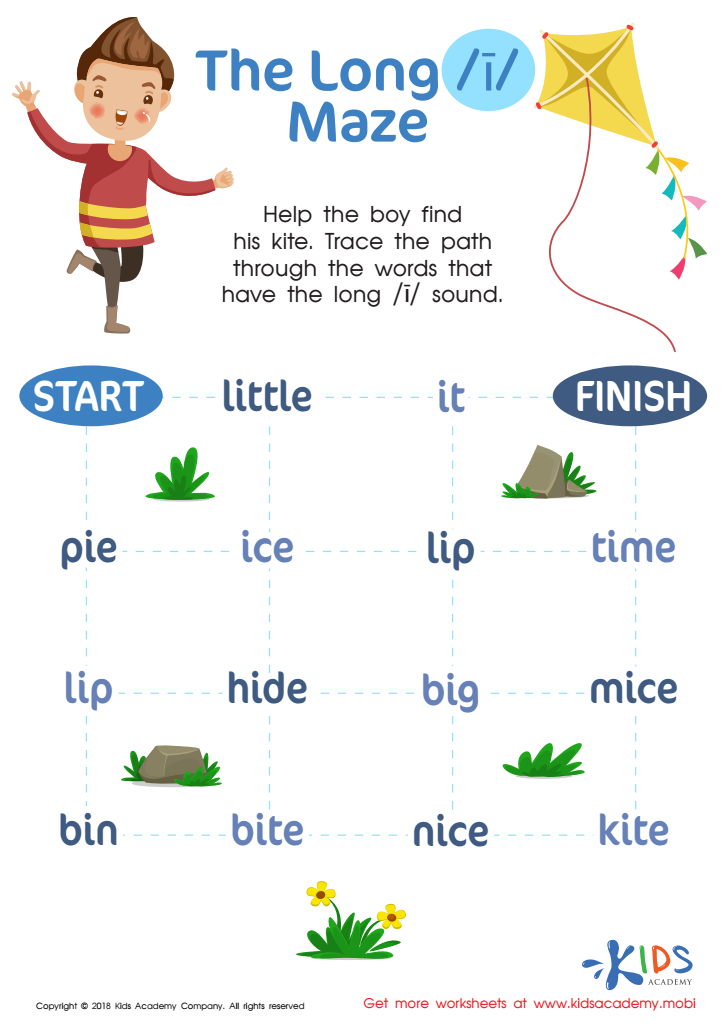
The Long I Maze Reading Worksheet
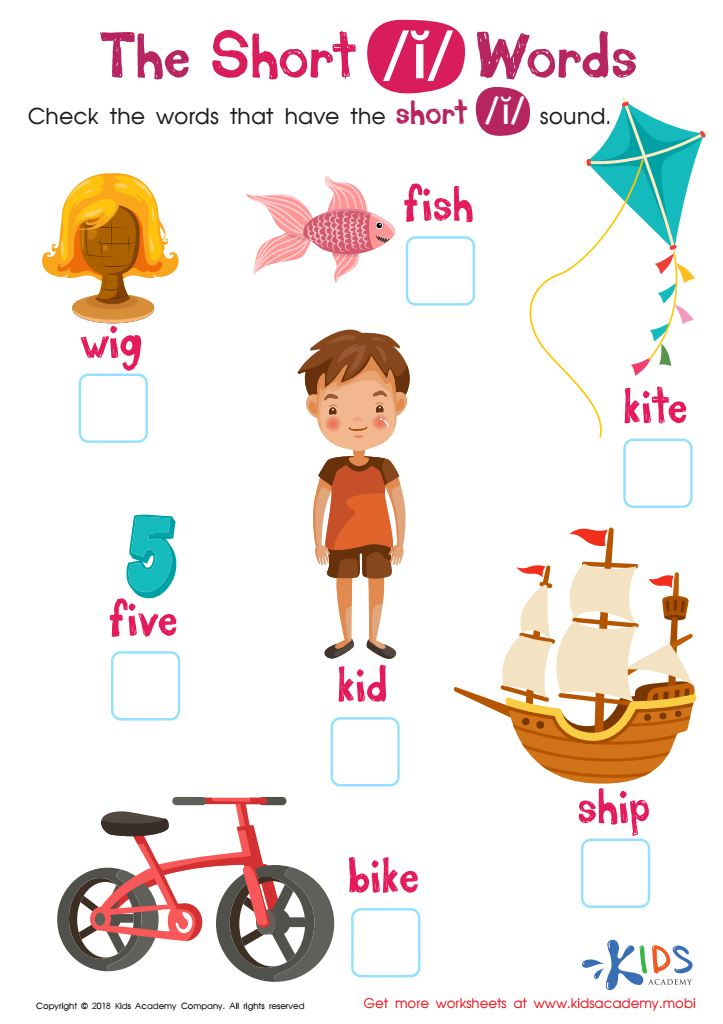
The Short I Words Reading Worksheet
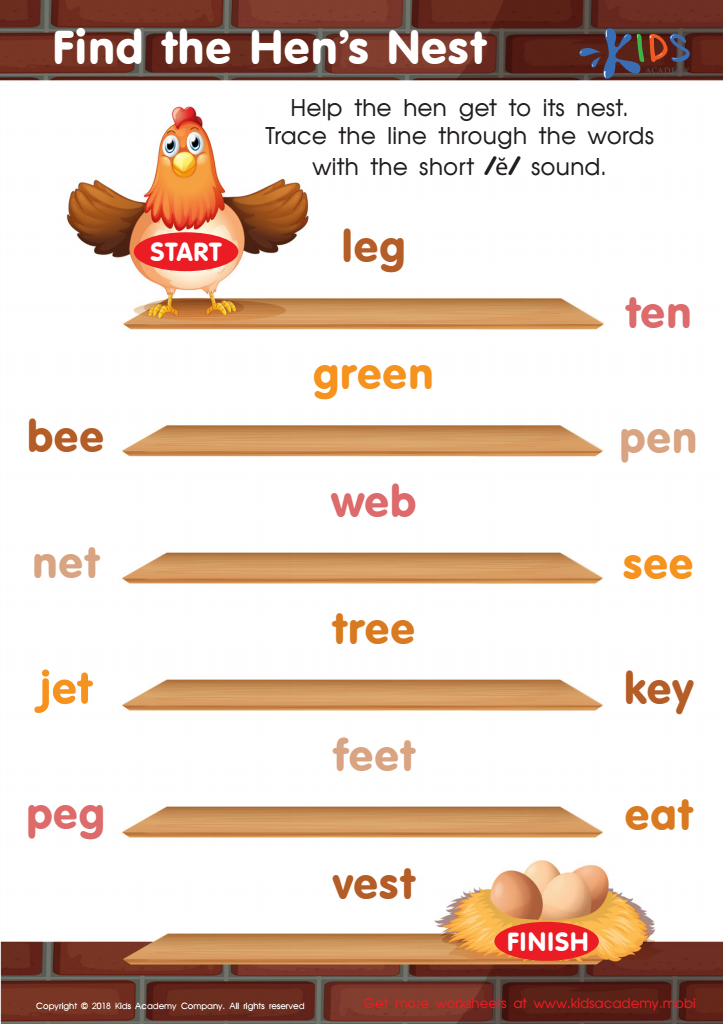
Find Hens Nest Reading Worksheet
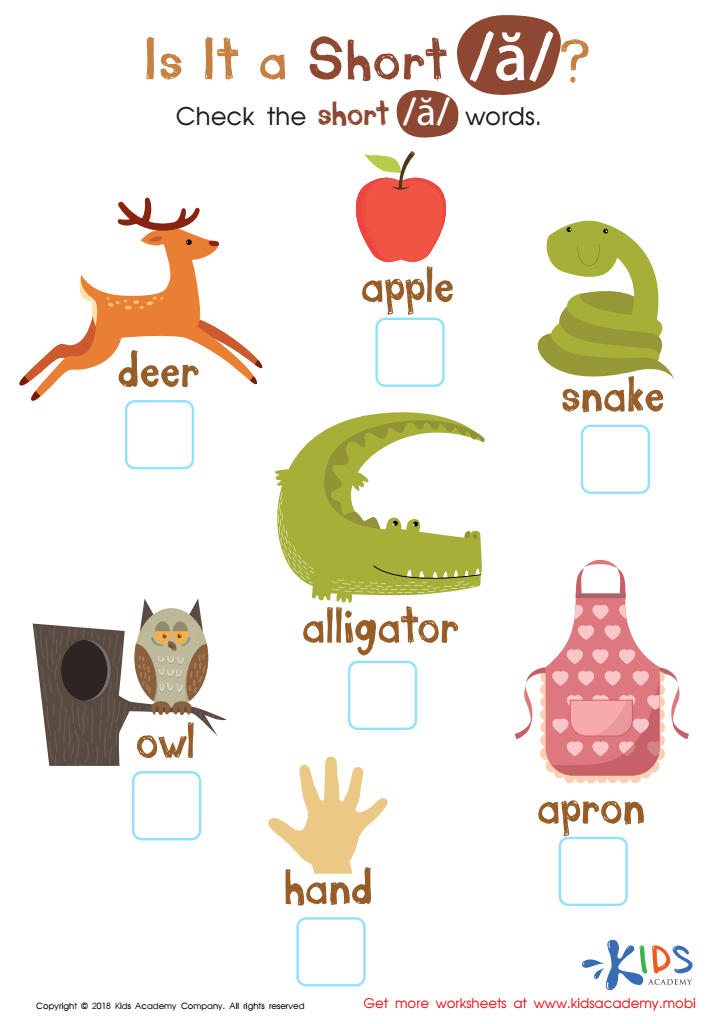
Is It Short A? Reading Worksheet
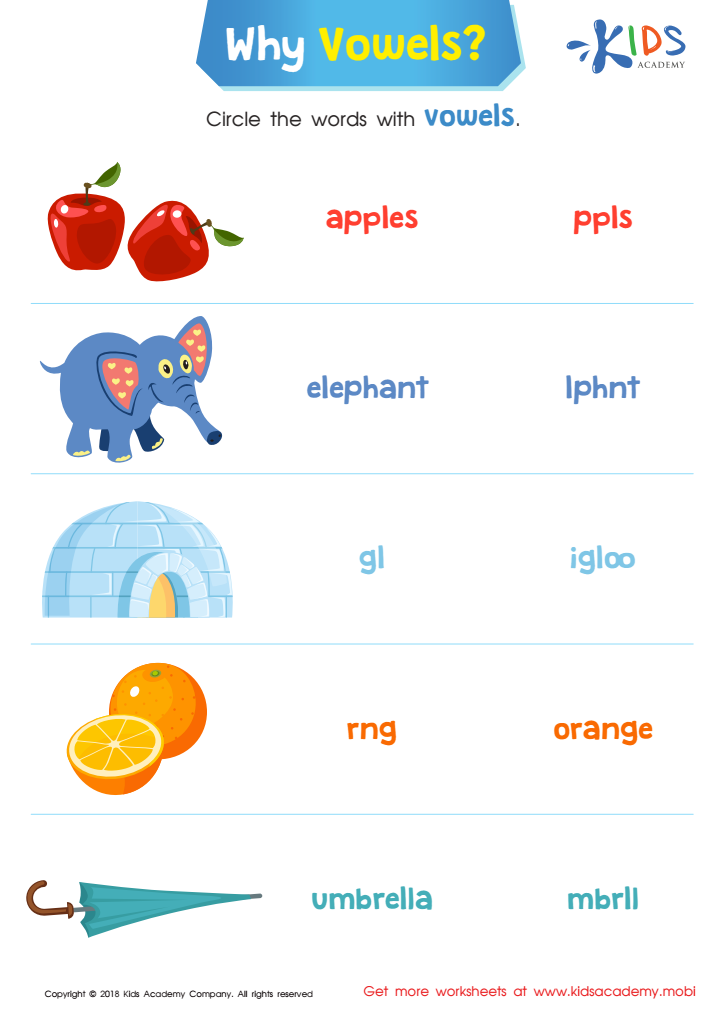
Why Vowels? Reading Worksheet
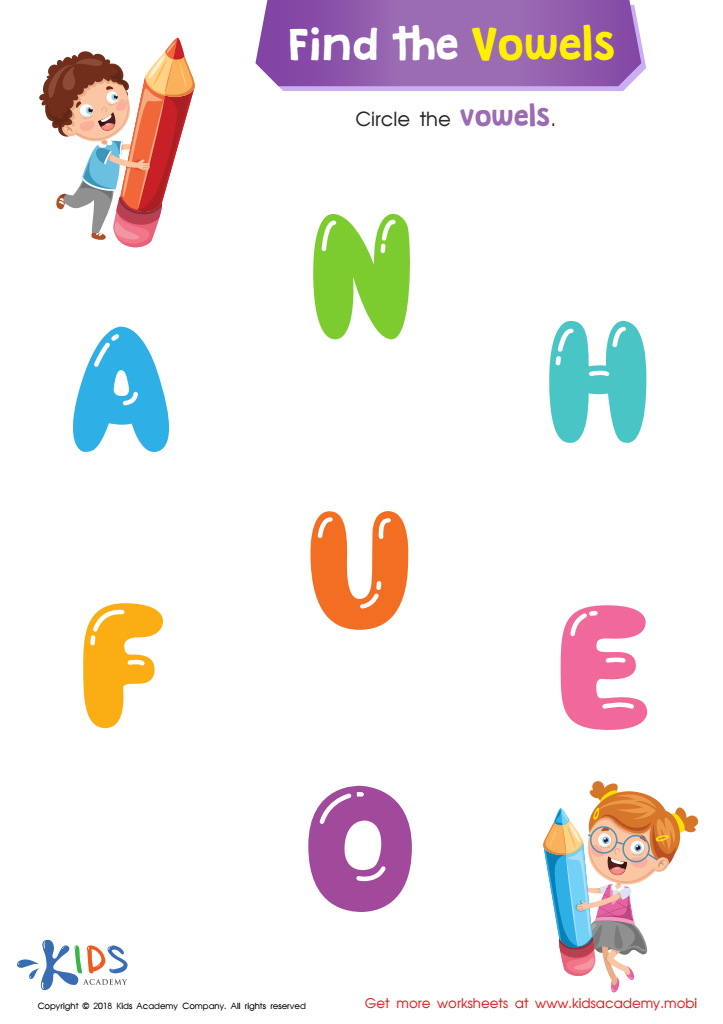
Find the Vowels Reading Worksheet
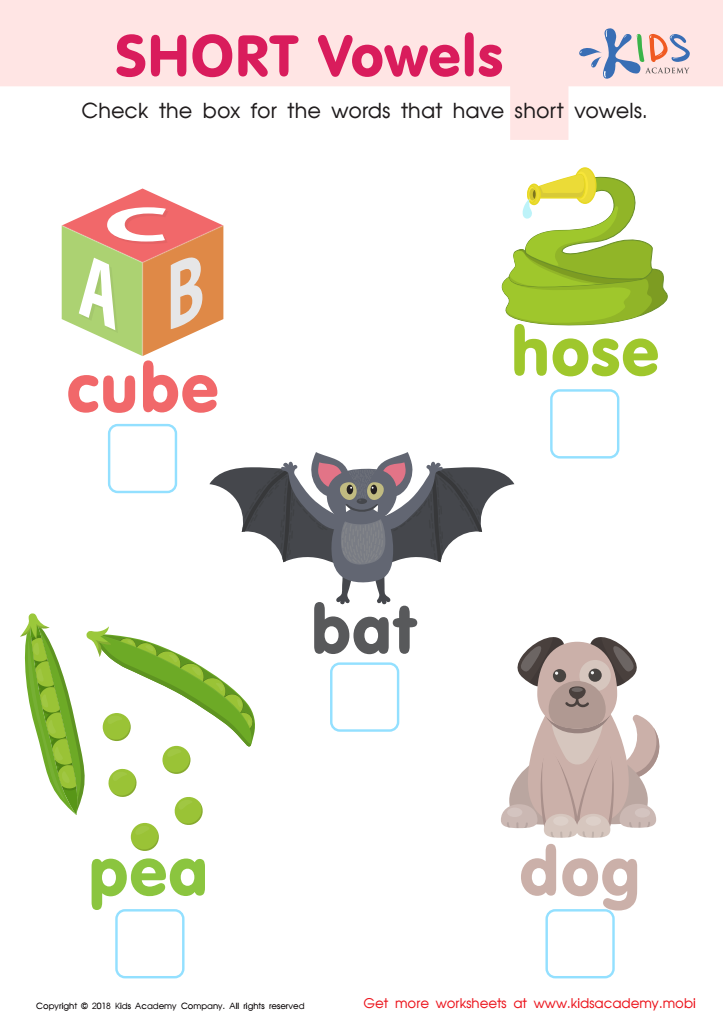
short vowels Worksheet
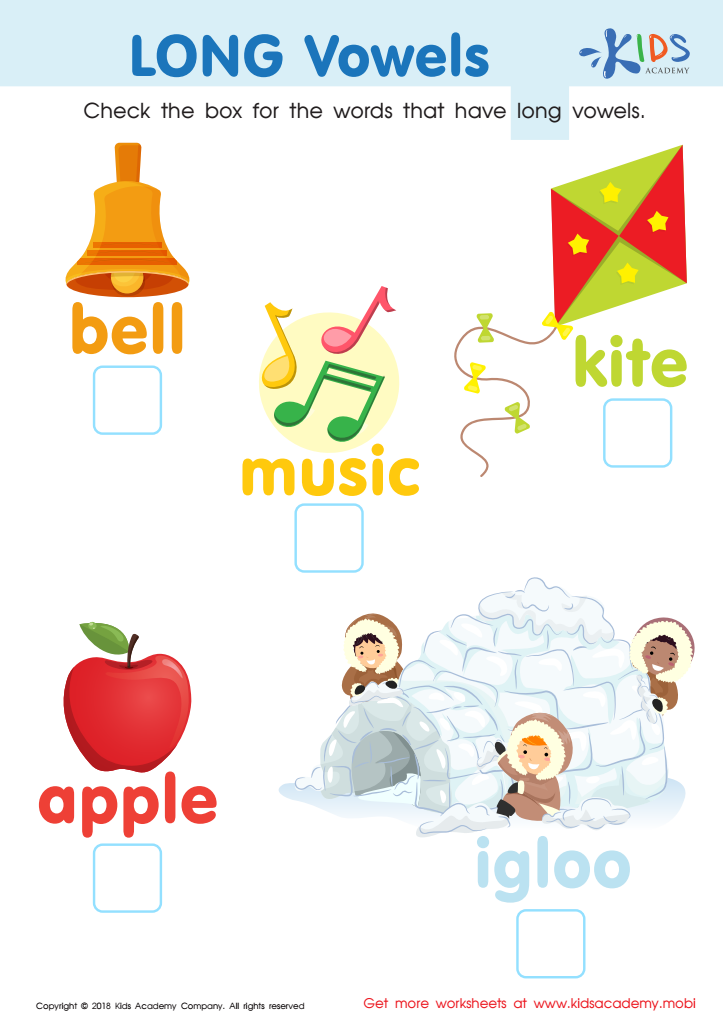
long vowels Worksheet
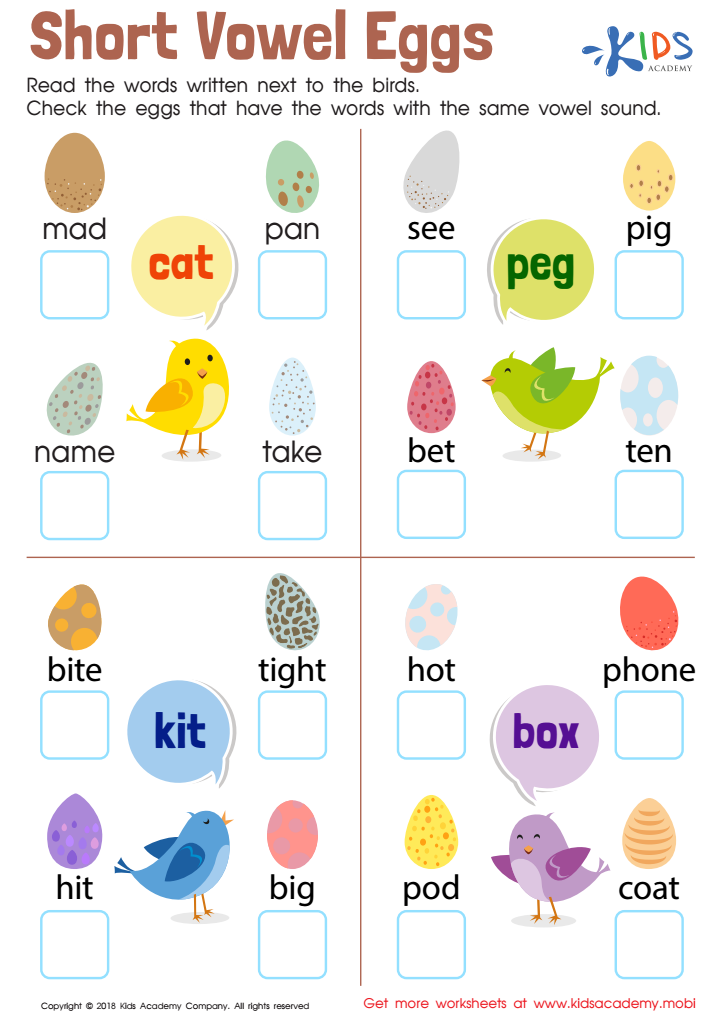
Short Vowel Eggs Worksheet
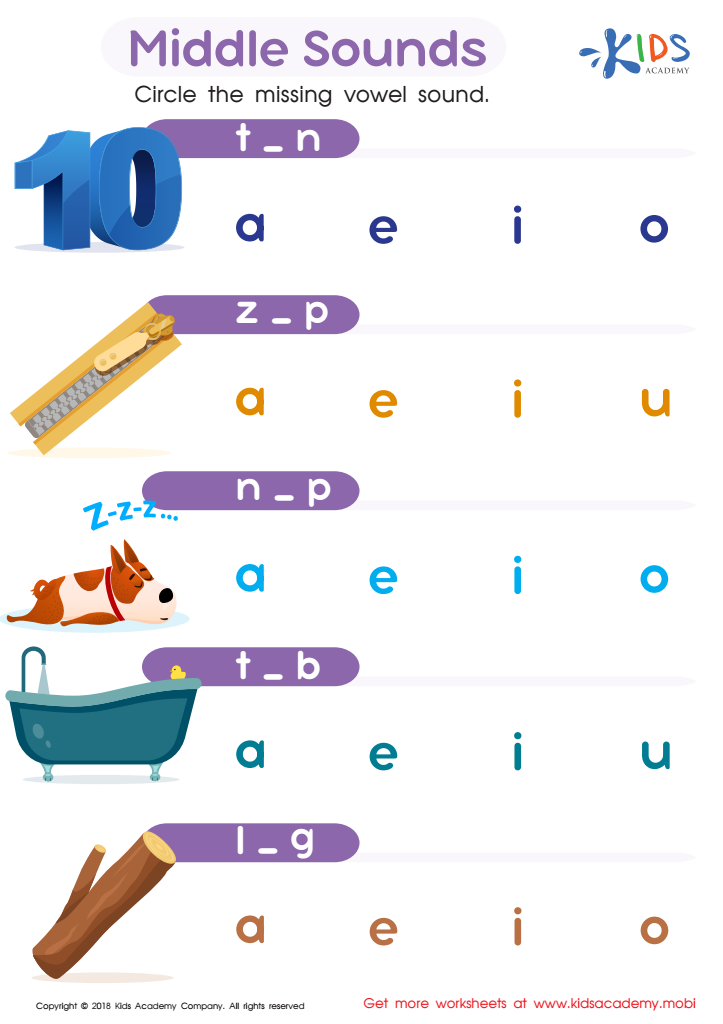
Middle Sounds Worksheet





Vowels are a crucial foundational element of language and literacy development for children aged 3-7. First and foremost, understanding vowels is essential for reading and phonetic awareness. Vowels are the building blocks of words; they determine word sounds and help children decode reading material. When children grasp the concept of vowels, they can begin to blend sounds and recognize simple words independently, fostering early literacy skills.
Additionally, learning vowels enhances children's ability to spell and write. Familiarity with vowel sounds aids in constructing words and sentences, gradually building their confidence in written communication. A firm grasp of vowels supports their engagement in storytelling, both as listeners and budding authors.
Moreover, vowels play a pivotal role in speech development. Recognizing and pronouncing vowels can improve articulation and expressive language. Through playful activities—like singing songs, reading rhymes, or playing vowel-based games—parents and teachers can make learning fun and interactive, cultivating a love for language.
Ultimately, when parents and teachers prioritize vowel education, they equip children with critical communication skills that will serve them throughout their academic journey and beyond. This early investment lays the groundwork for lifelong literacy and learning.







