Categorization skills Math Worksheets for Ages 3-7
18 filtered results
-
From - To
Enhance your child's foundational math abilities with our captivating Categorization Skills Math Worksheets tailored for ages 3-7. These worksheets are designed to sharpen your little one's critical thinking and problem-solving skills through fun and engaging activities. Kids Academy offers a variety of printable exercises, each aimed at helping young learners grasp essential categorization concepts such as sorting, organizing, and classifying objects based on different attributes. Perfect for home or classroom use, these worksheets make learning enjoyable and interactive, setting a strong mathematical base for future academic success. Download now and watch your child excel in math with confidence!
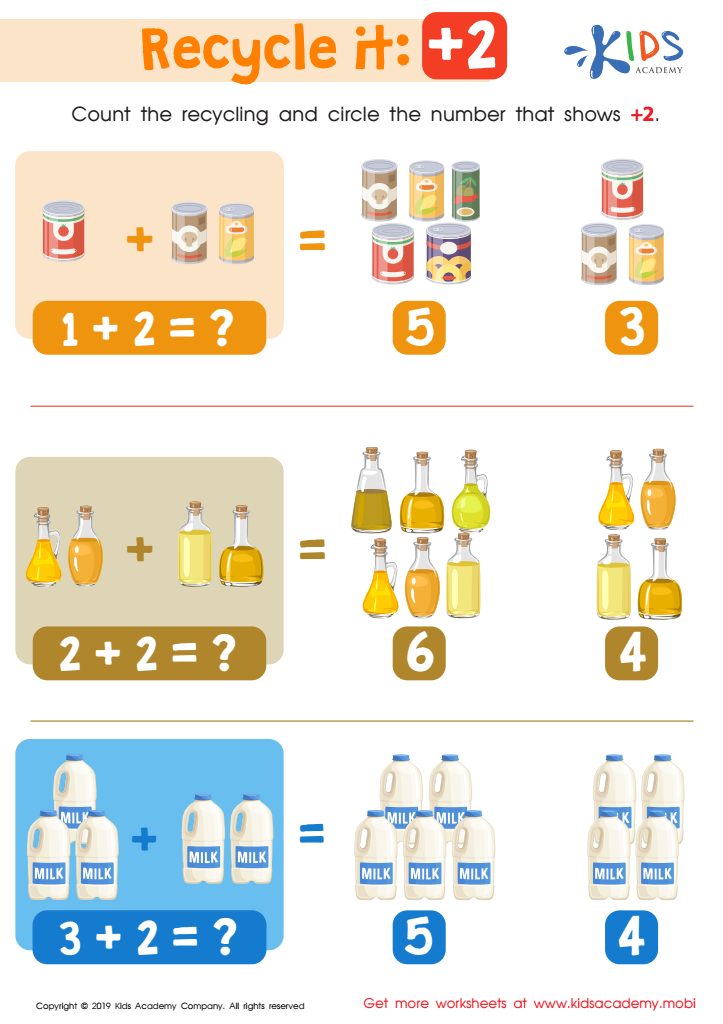
Recycle It: +2 Worksheet
 Assign to My Students
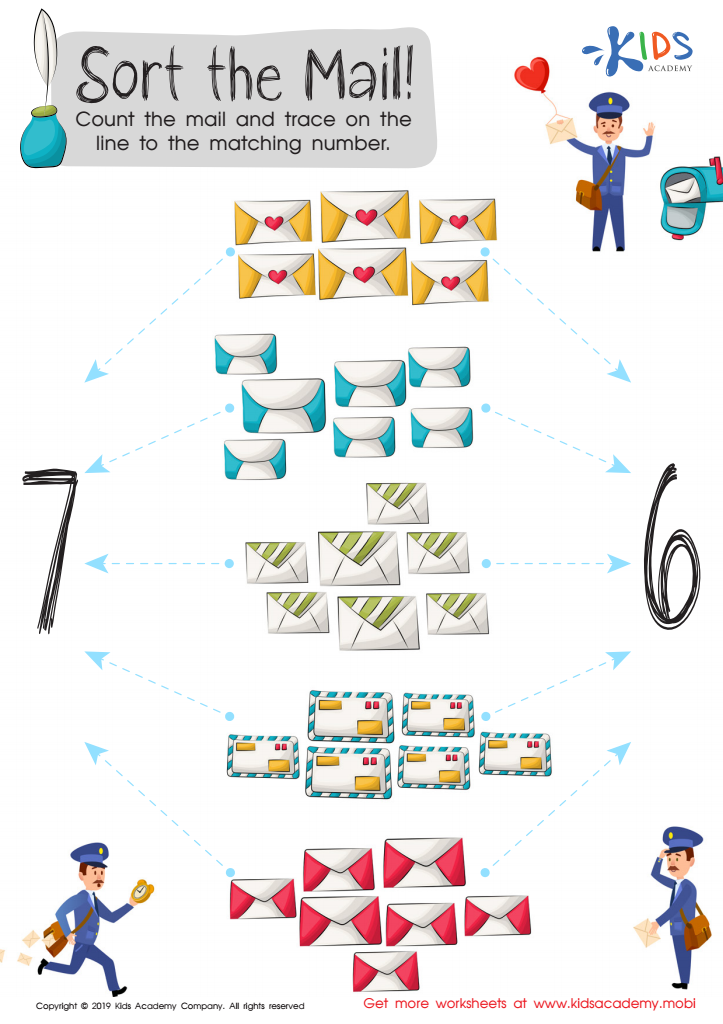
Sort the Mail Worksheet
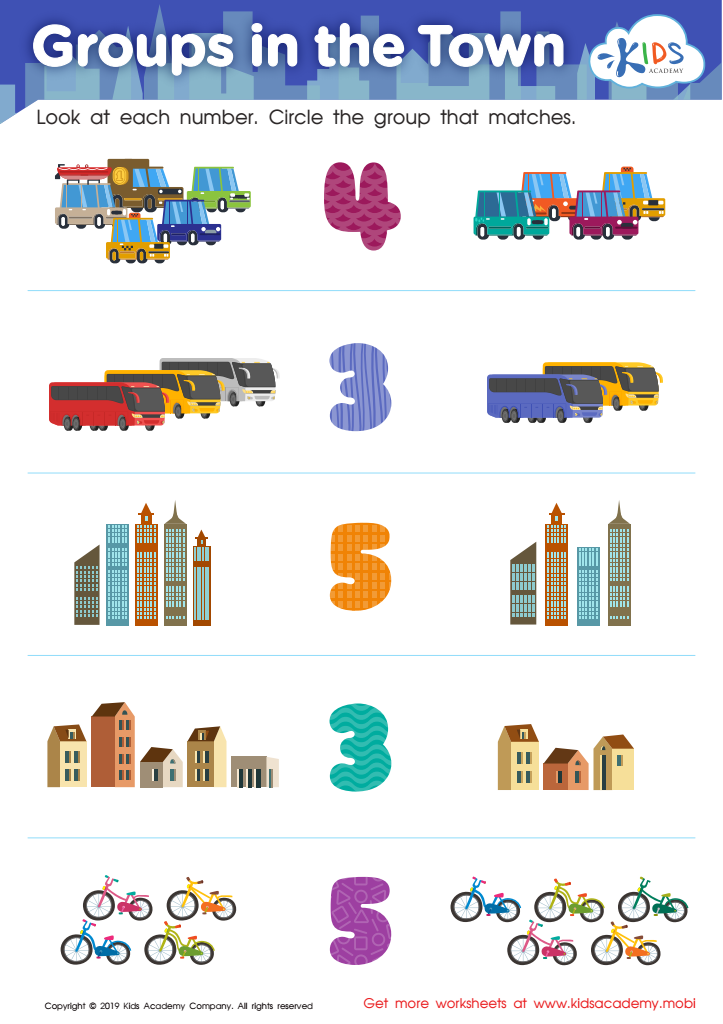
Groups in the Town Worksheet
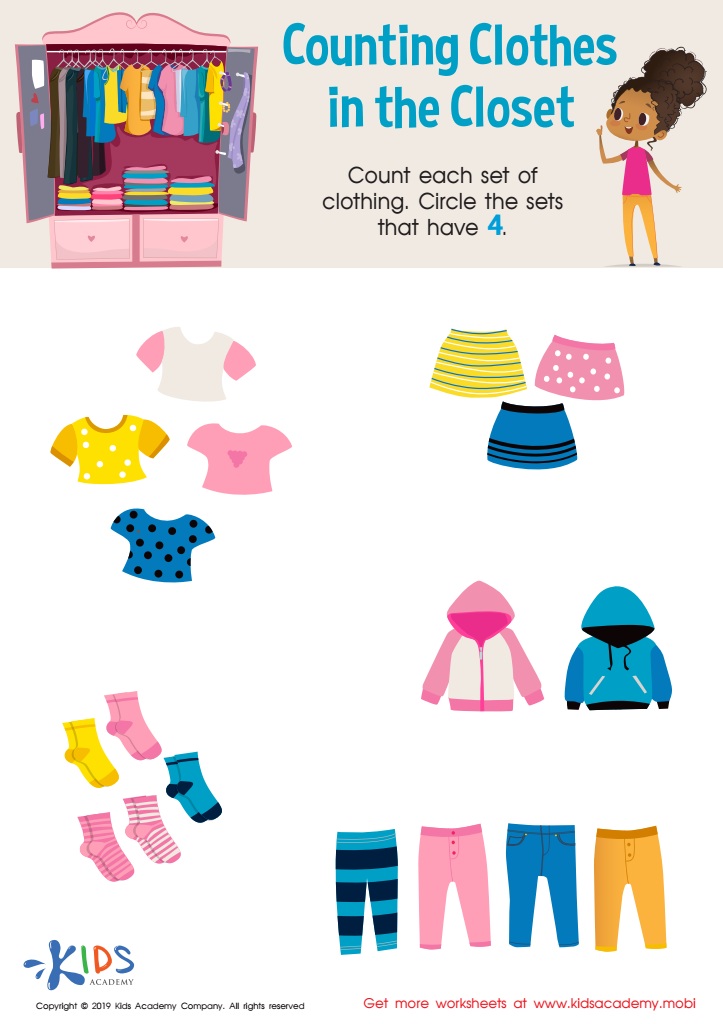
Counting Clothes Worksheet
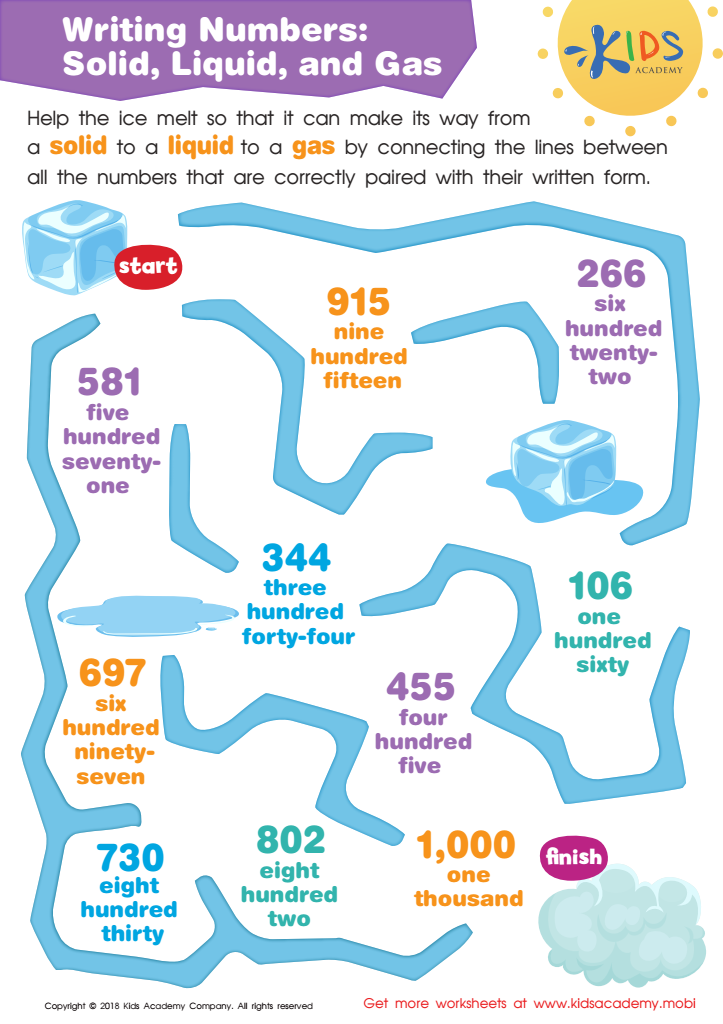
Solid, Liquid, and Gas Writing Numbers Worksheet
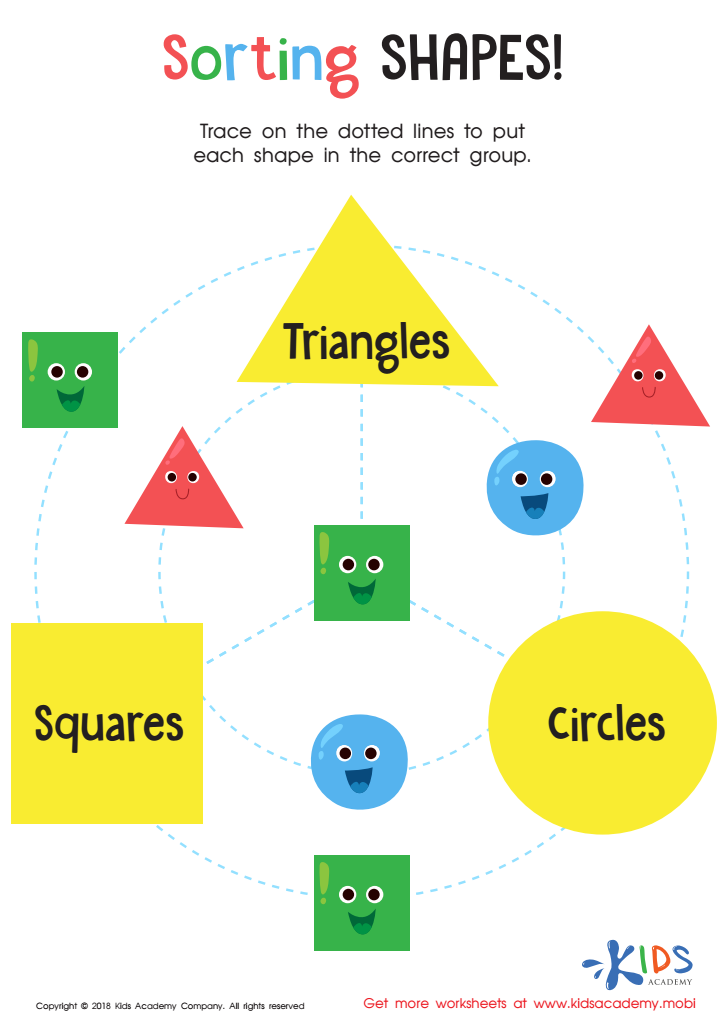
Sorting Shapes - Part 3 Worksheet
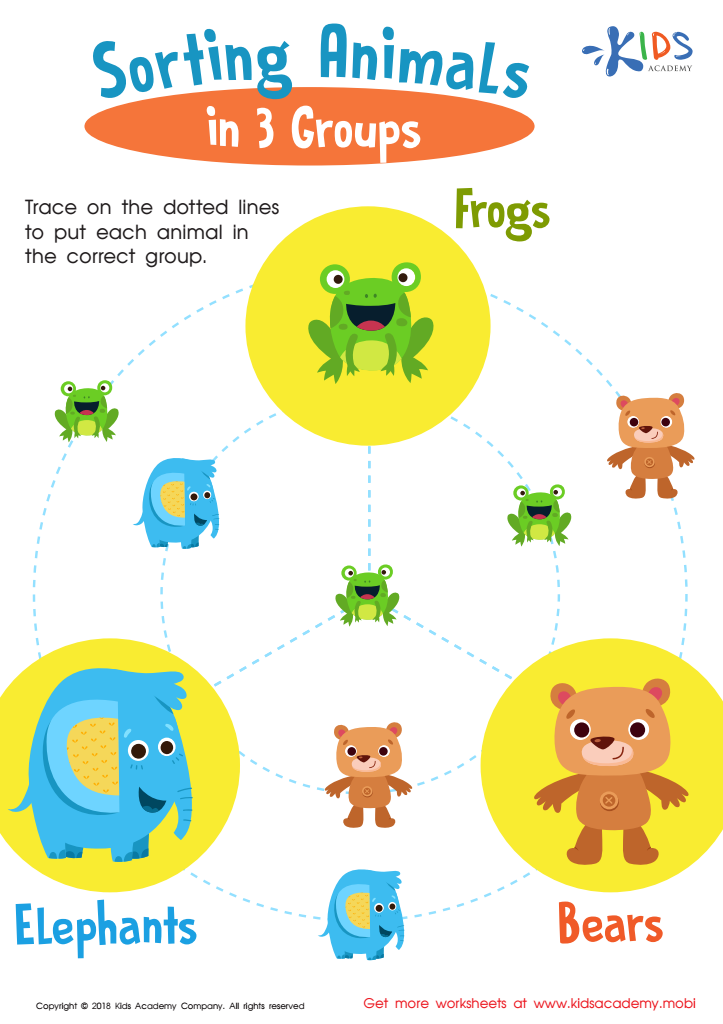
Sorting Animals in 3 Groups Worksheet
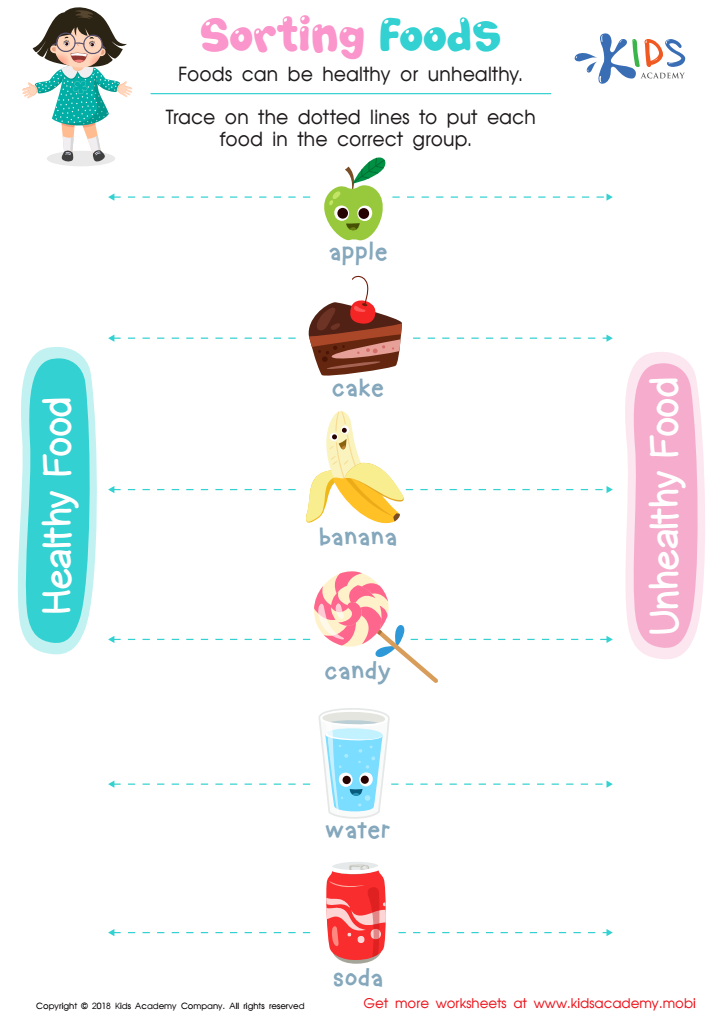
Sorting Food Worksheet
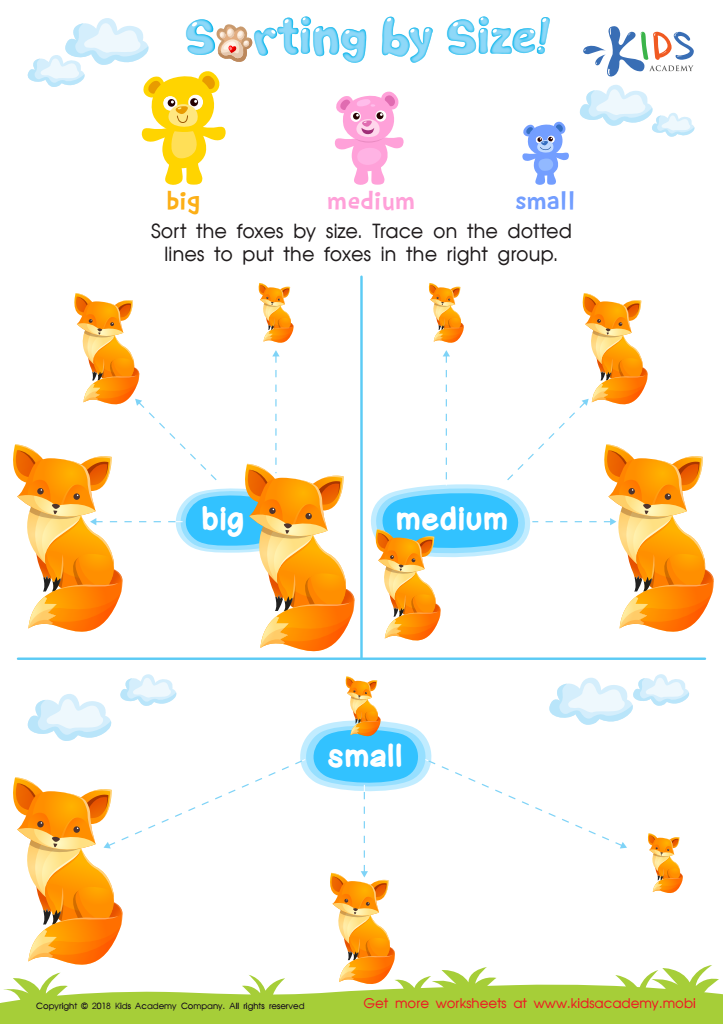
Sorting by Size Worksheet
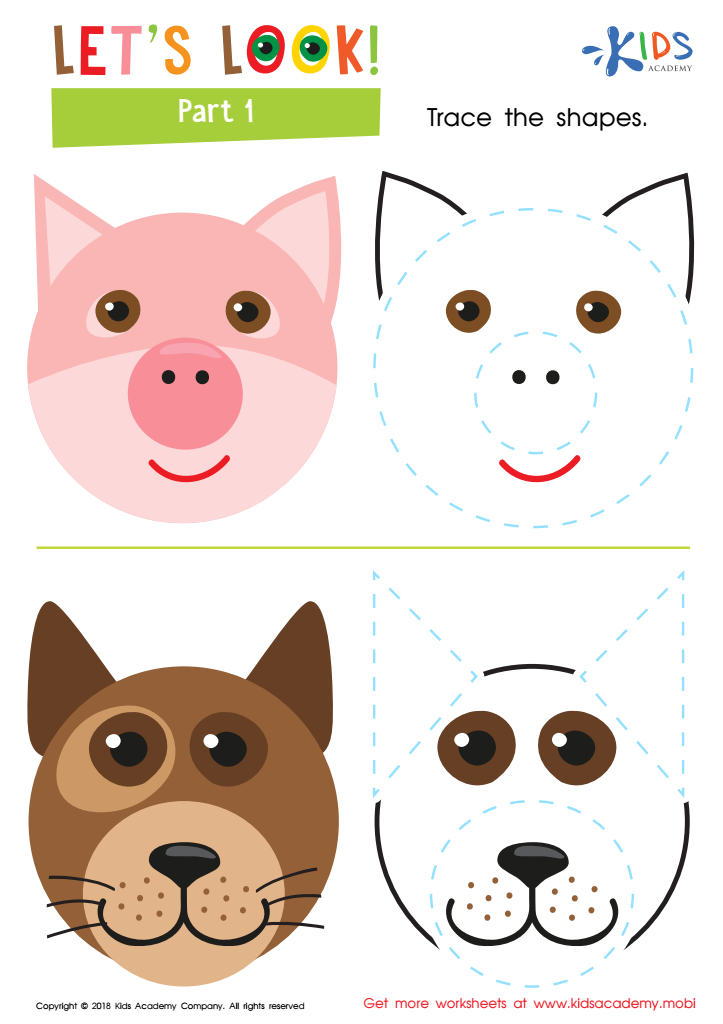
Let's Look! Part 1 Worksheet
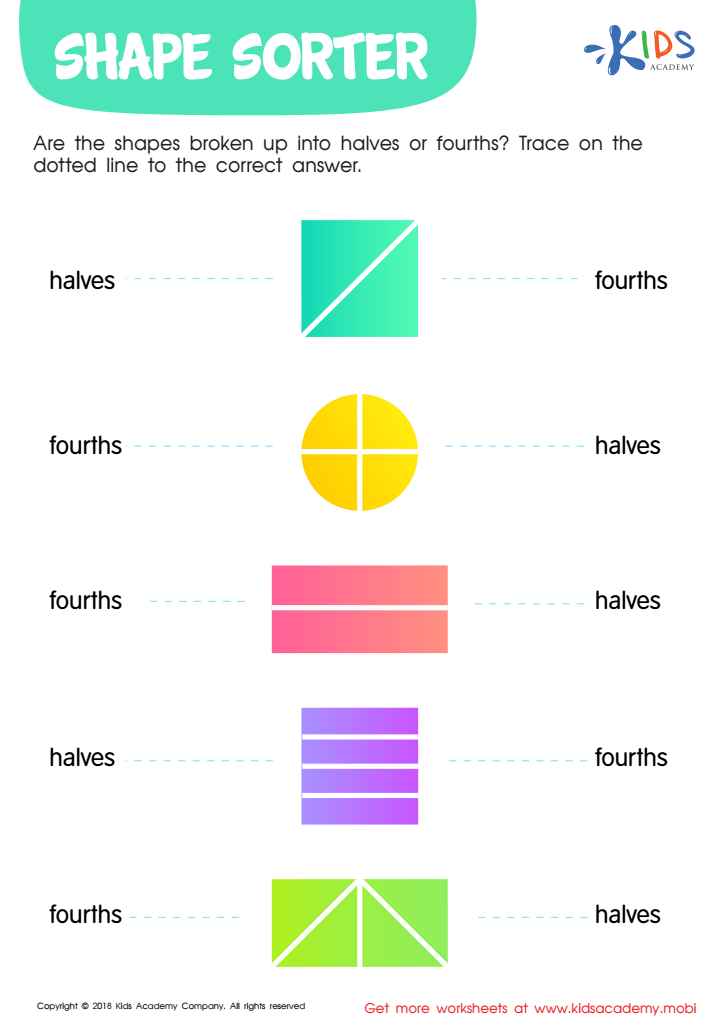
Shape Sorter Worksheet
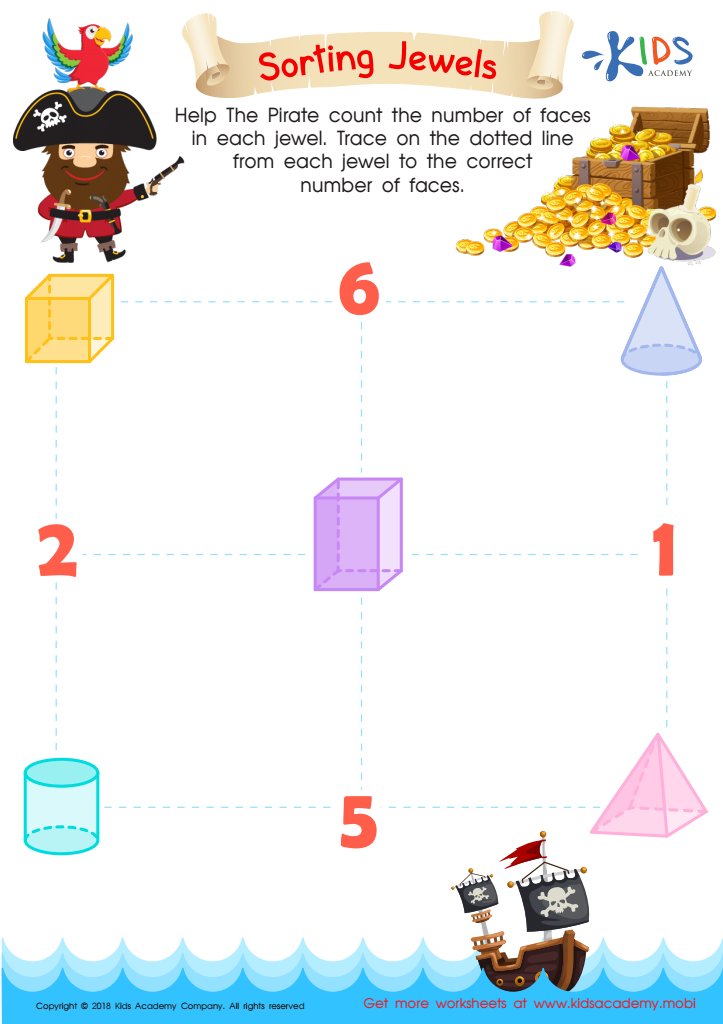
Sorting Jewels Worksheet
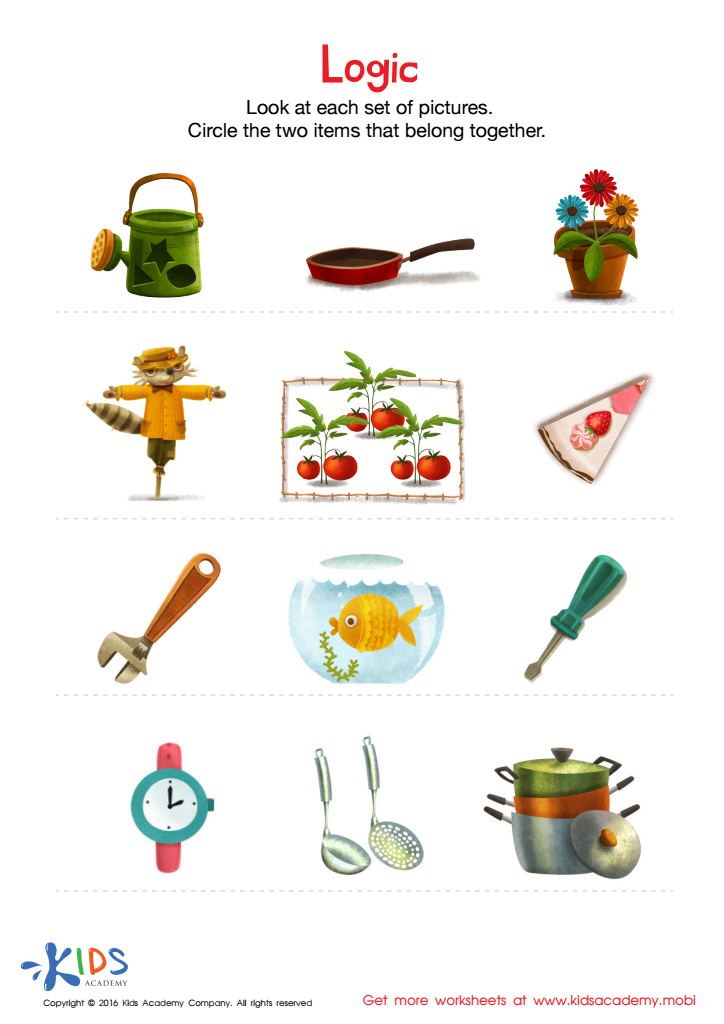
Logic Game Sorting Worksheet
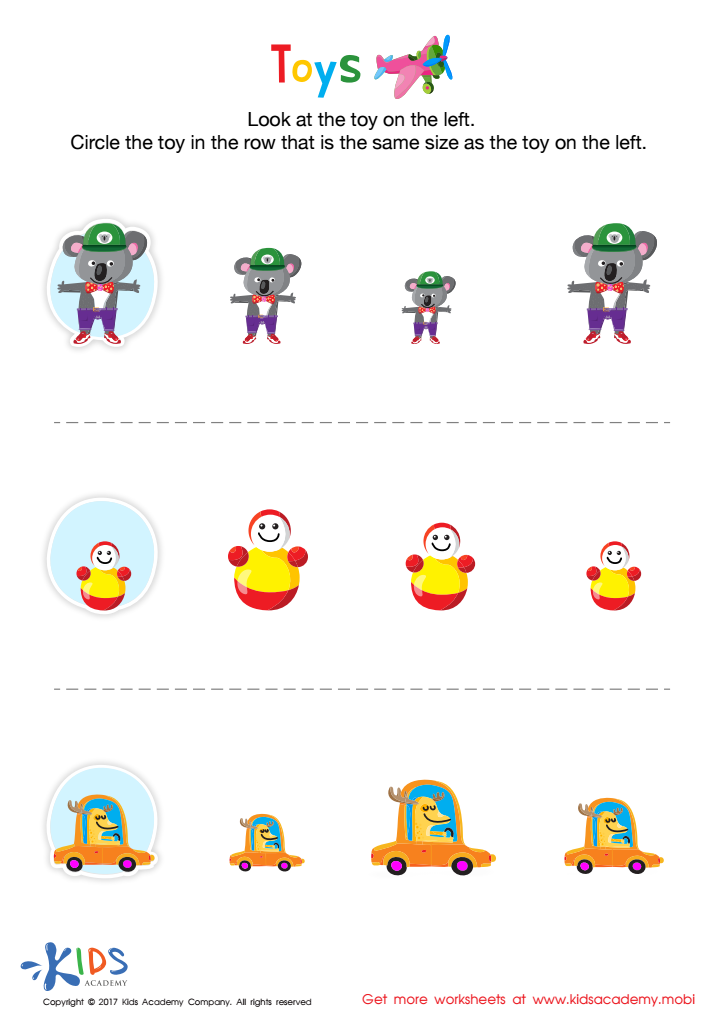
Matching: Classifying Toys by Size Worksheet
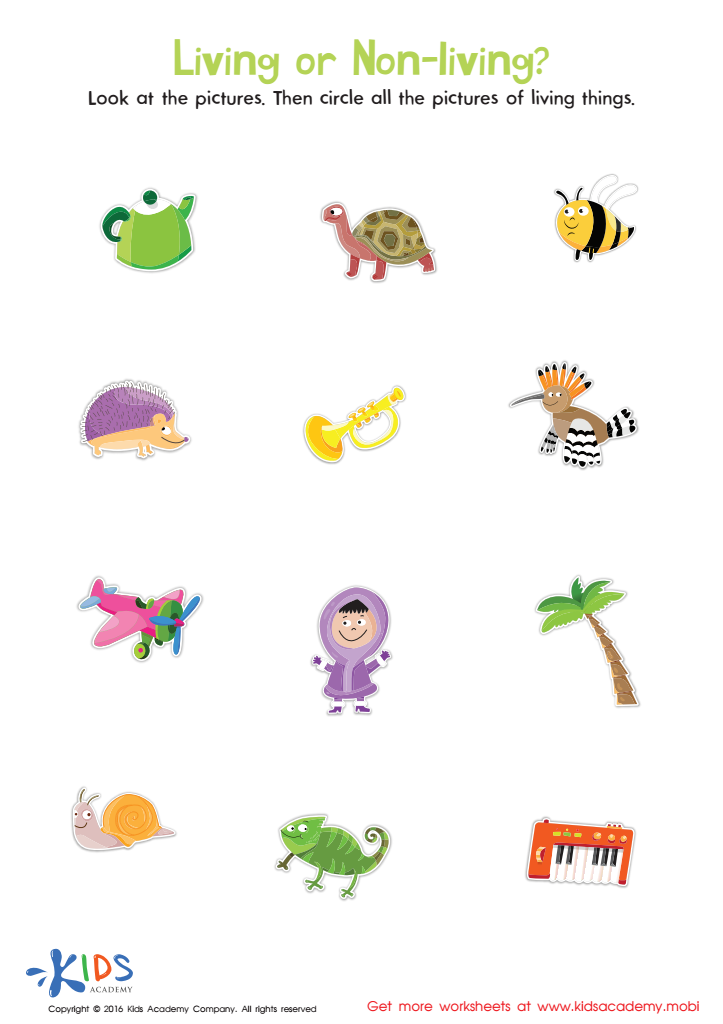
Identifying Living and Non–living Things Sorting Worksheet
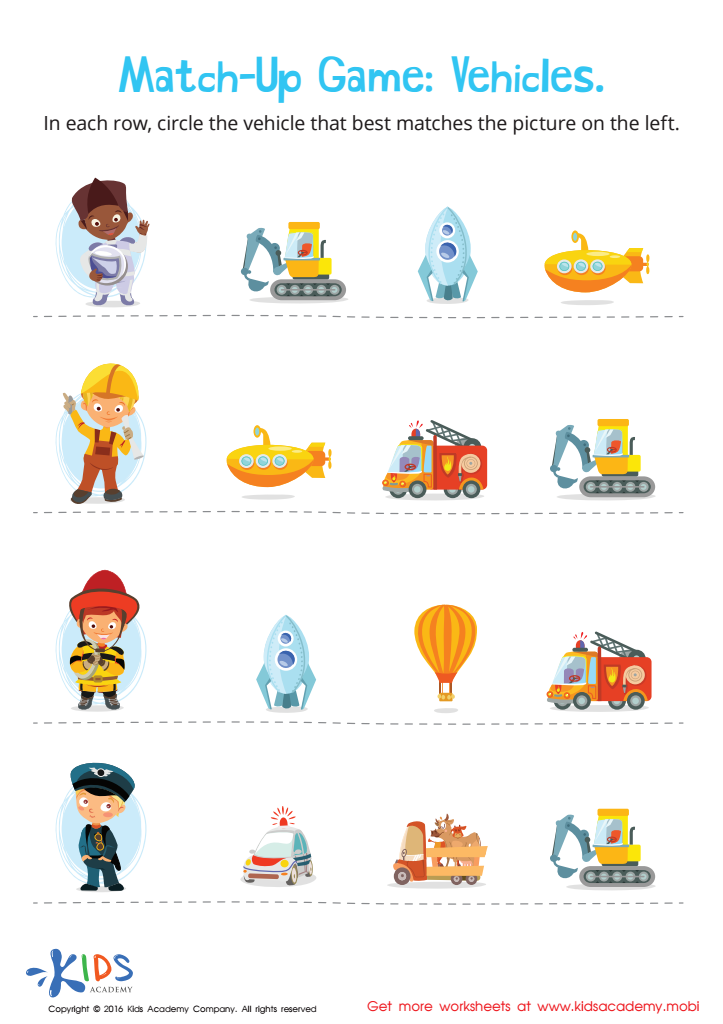
Vehicles Worksheet








Categorization skills in mathematics are fundamental for young children aged 3-7 because they form the basis for more advanced cognitive and academic abilities. At this stage, children begin to make sense of their world by organizing objects, shapes, and numbers into distinct groups based on various attributes like color, shape, size, and quantity. Mastering categorization empowers children to understand relationships and patterns, both of which are crucial for mathematical thinking.
Parents and teachers should care about these skills because they are directly linked to future success in higher-order math concepts. For example, recognizing patterns is an early algebraic skill, understanding sequences lays the groundwork for number operations, and spatial awareness aids in geometry. Categorization also boosts problem-solving skills as children learn to group items and understand logic behind patterns.
Moreover, developing these skills enhances cognitive flexibility, enabling children to adapt and apply knowledge across different contexts. Through structured play and guided activities, children improve their ability to process and organize information, making subsequent learning in subjects like math, science, and literacy more effective.
Incorporating math categorization activities in early education settings ensures a solid foundation, instilling confidence and enthusiasm in young learners. By supporting these skills, parents and teachers foster an environment ripe for holistic intellectual and academic growth.








