Filters

80 filtered results

Clear all filters
Favorites
With answer key
Interactive

80 filtered results

Difficulty Level

Grade


Subject

    Check out this FREE Trial Lesson on Matching for age 3-7!

    Classifying Objects and Count the Number of Objects in Each Category CCSS.Math.Content

    Favorites
    With answer key
    Interactive
    • 3-7
    • Interactive
    • Matching
    Preschool Matching Worksheet
    Preschool Matching Worksheet

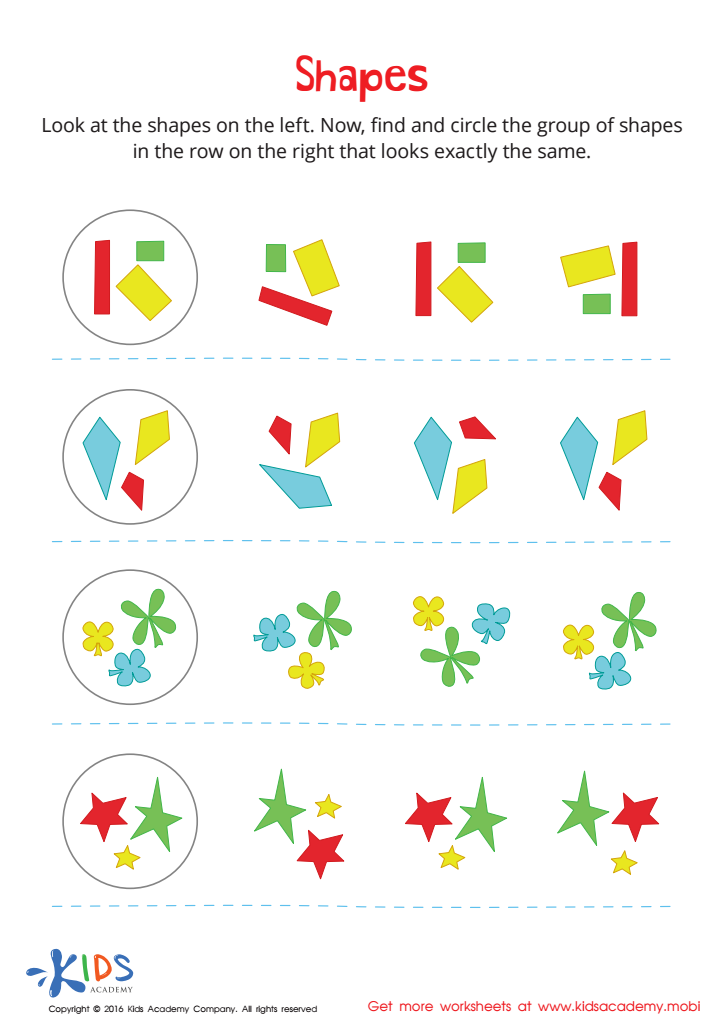
    Shapes Worksheet

    This fun worksheet will challenge your child to recognize tricky patterns, sort through similar ones, and create strategies to get the right answer. It'll also help them to strengthen problem-solving skills and build confidence. With more challenging tasks, your child will be ready to tackle higher level math and sequencing skills.
    Shapes Worksheet
    Worksheet
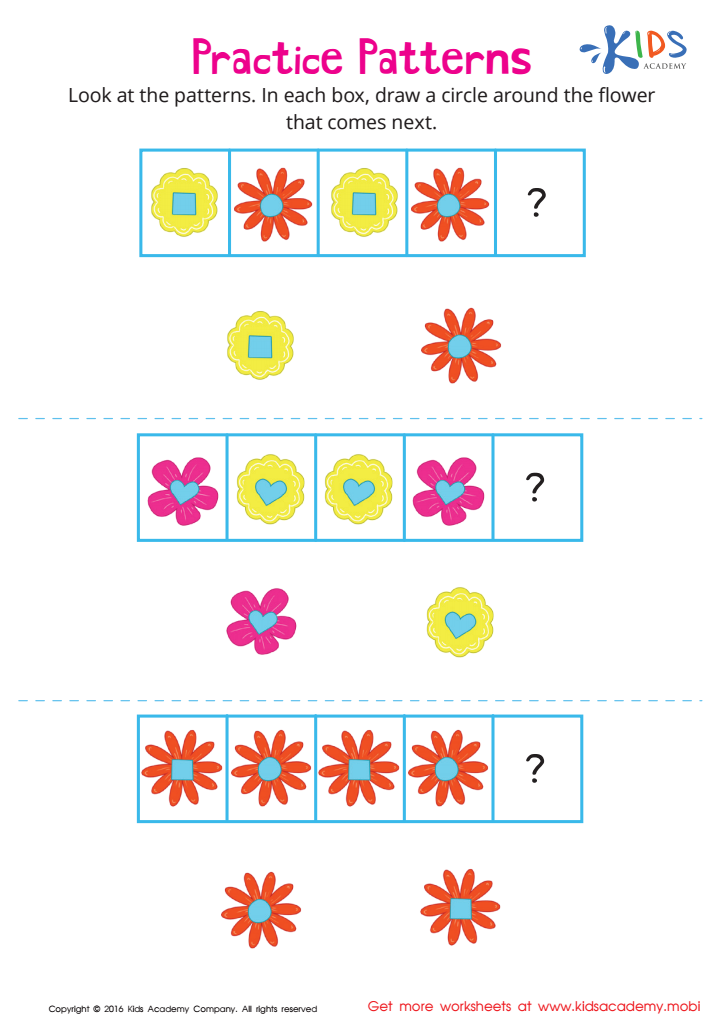
    Pattern Recognition Worksheet
    Pattern Recognition Worksheet

    Practice Patterns Worksheet

    Practice Patterns Worksheet
    Worksheet
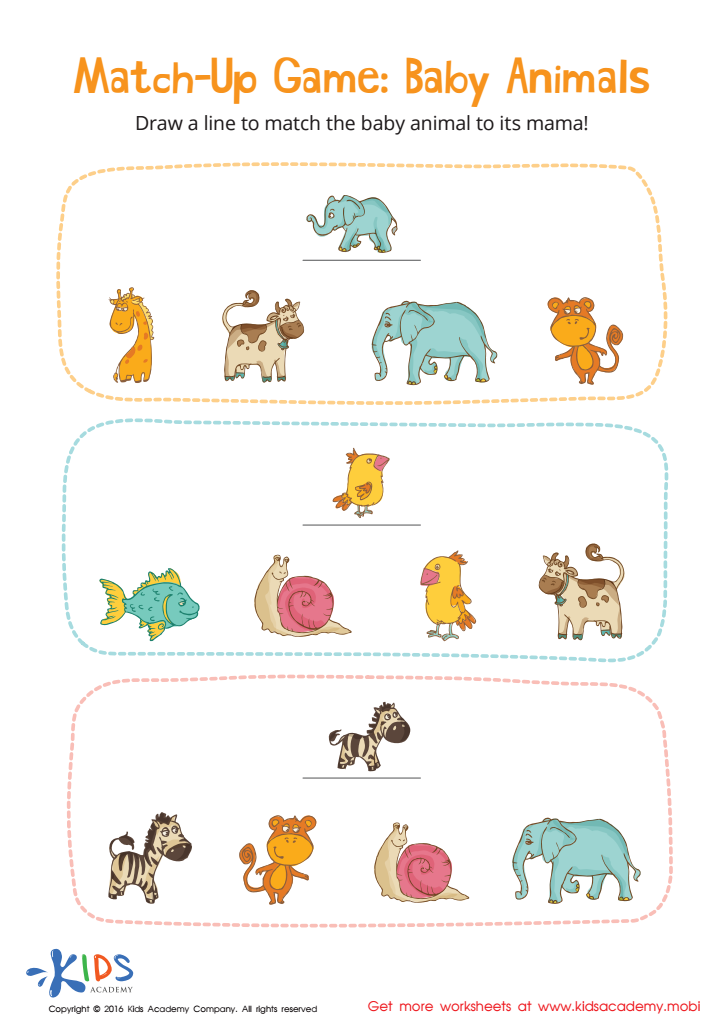
    Baby Animals Matching Worksheet
    Baby Animals Matching Worksheet

    Baby Animals Match-Up Worksheet

    Help baby animals find their mummies by using this fun matching worksheet. Kids can practice logical reasoning skills while recognizing similar pictures and learning about animals. Extend their knowledge by having them identify each cute animal!
    Baby Animals Match-Up Worksheet
    Worksheet
    Preschool Matching Numbers
    Preschool Matching Numbers

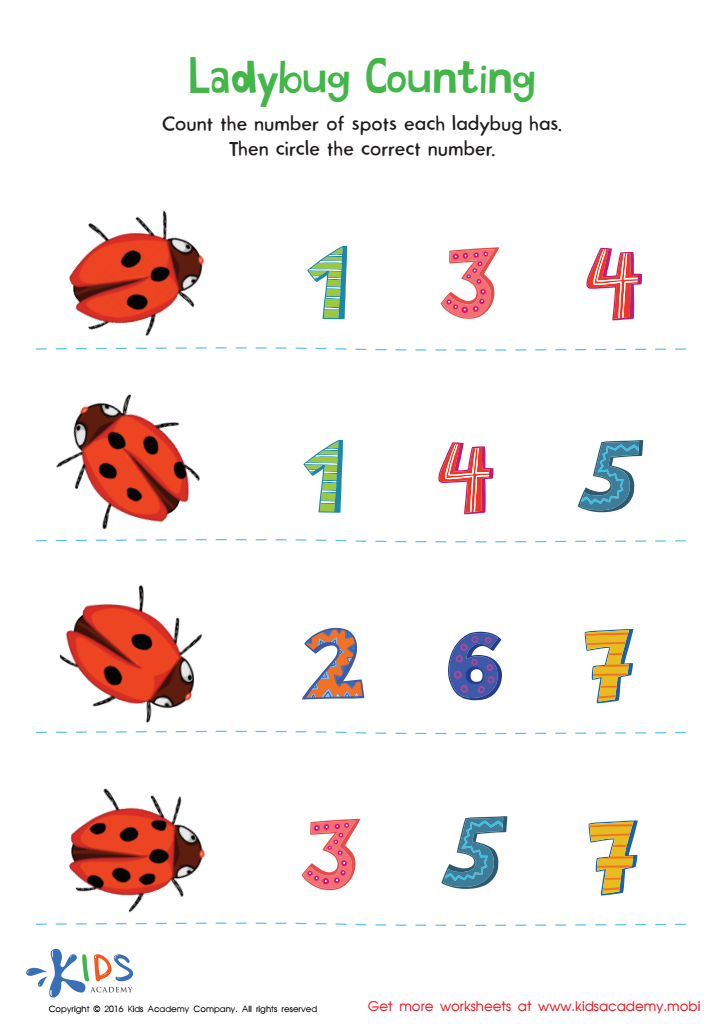
    Ladybug Counting Worksheet

    Ladybug Counting Worksheet
    Worksheet
    Free Math Worksheets for Kids
    Free Math Worksheets for Kids

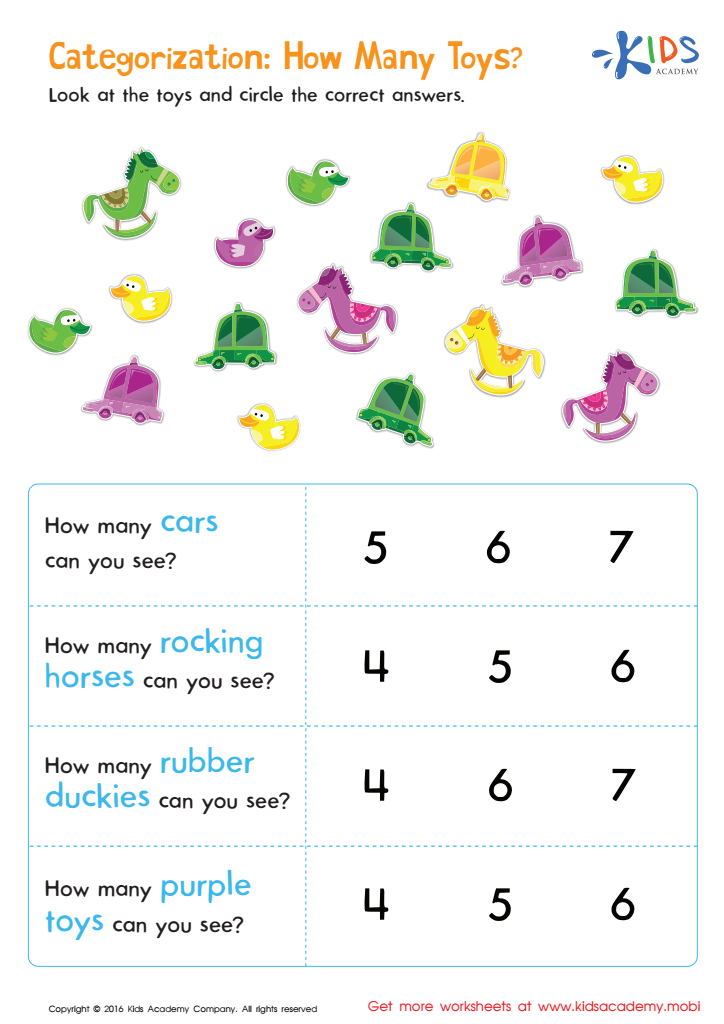
    Classifying Toys by Type and Color Sorting Worksheet
    Kids Academy offers free math worksheets to help practice counting, categorization & recognition skills. Kids will enjoy counting by color & type while strengthening problem-solving & literacy skills.
    Classifying Toys by Type and Color Sorting Worksheet
    Worksheet
    Kindergarten Sorting Worksheet
    Kindergarten Sorting Worksheet

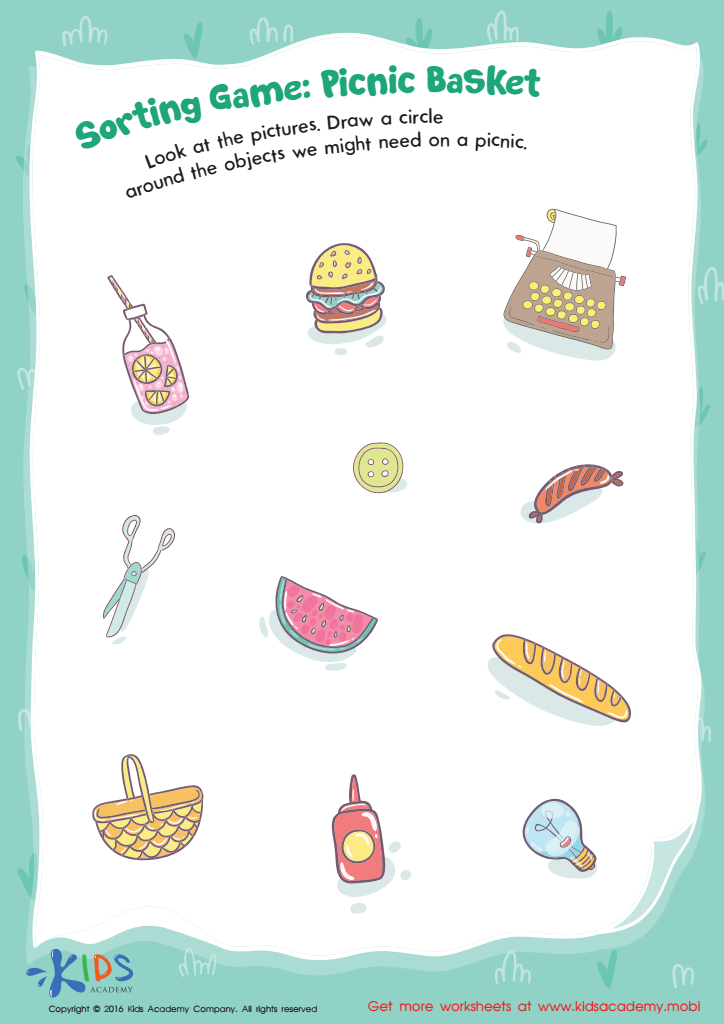
    Picnic Basket Sorting Worksheet
    Make picnic planning fun with this kindergarten sorting worksheet! Your child will sort everyday objects to find picnic supplies, and then use the worksheet to plan a real or pretend picnic. Extend the learning by discussing the event and its connection to the worksheet. Print out the other worksheets to sharpen sorting and classifying skills in an engaging way!
    Picnic Basket Sorting Worksheet
    Worksheet
    Sorting Worksheets for Kids
    Sorting Worksheets for Kids

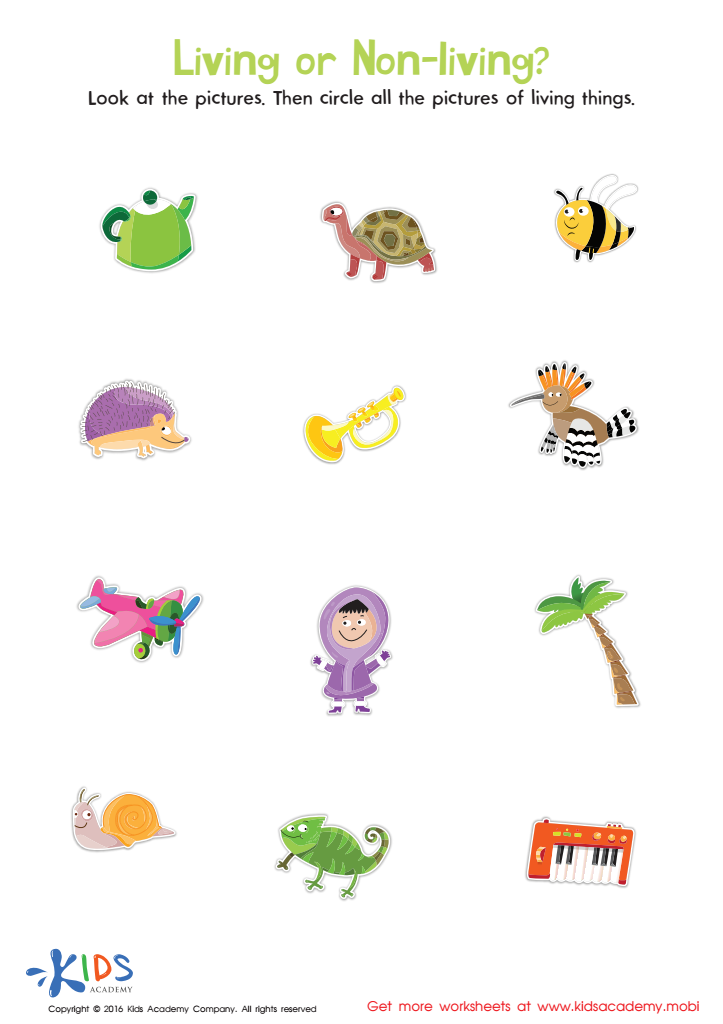
    Identifying Living and Non–living Things Sorting Worksheet
    Help your child sort living and non-living objects with this cute worksheet. Kids will use problem-solving skills to recognize and categorize the images they see. Matching worksheets available to help their skills soar.
    Identifying Living and Non–living Things Sorting Worksheet
    Worksheet
    Silhouettes - shapes worksheet
    Silhouettes - shapes worksheet

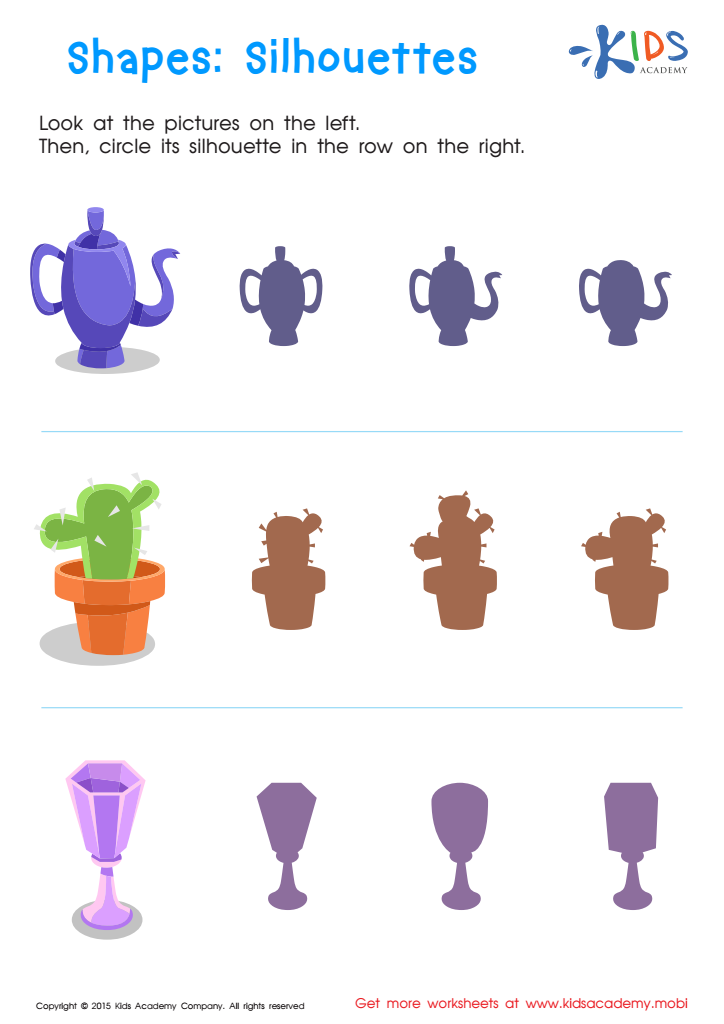
    Silhouettes – Shapes Worksheet

    Kids can have fun while learning to compare sizes with this silhouettes shapes worksheet! Matching pictures to silhouettes helps them build early math skills, while enjoying the activity!
    Silhouettes – Shapes Worksheet

    Worksheet


    ... 3 4

    Matching activities for children aged 3-7 are vital for their cognitive, social, and emotional development. At this early age, children are in a critical period for learning foundational skills that pave the way for future academic success. Matching games, whether through fun card games, puzzles, or digital apps, enhance critical thinking and problem-solving abilities, as they require children to recognize similarities and differences.

    These activities also support language development, as children often expand their vocabulary by discussing possible pairs and identifying objects. Furthermore, matching promotes memory retention; young learners engage their recall skills to remember where items are located, reinforcing cognitive pathways in their developing brains.

    Socially, matching games can foster collaboration and turn-taking, encouraging positive interaction with peers. These activities also help build patience and perseverance as children face challenges in finding matches.

    For parents and teachers, incorporating matching into daily routines or classroom learning is an easy and enjoyable way to support overall development. Quality matching experiences can create a love for learning and prepare children better for more complex tasks, setting a strong foundation for lifelong educational achievement. Thus, investing time in matching activities is a worthy endeavor for guiding young learners’ growth.