Building Vocabulary Worksheets for Ages 3-7 - Page 5
205 filtered results
-
From - To
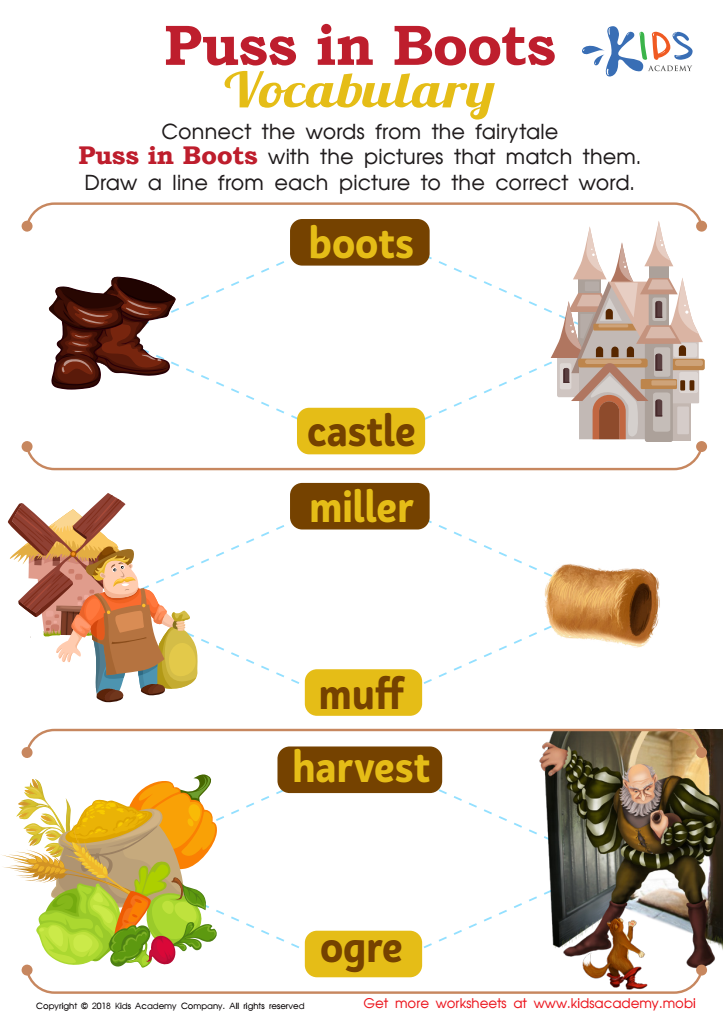
Puss in Boots Vocabulary Worksheet
 Assign to My Students











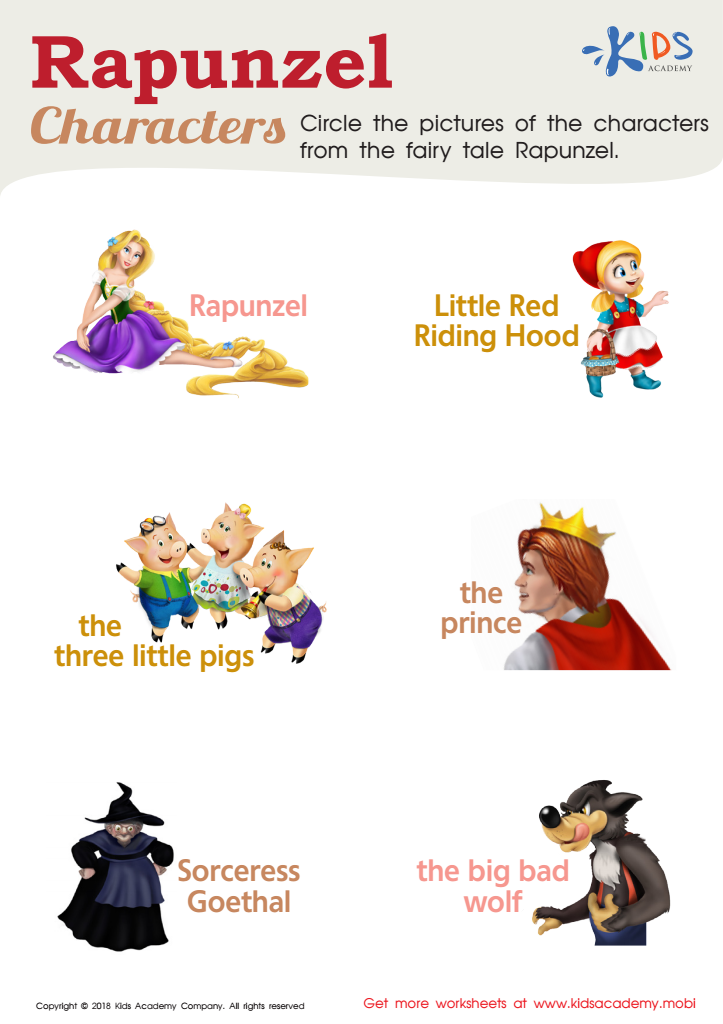
Rapunzel Characters Worksheet
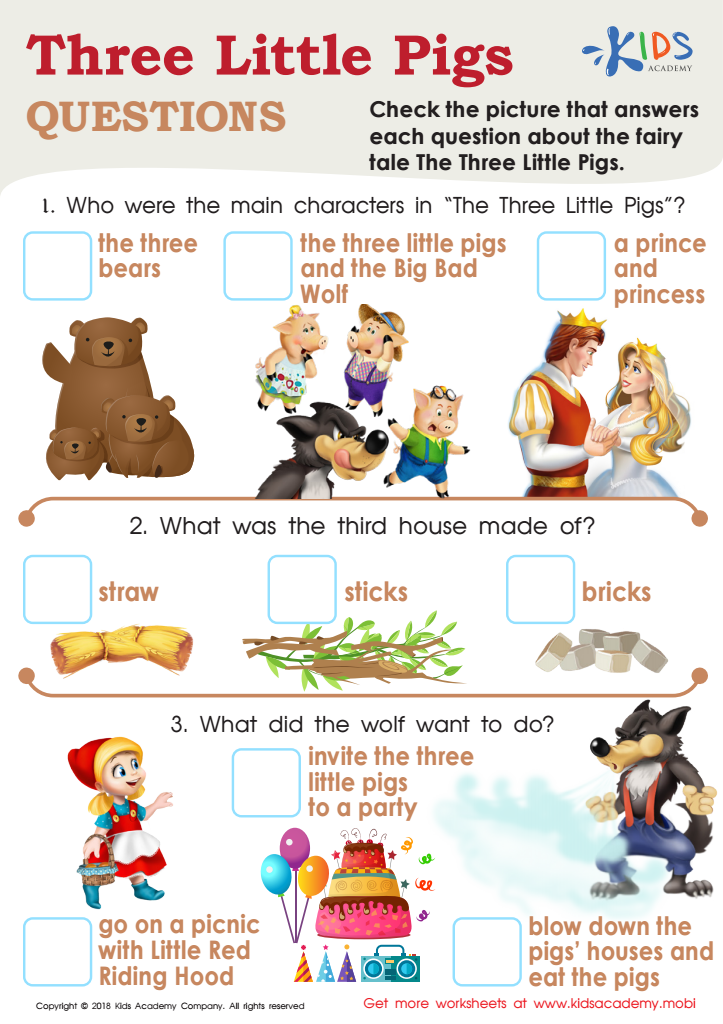
Three Little Pigs Questions Worksheet
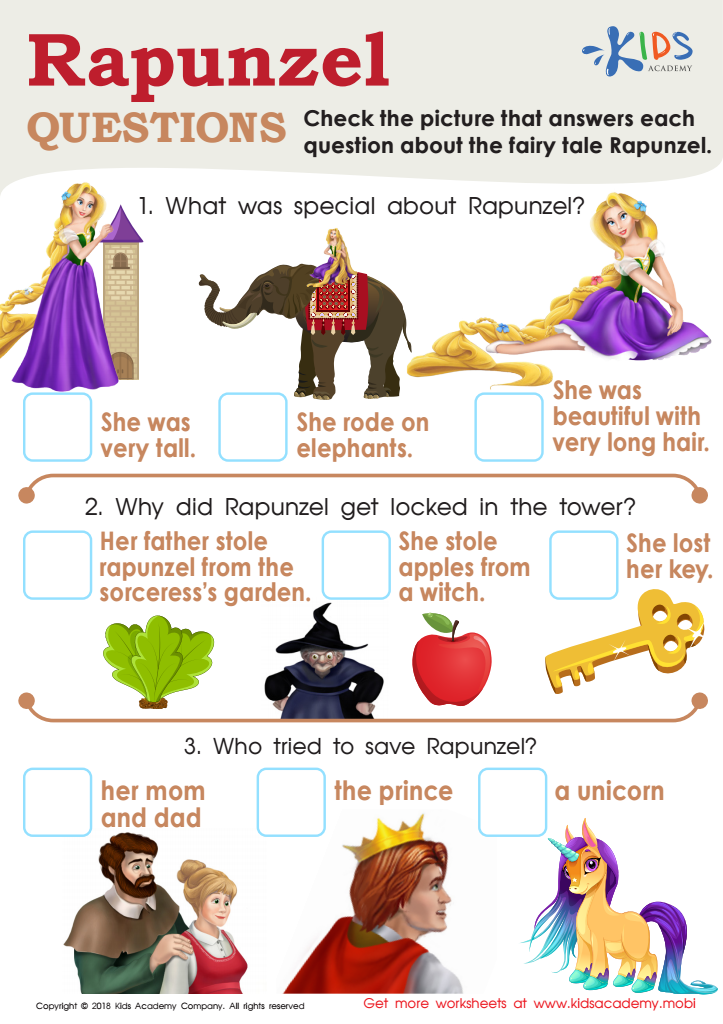
Rapunzel Questions Worksheet
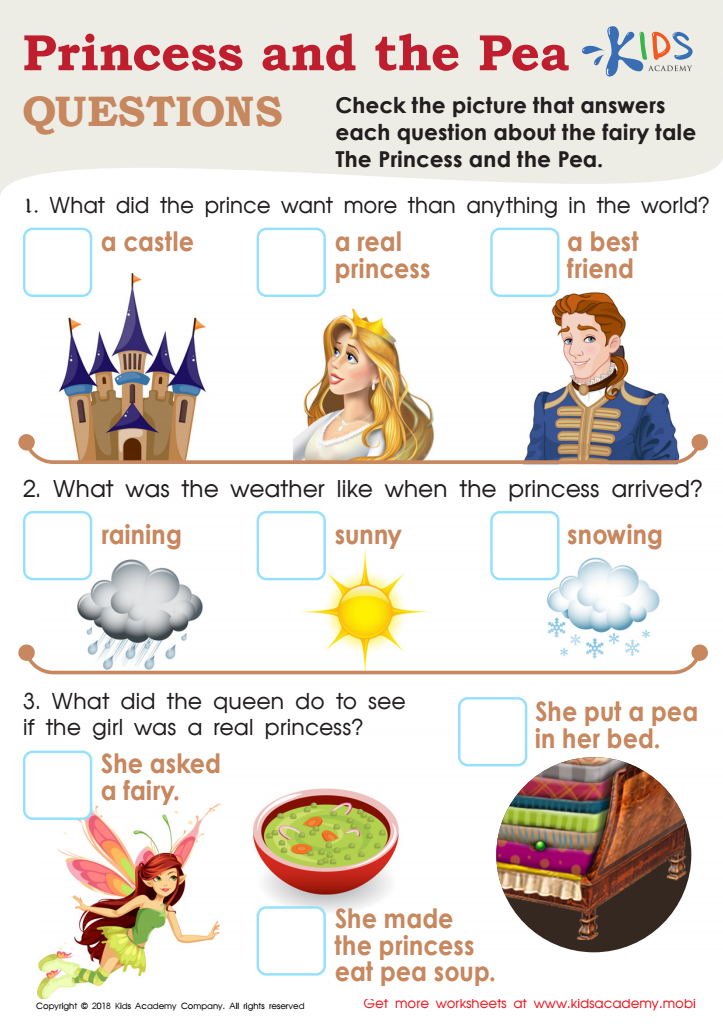
Princess and the Pea Questions Worksheet
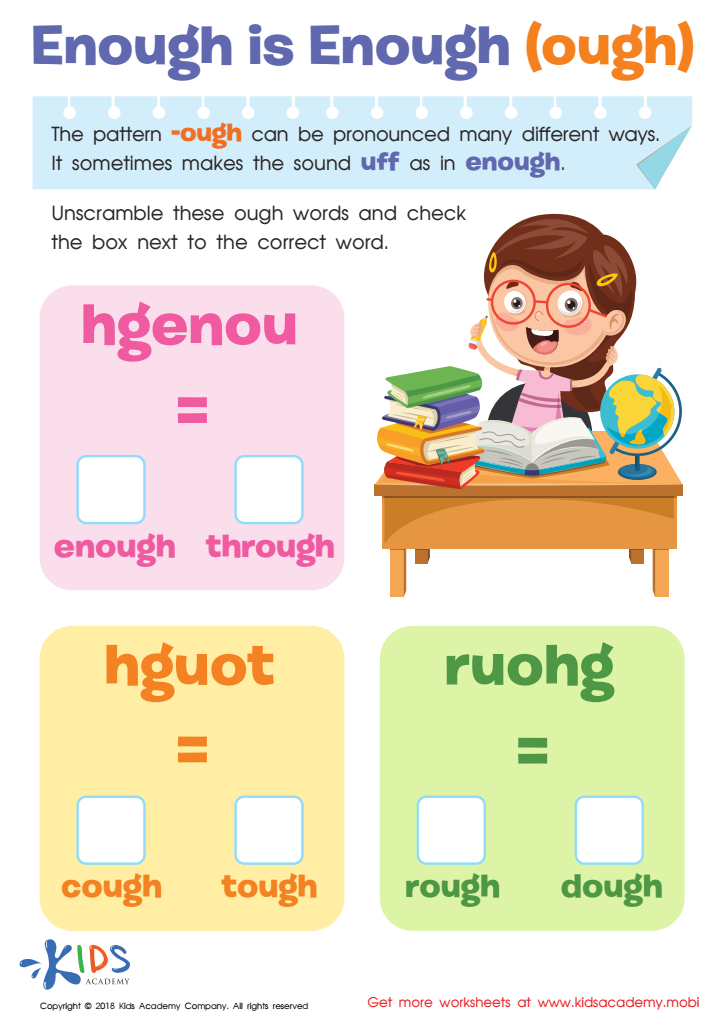
Enough Is Enough (ough) Worksheet
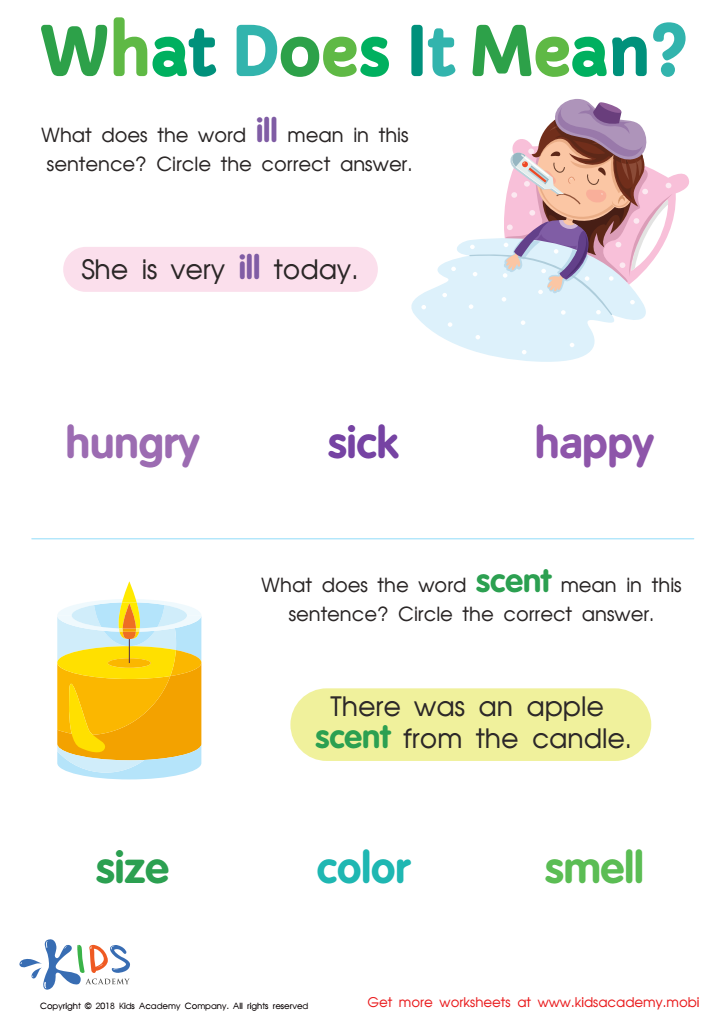
What Does It Mean? Worksheet
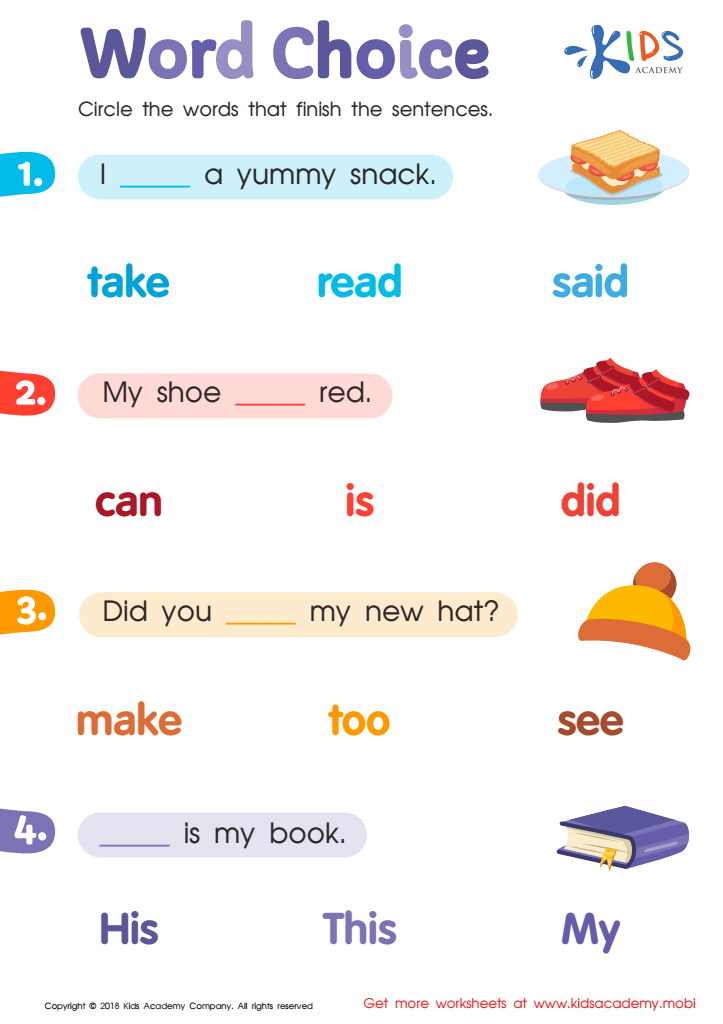
Word Choice Worksheet
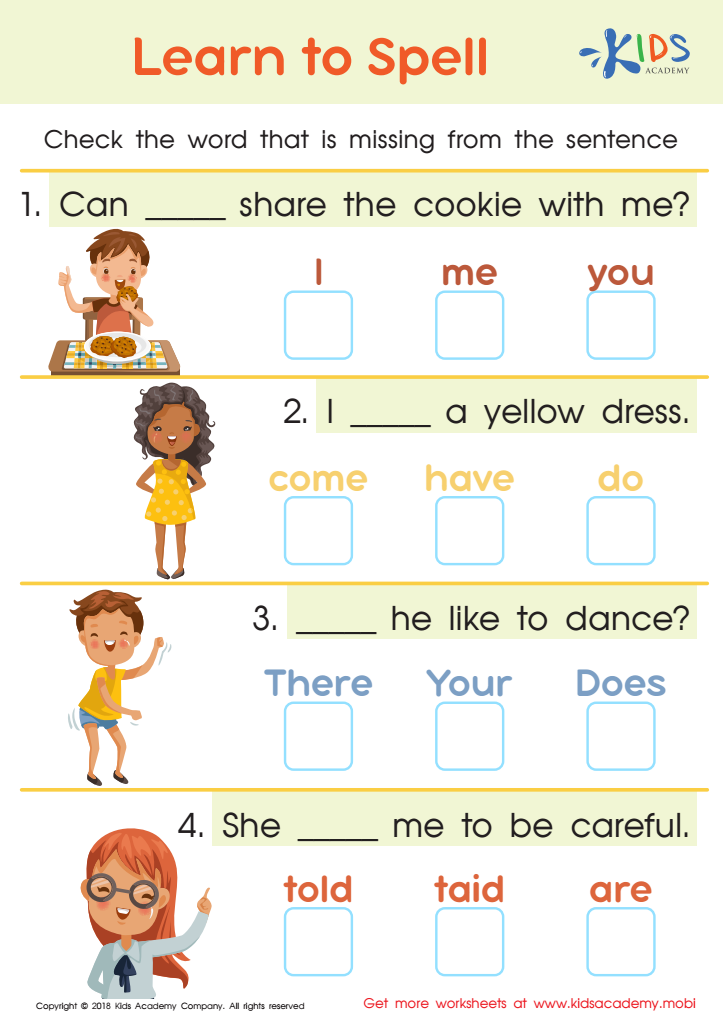
Learn to Spell Worksheet
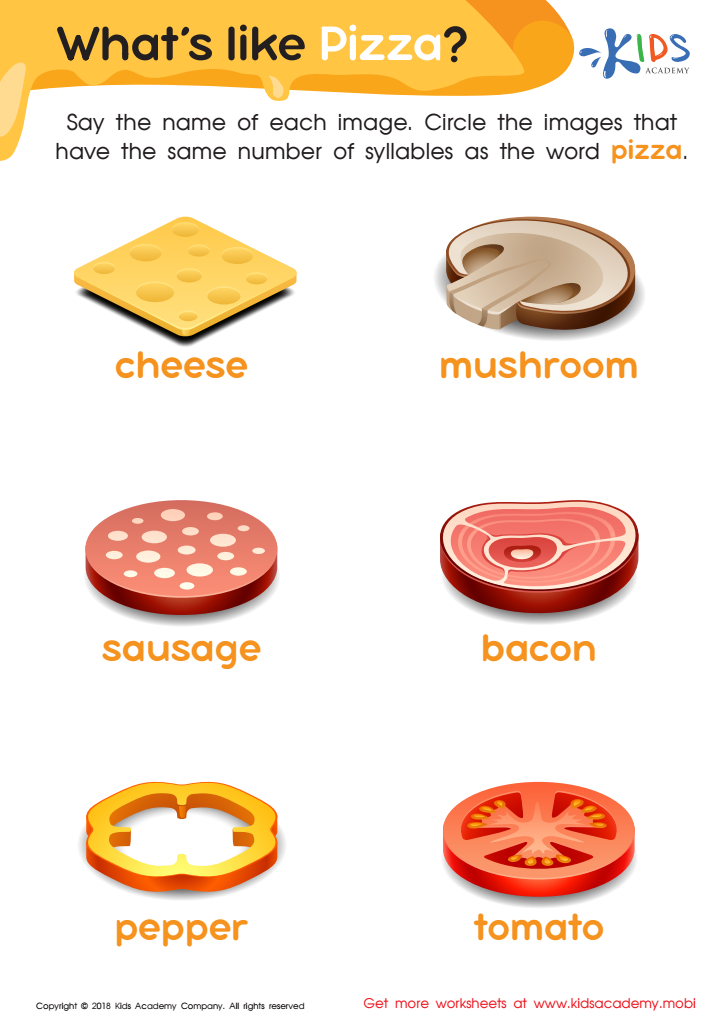
What's Like Pizza? Worksheet
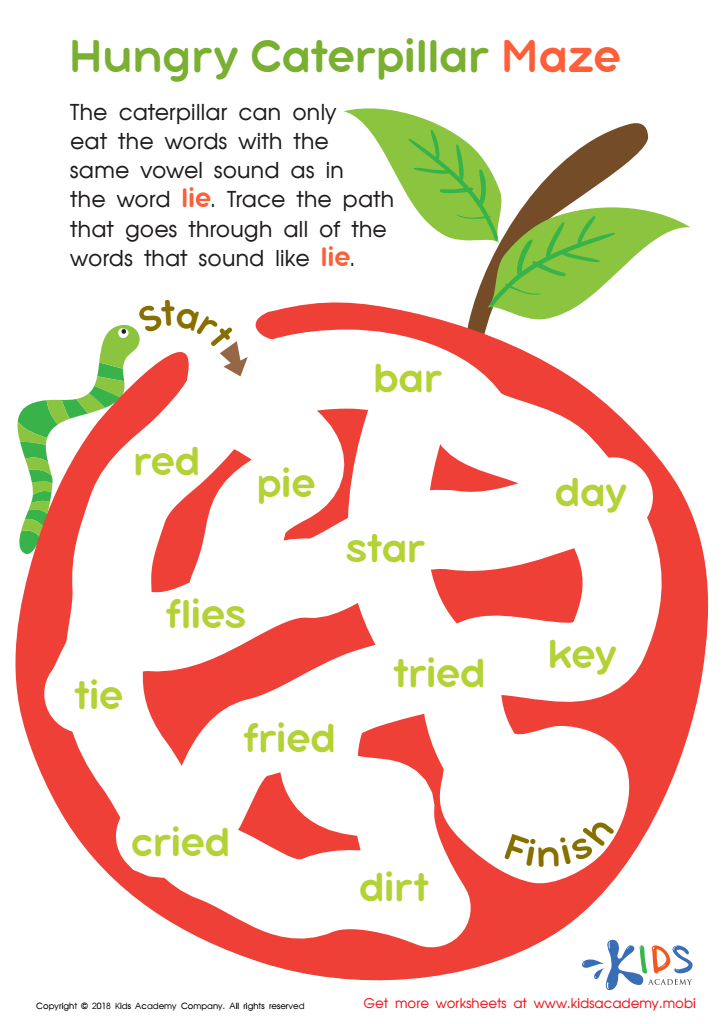
Hungry Caterpillar Maze Worksheet
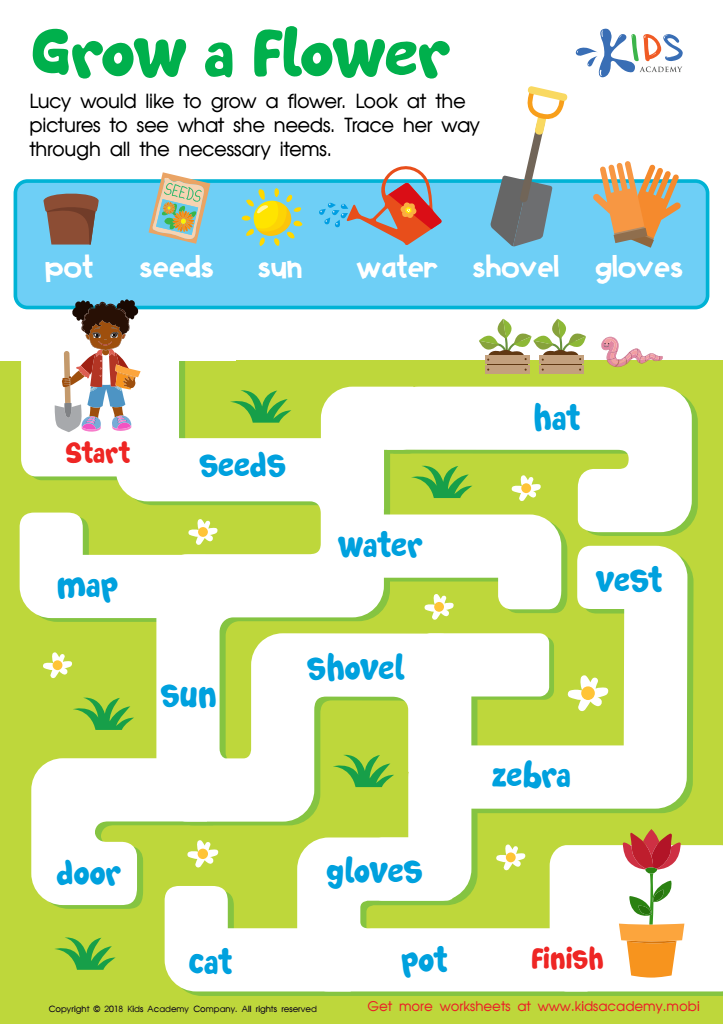
Grow a Flower Worksheet
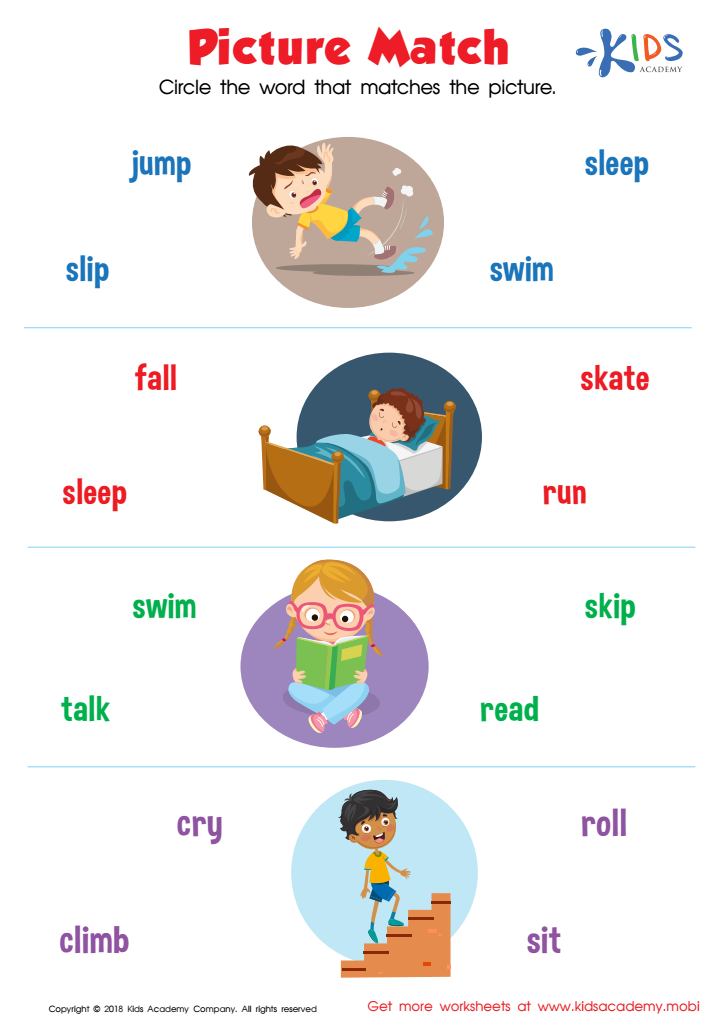
Picture Match Worksheet
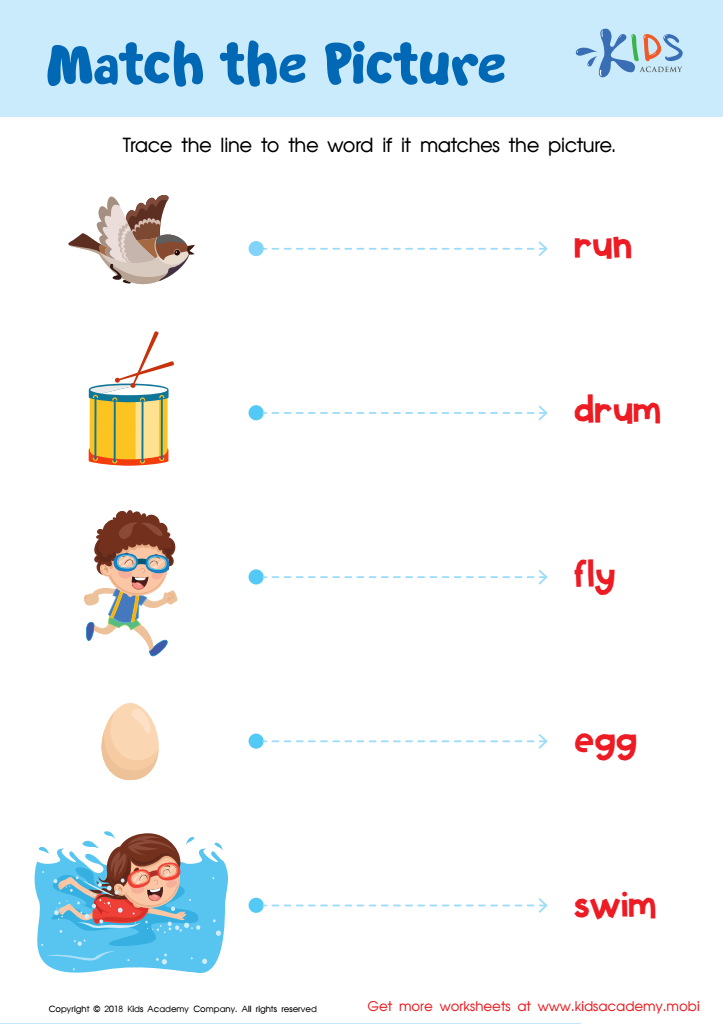
Match the Picture Worksheet
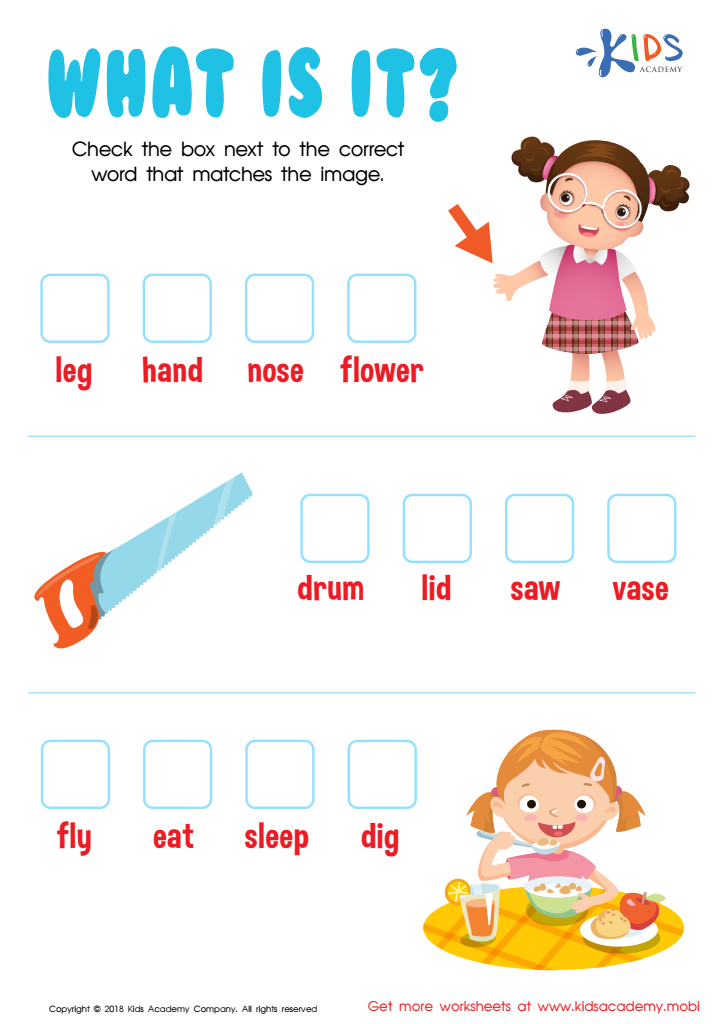
What Is It? Worksheet
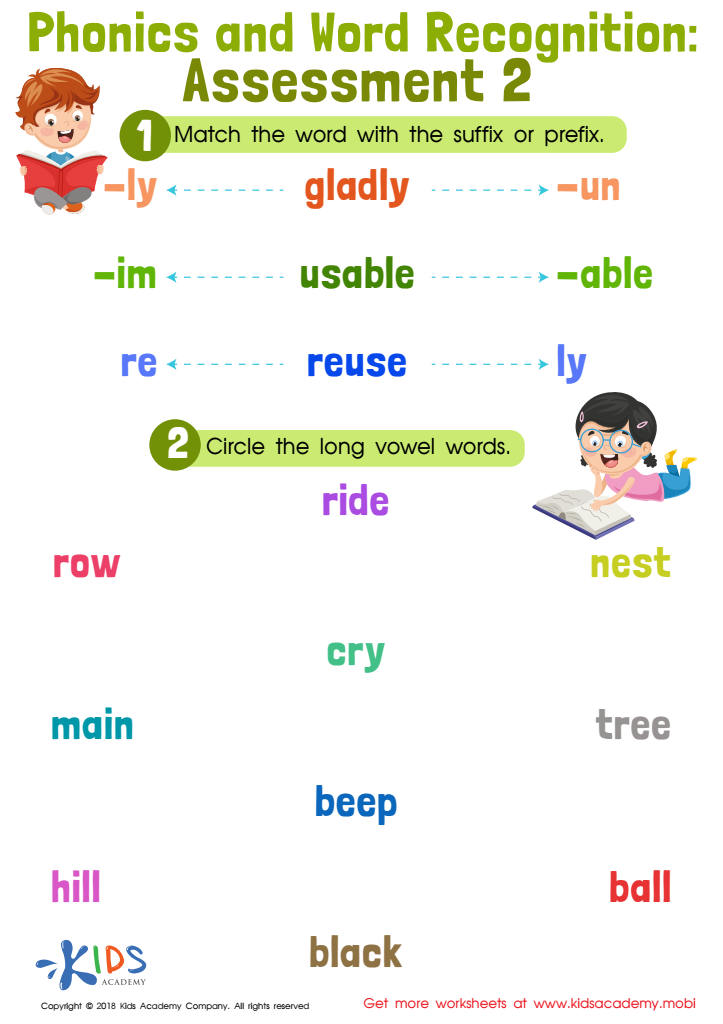
Phonics and Word Recognition: Assessment 2
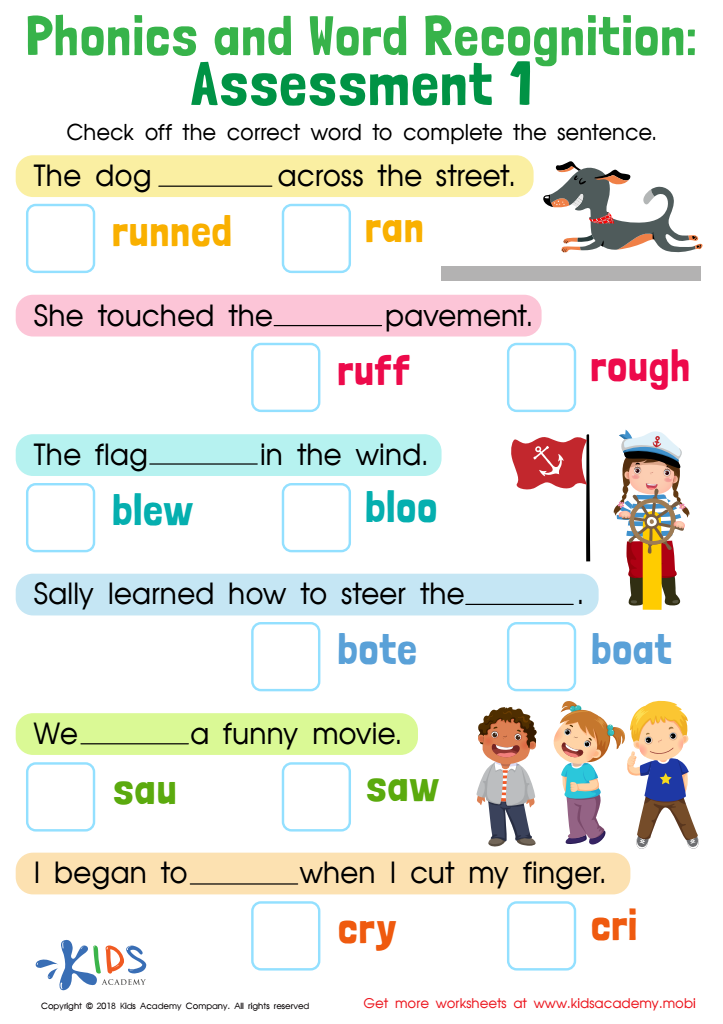
Phonics and Word Recognition: Assessment 1 Worksheet
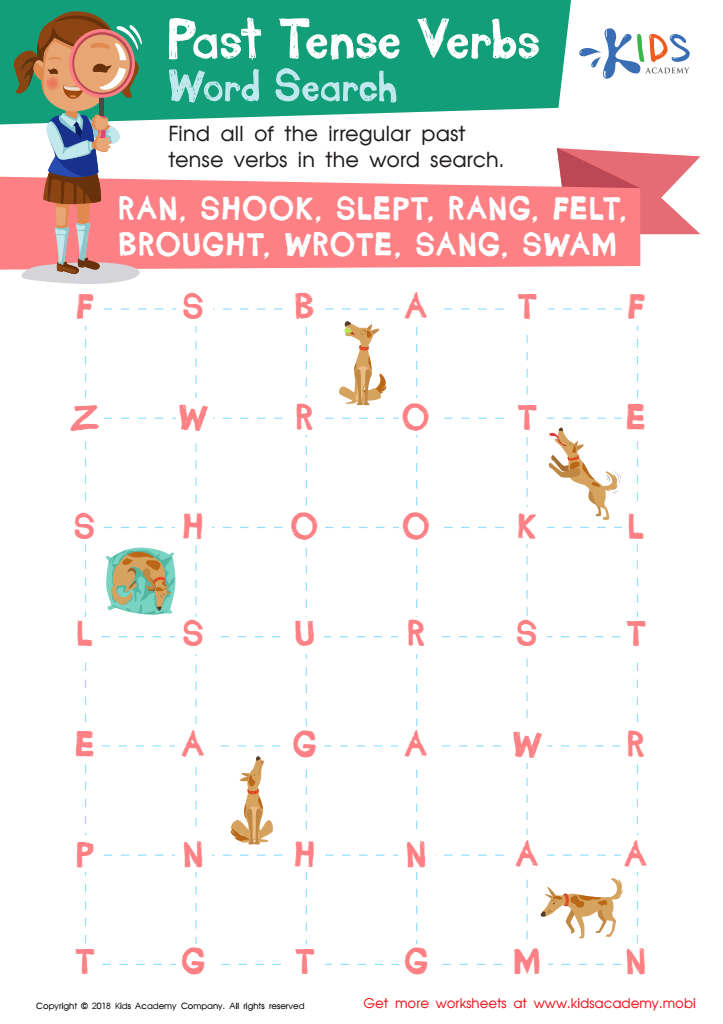
Past Tense Verbs Word Search Worksheet
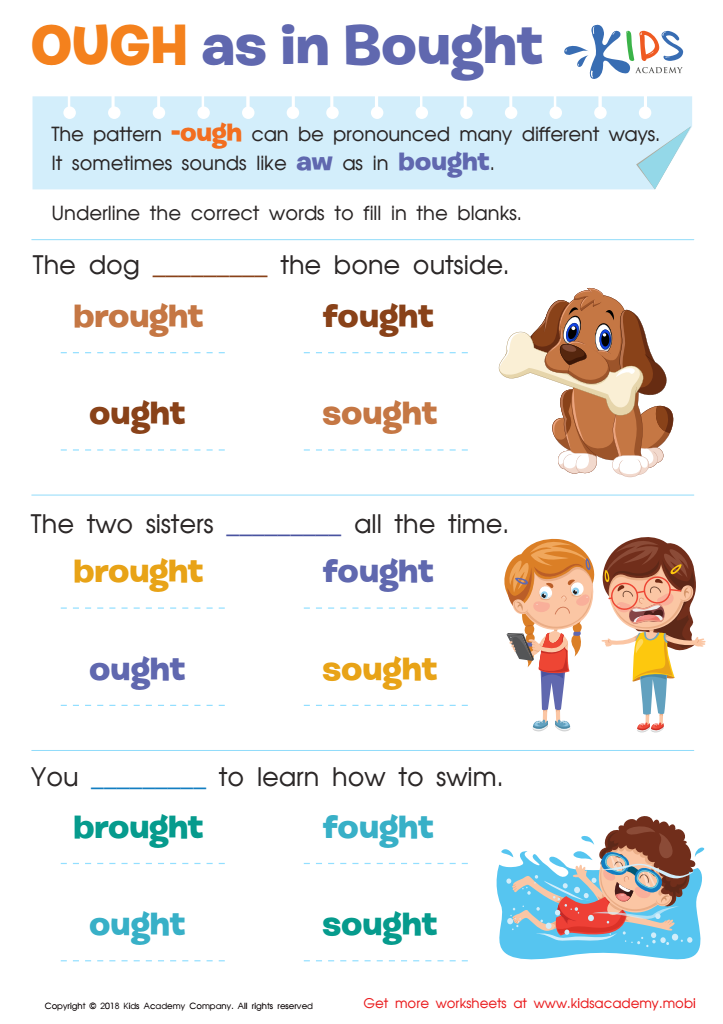
OUGH as in Bought Worksheet
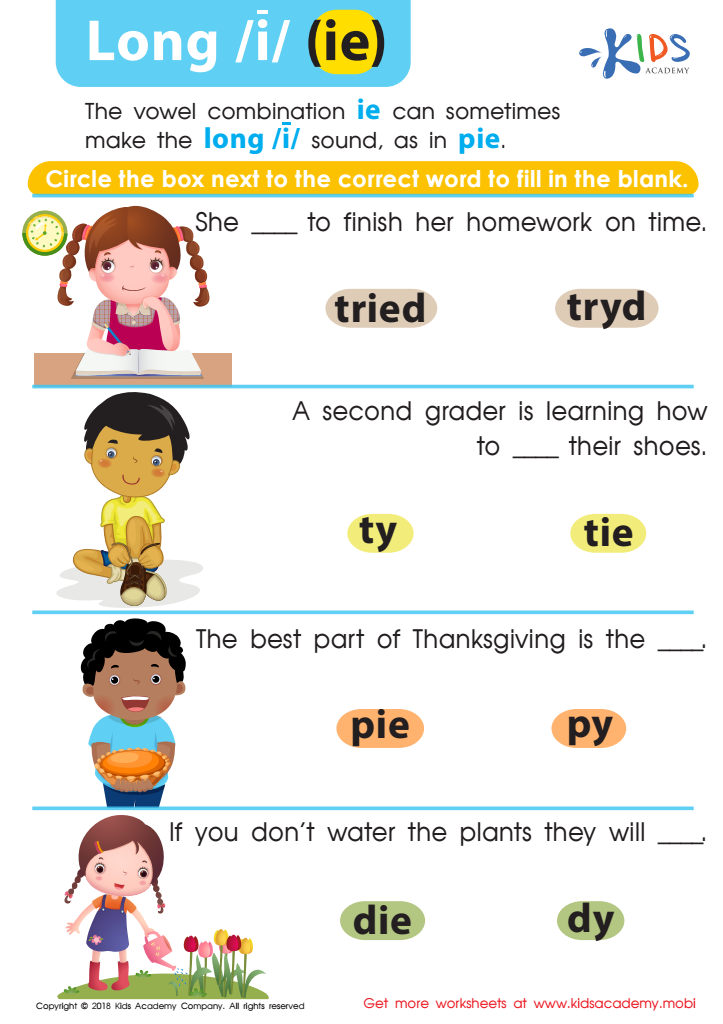
Reading: Long I and IE Worksheet
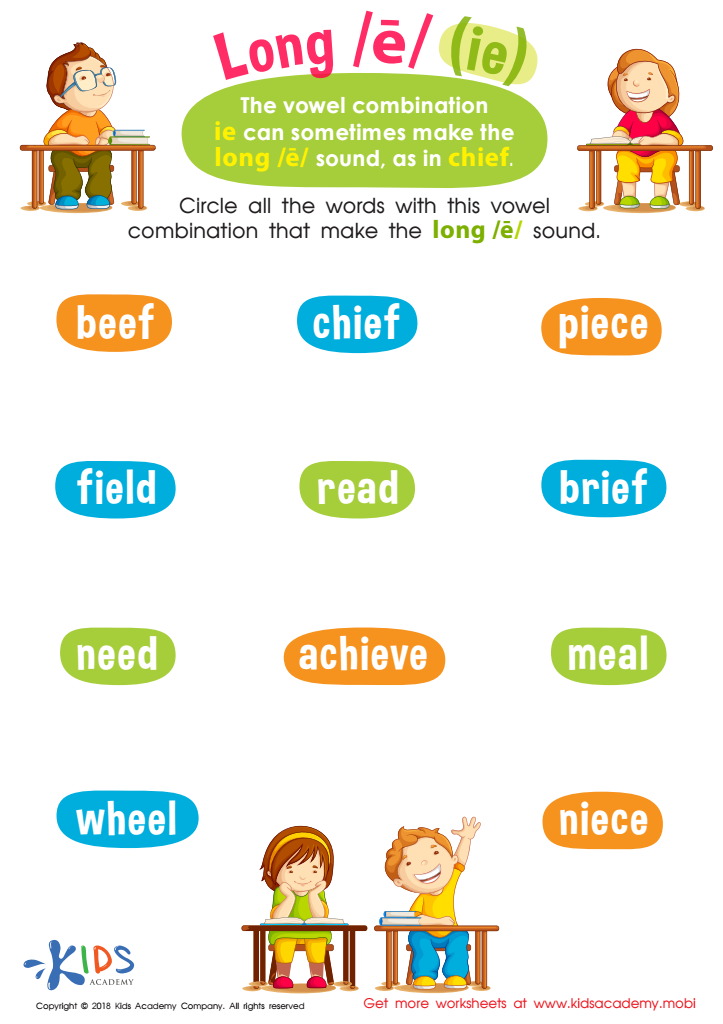
Reading: Long E and IE Worksheet
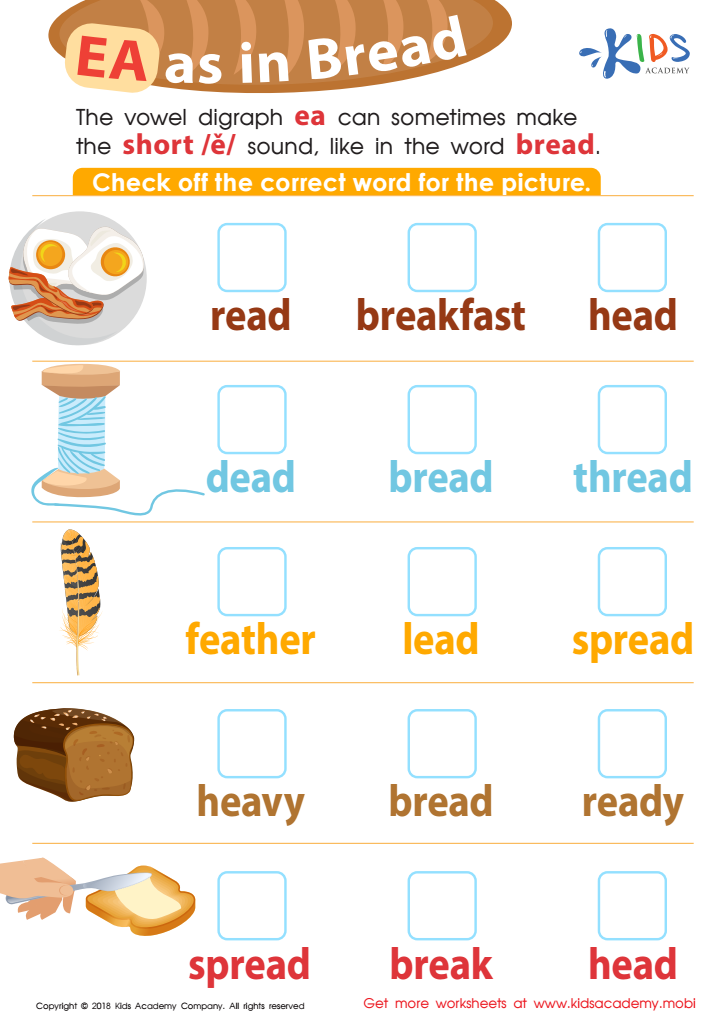
Reading: EA as in Bread Worksheet
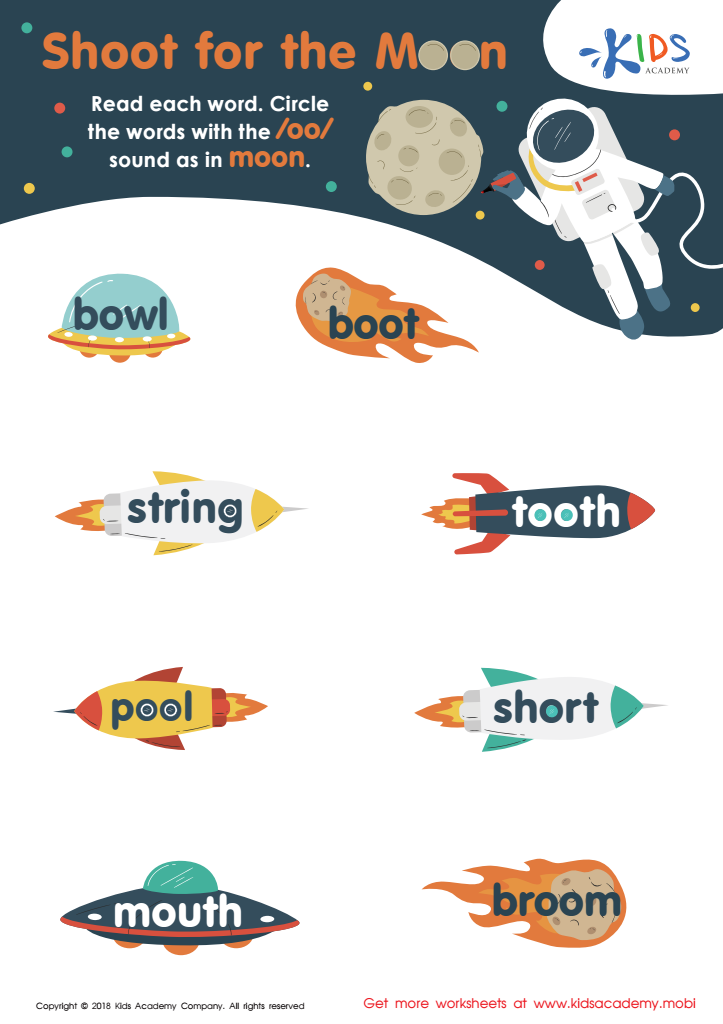
Reading: Shoot for the Moon Worksheet
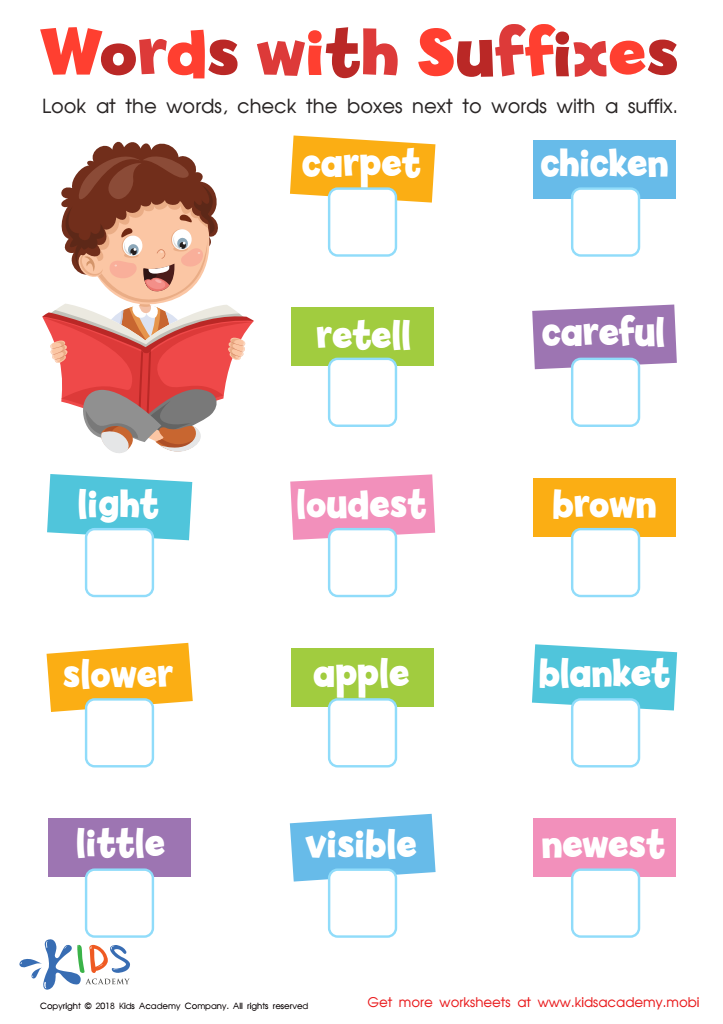
Reading: Words With Suffixes Worksheet






.jpg)
Building vocabulary for children ages 3-7 is crucial for several reasons. During these formative years, a child's brain is highly receptive to learning and absorbing new information. A robust vocabulary is essential for effective communication, allowing children to express their thoughts, needs, and feelings more easily and clearly. Moreover, a well-developed vocabulary provides a strong foundation for reading and writing skills. Children with larger vocabularies tend to read more fluently and comprehend texts better, which are critical components of academic success.
Vocabulary development also enhances cognitive abilities. When children learn new words, they also learn new concepts and ideas, which can improve their critical thinking and problem-solving skills. This stage of vocabulary building contributes significantly to a child's capacity to make sense of the world around them, enriching their experiences and broadening their horizons.
Additionally, strong vocabulary skills boost social interaction. Children who can engage in meaningful conversations often form better relationships with peers and adults, leading to improved social and emotional development.
Parents and teachers play a pivotal role in this process by engaging children in conversations, reading to them regularly, and providing varied and enriching experiences. By actively supporting vocabulary growth, they help set the stage for enduring educational and personal success.








