Filters

74 filtered results

Clear all filters
Favorites
With answer key
Interactive

74 filtered results

Difficulty Level

Grade


Check out this FREE Trial Lesson on Reading Non-Fiction for age 3-7!

Plant Life Cycle

Favorites
With answer key
Interactive
  • 3-7
  • Interactive
  • Reading Non-Fiction
Horses Worksheet
Horses Worksheet

Horses Worksheet

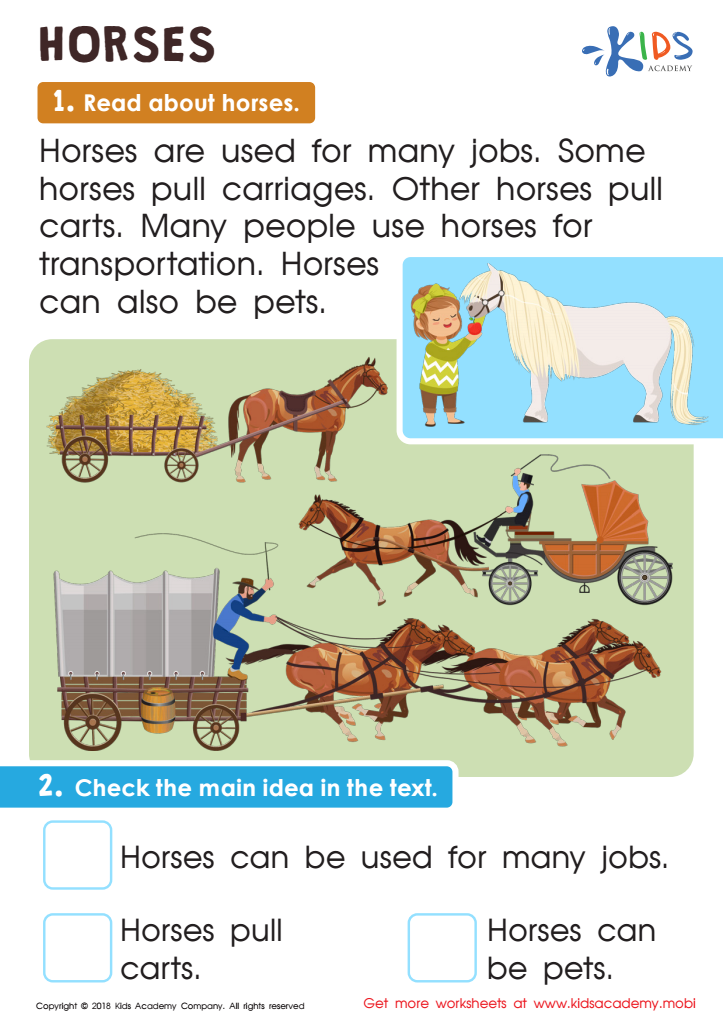
Help your little reader differentiate between details and the main idea with this fun worksheet about horses. Kids will be excited to learn about the different roles horses play. To ensure they understand the overall concept, discuss it before having them choose the right statement at the end.
Horses Worksheet
Worksheet
Dogs, Dogs Worksheet

Dogs, Dogs Worksheet

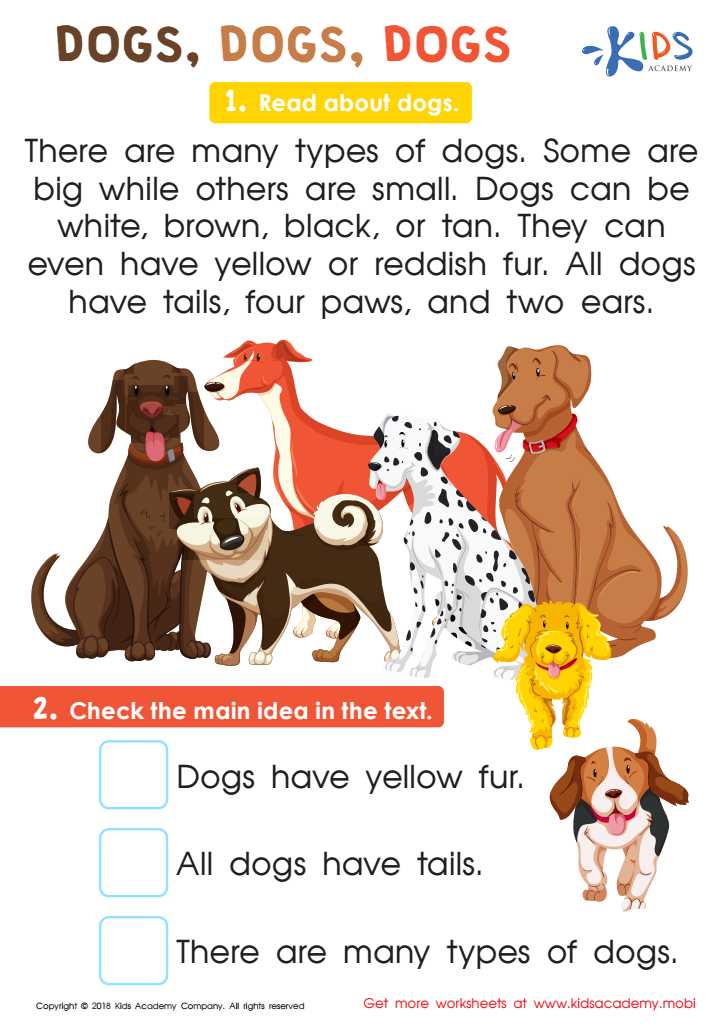
Help your child understand main ideas with this fun doggy worksheet from Kids Academy! Have them read the passage and then discuss the main idea. After that, have them read the answer choices and pick the right one. This will help your kiddo hone their critical reading comprehension skills!
Dogs, Dogs Worksheet
Worksheet
A Frog’s Life Cycle Worksheet

A Frog’s Life Cycle Worksheet

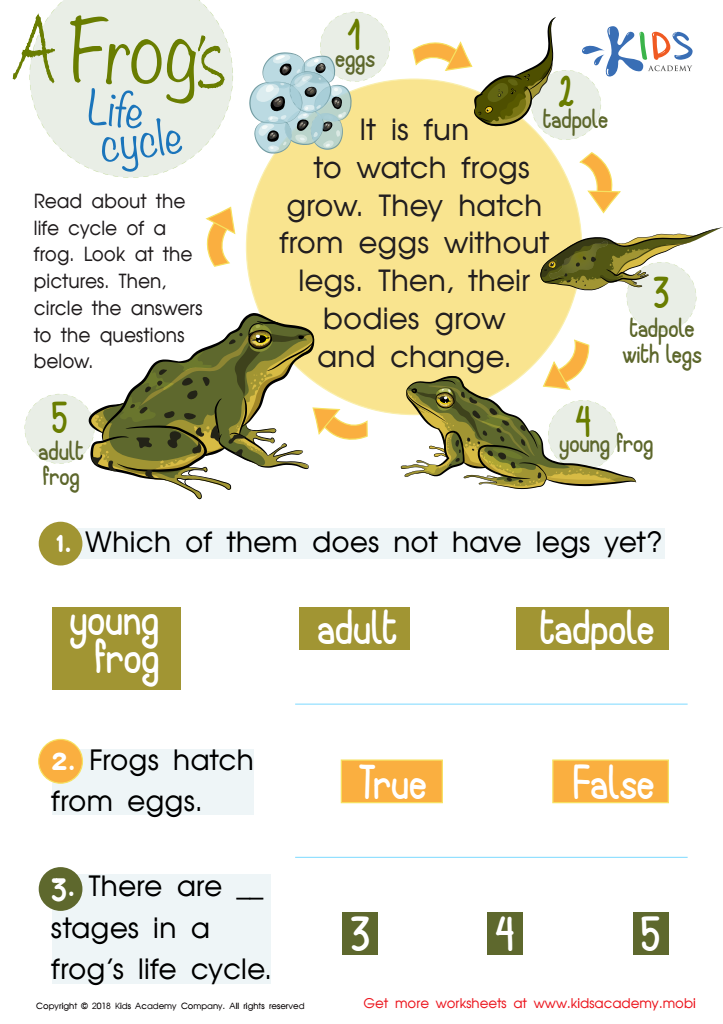
Encourage your kids to learn about frogs! Ask them to tell you some features, then read and discuss the text that explains the frog's life cycle. Show them the pictures to help them visualize it. Finish by helping them answer the questions at the bottom of the worksheet.
A Frog’s Life Cycle Worksheet
Worksheet
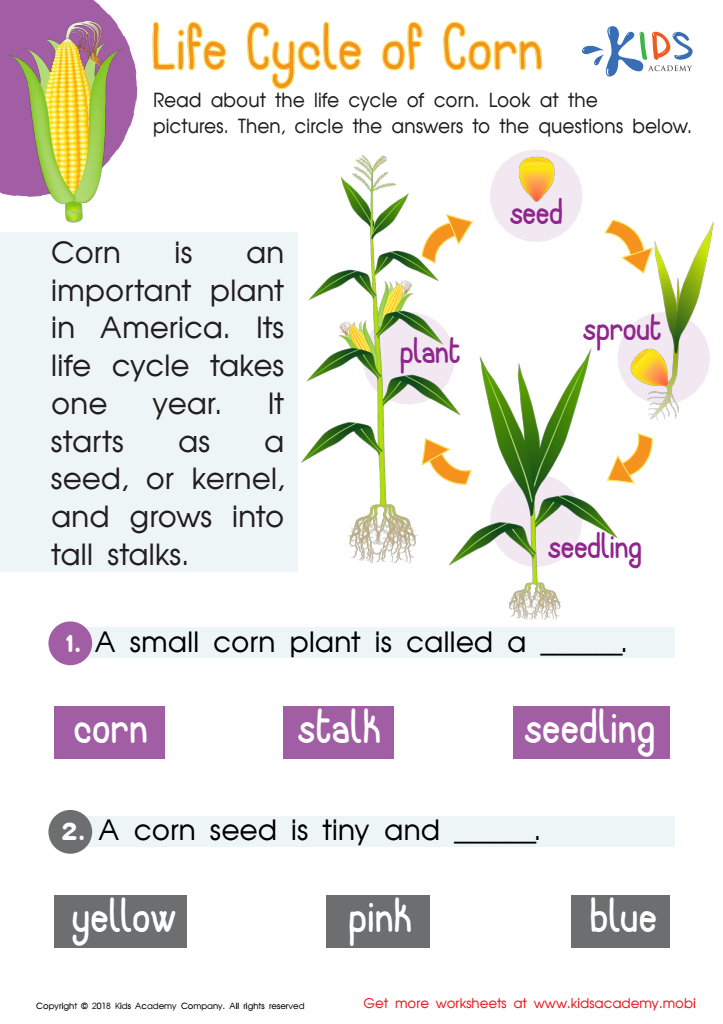
Life Cycle of Corn Worksheet

Life Cycle of Corn Worksheet

Help your kids learn about corn! Ask them what foods it's used to make. Read this worksheet and look at the pictures to learn the life cycle of corn. Then, have them circle the answers to the questions at the bottom. Corn is an important crop for farmers, used to make many foods we eat today.
Life Cycle of Corn Worksheet
Worksheet
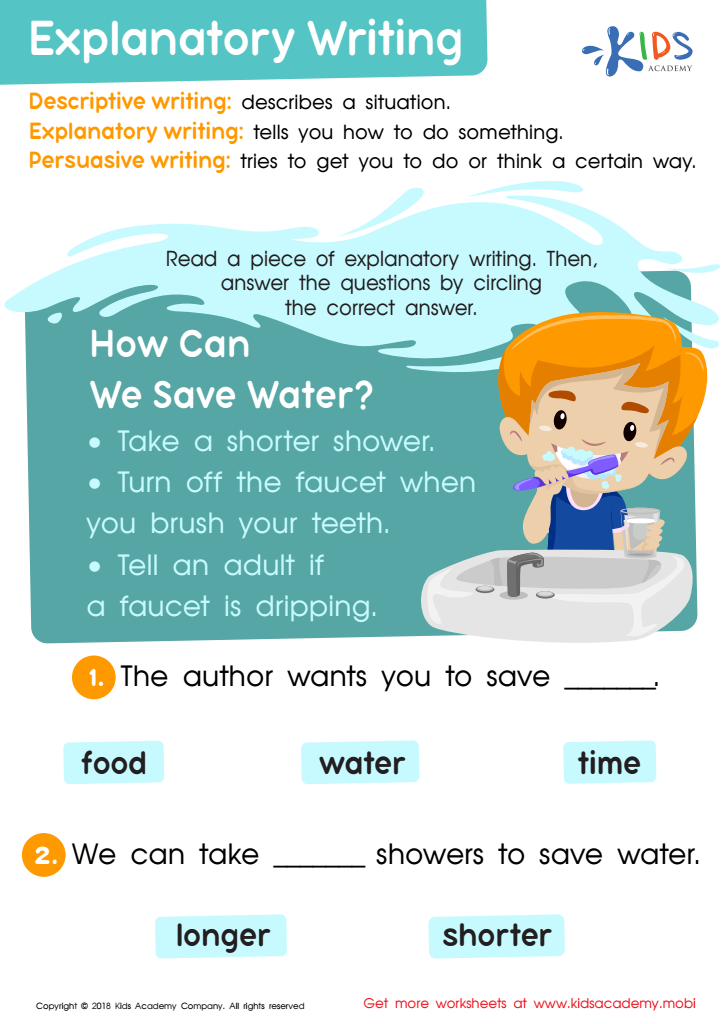
Explanatory Writing Worksheet

Explanatory Writing Worksheet

This worksheet teaches kids the three main types of writing. Descriptive writing describes a situation, explanatory writing explains how to do something, and persuasive writing is used to sway readers' opinions. Read the text and help your kids answer the questions by circling the right answer.
Explanatory Writing Worksheet
Worksheet
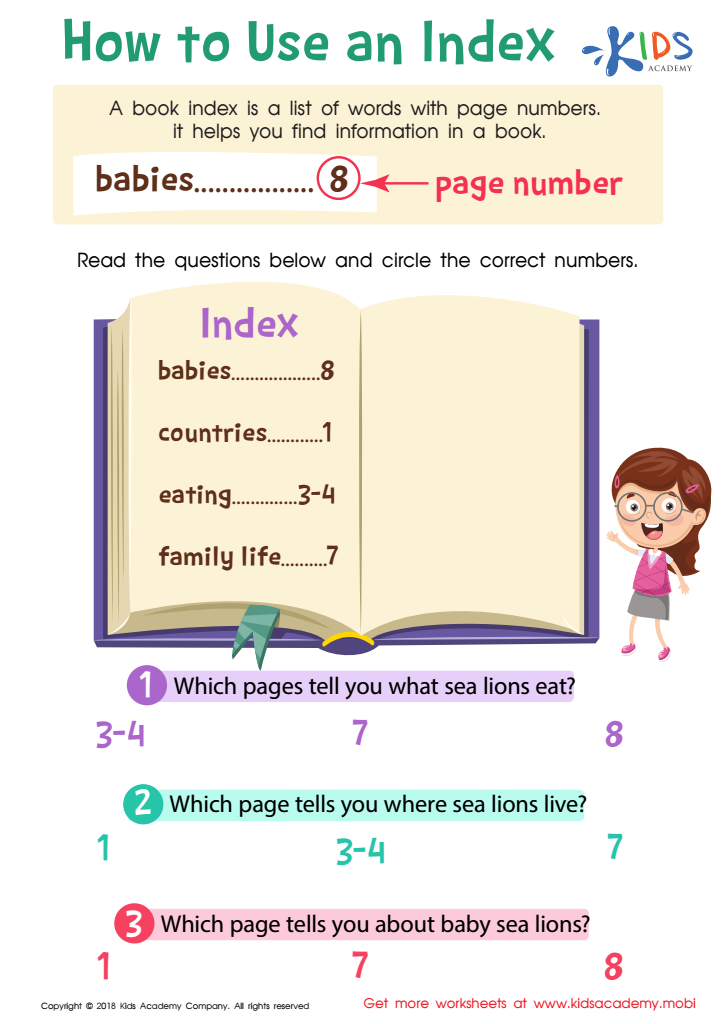
How Use Index Worksheet

How Use Index Worksheet

Hand your kids a book, point out the index and explain that it's a list of words with page numbers. Ask them to look at the index in the worksheet and circle the correct number to the questions. Every book must have an index to help readers find chapters or information they need.
How Use Index Worksheet
Worksheet
Using Subheadings Worksheet

Using Subheadings Worksheet

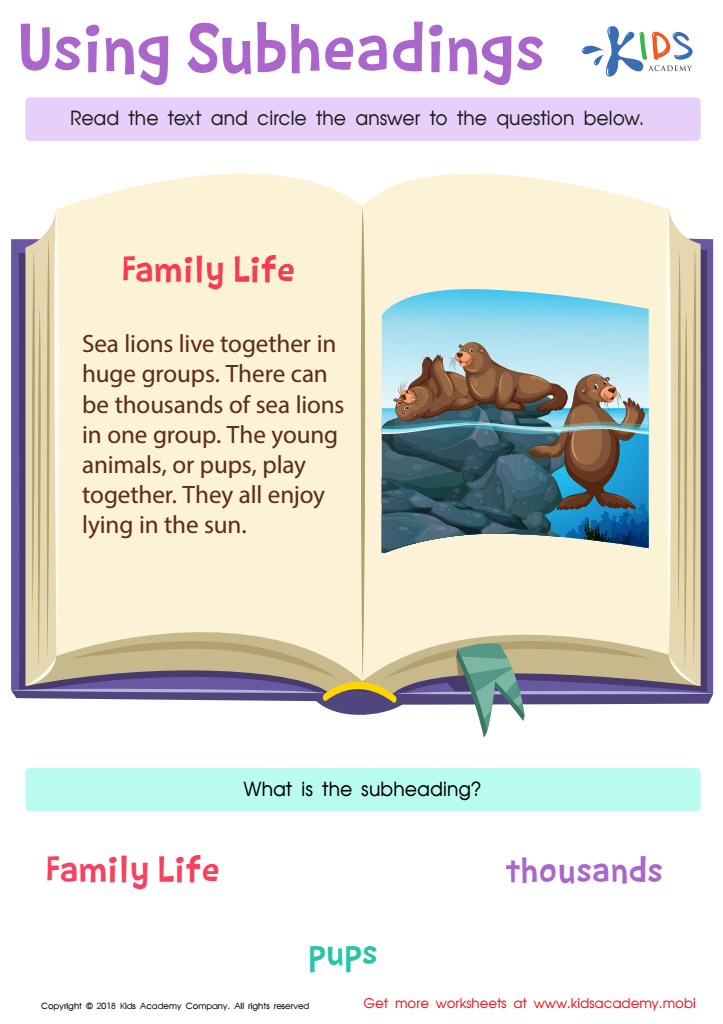
Writers must follow many rules to make their work organized and easier to read. Subheadings are usually in bold font and centered at the top of the page. Read the text to your kids and have them circle the correct answer.
Using Subheadings Worksheet
Worksheet
Starfish: True or False Worksheet

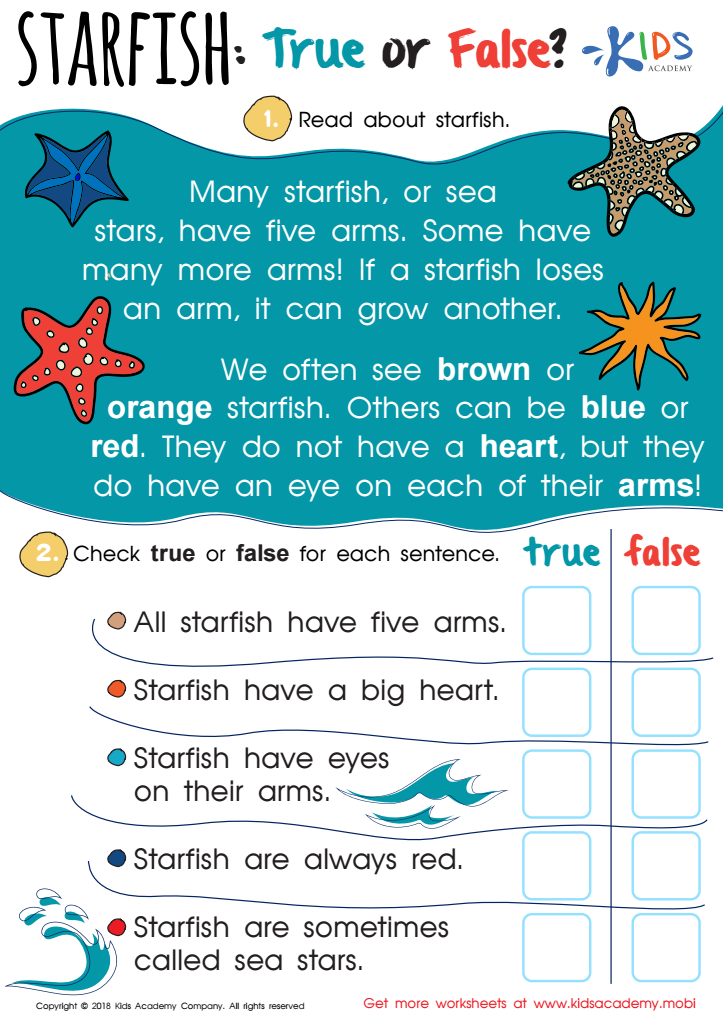
Starfish: True or False Worksheet

This worksheet helps kids learn more about starfish. Ask them what they know and read the text; it explains the creature's arms, color, and sight. At the end, read the questions and help them check true or false for each sentence.
Starfish: True or False Worksheet
Worksheet
More Octopus Facts Worksheet

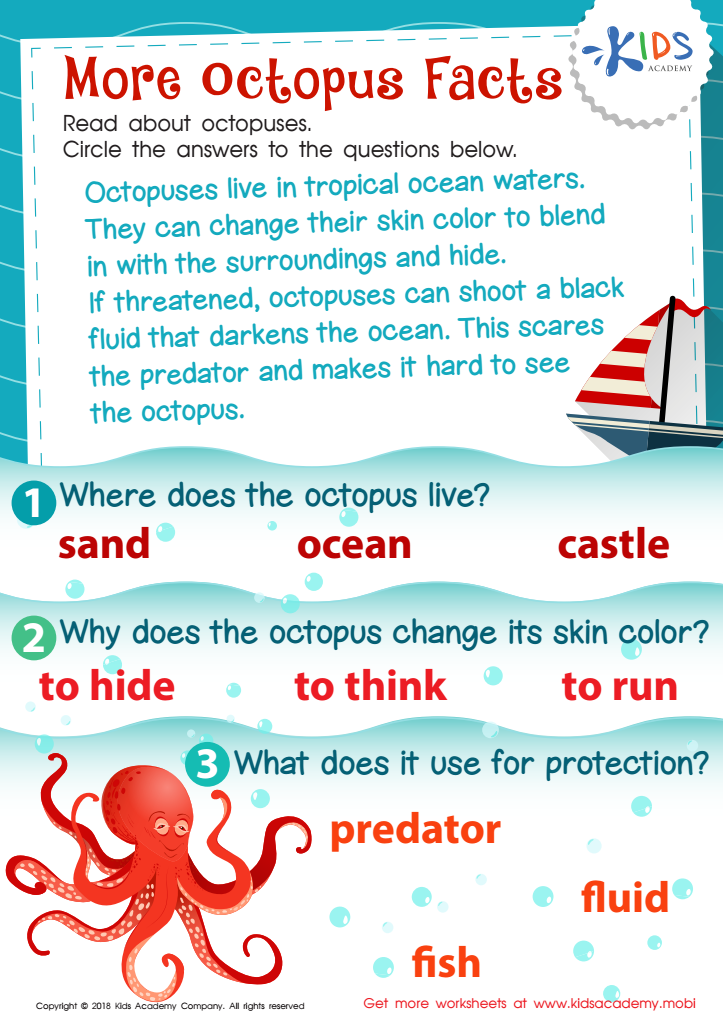
More Octopus Facts Worksheet

This worksheet will help your kids learn about the Octopus. Read the text carefully and have kids read with you. Now, ask them questions based on it and help them answer them by circling the right choices. Teaching your kids facts about animals will help them in the long run.
More Octopus Facts Worksheet
Worksheet
Visit an Aquarium Worksheet

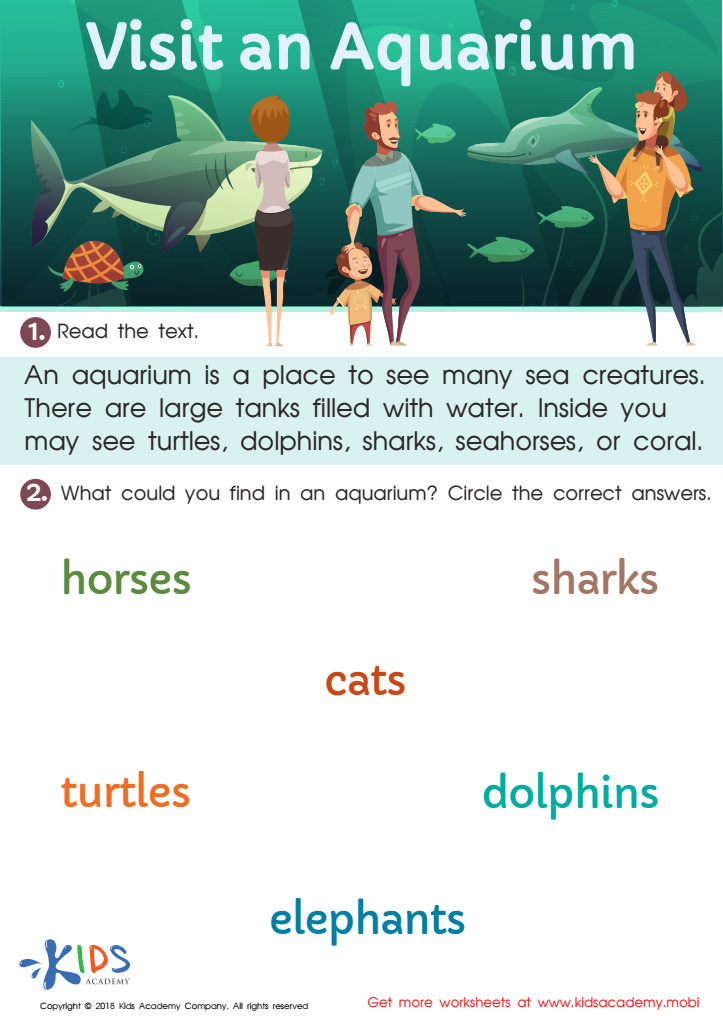
Visit an Aquarium Worksheet

Have your kids ever been to an aquarium? It's a great place to see a variety of sea creatures, like turtles, dolphins, sharks and fish. If they're fascinated by sea life, this worksheet is perfect! Help them circle the aquarium animals among the words in the picture.
Visit an Aquarium Worksheet
Worksheet
Assessment: First Thanksgiving Worksheet

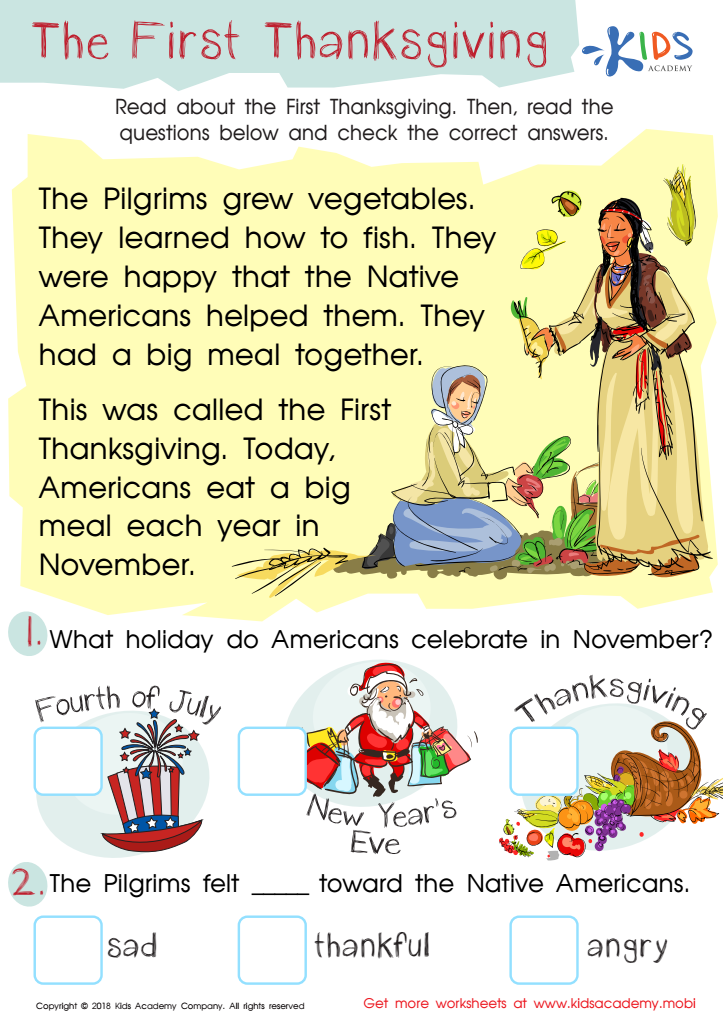
Assessment: First Thanksgiving Worksheet

When the Pilgrims arrived in America in 1620, they met the Native Americans and formed a pact to live in harmony. The Native Americans taught the Pilgrims how to survive in the new land, which helped them celebrate the First Thanksgiving. Read this text to your children and help them answer the questions below.
Assessment: First Thanksgiving Worksheet
Worksheet
The Native Americans Worksheet

The Native Americans Worksheet

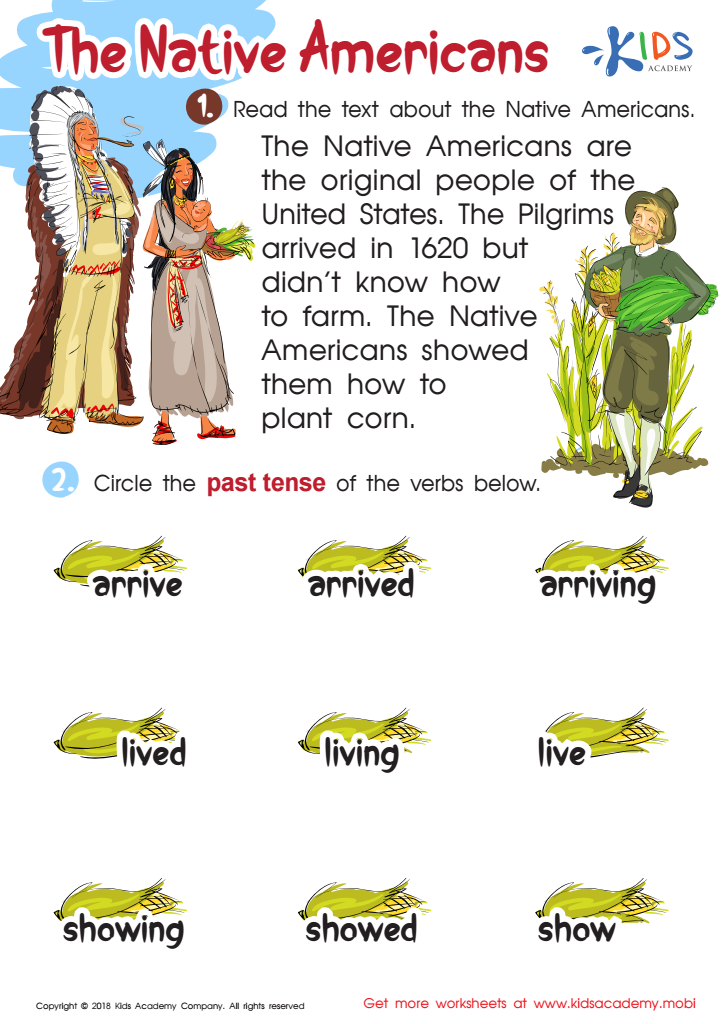
Ask your students who the Native Americans are and give them a history lesson if needed. Read the text about the Native Americans and circle the past tense verbs. The text describes events that occurred when the first Pilgrims arrived in America.
The Native Americans Worksheet
Worksheet
Descriptive Writing Worksheet: Part 1

Descriptive Writing Worksheet: Part 1

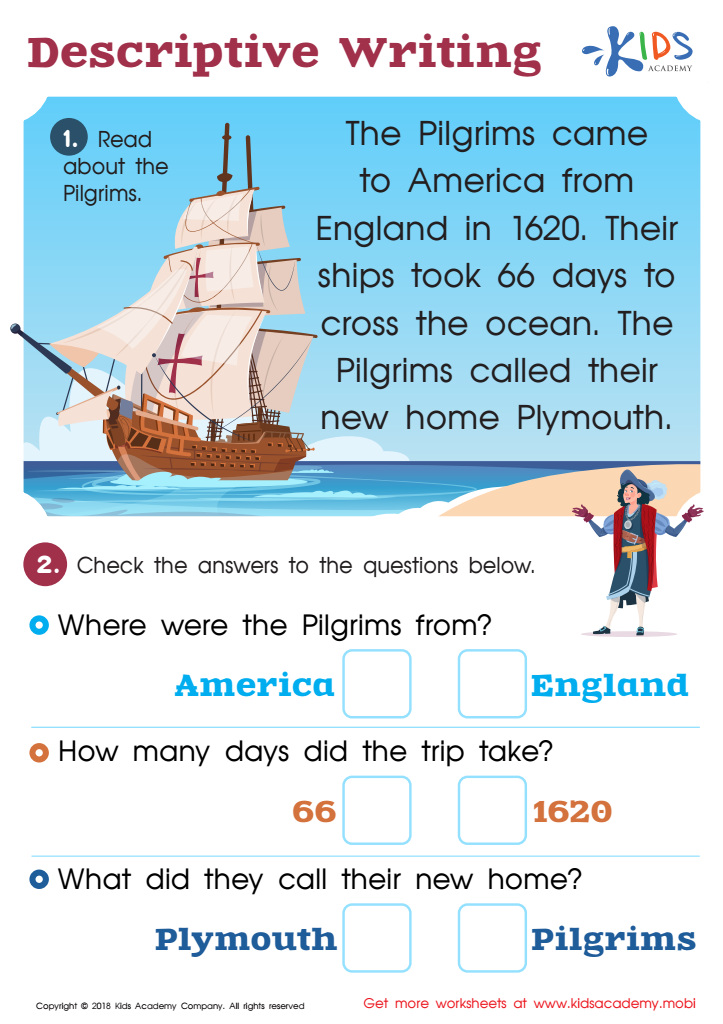
Kids, let's learn about the Pilgrims! Read this short text about their voyage to America, then answer the questions at the bottom. Writing is an art: expressing emotions in artful words and sentences. Some writing informs, others describe. Here, discover the Pilgrims' journey!
Descriptive Writing Worksheet: Part 1
Worksheet
Benjamin Franklin Worksheet

Benjamin Franklin Worksheet

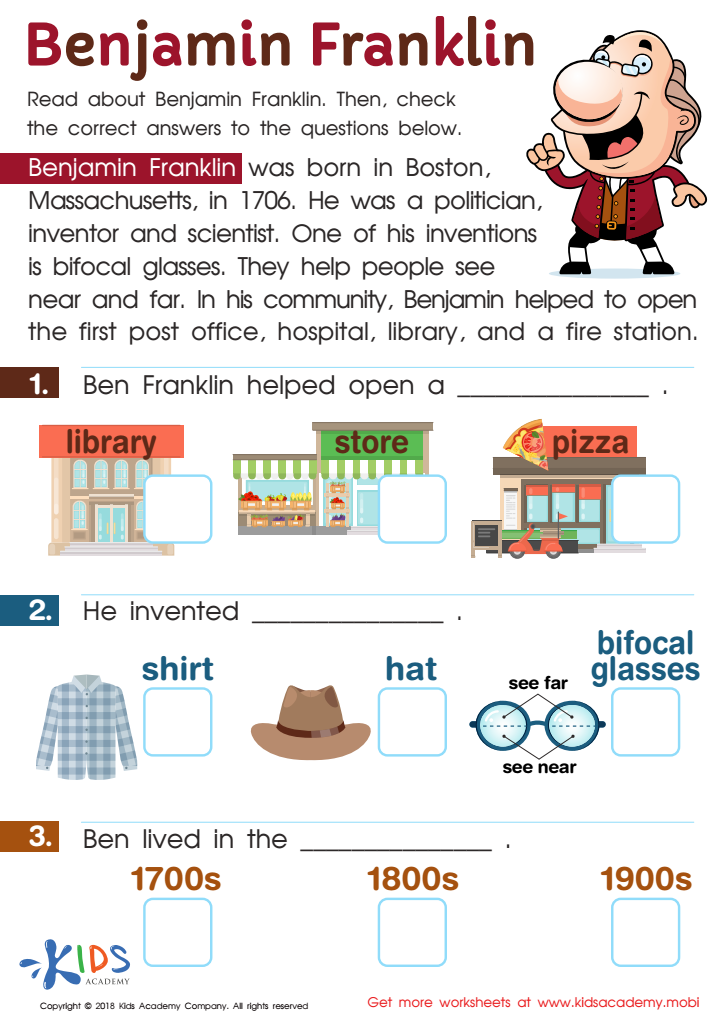
Introduce your kids to one of history's most important figures - Benjamin Franklin! Tell them all about his remarkable contributions to the world and then use this worksheet to teach them even more. Read the text to them and check their answers against the questions afterwards.
Benjamin Franklin Worksheet
Worksheet
Ben Franklin Part 2 Worksheet

Ben Franklin Part 2 Worksheet

History is filled with great figures, like Benjamin Franklin. Let your kids in on the legacy by introducing them to the founder of the US fire department, diplomat, and inventor. Then, use a worksheet to have them fill in the blanks with the correct word to teach them more. Read the text, then read the sentences and have them circle the missing word.
Ben Franklin Part 2 Worksheet
Worksheet
More About Dinosaurs Worksheet
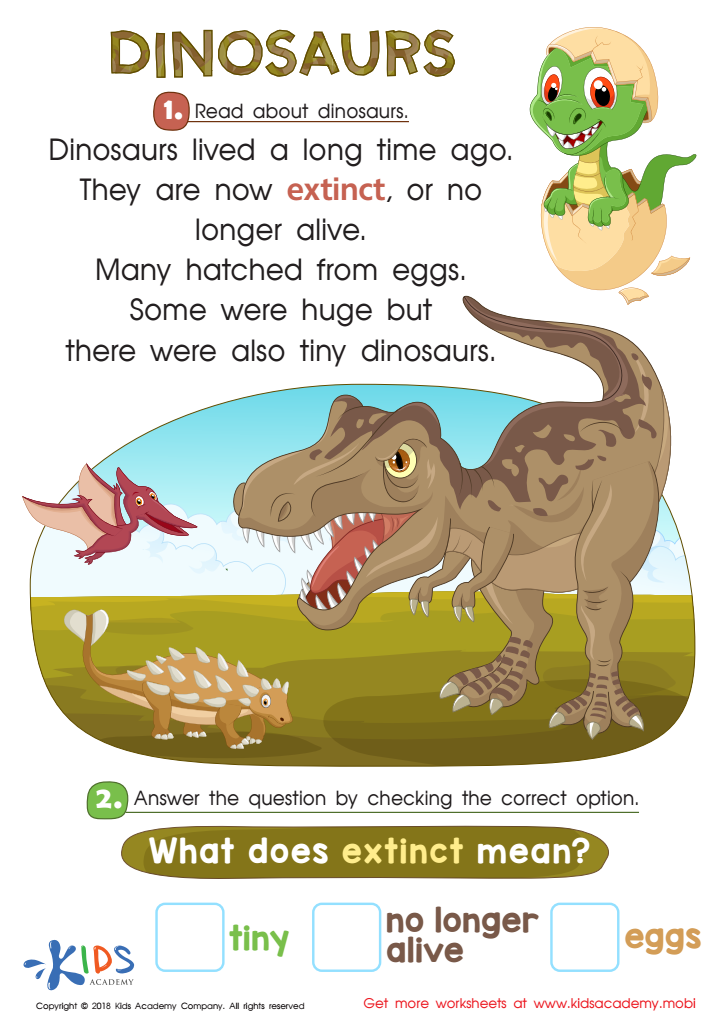

More About Dinosaurs Worksheet

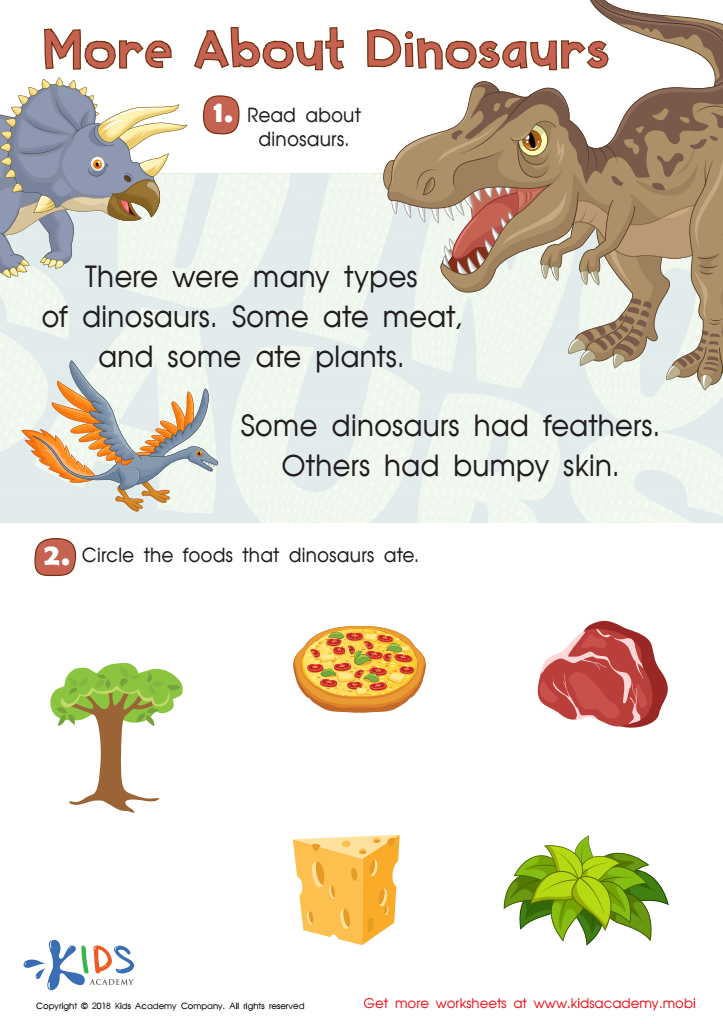
Dinosaurs captivate us with the unknown. Long gone before us, they left behind clues in their bones. Kids love to explore and uncover the secrets of these extinct creatures. Read the facts in this worksheet to them and help them answer the question at the end. Let their imaginations soar!
More About Dinosaurs Worksheet
Worksheet
Dinosaurs Worksheet
Dinosaurs Worksheet
Dinosaurs Worksheet

Kids are often fascinated by dinosaurs, creatures that roamed the Earth before man. Sadly, they are now extinct. To learn more, read facts on this worksheet to your kids and help them answer the question at the end by selecting the correct option.
Dinosaurs Worksheet
Worksheet
More About the White House Worksheet

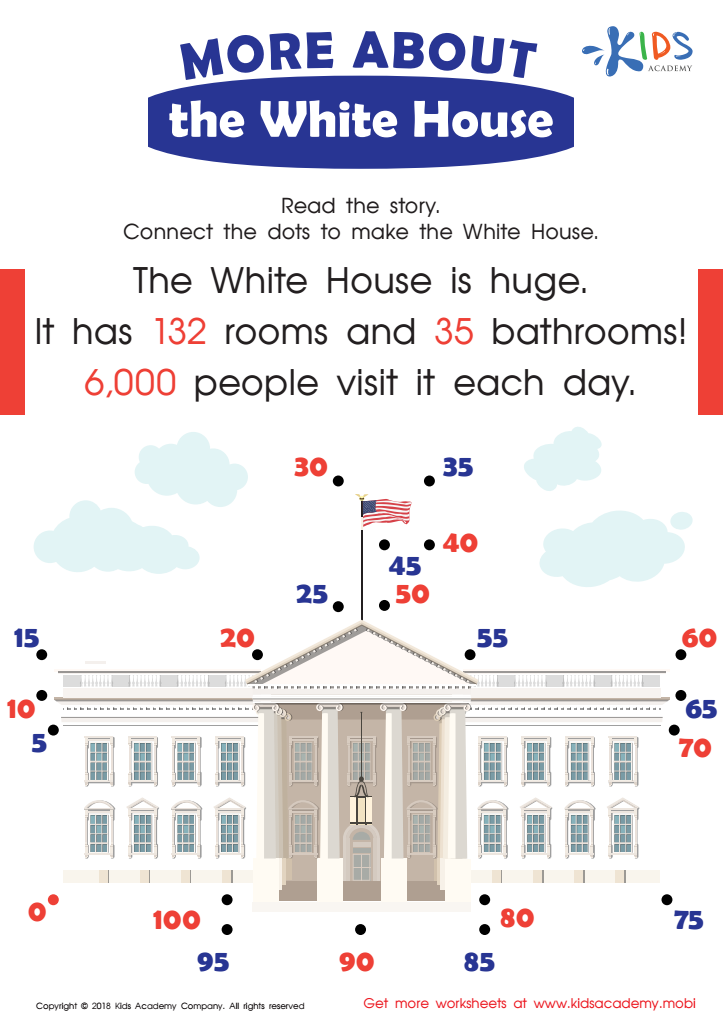
More About the White House Worksheet

The President of the United States lives in the White House, a huge building with 132 rooms and 35 bathrooms. It's home to the President's family, plus 6,000 visitors every day, and full of interesting stories. Teach your kids about it with this printout; help them connect the dots and learn more about this famous home. Learning never ends!
More About the White House Worksheet
Worksheet
White House Worksheet
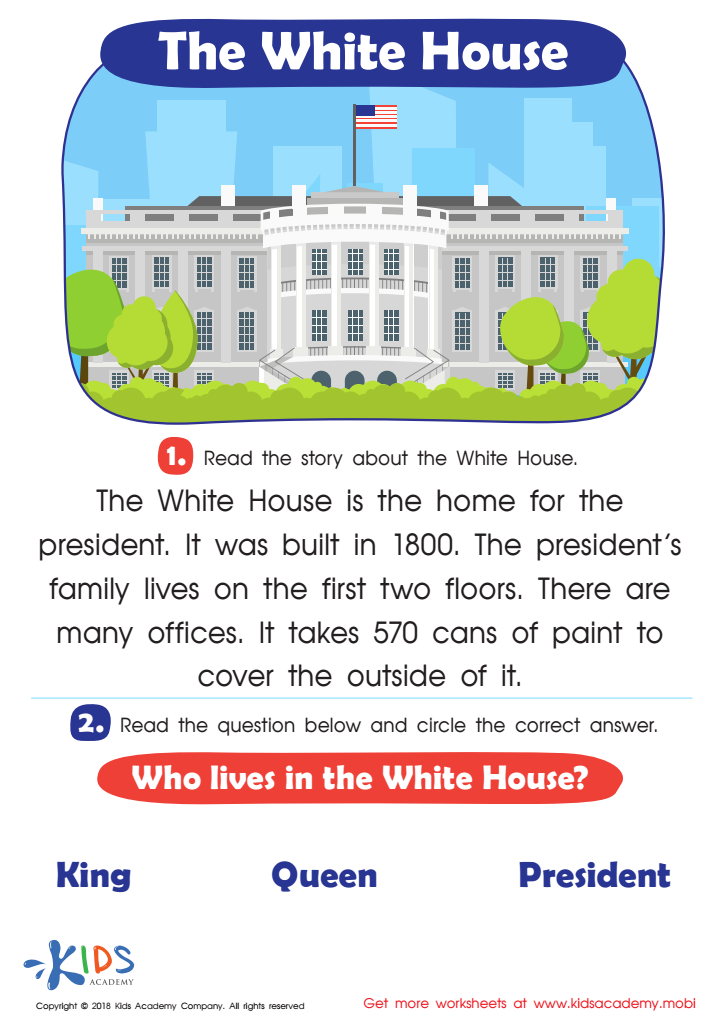
White House Worksheet

Read stories to your students to teach them new words, and about the White House. Before reading, ask your kindergartners what they already know. Then read short sentences for them to learn about the building the U.S President resides in.
White House Worksheet
Worksheet
More About Abraham Lincoln Worksheet
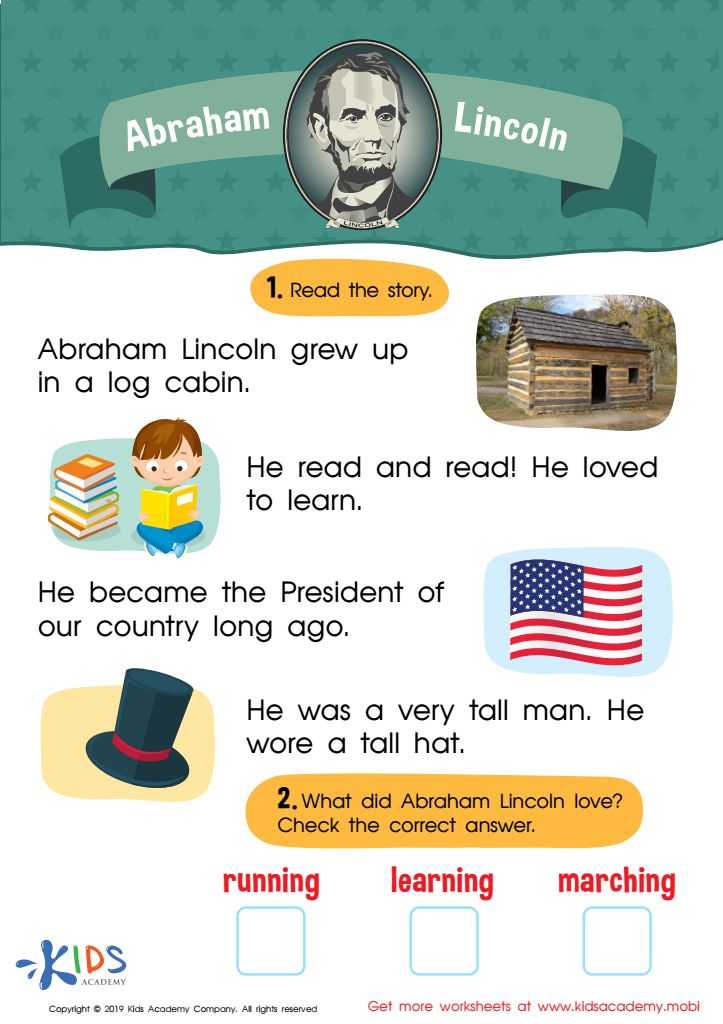

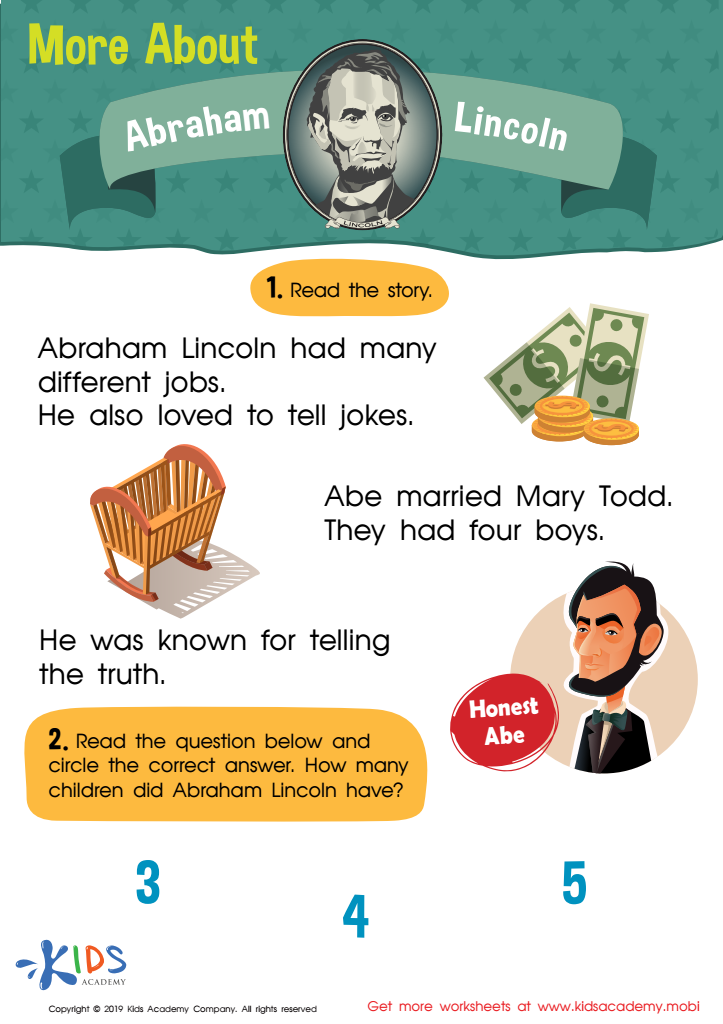
More About Abraham Lincoln Worksheet

Read the short story in the worksheet with your kids. Show them the pictures representing the sentences, then ask the questions and help them circle the correct answer. Make sure they are actually paying attention and learning from the stories.
More About Abraham Lincoln Worksheet
Worksheet
Abraham Lincoln Worksheet
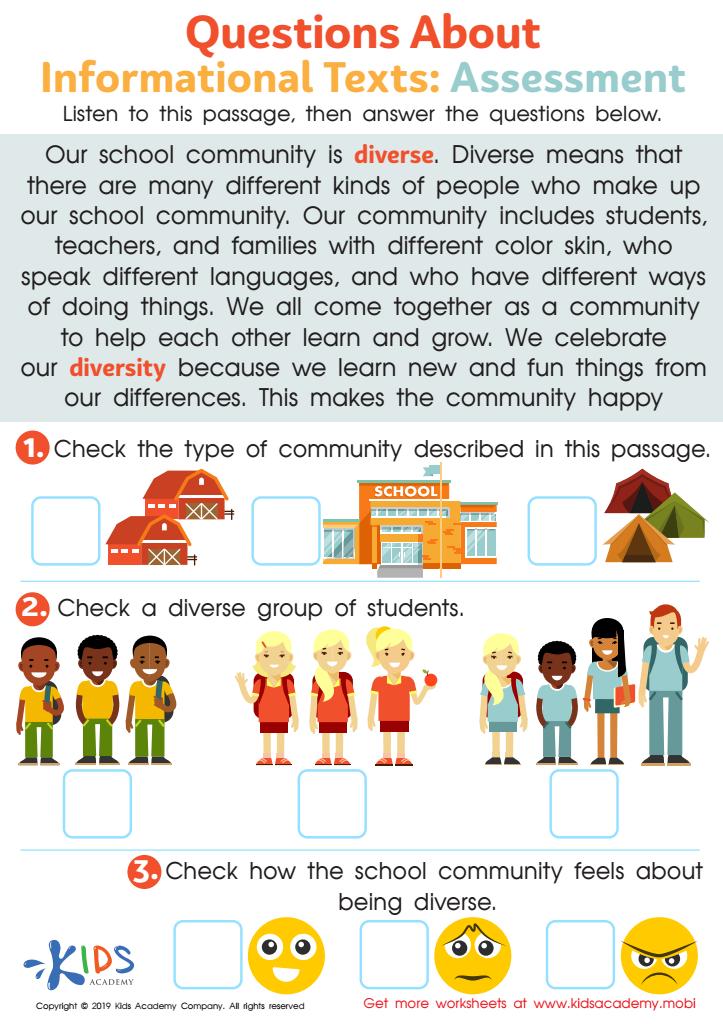
Abraham Lincoln Worksheet

Let your kids listen to interesting stories while having fun! Read the short story in this worksheet, point to the picture representing each sentence, then ask the questions and check the answers. Doing this will help your children learn new things and build their vocabulary.
Abraham Lincoln Worksheet
Worksheet
Questions About Informational Texts: Assessment 1 Worksheet
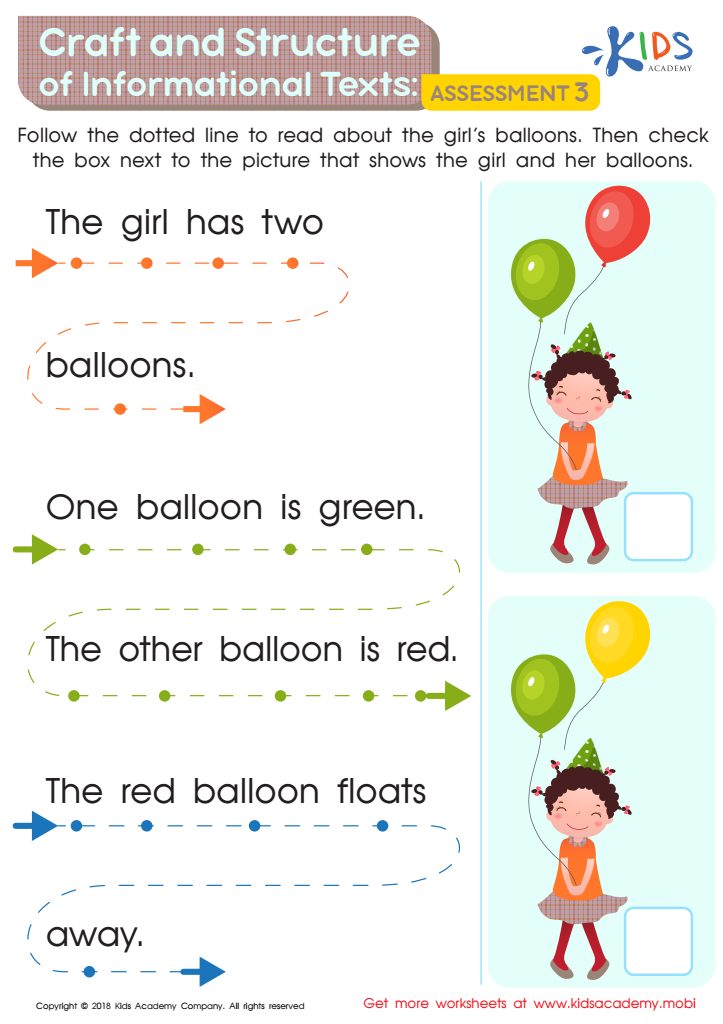

Questions About Informational Texts: Assessment 1 Worksheet

Ask your students: What comes to mind when we talk about a community? What different habits do people practice? What do fellow students do that seems strange? Read this passage aloud to your kindergartners and make sure they understand it. Then, answer the questions at the bottom of the page. (80 words)
Questions About Informational Texts: Assessment 1 Worksheet
Worksheet
Craft and Structure of Informational Texts: Assessment 3 Worksheet
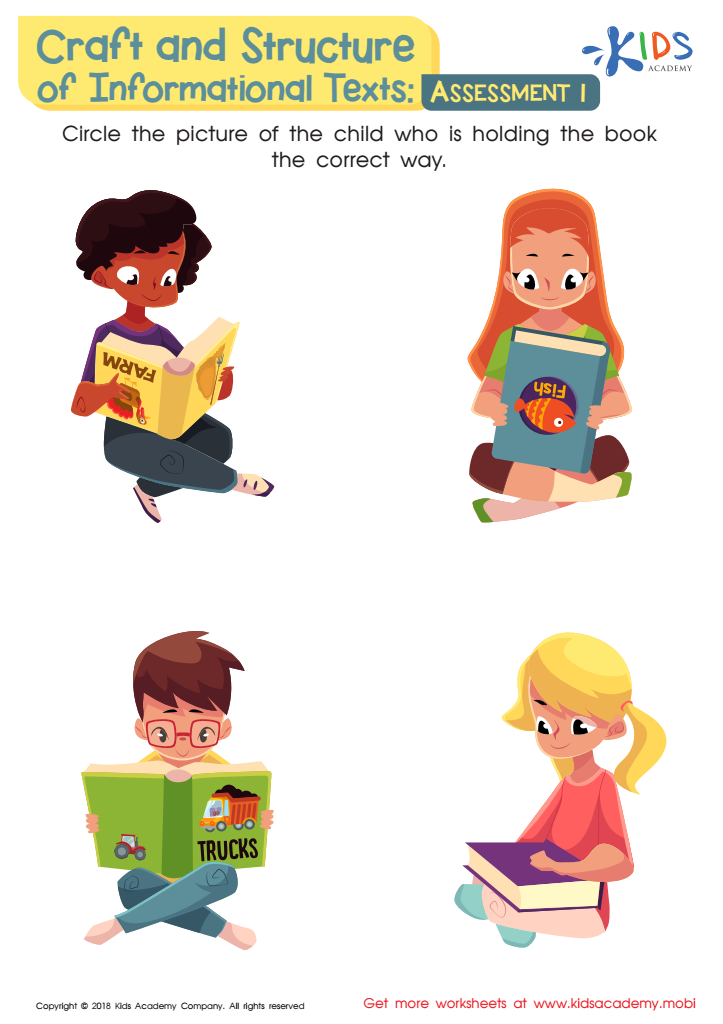

Craft and Structure of Informational Texts: Assessment 3 Worksheet

Test your beginning reader's understanding of left-to-right directionality and use of details from informational texts with this fun worksheet. Follow the traceable paths to find the right picture for each sentence. This will help your child gain confidence and be successful as a reader.
Craft and Structure of Informational Texts: Assessment 3 Worksheet
Worksheet
Craft and Structure of Informational Texts: Assessment 1 Worksheet


Craft and Structure of Informational Texts: Assessment 1 Worksheet

Young children need to know how to hold books correctly when they start reading. This assessment worksheet helps them show they know what to do. They'll look at the pictures and circle the child who is holding the book correctly. It's a great way to tell they are well on their way to becoming lifetime readers!
Craft and Structure of Informational Texts: Assessment 1 Worksheet

Worksheet


Reading non-fiction to children aged 3-7 is vital for their cognitive and social development. At this early stage, children are naturally curious about the world around them. Non-fiction books satisfy this curiosity by introducing them to real-life concepts, facts, and ideas. This genre not only broadens their knowledge base but also enhances critical thinking skills as they begin to understand how information is presented and how it connects to their experiences.

Furthermore, non-fiction helps build essential vocabulary and language skills. As children encounter new words related to topics like animals, space, or nature, they develop a richer language repertoire that aids in both verbal and written communication. Non-fiction reading promotes comprehension skills as young readers learn to identify main ideas, supporting details, and facts.

For parents and teachers, incorporating non-fiction reading into a child's routine fosters a love for learning and instills a desire to explore more about the world. It can also spark interest in subjects that can lead to future educational pursuits. In nurturing well-rounded learners, we prepare children not just for academic success, but for informed and engaged citizenship, fostering a lifelong passion for discovery and knowledge.