Life Science Worksheets for Ages 3-7 - Page 2
29 filtered results
-
From - To
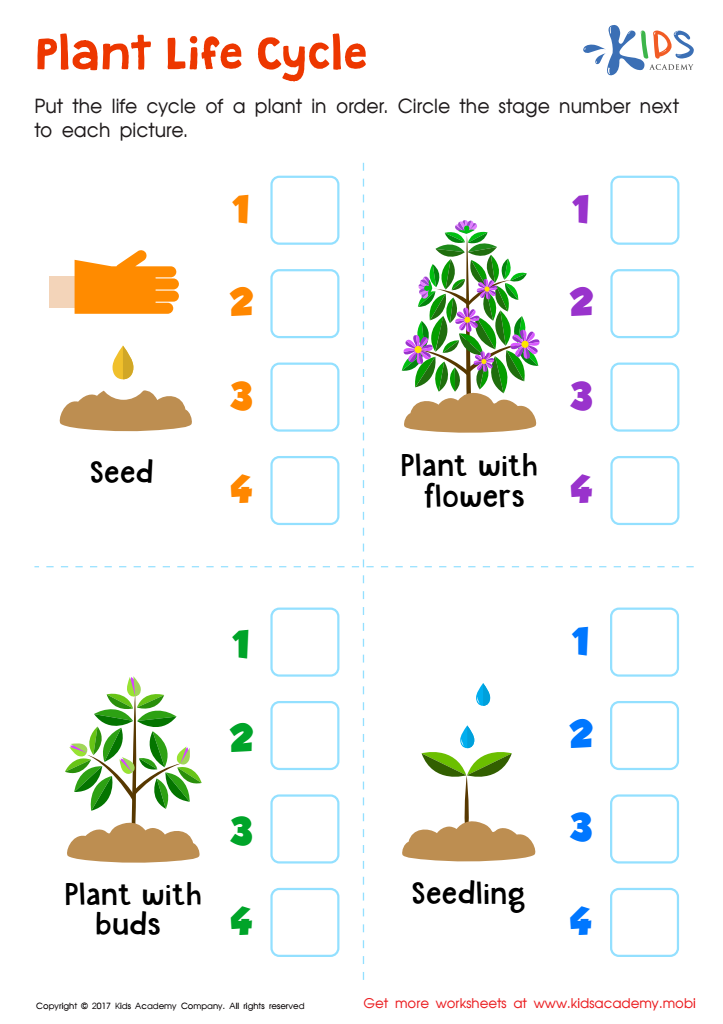
Plant Life Cycle Printable
 Assign to My Students
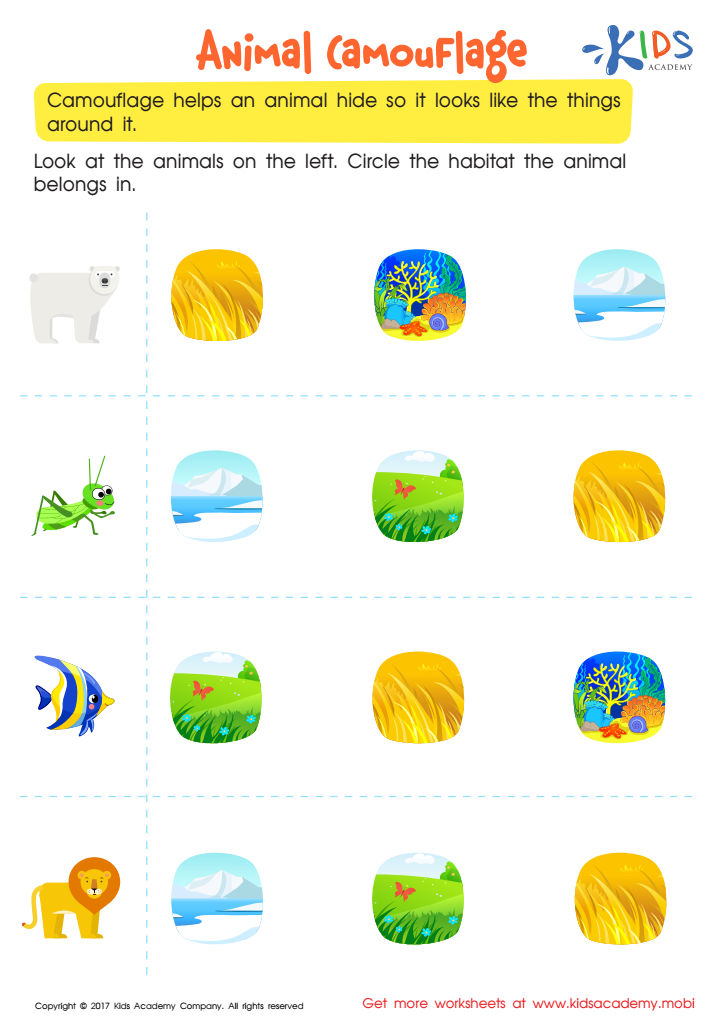
Animal Camouflage Worksheet
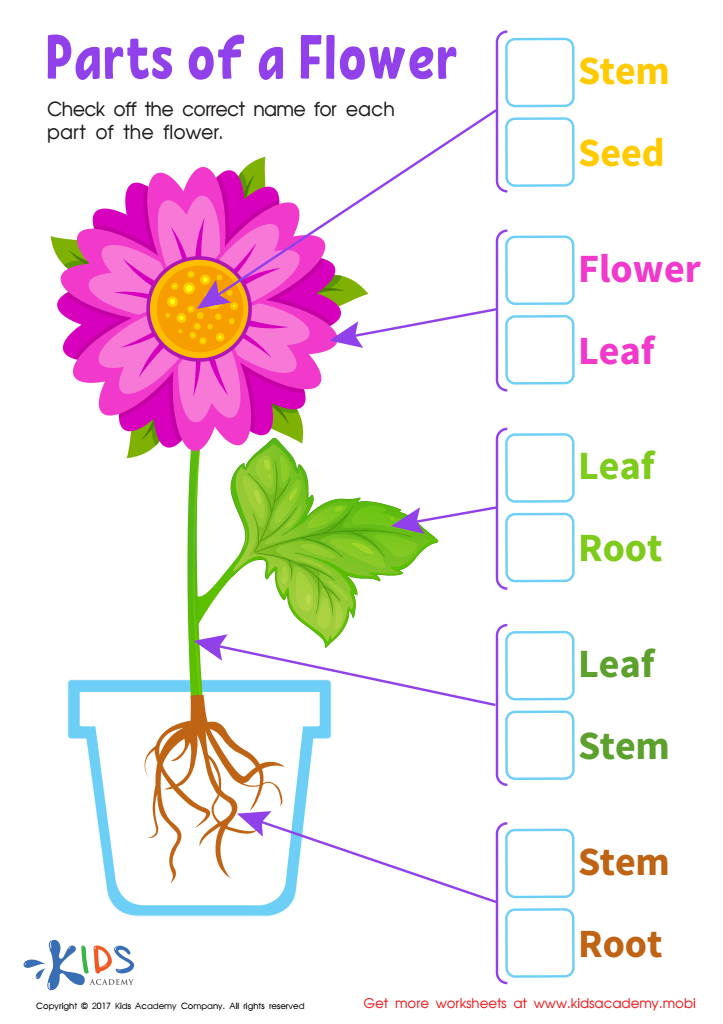
Parts Flower Printable
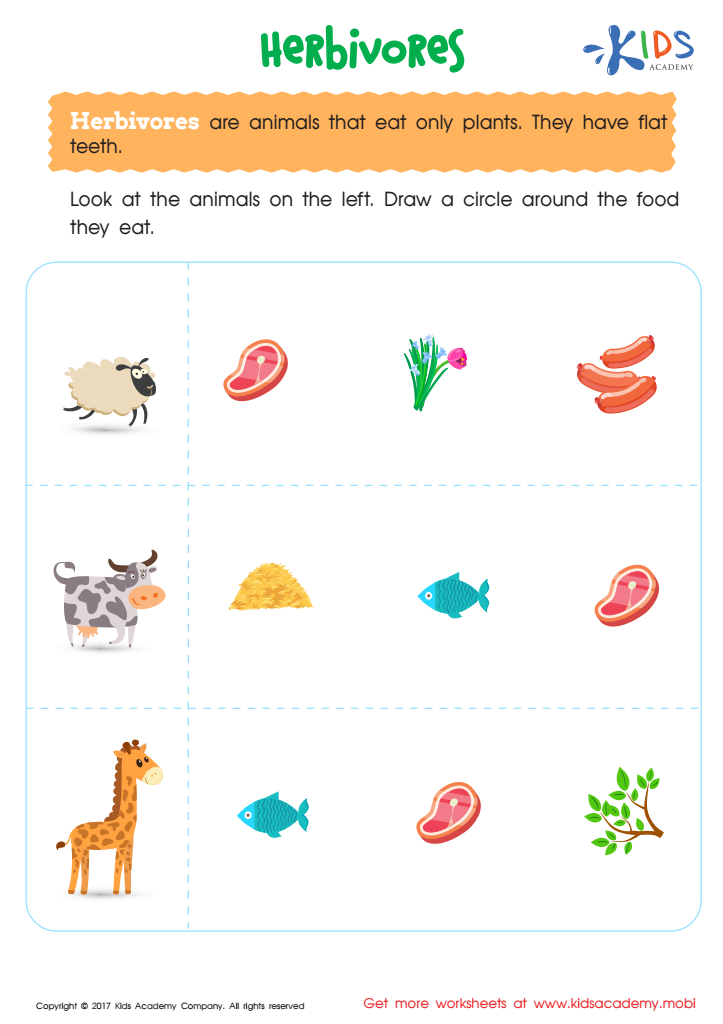
Herbivores Printable
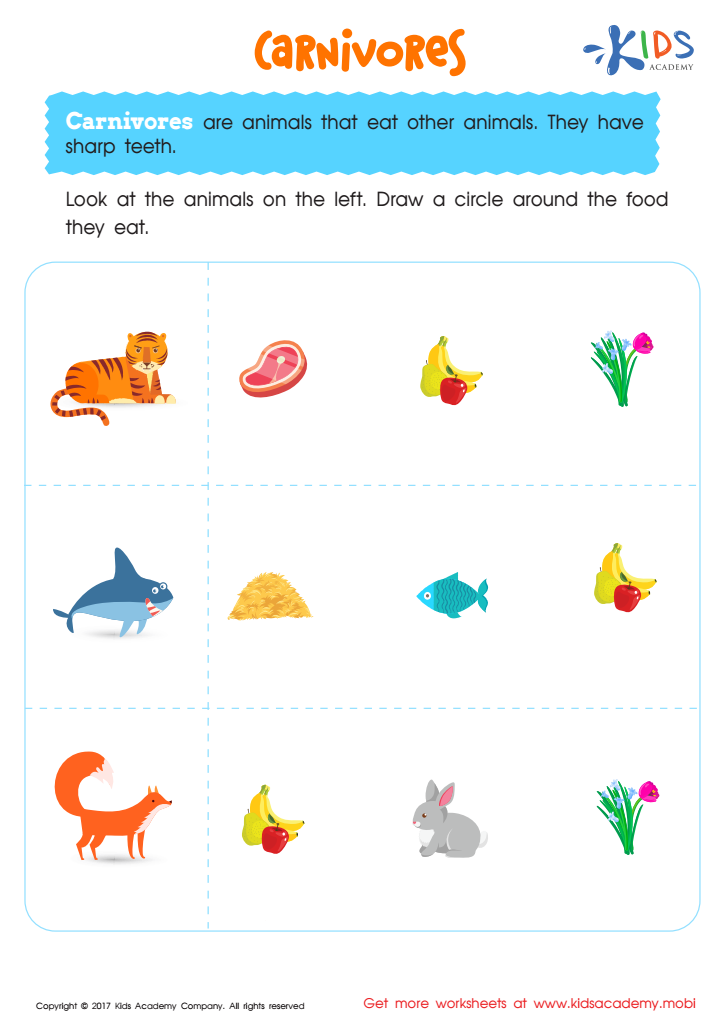
Carnivores Worksheet






The importance of teaching Life Science to children aged 3-7 cannot be overstated for both parents and teachers. At this formative stage, kids are naturally curious about the world around them, and Life Science taps into this inherent curiosity to foster a lifelong love for learning.
First and foremost, learning about Life Science helps children understand foundational concepts about living organisms, ecosystems, and their own bodies. This early exposure lays the groundwork for more complex scientific principles they will encounter later. It also encourages critical thinking and observational skills as they learn to ask questions, identify patterns, and make sense of natural phenomena.
Engaging with Life Science from a young age also instills respect for living things and the environment. When children learn about plant growth, animals' habitats, or the human body's basic functions, they begin to appreciate the delicate balance of nature and the significance of conservation.
Additionally, Life Science teaching can translate to better health habits. Understanding how the body works can encourage children to make healthier lifestyle choices, from balanced diets to proper hygiene.
By integrating Life Science in early education, parents and teachers are not only nurturing inquisitive minds but also raising environmentally conscious and health-aware individuals. These lessons are endurable, creating a foundation for well-rounded, scientifically literate future citizens.








