Governance and Civics Worksheets for Ages 3-7 - Page 2
34 filtered results
-
From - To
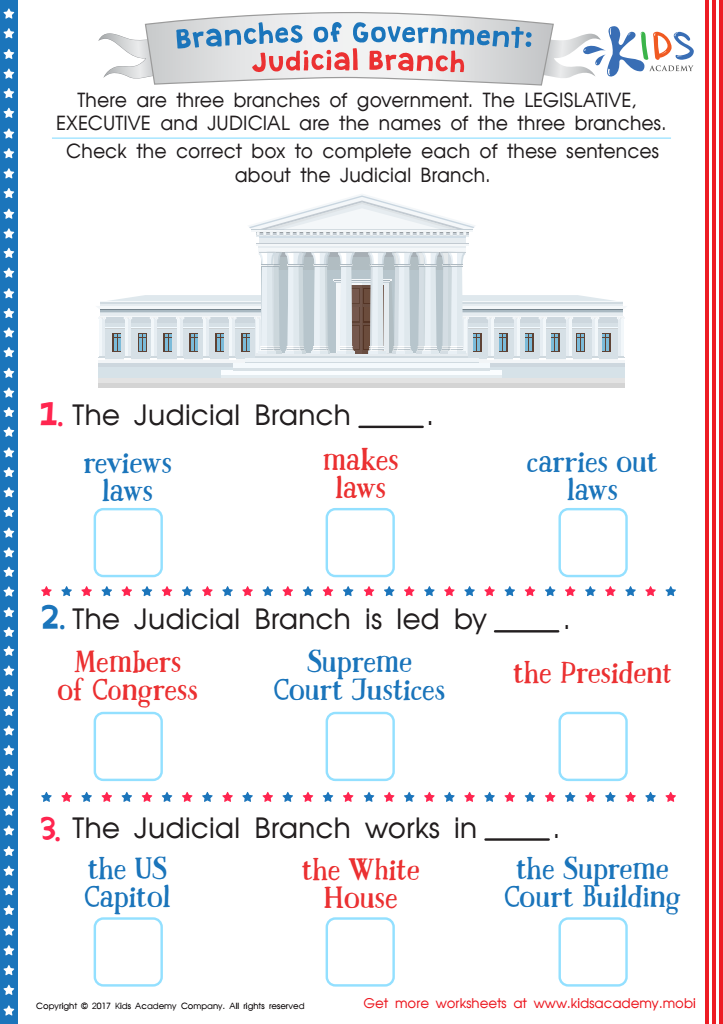
Braches of the Government: Judicial Branch Worksheet
 Assign to My Students
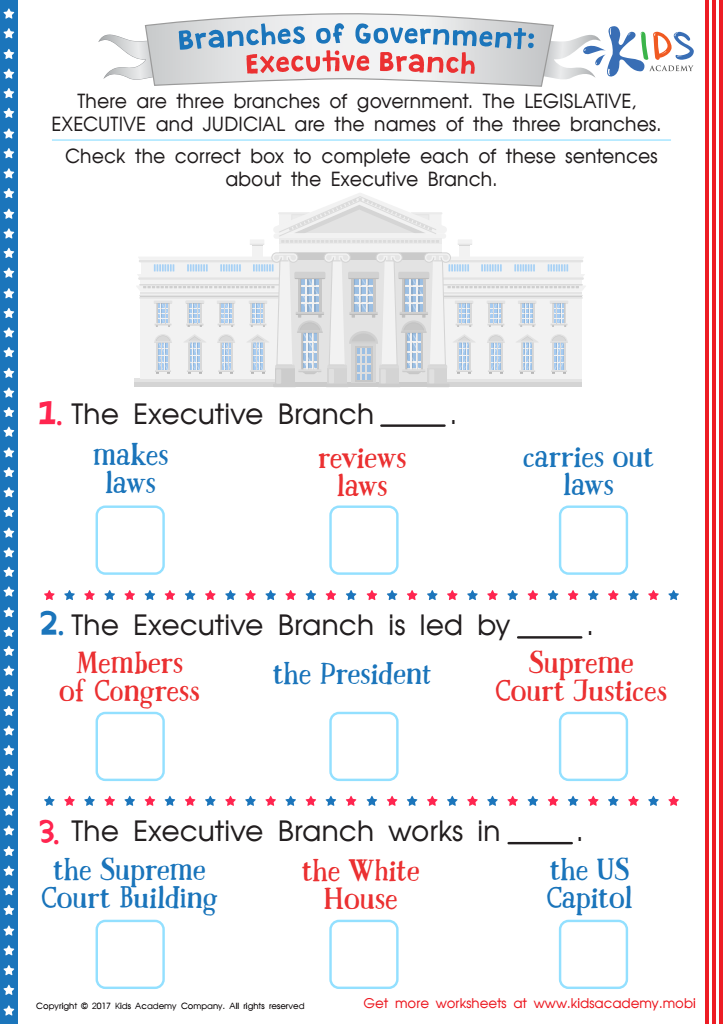
Branches of the Government: Executive Branch Printable
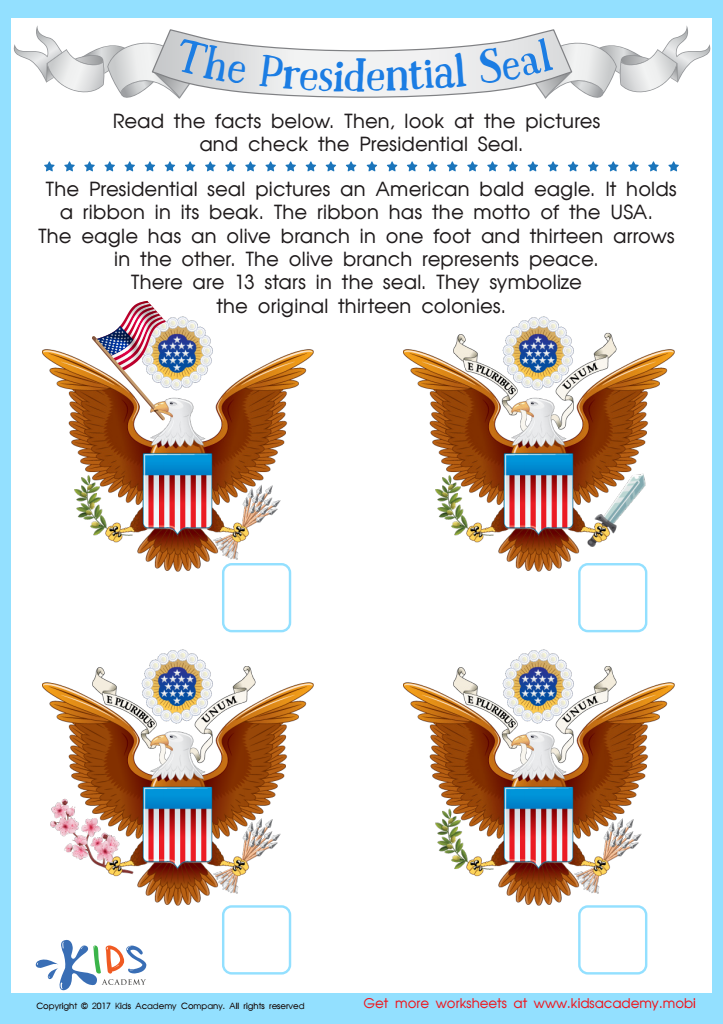
The Presidential Symbol Worksheet
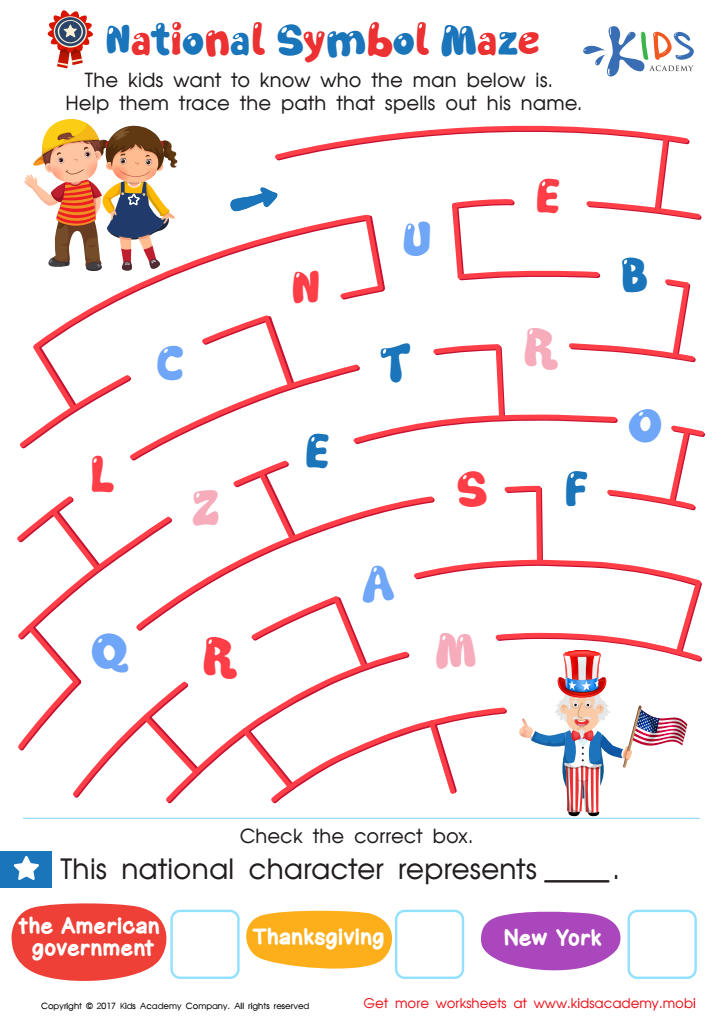
National Symbol Maze Worksheet
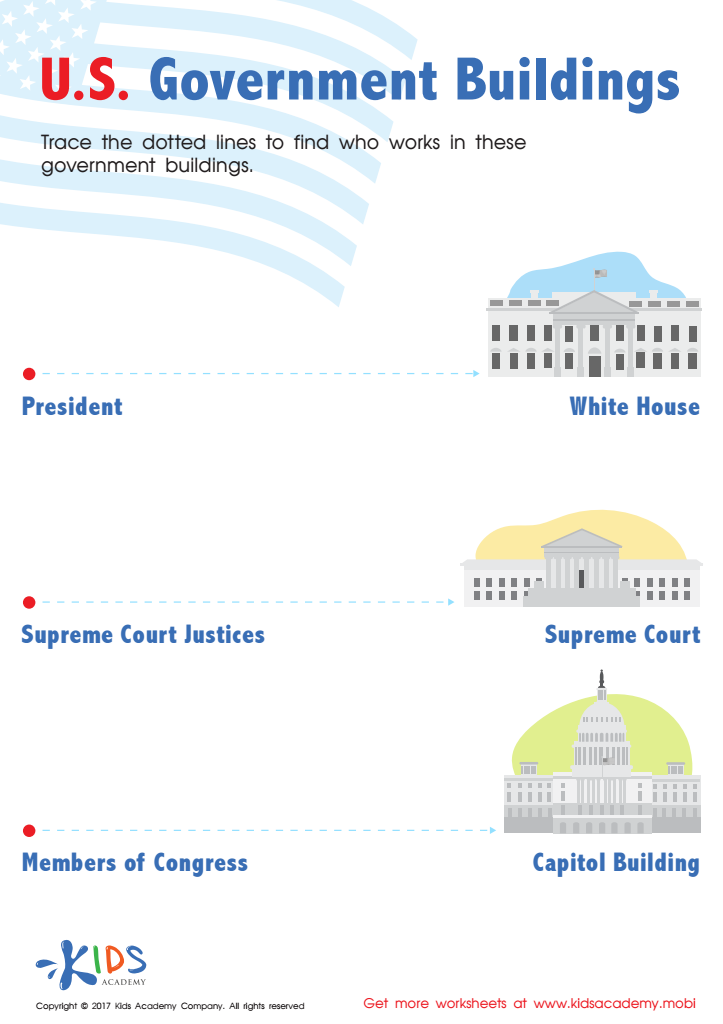
US Government Buildings Printable
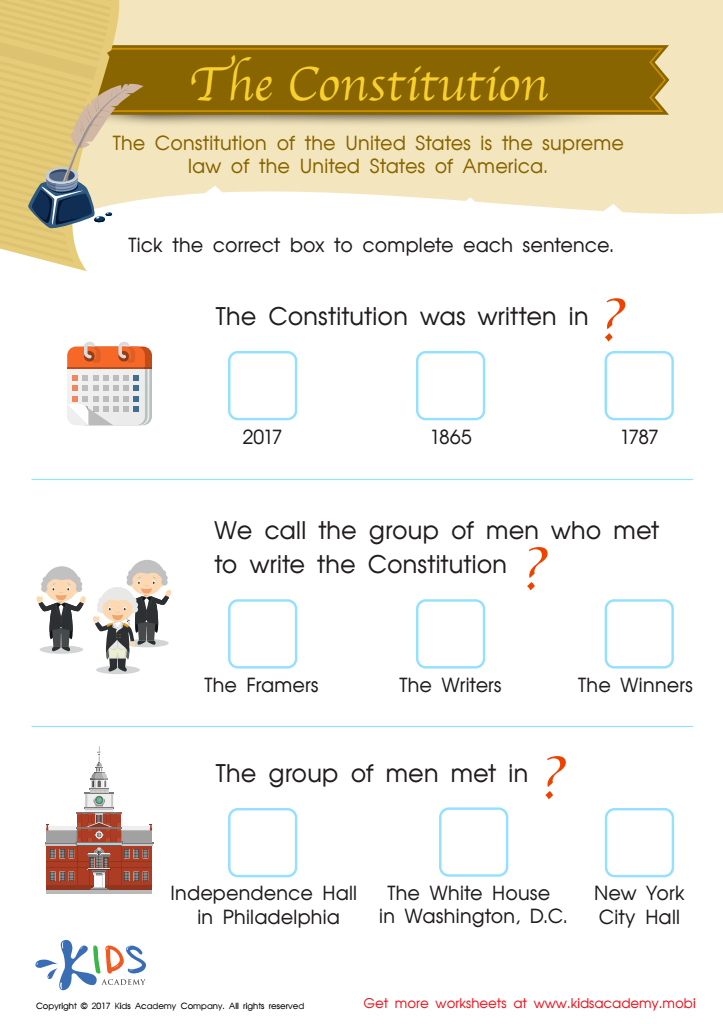
The Constitution Worksheet
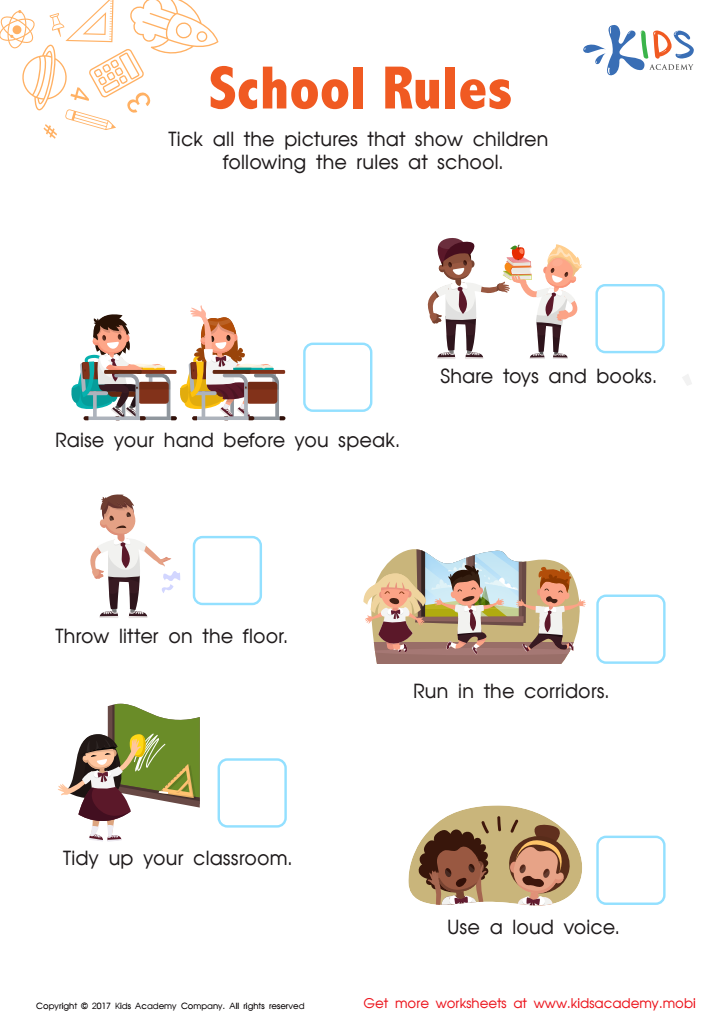
School Rules Worksheet
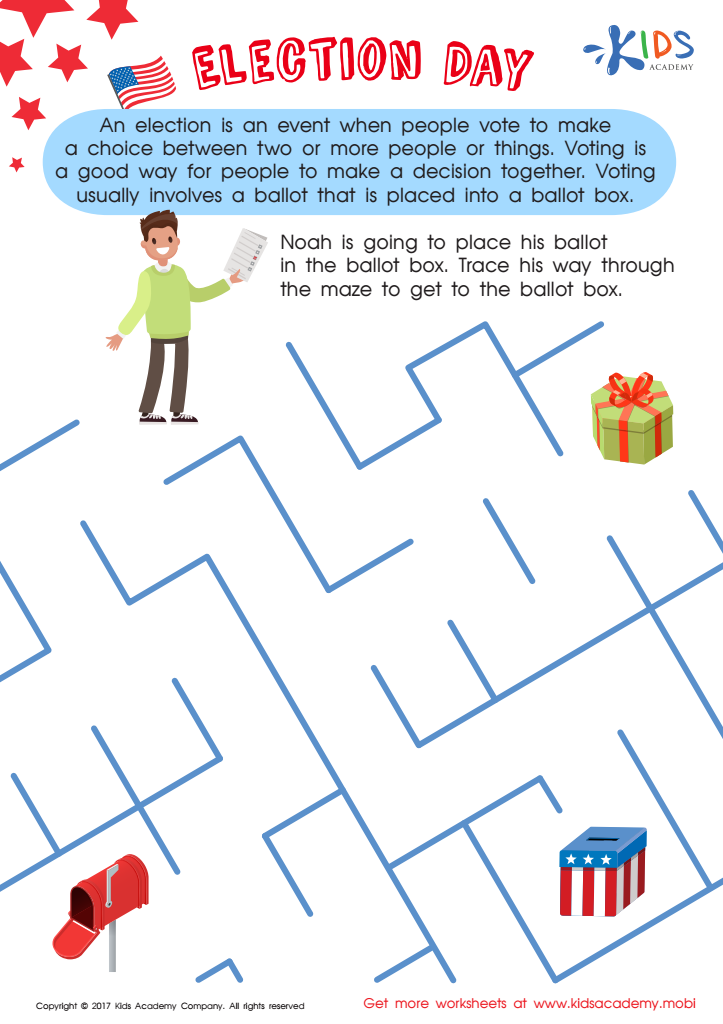
Election Day Worksheet
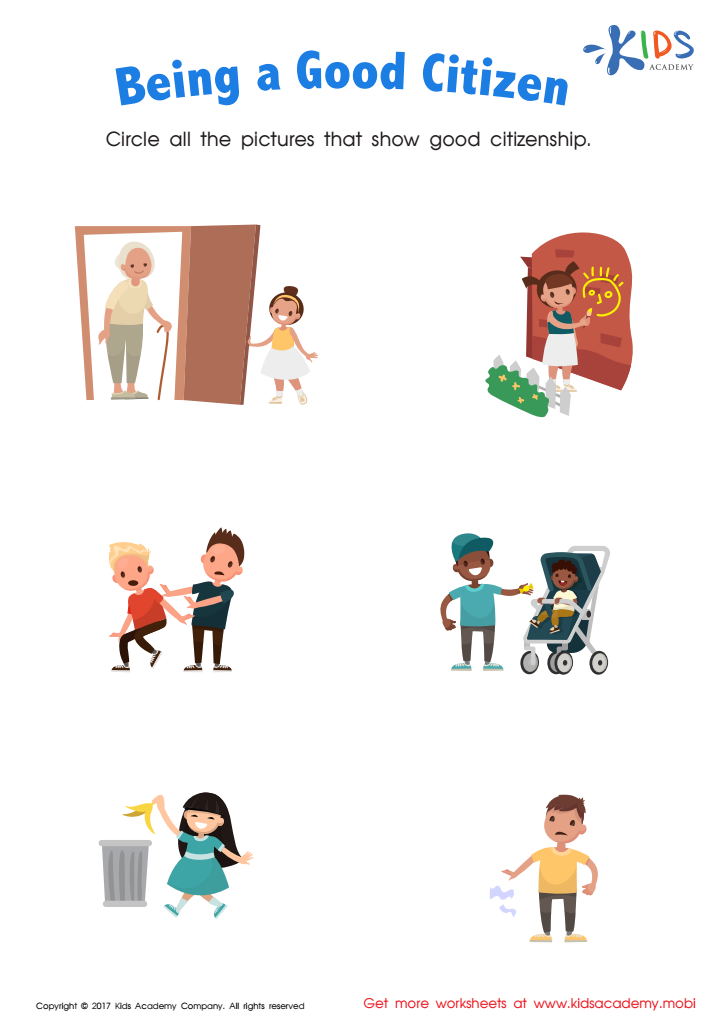
Being a Good Citizen Printable
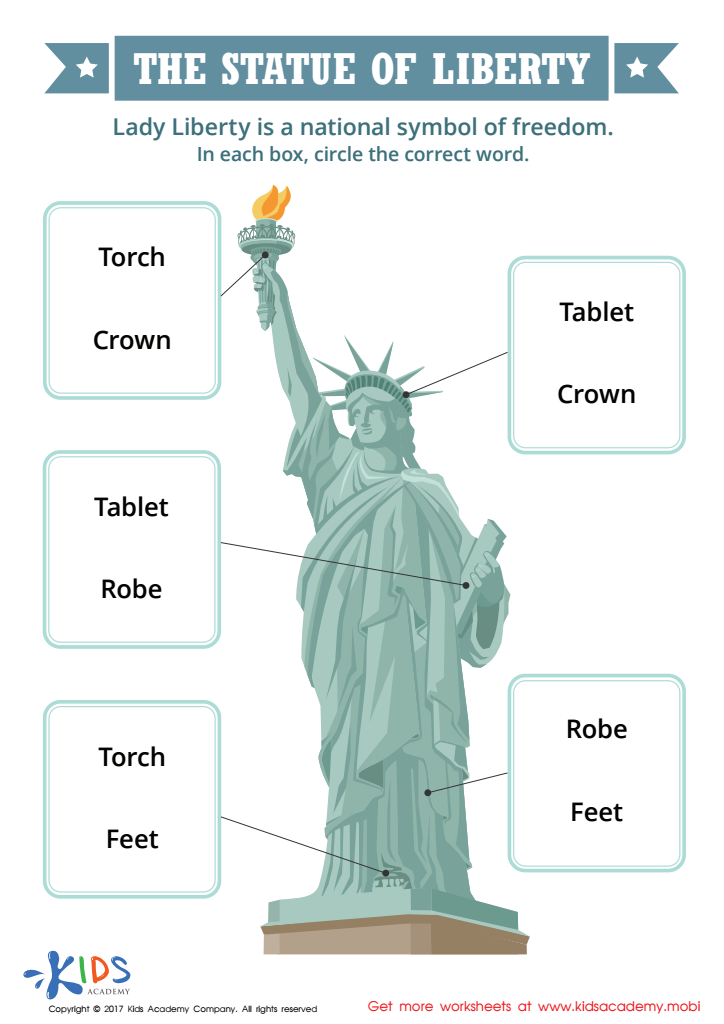
The Statue of Liberty Printable


Introducing young children, ages 3-7, to concepts of governance and civics is crucial as it sets the foundation for responsible citizenship and social engagement in the future. At these tender ages, children are highly impressionable and begin to form their understanding of how the world around them functions. Parents and teachers play pivotal roles in shaping these formative experiences.
Engaging children in basic civics through stories, games, and activities helps them grasp the essentials of community, rules, and fair play. It encourages them to appreciate the importance of cooperation, respect for others, and the value of collective decision-making. When children understand why we follow rules and the roles leaders play within their environment, including classroom settings, they learn accountability and the significance of participating in a democratic system.
Additionally, early exposure to civics fosters critical social-emotional skills such as empathy, responsibility, and effective communication. It helps children recognize the importance of their voice and how they can positively contribute to groups, be it family, classroom, or community. Teaching governance at a young age prepares them to be informed, engaged citizens who are better equipped to navigate societal structures and advocate for justice and fairness as they mature. Thus, nurturing these concepts in early childhood lays the groundwork for a well-rounded, civic-minded individual.








