World Around Us Worksheets for Ages 3-7 - Page 5
101 filtered results
-
From - To
 Assign to My Students
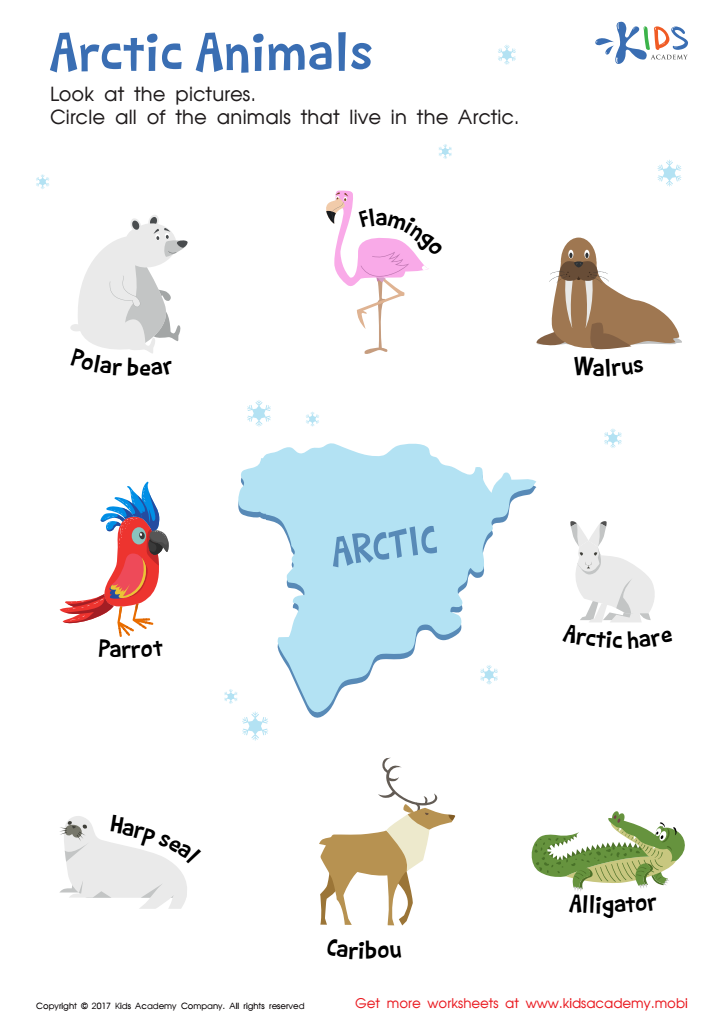
Arctic Animals Worksheet
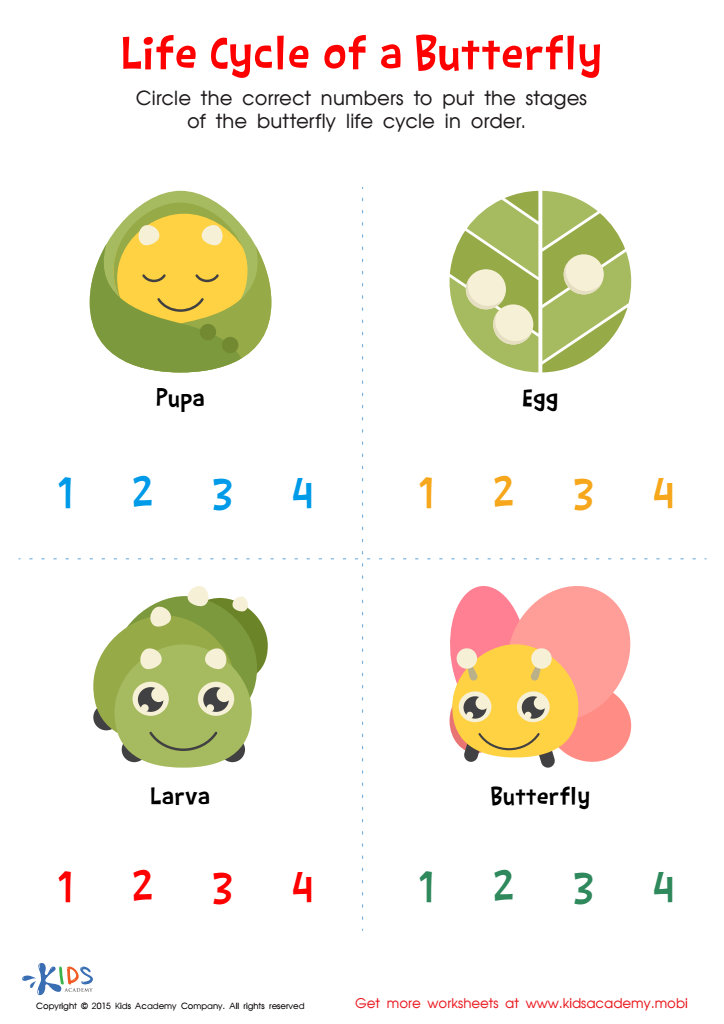
Life Cycle of Butterfly Printable







Understanding the World Around Us is crucial for children aged 3-7, as it lays the foundation for their cognitive, social, and emotional development. During these formative years, children are naturally curious and eager to explore their environment. Engaging with the world enhances their observational skills, fuels their imagination, and fosters a love for learning.
For parents and teachers, nurturing this curiosity is vital. It allows children to make connections between what they see and experience in their daily lives. By exploring natural phenomena, cultural diversity, and community roles, children develop critical thinking and problem-solving abilities. It also promotes understanding and respect for others, fostering unity amidst diversity.
Moreover, learning about the world equips children with essential life skills, such as communication, cooperation, and empathy. Early exposure to science, nature, and social studies strengthens their inquiry skills, encouraging them to ask questions and seek answers.
Incorporating lessons about the world into everyday activities—be it through nature walks, storytelling, or creative play—creates enriching experiences. Ultimately, a solid grasp of the World Around Us empowers children to become informed, responsible, and engaged citizens, ready to navigate and contribute positively to their community and beyond.