Handwriting practice Phonics Worksheets for Ages 3-9
4 filtered results
-
From - To
Explore our comprehensive Handwriting Practice Phonics Worksheets designed for children ages 3-9. These engaging and educational worksheets blend handwriting practice with phonics skills, fostering early literacy development. Each worksheet features fun exercises that help kids learn letter formation, sound recognition, and word construction. Perfect for both classroom and at-home learning, these resources support essential learning skills while keeping young learners engaged and motivated. Boost your child's reading and writing confidence with our expertly crafted worksheets, designed to make learning fun and effective. Visit our website to start your child’s phonics journey today!
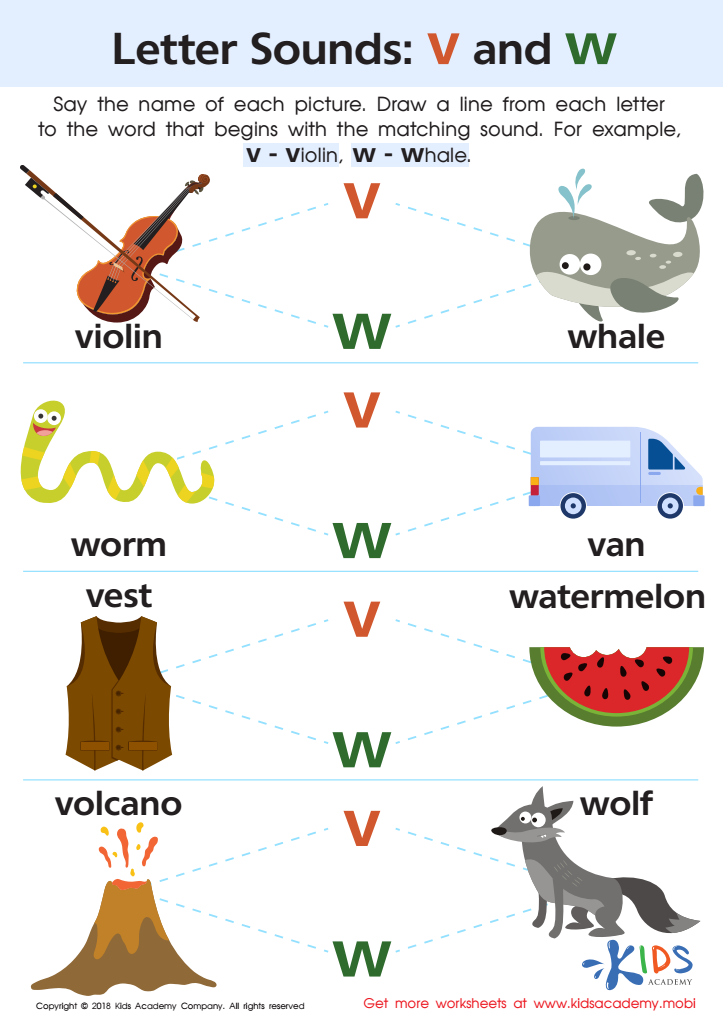
Letter V and W Sounds Worksheet
 Assign to My Students
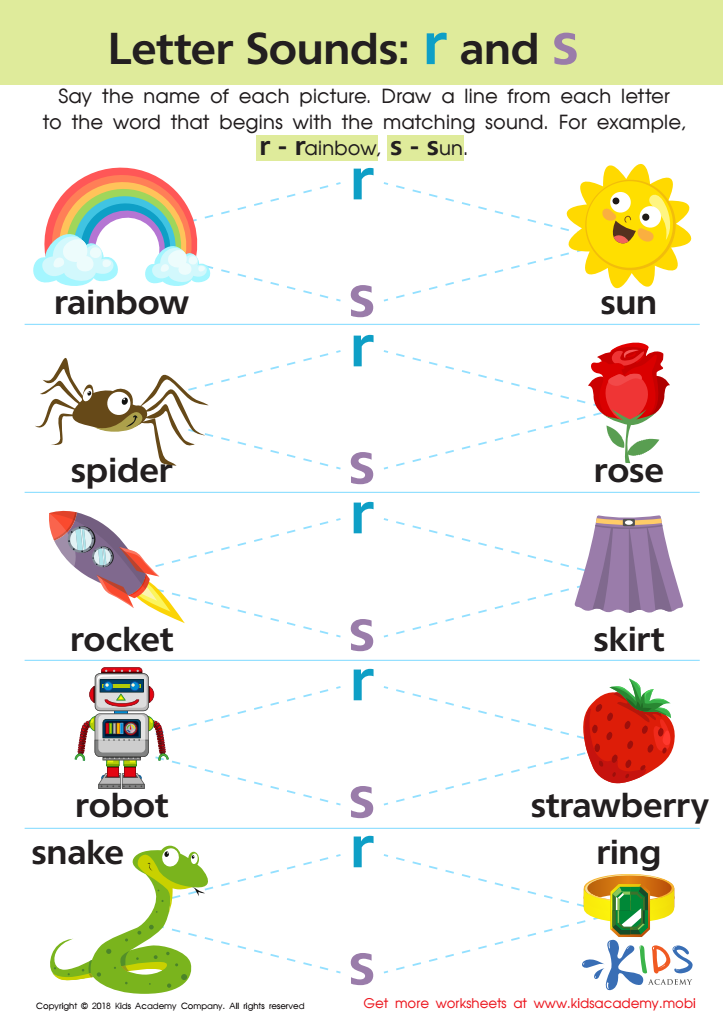
Letter R and S Sounds Worksheet
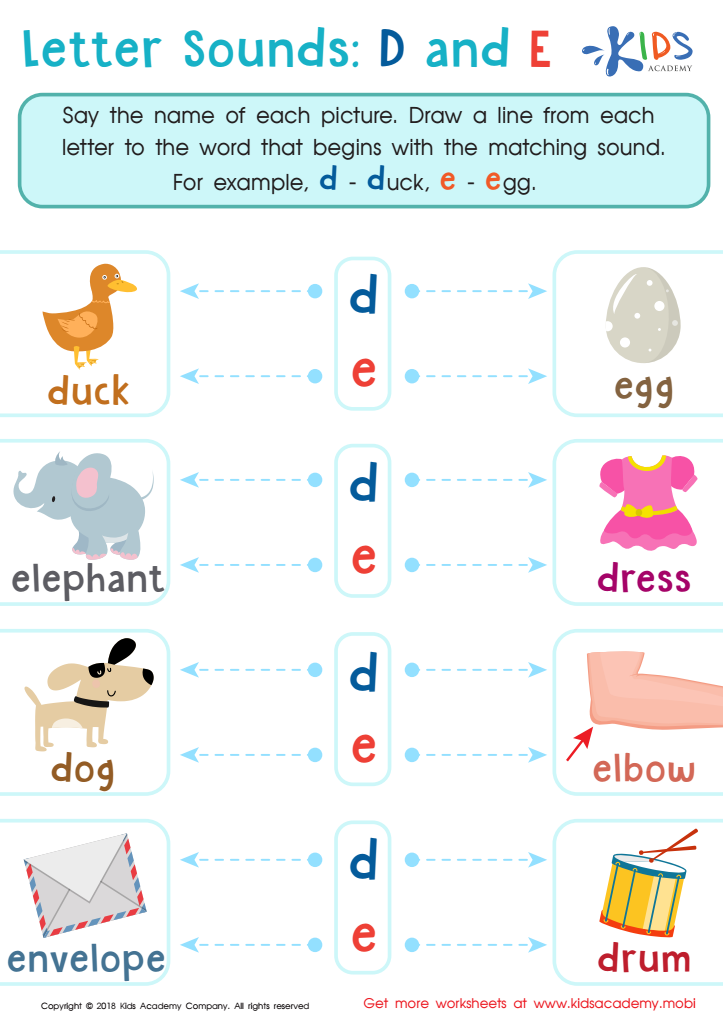
Letter D and E Sounds Worksheet
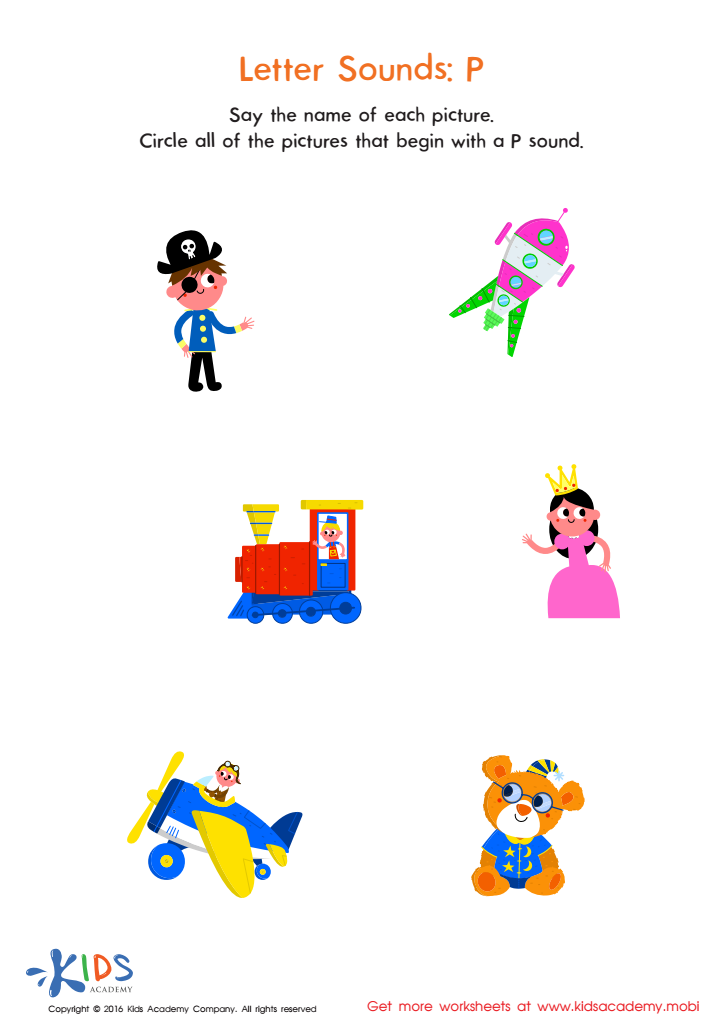
Letter P Sound Worksheet








Handwriting practice and phonics are foundational elements in early childhood education, especially for ages 3-9, a critical period for cognitive and linguistic development. During these formative years, children build essential skills that will influence their academic success and lifelong learning capabilities.
Engaging in handwriting practice enhances fine motor skills, hand-eye coordination, and muscle memory, promoting better control and precision. It also encourages cognitive development by linking motor activities with cognitive processes. Through consistent practice, children improve their ability to form letters correctly and legibly, a skill necessary for written communication.
Meanwhile, phonics - the study of sounds that letters make - is crucial for reading development. Phonics instruction helps children understand the relationship between sounds (phonemes) and their corresponding letters or groups of letters (graphemes). This understanding is indispensable for decoding new words, a fundamental skill in learning to read. Strong phonetic awareness also contributes to better spelling and writing, as children can apply their knowledge of sounds to their written compositions.
Overall, parents and teachers should prioritize handwriting and phonics because these are not just mechanical skills, but integral components of literacy. Cultivating these skills early on lays a solid foundation for more advanced reading and writing abilities, setting children on the path to academic achievement and functional literacy in daily life.







