Understanding ecosystems Animals Worksheets for Ages 3-9
3 filtered results
-
From - To
Discover the engaging "Understanding Ecosystems Animals Worksheets for Ages 3-9" designed by Kids Academy. These fun and educational worksheets introduce young learners to the incredible world of ecosystems, helping them understand various animal habitats, relationships, and roles within their environments. Perfect for early grade students, these activities are tailored to enhance critical thinking and scientific curiosity. Explore colorful illustrations, simple diagrams, and age-appropriate content that make learning about animals exciting and interactive. Ideal for both classroom and at-home use, these worksheets support foundational knowledge in science while keeping kids entertained and engaged!
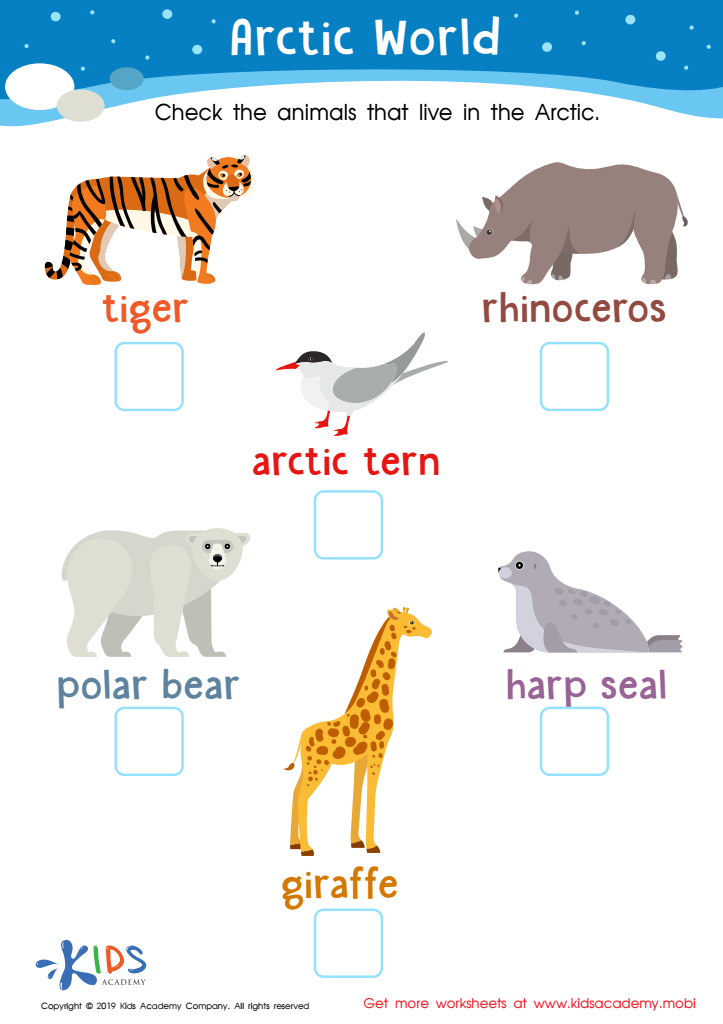
Arctic World Worksheet
 Assign to My Students
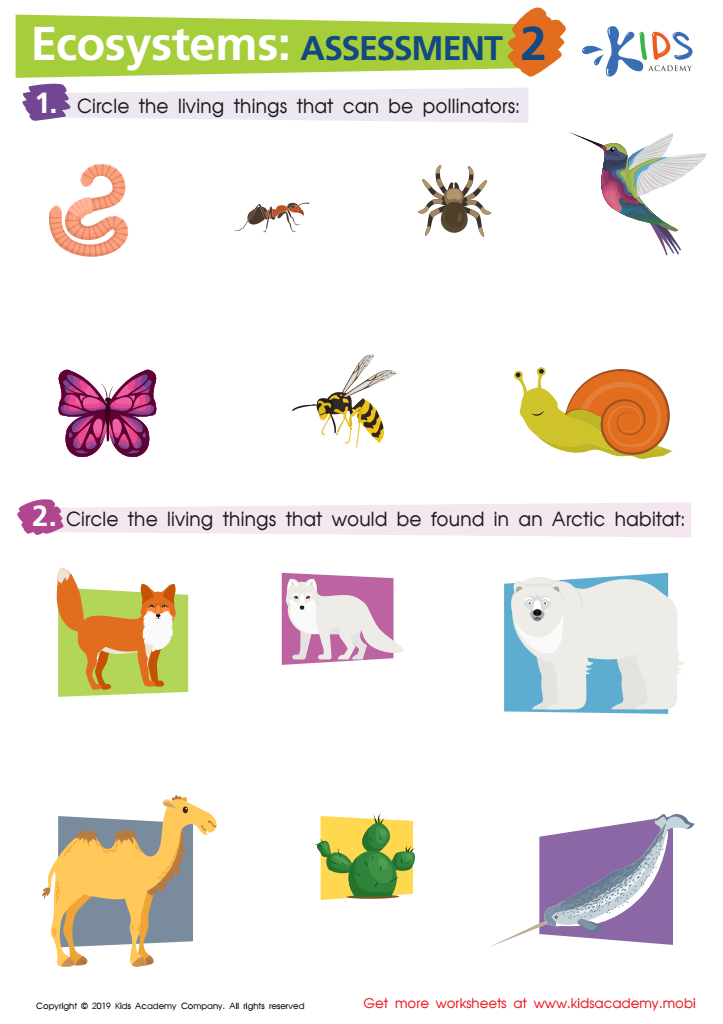
Ecosystems: Assessment 2 Worksheet
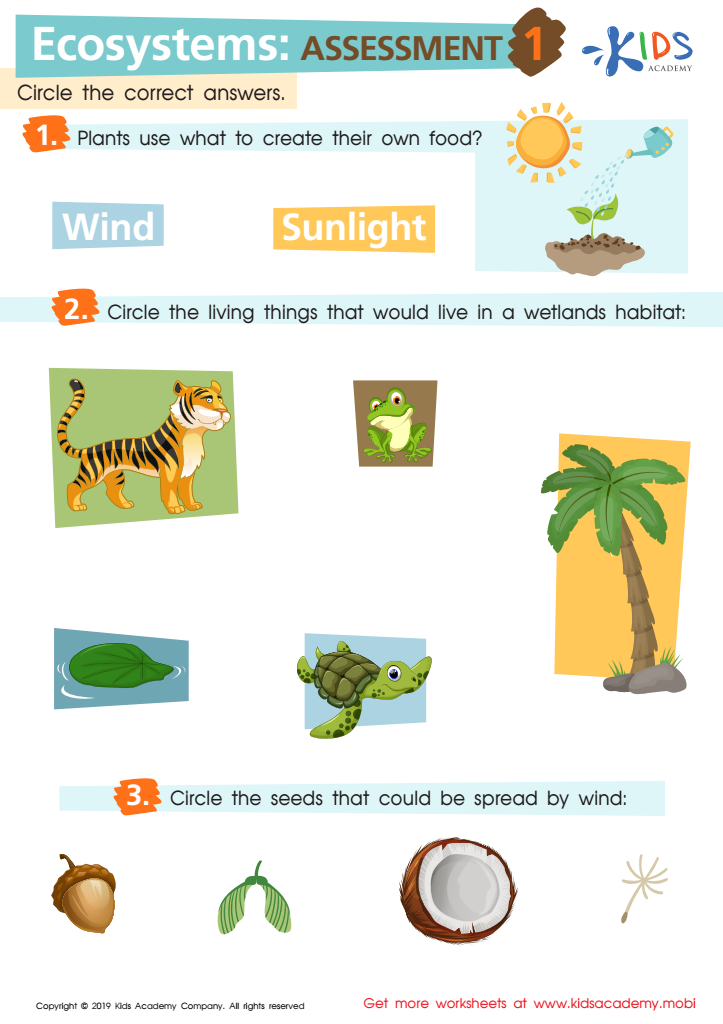
Ecosystems: Assessment 1 Worksheet







Understanding ecosystems and animals is incredibly important for children aged 3-9, as it can help lay the foundation for a lifetime of environmental awareness and curiosity. Introducing young children to the concepts of ecosystems and the diverse forms of animal life can foster an appreciation for nature, which is crucial in an age where environmental issues are increasingly urgent.
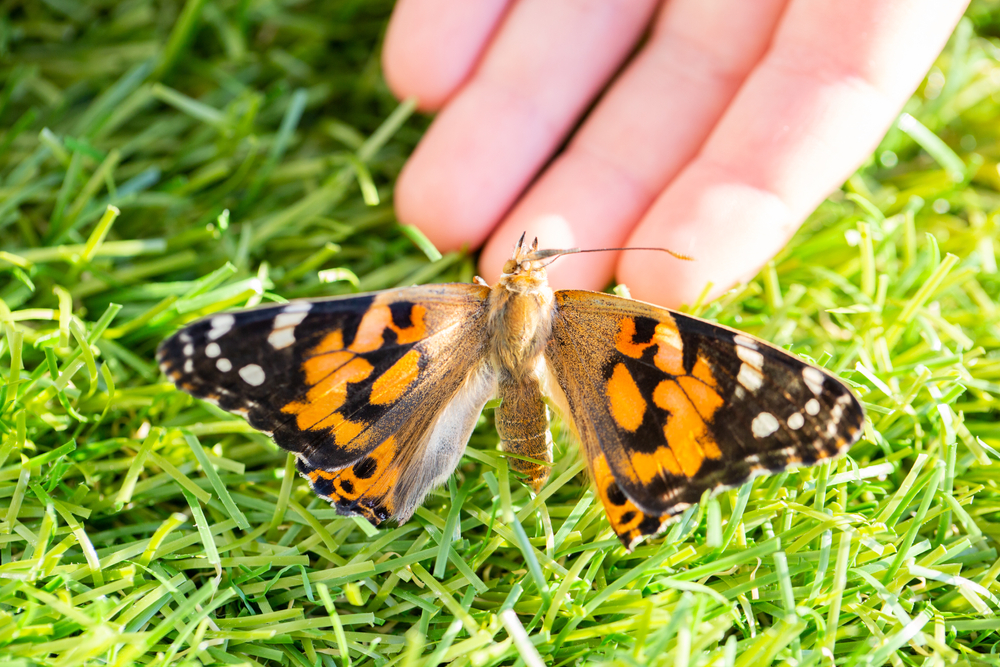
First, early exposure to ecosystems helps children understand the balance of nature and the way different organisms, including humans, are interconnected. This comprehension nurtures a sense of responsibility towards the environment. For instance, learning how bees pollinate flowers can spark interest in conservation efforts, emphasizing the role of every creature in maintaining ecological balance.
Second, discussing animals and their habitats enhances observational skills and scientific thinking. When kids learn how frogs live in both water and land or how birds build nests, they are encouraged to ask questions, be curious, and formulate their own understanding of the world. These skills are foundational to scientific literacy, critical thinking, and problem-solving – all essential to their academic success and personal growth.
Lastly, immersive knowledge of ecosystems and animals fosters empathy and ethical behavior. Children who understand the plight of endangered species or the impact of deforestation are more likely to become advocates for a sustainable future, showing compassion towards all living things.
Thus, caring about ecosystems and animals sets the groundwork for nurturing responsible, informed, and empathetic individuals.








