Letter Recognition Worksheets for Ages 4-7
99 filtered results
-
From - To
Discover a variety of engaging Letter Recognition Worksheets designed for children ages 4-7. Our printable activities help young learners master the alphabet through fun and interactive exercises. Vibrant illustrations and creative tasks make learning enjoyable, fostering early reading and writing skills. Ideal for pre-kindergarten to first-grade students, these worksheets support educators and parents in providing a solid literacy foundation. Visit Kids Academy to access our comprehensive collection and watch your child’s confidence in letter recognition grow!
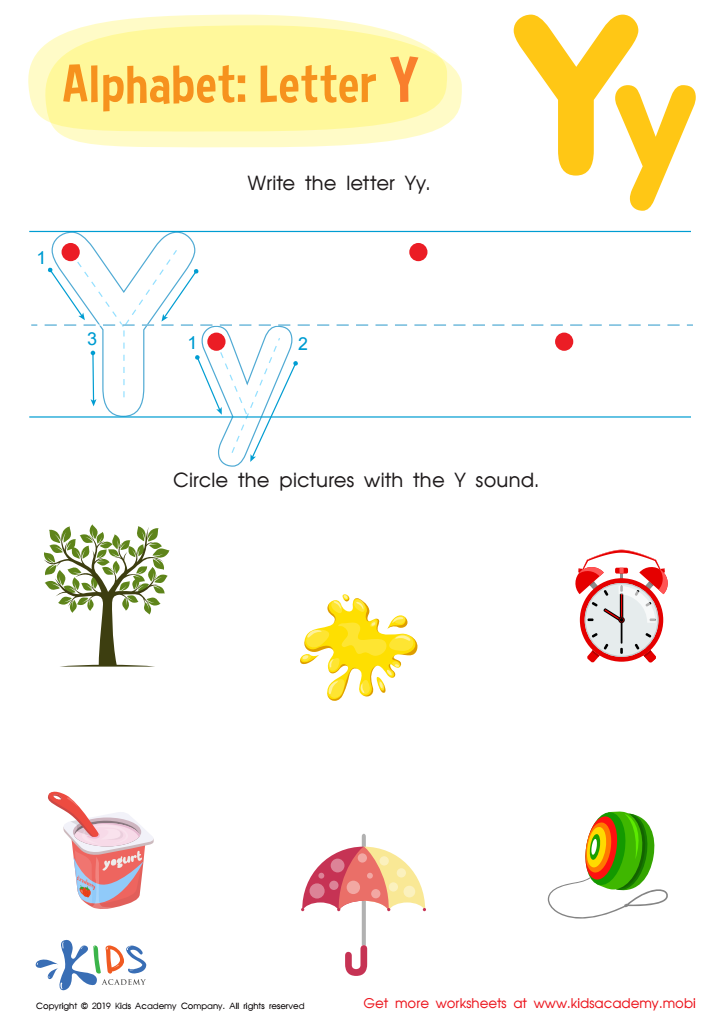
Letter Y Tracing Worksheet
 Assign to My Students
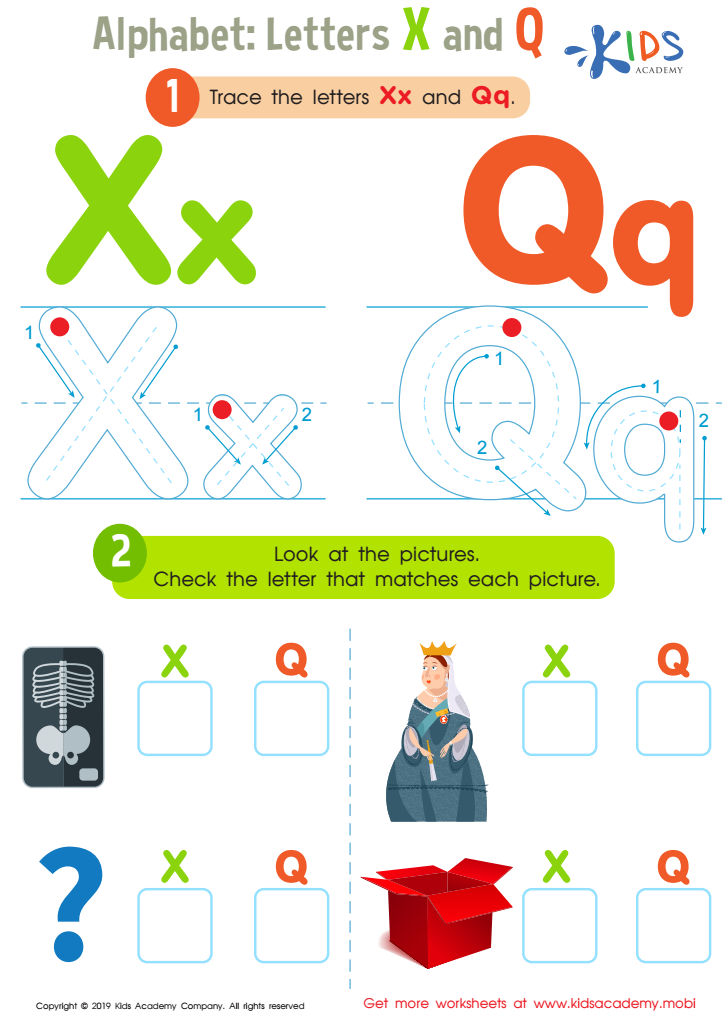
Letters X and Q Tracing Worksheet
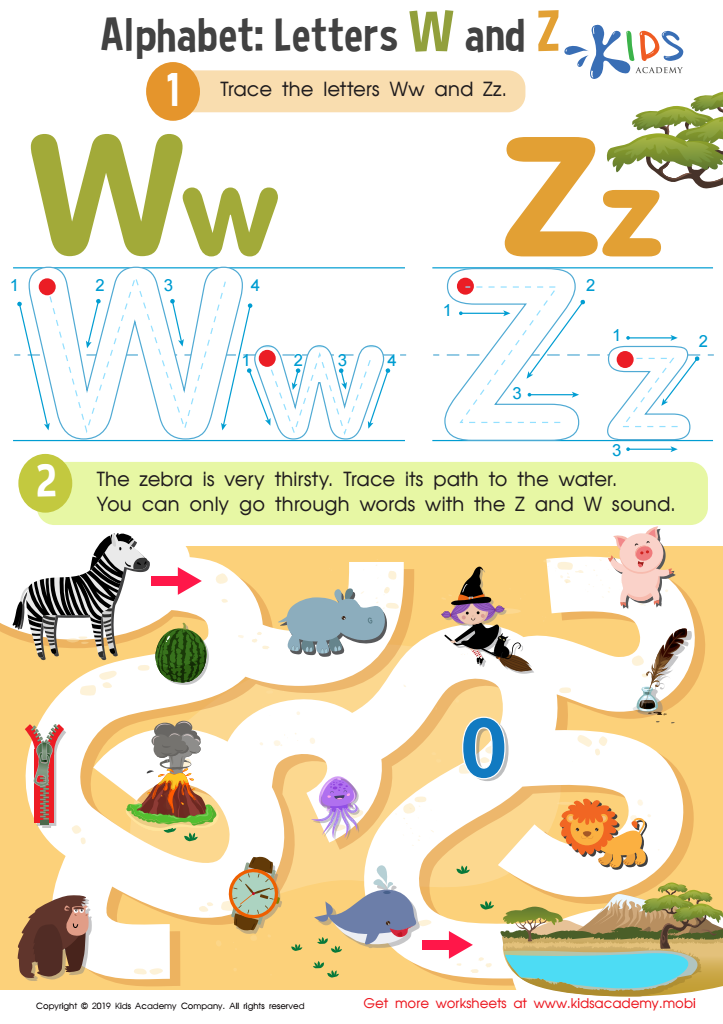
Letters W and Z Tracing Worksheet
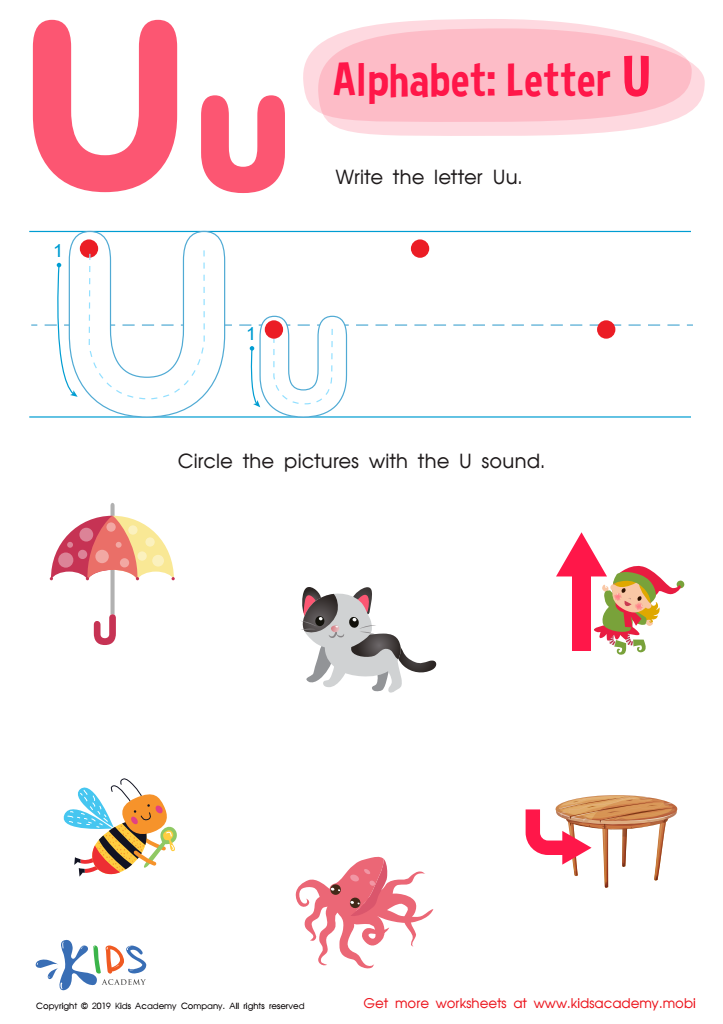
Letter U Tracing Worksheet
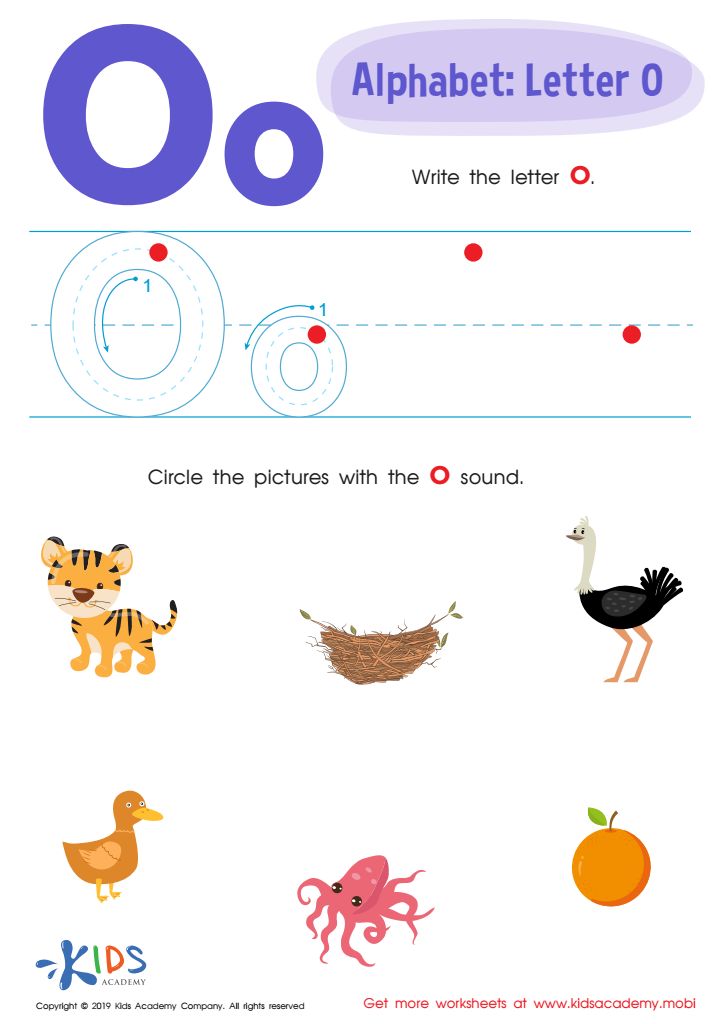
Letter O Tracing Worksheet
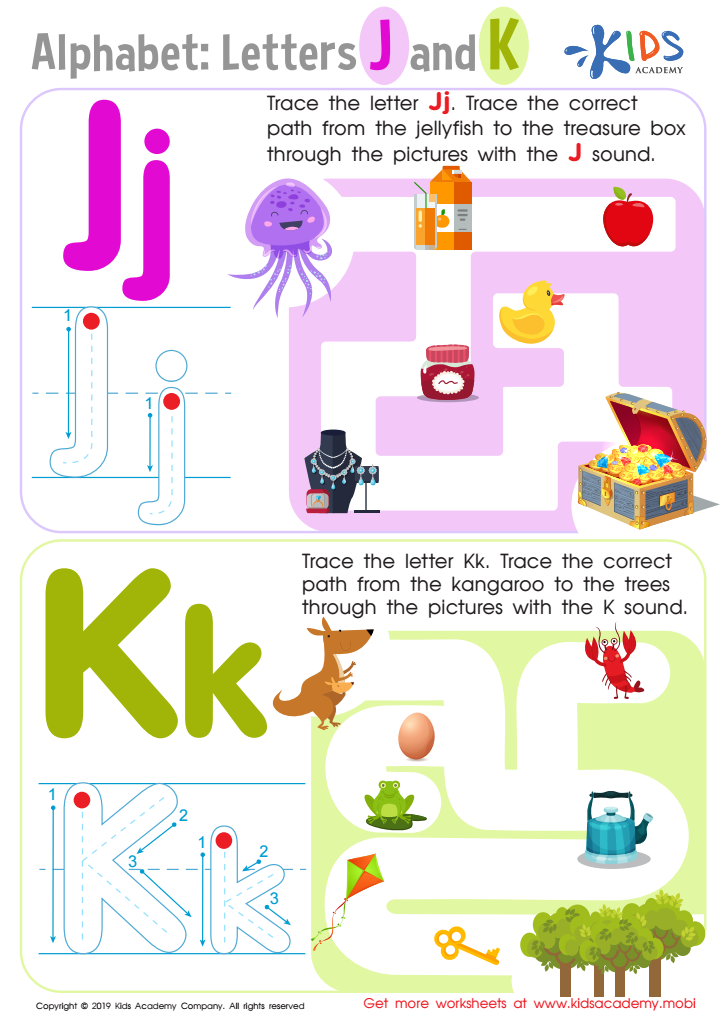
Letters J and K Tracing Worksheet
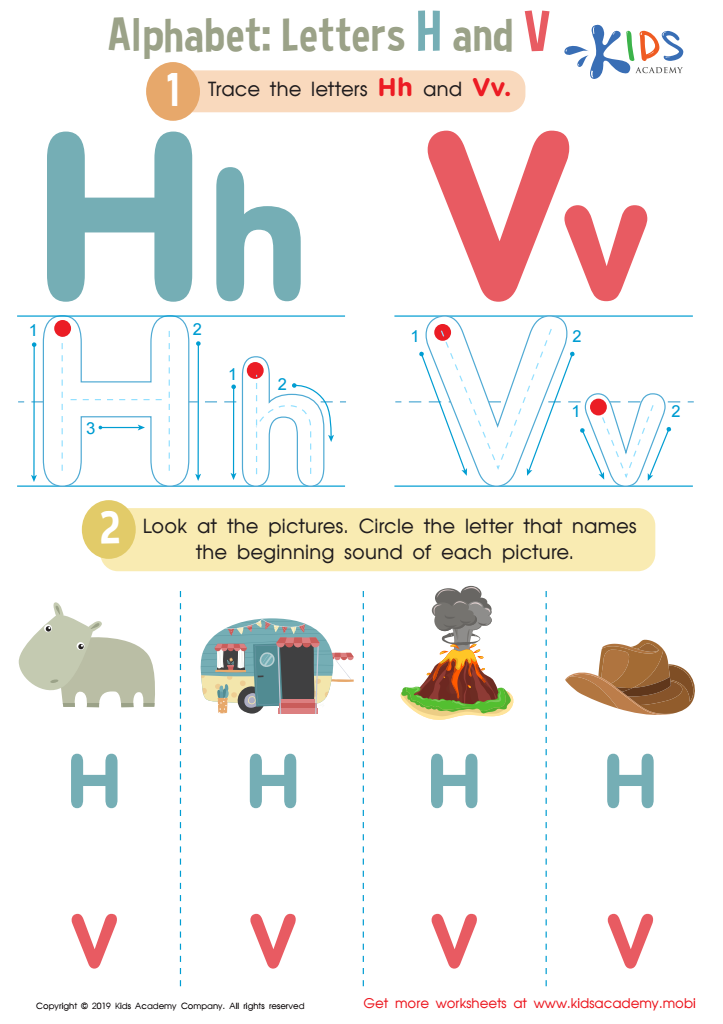
Letters H and V Tracing Worksheet
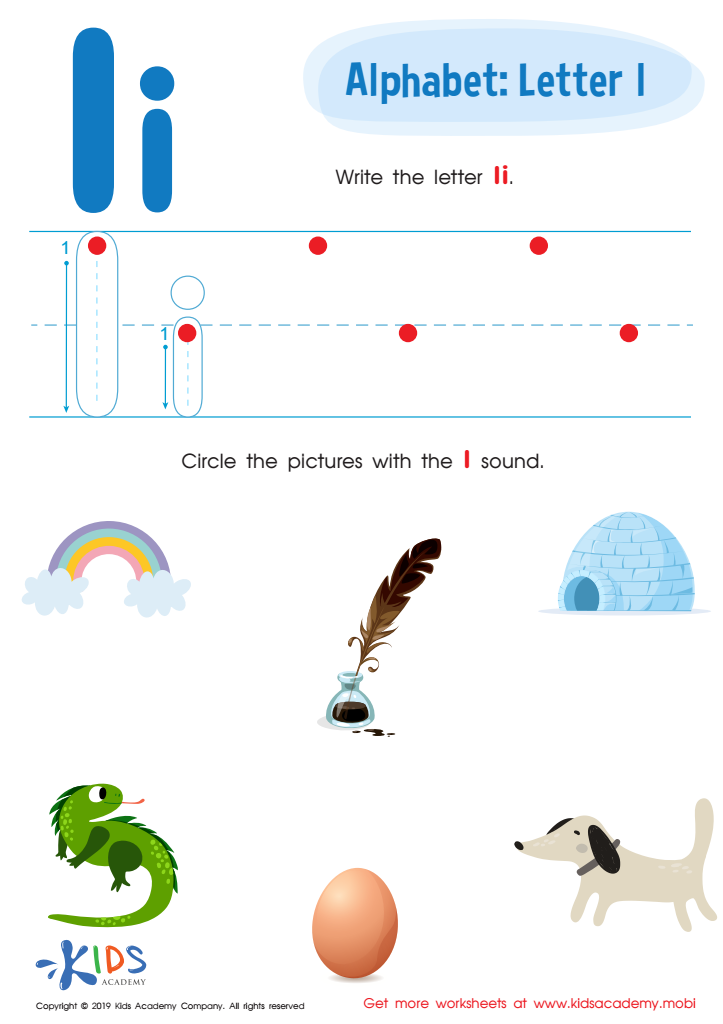
Letter I Tracing Worksheet
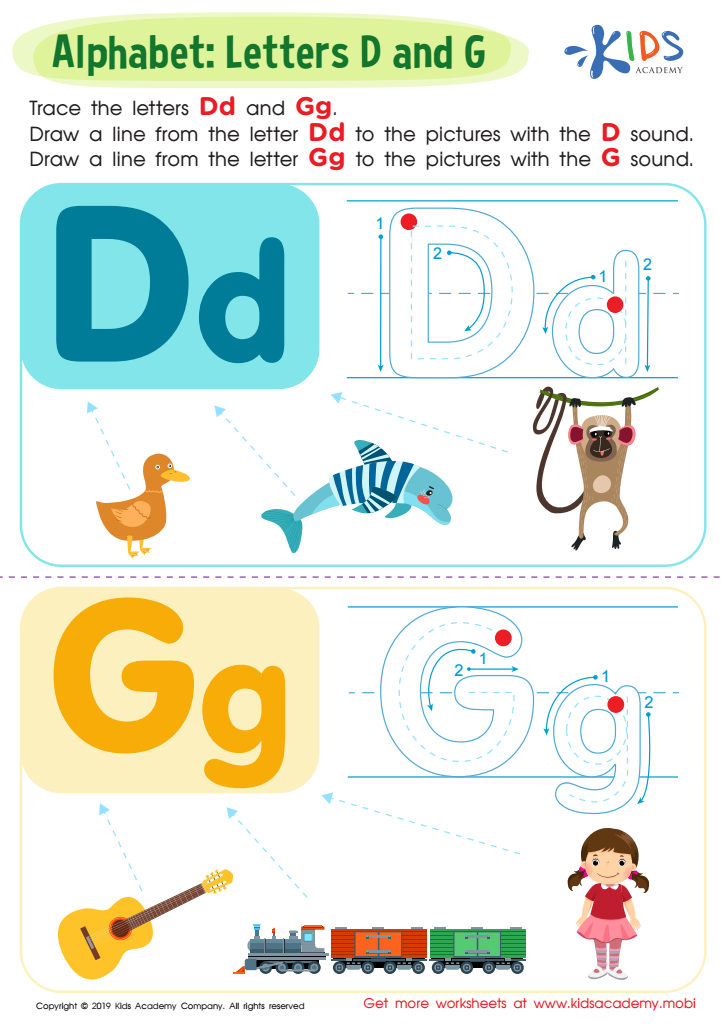
Letter D and G Tracing Worksheet
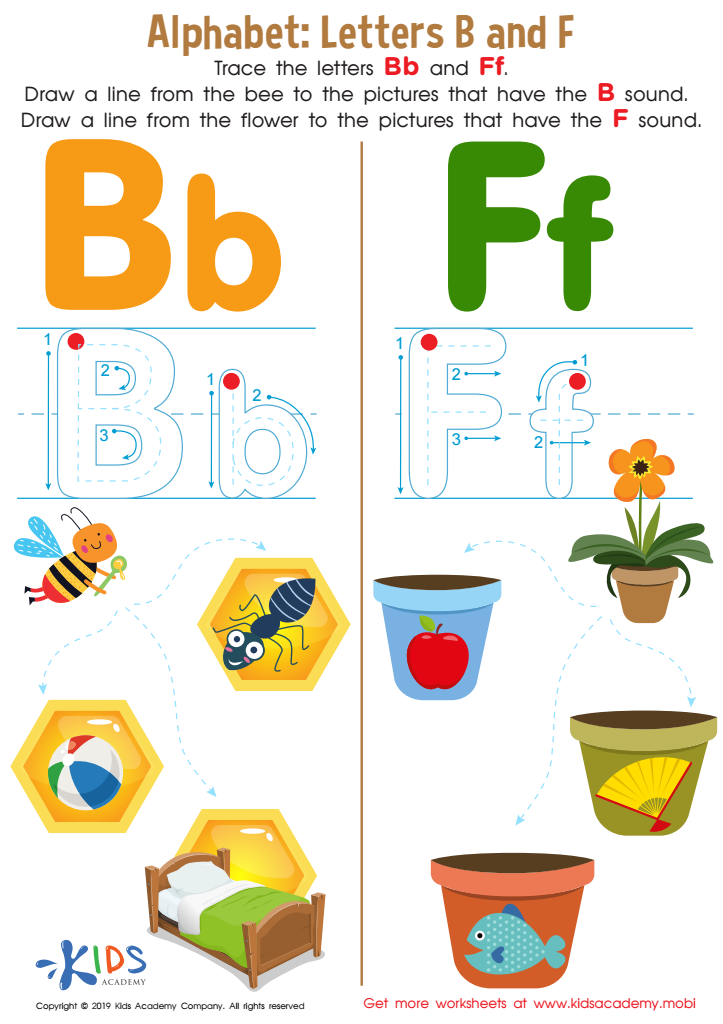
Letters B and F Tracing Worksheet
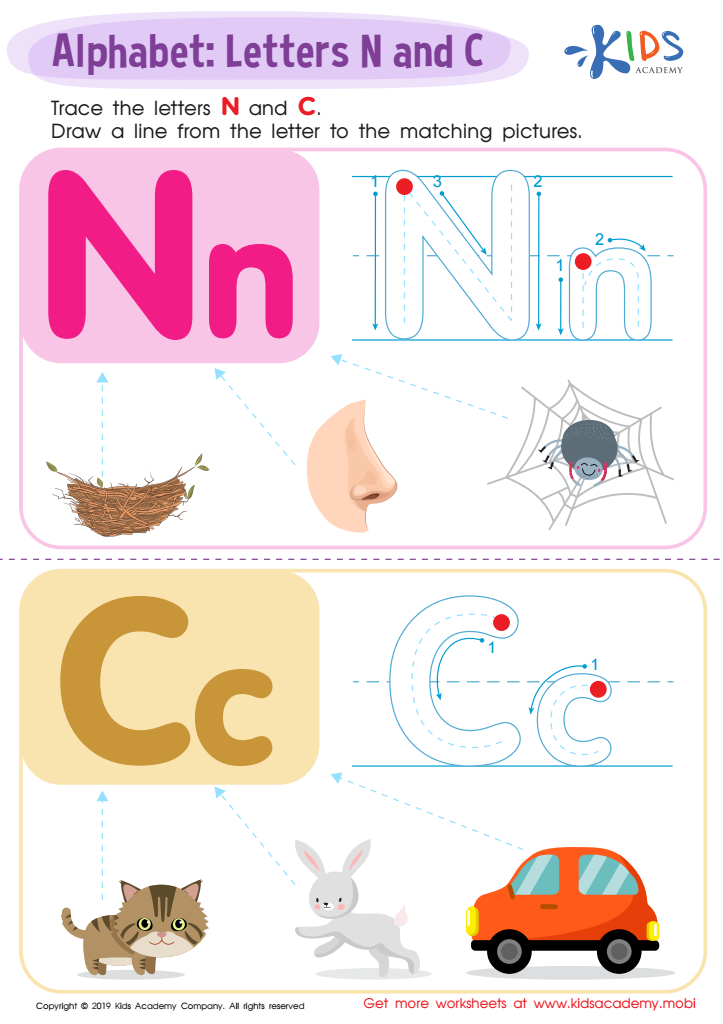
Letter N and C Tracing Worksheet
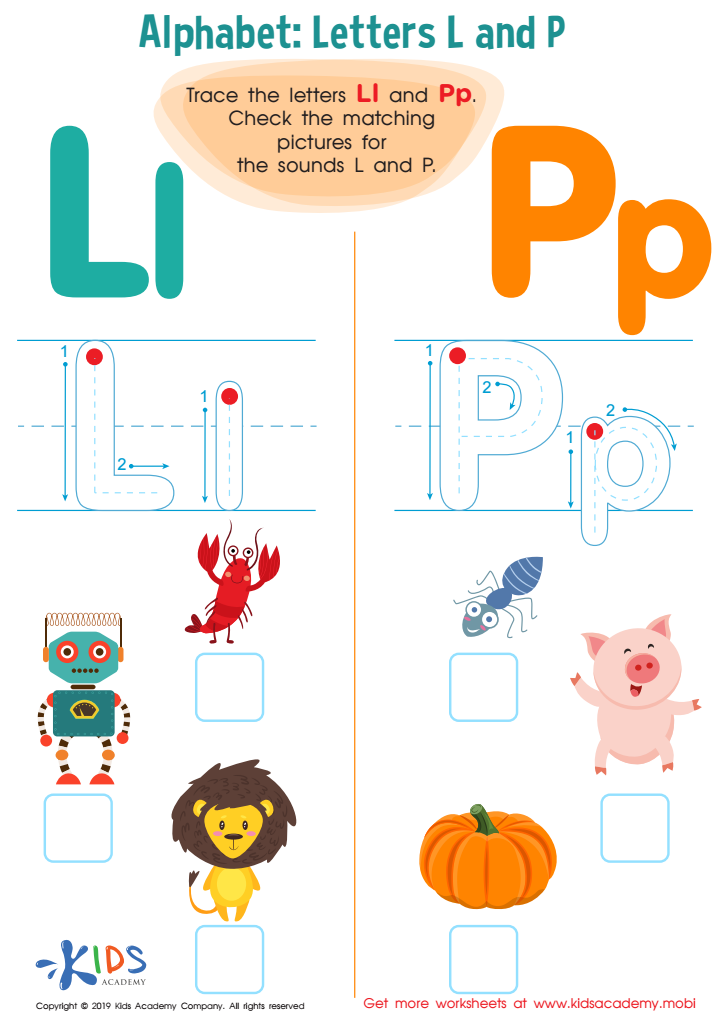
Letter L and P Tracing Worksheet
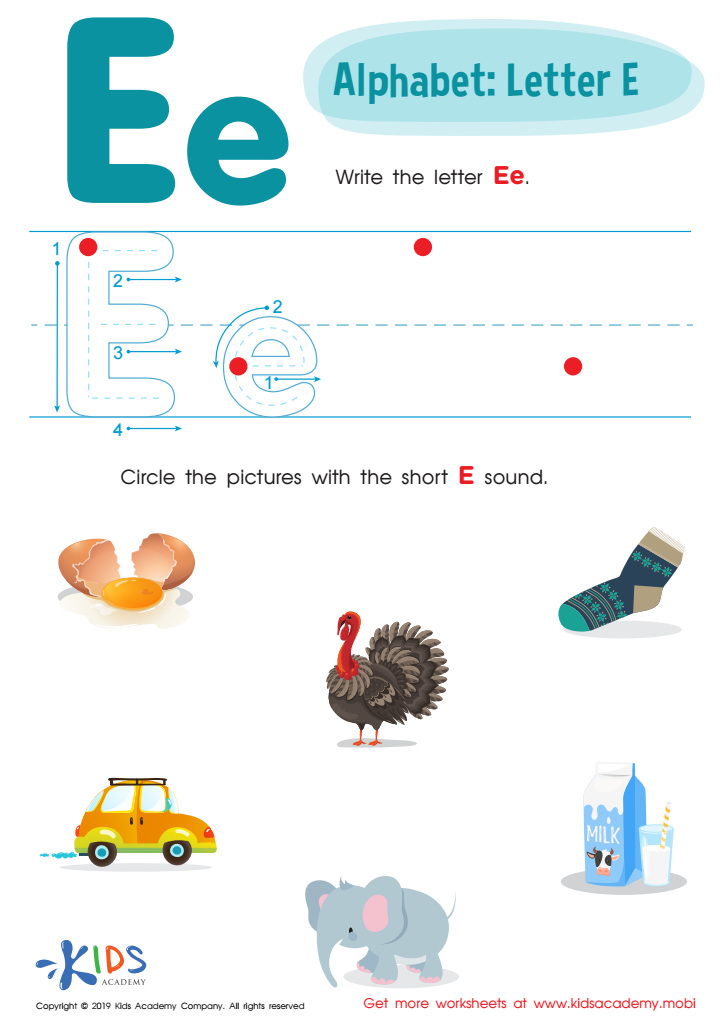
Letter E Tracing Worksheet

Letter A Tracing Worksheet
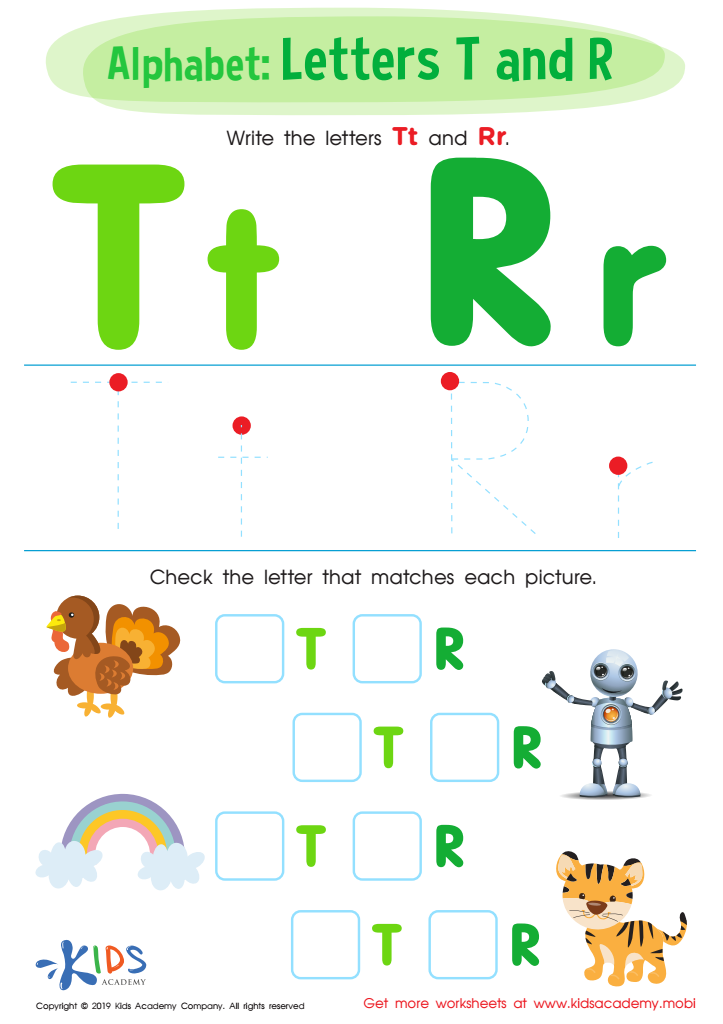
Letters T and R Worksheet
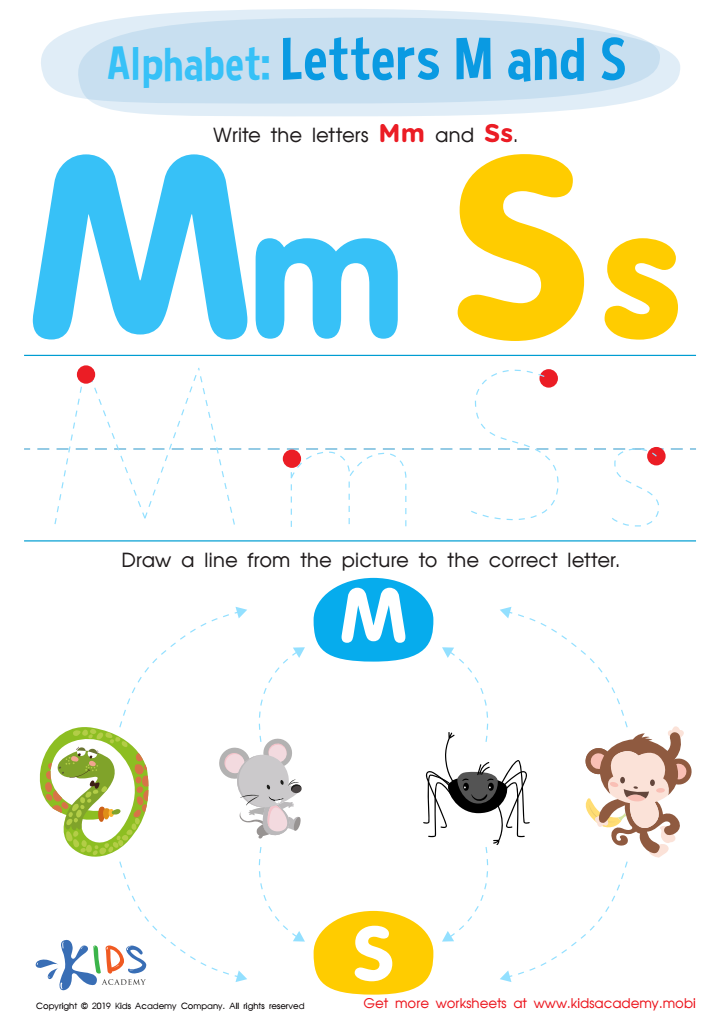
Letters M and S Tracing Worksheet
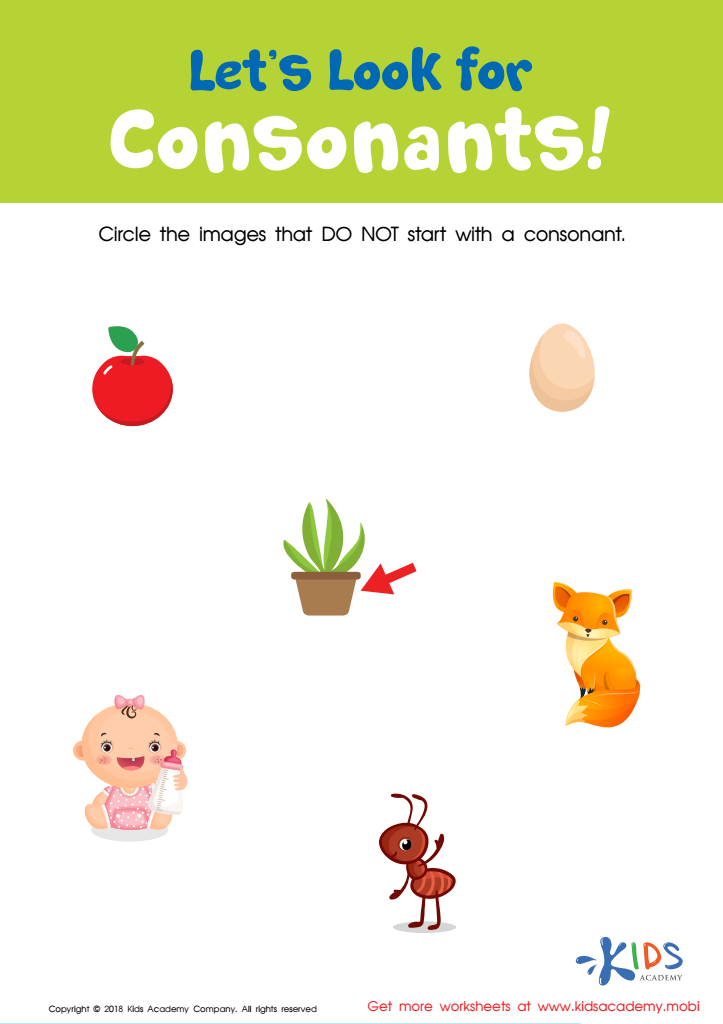
Let's Look for Consonants Worksheet
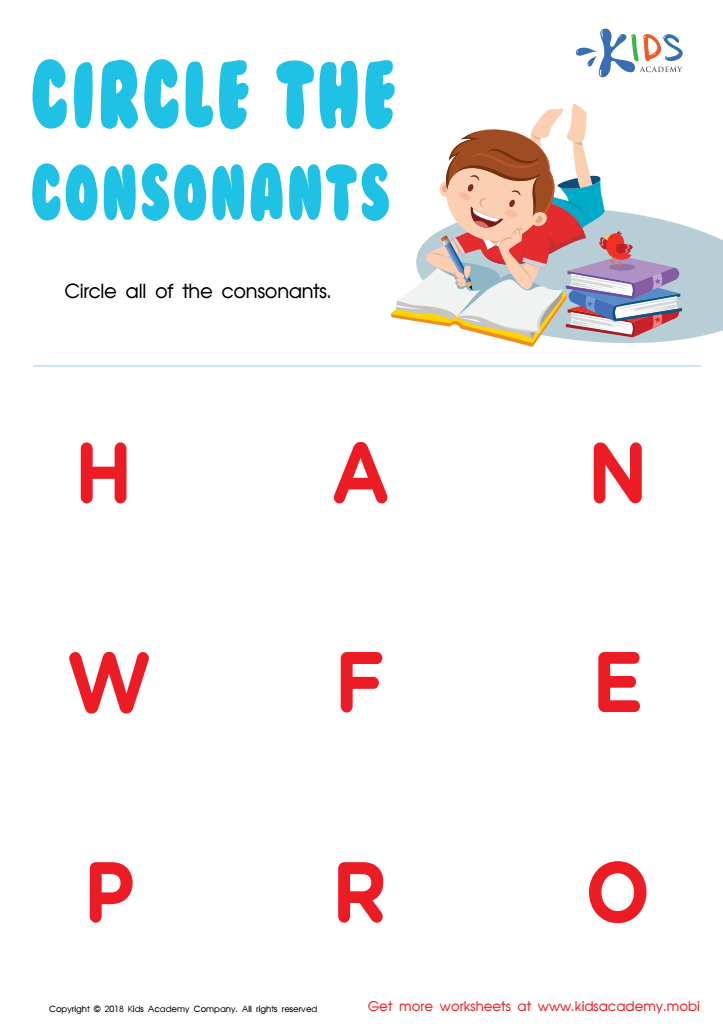
Circle the Consonants Worksheet
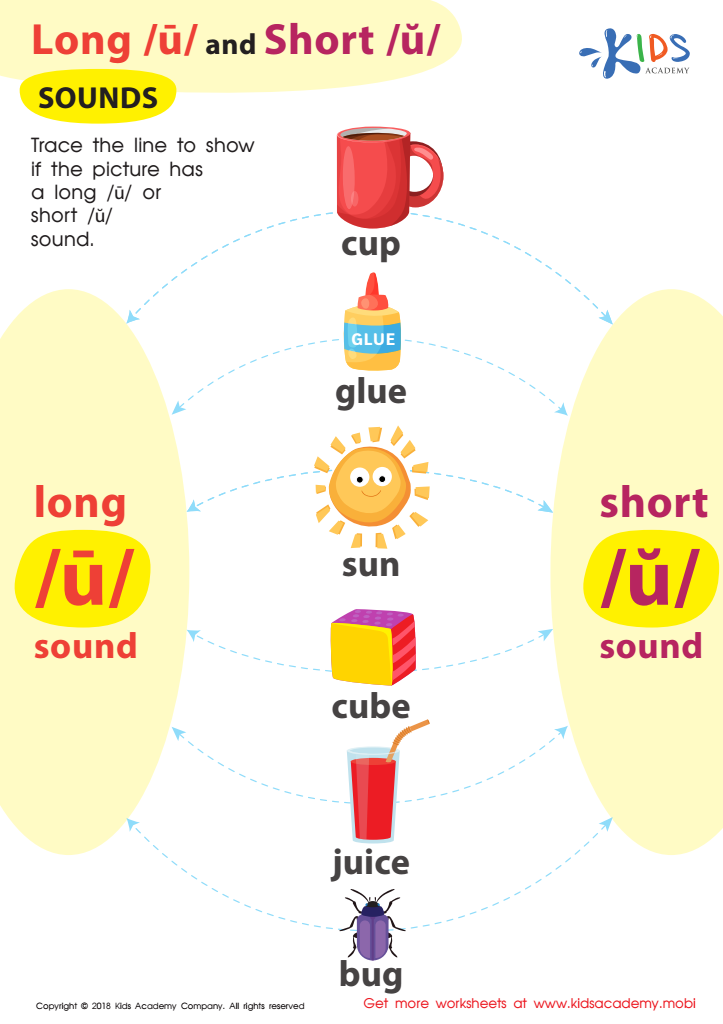
Reading: Long U and Short U Sounds Worksheet
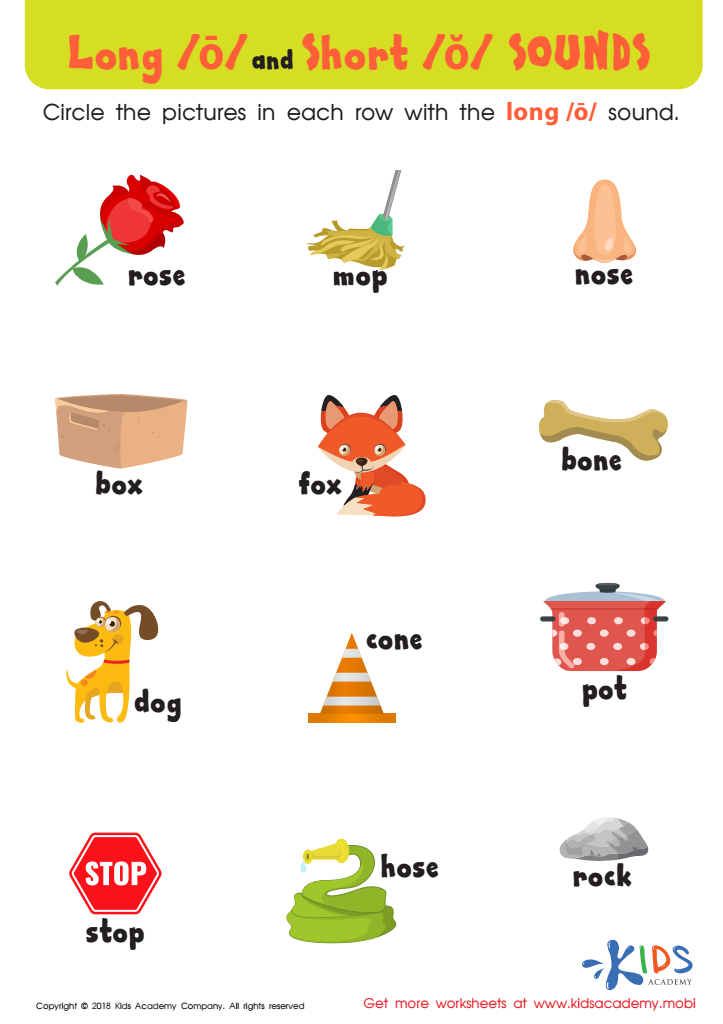
Reading: Long O and Short O Sounds Worksheet
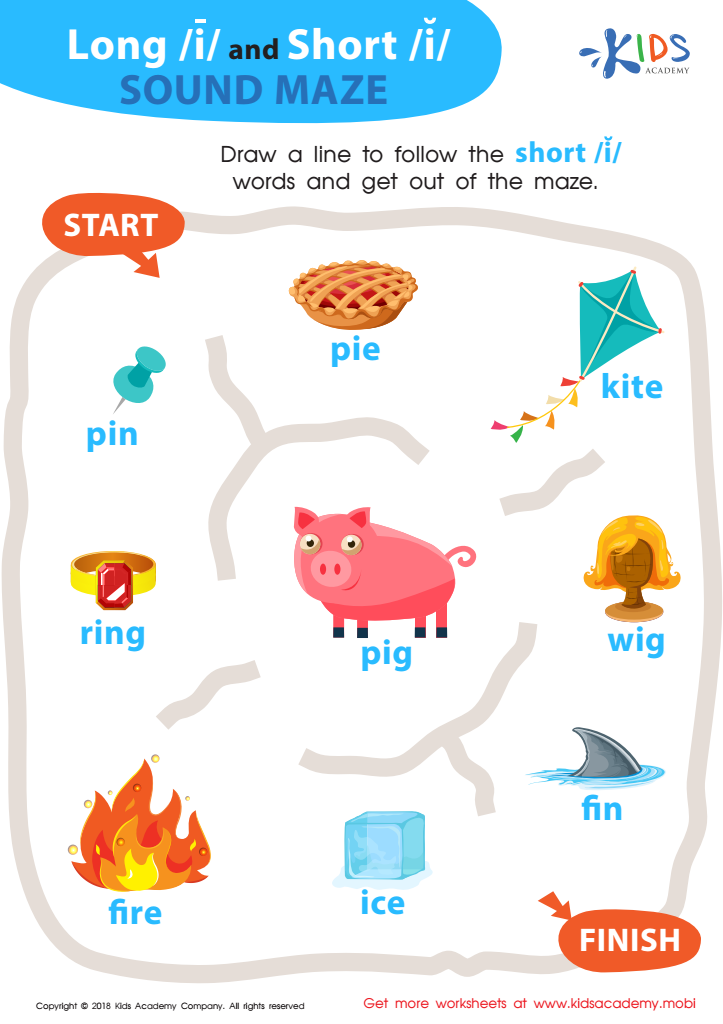
Reading: Long I and Short I Sound Maze Worksheet
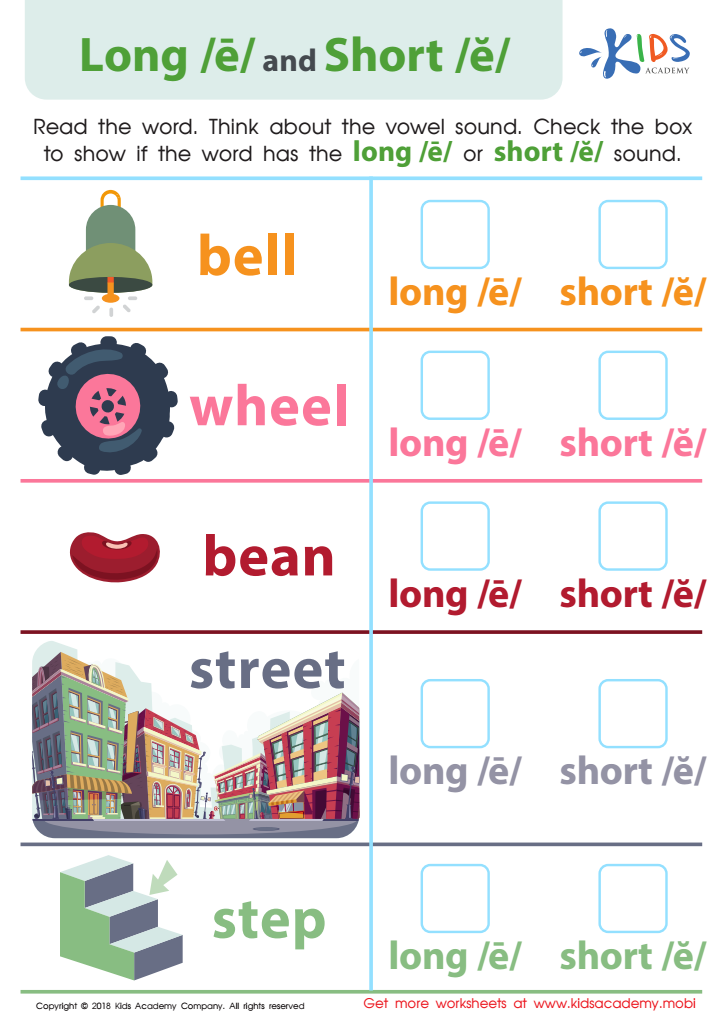
Reading: Long E and Short E Worksheet
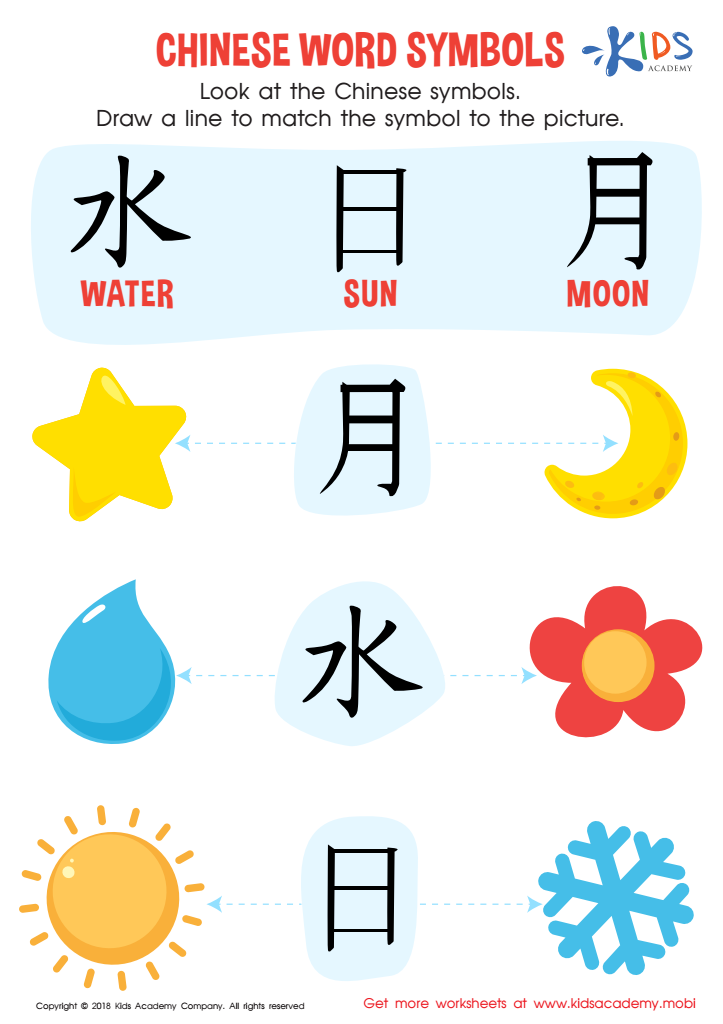
Chinese Word Symbols Worksheet
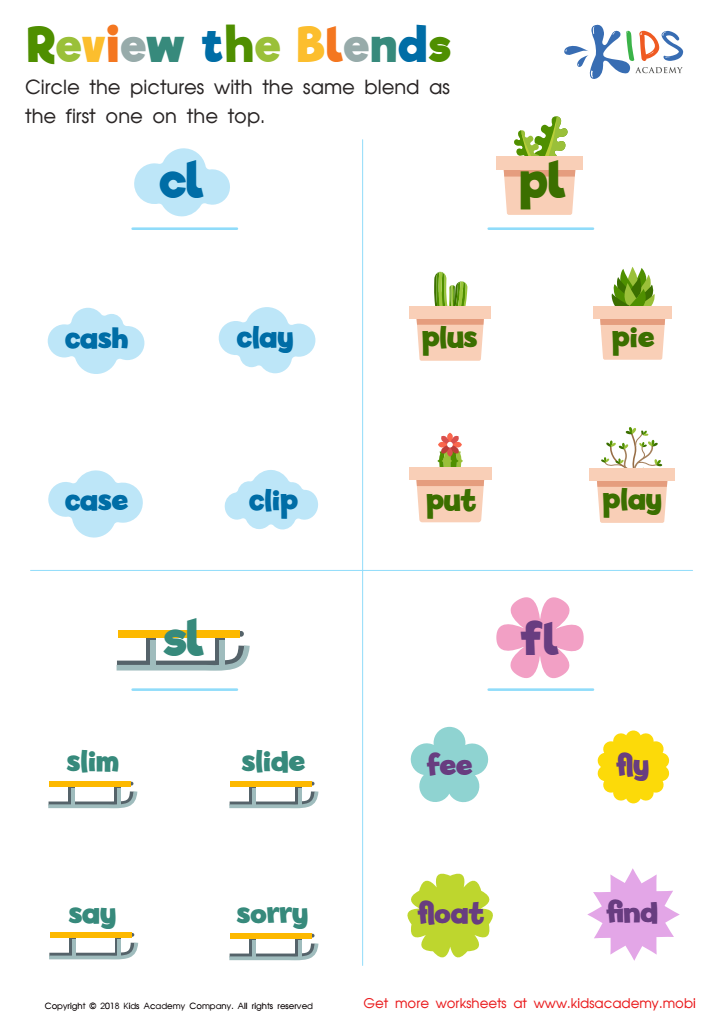
Review the Blends Worksheet








Letter recognition is a fundamental milestone in early childhood education that serves as the building block for literacy. For children aged 4-7, developing the ability to recognize letters cuts across several crucial areas of personal and academic growth.
First, letter recognition fosters essential reading skills. When children identify letters and understand their corresponding sounds, they can begin to decode words, which is a critical step towards fluent reading. This fluency underpins their ability to understand and enjoy text, both key components for continued intellectual development.
Secondly, recognizing letters empowers children to become confident communicators. It is more than just reading; it is also about writing. Knowing how to distinguish and reproduce letters helps children spell words and craft sentences, fostering their ability to express ideas clearly. Enhanced communication skills play a pivotal role in social interactions and future learning endeavors.
Furthermore, early mastery of letter recognition often correlates with improved academic performance throughout school. It sets a positive foundation for future learning habits, building curiosity and giving a sense of achievement that propels a child forward.
Parents and teachers who prioritize letter recognition offer children a head start in literacy, setting them on a path for lifelong learning and academic success while contributing to their overall cognitive and emotional development.







