Filters

31 filtered results

Clear all filters
Favorites
With answer key
Interactive

31 filtered results

Difficulty Level

Grade


Subject

    Check out this FREE Trial Lesson on Letter Sounds for age 4-7!

    Review

    Favorites
    With answer key
    Interactive
    • 4-7
    • Interactive
    • Letter Sounds
    Choose a Sound Worksheet
    Choose a Sound Worksheet

    Choose a Sound Worksheet

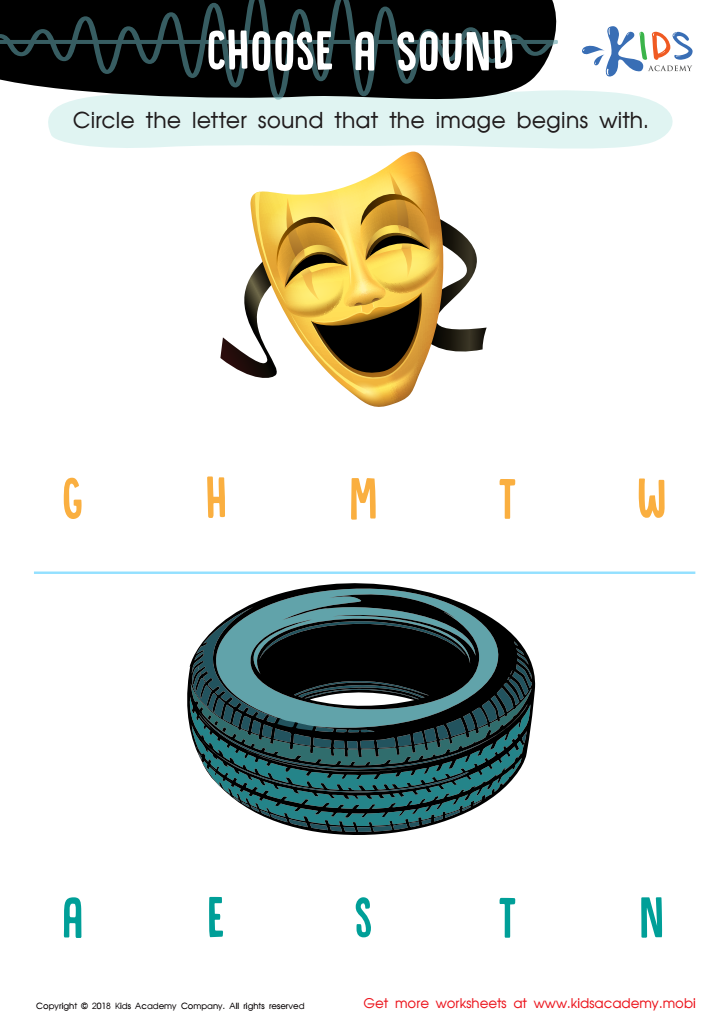
    Help your child hone pre-reading skills with this colorful worksheet! They'll practice tracing letter sounds, develop phoneme awareness, and gain confidence. Plus, it's a fun way to work on their fine motor skills.
    Choose a Sound Worksheet
    Worksheet
    Is It m or n? Worksheet
    Is It m or n? Worksheet

    Is It m or n? Worksheet

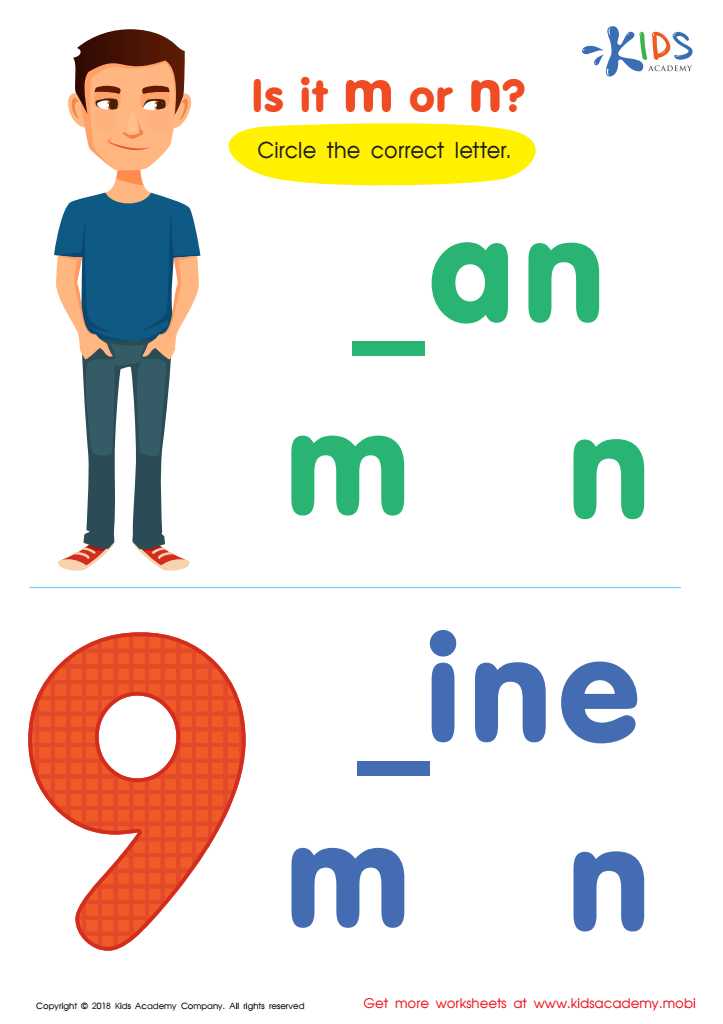
    Help your child circle the letter that begins the words "man" and "nine" in the picture. This is a great way for them to learn the alphabet.
    Is It m or n? Worksheet
    Worksheet
    Identify the Written Words Worksheet
    Identify the Written Words Worksheet

    Identify the Written Words Worksheet

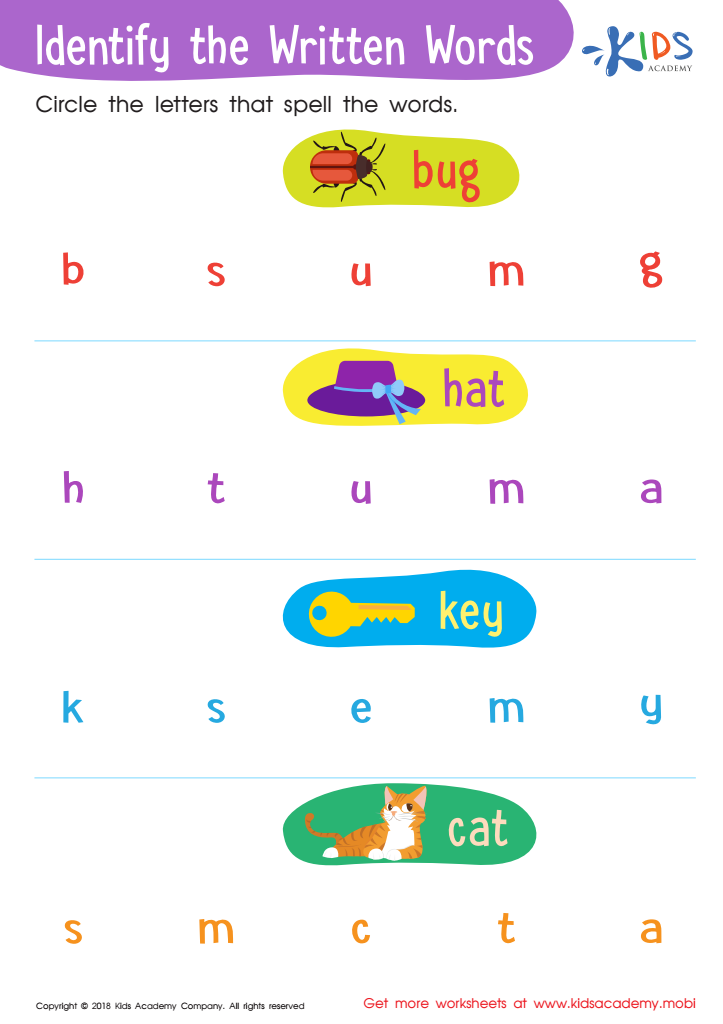
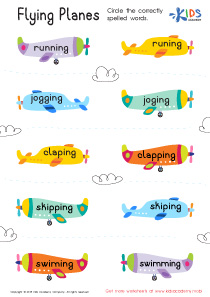
    Have your students identify the objects on the printout, then spell the words. If they already know how to spell, this exercise should be easy. Help them circle the correct letters from the set to spell out the words. This is a great way to reinforce reading and spelling skills. Max 80 words.
    Identify the Written Words Worksheet
    Worksheet
    What Sound Is it? Worksheet
    What Sound Is it? Worksheet

    What Sound Is it? Worksheet

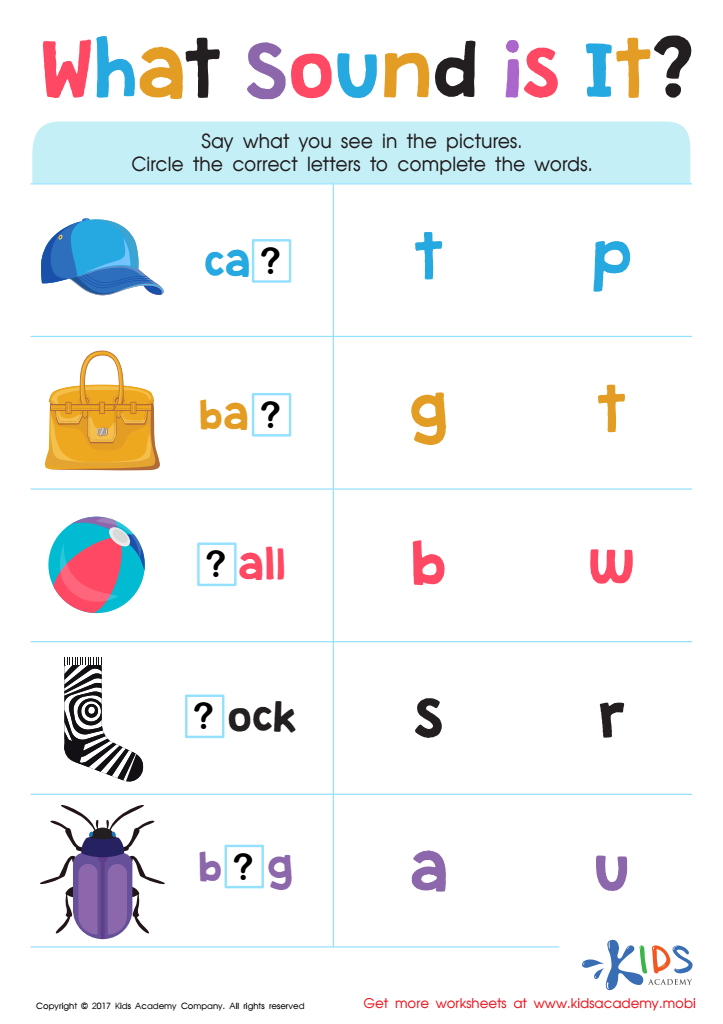
    Have your child say the words for the pictures on this fun worksheet. As he or she sounds out the word, your child will use the provided letter choices to complete it, building reading and phonics skills. Visual cues make it easier to identify the correct beginning, middle, or end sound.
    What Sound Is it? Worksheet
    Worksheet
    Letter p sound worksheet
    Letter p sound worksheet

    Letter P Sound Worksheet

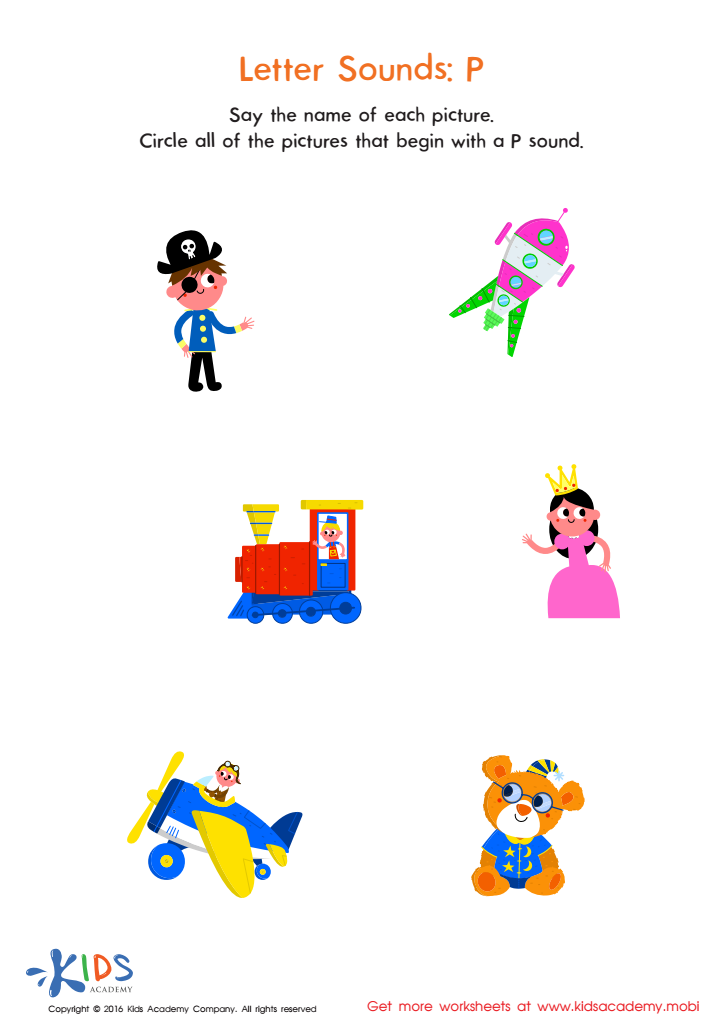
    Think P! Kids practice phonics with this fun letter P worksheet. With delightful illustrations, they'll sound out simple words and get closer to reading.
    Letter P Sound Worksheet
    Worksheet
    Letter t sounds worksheet
    Letter t sounds worksheet

    Letter T Sounds Worksheet

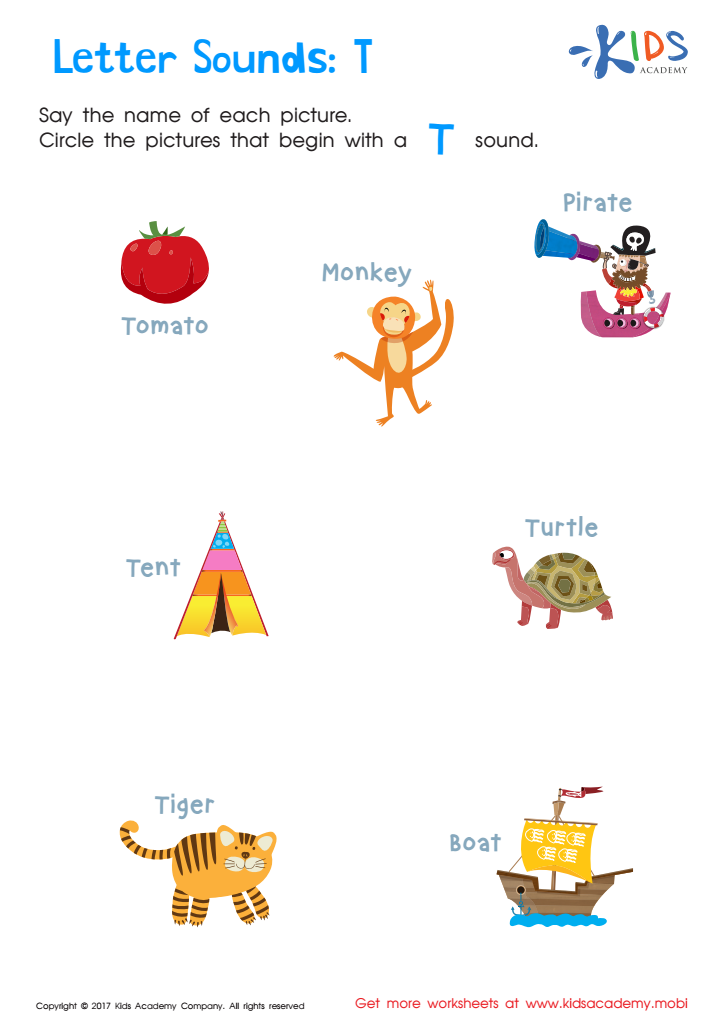
    This worksheet is a fun way to help kids learn the t sound. It has familiar pictures and an easy-to-follow format, so kids can quickly recognize and learn the letter t.
    Letter T Sounds Worksheet
    Worksheet
    Letter f sounds worksheet
    Letter f sounds worksheet

    Letter F Sounds Worksheet

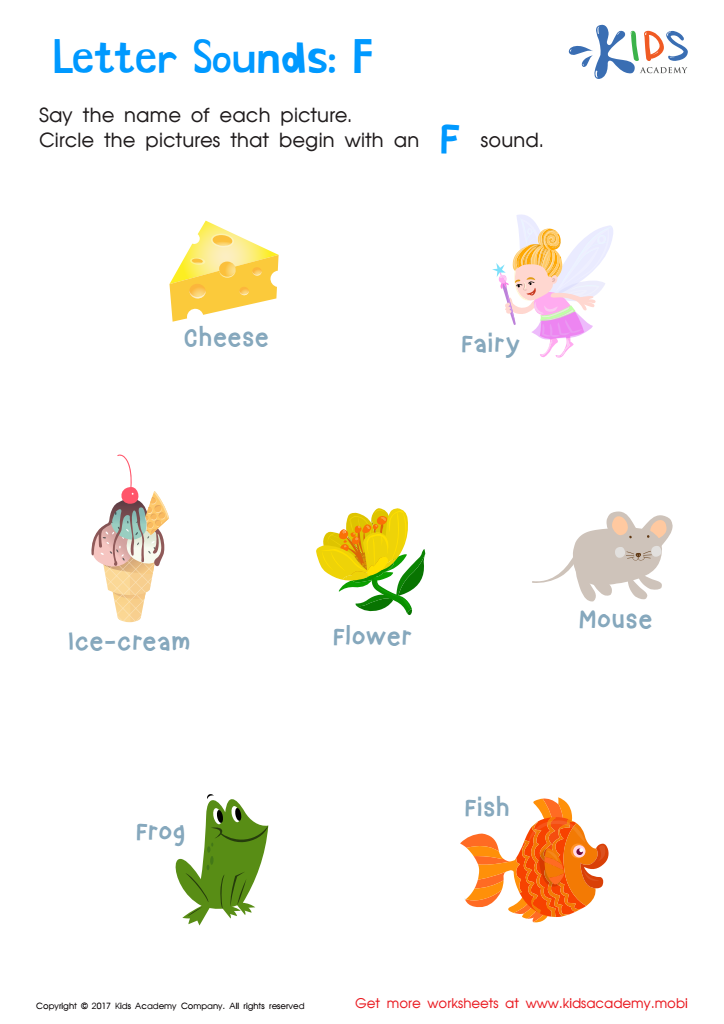
    Kids will practice identifying 'f' words, tracing, and coloring the letter F for a great way to learn phonics. Help your child discover the wonders of the letter 'F' with this fun worksheet! Kids will practice identifying 'F' words, tracing and coloring the letter, and building early reading skills. Stimulate their learning and let them connect letter sounds to words they know. An enjoyable way to practice phonics!
    Letter F Sounds Worksheet
    Worksheet


    Parents and teachers should deeply care about letter sounds for children aged 4-7 because this foundational skill is critical for early reading development. Letter sounds, or phonemic awareness, are the building blocks of language and literacy. At this age, children’s brains are exceptionally receptive to language acquisition. Mastering letter sounds enables them to understand the relationship between letters and sounds, an essential step in decoding words when reading.

    For instance, understanding that the letter 'B' makes a "buh" sound allows children to phonetically piece together simple words like "bat" or "ball." This skill not only helps with recognizing familiar words but also equips them with strategies to sound out new words independently. Enhanced phonemic awareness leads to better reading fluency and comprehension, critical components of overall academic success.

    Early mastery of letter sounds also fosters confidence and enjoyment in reading, setting a positive trajectory for lifelong learning. Children who struggle with these basics may experience frustration, which can deter their interest in reading. For both parents and teachers, prioritizing activities that reinforce letter sounds—like reading aloud, playing sound-related games, and practicing through repetition—builds a strong foundation for future literacy skills, thereby promoting academic and personal growth.