Long Vowels Worksheets for Ages 4-7 - Page 2
29 filtered results
-
From - To
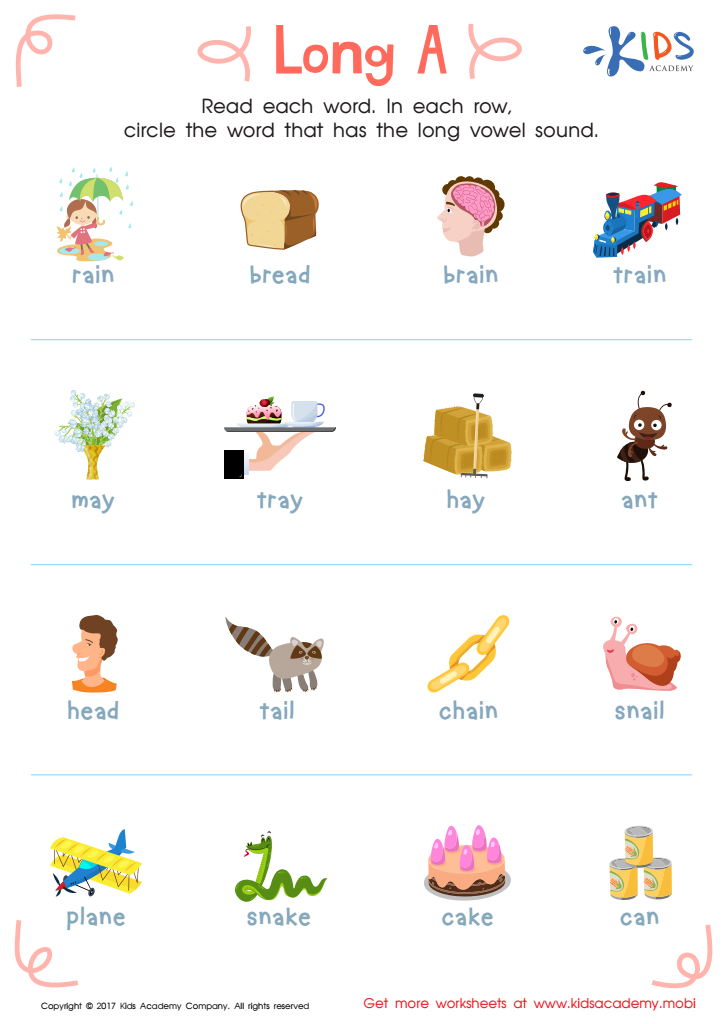
 Assign to My Students
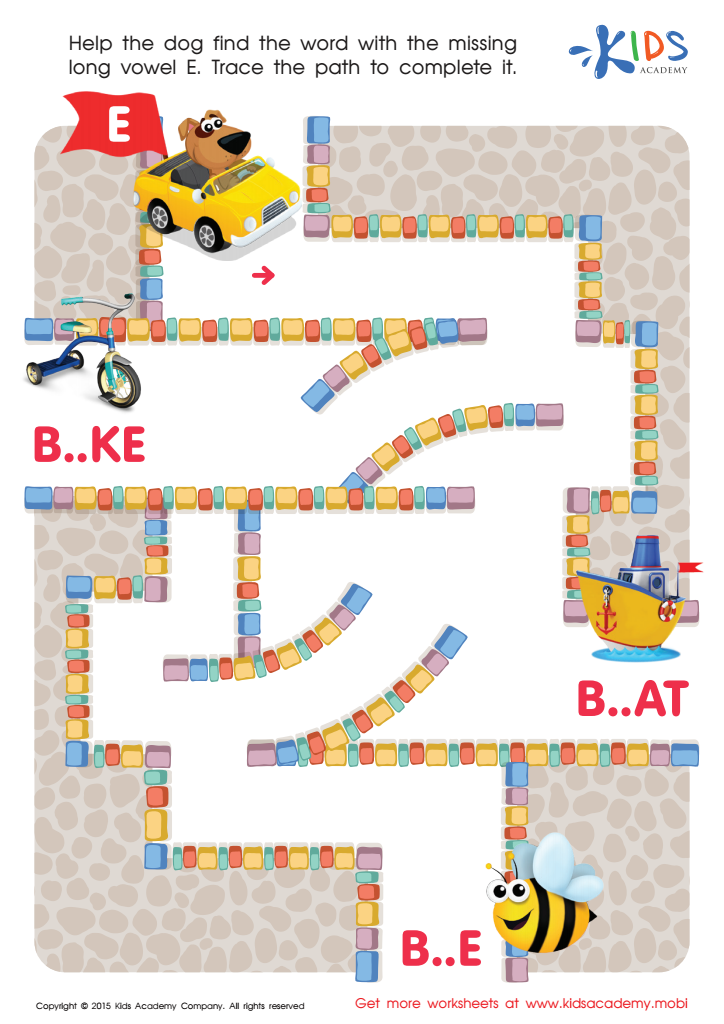
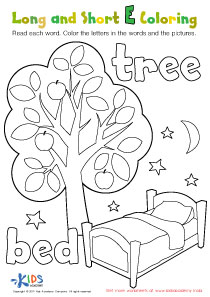
Long Vowel Sound E Worksheet
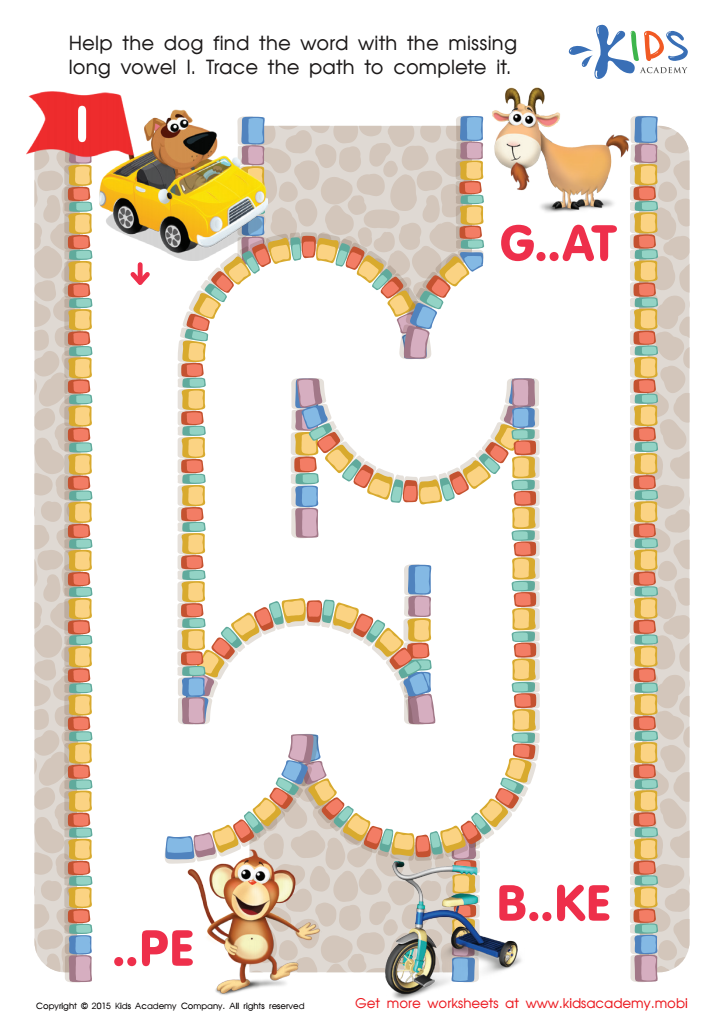
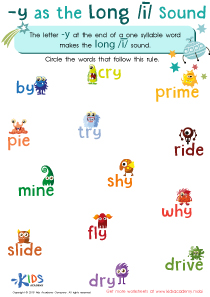
Long Vowel Sound I Worksheet
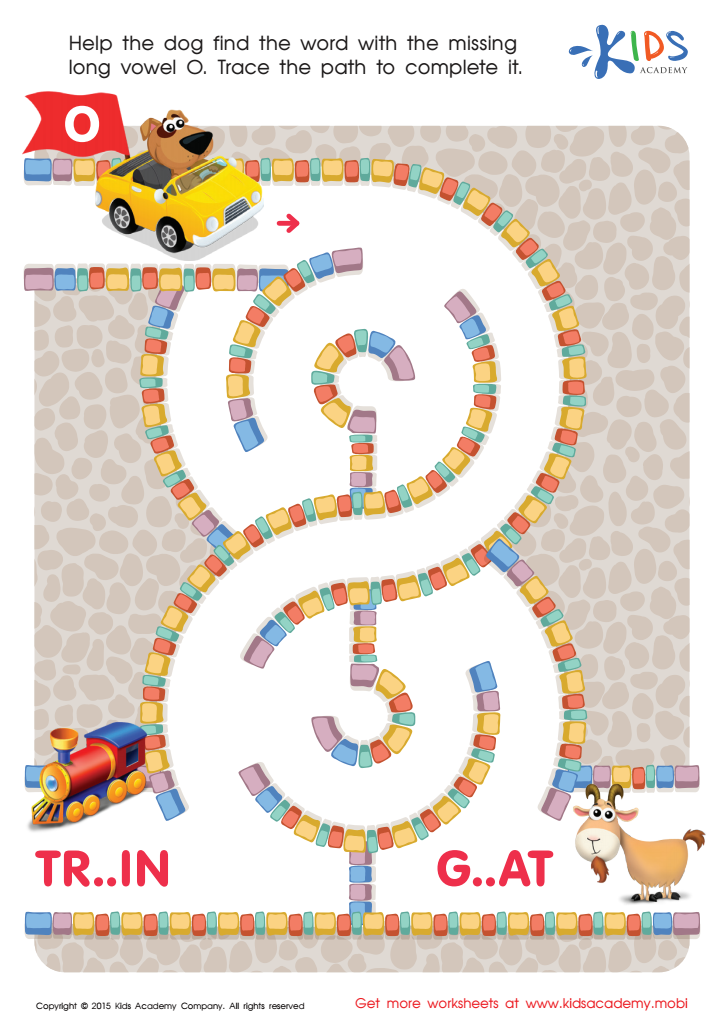
Long Vowel Sound O Worksheet
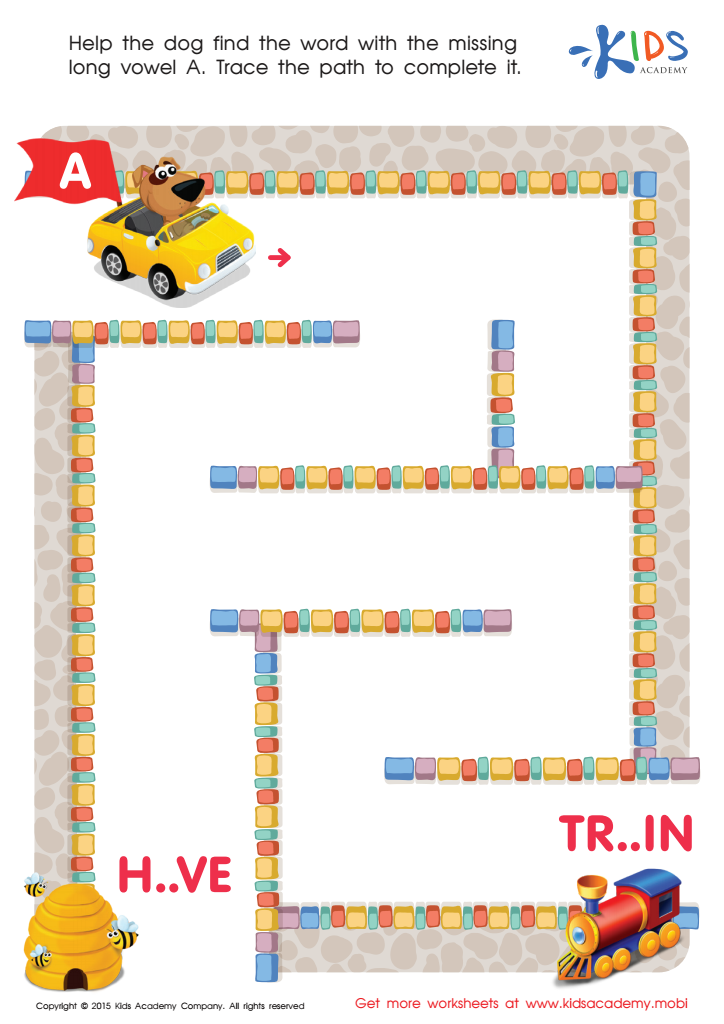
Long Vowel Sound A Worksheet



Understanding long vowels is crucial for children aged 4-7 as it lays the foundation for their reading and communication skills. Long vowels, which sound like their names (e.g., 'a' in "make," 'e' in "scene"), are essential in helping children decode words, which boosts their confidence in reading. Mastering long vowels assists young learners in recognizing word patterns and rhymes, facilitating vocabulary expansion and enhancing phonemic awareness.
For parents and teachers, emphasizing long vowels can significantly enhance a child's literacy development. When children grasp long vowel sounds, they become better equipped to tackle more complex texts, facilitating smoother transitions into higher grade levels. Additionally, long vowels play a key role in writing; as children learn to spell phonetically, understanding these sounds helps them accurately represent words on paper.
Moreover, engagement with long vowels through games, songs, and stories makes learning enjoyable, fostering a love for literacy. Early mastery not only supports academic success but also prepares children for effective communication in their daily lives. For these reasons, parents and teachers should prioritize long vowel instruction to empower young learners and set them on a path towards lifelong literacy.