Upper & Lowercase Letters Worksheets for Ages 4-7 - Page 3
50 filtered results
-
From - To
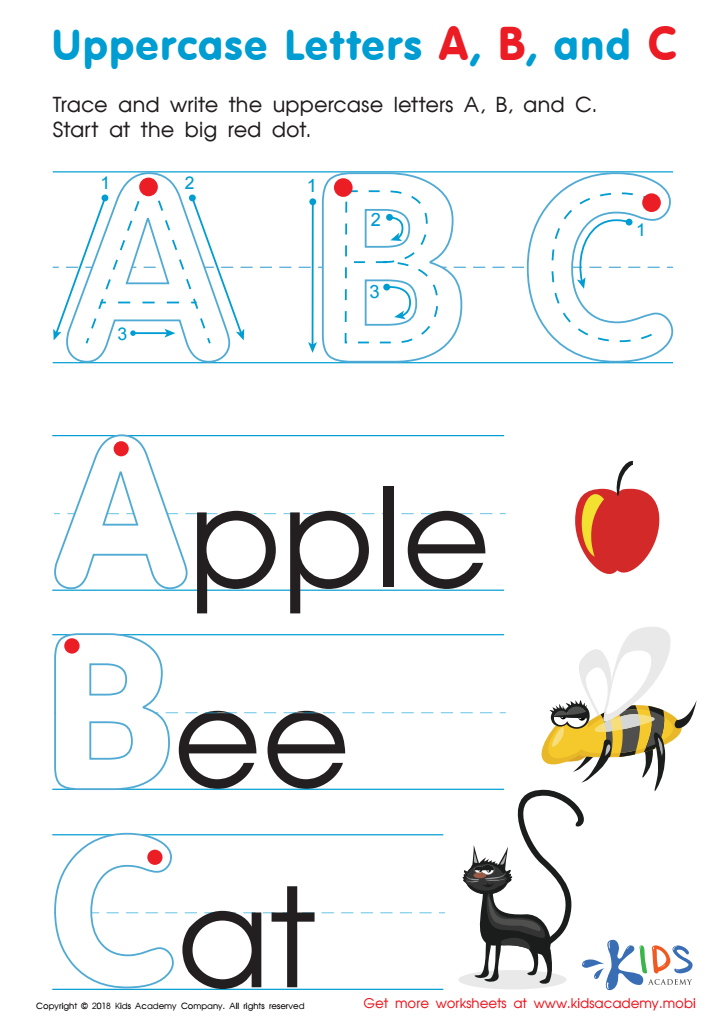
Uppercase Letters A, B, and C Worksheet
 Assign to My Students
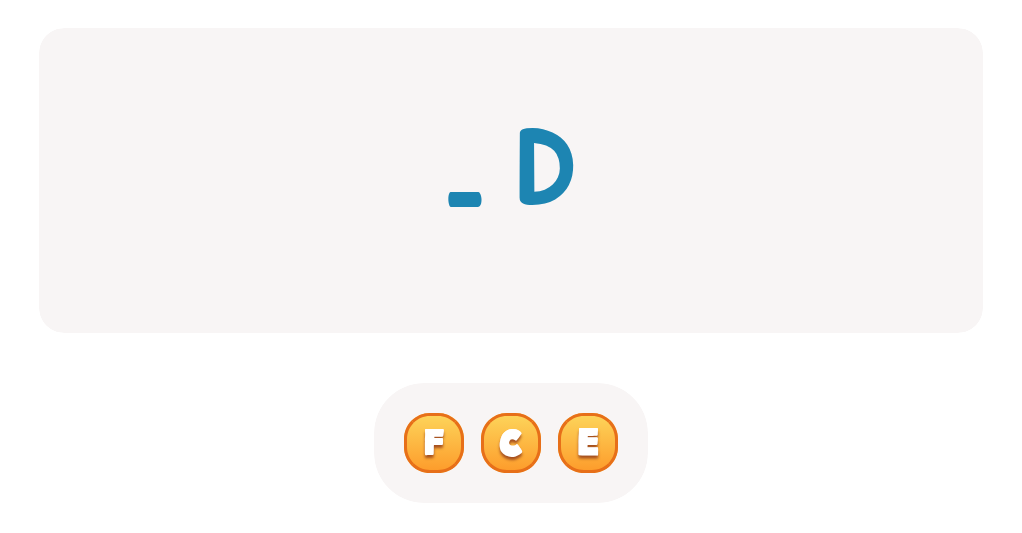

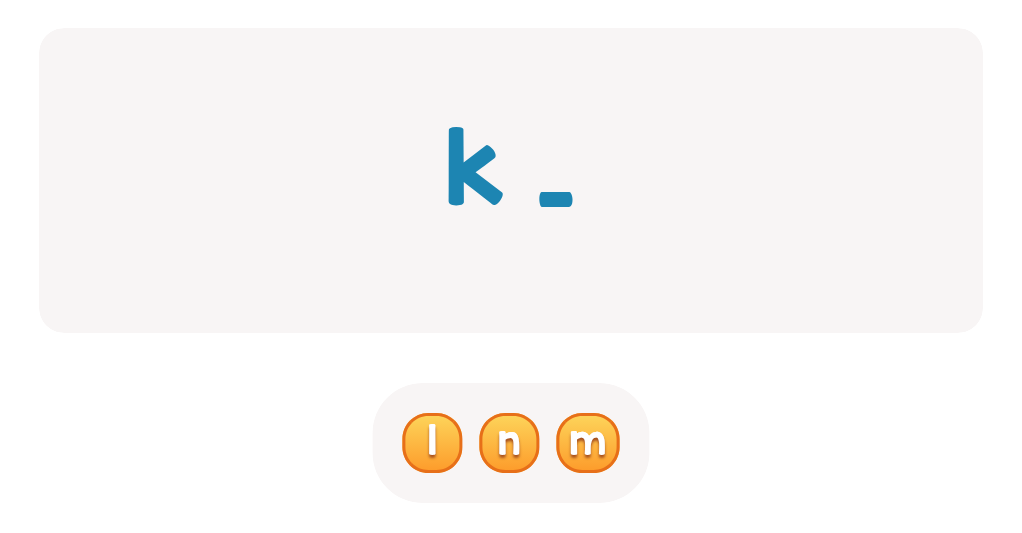
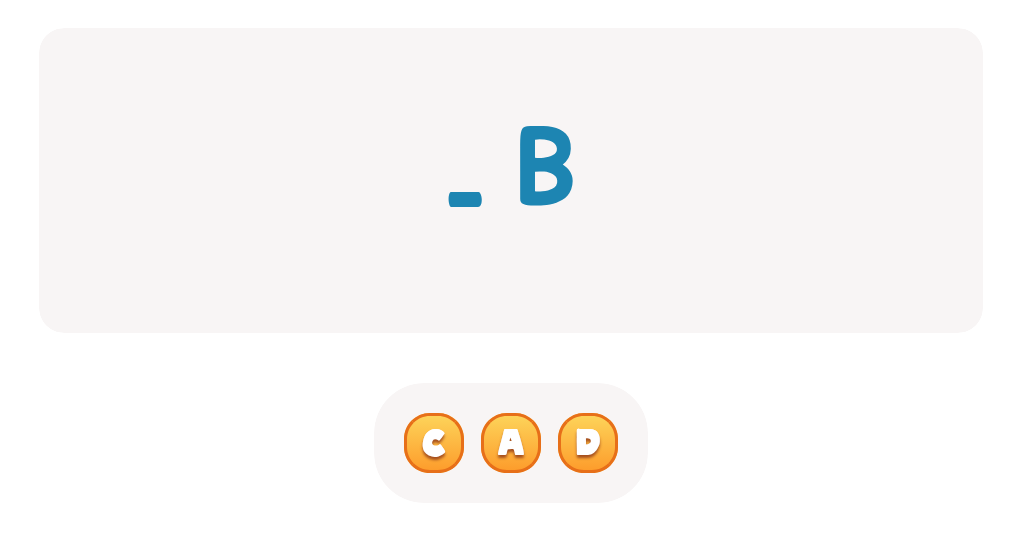
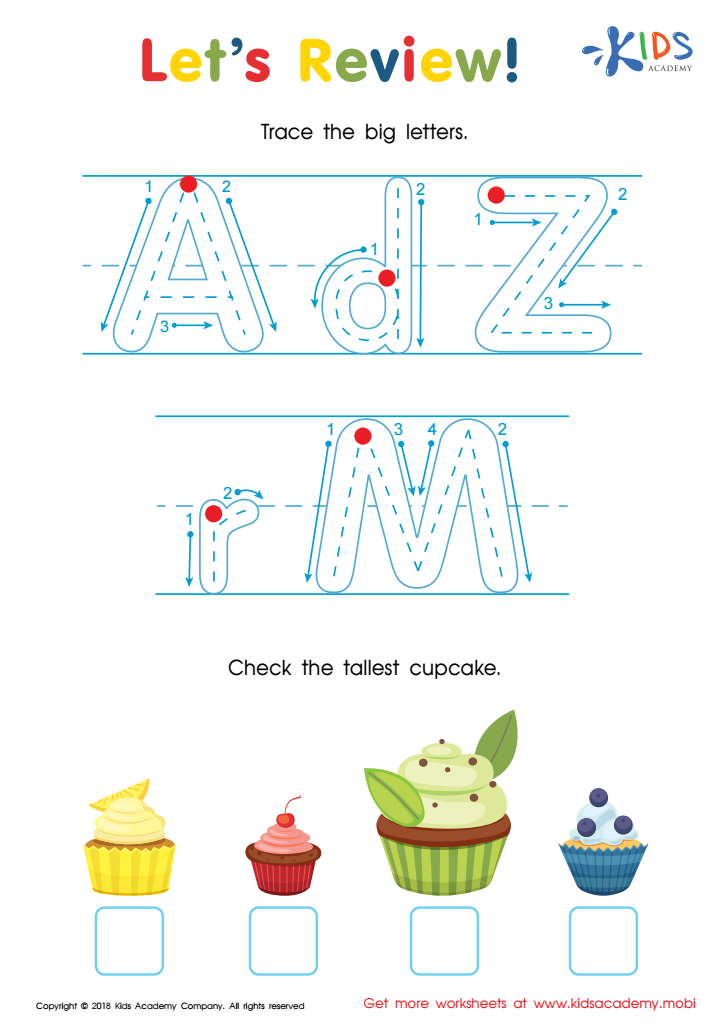
Let's Review! Big Letters Worksheet






For children ages 4-7, understanding both upper and lowercase letters is essential as it lays the foundation for literacy and effective communication. During these formative years, children develop key reading and writing skills which are critical for their overall academic success. Recognizing both uppercase and lowercase letters ensures that children can read words correctly since text in books, signs, and digital media generally uses a mix of both cases.
Introducing uppercase letters initially is often easier; they are more distinct and less complex than their lowercase counterparts. However, lowercase letters are more prevalent in reading and writing. Mastery of both cases allows children to read fluidly, write legibly, and differentiate between proper nouns and general terms, which follows basic grammar rules.
Moreover, proficiency in correctly using upper and lowercase letters aids children in transitioning from letter recognition to full word recognition, fostering competencies in spelling, punctuation, and overall language comprehension. Educators and parents play a pivotal role by incorporating a variety of engaging activities and consistent practice to help children understand the differences and applications of both types of letters. This groundwork not only supports cognitive development but also enhances children’s confidence and enthusiasm for learning, crucial attributes for their future educational endeavors.







