Math Worksheets for Ages 4-7 - Page 47
1107 filtered results
-
From - To
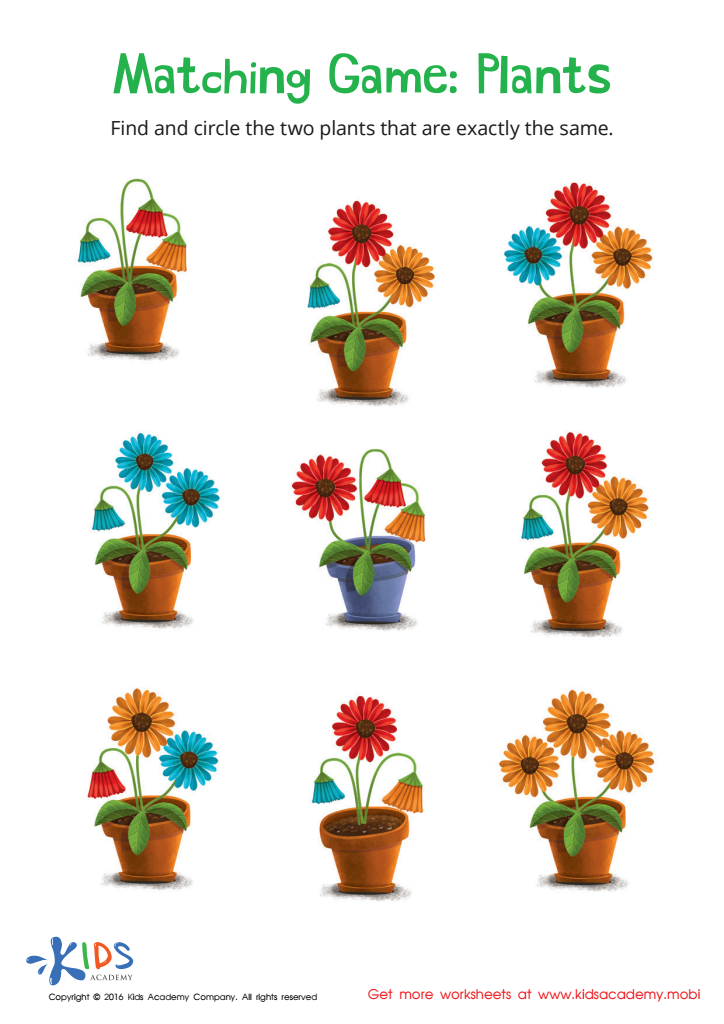
Matching: Plants Worksheet
 Assign to My Students
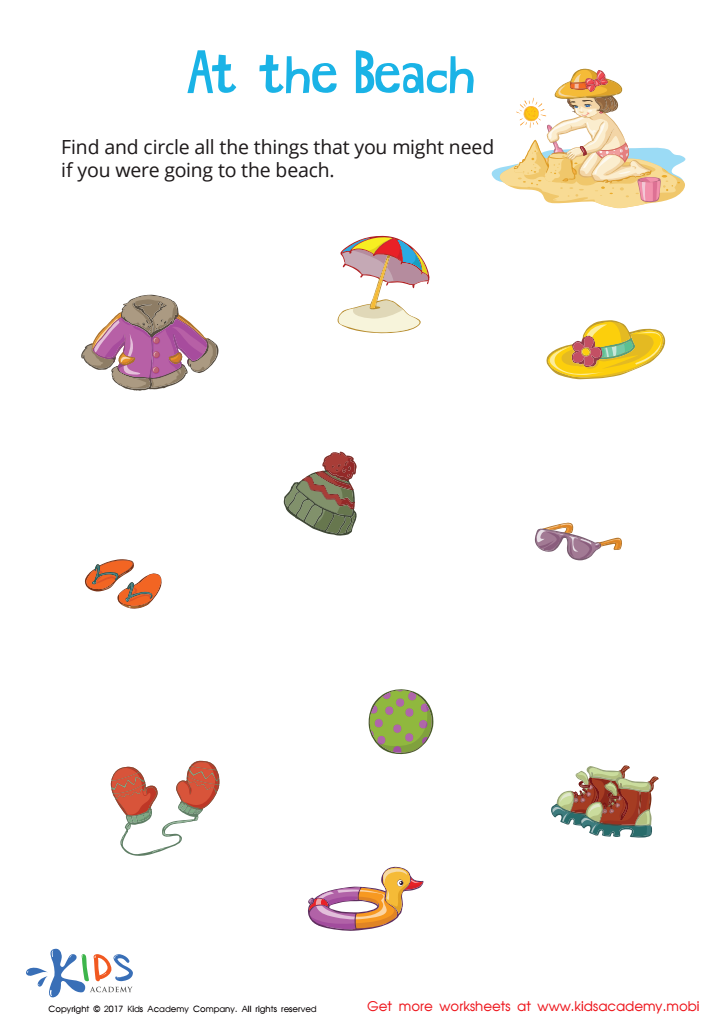
At the Beach Sorting Worksheet
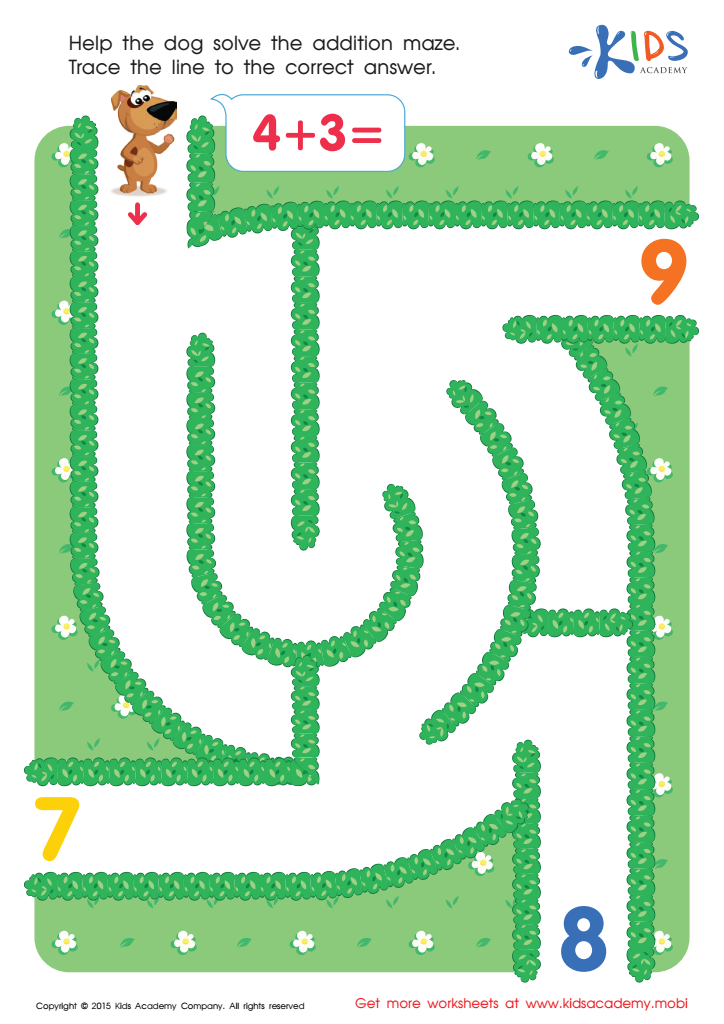
Addition Four And Three Worksheet








Mathematics is foundational for young learners aged 4-7, serving as a critical building block for future academic success. During these formative years, children develop essential cognitive skills, such as problem-solving, logical reasoning, and critical thinking. Engaging in math activities fosters curiosity and a love for learning, helping children understand the world around them through patterns, shapes, and numbers.
For parents and teachers, emphasizing math at this stage lays the groundwork for later mathematical concepts. Early exposure allows children to grasp basic arithmetic, measurement, and spatial awareness, enhancing their ability to tackle more complex topics in the future. It also contributes to their overall cognitive development, assisting in language skills and boosting creativity as they approach challenges with a mathematical lens.
Additionally, a strong foundation in math encourages confidence in young learners. When children feel competent in their abilities, they are more likely to engage with and enjoy subjects they may find difficult later on. Therefore, supporting math education for ages 4-7 not only enriches intellectual growth but also nurtures resilience and a lifelong love for learning, equipping children with critical skills for their educational journey and beyond.








