
Community Worksheets for Ages 4-7 - Page 6
121 filtered results
Difficulty Level
Grade
Age
-
From - To
Subject
Activity
Standards
Favorites
With answer key
Interactive
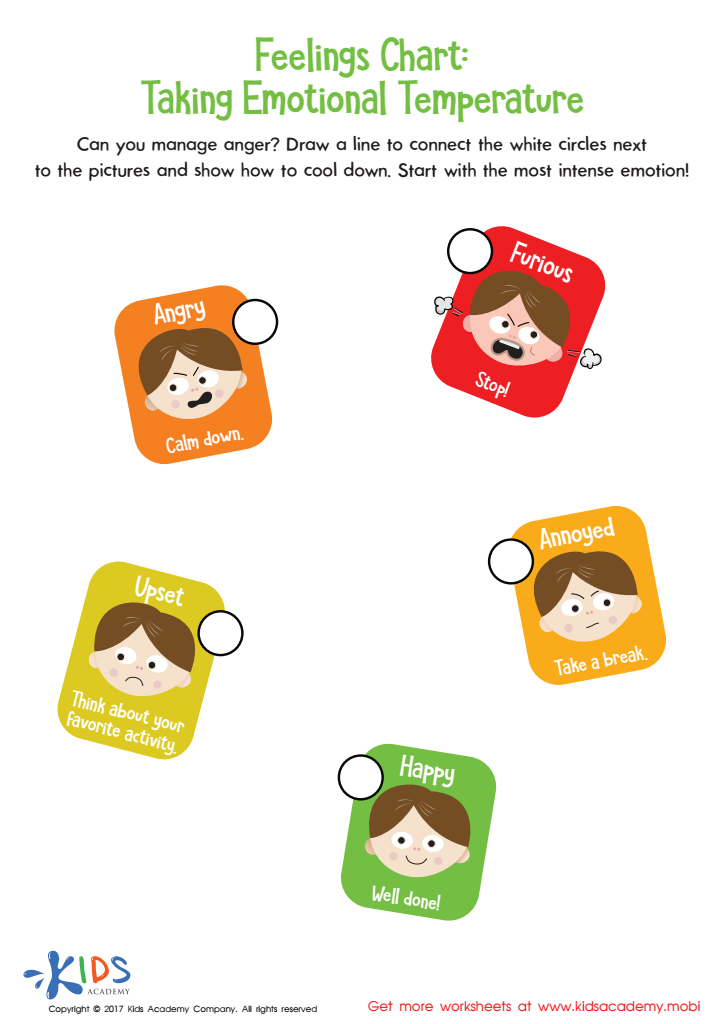
Feelings Chart Worksheet
Anger can be tricky to manage, so help your child learn techniques for coping. Use this feelings chart worksheet which leads them through identifying the most intense face and connecting the dots to help them calm down.
 Assign to My Students
Feelings Chart Worksheet
Worksheet
Join Kids Academy for Free
Who is primarily going to use this learning content?








Community plays a vital role in the development of children aged 4-7, and both parents and teachers should prioritize fostering a strong sense of it. At this early stage, children are particularly impressionable; they begin to form their identities and understanding of the world around them. A supportive community offers a foundation for emotional and social learning, allowing children to feel safe and connected.
When parents and teachers emphasize community, they provide children with opportunities for socialization, cooperation, and empathy. Through collaborative activities such as group projects, community service, and local events, children learn to work with others, share ideas, and appreciate diverse perspectives. These interactions promote essential skills like communication and teamwork.
Moreover, belonging to a community strengthens children’s self-esteem and confidence. When they see themselves as valued members, they are more likely to engage actively, take risks in learning, and explore their interests fully. Additionally, a robust community can serve as a support system for families, offering resources and connections that can enhance children’s educational experiences.
In summary, prioritizing community helps shape well-rounded, responsible, and compassionate individuals, laying a foundation for lifelong relationships and effective citizenship. Parents and teachers play a crucial role in nurturing these early connections.








