Governance and Civics Worksheets for Ages 4-7 - Page 2
34 filtered results
-
From - To
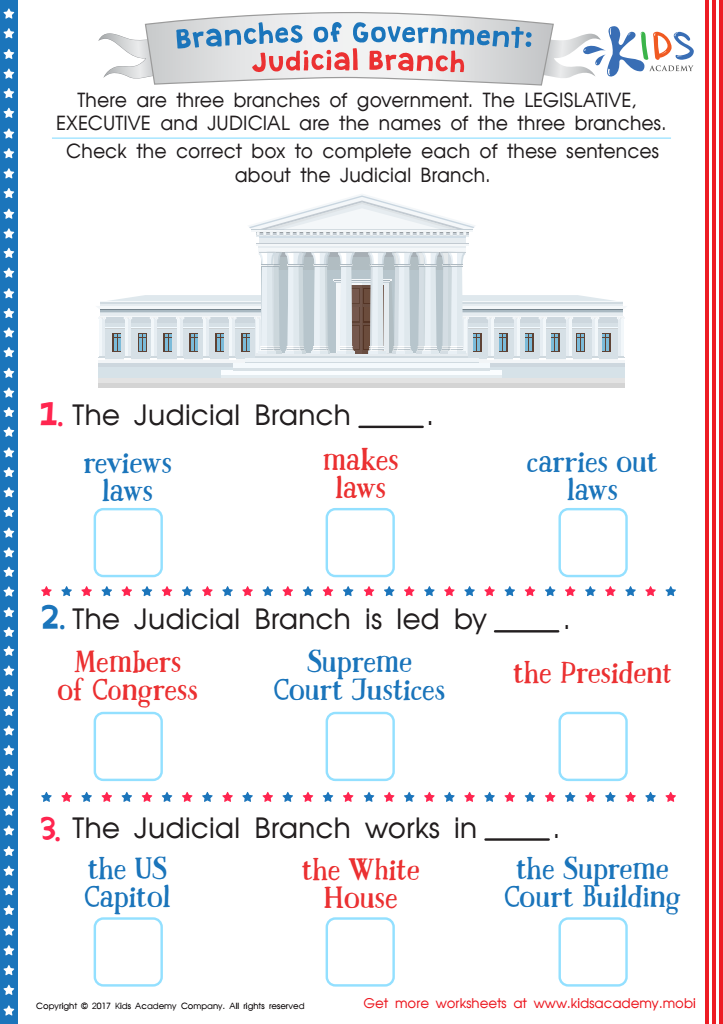
Braches of the Government: Judicial Branch Worksheet
 Assign to My Students
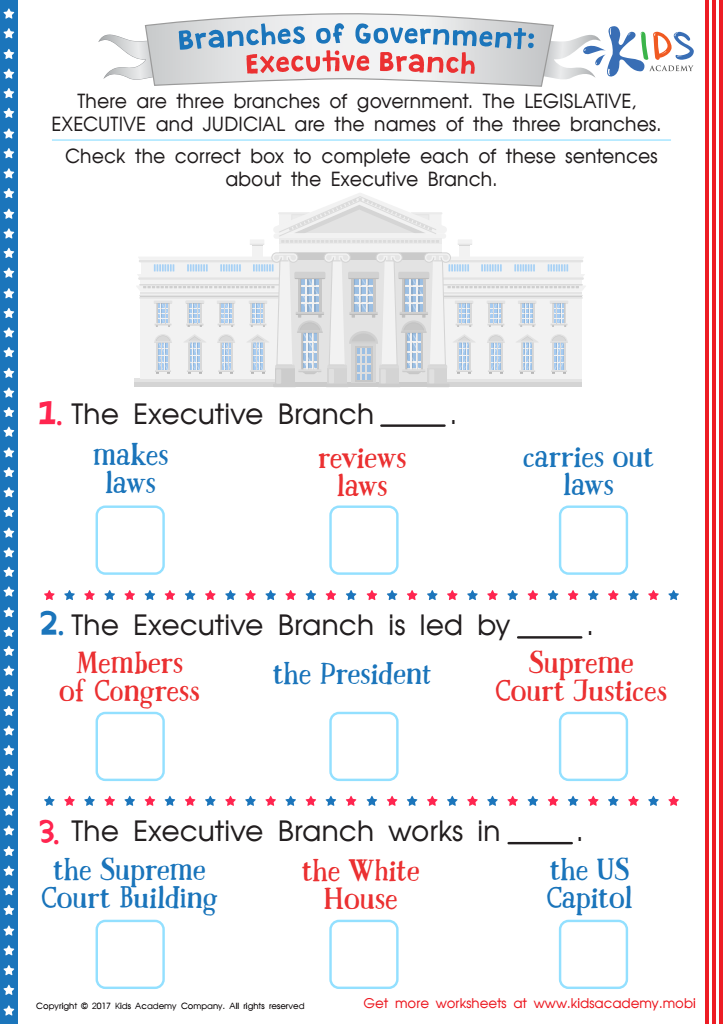
Branches of the Government: Executive Branch Printable
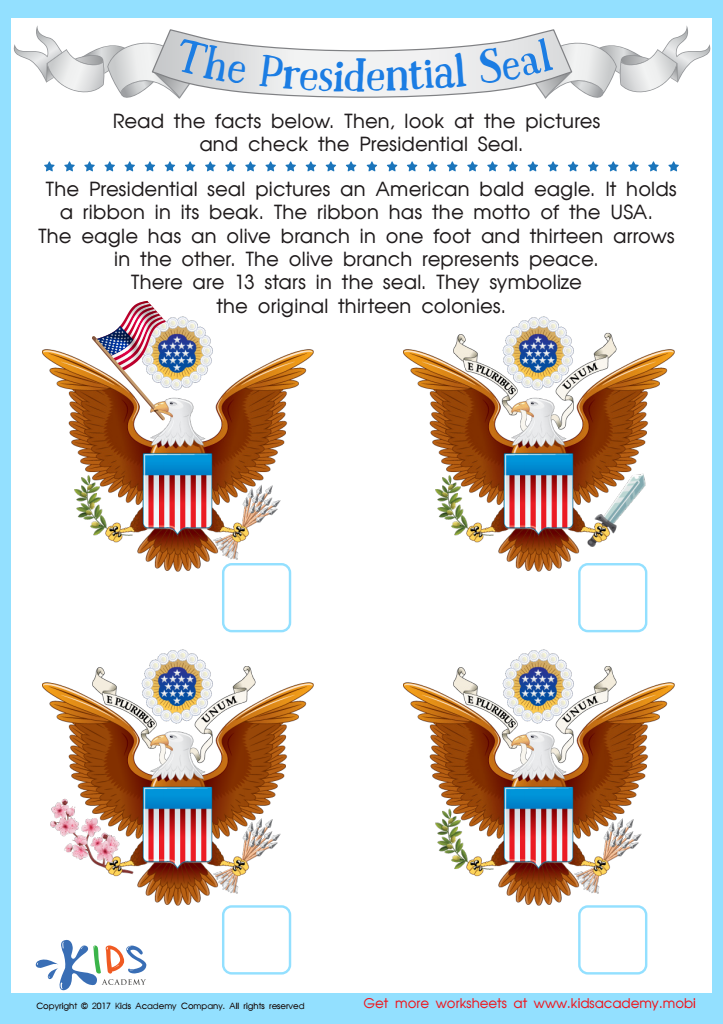
The Presidential Symbol Worksheet
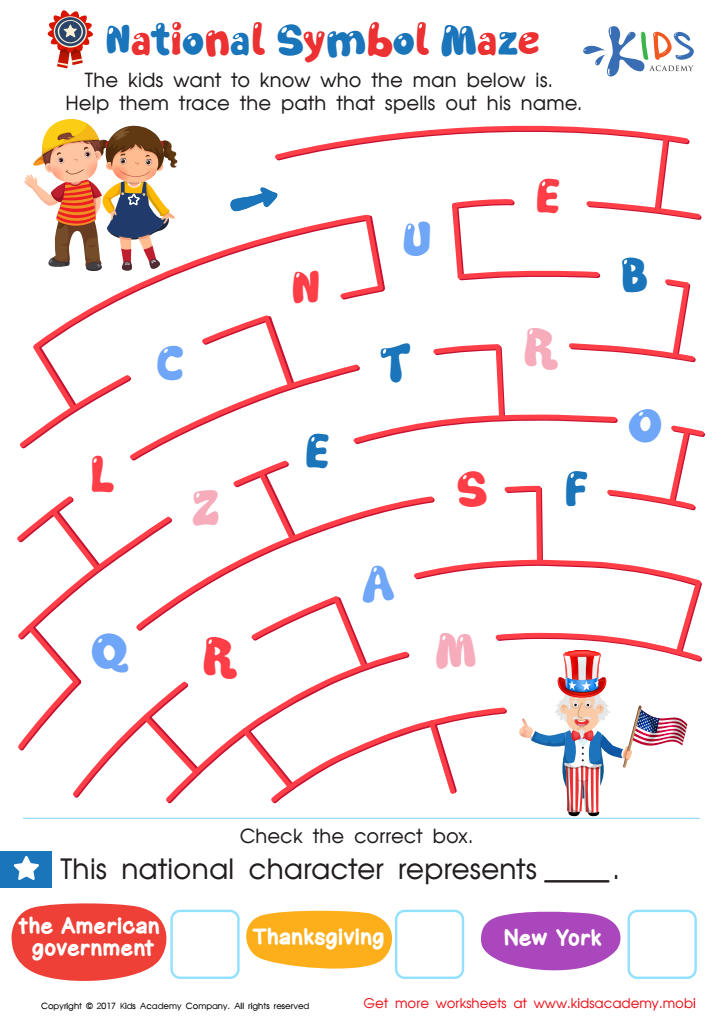
National Symbol Maze Worksheet
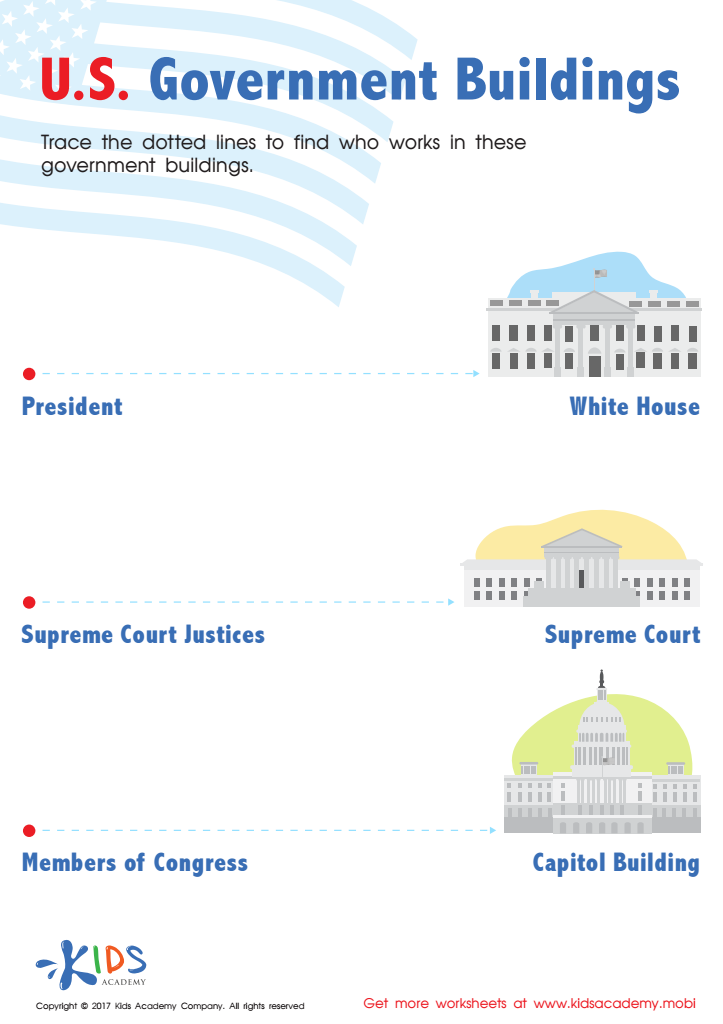
US Government Buildings Printable
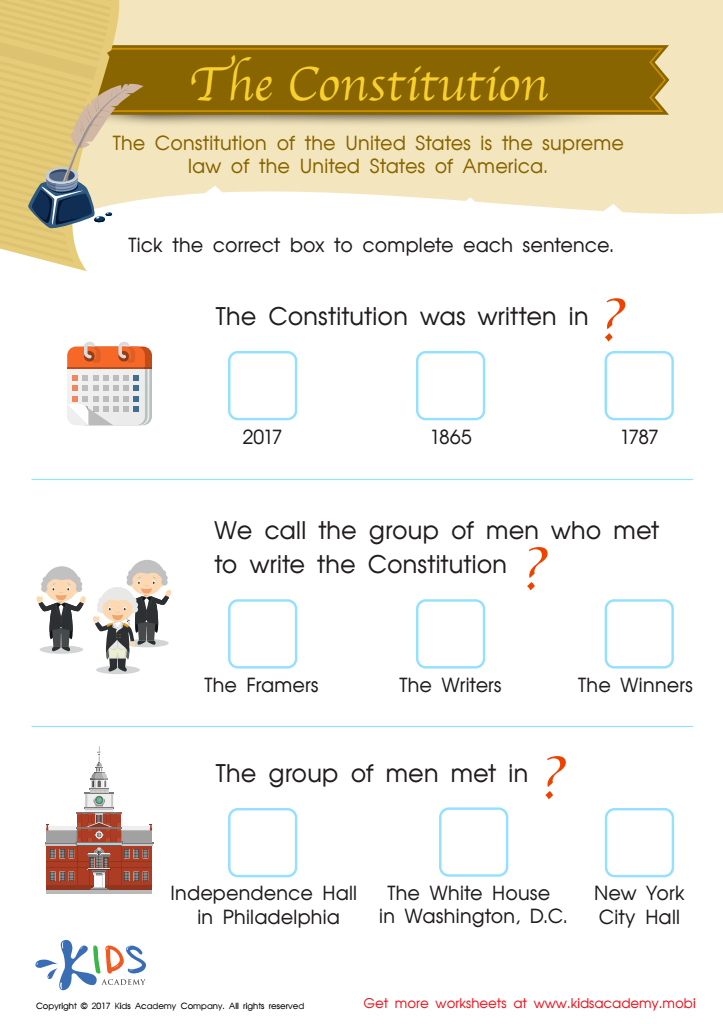
The Constitution Worksheet
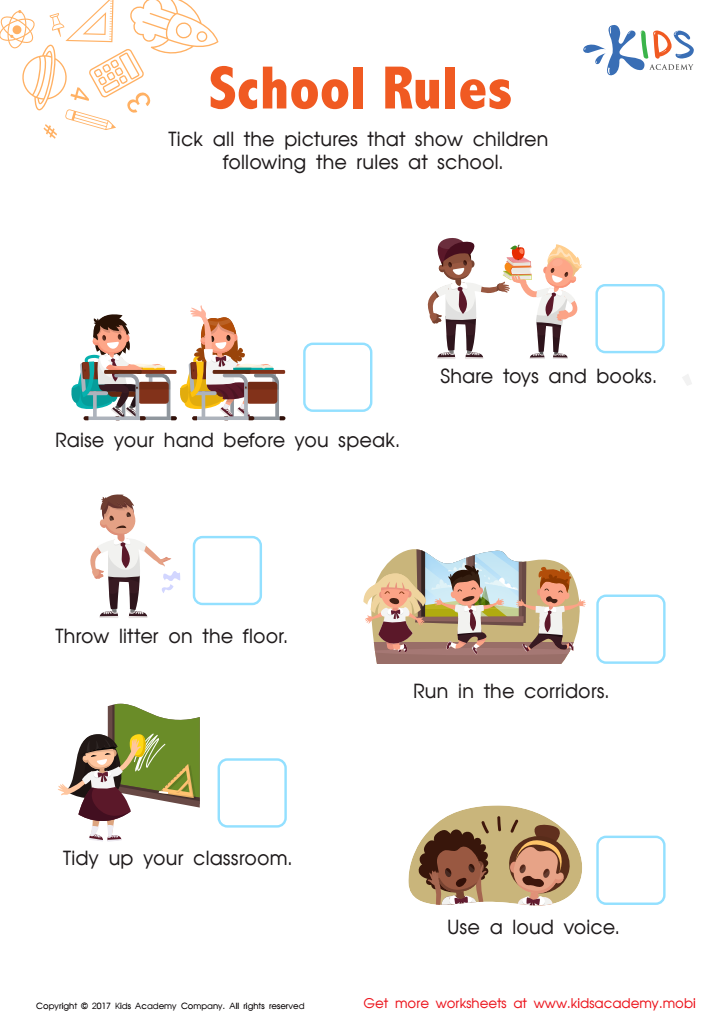
School Rules Worksheet
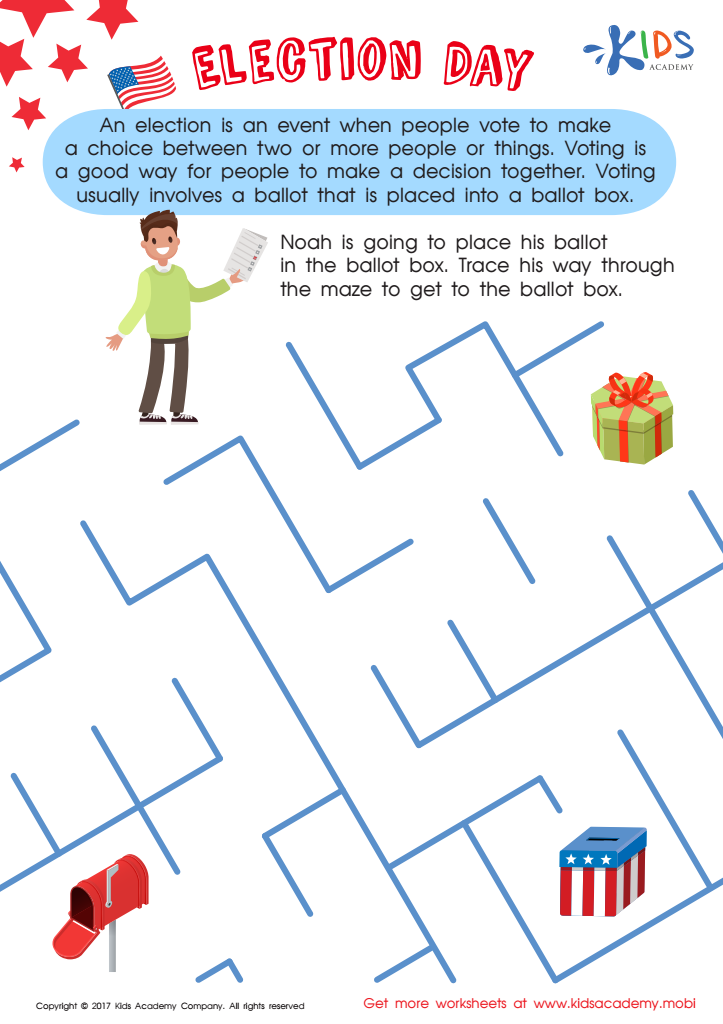
Election Day Worksheet
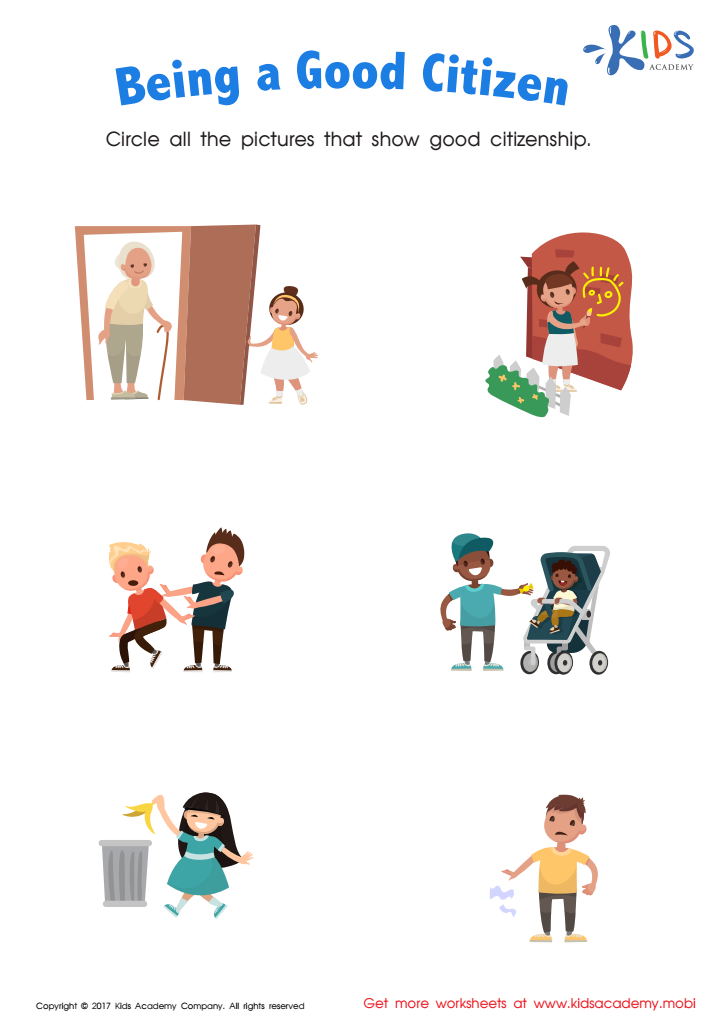
Being a Good Citizen Printable
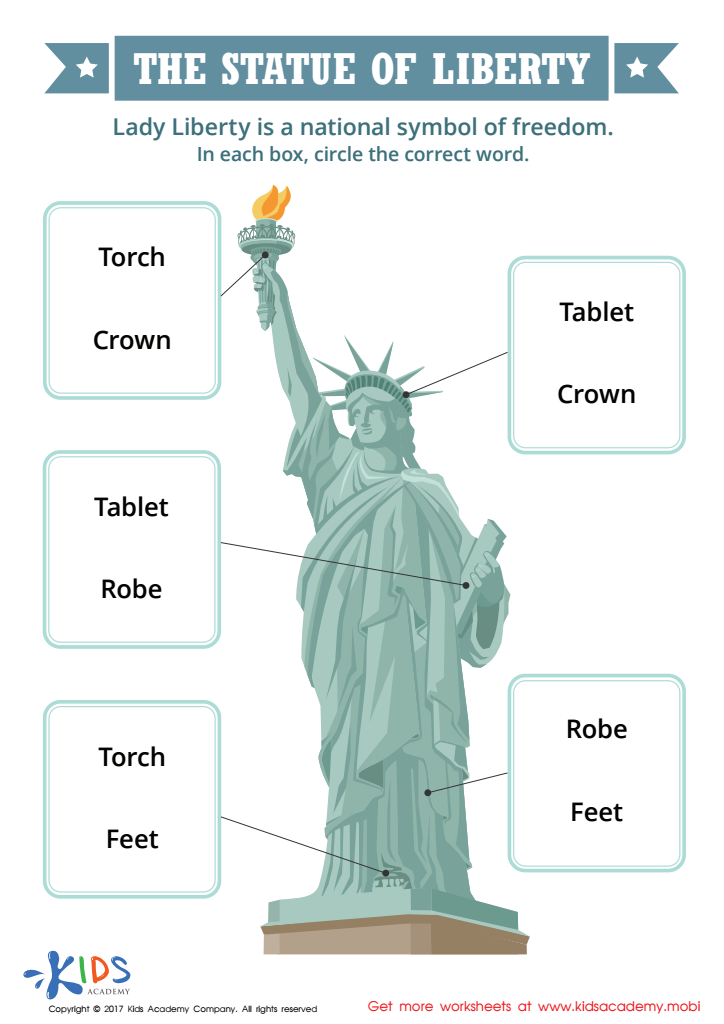
The Statue of Liberty Printable


Parents and teachers should care about governance and civics for children aged 4-7 because these foundational concepts shape young learners into responsible, informed citizens. Introducing concepts of governance at an early age fosters an understanding of rules, fairness, and community. Preschoolers and early elementary students can grasp basic ideas of how people work together to make decisions and solve problems, which is essential in nurturing social skills and empathy.
Teaching civics to young children helps them recognize their rights and responsibilities within various groups, such as family, school, and community. This awareness encourages active participation and recognition of the importance of cooperating and respecting others. Simple activities, such as classroom voting, role-playing community helpers, or discussing the importance of sharing, can lay the groundwork for democratic principles.
Moreover, instilling values like respect, tolerance, and justice in early childhood promotes a sense of belonging and fosters a positive mindset towards civic engagement as they grow. By investing time and effort into teaching governance and civics early on, parents and teachers can help nurture the next generation of thoughtful, engaged citizens equipped to contribute positively to society.








