Consonants Worksheets for Ages 4-8 - Page 2
34 filtered results
-
From - To
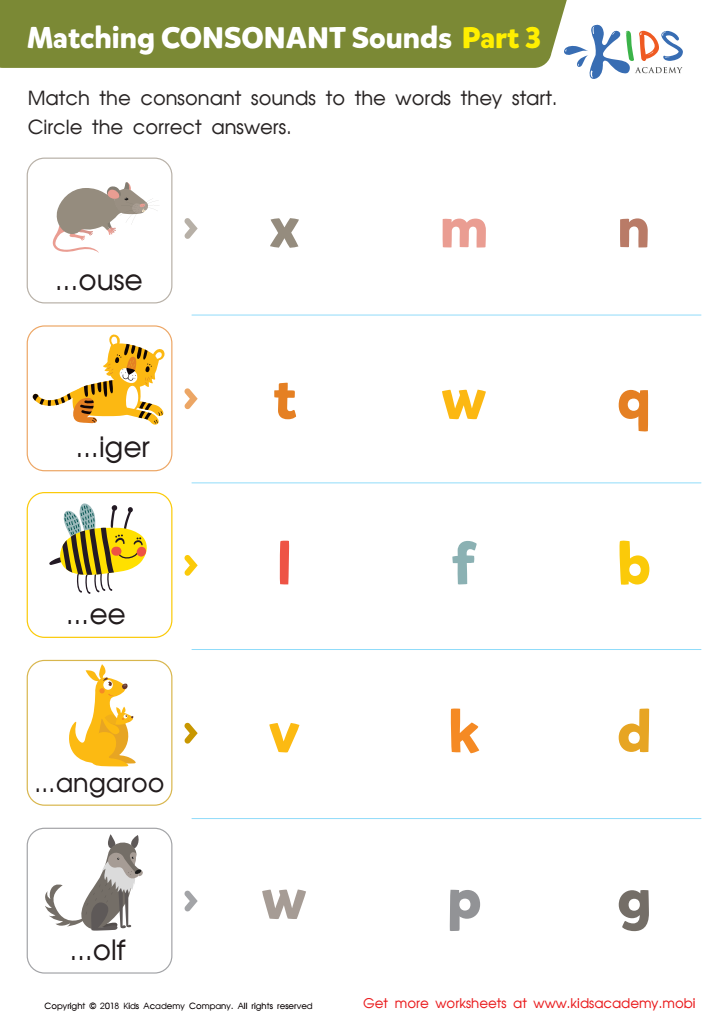
Matching Consonant Sounds: Part 3 Worksheet
 Assign to My Students
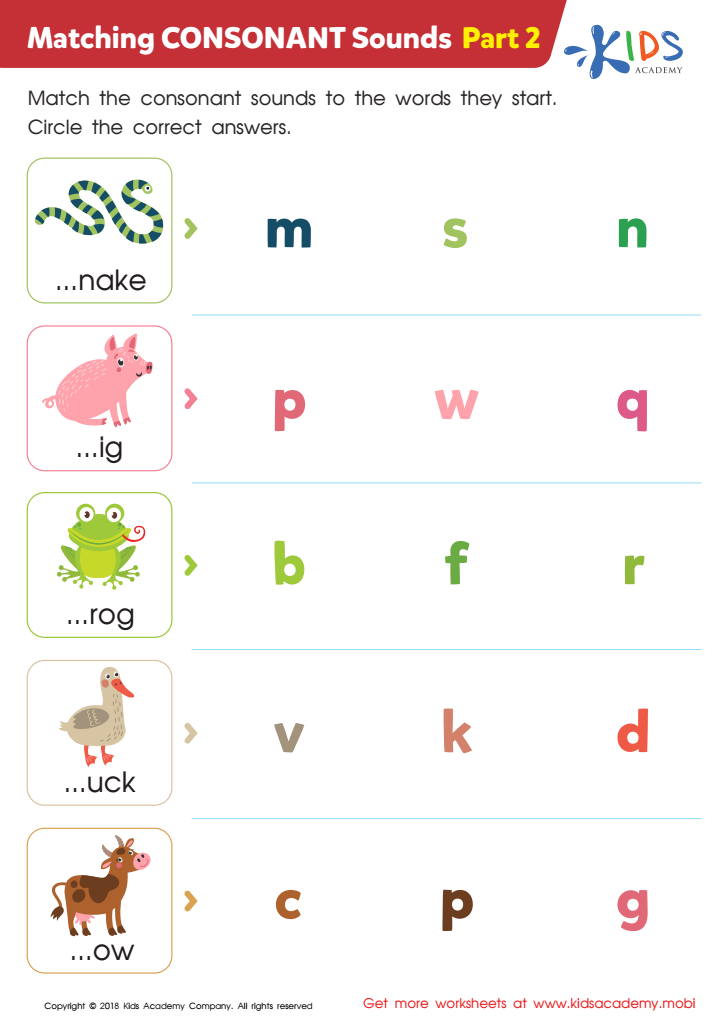
Matching Consonant Sounds: Part 2 Worksheet
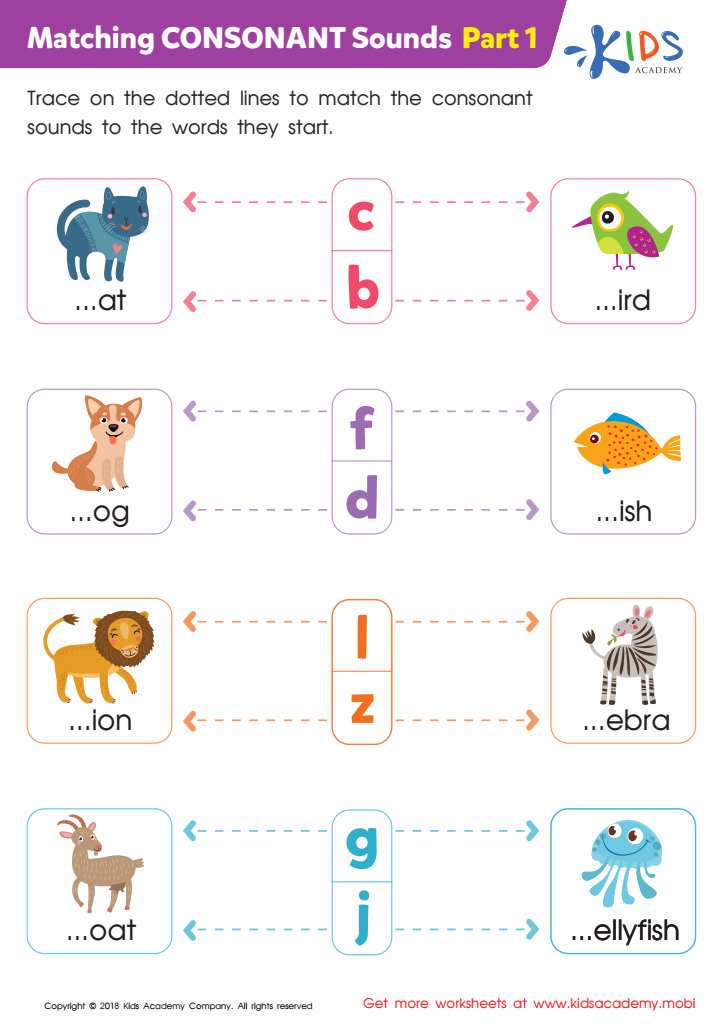
Matching Consonant Sounds: Part 1 Worksheet
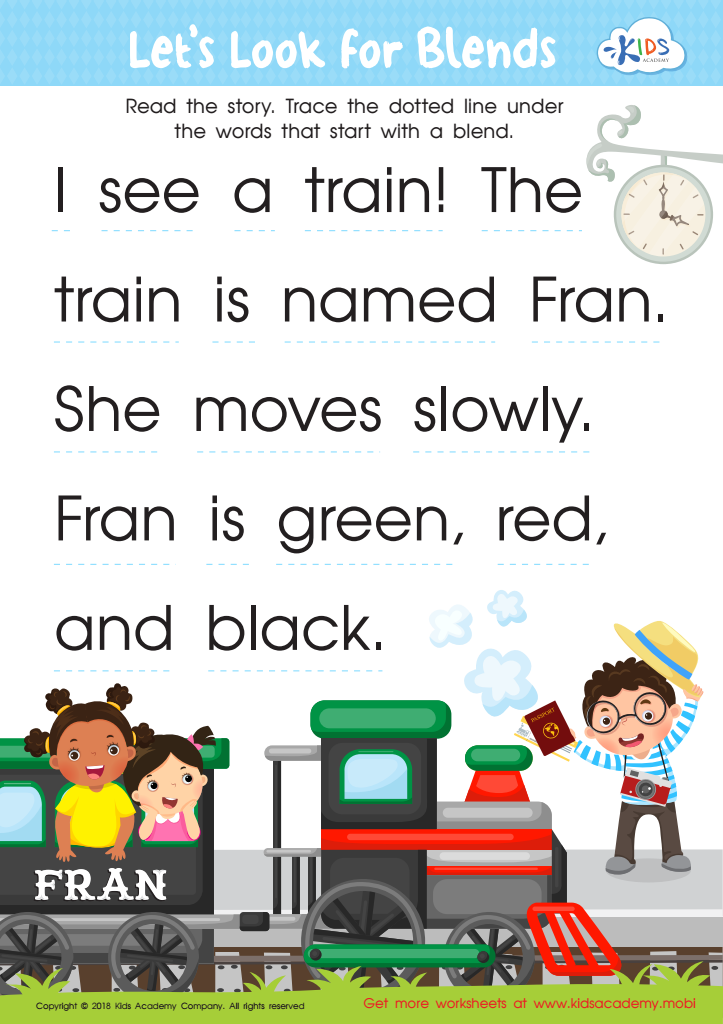
Let's Look for Blends Worksheet
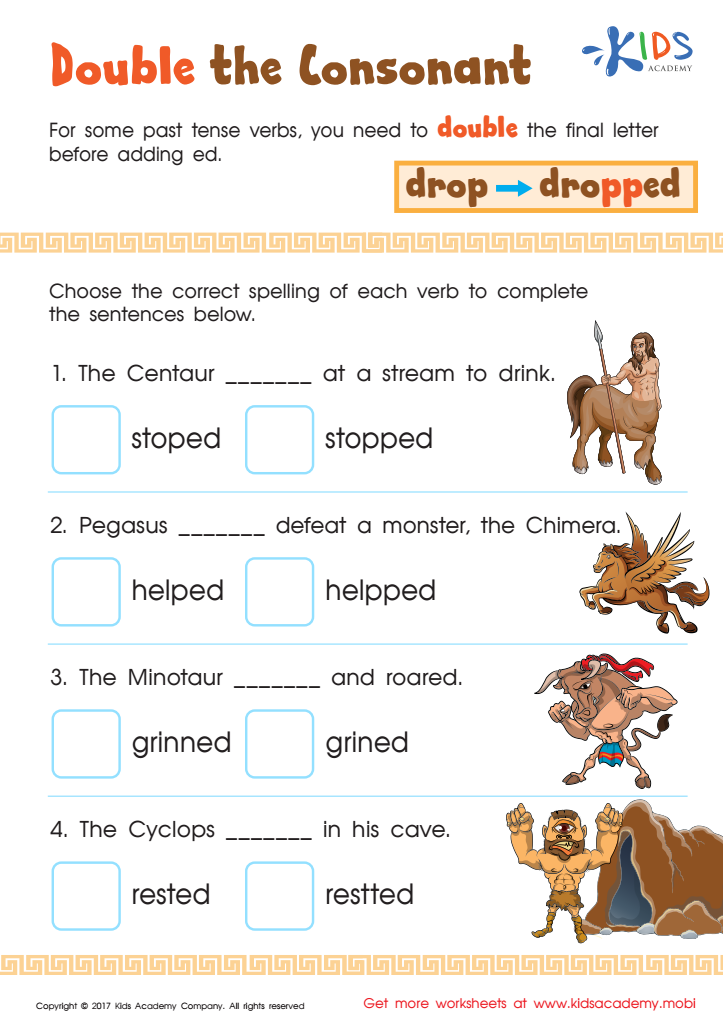
Double Consonant Spelling Worksheet
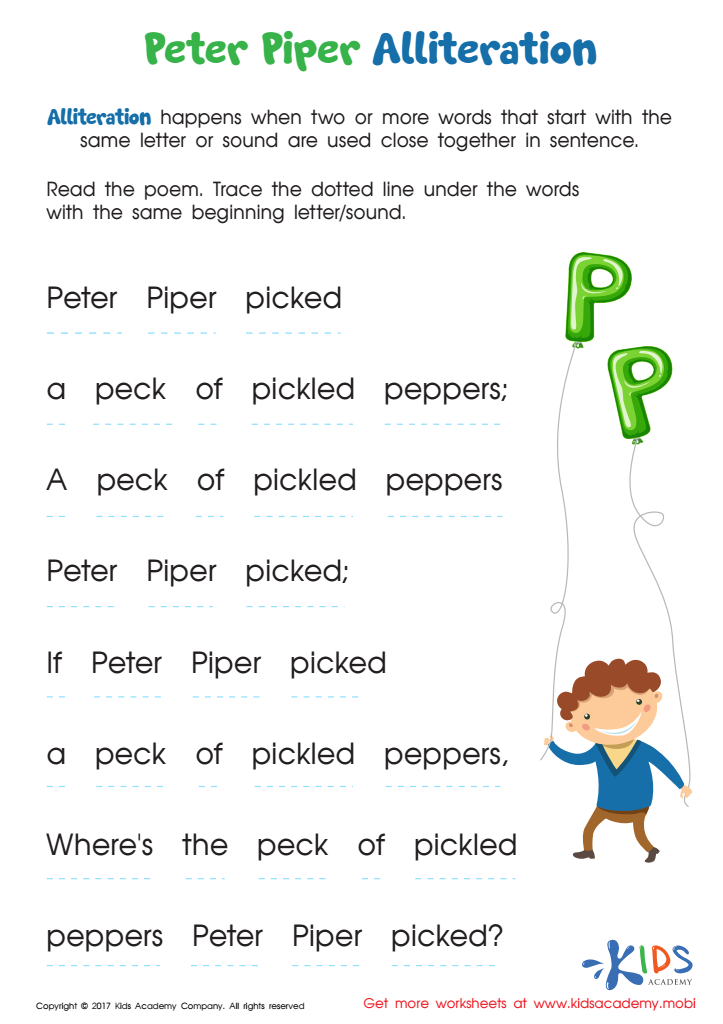
Peter Piper Alliteration Worksheet
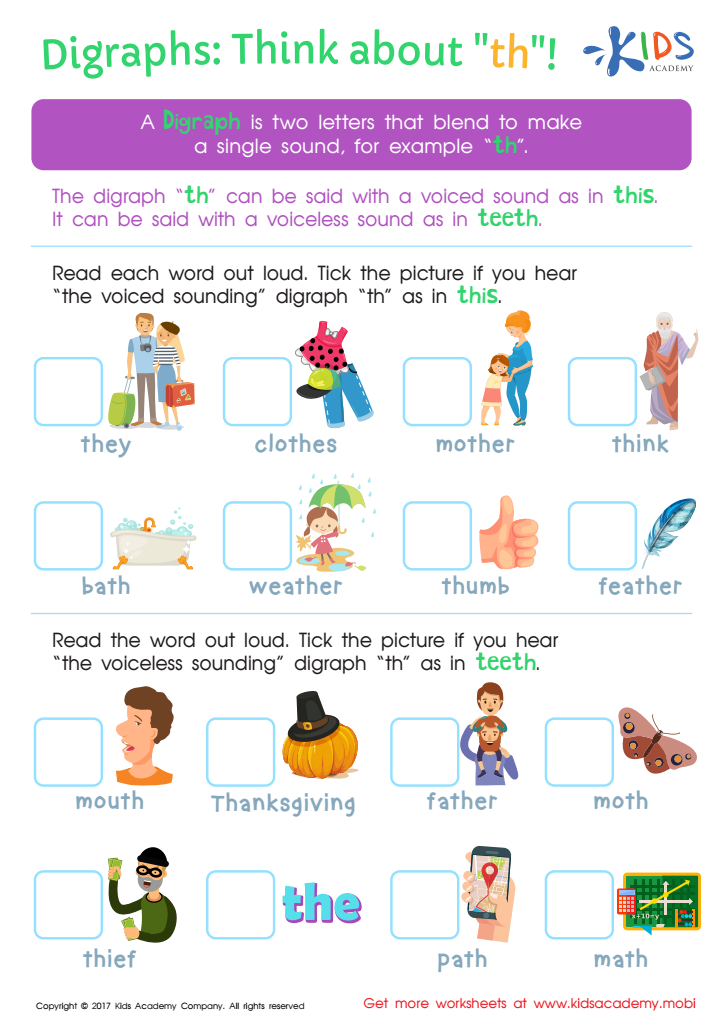
Digraphs: Think About "th" Worksheet
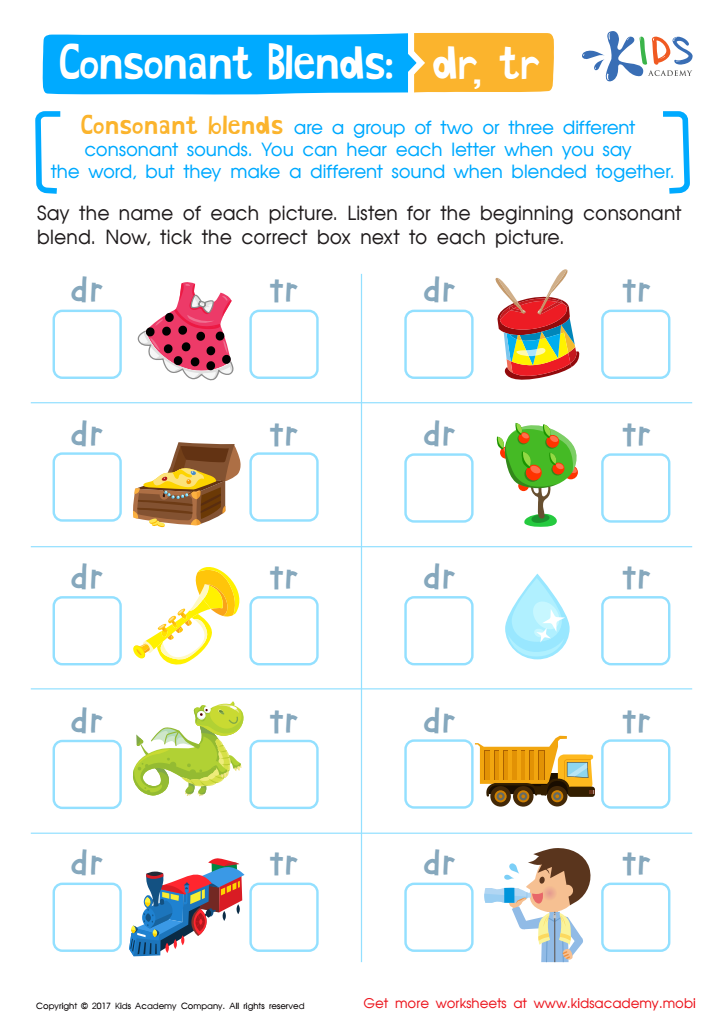
Consonant Blends: "Dr" and "Tr" Printable
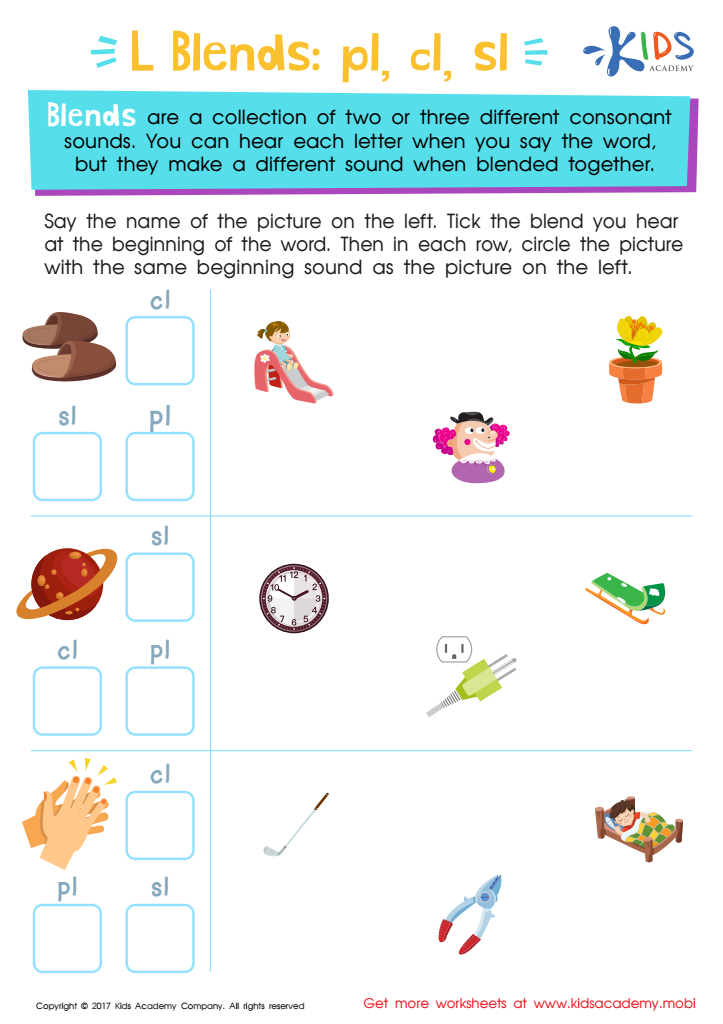
L Blends: "Pl", "Cl" and "Sl" Printable
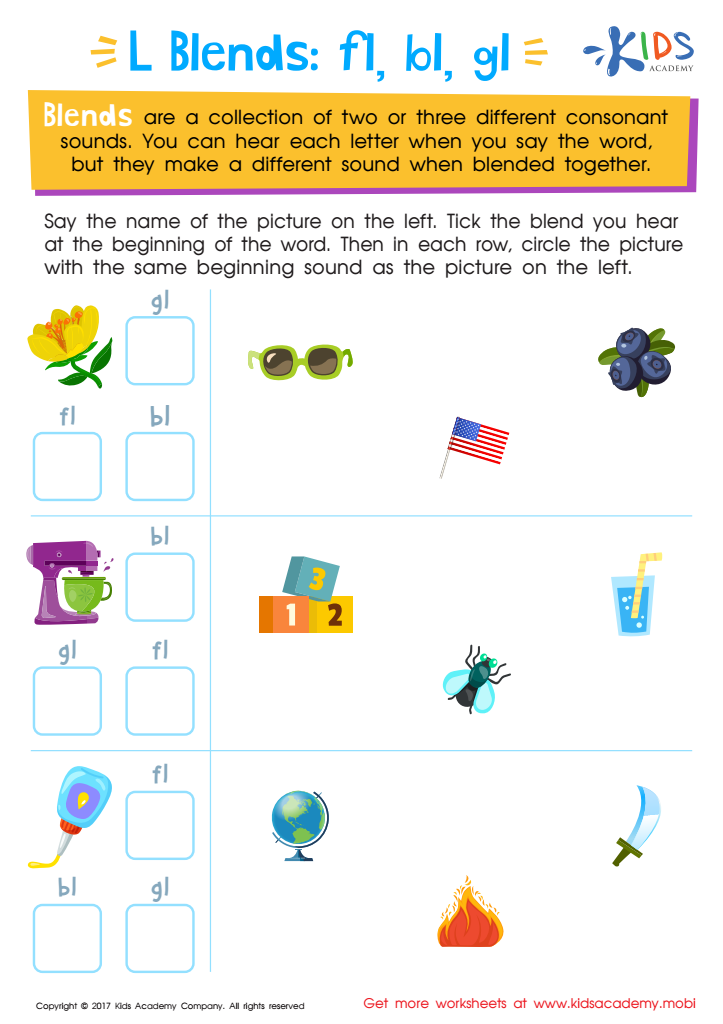
Blending Consonants: "Fl", "Bl" and "Gl" Printable



Understanding consonants is crucial for children aged 4-8 as it forms the foundation of literacy development. During this stage, children begin to recognize and articulate the sounds that make up words, a key skill in reading and writing. Consonants are integral because they provide structure to spoken language, influencing how words sound and what they mean.
Parents and teachers should actively engage children in learning about consonants, as this enhances phonemic awareness, a critical precursor to reading success. Early mastery of consonant sounds not only helps in decoding words but also improves spelling abilities, laying the groundwork for effective communication.
Moreover, consonants contribute to vocabulary development. A child's exposure to different consonant sounds aids in their ability to differentiate between words, expanding their language skills. Through playful activities like rhymes, games, and songs focusing on consonants, adults can create a positive and enriching learning environment that fosters curiosity and confidence.
Encouraging practice with consonants during these formative years equips children with important literacy skills, nurturing a love for reading that can last a lifetime. Ultimately, strong consonant recognition skills empower children, paving the way for academic success and effective communication.







