Letter Sounds Worksheets for Ages 4-8 - Page 2
33 filtered results
-
From - To
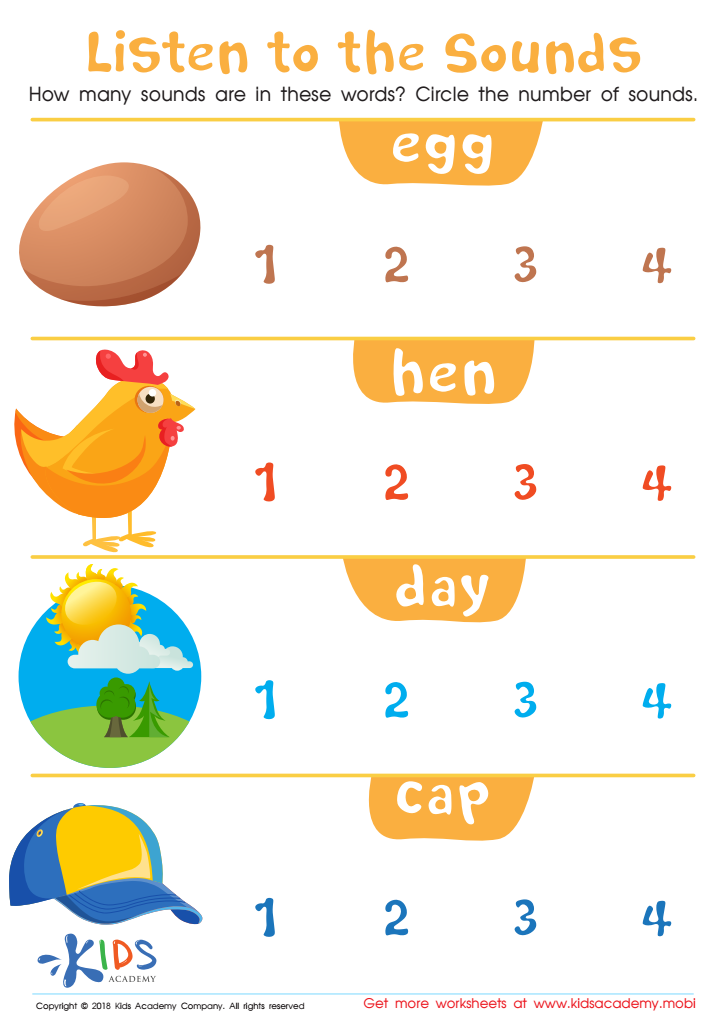
Listen to the Sounds Worksheet
 Assign to My Students
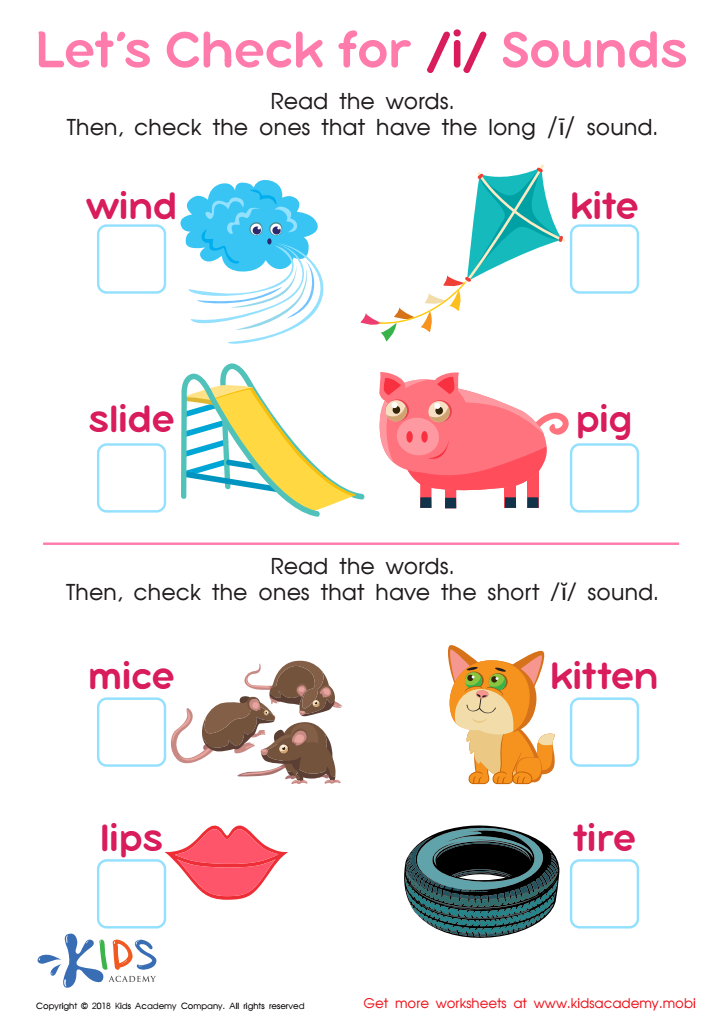
Let's Check for «i» Sounds Worksheet
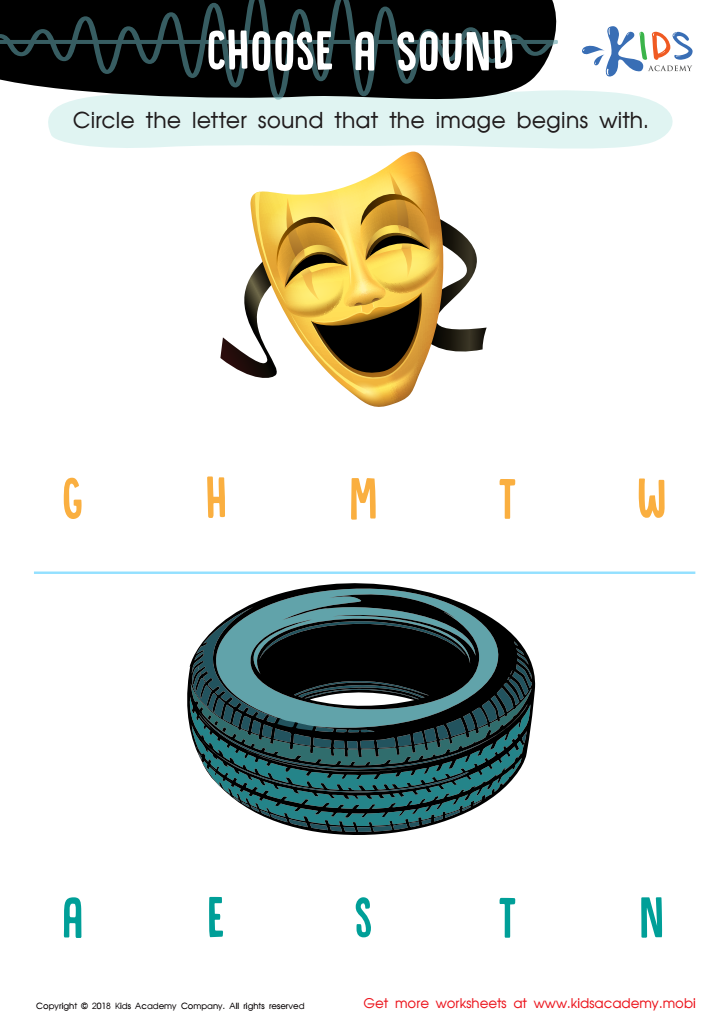
Choose a Sound Worksheet
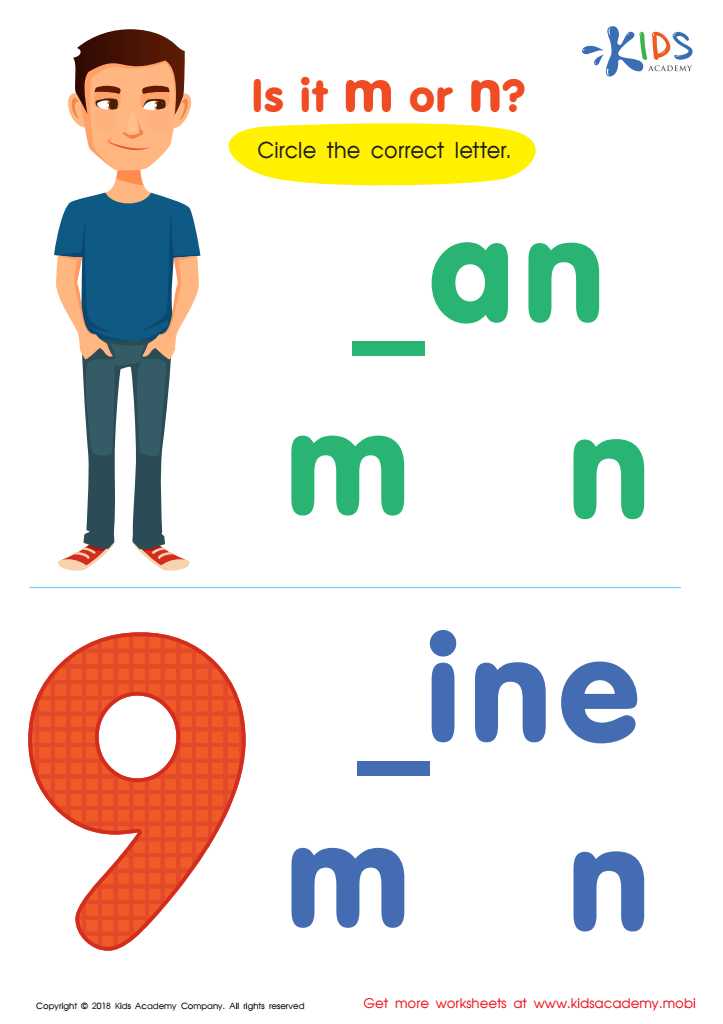
Is It m or n? Worksheet
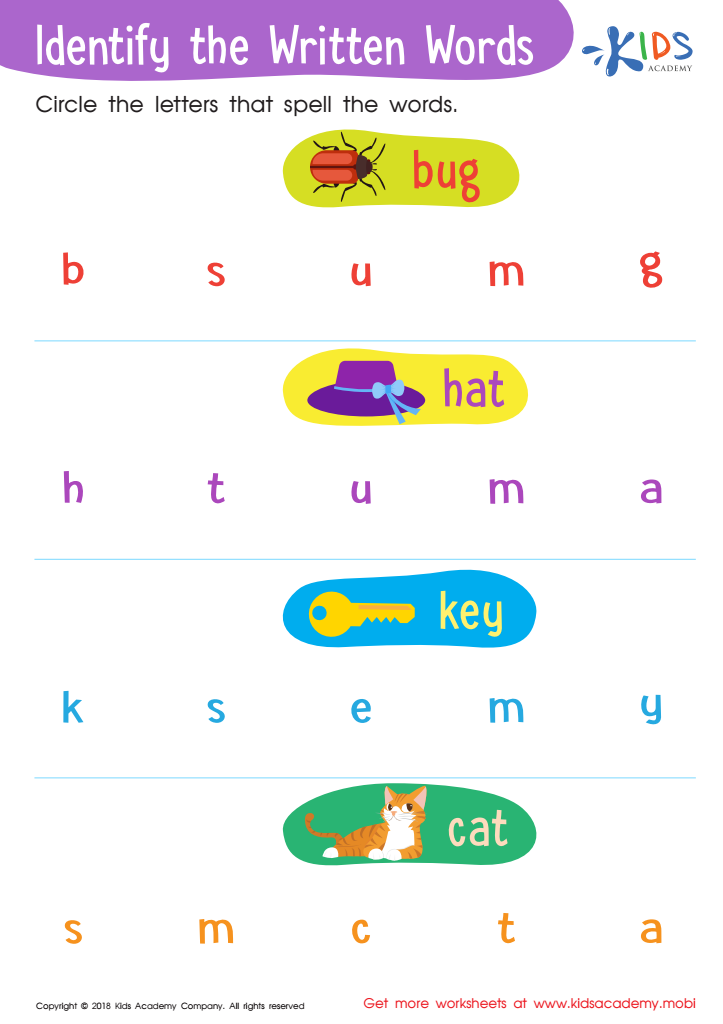
Identify the Written Words Worksheet
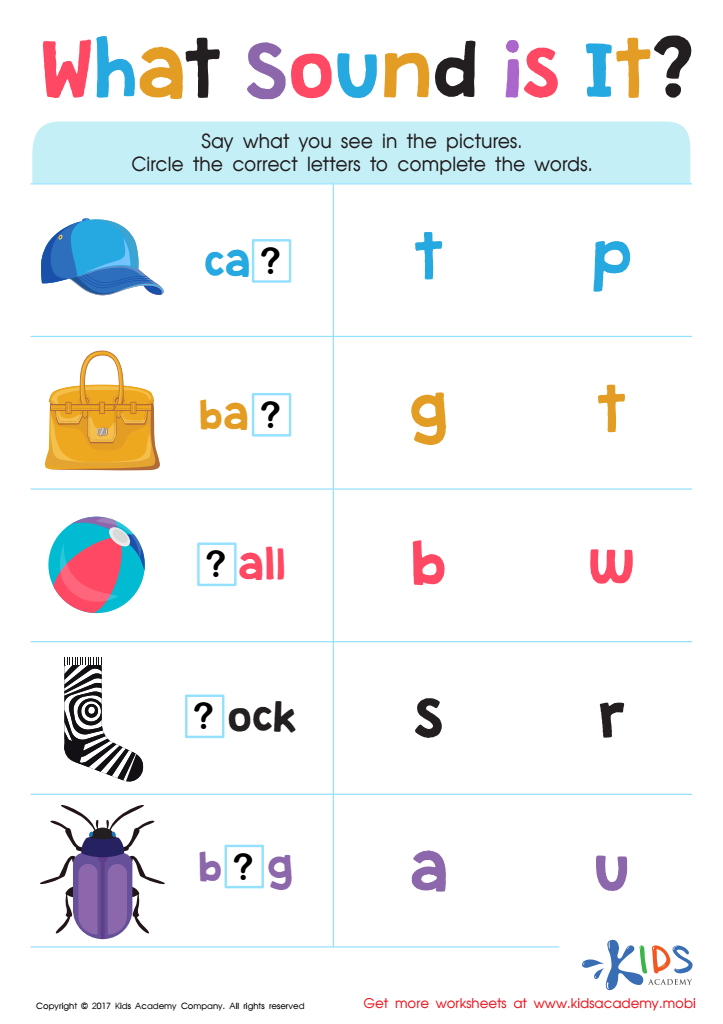
What Sound Is it? Worksheet
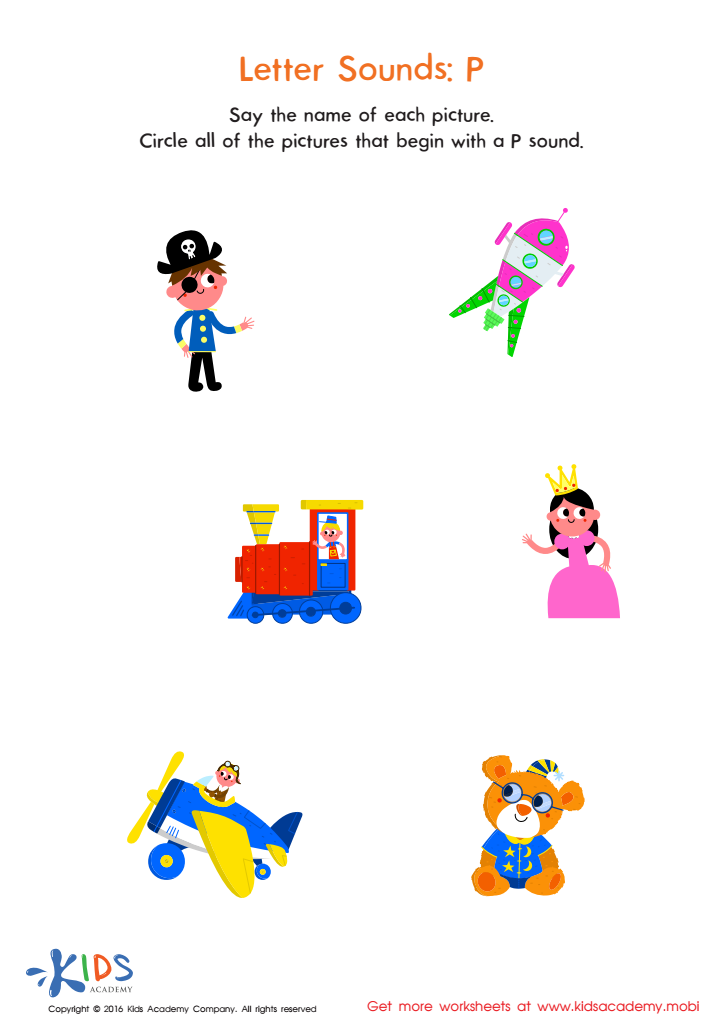
Letter P Sound Worksheet
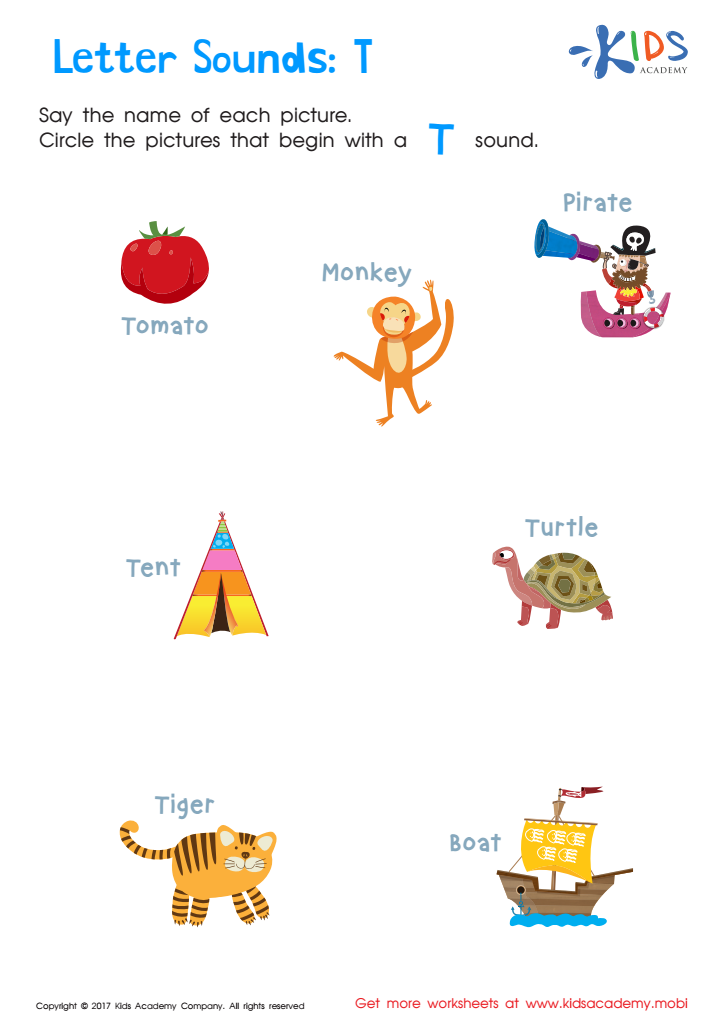
Letter T Sounds Worksheet
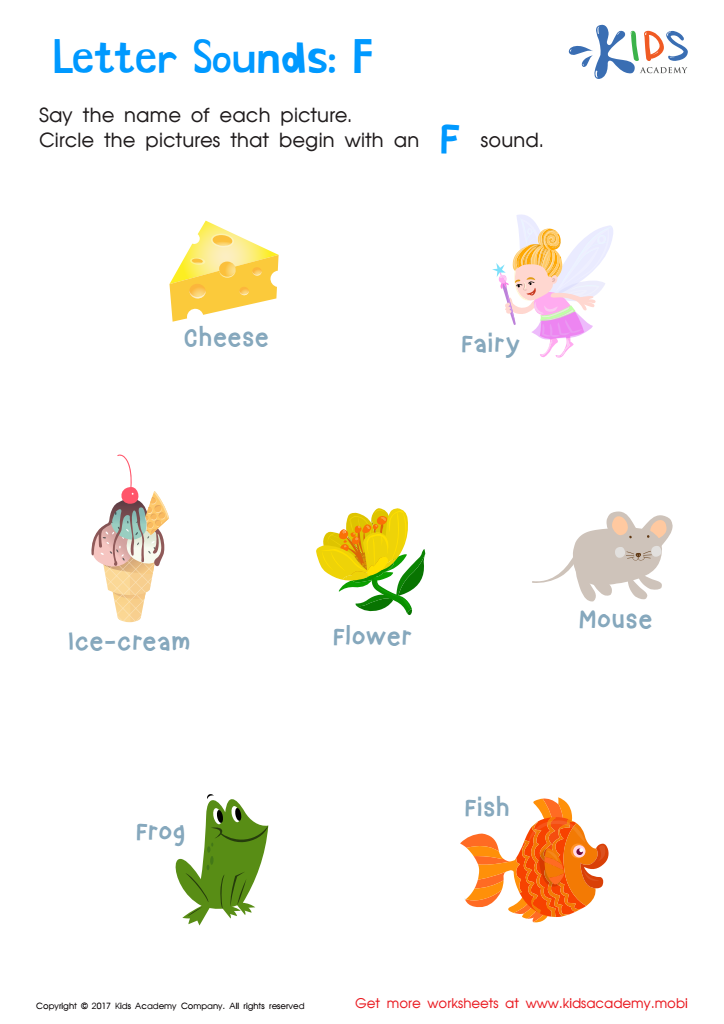
Letter F Sounds Worksheet








Letter sounds form the foundation of early reading skills, making them crucial for children aged 4-8. During these formative years, understanding the relationship between letters and their associated sounds empowers children to decode words, which is an essential step for reading proficiency. When a child can identify letter sounds, they can start blending these sounds to form words, making meaningful connections between spoken and written language.
For parents and teachers, focusing on letter sounds is equally important because it supports overall literacy development. Early mastery of letter sounds reduces reading difficulties and lays the groundwork for successful spelling and writing. Children who grasp letter sounds early on tend to have better reading fluency, which boosts self-confidence and encourages a love for reading.
Moreover, phonemic awareness, a skill developed through letter sound recognition, is a strong predictor of future reading success. Children who struggle with phonemic awareness often face challenges in more advanced literacy tasks. By ensuring a strong grasp of letter sounds, parents and teachers can help prevent these difficulties, promoting a smoother educational journey.
In summary, caring about letter sounds for children aged 4-8 is crucial because it serves as the building block for effective reading, fundamental literacy skills, and lifelong learning success.







