Long Vowels Worksheets for Ages 4-8 - Page 2
29 filtered results
-
From - To
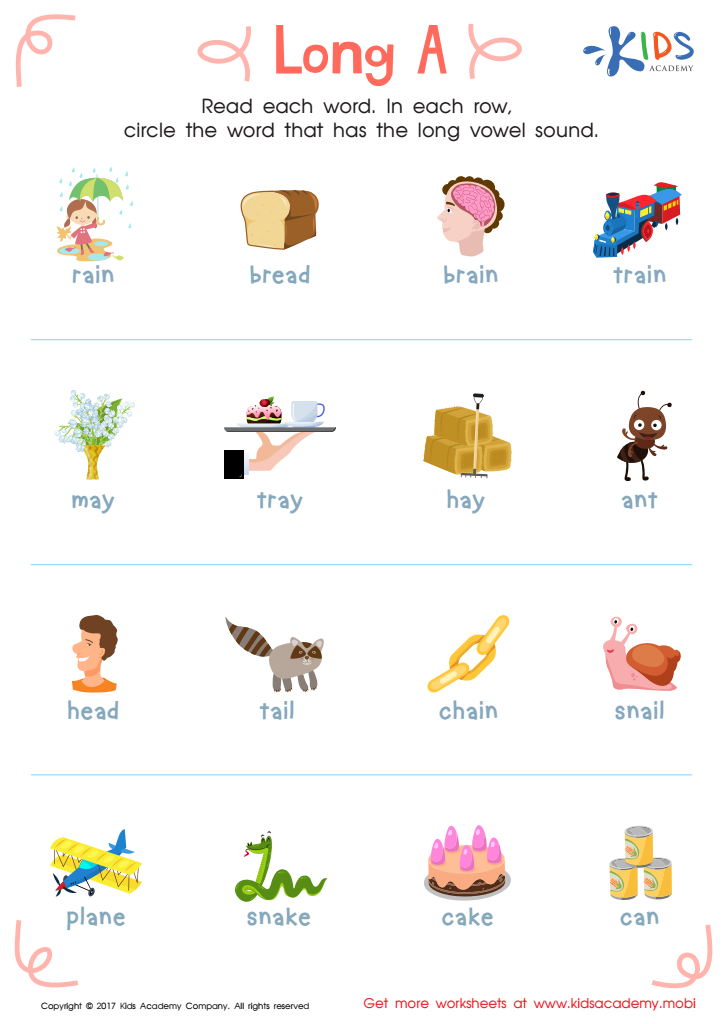
 Assign to My Students
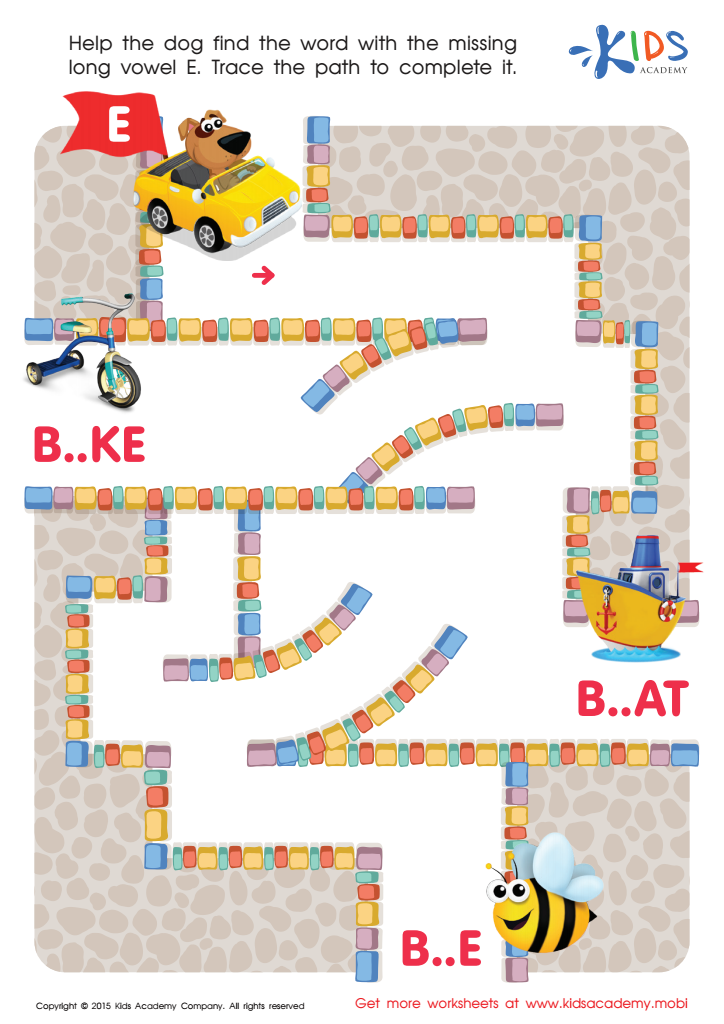
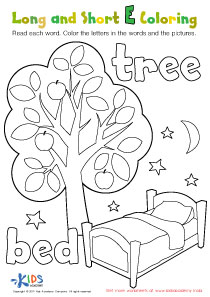
Long Vowel Sound E Worksheet
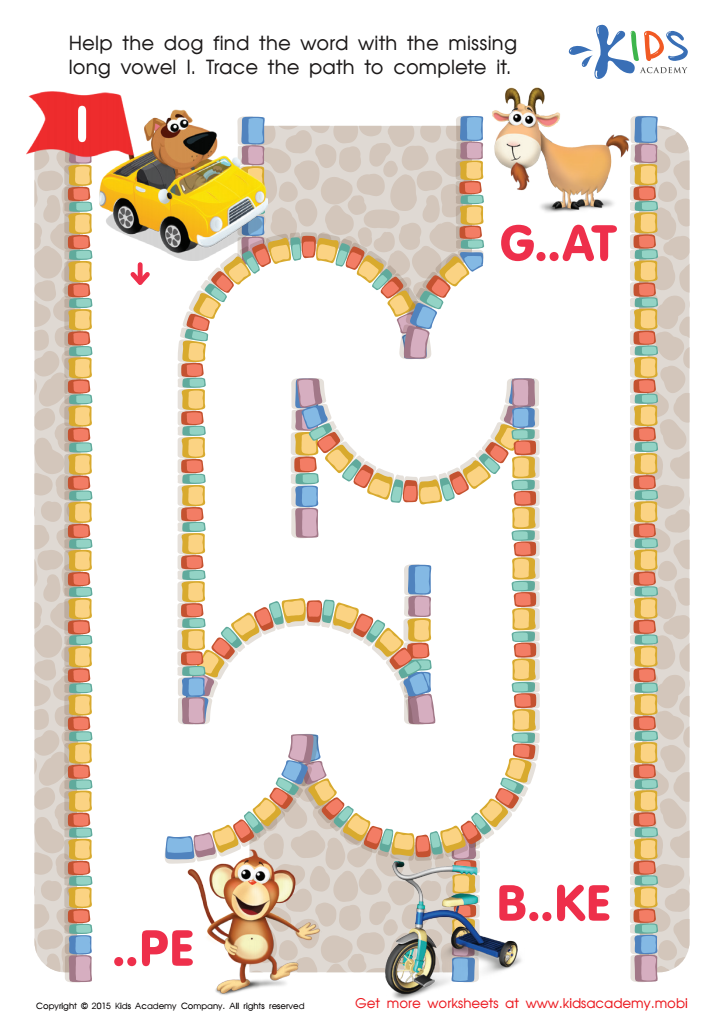
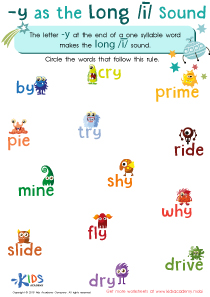
Long Vowel Sound I Worksheet
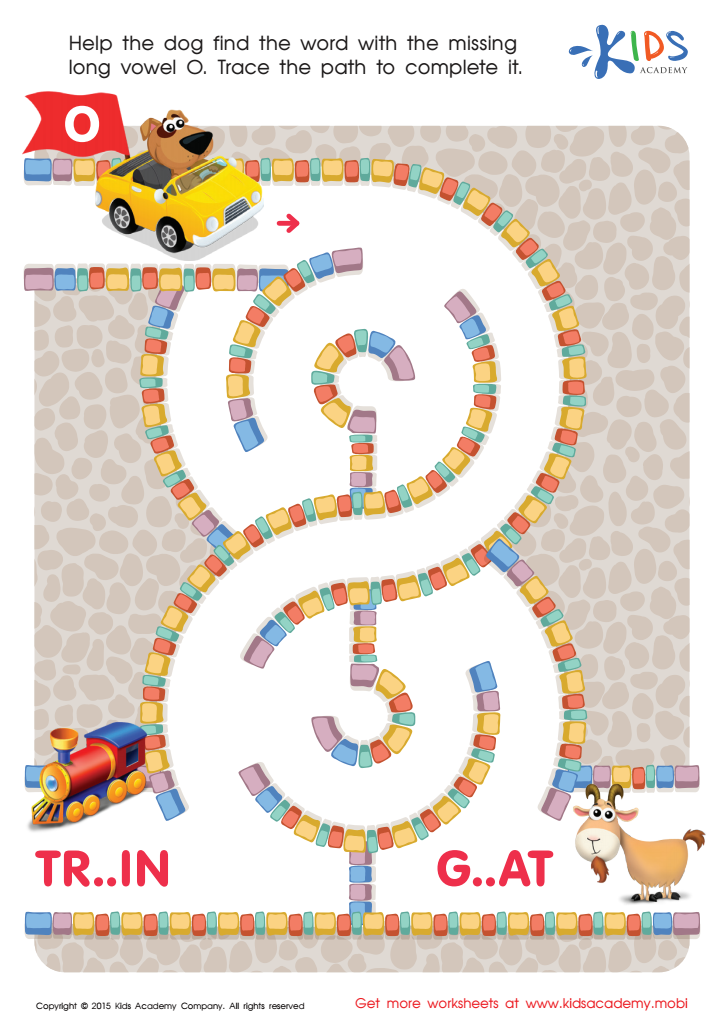
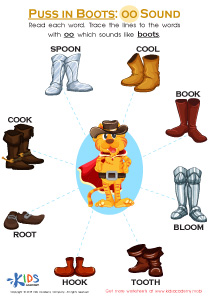
Long Vowel Sound O Worksheet
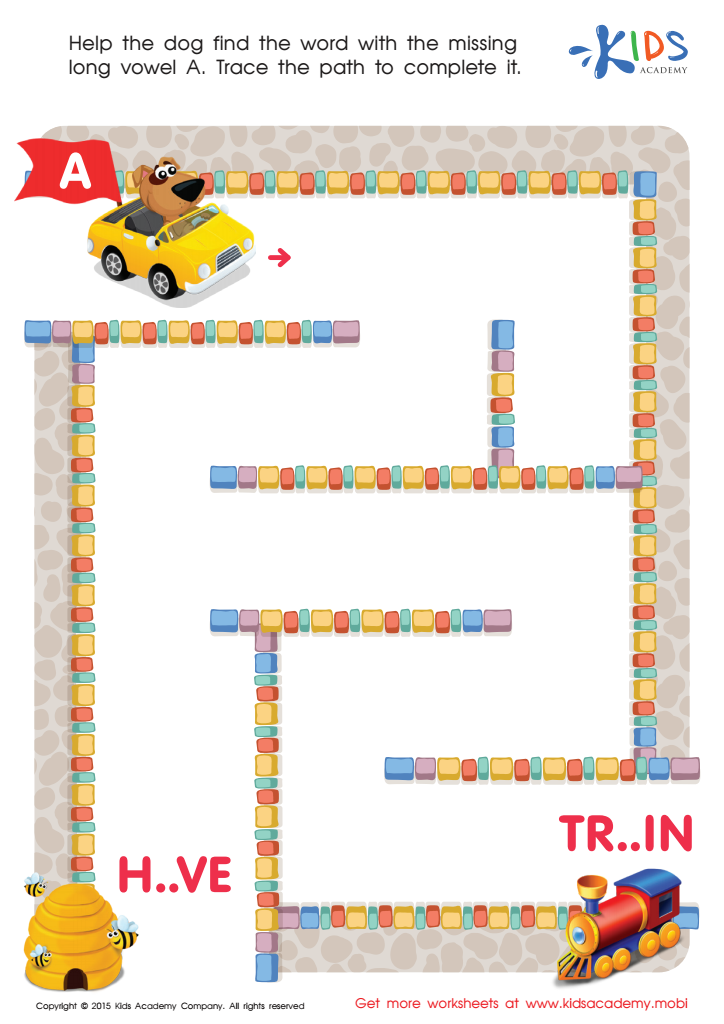
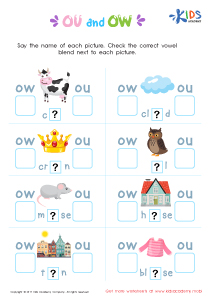
Long Vowel Sound A Worksheet



Understanding long vowels is crucial for young children aged 4-8 as it lays a foundational role in their literacy development. Long vowels are vowel sounds that are pronounced the same way as the letter itself—think of the 'a' in "cake" or the 'i' in "bike". Mastery of these sounds helps children decode and read words accurately. When kids can distinguish between short and long vowels, they are better able to pronounce words correctly, which aids both reading and spelling skills.
Early familiarity with long vowels also enhances children's phonemic awareness—recognizing that words are made up of sounds, which is essential for effective reading. This awareness helps with understanding word patterns and improves their ability to tackle new and unfamiliar words independently. Additionally, recognizing long vowel sounds contributes to fluent reading, enhancing comprehension by allowing young readers to focus on meaning rather than decoding each word.
From a teacher's perspective, incorporating long vowel lessons into early grade curricula ensures that students develop strong reading faculties that align with educational benchmarks. For parents, supporting this learning at home by engaging in reading activities fosters a love for reading and builds confidence. Ultimately, caring about long vowels helps equip children with essential skills for academic success and lifelong learning.