Geography Worksheets for Ages 4-8 - Page 2
60 filtered results
-
From - To
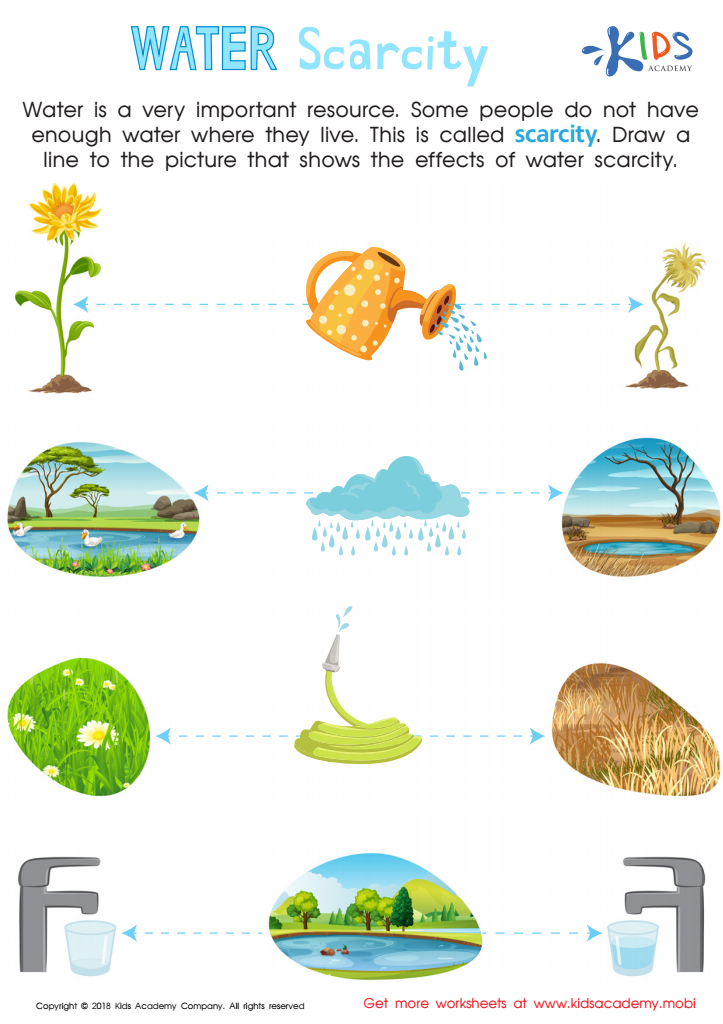
Water Scarcity Worksheet
 Assign to My Students
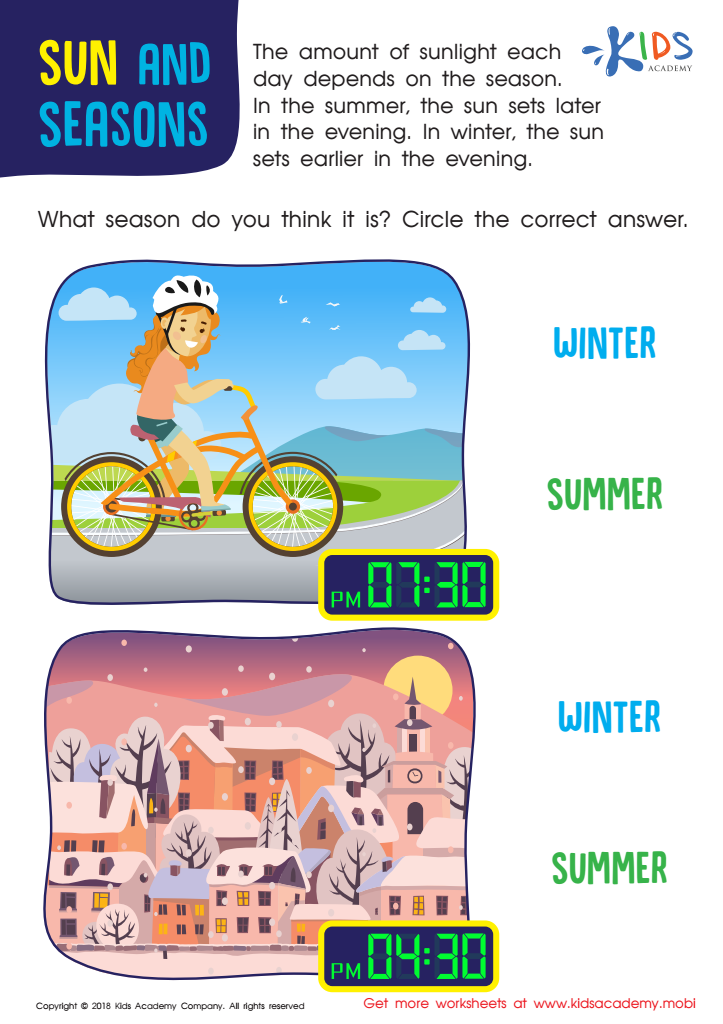
Sun and Seasons Worksheet
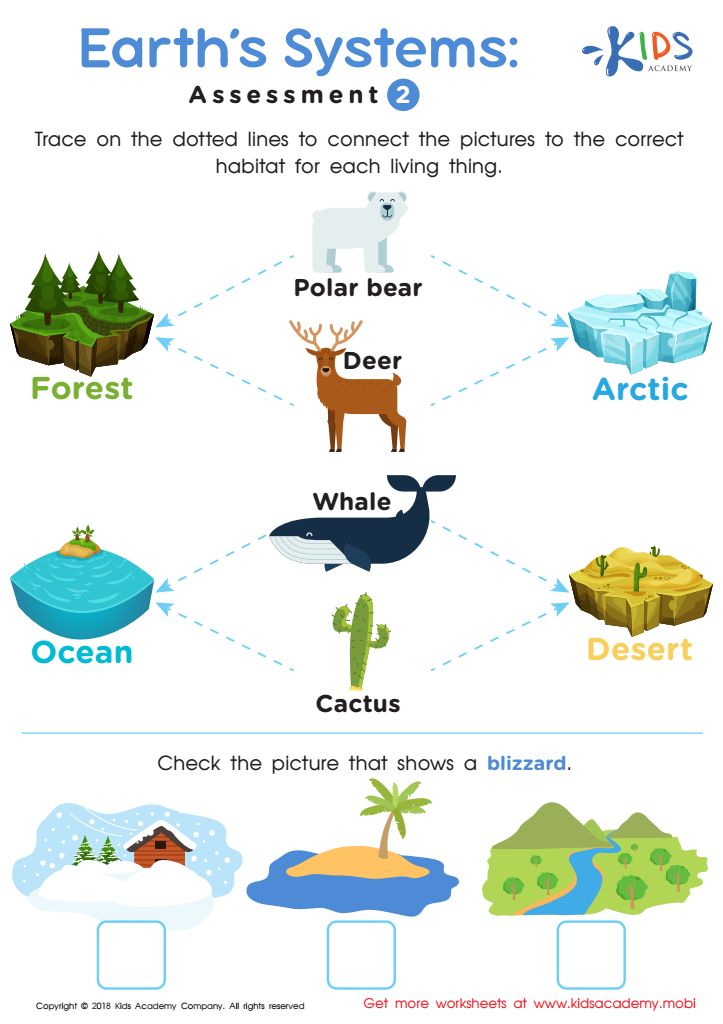
Earth's Systems: Assessment 2
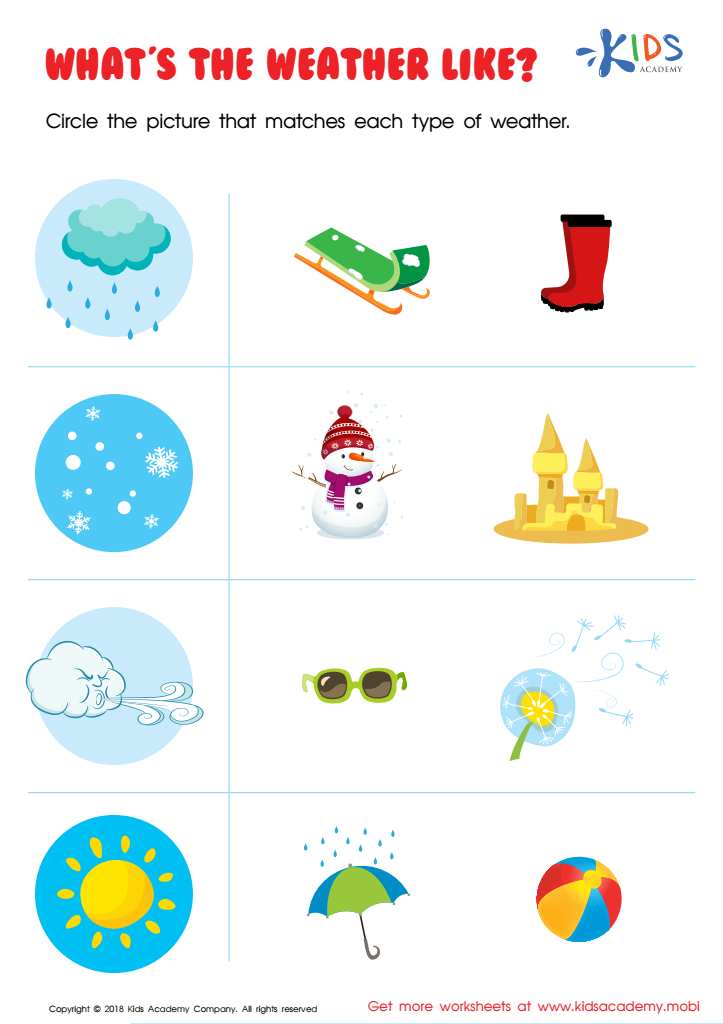
What's the Weather Like? Worksheet
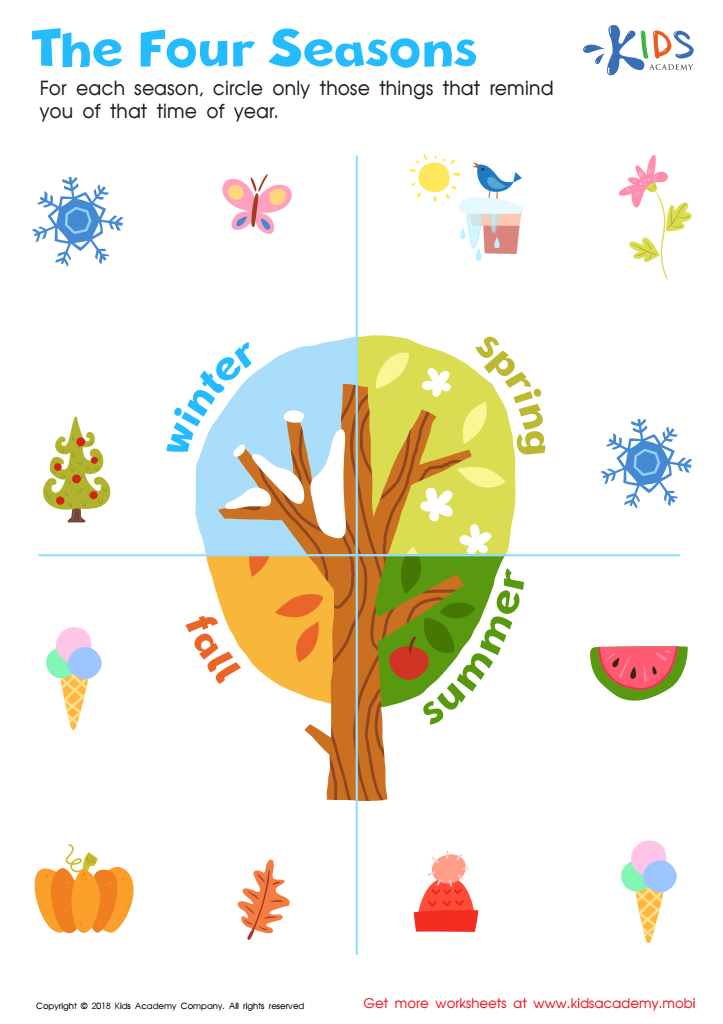
The Four Seasons Worksheet
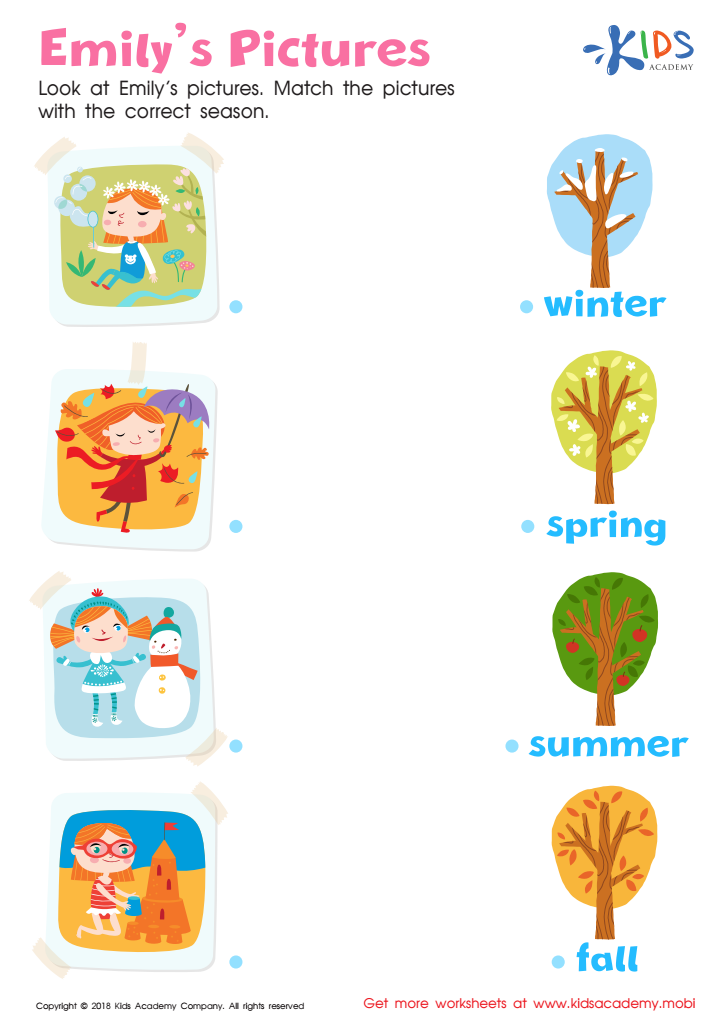
Emily's Pictures Worksheet
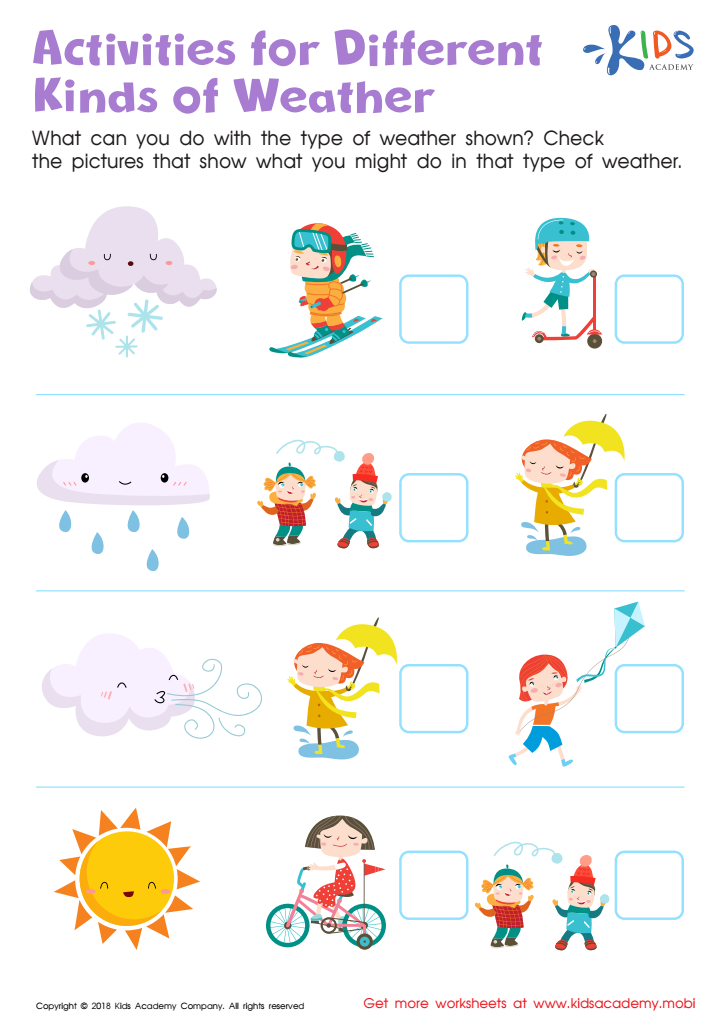
Activities for Different Kinds of Weather Worksheet
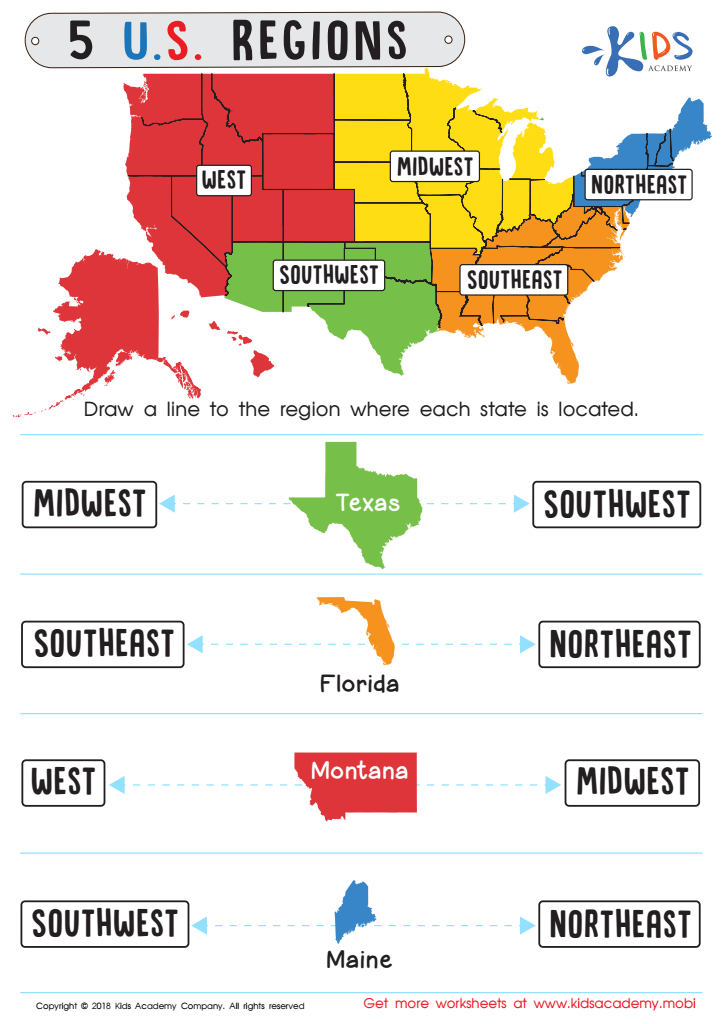
5 U.S. Regions Worksheet
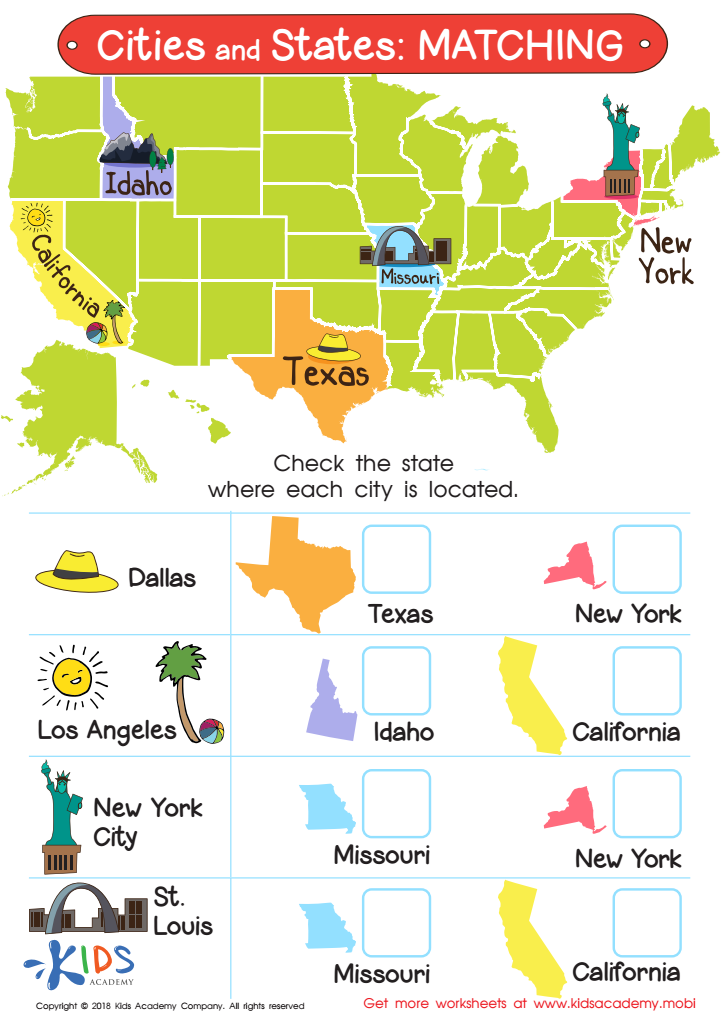
Cities and States: Matching Worksheet
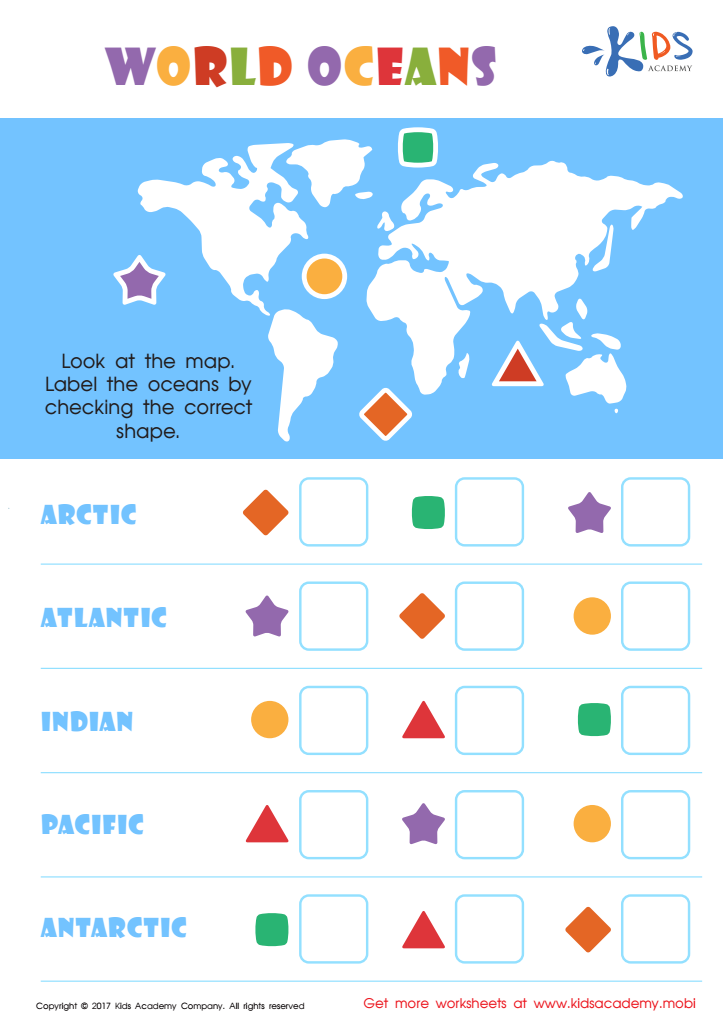
World Oceans Printable
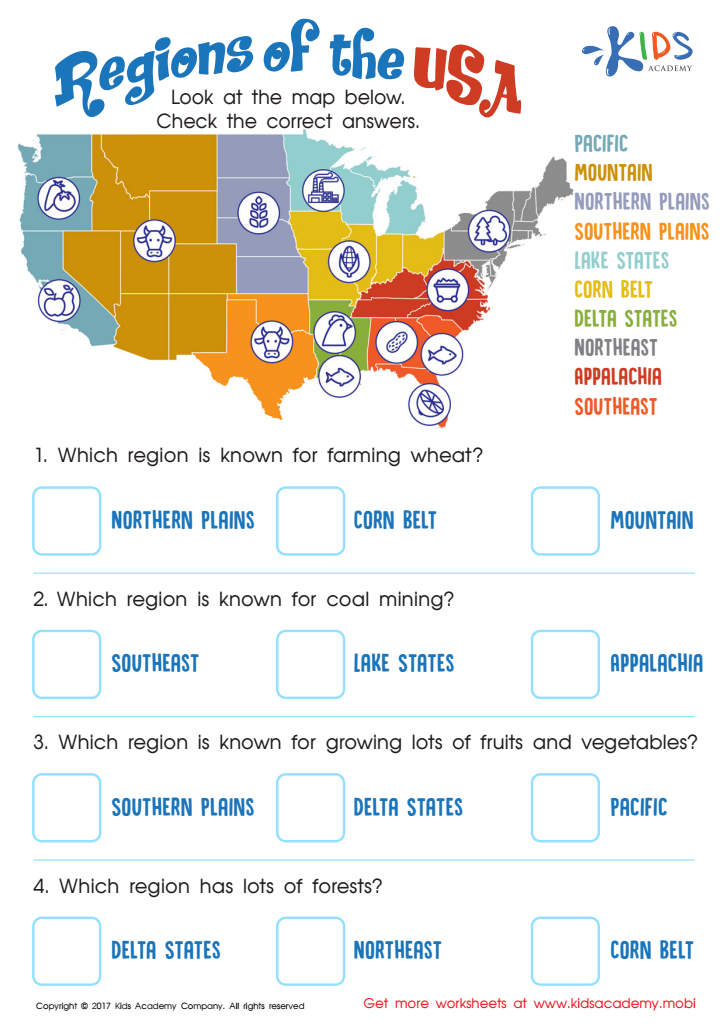
Regions of the USA Worksheet
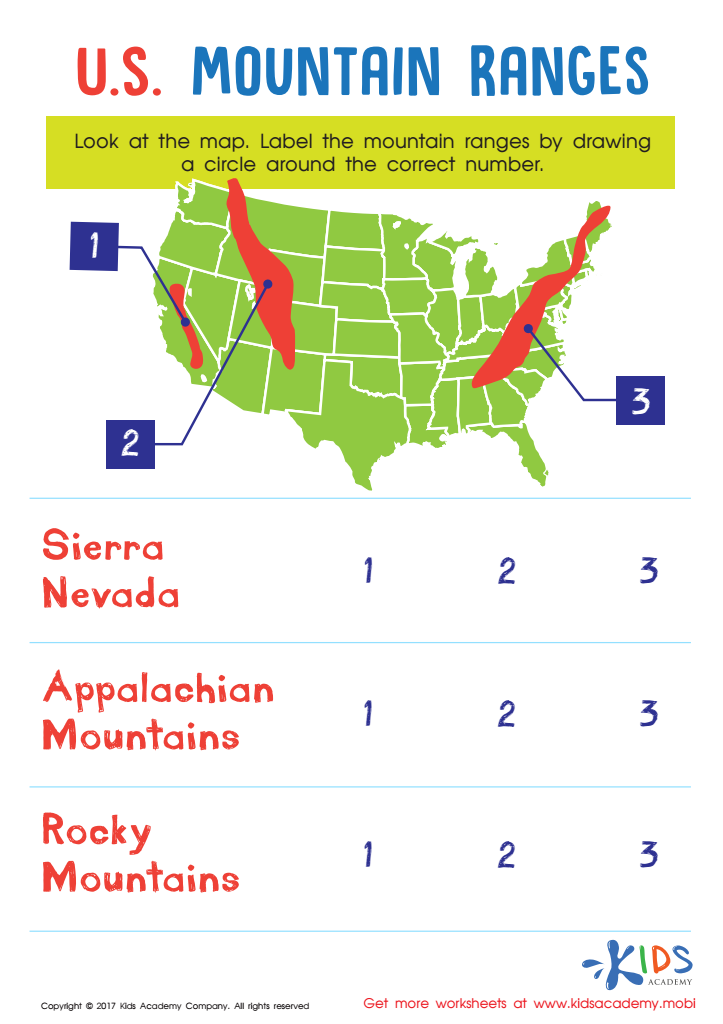
US Mountain Ranges Worksheet
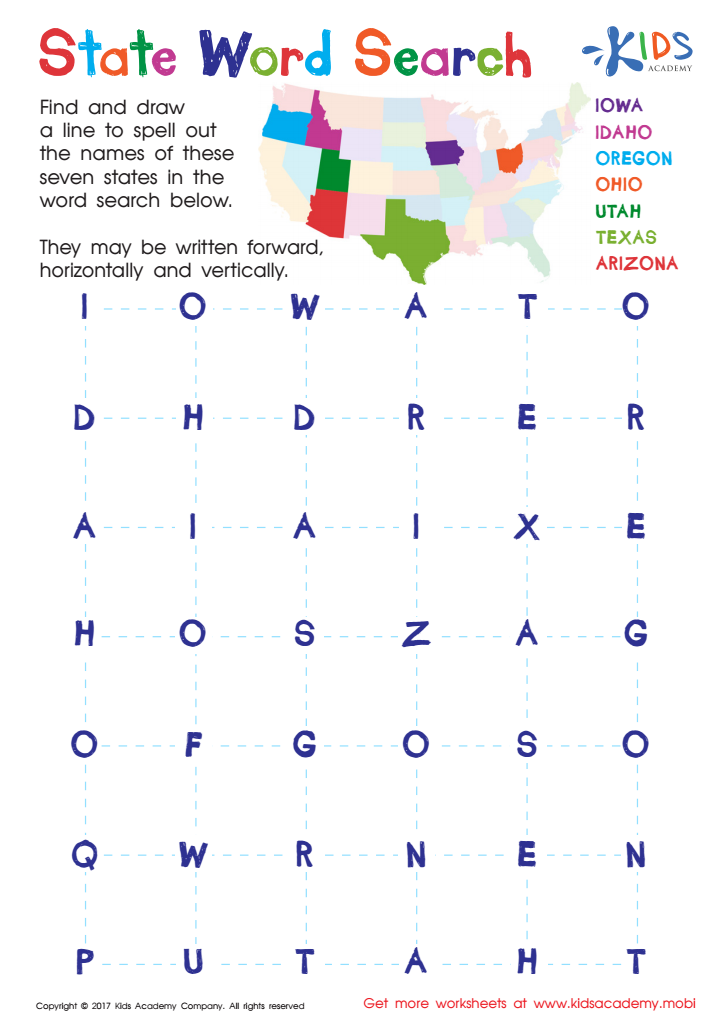
State Word Search Worksheet
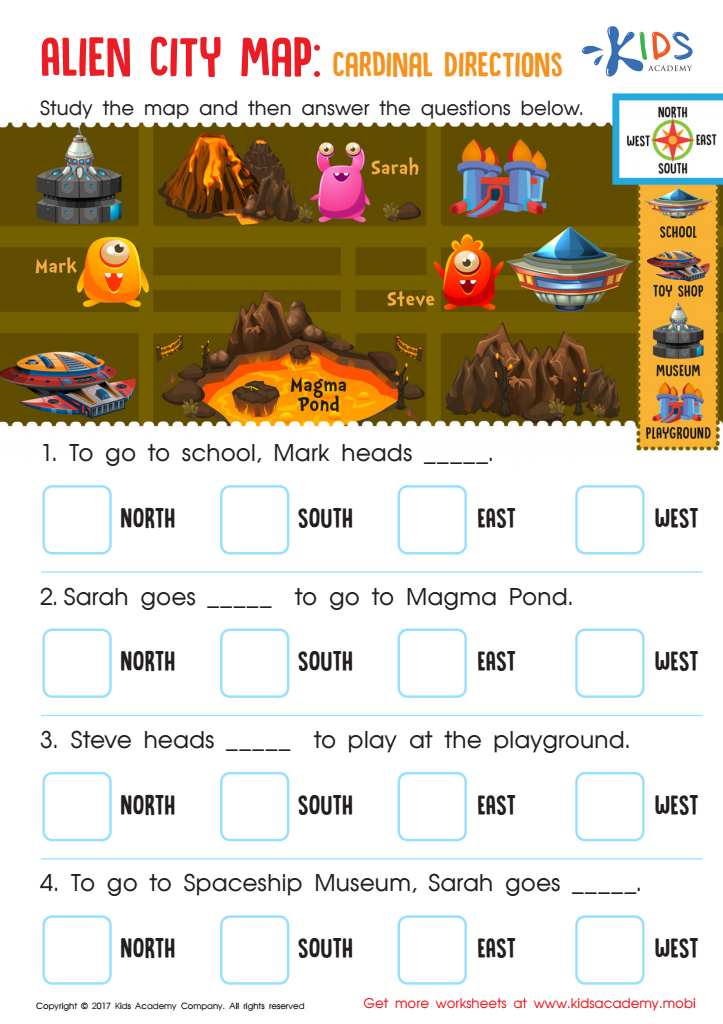
Alien City Map: Cardinal Directions Worksheet
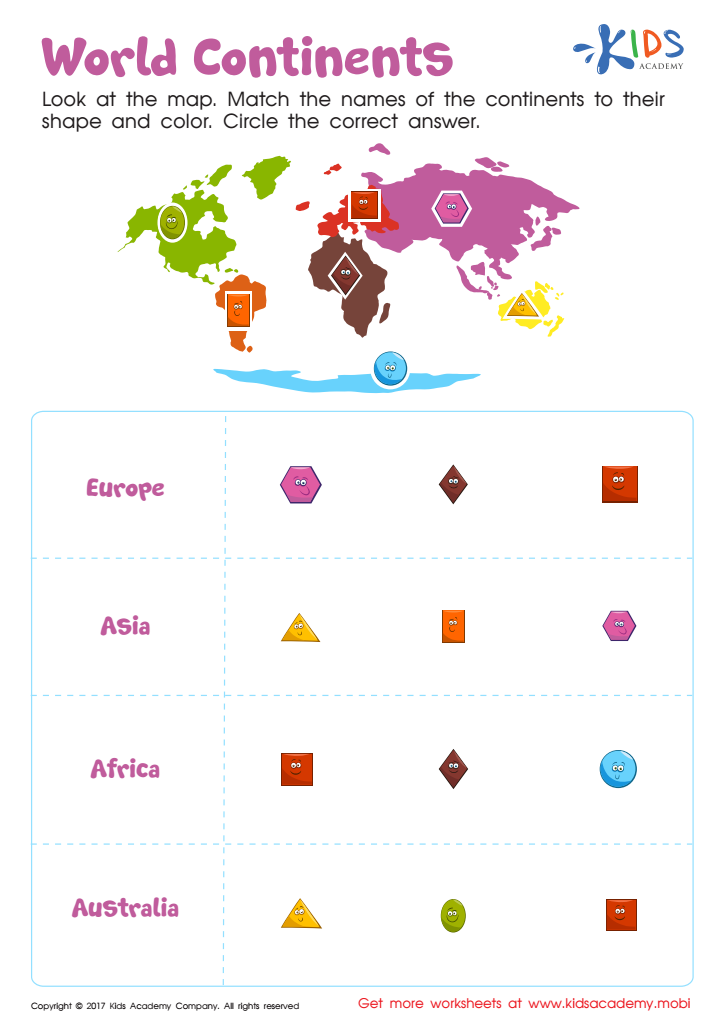
World Continents Worksheet
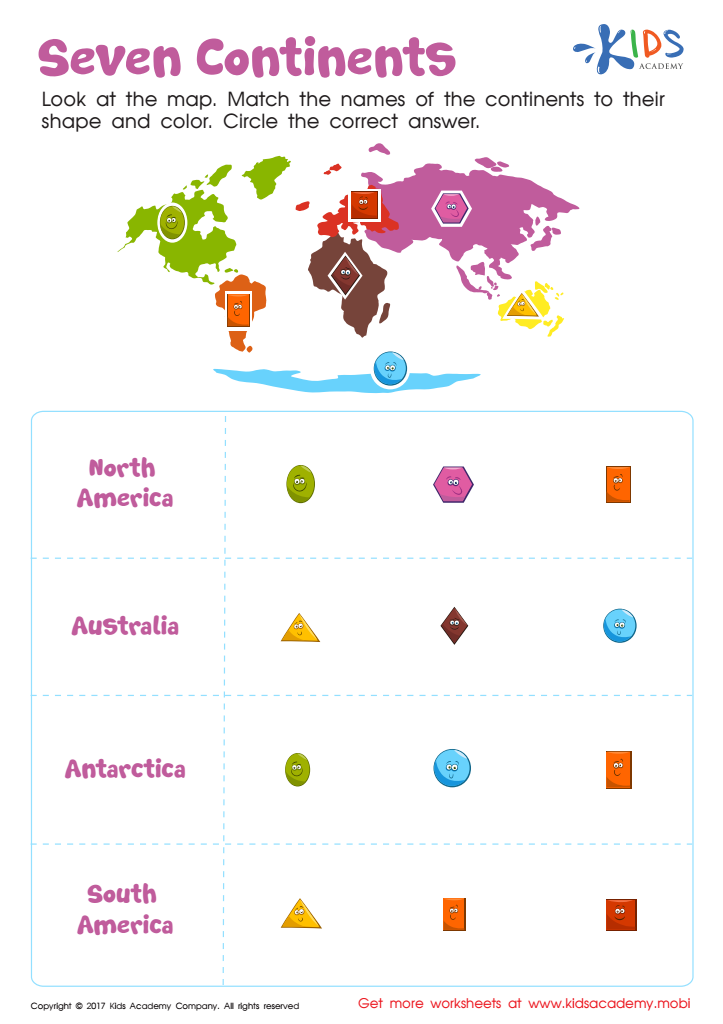
Seven Continents Worksheet
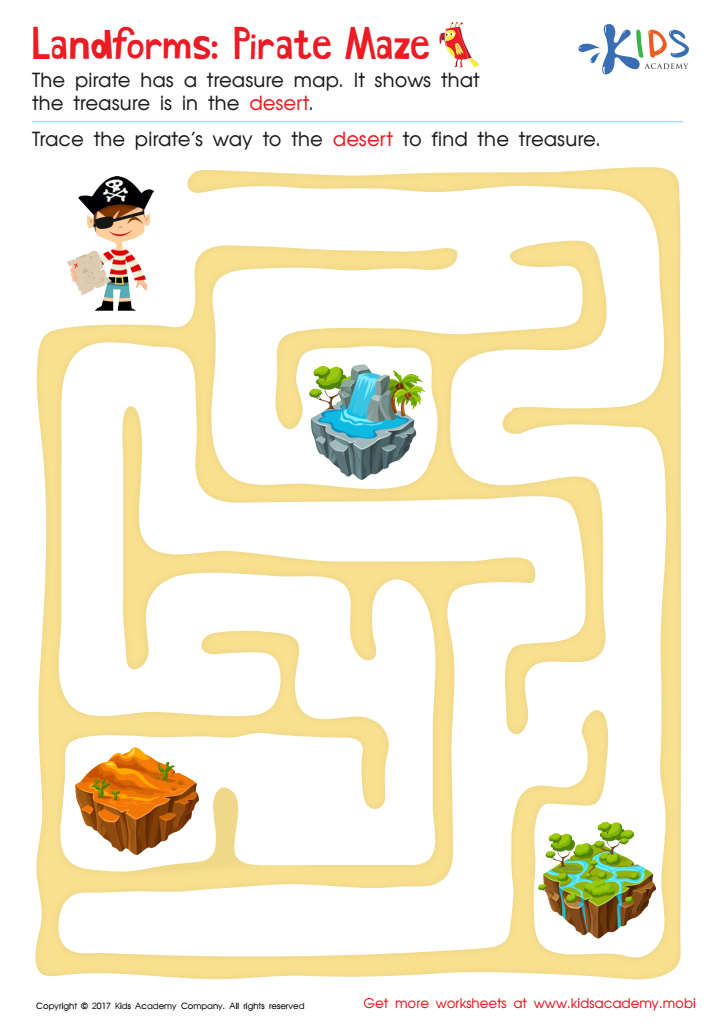
Landforms: Pirate Maze Printable
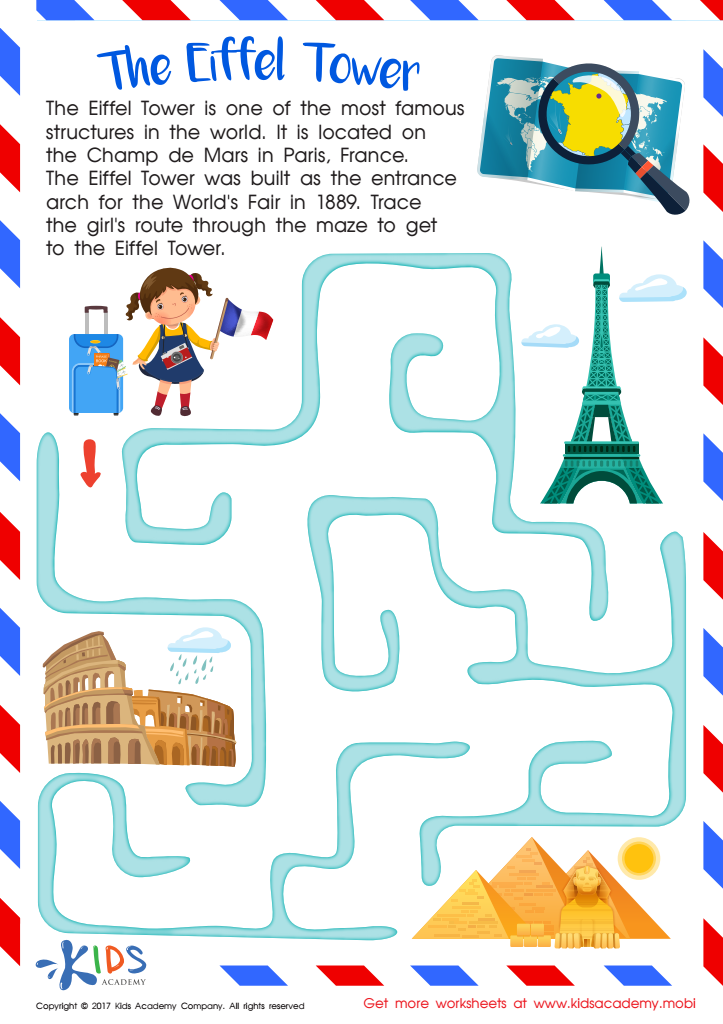
The Eiffel Tower Printable
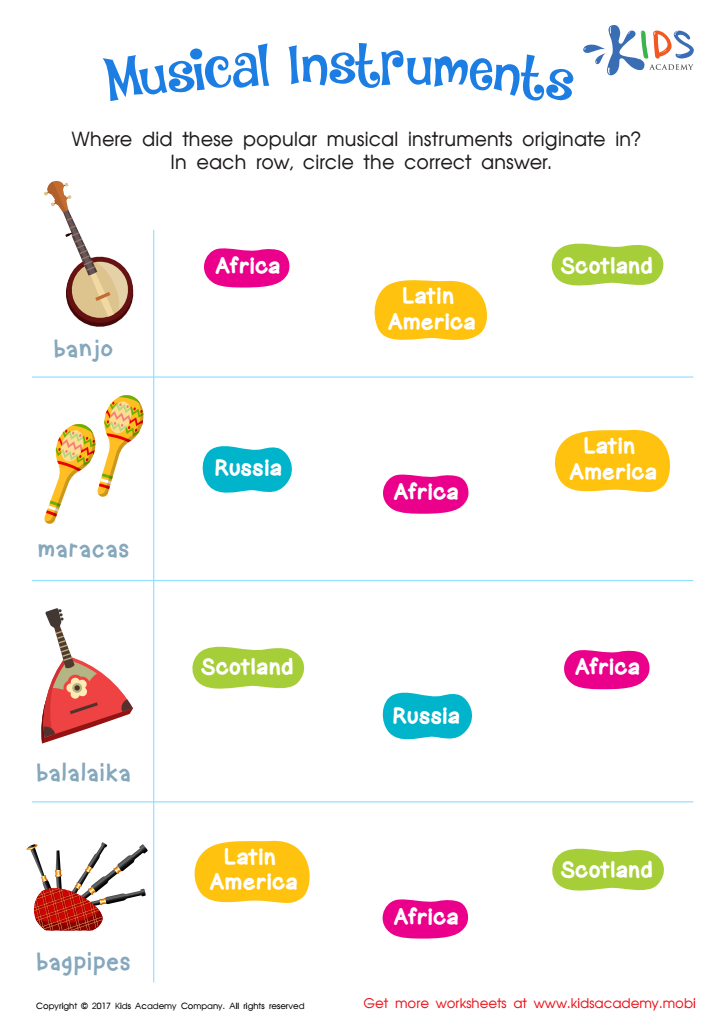
Musical Instruments Printable
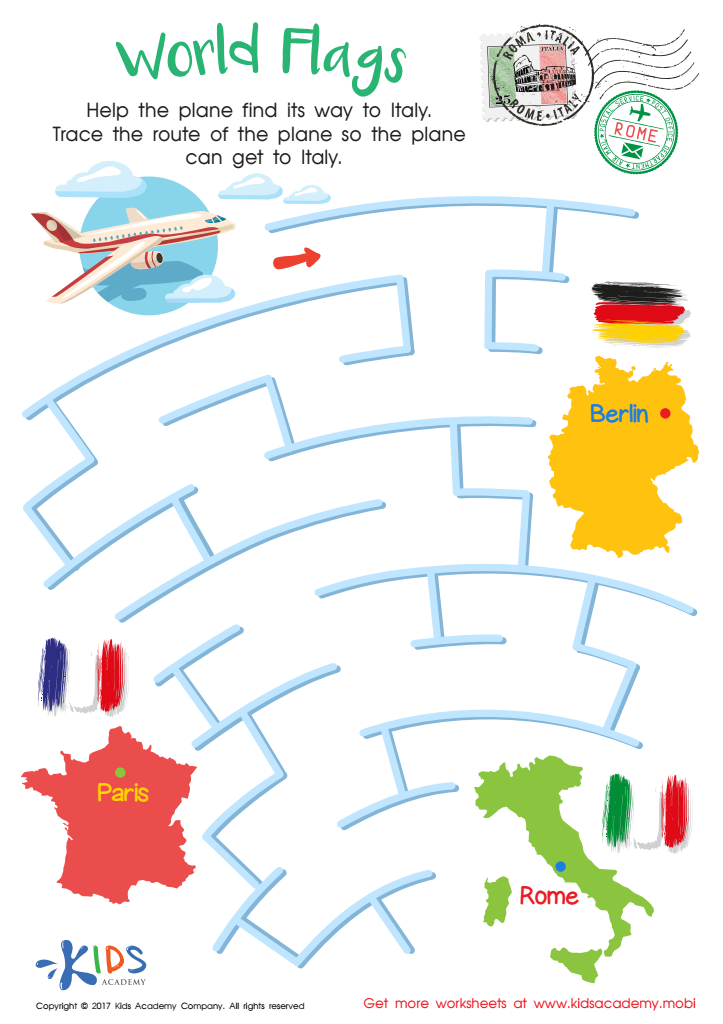
World Flags Maze Worksheet
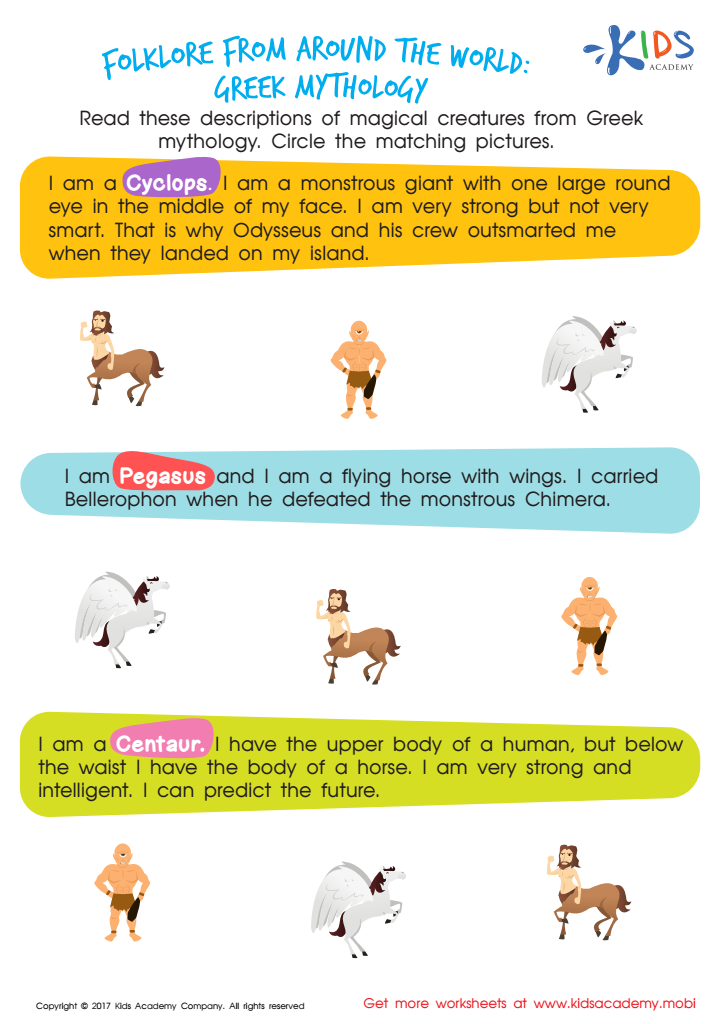
Greek Mythology Worksheet
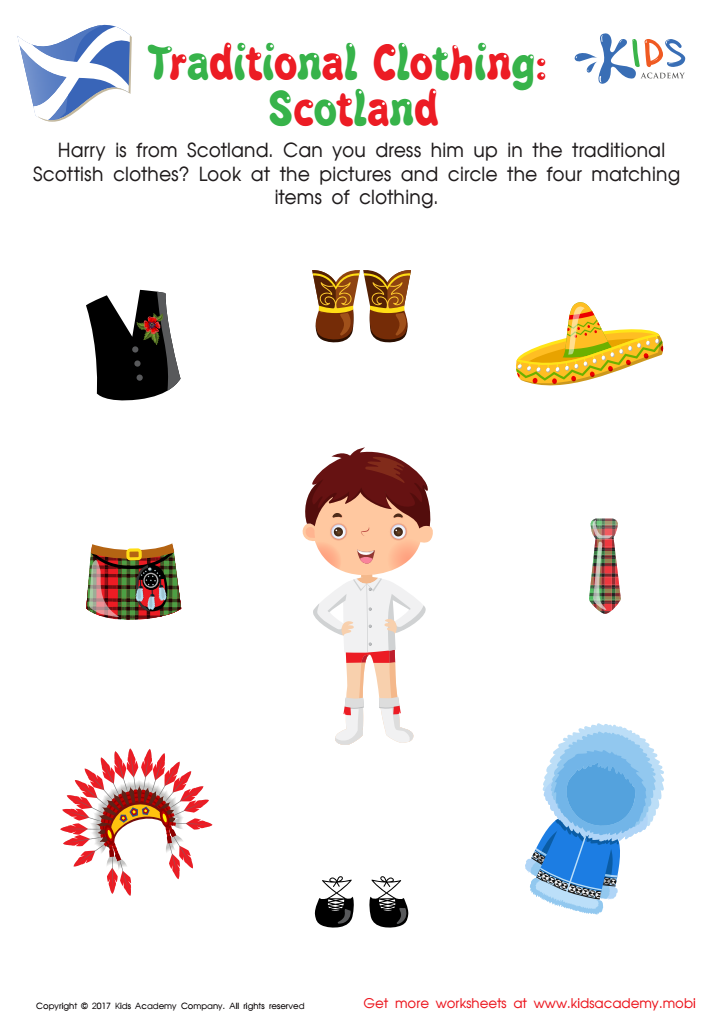
Traditional Clothing in Scotland Worksheet
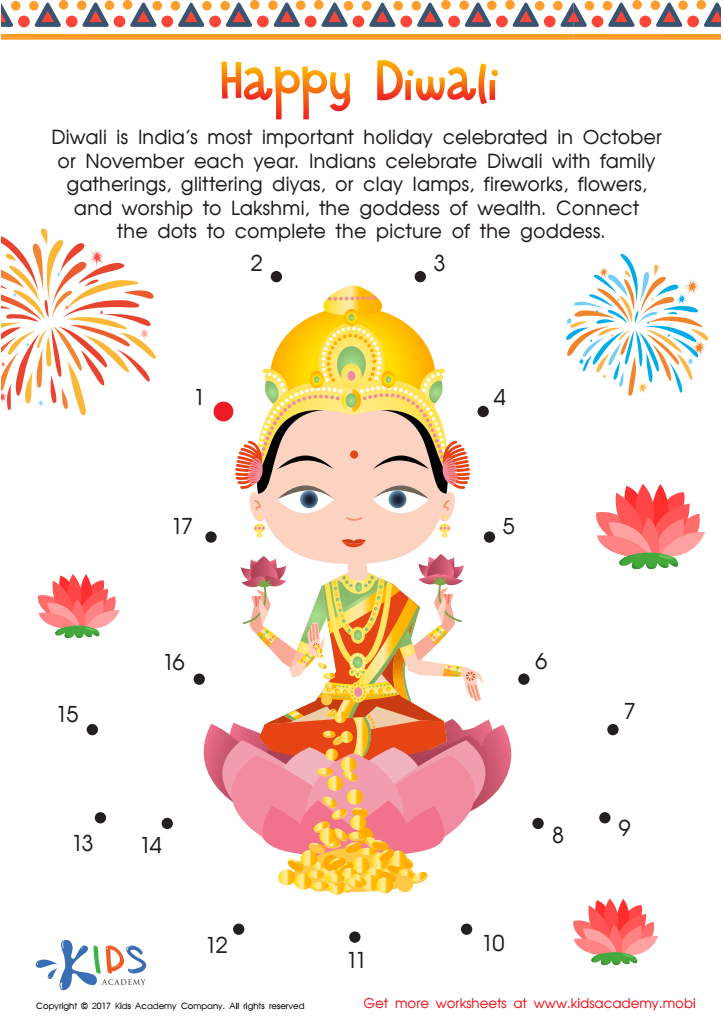
Happy Diwali Printable
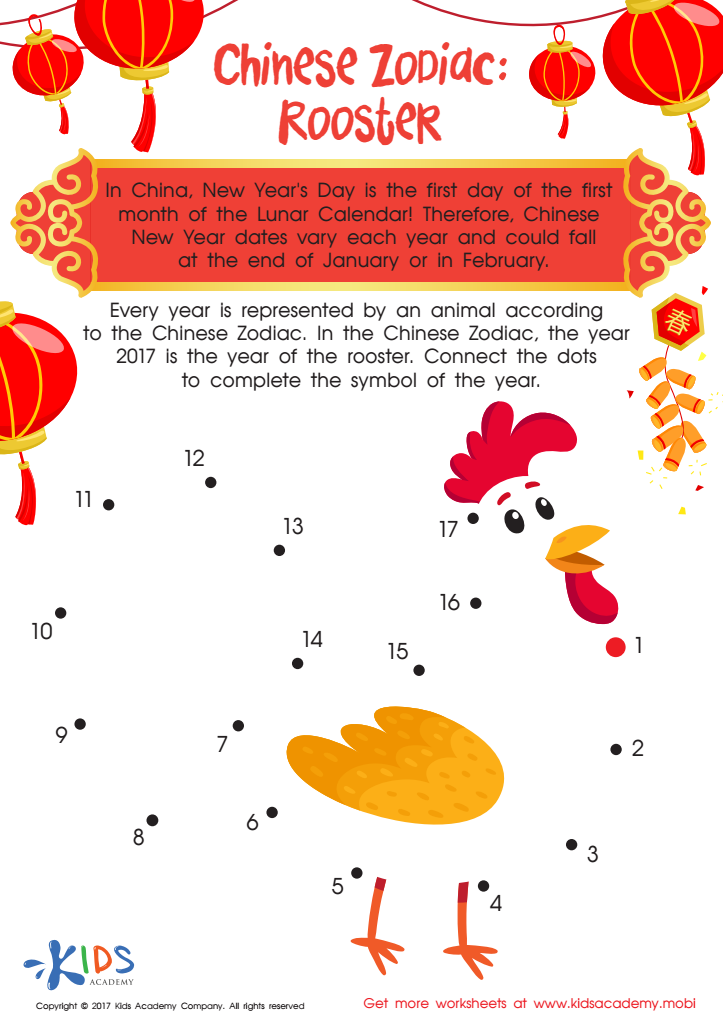
Chinese Zodiac Printable






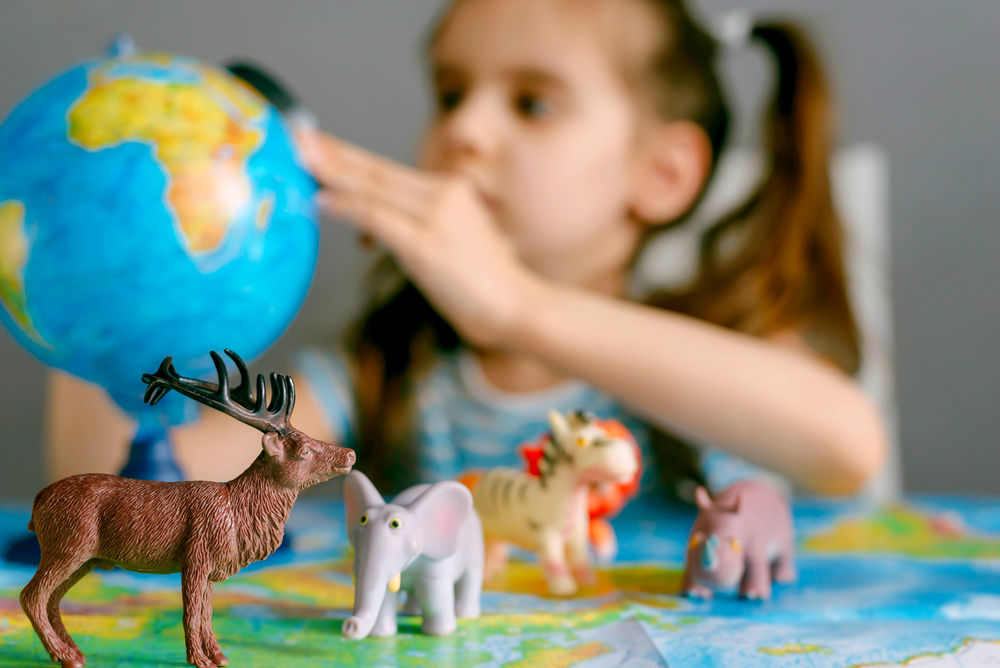
Geography is an essential subject for young learners aged 4-8, playing a key role in their overall development. Understanding geography fosters curiosity about the world around them, encouraging exploration and discovery. It helps children develop critical thinking skills as they learn to make connections between people, places, and environments. By teaching geography, parents and teachers impart knowledge about diverse cultures, fostering empathy and appreciation for differences.
Geography also enhances spatial awareness and strengthens problem-solving abilities. Children who grasp basic geographical concepts can better navigate their surroundings, understand maps, and make sense of directions, skills that will benefit them throughout life. Moreover, early exposure to geography can lay the foundation for environmental awareness, promoting class discussions on topics like ecosystems and climate change, instilling a sense of responsibility toward the planet.
Additionally, geography activities, like globe exploration and local field trips, can be engaging and fun, igniting a love for learning. The skills and knowledge gained in these formative years encourage lifelong curiosity and a sense of belonging in a global community. Overall, integrating geography into early education equips children with valuable tools to understand and appreciate the interconnected world they inhabit.








