Governance and Civics Worksheets for Ages 4-8 - Page 3
51 filtered results
-
From - To
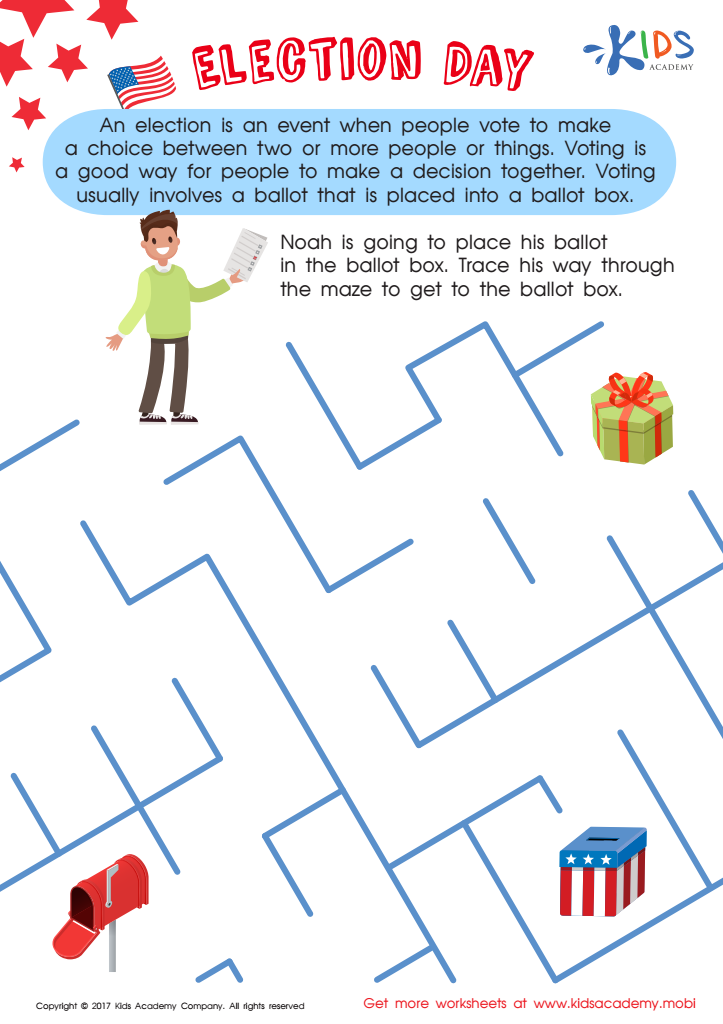
Election Day Worksheet
 Assign to My Students
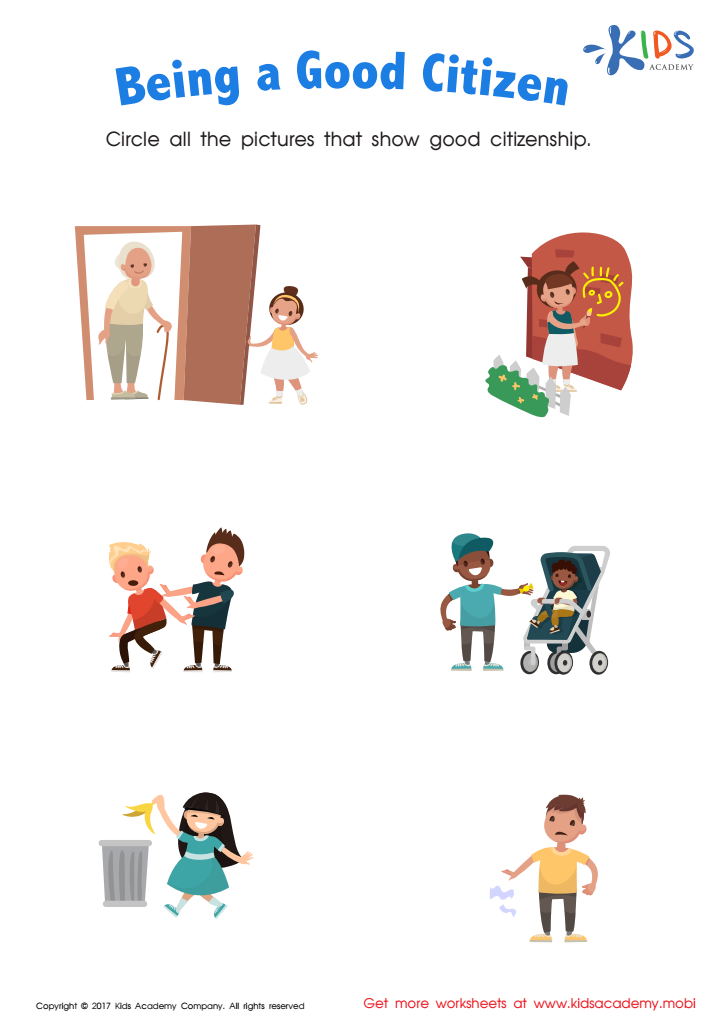
Being a Good Citizen Printable
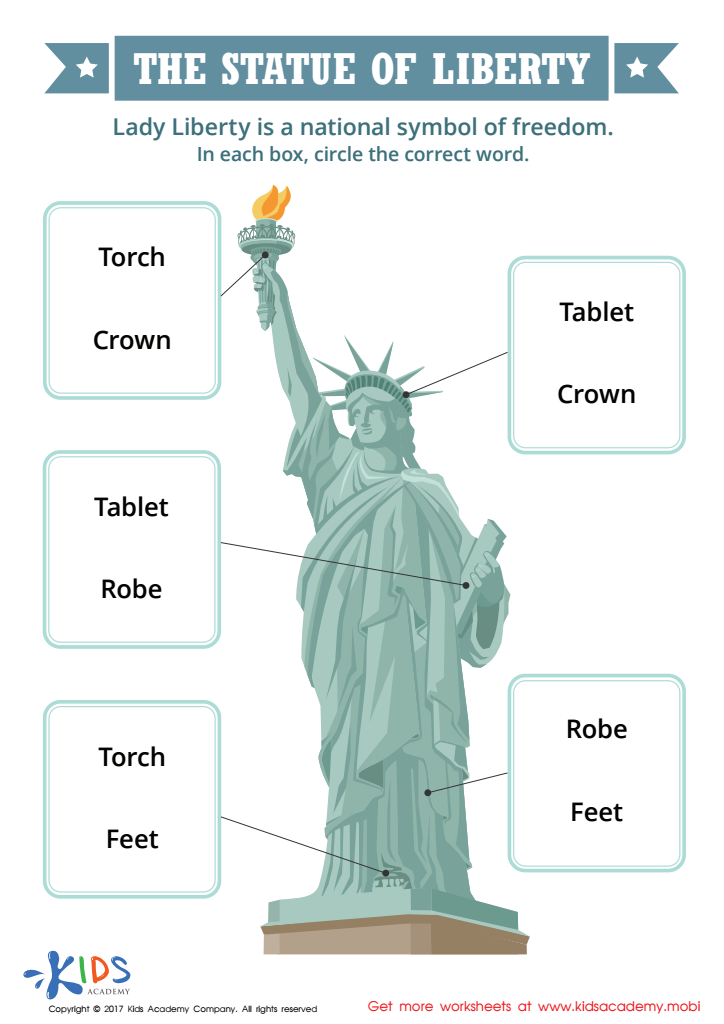
The Statue of Liberty Printable


Parents and teachers should prioritize Governance and Civics education for children aged 4-8 because it lays the foundation for responsible citizenship and informed participation in society. Early exposure to these concepts fosters an understanding of community, fairness, and the importance of rules and laws. At this age, children are naturally curious about their environment; introducing governance concepts helps them make sense of their world and the relationships within it.
Teaching civics not only equips young learners with knowledge about their rights and responsibilities but also nurtures essential social skills such as cooperation, empathy, and respect for others. Activities like role-playing, discussing sharing, and modeling decision-making can ignite their interest in how communities function. This early education encourages curiosity about democracy, diversity, and inclusion, preparing them for future civic engagement.
Furthermore, engaging in discussions about governance and civic responsibility cultivates critical thinking and enhances communication skills. When children understand the importance of participating in their communities, whether through voting or local initiatives, it promotes active citizenship. Ultimately, integrating governance and civics into early childhood education creates a generation that values democracy and is prepared to contribute positively to society.








