Community Worksheets for Ages 4-8 - Page 2
30 filtered results
-
From - To
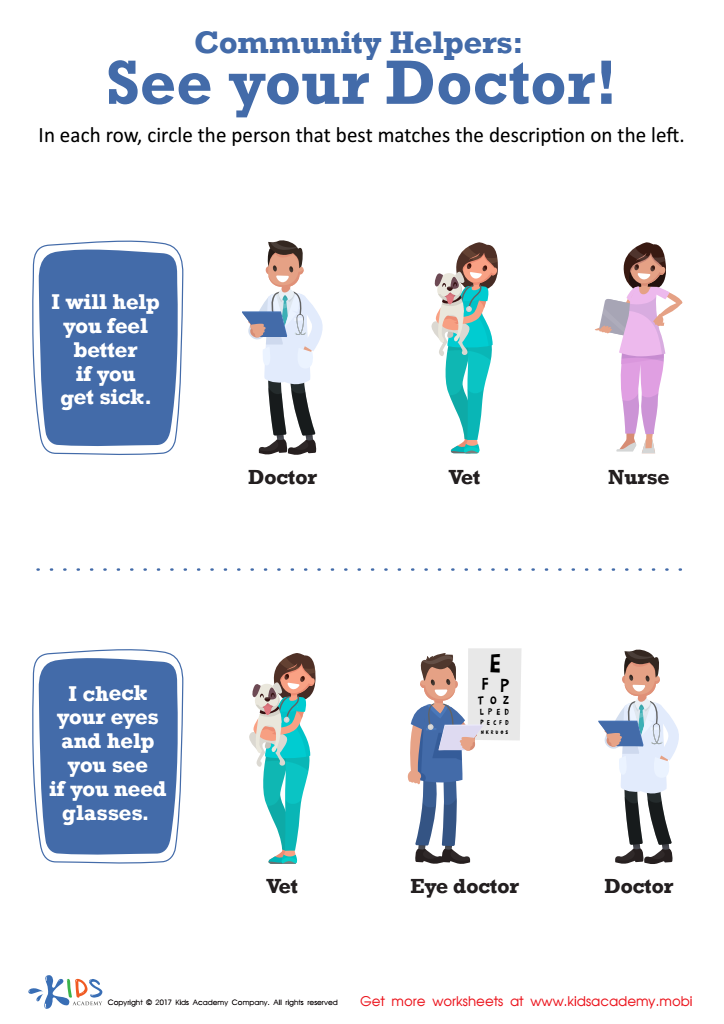
See Your Doctor (Part 1) Printable
 Assign to My Students


Playground Worksheet

Grocery Store Worksheet
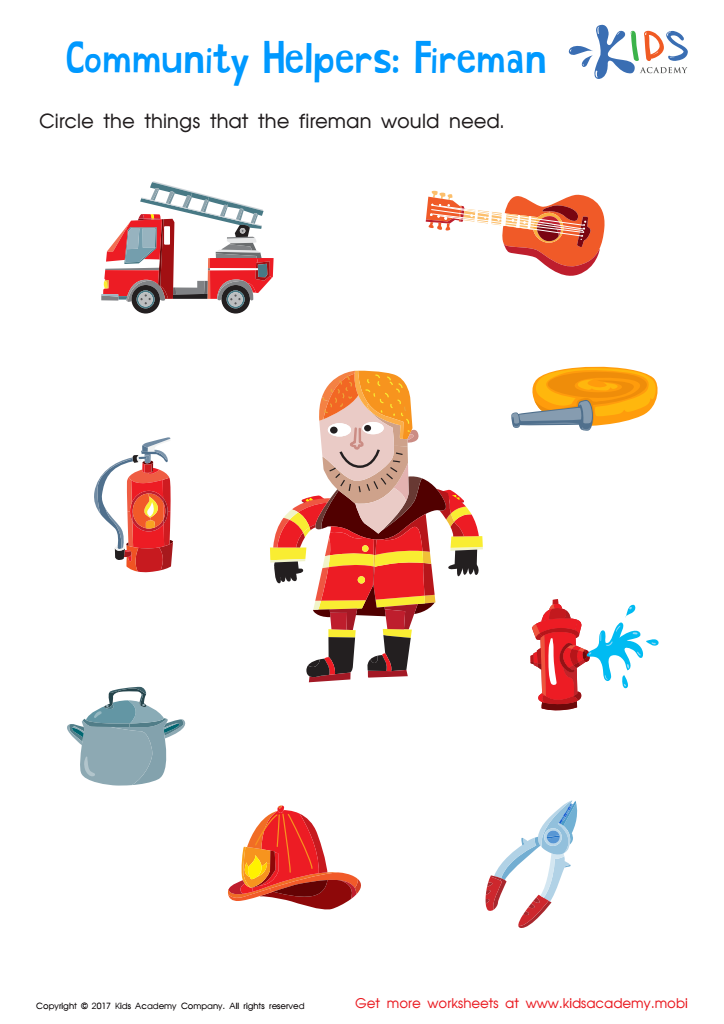
Fireman Worksheet
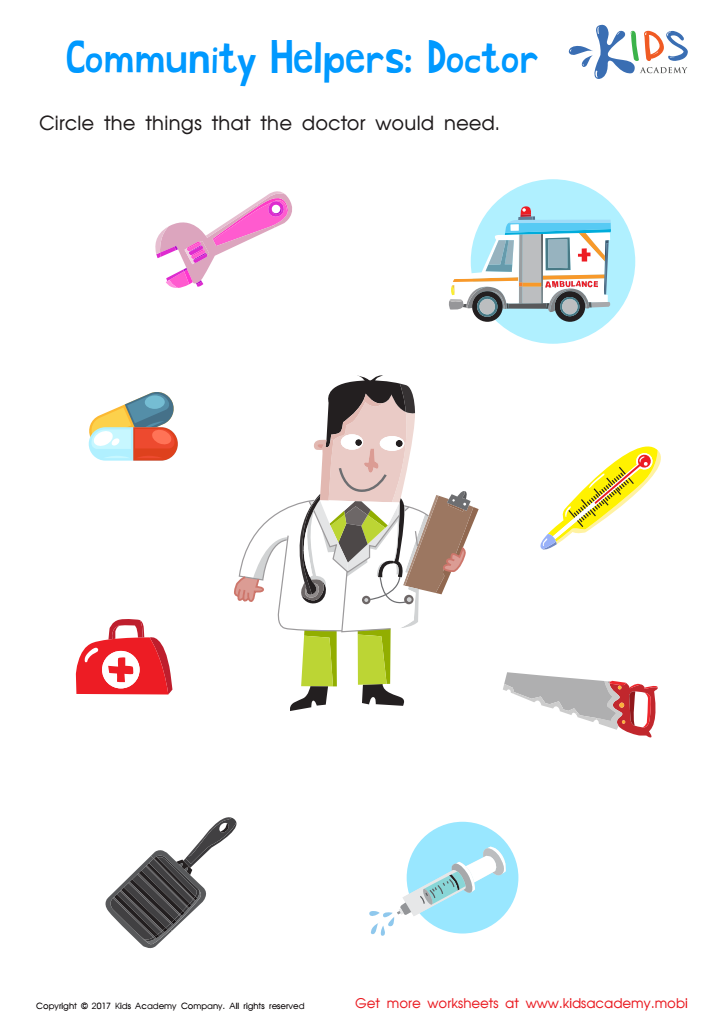







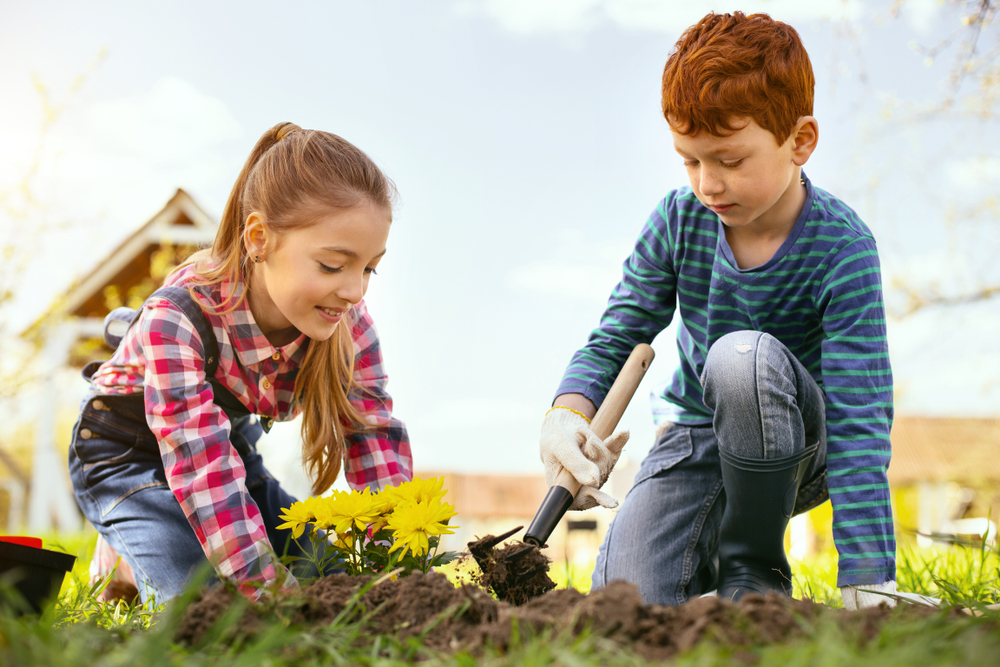
Parents and teachers play a crucial role in shaping a child's social development, and understanding the importance of community for children ages 4-8 is vital. At this age, children are naturally curious and begin forming their identities within the world around them. A strong sense of community helps foster a sense of belonging, which is essential for building self-esteem and confidence.
Engaging with their community allows young children to learn about diversity and develop empathy. They experience different perspectives, cultures, and traditions, enriching their understanding of the world. Participating in community activities encourages teamwork, cooperation, and communication skills, as children learn to interact with peers and adults beyond their families.
Children who feel connected to their community are more likely to engage in positive behaviors and contribute to their surroundings, laying the groundwork for future civic responsibility. Moreover, strong community ties provide support networks for families, enhancing the educational experience for children. By prioritizing community involvement, parents and teachers create a nurturing and stimulating environment that empowers children to grow into socially responsible and engaged individuals. Ultimately, investing in community strength benefits not just the child, but also fosters a vibrant and supportive neighborhood.