Addition and Subtraction Word Problems Worksheets for Ages 4-9 - Page 4
90 filtered results
-
From - To
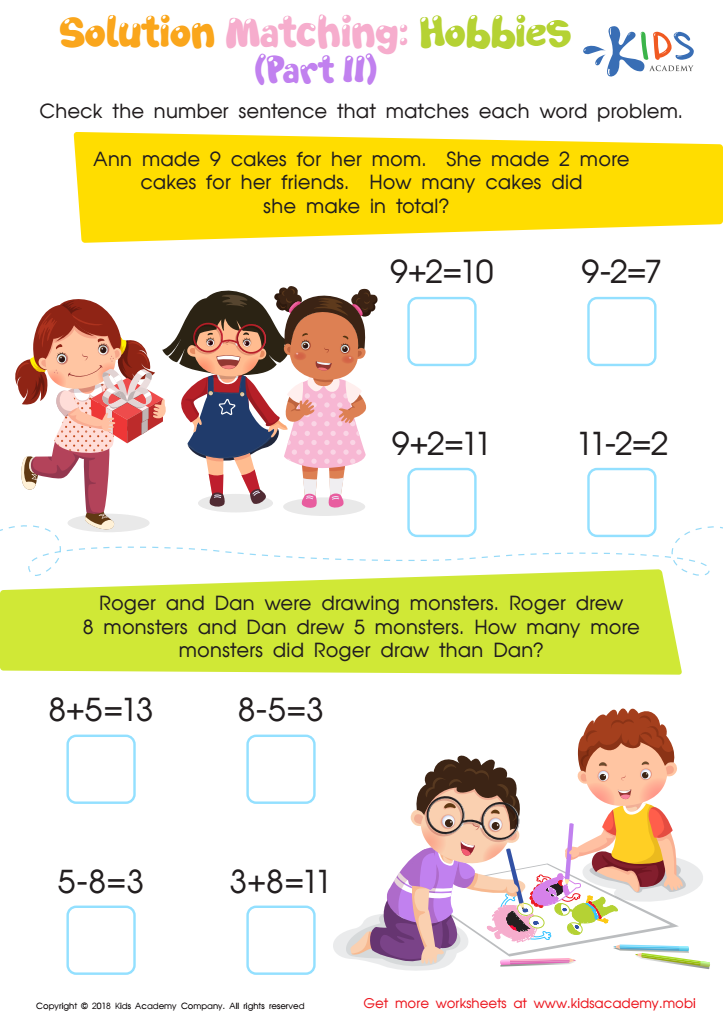
Solution Matching: Hobbies. Part 2 Worksheet
 Assign to My Students
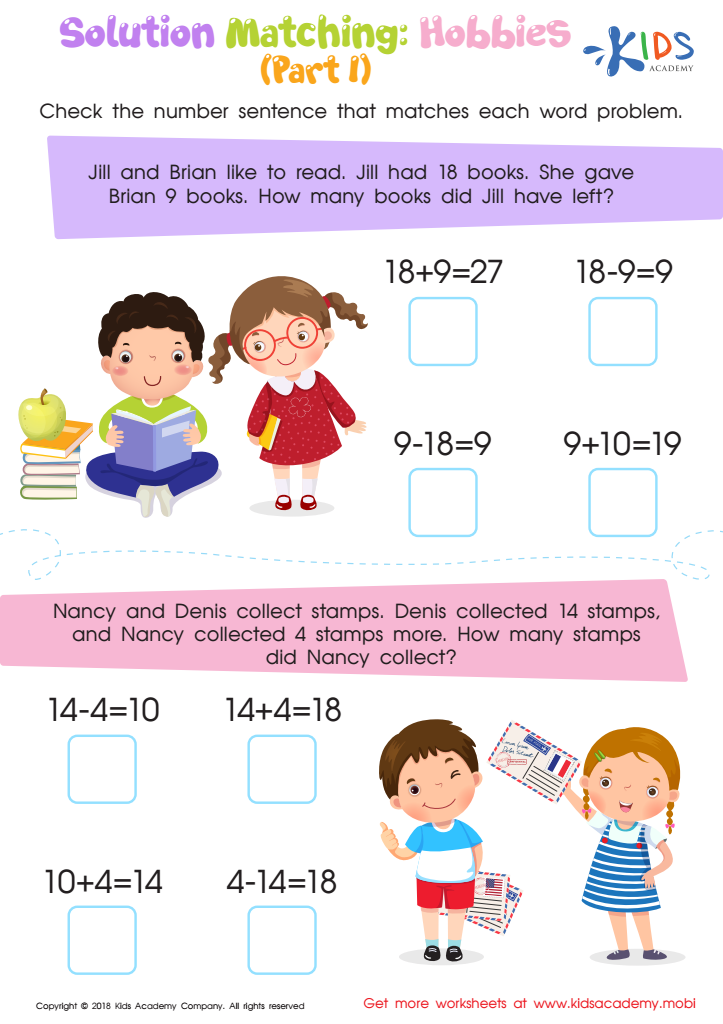
Solution Matching: Hobbies. Part 1 Worksheet
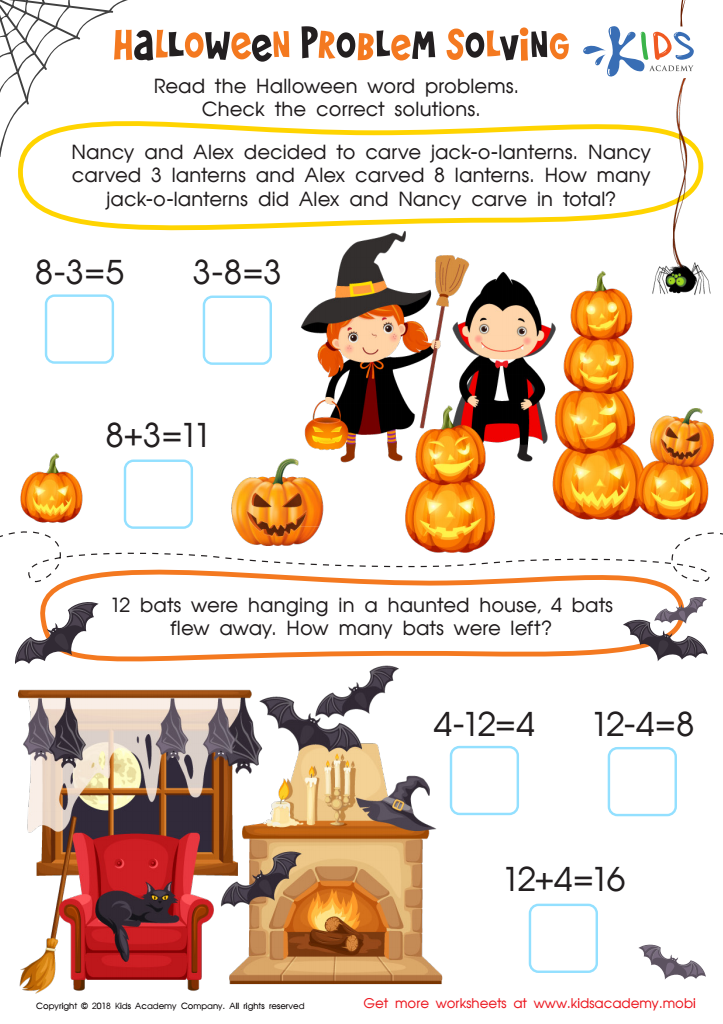
Halloween Problem Solving Worksheet
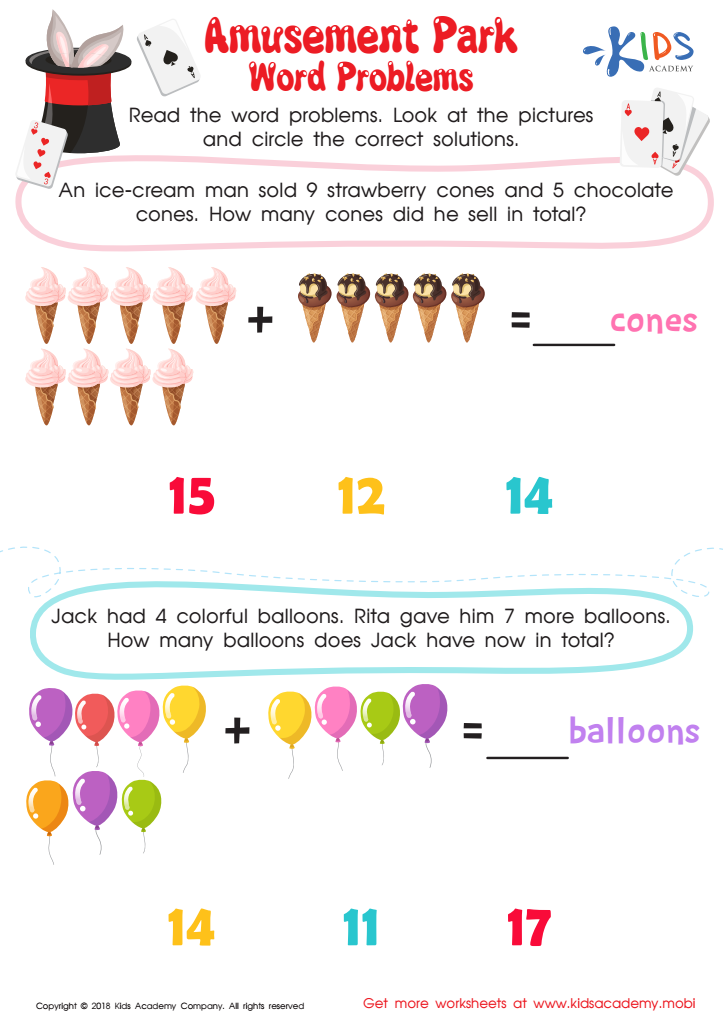
Amusement Park Word Problems Worksheet
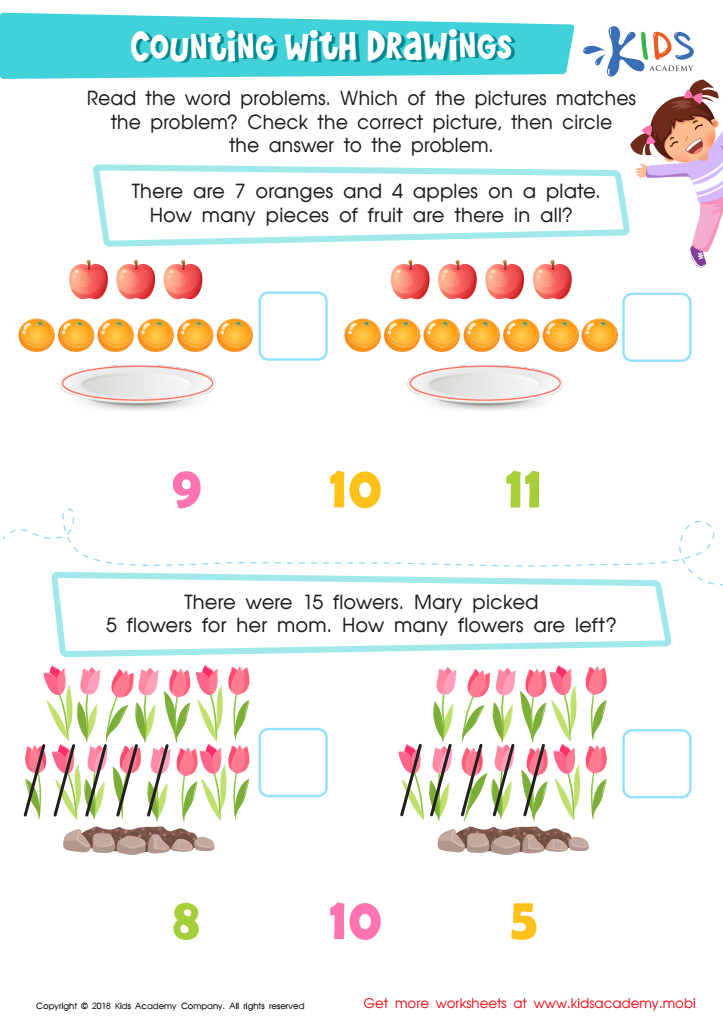
Counting with Drawings:Fruits & Flowers Worksheet
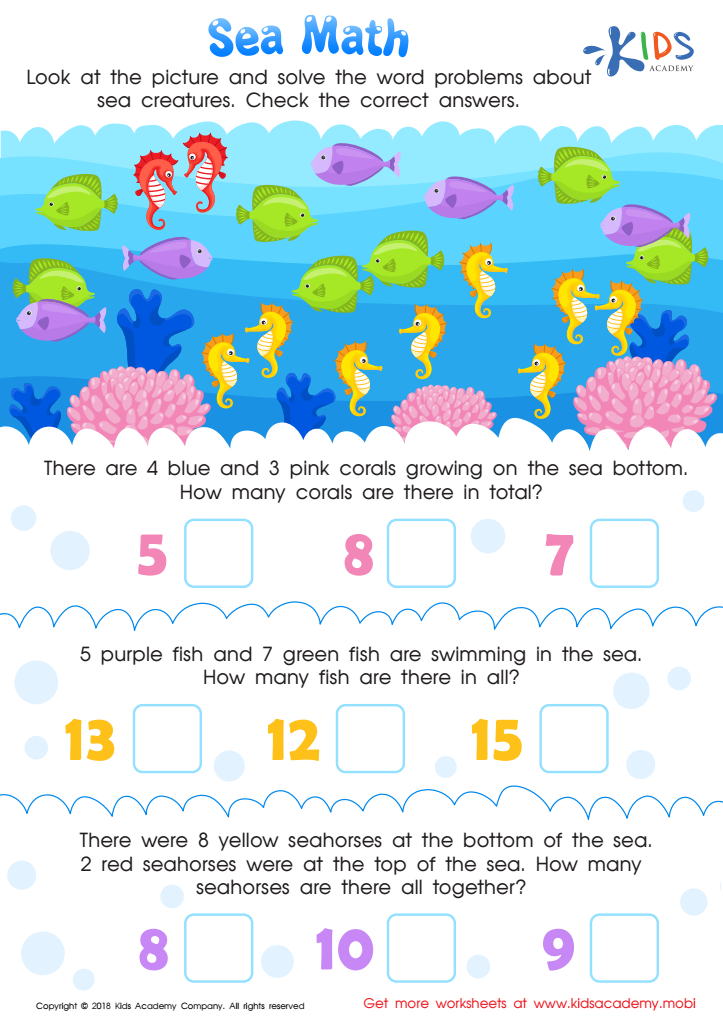
Sea Math Worksheet
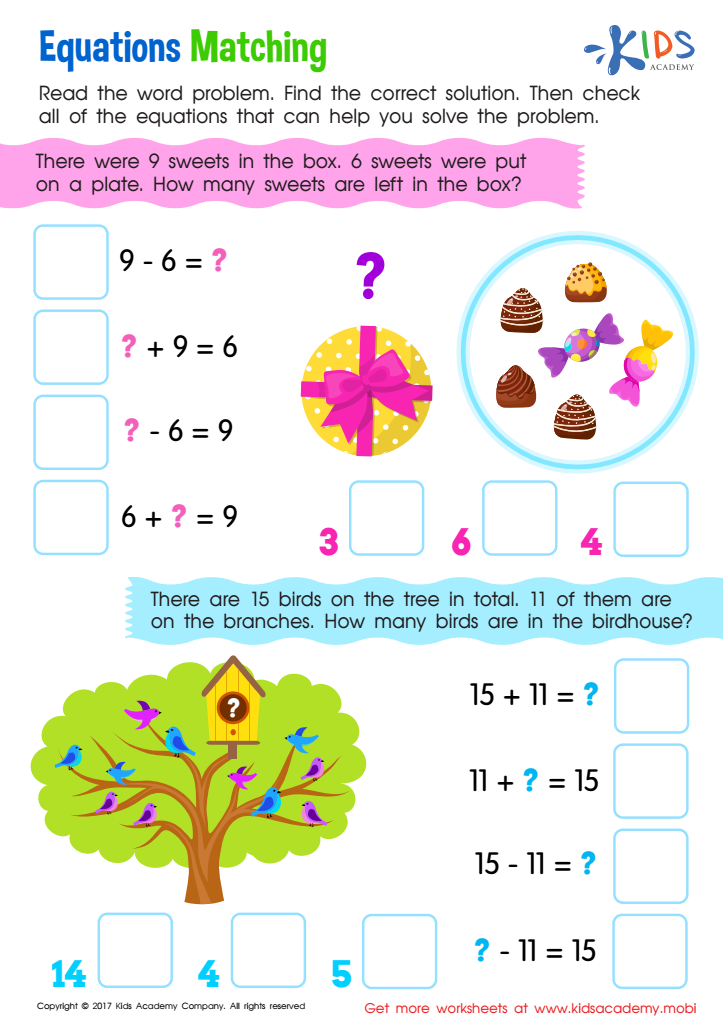
Equations Matching Word Problems Worksheet
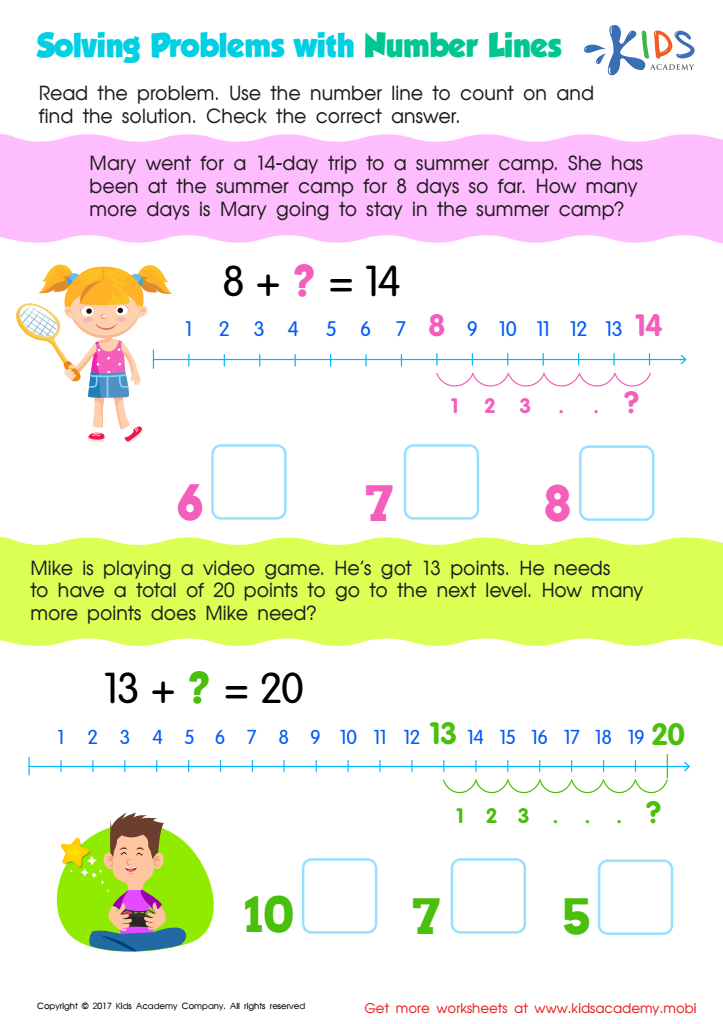
Solving Problems: Number Lines Worksheet
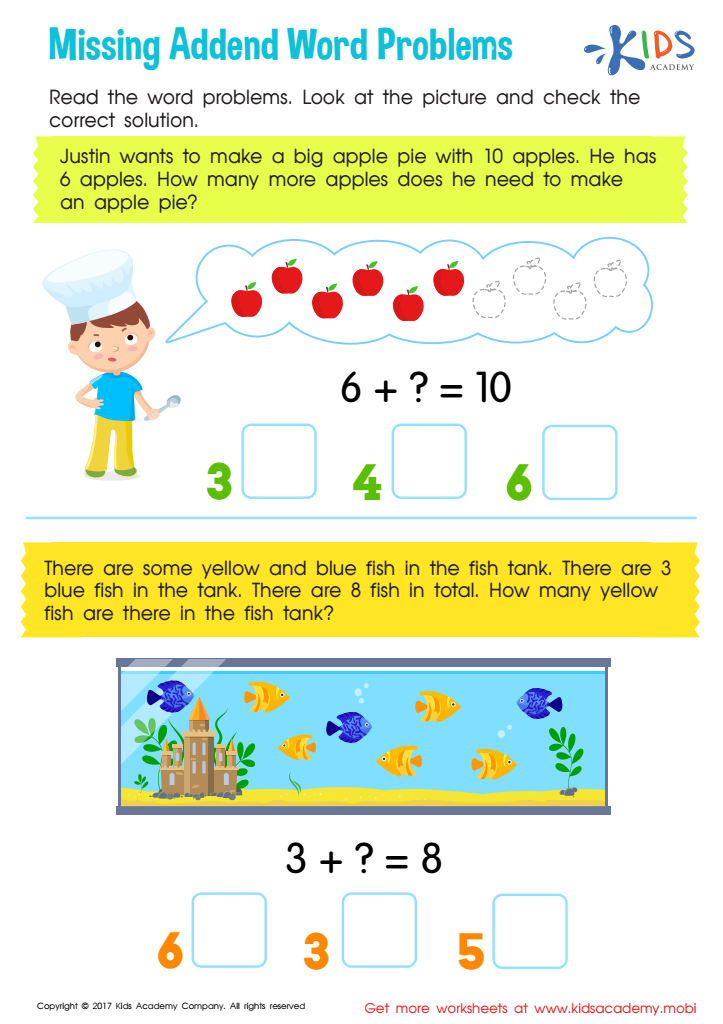
Missing Addend Word Problems Worksheet
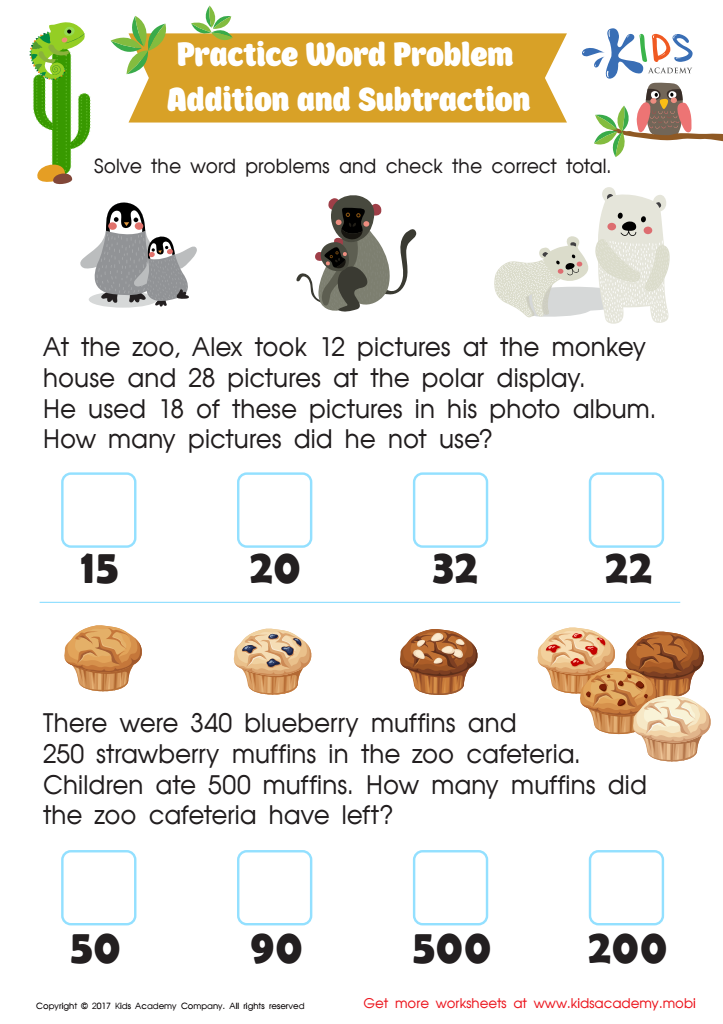
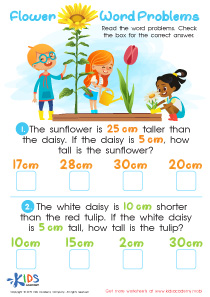
Addition and Subtraction: Word Problems Worksheet
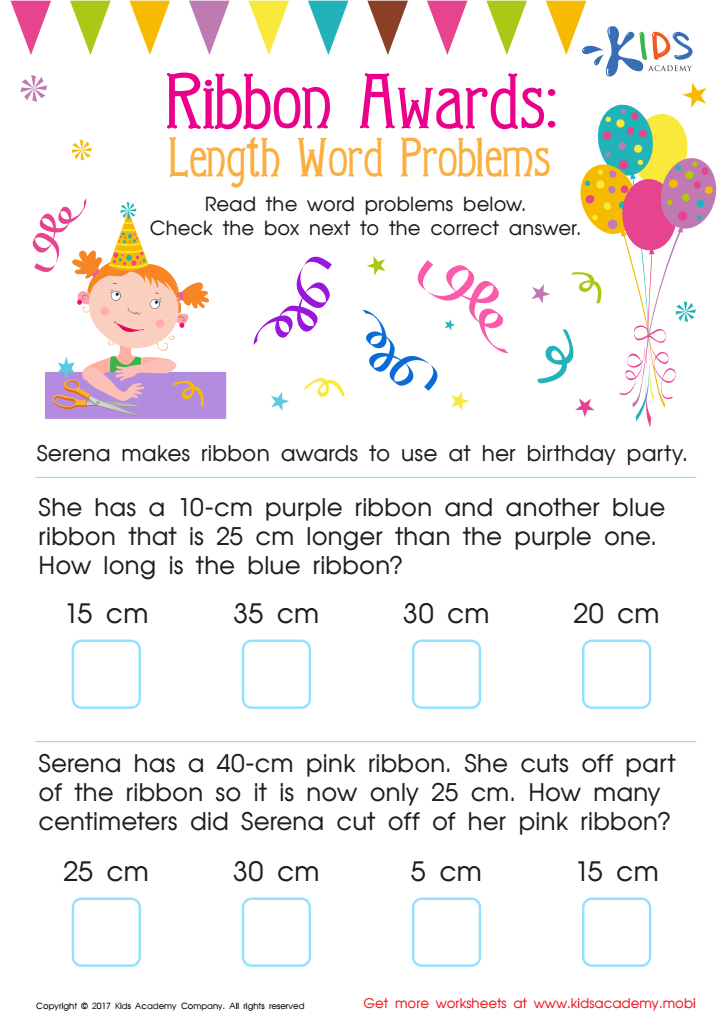
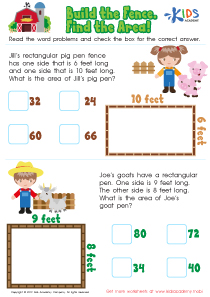
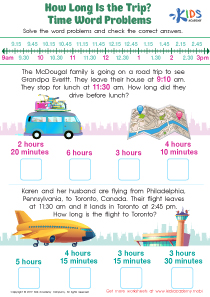
Length Word Problems Worksheet
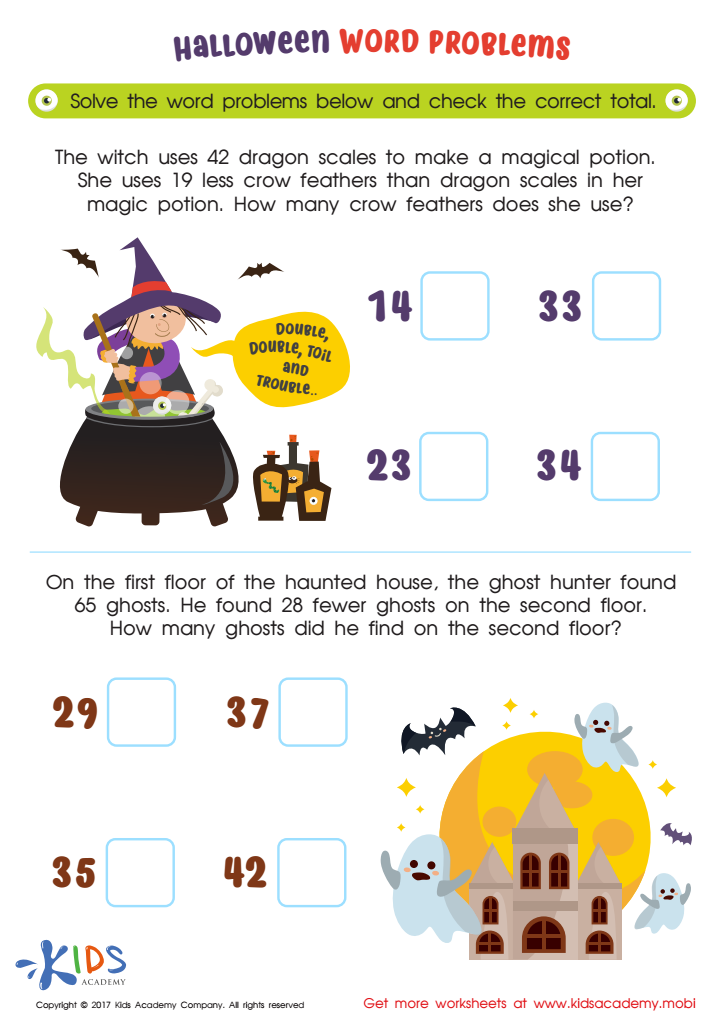
Halloween Word Problems Printable
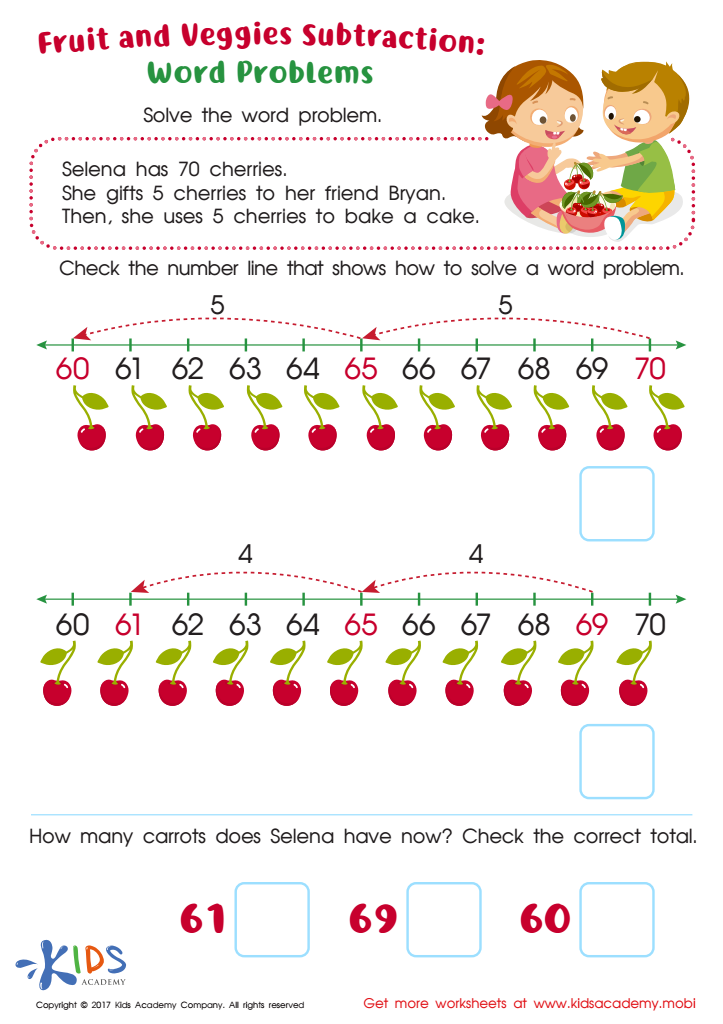
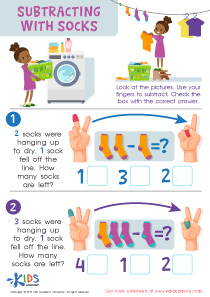
Subtraction Word Problems Free Printable
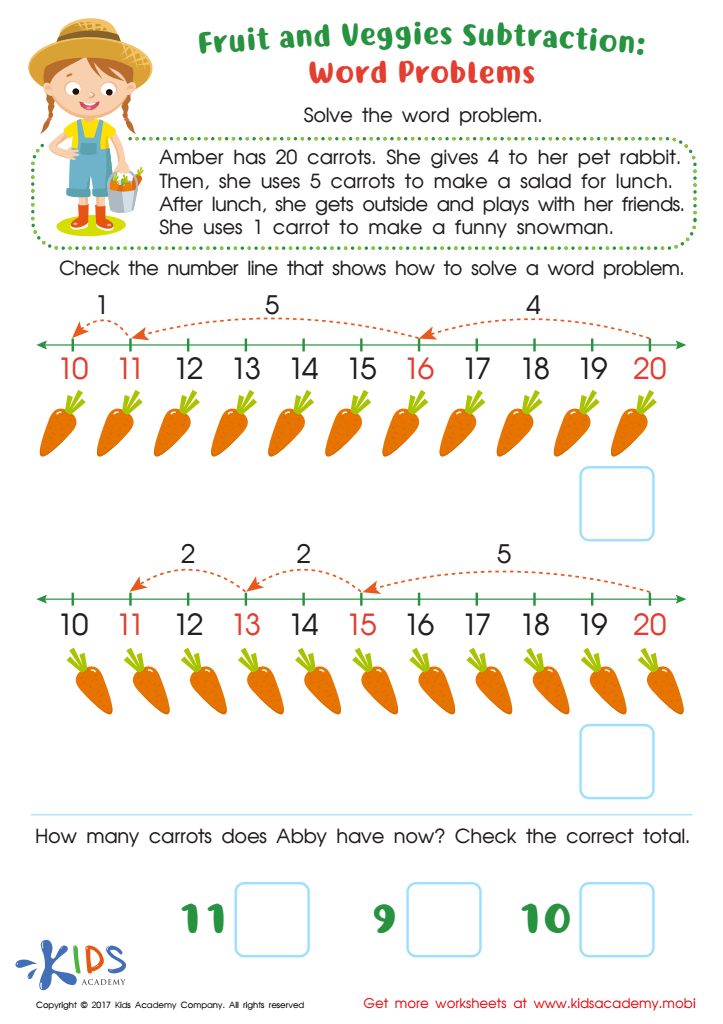
Subtraction Word Problems Printable
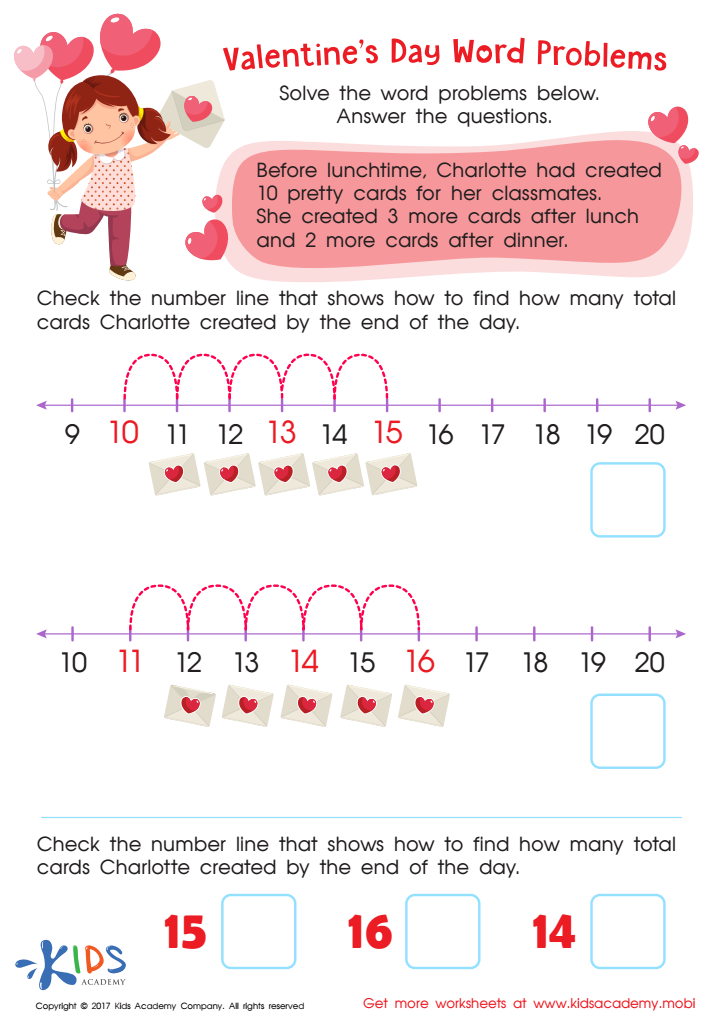
Valentines Day Word Problem Worksheet
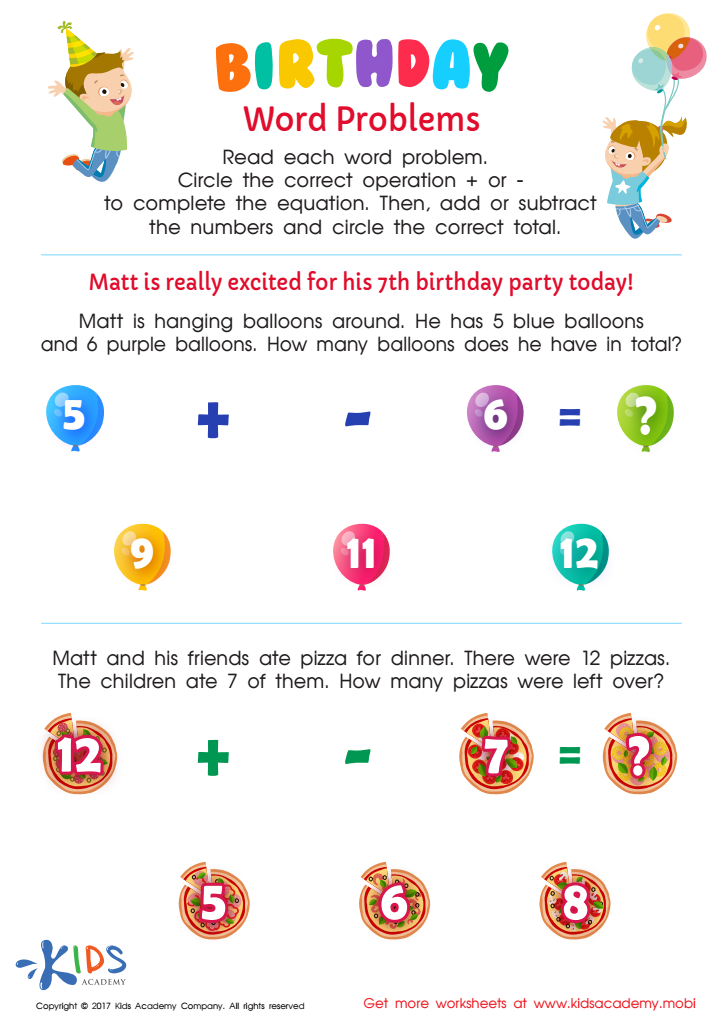
Birthday Word Problems Substraction Worksheet
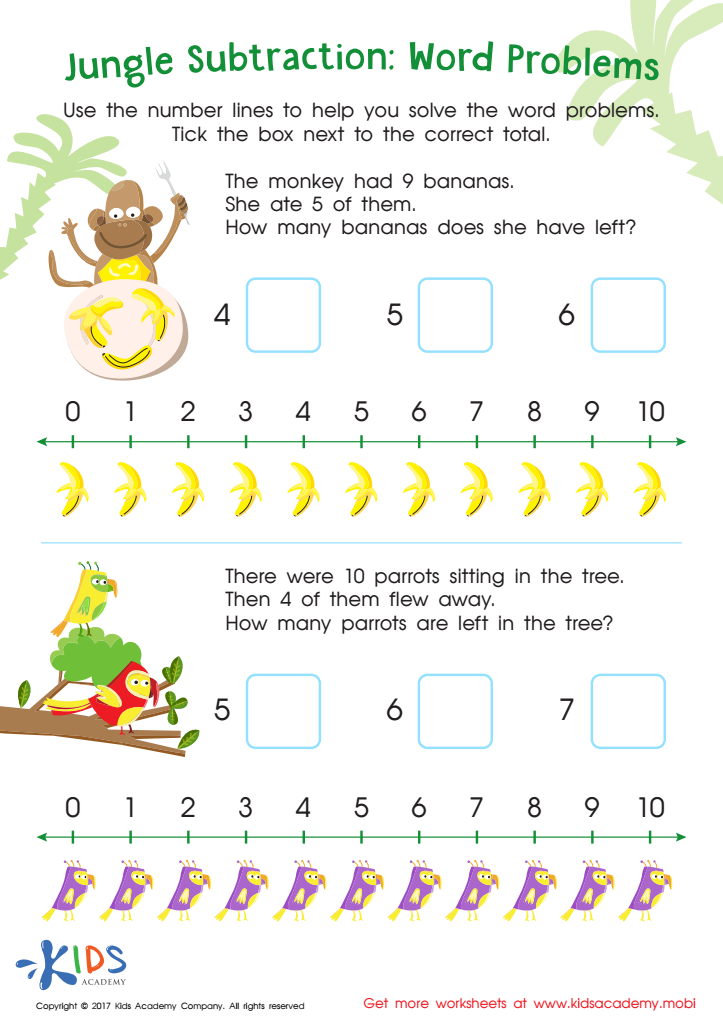
Jungle Subtraction Word Problems Substraction Worksheet
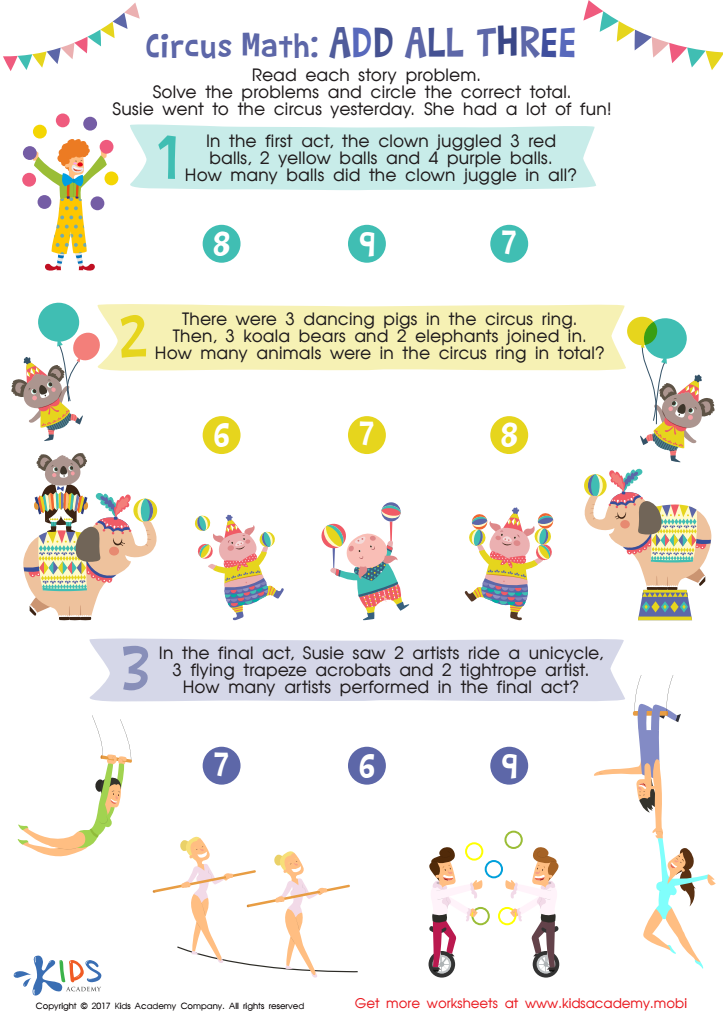
Circus Math Printable








Parents and teachers should care about addition and subtraction word problems for ages 4-9 because they lay the foundation for essential math skills and critical thinking. At this formative stage, children are developing their understanding of numbers, basic operations, and how they relate to everyday life. Word problems provide a context that makes these abstract concepts tangible and meaningful. For young learners, applying math skills to real-life scenarios enhances comprehension and retention.
These problems also stimulate cognitive development by encouraging children to think logically, recognize patterns, and solve problems systematically. This is crucial for building mental math abilities and problem-solving strategies that children will use throughout their education and beyond.
Moreover, mastering word problems promotes literacy skills. Children practice reading comprehension as they interpret the scenarios and extract relevant information. This dual focus on math and language skills fosters interdisciplinary learning, making students more versatile problem-solvers.
Investing in developing these skills equips children with the confidence and competence to tackle more complex math concepts in the future. It also nurtures a positive attitude towards math by showing its application in daily situations, ultimately inspiring lifelong learning and curiosity.
In summary, prioritizing addition and subtraction word problems at a young age fosters a solid academic foundation and holistic cognitive growth.