Letter Recognition Worksheets for Ages 5-7 - Page 5
99 filtered results
-
From - To
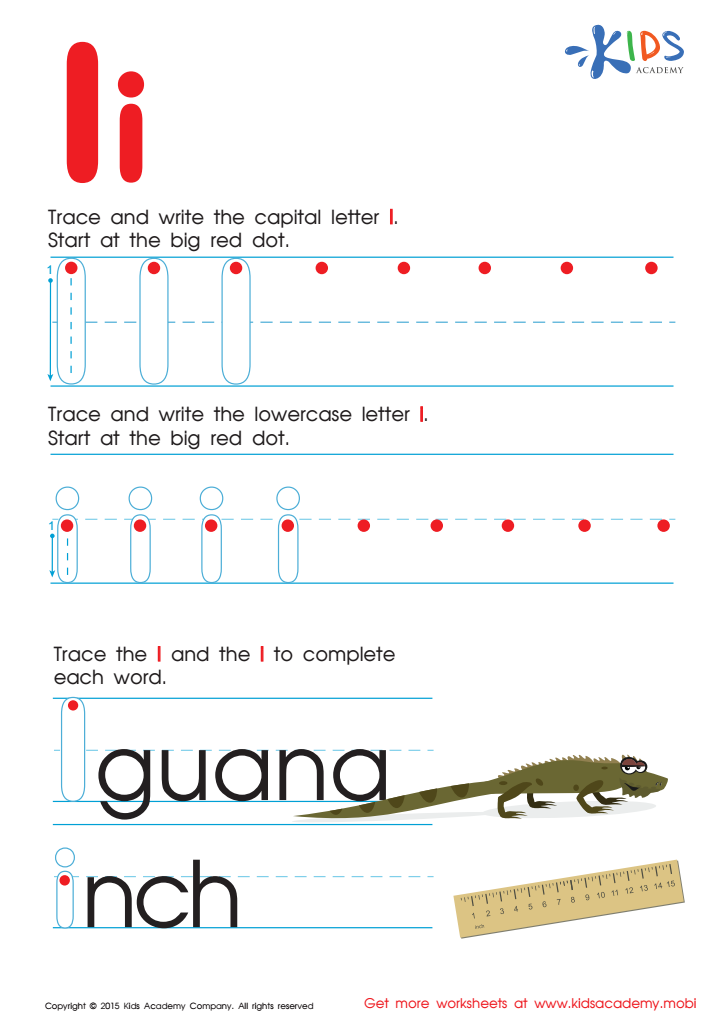
Letter I Tracing Page
 Assign to My Students

Letter H Tracing Page
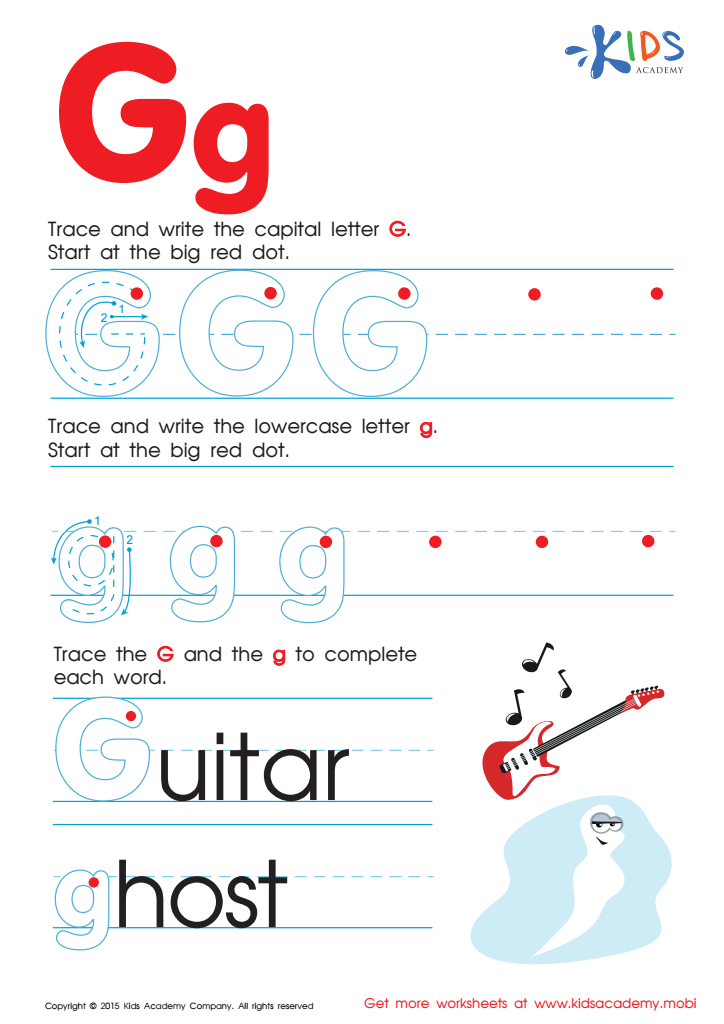
Letter G Tracing Page








Letter recognition is a foundational skill crucial for children aged 5-7 as they embark on their literacy journey. It refers to the ability to identify and name letters, both in uppercase and lowercase forms, which is essential for reading and writing. When parents and teachers prioritize letter recognition, they pave the way for enhanced language development. Kids who are proficient in recognizing letters can more easily relate them to the sounds they represent, laying the groundwork for phonemic awareness and the ability to decode words.
Moreover, strong letter recognition skills correlate with higher reading ability, impacting academic success across subjects. By helping children develop this skill, parents and teachers foster confidence in their literacy capabilities, making them more inclined to engage in reading activities. This engagement contributes to increased vocabulary knowledge, comprehension, and subsequently, better performance in school.
Additionally, activities that promote letter recognition—such as games, songs, and interactive reading—encourage creativity and critical thinking. While this phase is integral for overall cognitive development, letter recognition also nurtures a child's love for learning, turning them into enthusiastic learners ready to tackle more complex literacy tasks as they grow. Thus, investing time in this skill during these early years is vital for long-term educational success.







