Life Science Worksheets for Ages 5-7 - Page 2
29 filtered results
-
From - To
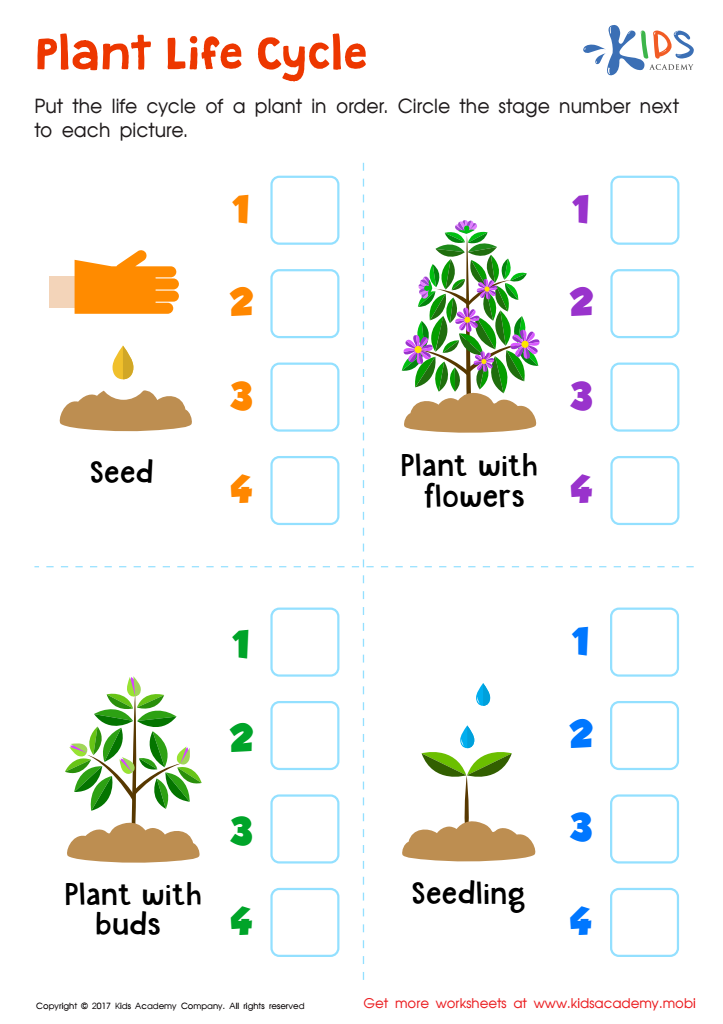
Plant Life Cycle Printable
 Assign to My Students
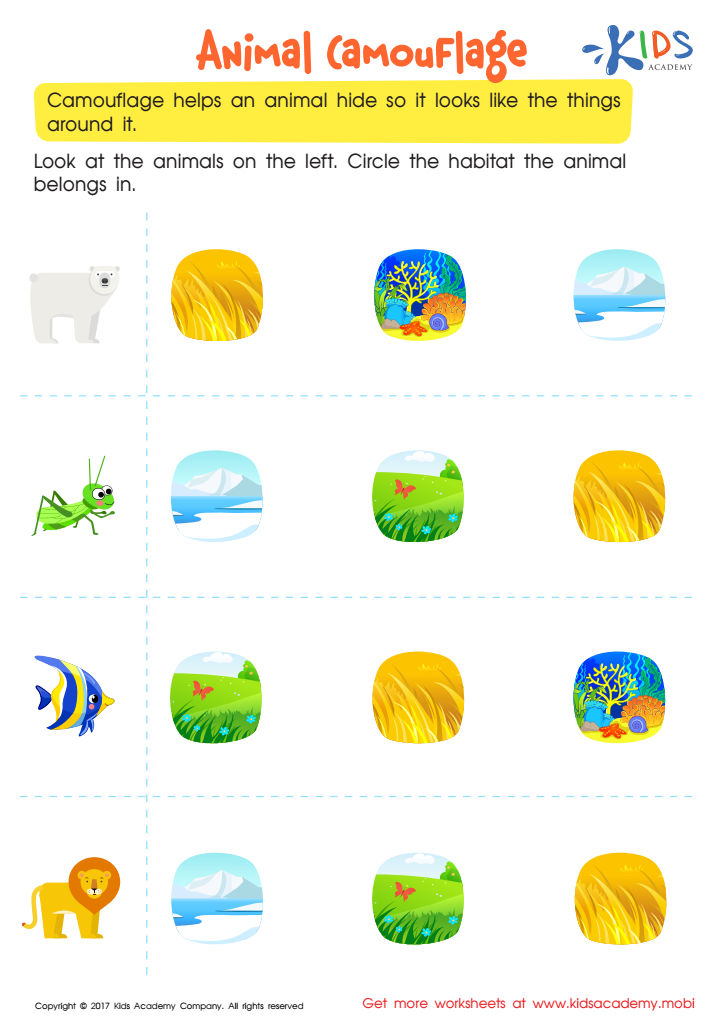
Animal Camouflage Worksheet
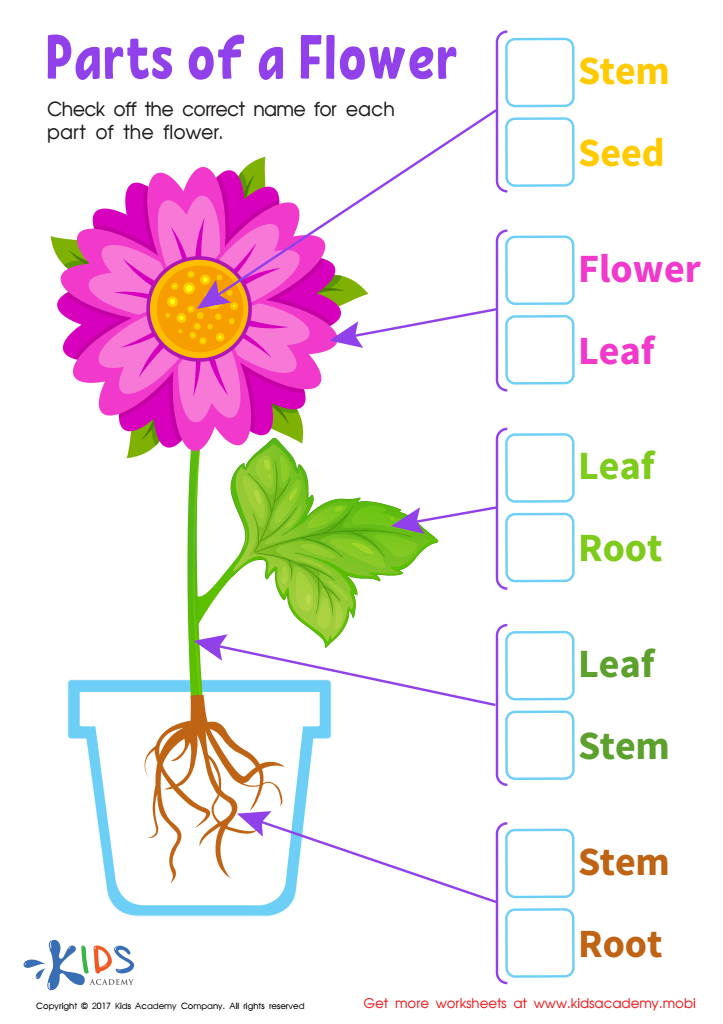
Parts Flower Printable
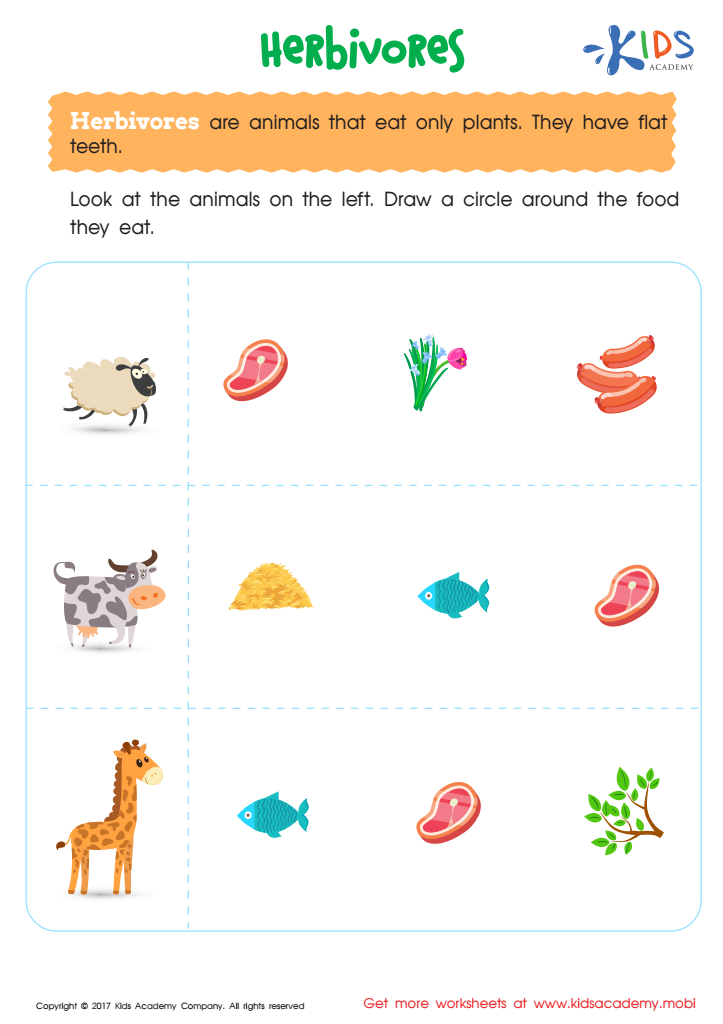
Herbivores Printable
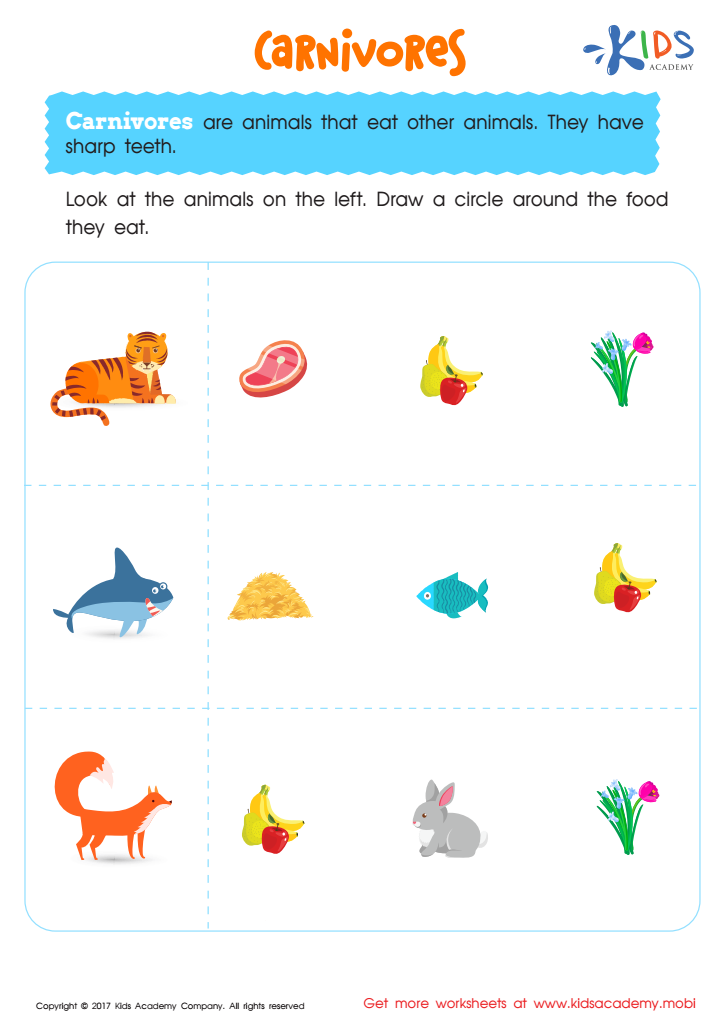
Carnivores Worksheet




%20(1).jpg)

Life Science for ages 5-7 is crucial because it lays the foundation for a lifelong inquisitiveness about the natural world. During these formative years, children are naturally curious and eager to learn. Introducing them to concepts in Life Science, such as understanding plants, animals, and ecosystems, taps into that innate curiosity and helps develop essential skills like observation, critical thinking, and problem-solving.
Moreover, learning about life science fosters a sense of wonder and respect for nature. It helps children appreciate biodiversity and understand the interconnectedness of all living things, instilling values of conservation and environmental stewardship early on.
For parents and teachers, utilizing hands-on activities such as observing leaves, growing plants, or exploring local wildlife not only makes learning engaging but also makes scientific concepts more relatable and understandable for young minds. This experiential learning style encourages kids to ask questions and seek answers, reinforcing their intellectual development.
Furthermore, early exposure to Life Science can spark an interest in future scientific pursuits. It builds a foundation in STEM (Science, Technology, Engineering, Mathematics) education, which is increasingly important in our modern world.
In summary, investing in Life Science education for young children helps nurture their natural curiosity, equips them with critical life skills, and encourages a lifelong appreciation for the natural world.








