Consonants Worksheets for Ages 5-8 - Page 2
34 filtered results
-
From - To
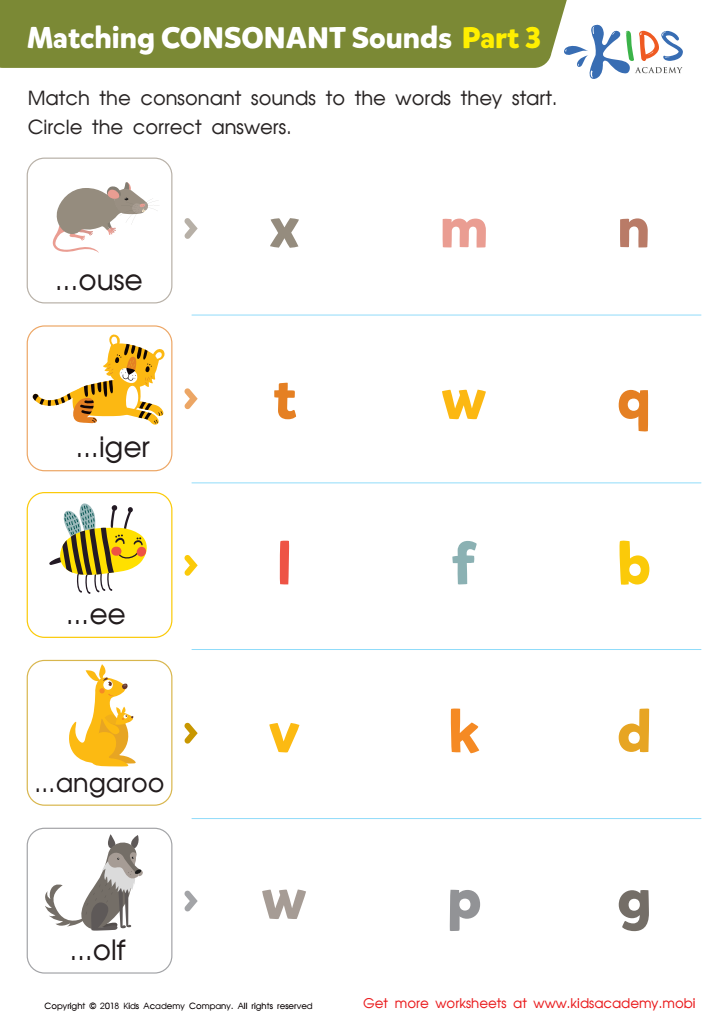
Matching Consonant Sounds: Part 3 Worksheet
 Assign to My Students
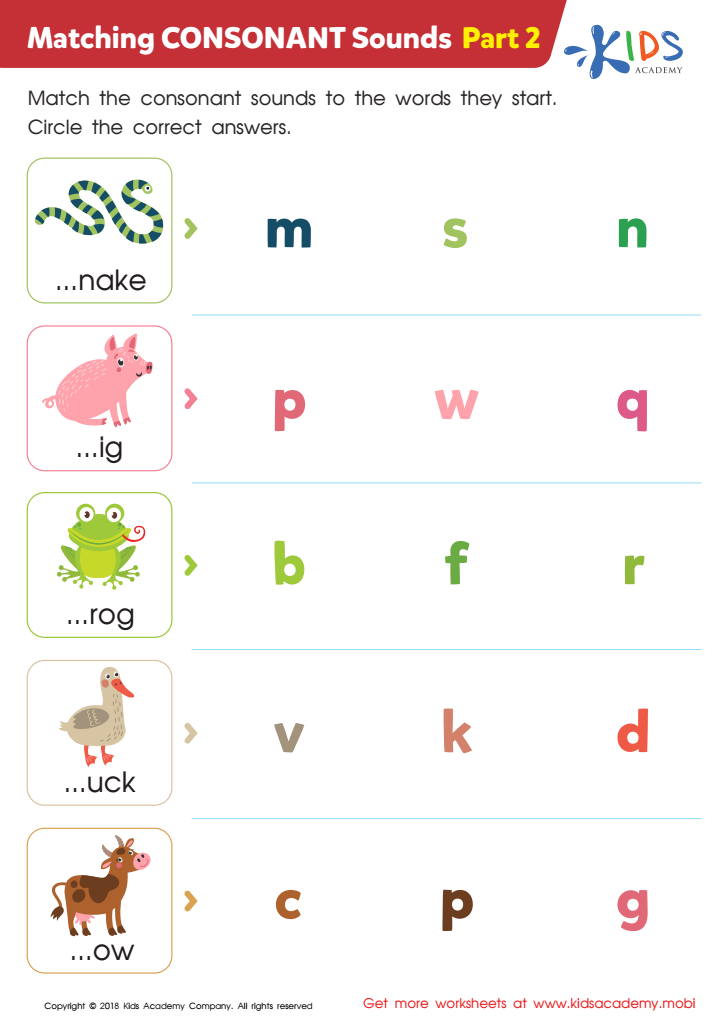
Matching Consonant Sounds: Part 2 Worksheet
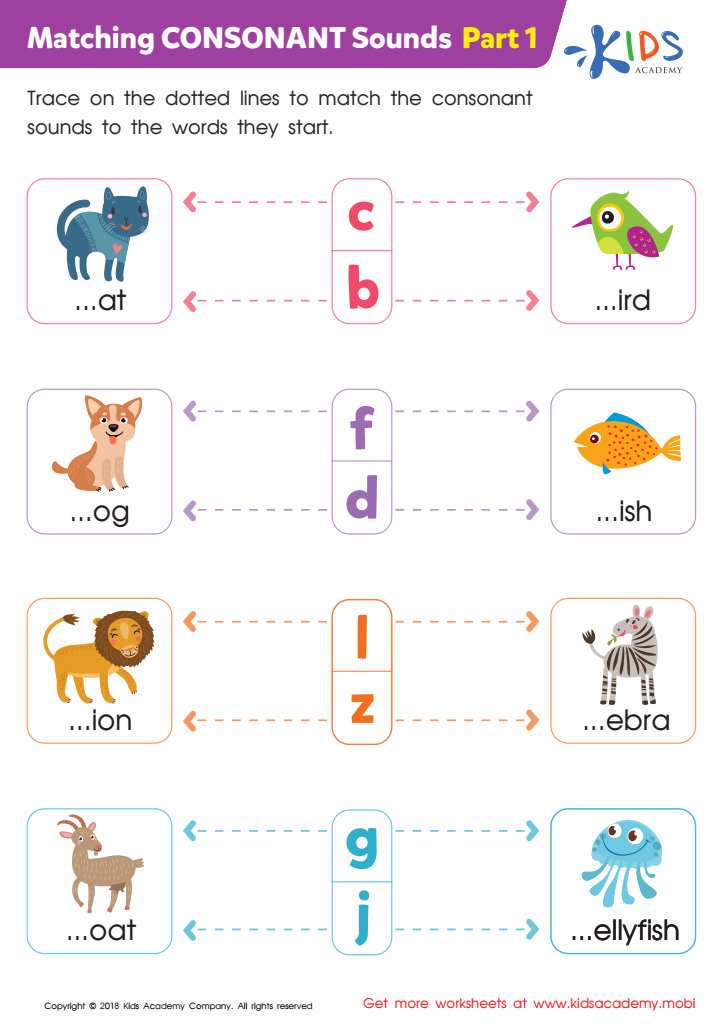
Matching Consonant Sounds: Part 1 Worksheet
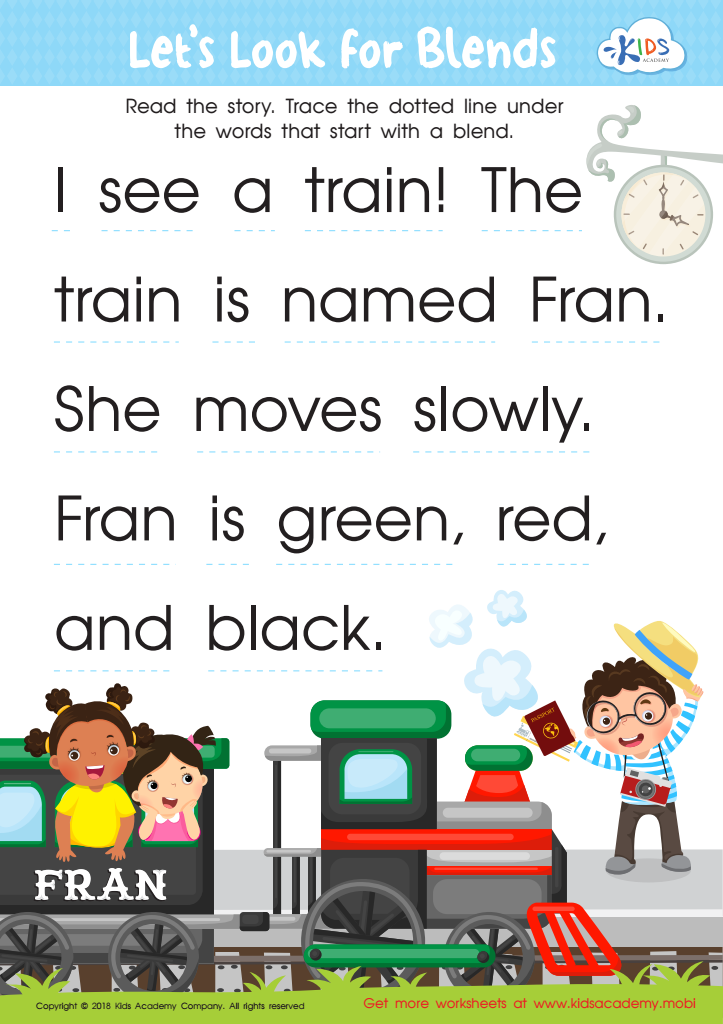
Let's Look for Blends Worksheet
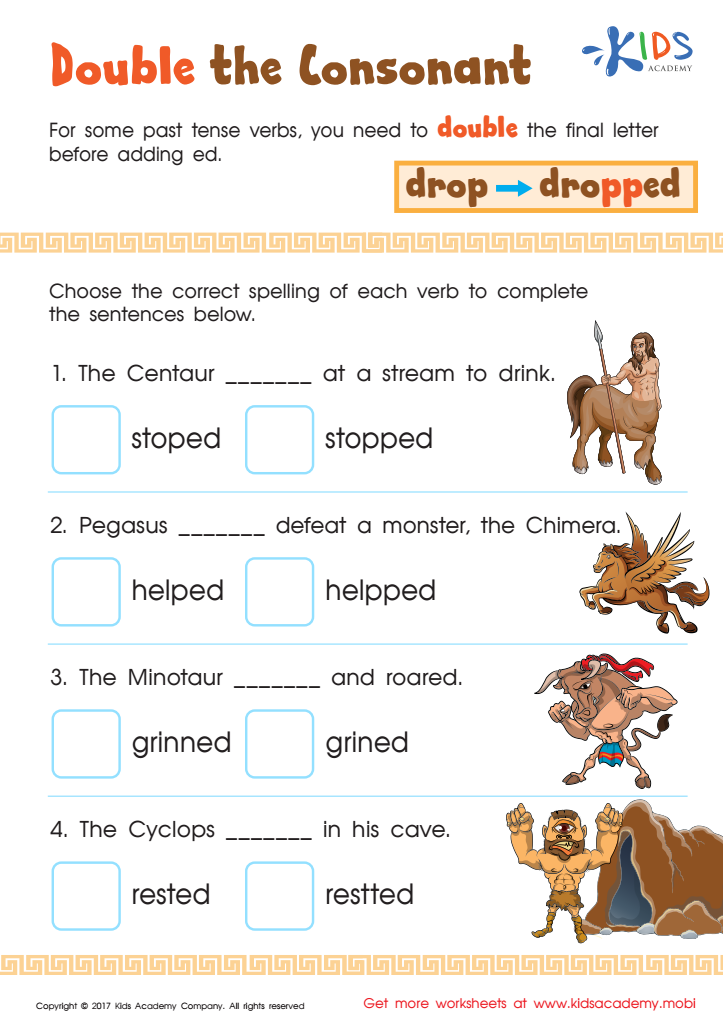
Double Consonant Spelling Worksheet
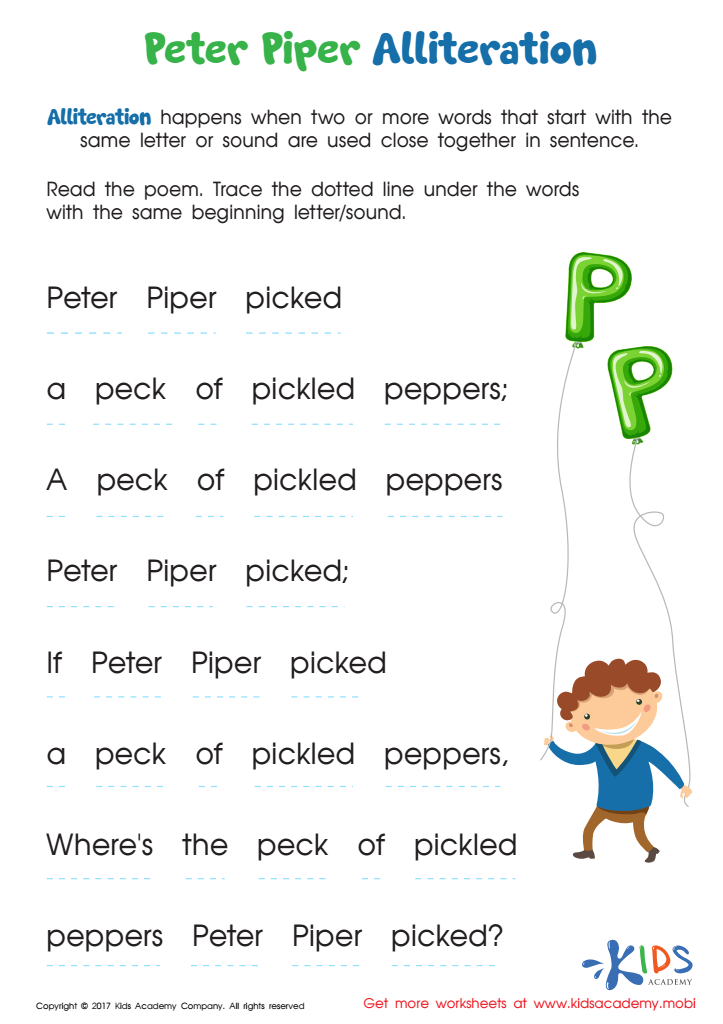
Peter Piper Alliteration Worksheet
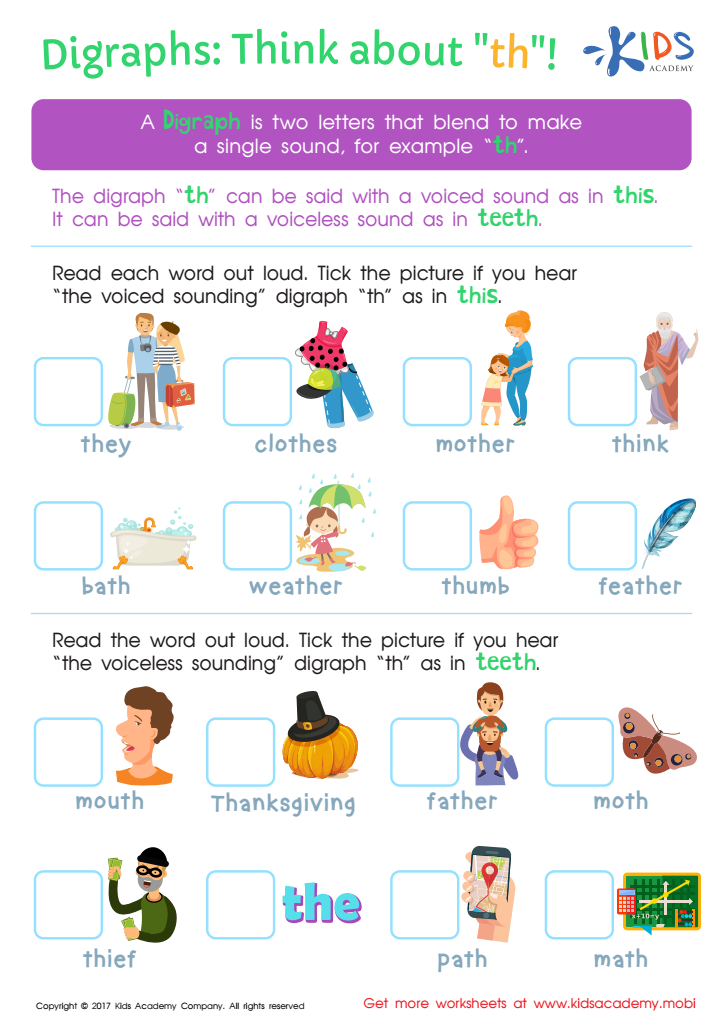
Digraphs: Think About "th" Worksheet
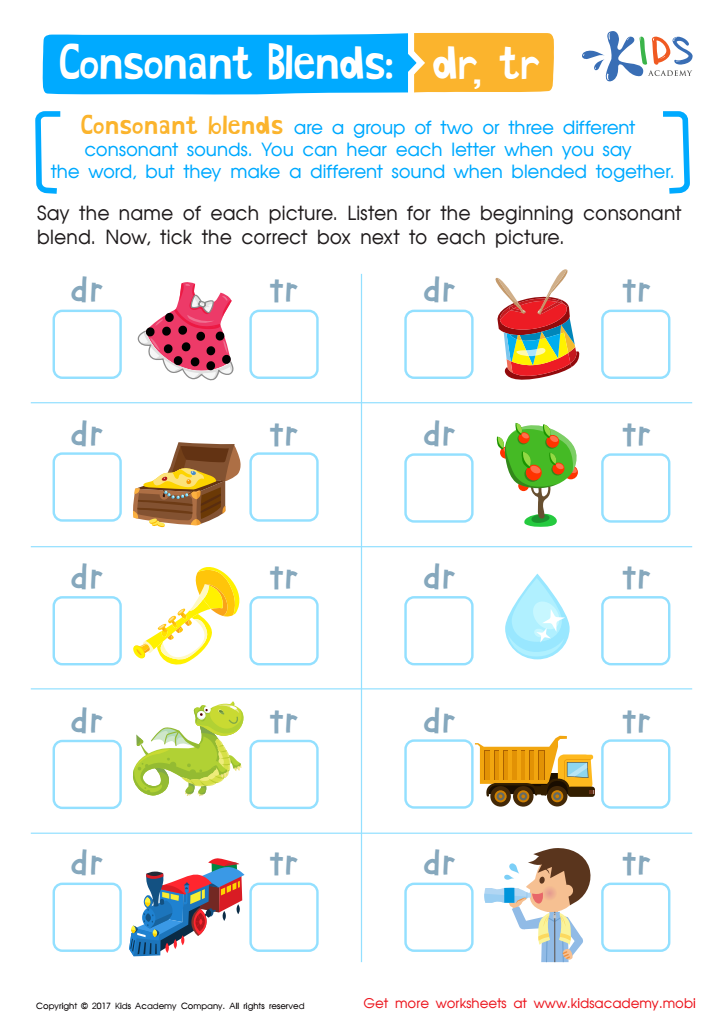
Consonant Blends: "Dr" and "Tr" Printable
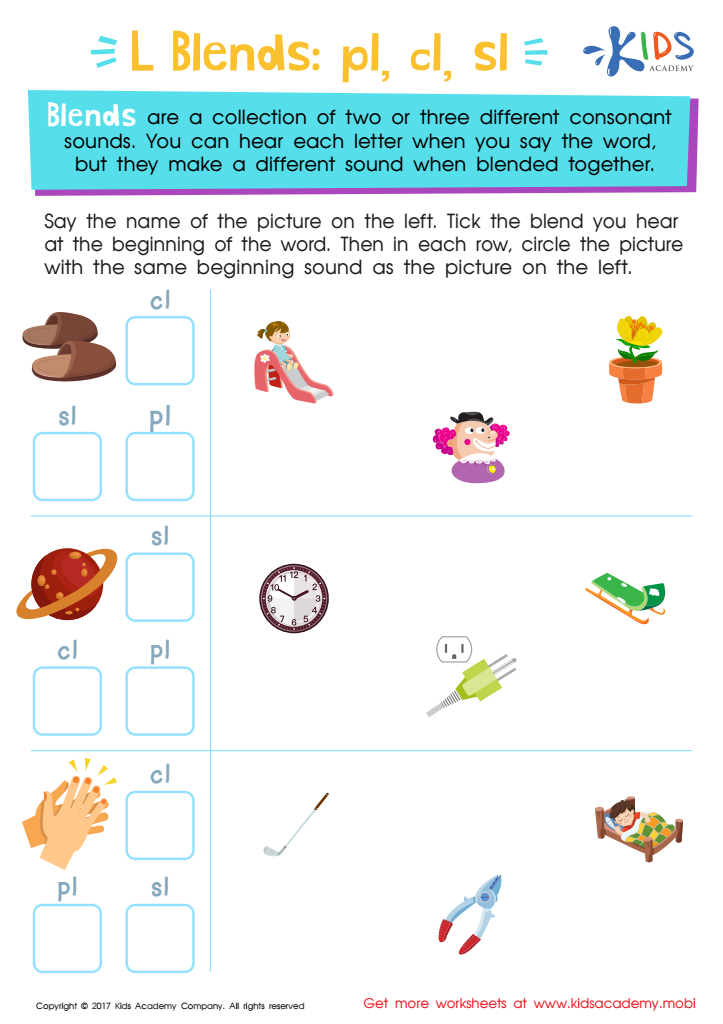
L Blends: "Pl", "Cl" and "Sl" Printable
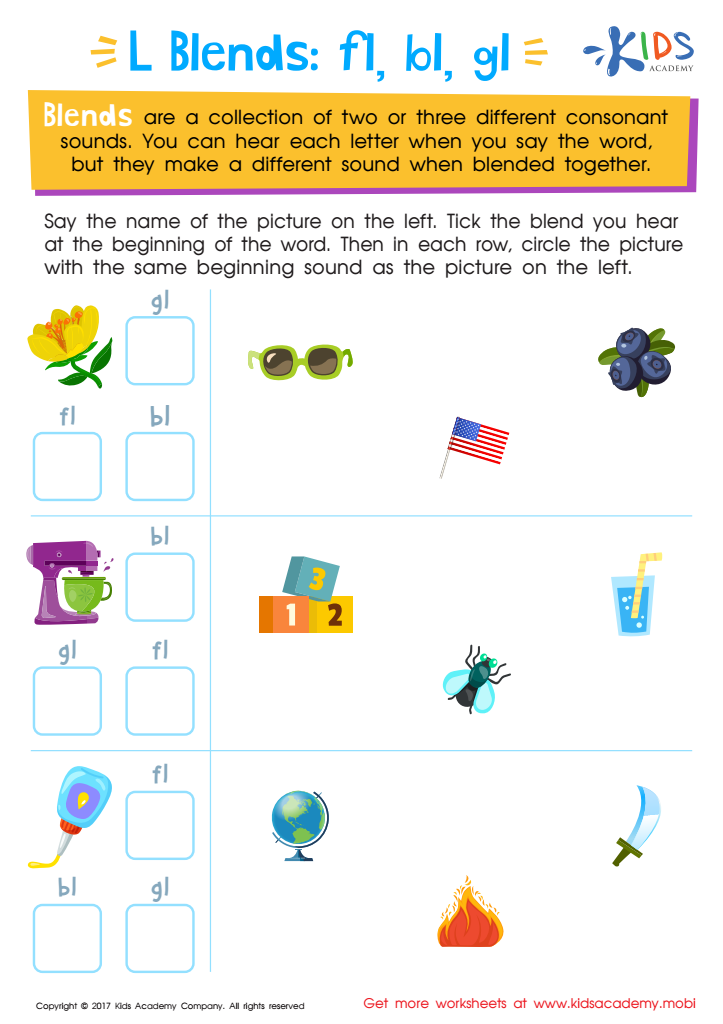
Blending Consonants: "Fl", "Bl" and "Gl" Printable



Understanding consonants is crucial for young children's literacy development. At ages 5-8, children are typically in the early stages of reading and writing, and mastering consonants underpins their phonemic awareness—a key element in learning to read.
Phonemic awareness refers to the ability to hear, identify, and manipulate phonemes, the smallest units of sound in a language. Consonants are a major component of these phonemes. When children grasp the sounds that consonants make, they can decode words more effectively. This skill is vital for their overall reading proficiency and boosts their confidence.
Moreover, knowledge of consonants helps with spelling and pronunciation. For example, recognizing that 'b' makes a specific sound aids in spelling words that contain this letter. Misunderstanding consonant sounds can lead to spelling errors and reading difficulties, possibly undermining a child's interest in reading.
Additionally, early education involving consonants can support language development. Engaging with different consonant sounds stimulates cognitive skills such as auditory discrimination and memory.
Parents and teachers should emphasize consonants through activities like reading aloud, phonics games, and hands-on exercises. This not only makes learning enjoyable but also ingrains these essential building blocks of language, laying a strong foundation for future academic success.







