Letter Recognition Worksheets for Ages 5-8 - Page 5
100 filtered results
-
From - To
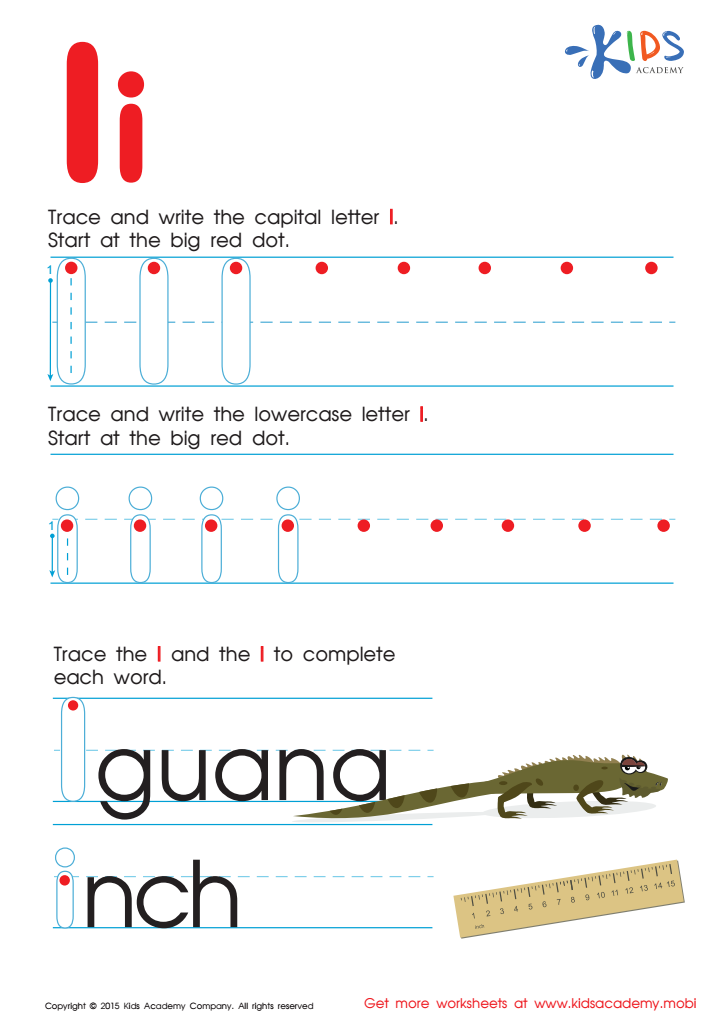
Letter I Tracing Page
 Assign to My Students
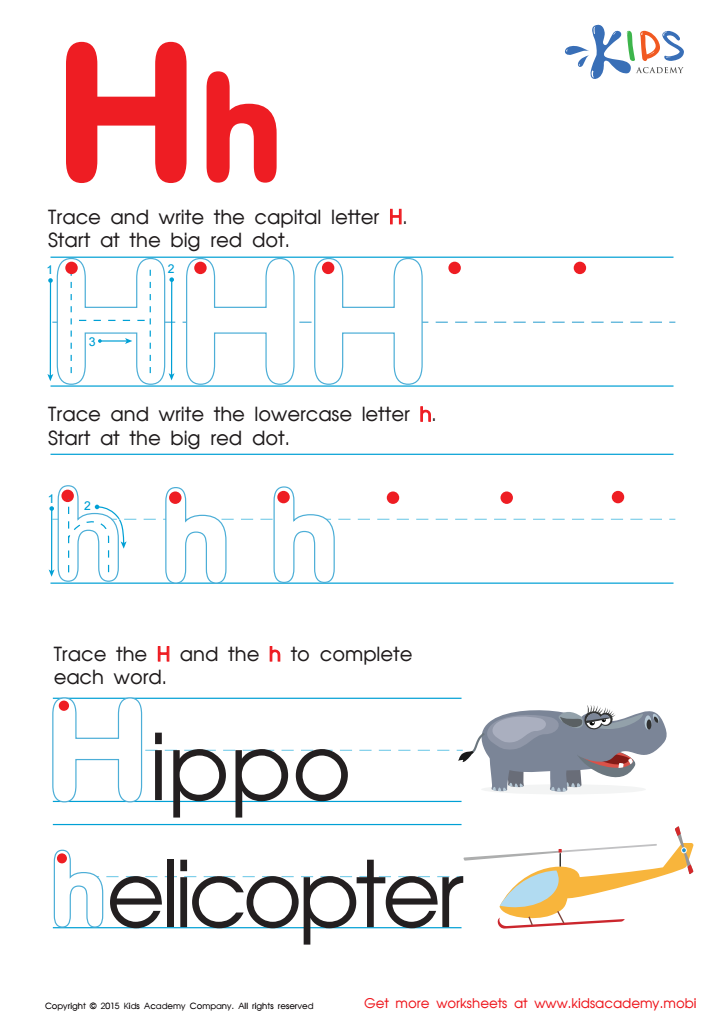
Letter H Tracing Page
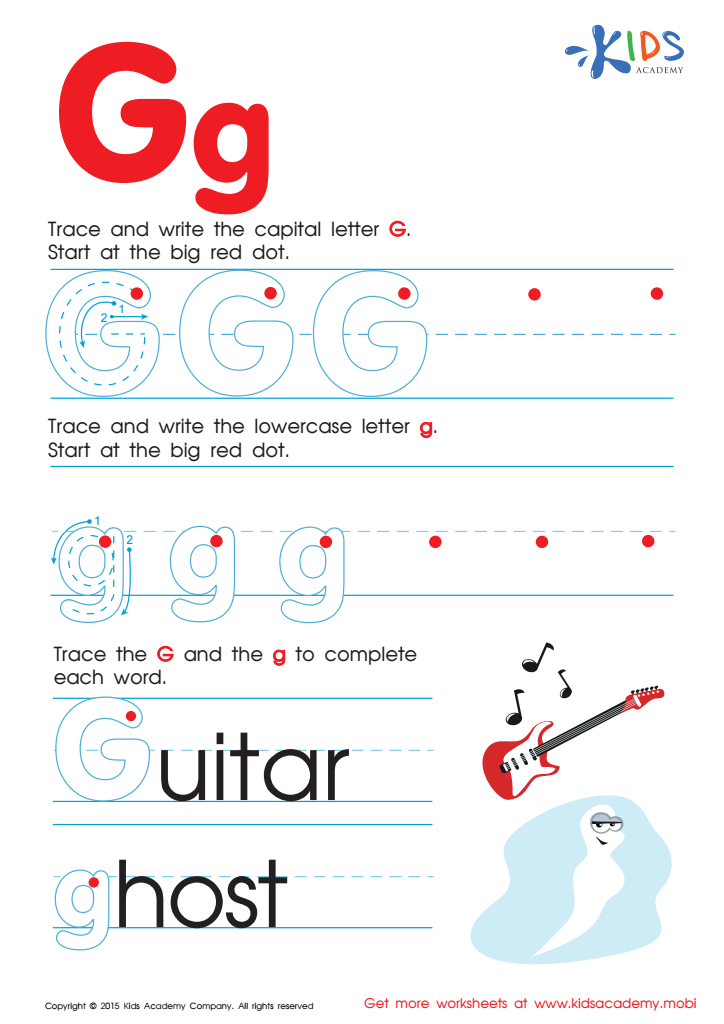
Letter G Tracing Page

Letter A Tracing Page








Letter recognition is a foundational skill crucial for young children's literacy development, particularly for ages 5-8. At this stage, children begin to understand that letters represent sounds, forming words and ideas essential for communication. When parents and teachers prioritize letter recognition, they set the stage for early reading and writing skills, which are vital for academic success.
Early literacy impacts a child's confidence and motivation to learn. Children who can recognize letters may find reading less daunting and more enjoyable, fostering a love for books and stories. Additionally, letter recognition aids vocabulary development, enhancing their ability to express thoughts and feelings.
A solid grasp of letters also supports phonemic awareness, an understanding of the sounds that letters make, which is crucial for spelling and decoding unfamiliar words. This skill helps prevent future reading struggles and encourages lifelong learning.
Engaging activities, such as playing letter games, reading books, and using songs, can make learning enjoyable. By investing time in letter recognition, parents and teachers empower children with essential tools for education, paving the way for happier, more successful learners in the years to come. In a world driven by communication, the importance of these skills cannot be overstated.







