Long Vowels Worksheets for Ages 5-8 - Page 2
29 filtered results
-
From - To
 Assign to My Students
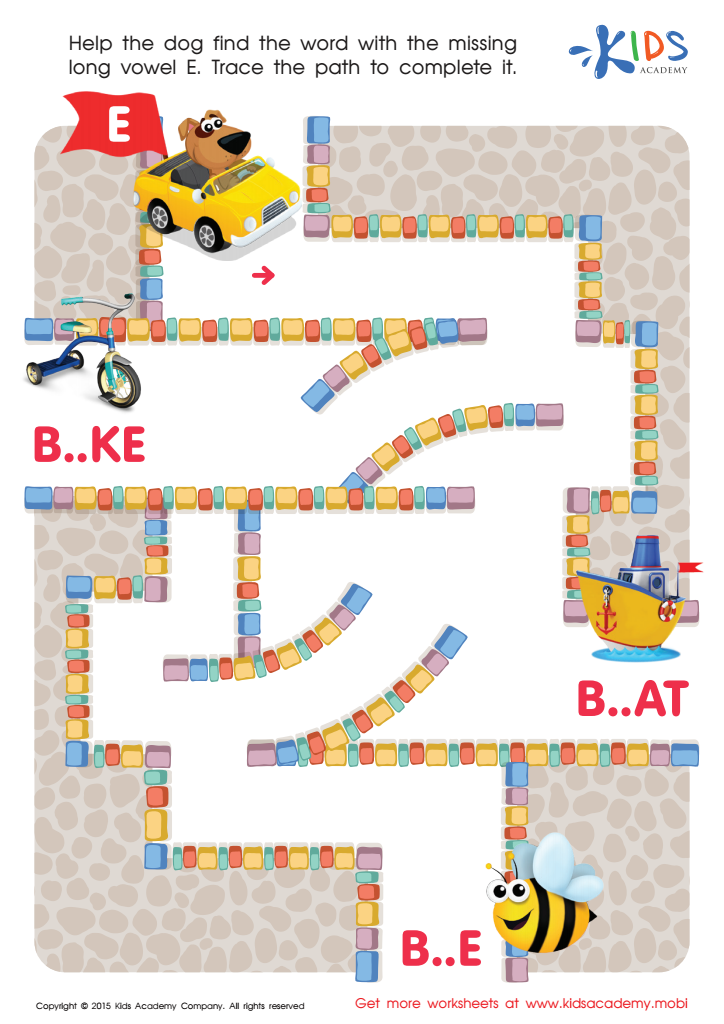
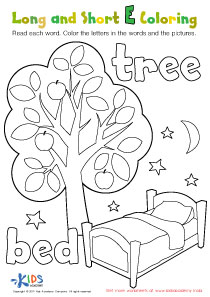
Long Vowel Sound E Worksheet
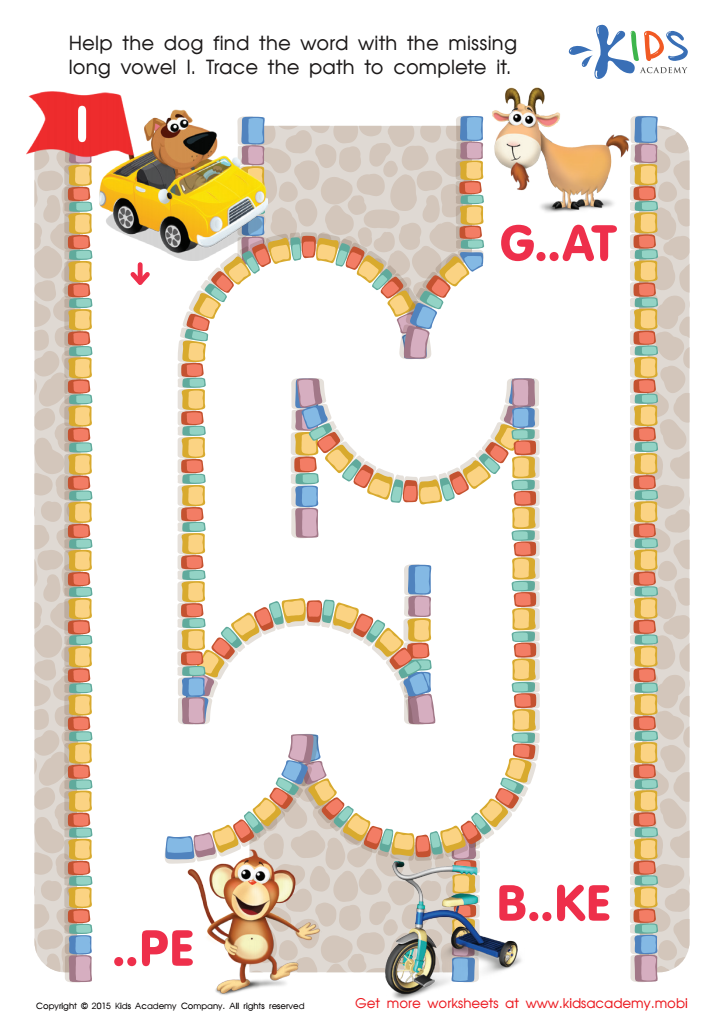
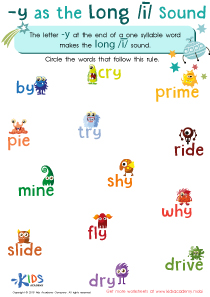
Long Vowel Sound I Worksheet
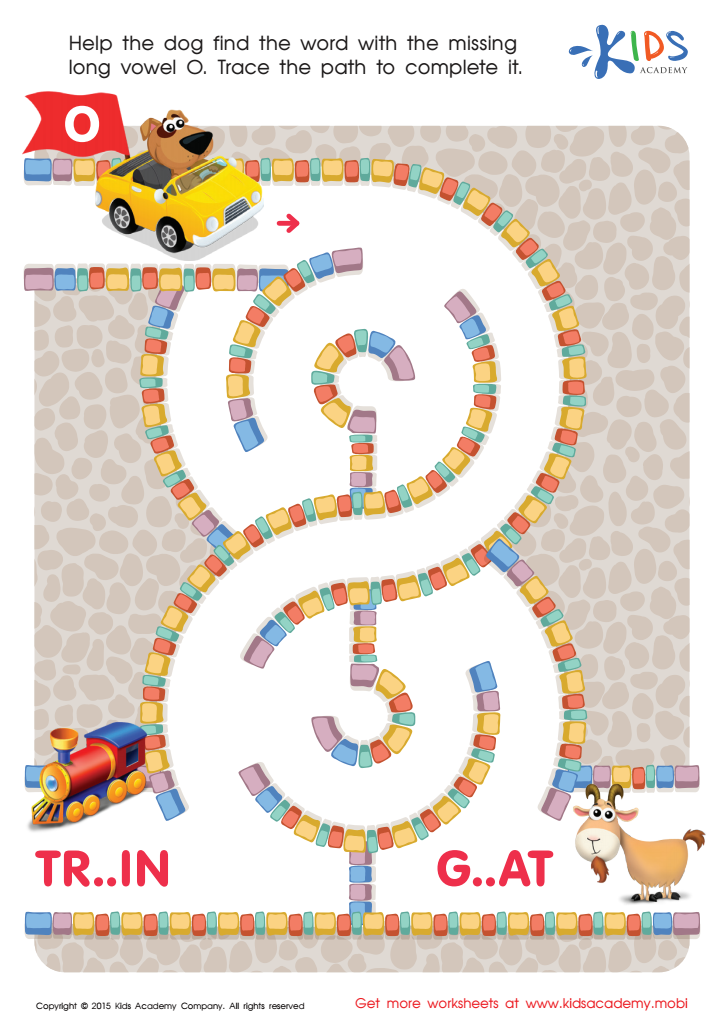
Long Vowel Sound O Worksheet
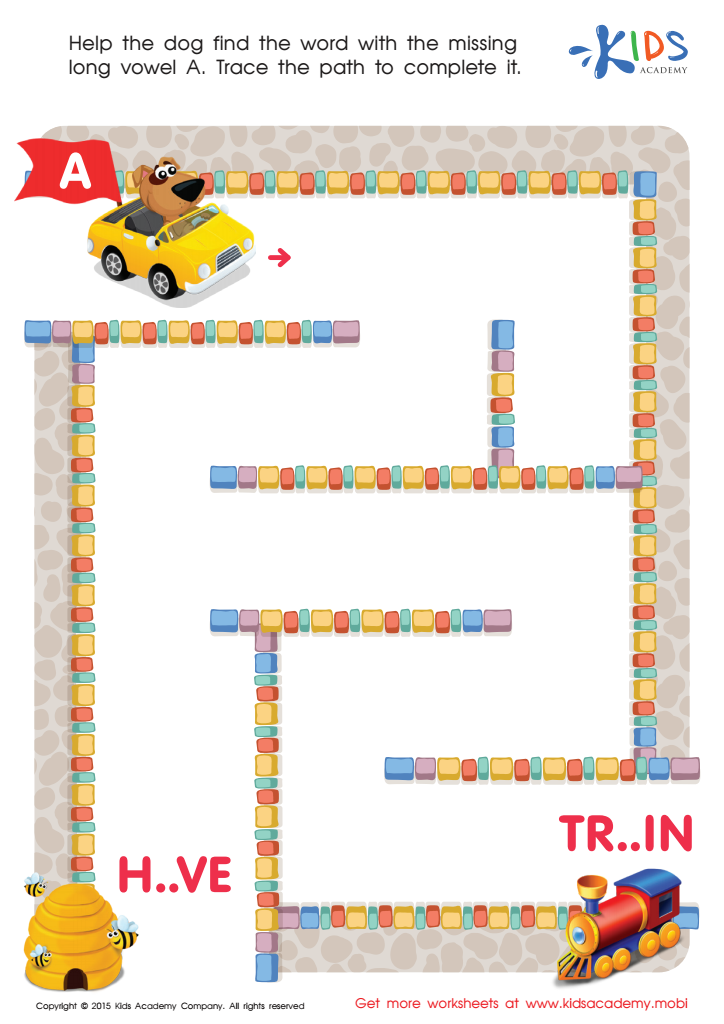
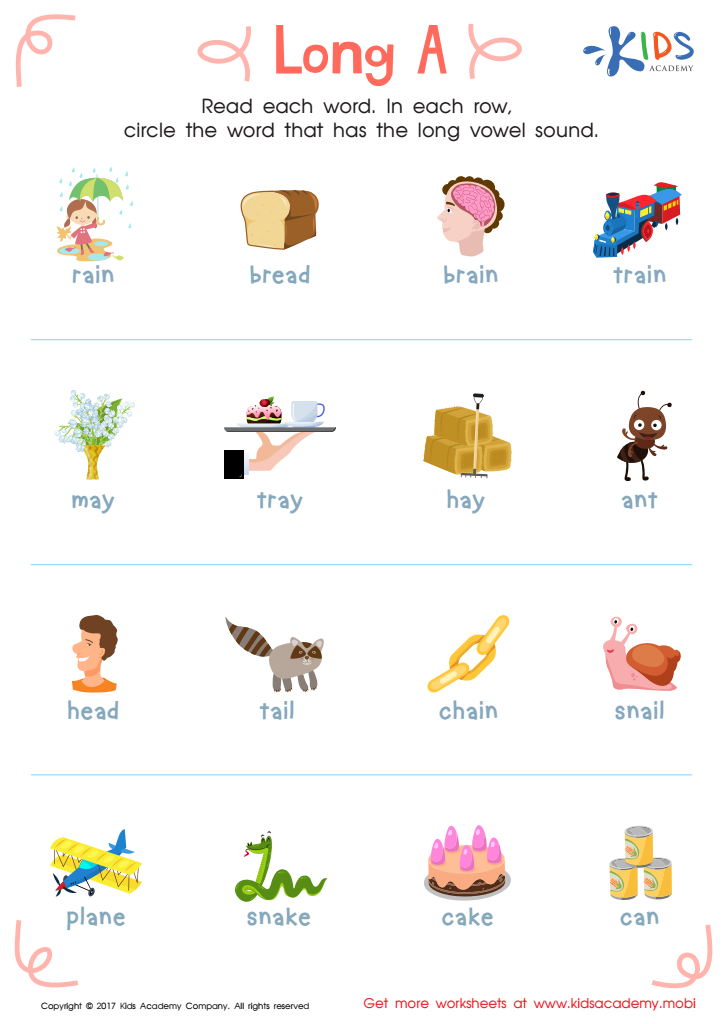
Long Vowel Sound A Worksheet



Understanding long vowels is crucial for children aged 5-8 as they form the foundation of reading and writing skills. Long vowels are essential components of phonics; they help children decode words, recognize patterns, and improve their spelling abilities. When children learn about long vowels, they begin to grasp how sounds correspond to letters, making it easier for them to read new words independently.
Parents and teachers should care about long vowels because they directly impact a child's literacy development. Proficient readers often read with fluency and comprehension, skills critical for academic success. Mastering long vowel sounds enables children to articulate words properly, enhancing their verbal communication and overall confidence in language use.
Furthermore, recognizing the importance of long vowels fosters a love for reading. When children can read effortlessly, they are more likely to engage with books, exploring new worlds and ideas, which not only enriches their knowledge but also promotes critical thinking and creativity. In early education, establishing a strong understanding of long vowels prepares children for more complex literacy concepts in the future, laying the groundwork for lifelong learning and effective communication. Thus, investing time and resources in teaching long vowels is paramount for their educational journey.