Reading Fiction Worksheets for Ages 5-8
161 filtered results
-
From - To
Discover our engaging Reading Fiction Worksheets designed specifically for children aged 5-8! Foster a love for storytelling with interactive activities that improve comprehension, vocabulary, and critical thinking skills. Our worksheets provide a variety of fun exercises, including reading passages, multiple-choice questions, and creative prompts that encourage young learners to explore their imaginations. Tailored to different reading levels, these resources make learning enjoyable and effective. Use them in the classroom or at home to support your child's reading journey. Visit our website to access ready-to-print worksheets that will captivate young readers and help them develop essential literacy skills!
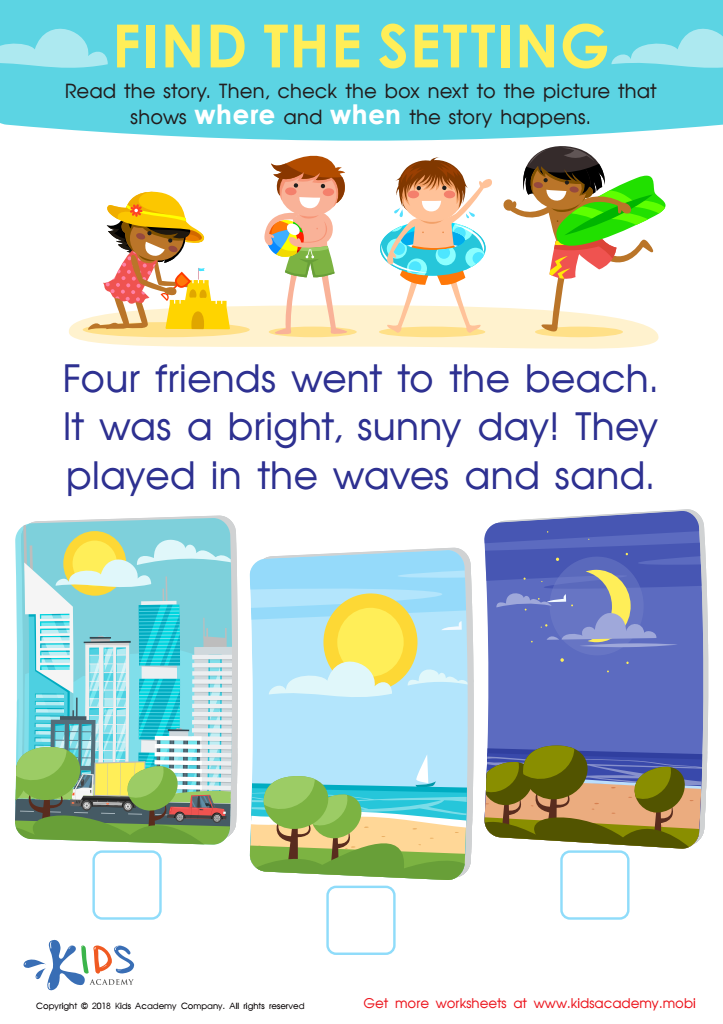
Find the Setting Worksheet
 Assign to My Students
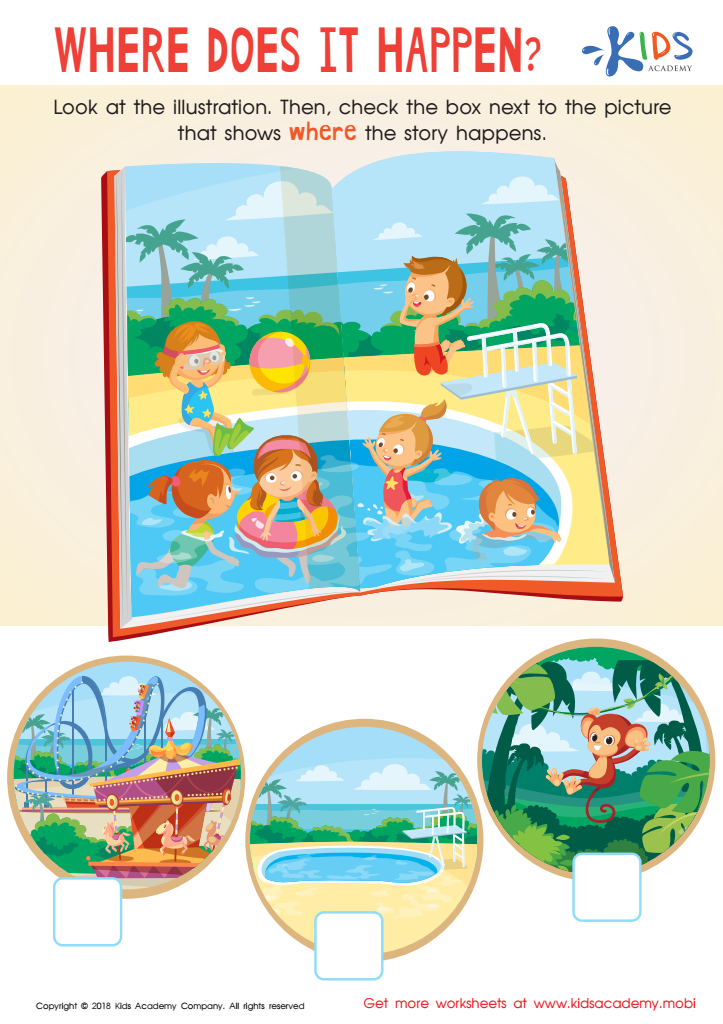
Where Does It Happen? Worksheet
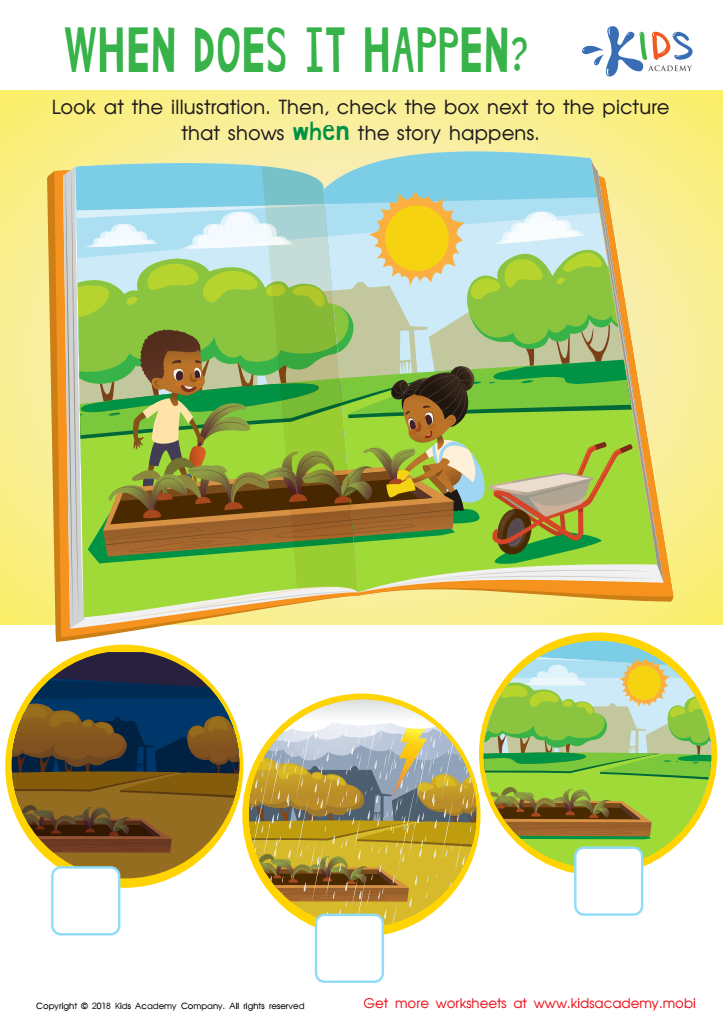
When Does It Happen? Worksheet
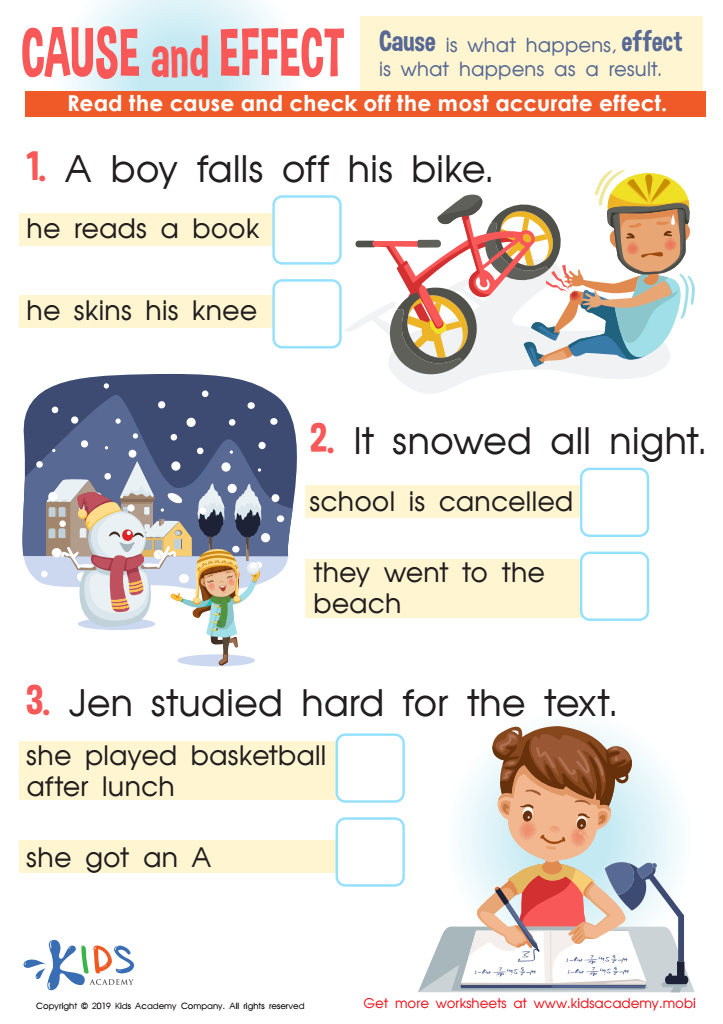
Cause And Effect Worksheet
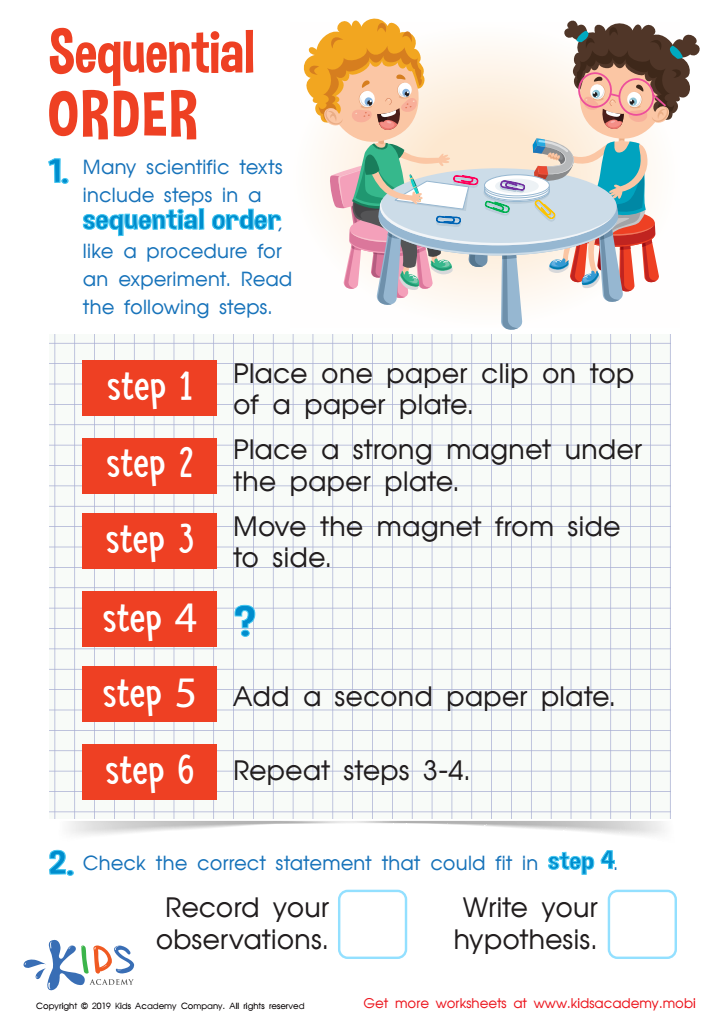
Sequencential Order Worksheet
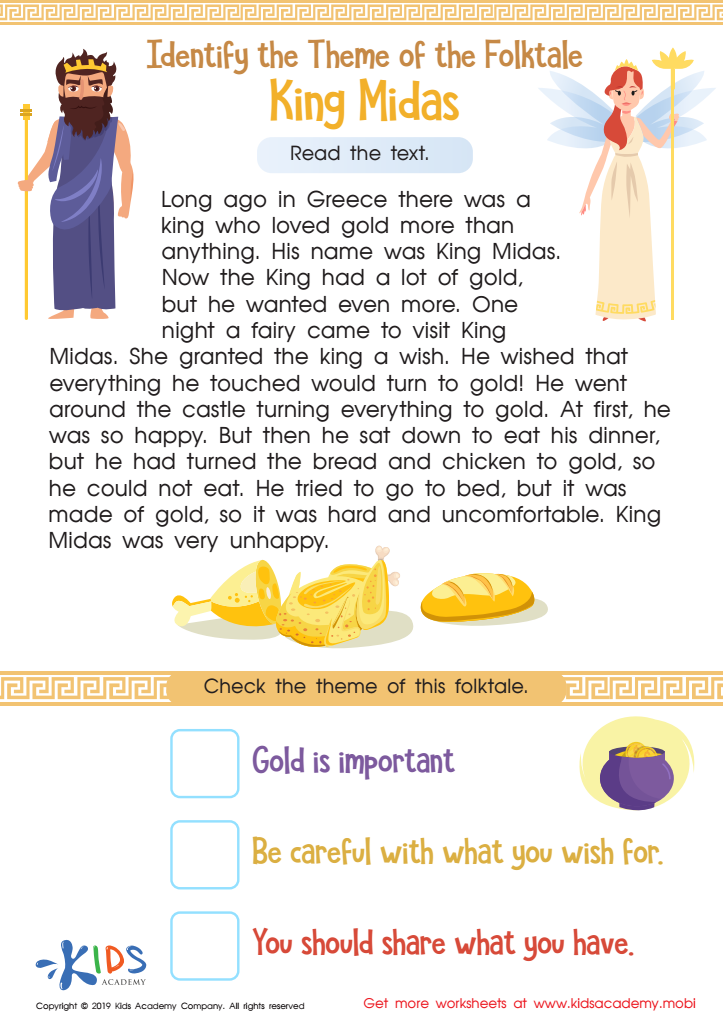
King Midas Worksheet
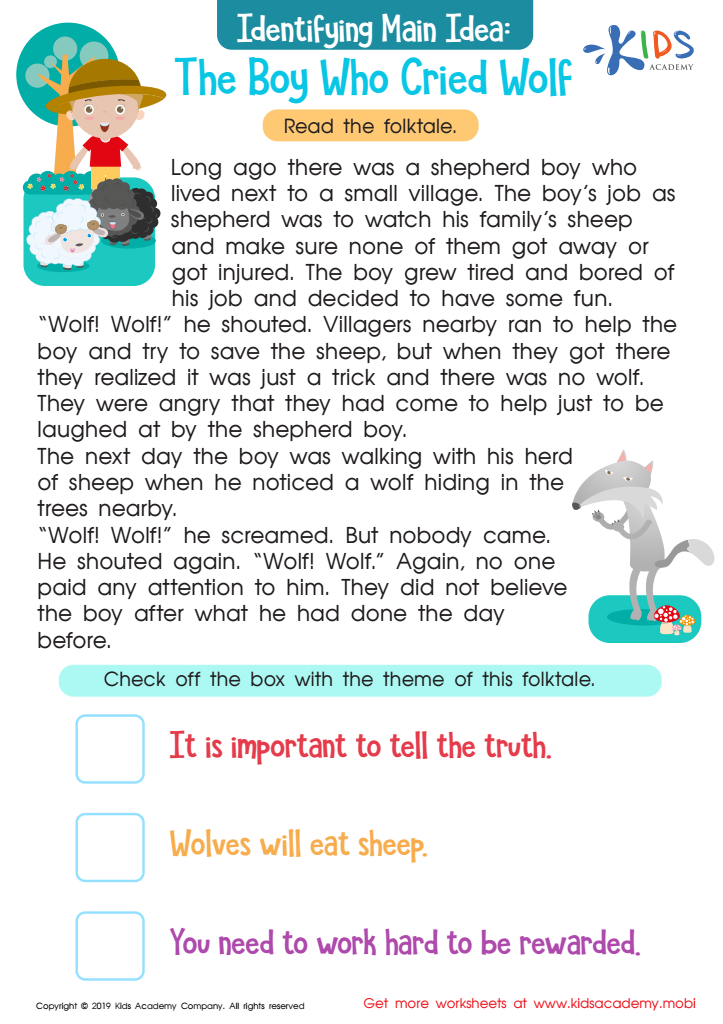
The Boy Who Cried Wolf Part 2 Worksheet
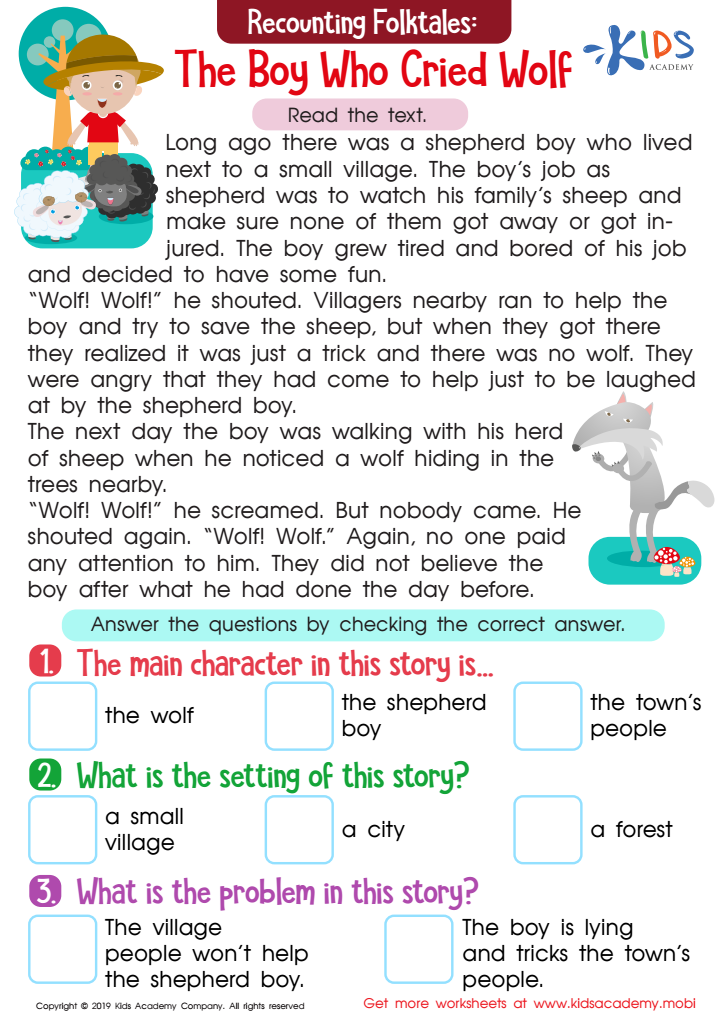
The Boy Who Cried Wolf Part 1 Worksheet
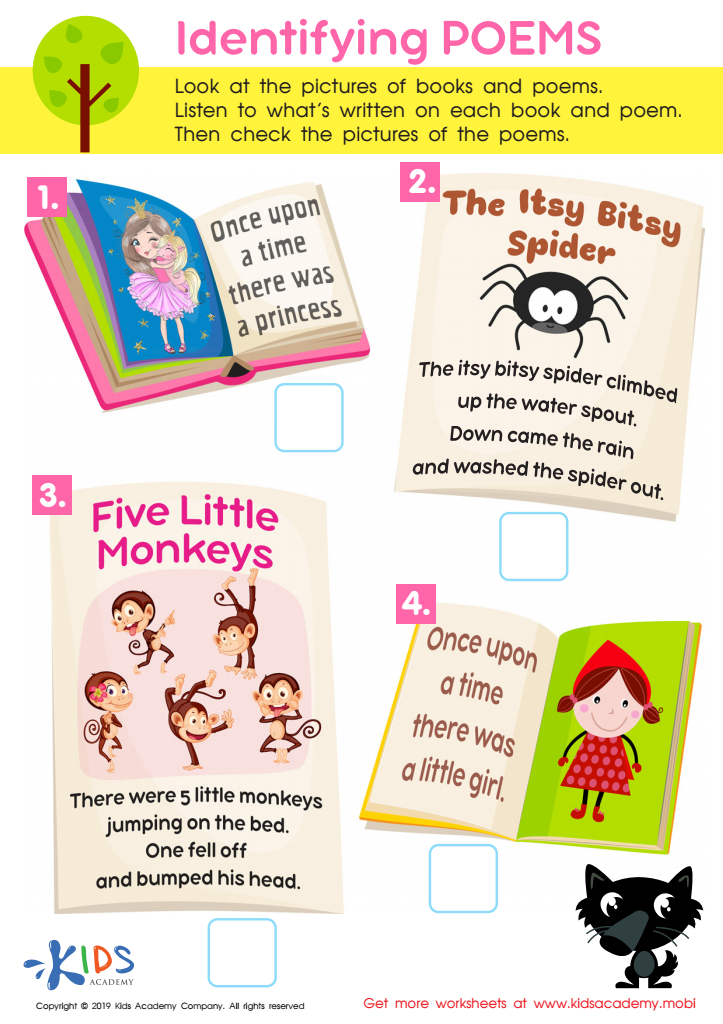
Identifying Poems Worksheet
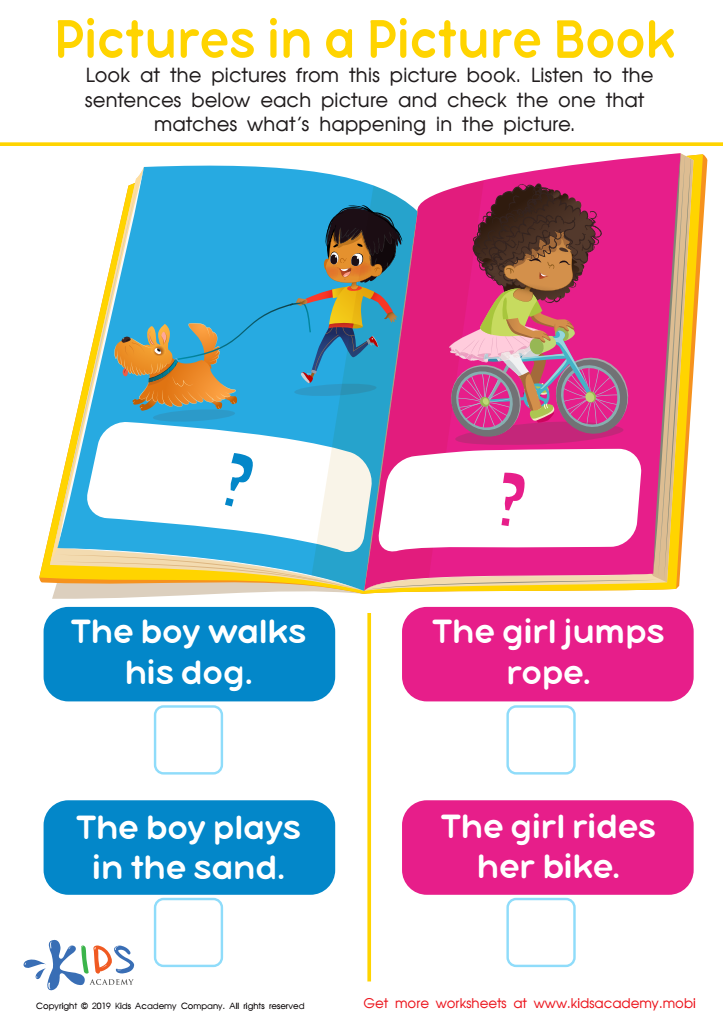
Picture in Books Worksheet
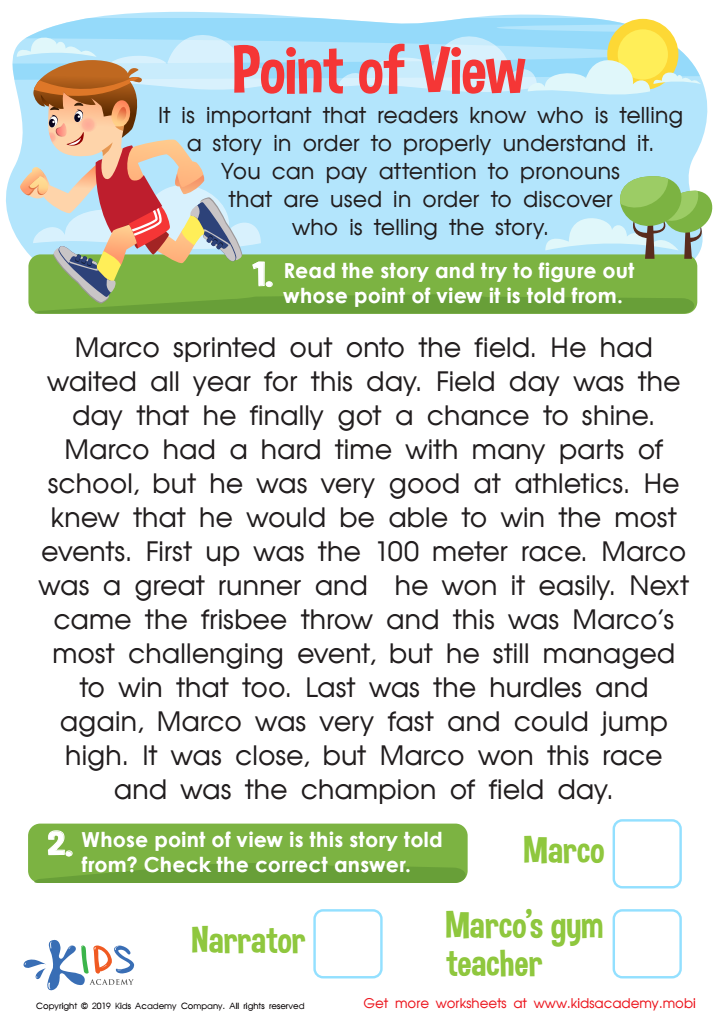
Point of View Worksheet
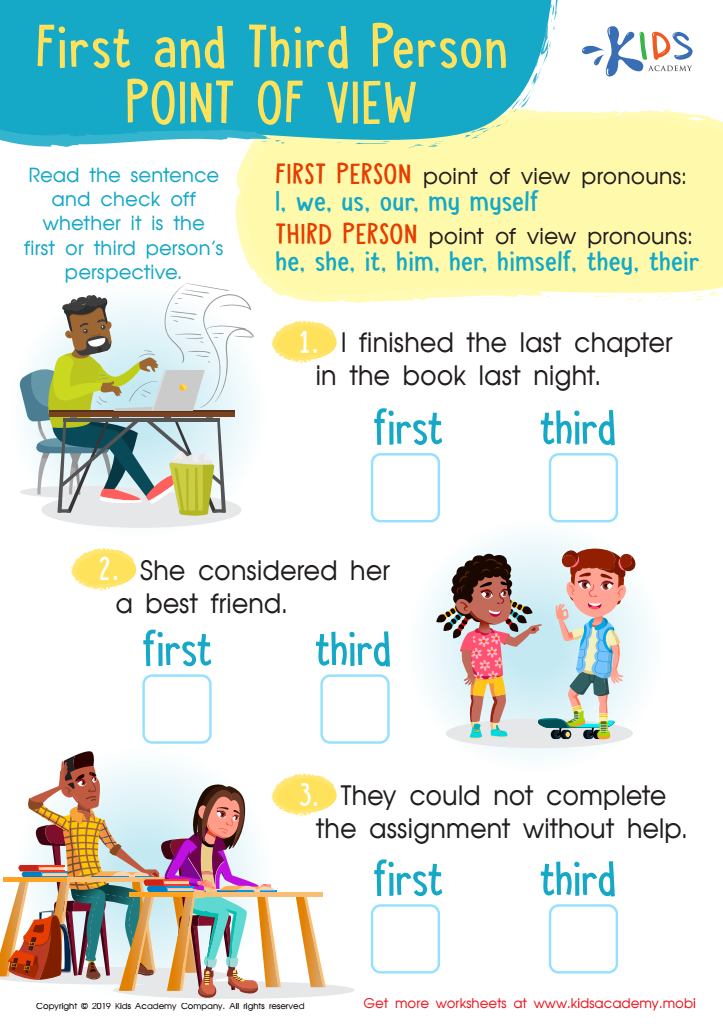
First and Third Person Point of View Worksheet
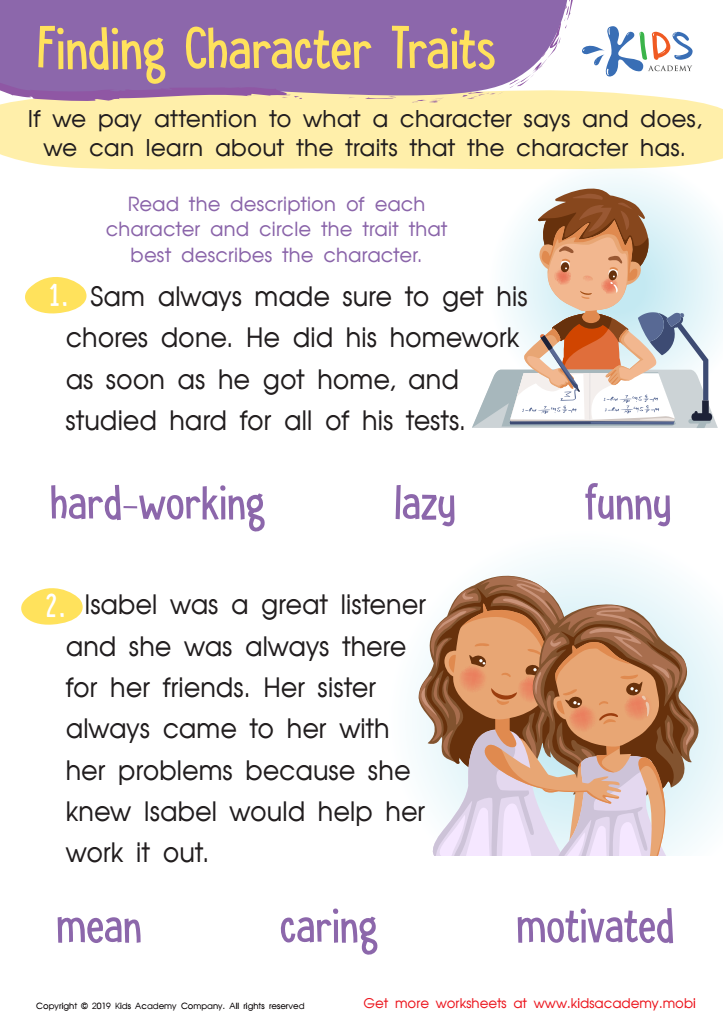
Finding Character Traits Worksheet
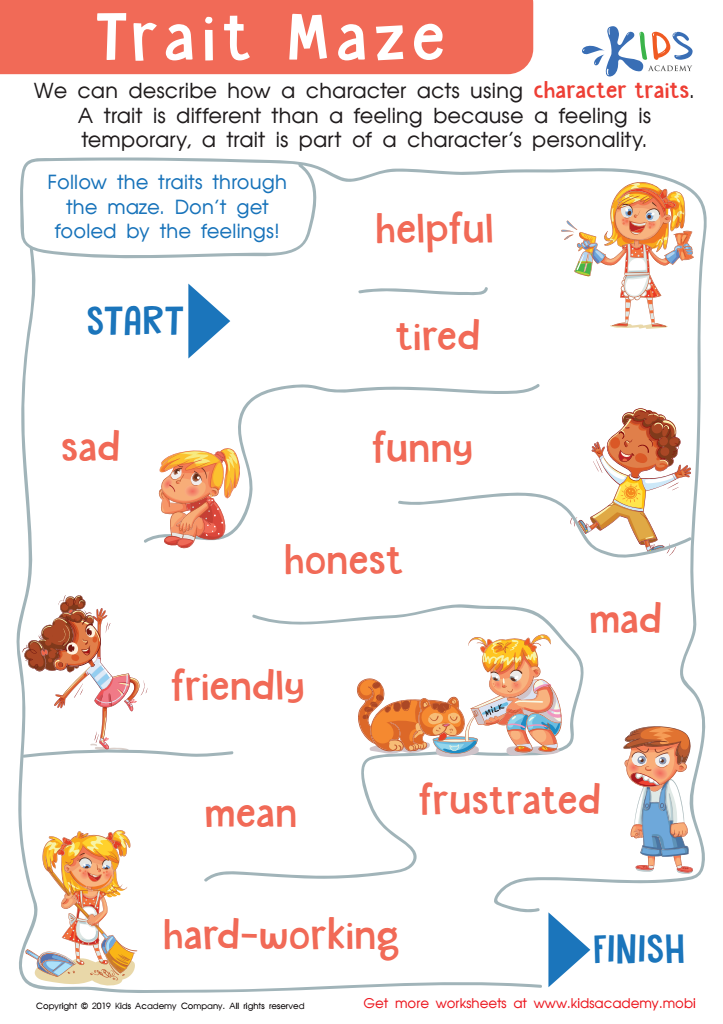
Trait Maze Worksheet
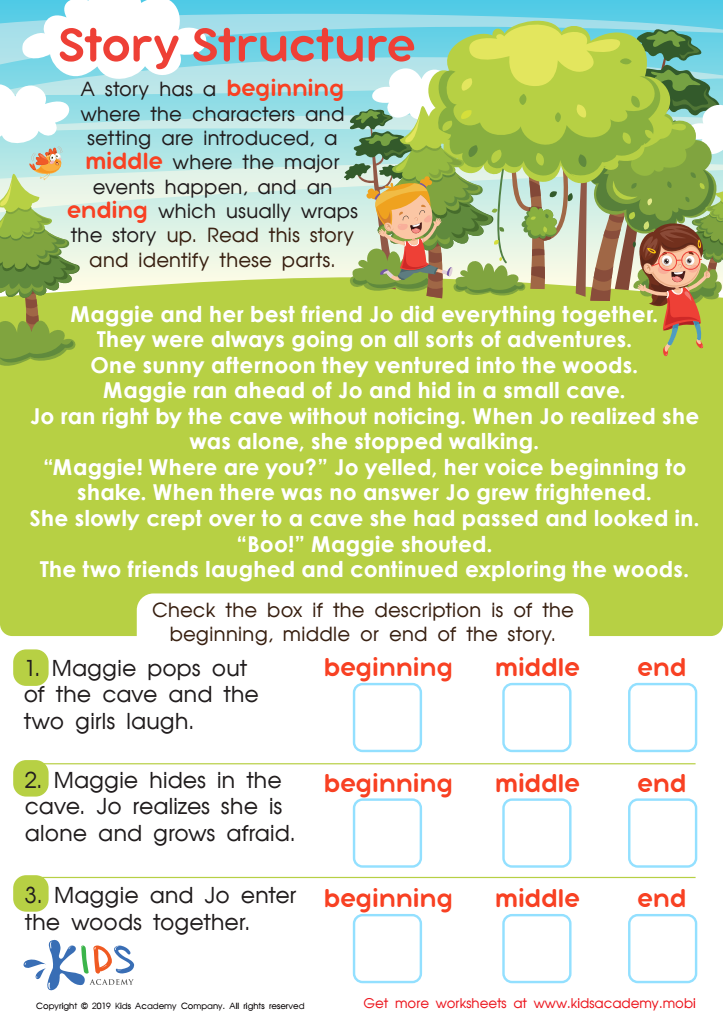
Story Structure Worksheet
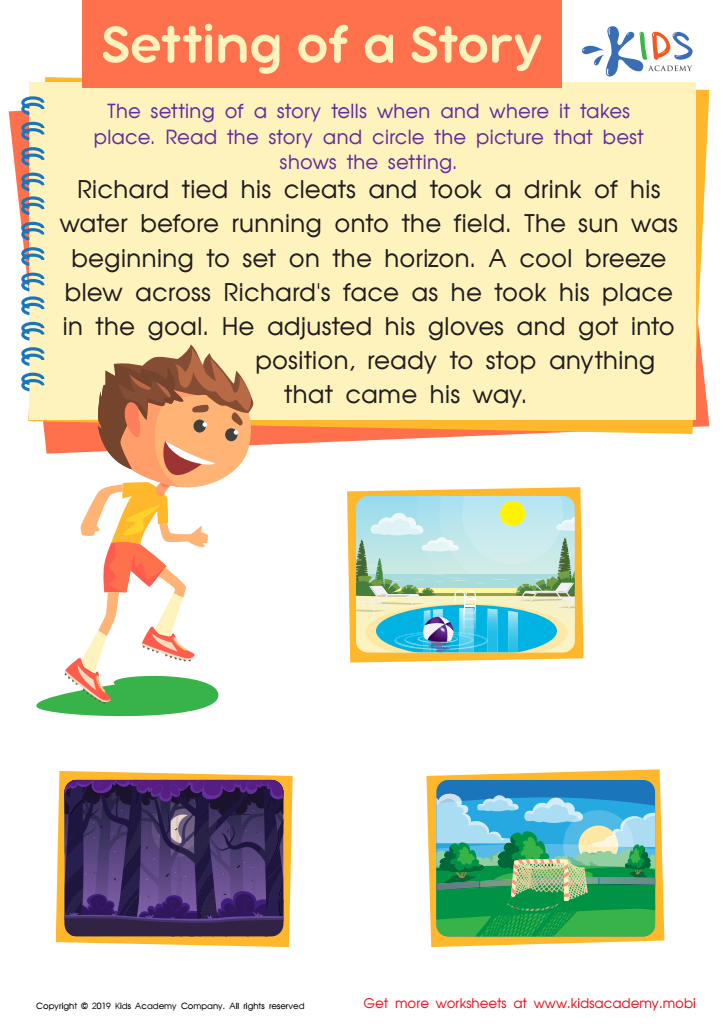
Setting of a Story Worksheet
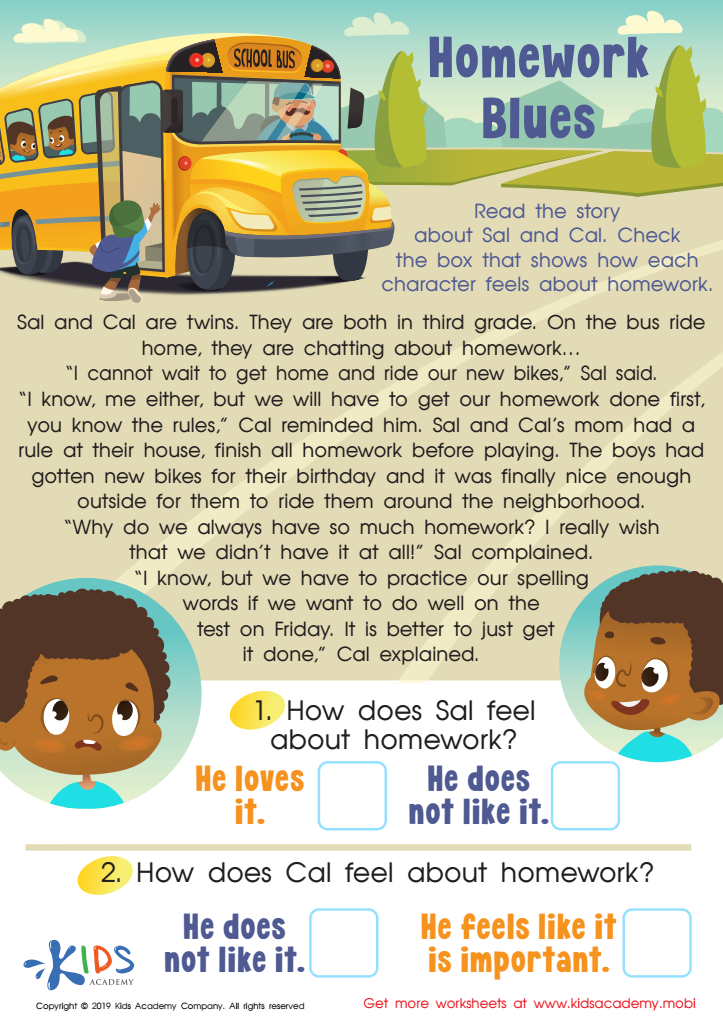
Homework Blues Worksheet
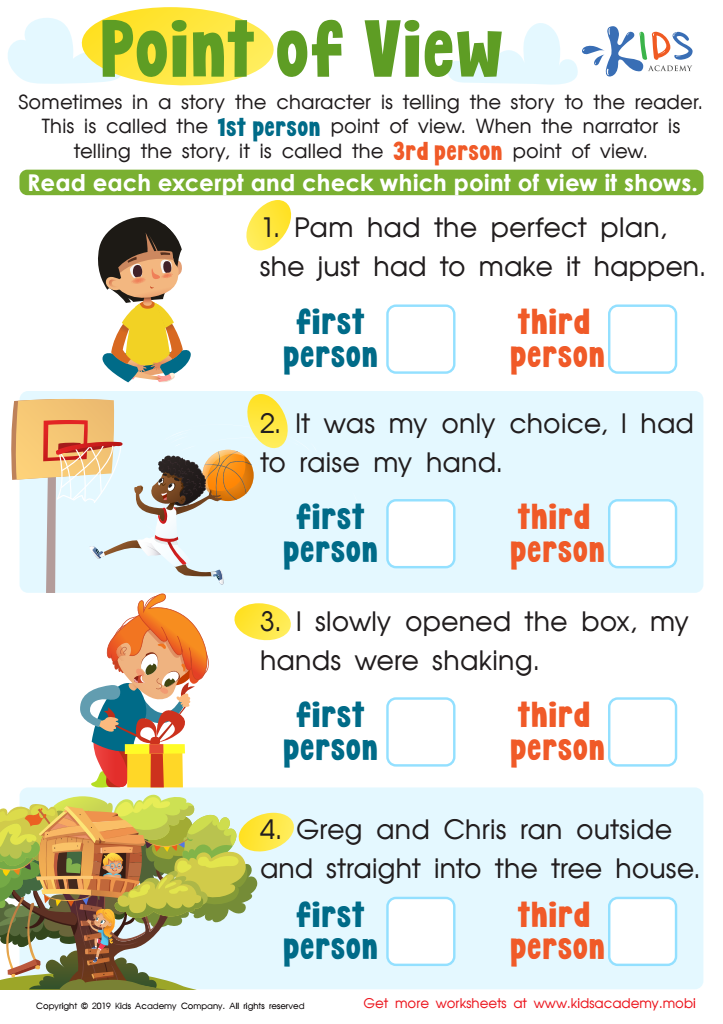
Point of View Printable
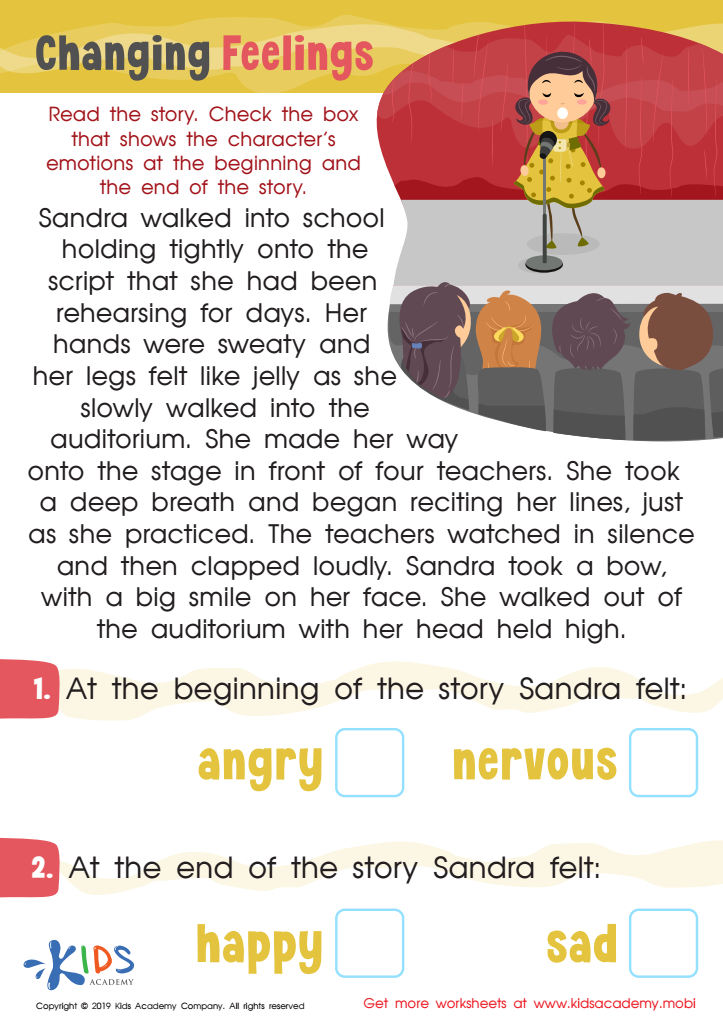
Changing Feelings Worksheet
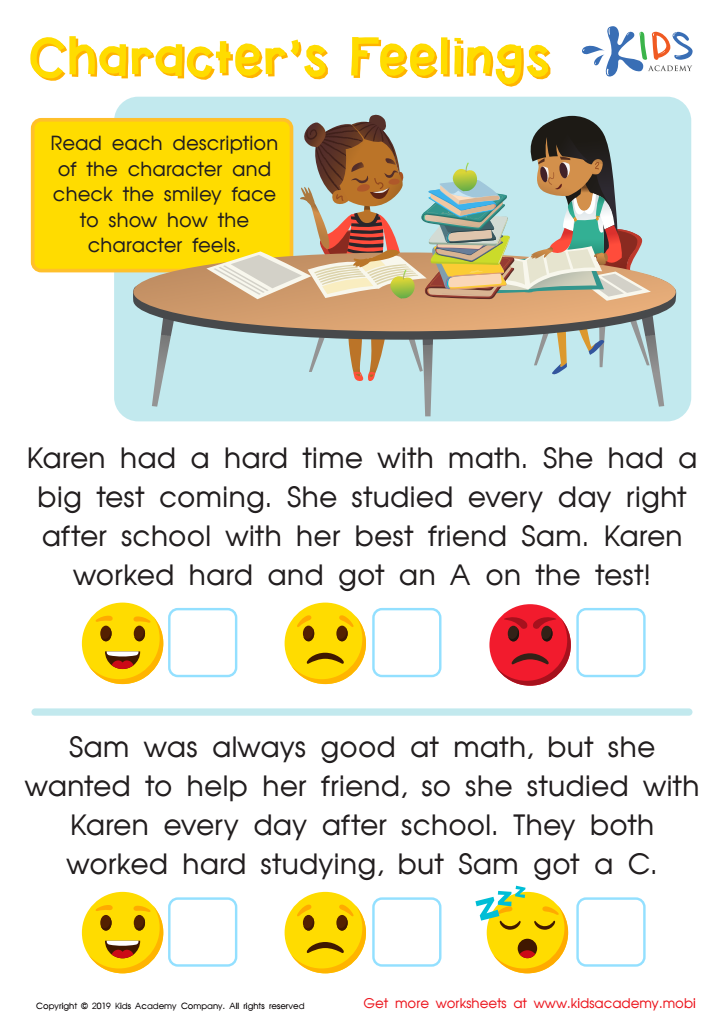
Character’s Feelings Worksheet
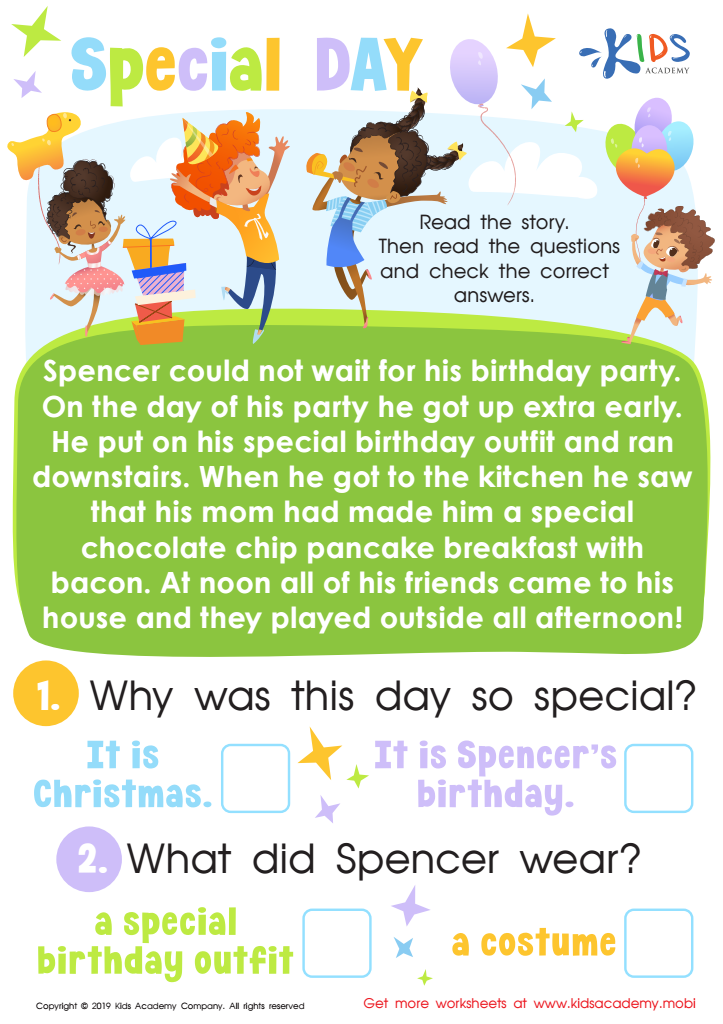
Special Day Worksheet
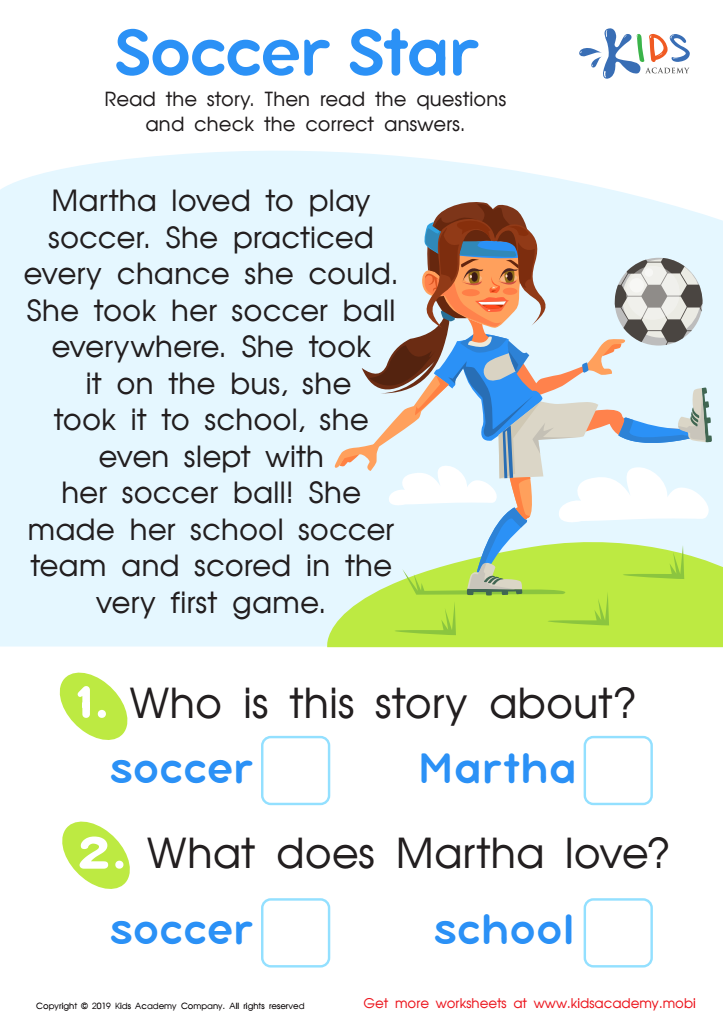
Soccer Star Worksheet
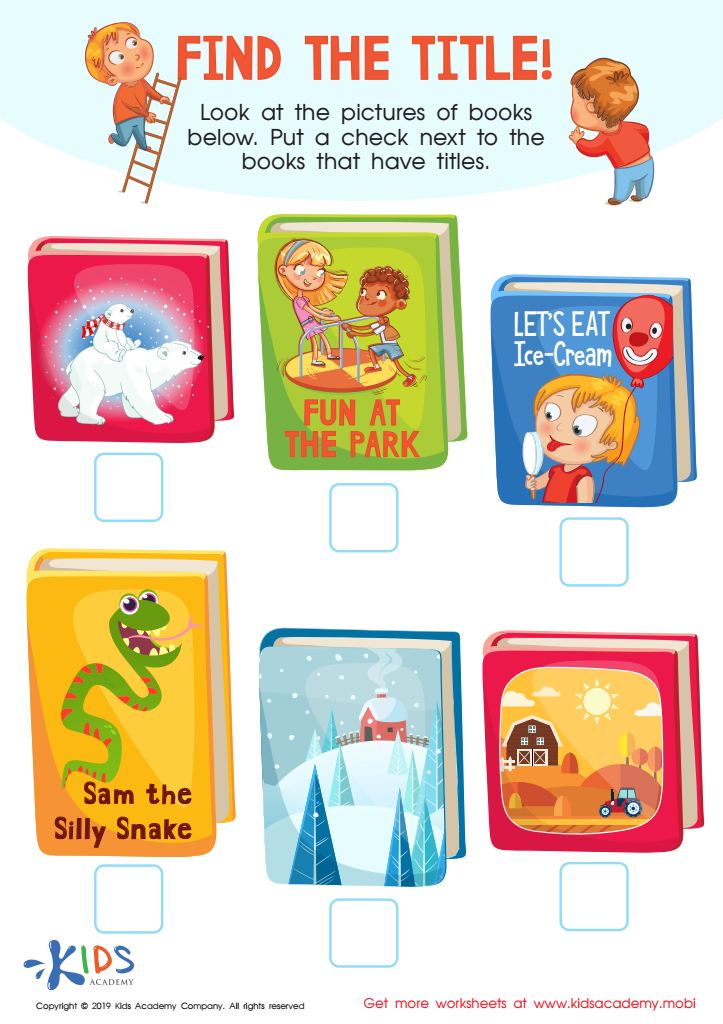
Find the Title Worksheet
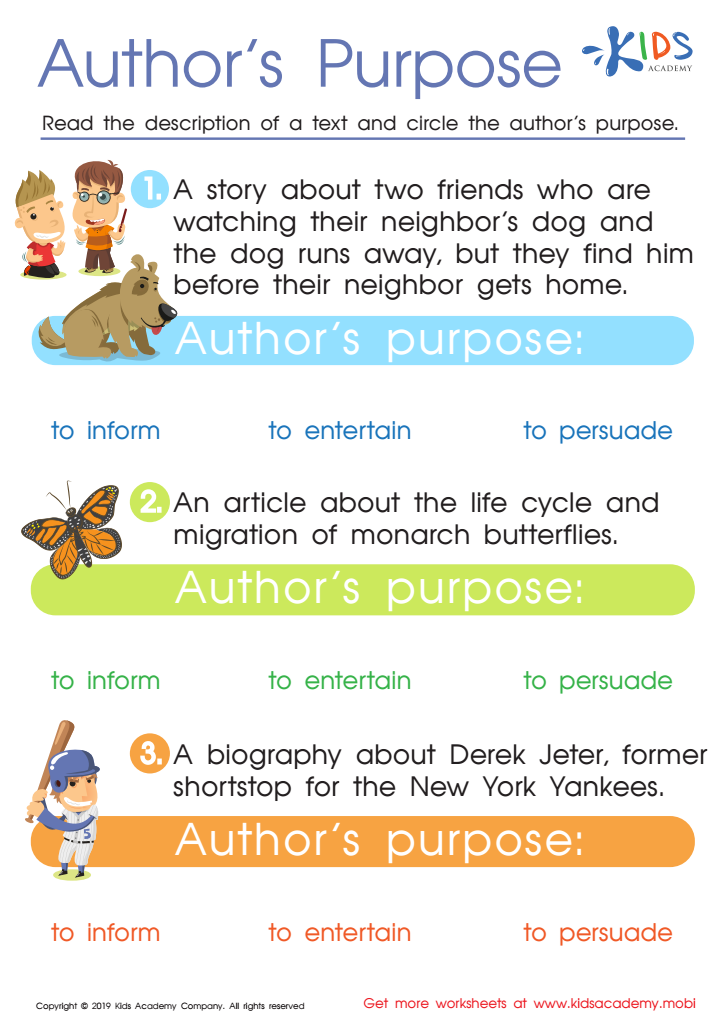
Author's Purpose Worksheet







Reading fiction to children aged 5-8 is essential for their cognitive and emotional development. At this early stage, children are developing crucial literacy skills, and engaging with fiction helps enhance their vocabulary, comprehension, and storytelling abilities. Exposure to diverse narratives fosters creativity and critical thinking, enabling them to imagine different worlds and perspectives, which is vital for their social-emotional growth.
Fiction also plays a significant role in nurturing empathy. As children immerse themselves in stories, they relate to characters, understanding their feelings and experiences. This helps them develop a sense of compassion and emotional intelligence, essential traits for their interactions with peers and adults.
Additionally, regular reading routines can cultivate a lifelong love for literature. When parents and teachers share stories, it creates bonding moments and enhances their literacy skills from a young age.
Incorporating fiction into a child's routine can also stimulate discussions about morals, challenges, and problem-solving, laying the groundwork for ethical reasoning. Overall, reading fiction is not just about words on a page; it encompasses lessons in understanding, empathy, and creativity, making it vital for nurturing well-rounded individuals. Thus, parents and teachers should prioritize and advocate for reading fiction in early childhood education.








