Animals Worksheets for Ages 5-8 - Page 3
66 filtered results
-
From - To
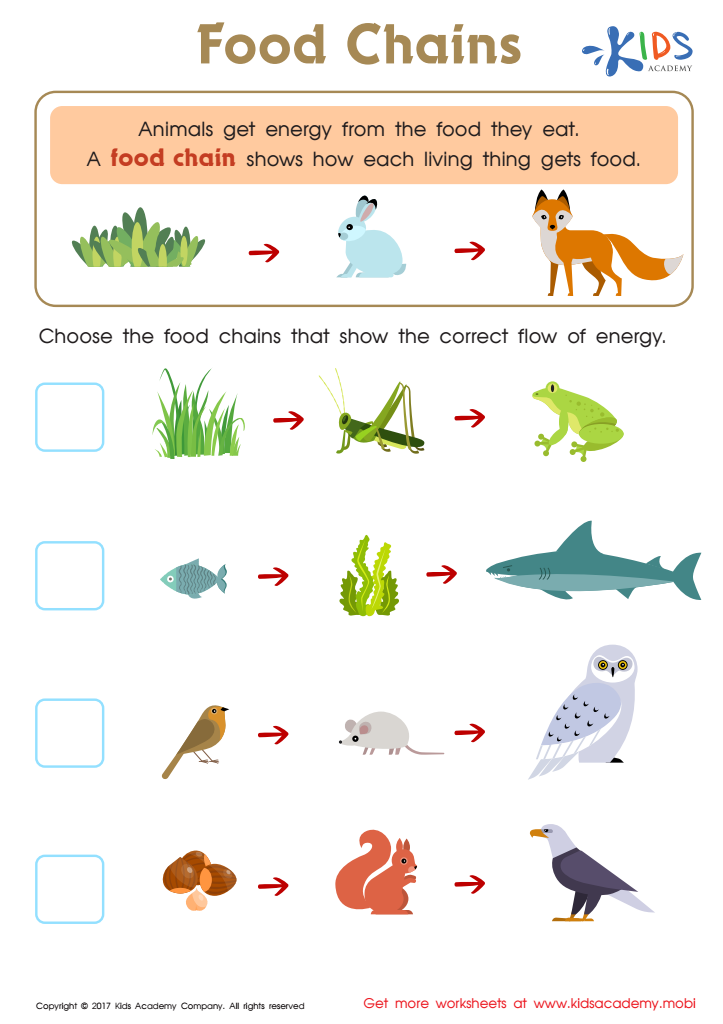
Food Webs and Food Chains Worksheet
 Assign to My Students
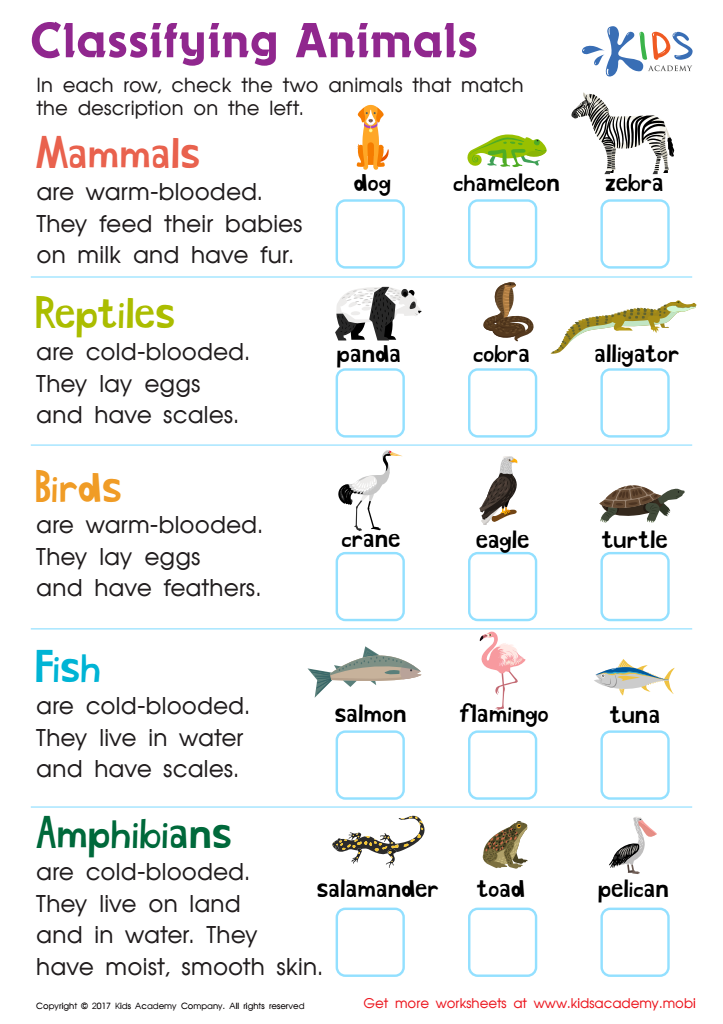
Classifying Animals Worksheet
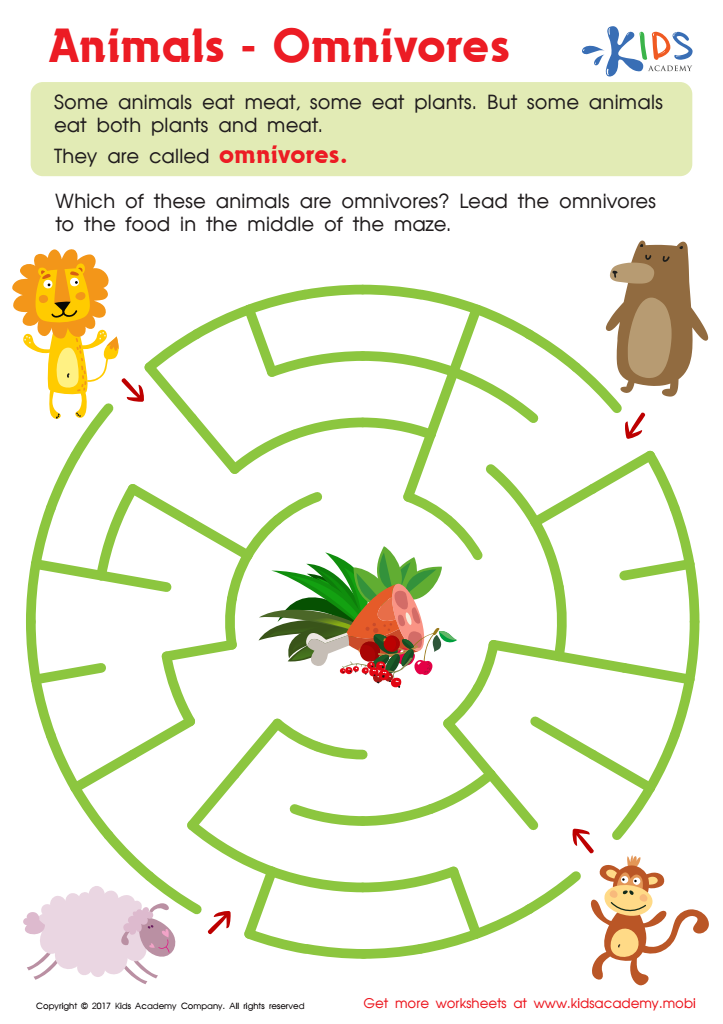
Omnivores Animals Worksheet
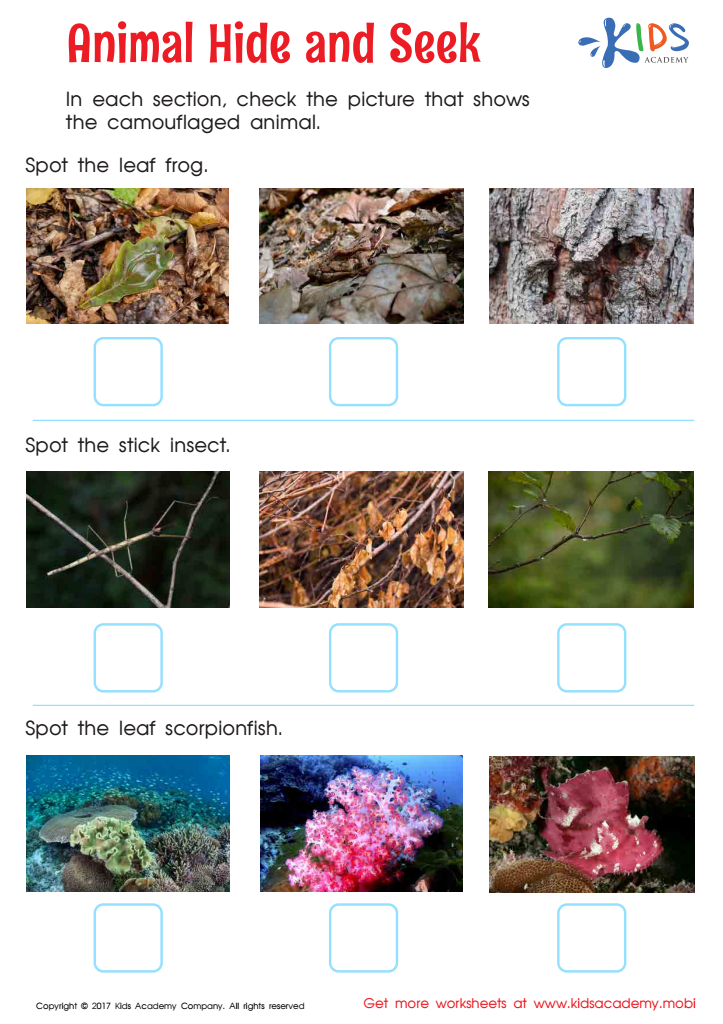
Animal Hide and Seek Worksheet
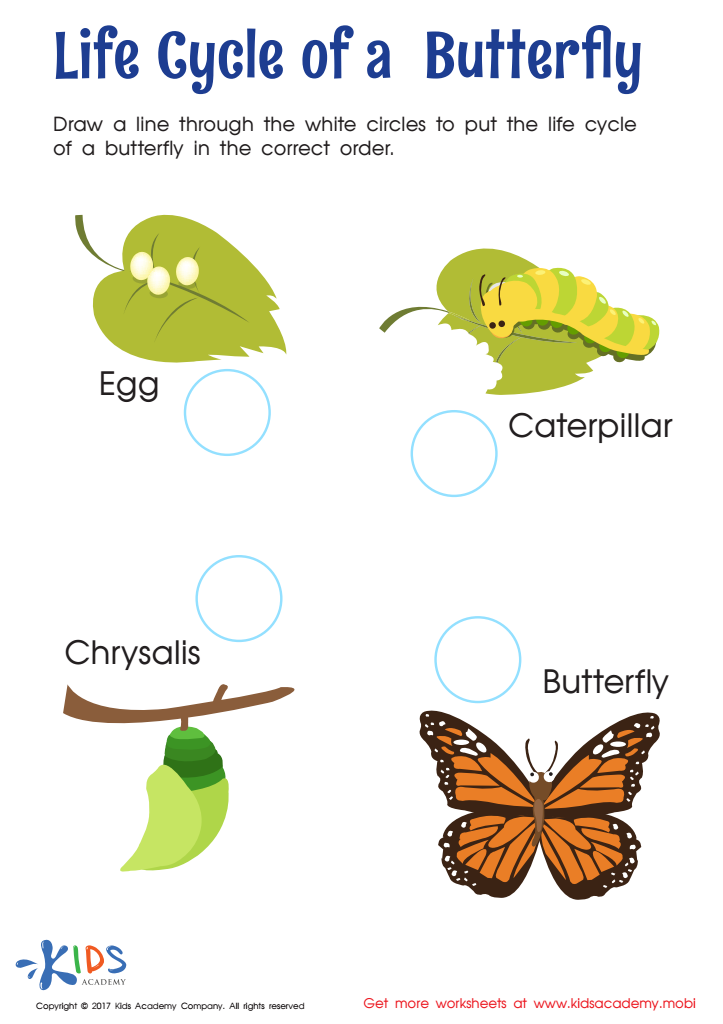
Life Cycle of Butterfly Worksheet
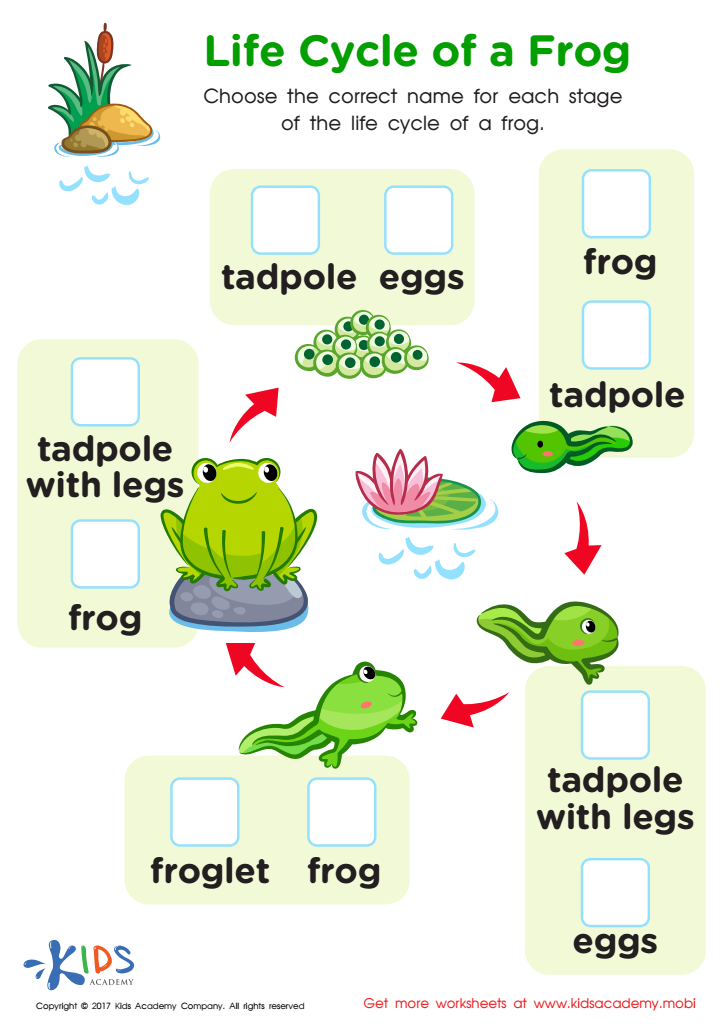
Life Cycle Frog Printable
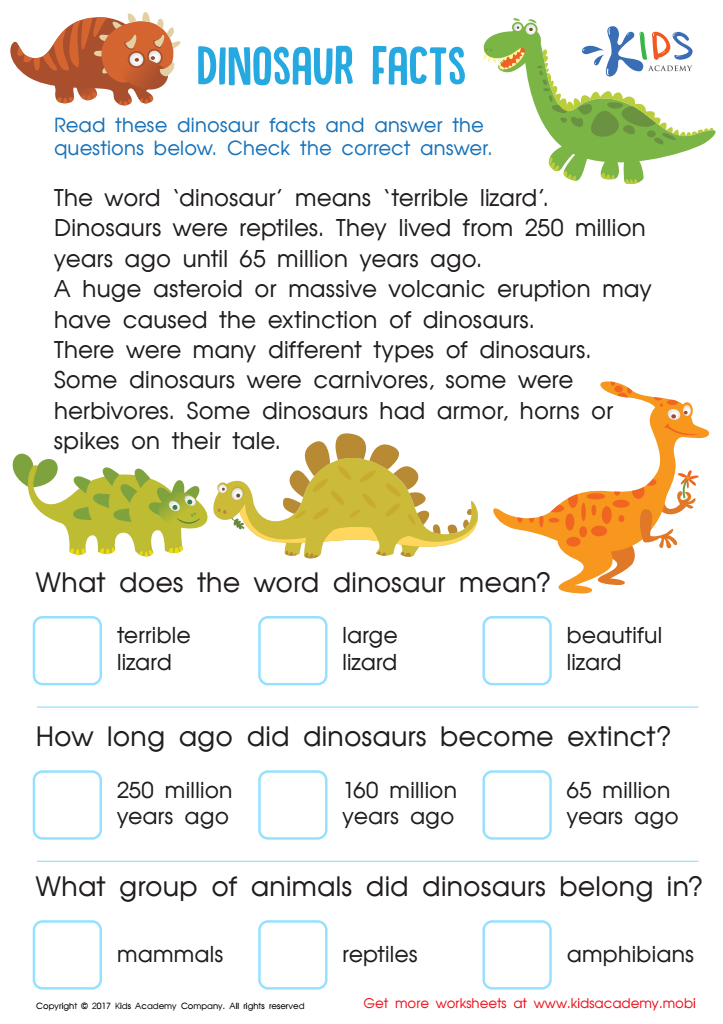
Dinosaur Facts Worksheet
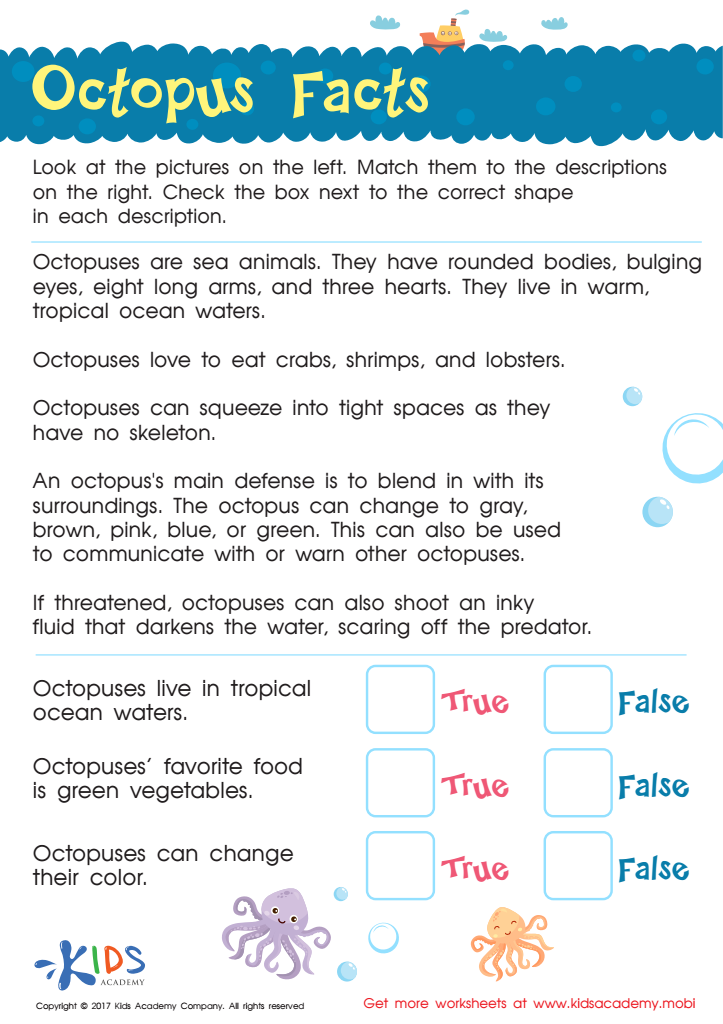
Octopus Facts Worksheet For Kids
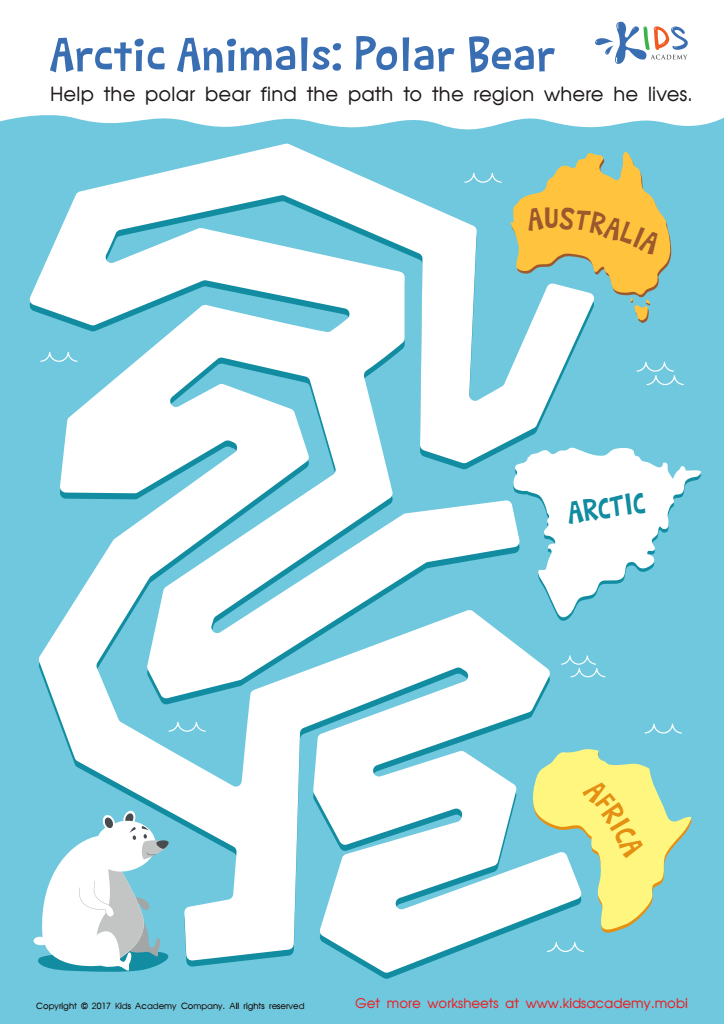
Arctic Animals: Polar Bear Worksheet
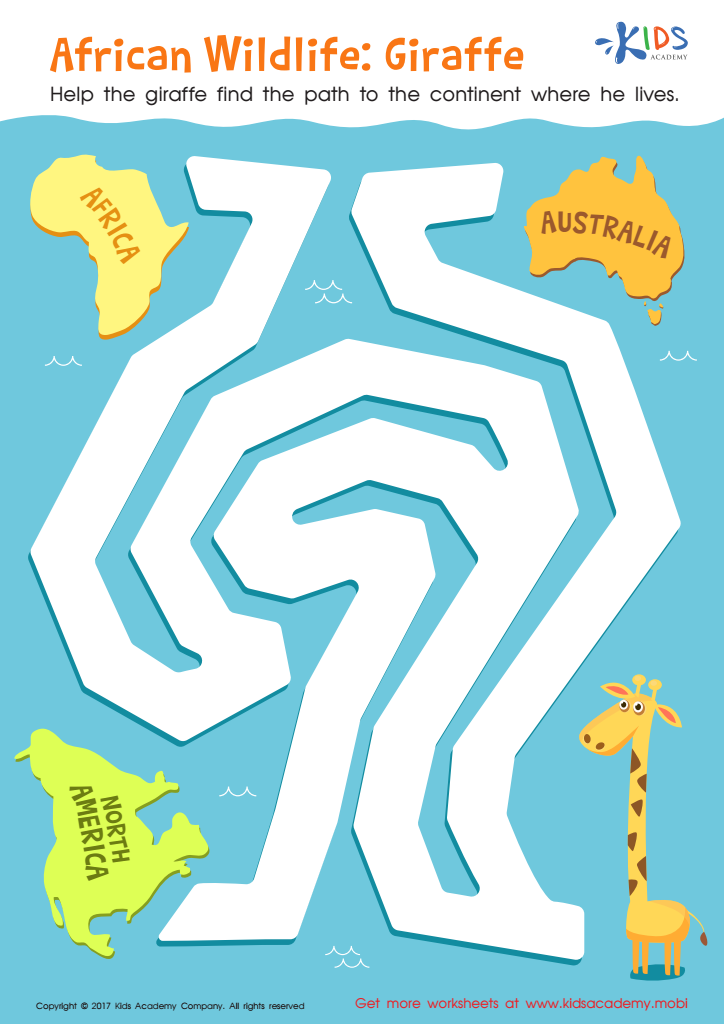
African Wildlife: Giraffe Worksheet
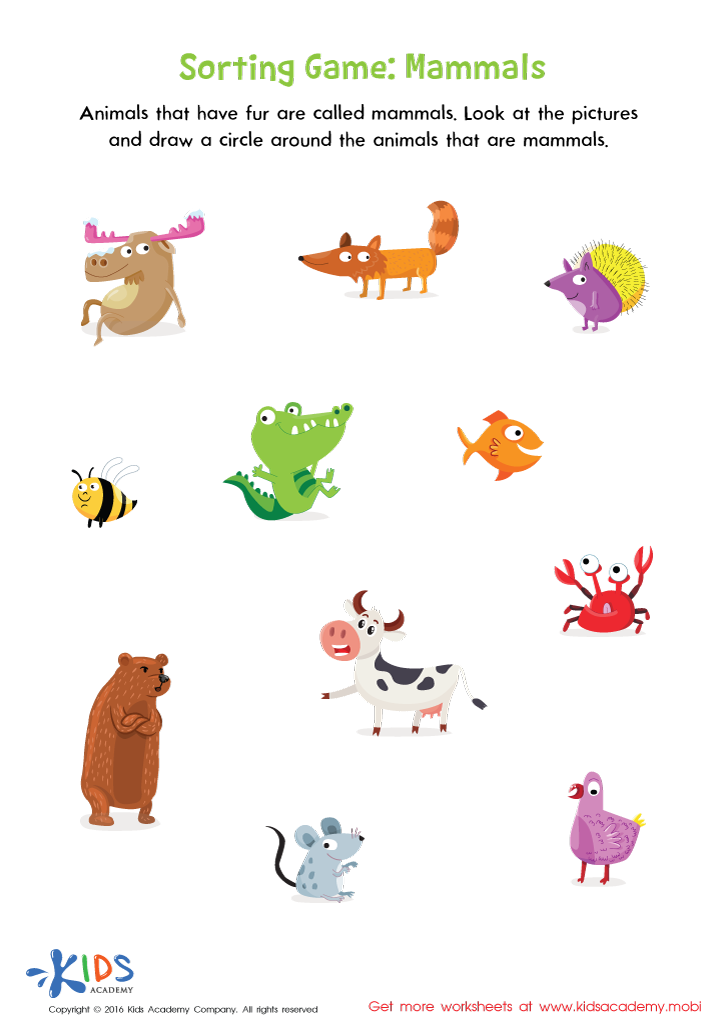
Mammals Sorting Worksheet
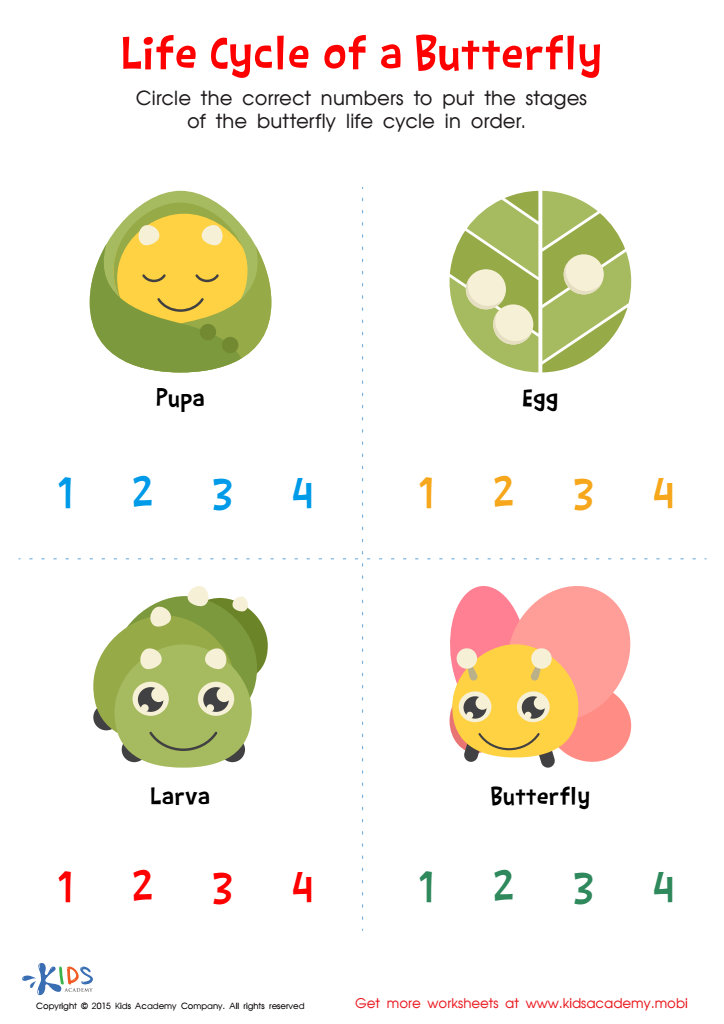
Life Cycle of Butterfly Printable
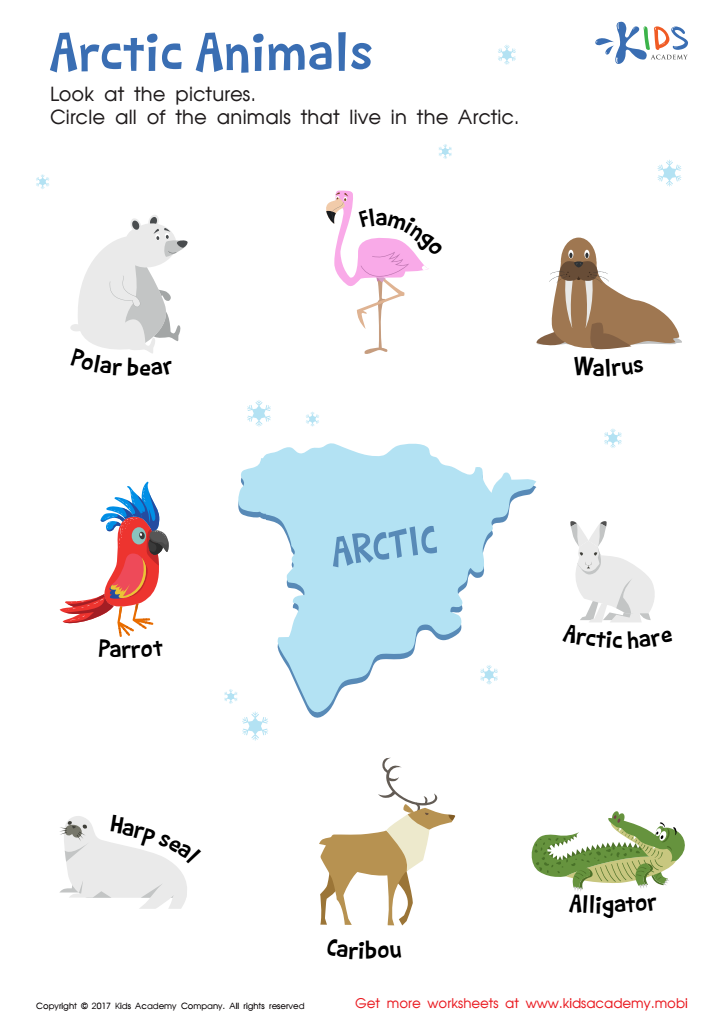
Arctic Animals Worksheet
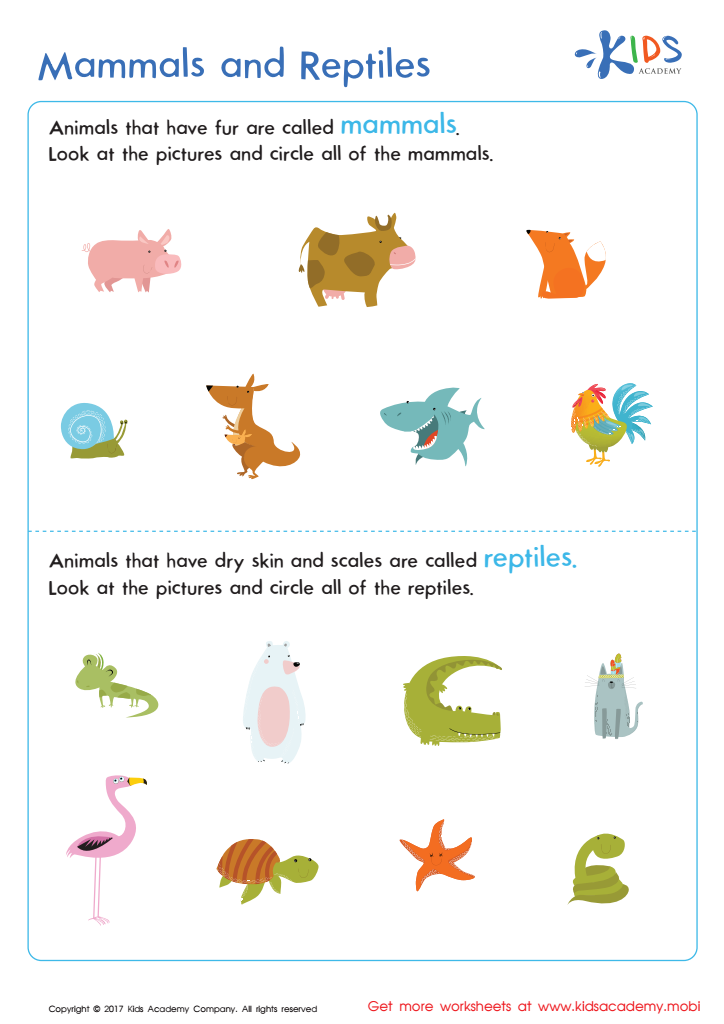
Mammals and Reptiles Worksheet
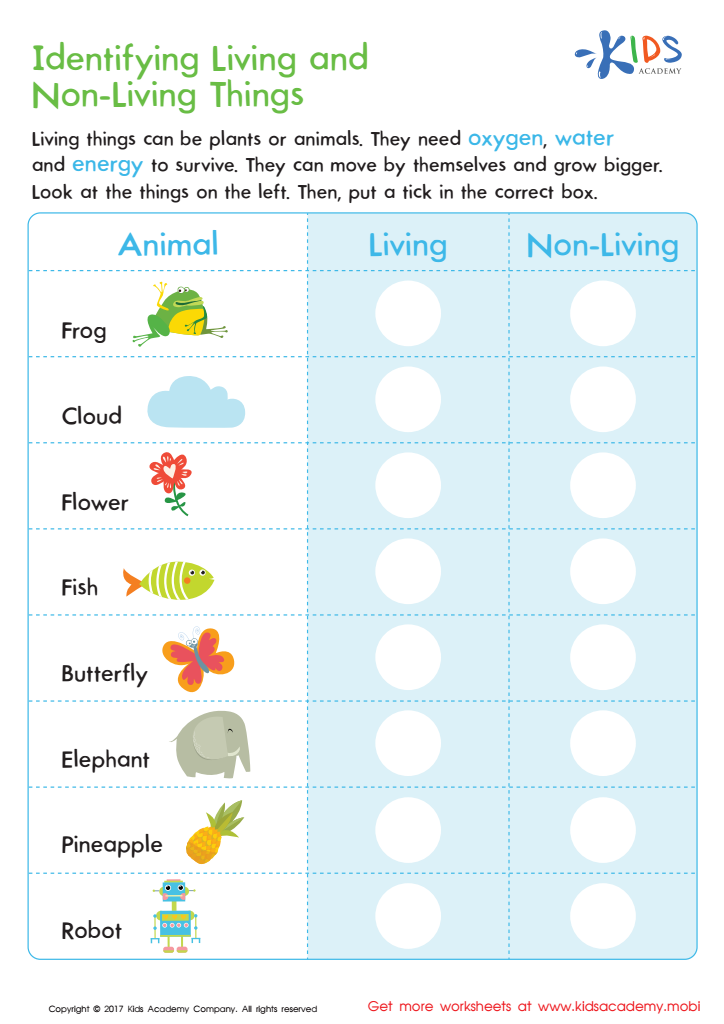
Identifying Living or Non–living Worksheet
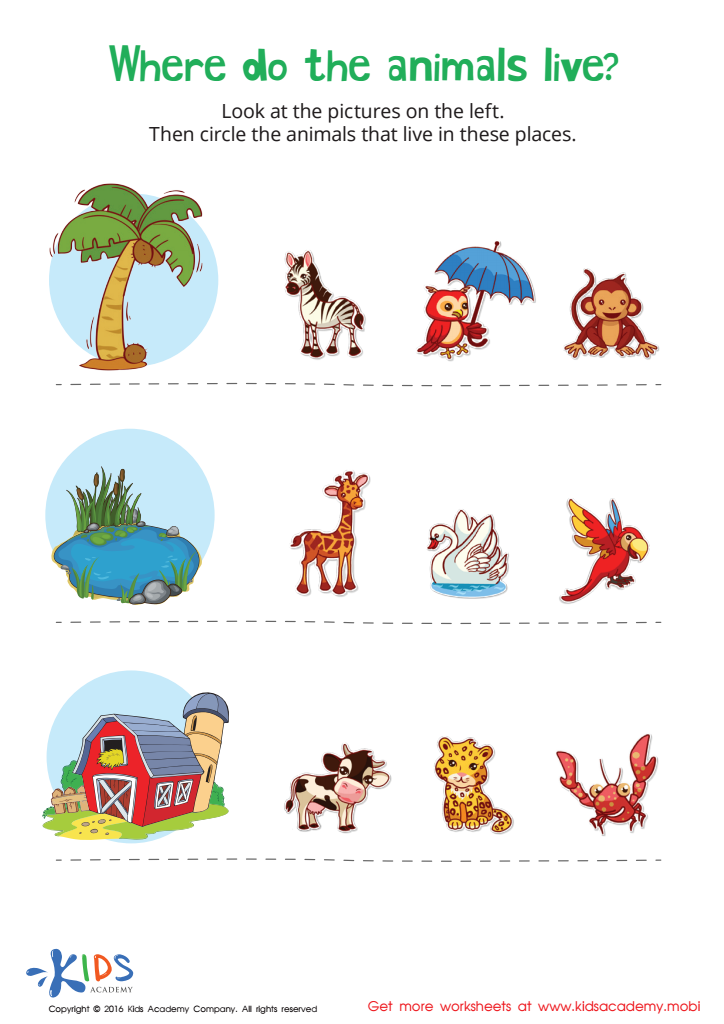
Where Animals Live Worksheet








Caring about animals is crucial for children aged 5-8 because it fosters a sense of empathy, responsibility, and environmental awareness. Children at this developmental stage are forming their understanding of the world and their place in it. Learning about animals offers a concrete way for them to learn empathy by understanding that animals have needs and feelings, just like humans. Interacting with pets or classroom animals can help children develop a sense of responsibility; they learn that living beings depend on them for care.
Animals also provide a rich source of learning opportunities. Exploring animal behaviors, habitats, and characteristics can enhance a child's curiosity and scientific understanding. Understanding biodiversity and the importance of each species helps build a foundation of environmental stewardship, cultivating respect for nature. Additionally, animals can serve as comforting, non-judgmental companions that help reduce stress and anxiety, ultimately improving overall emotional well-being.
Moreover, stories, activities, and educational projects about animals can captivate young minds, making learning more engaging and fun. This engagement can spark a lifelong interest in science, nature, or animal welfare, contributing to well-rounded personal development. Thus, incorporating lessons about animals can significantly contribute to a child's emotional, intellectual, and social growth.








