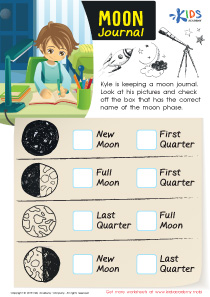
Life Science Worksheets for Ages 5-8 - Page 2
36 filtered results
-
From - To
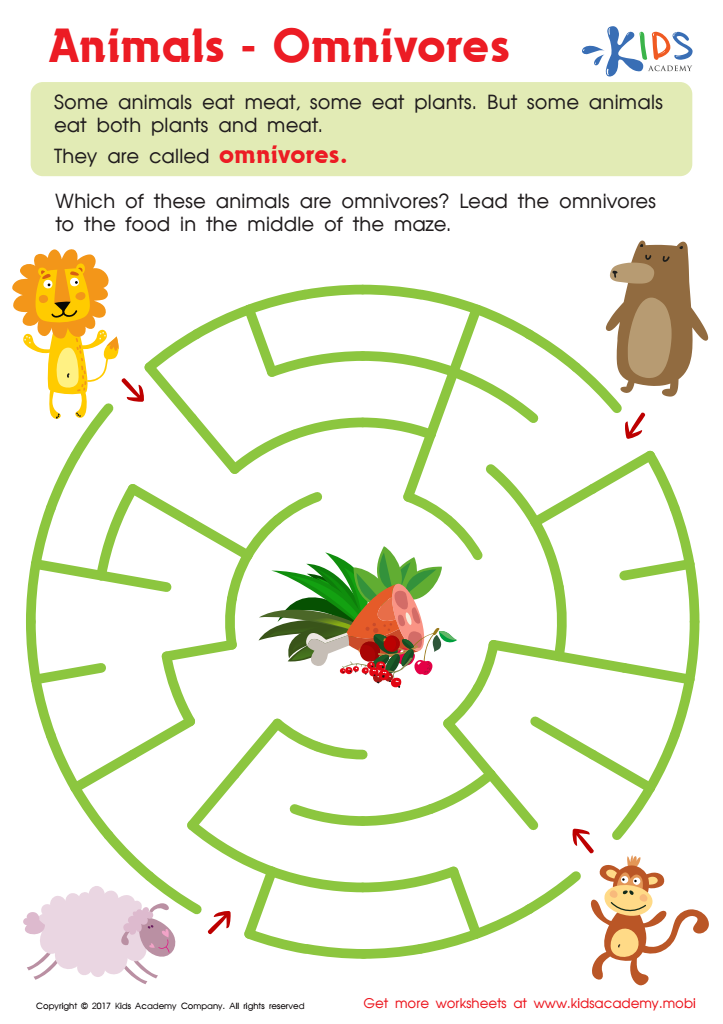
Omnivores Animals Worksheet
 Assign to My Students
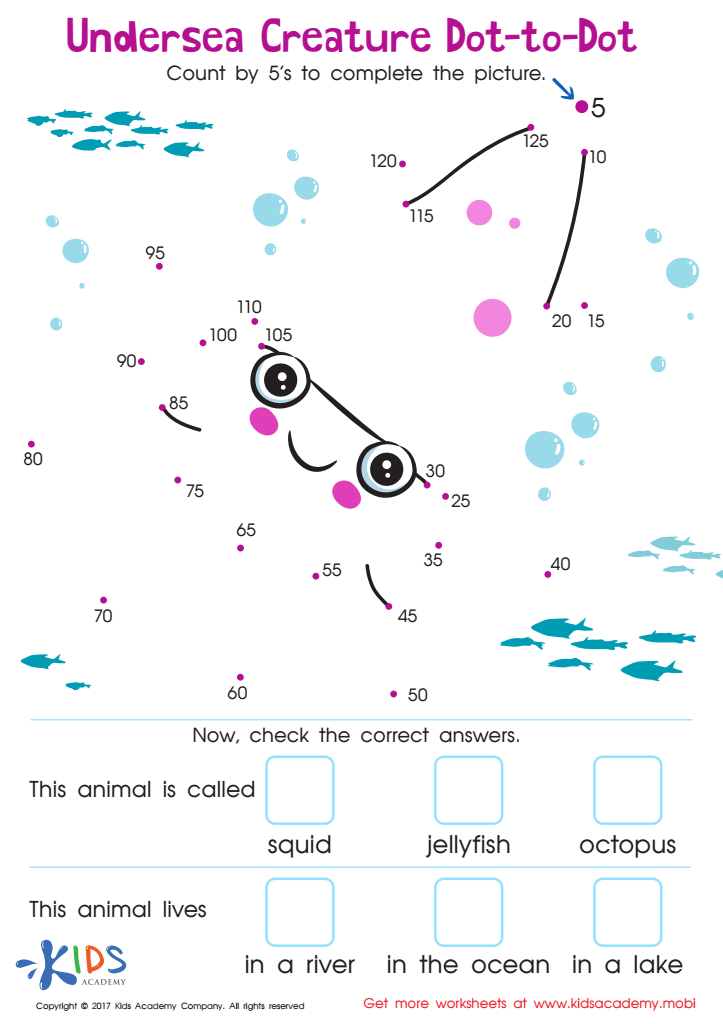
Undersea: Dot To Dot Worksheet
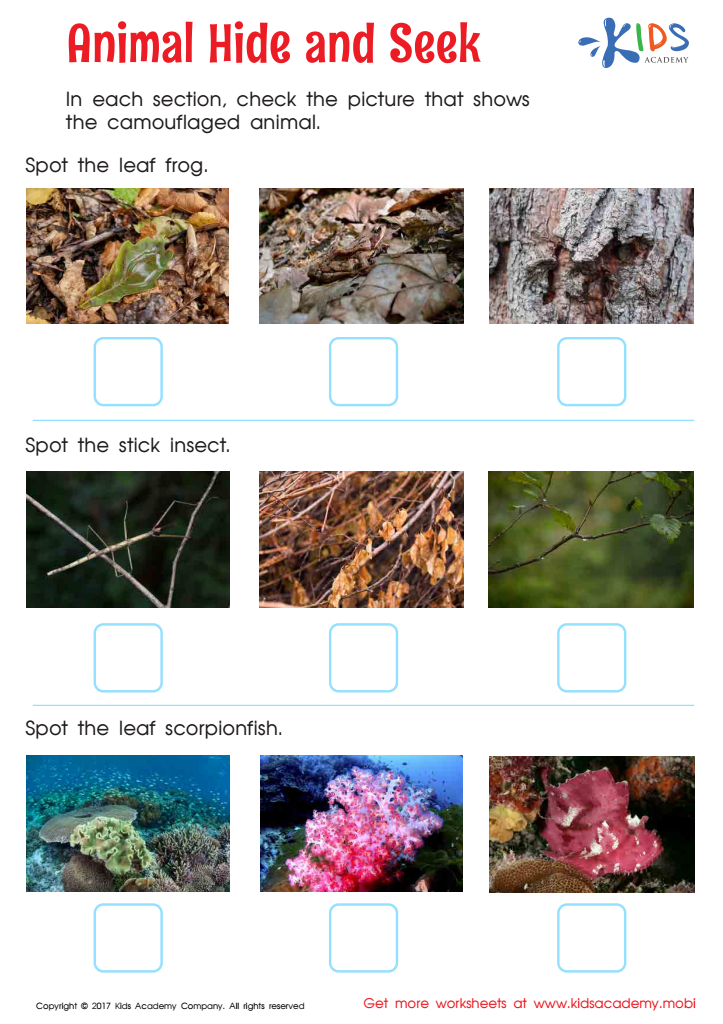
Animal Hide and Seek Worksheet
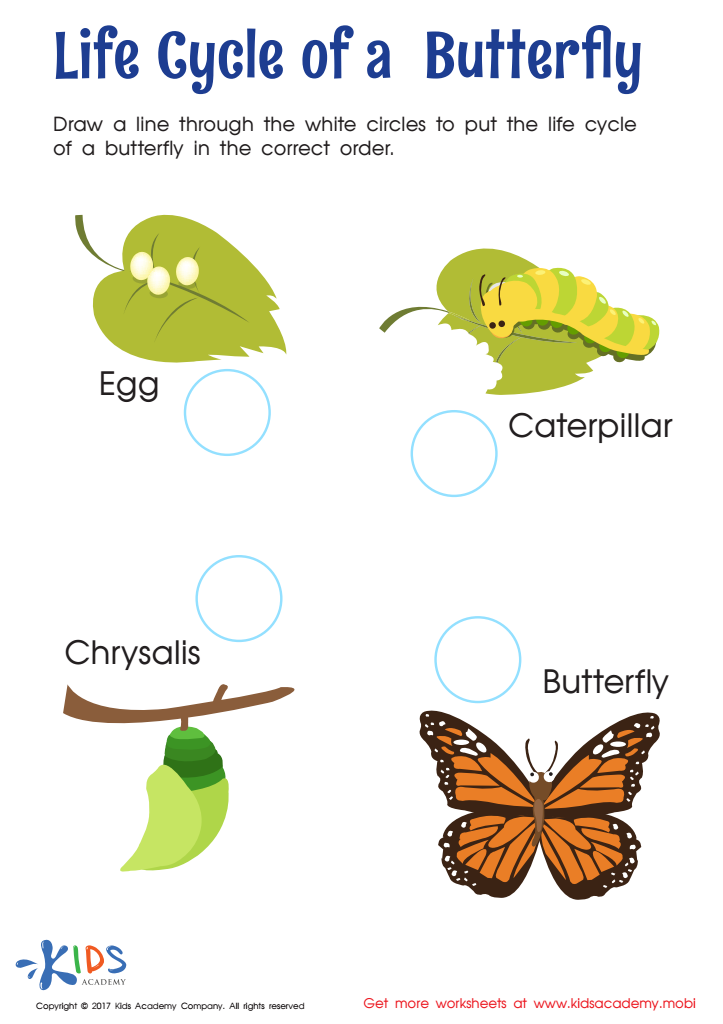
Life Cycle of Butterfly Worksheet
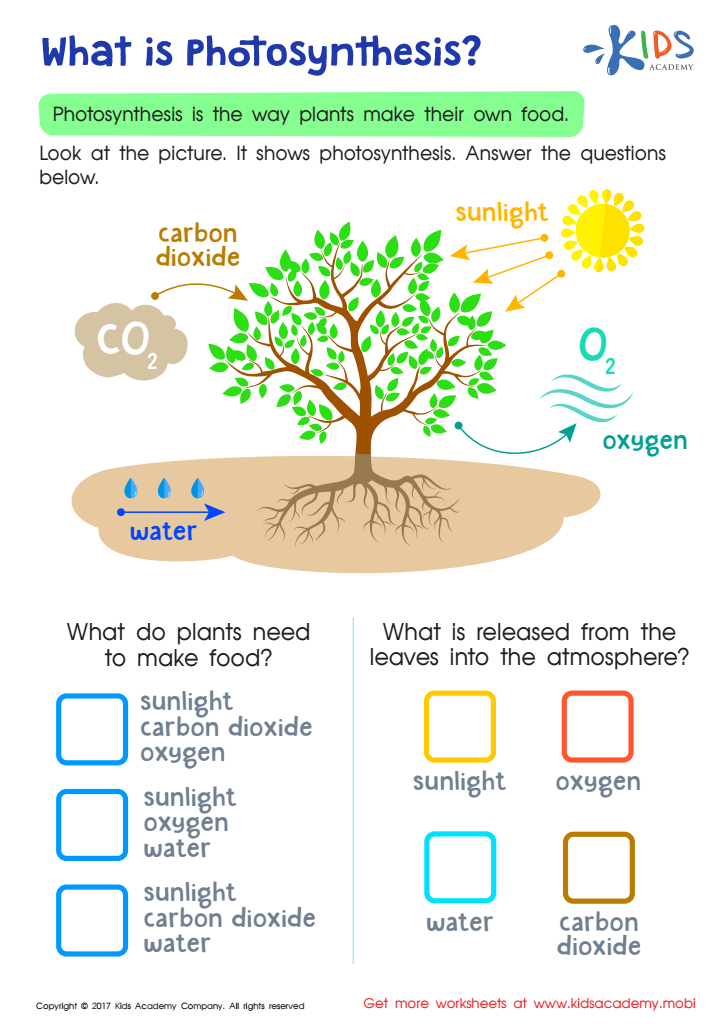
What is Photosynthesis Printable
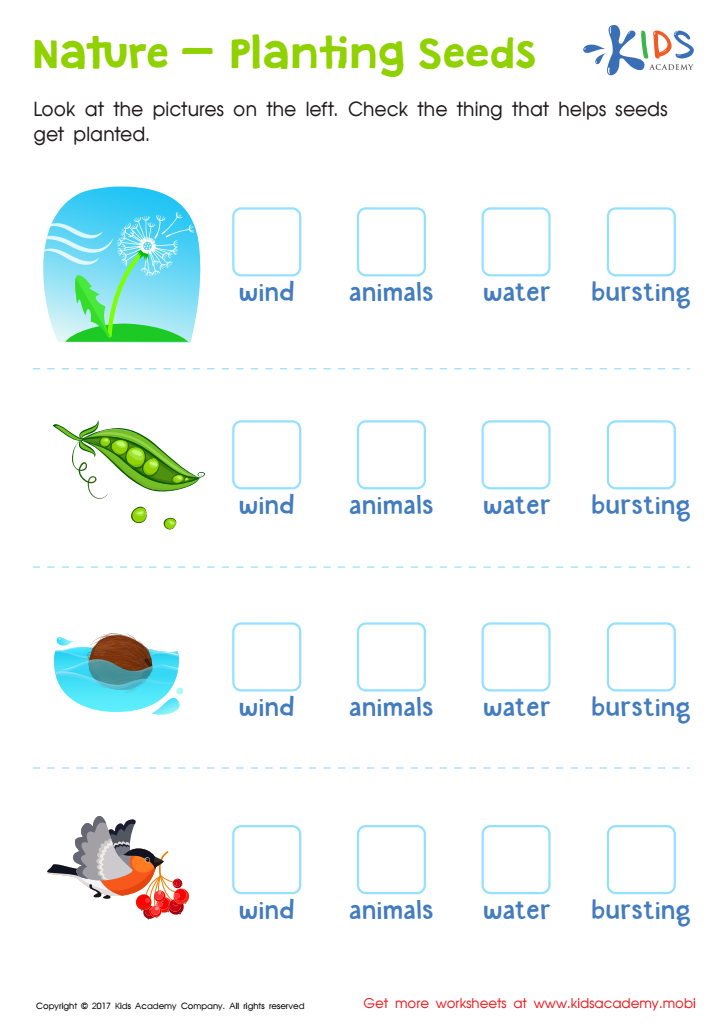
Nature Planting Seeds Worksheet
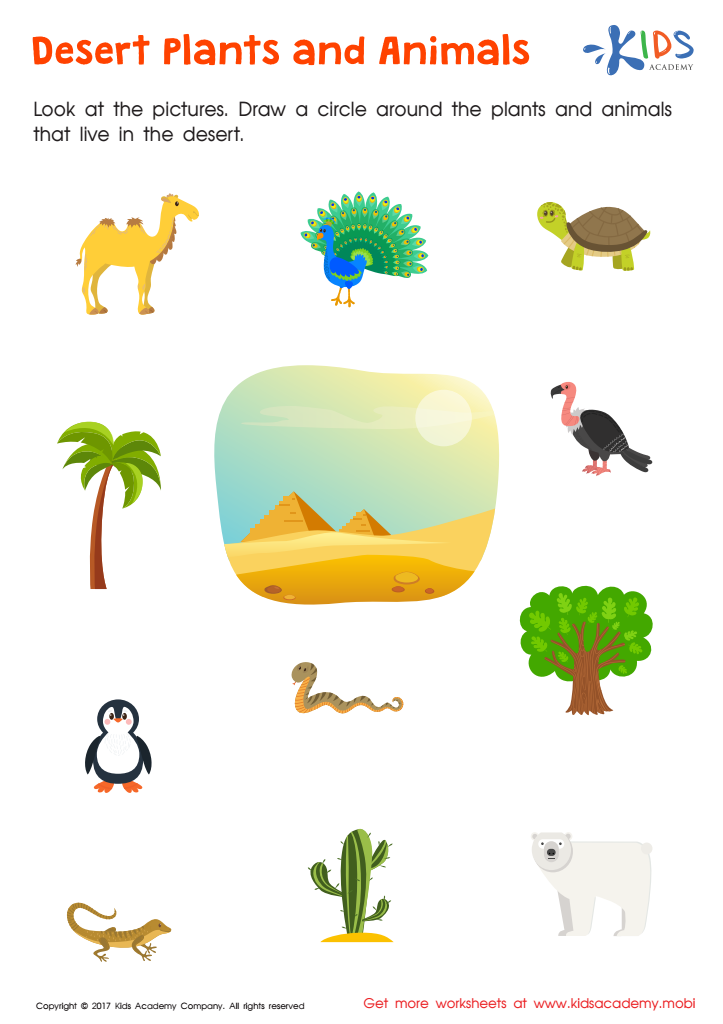
Desert Plants Animals Printable
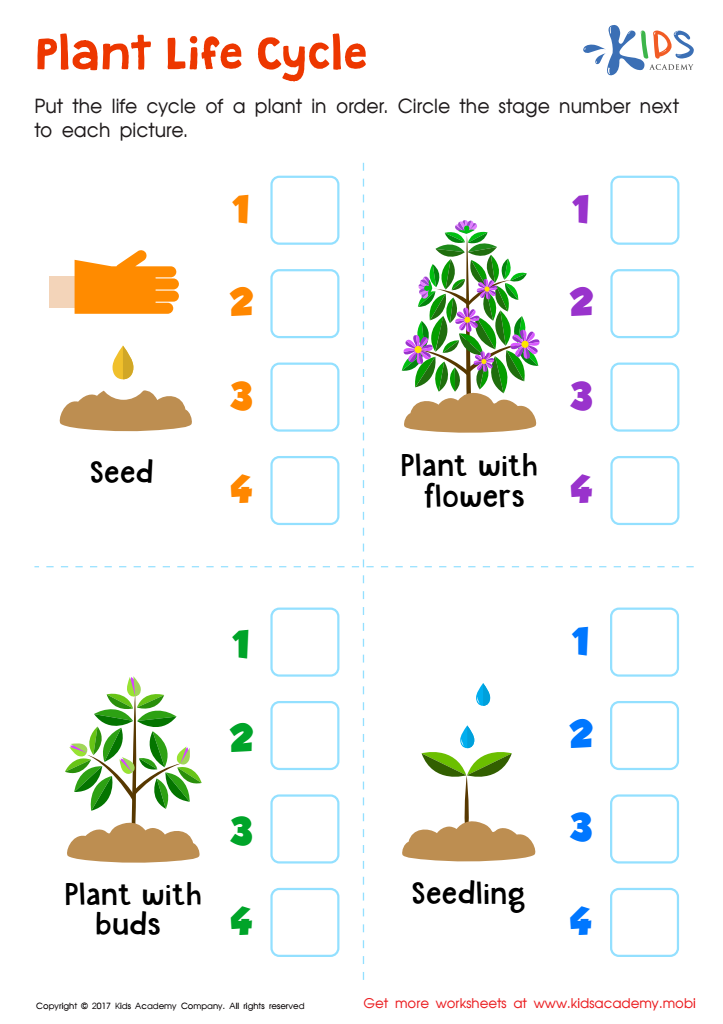
Plant Life Cycle Printable
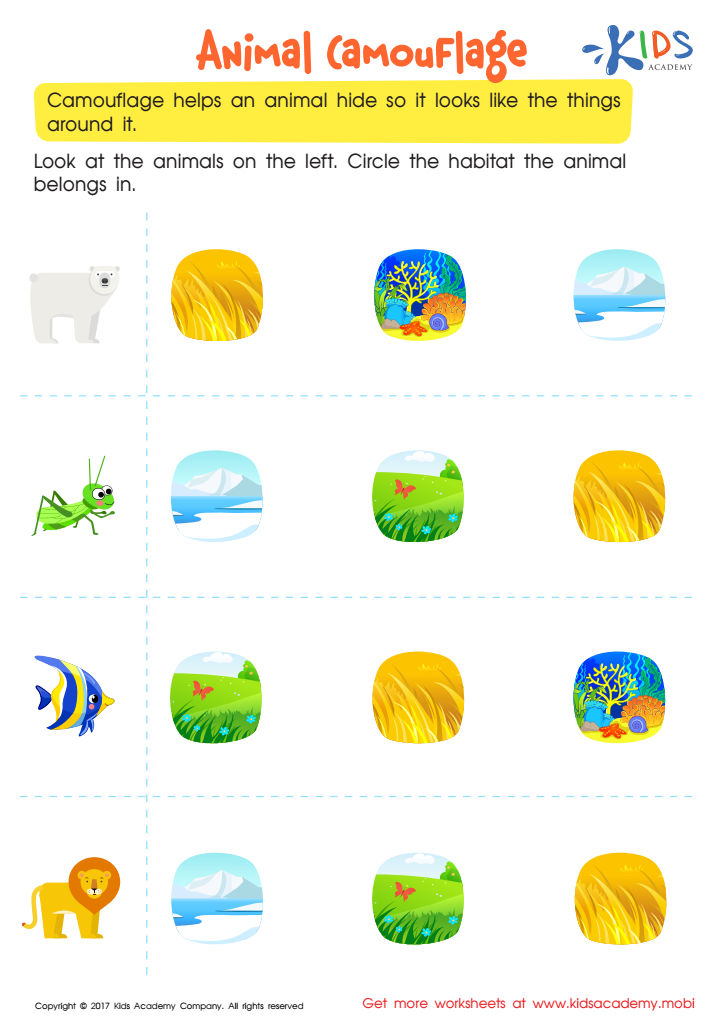
Animal Camouflage Worksheet
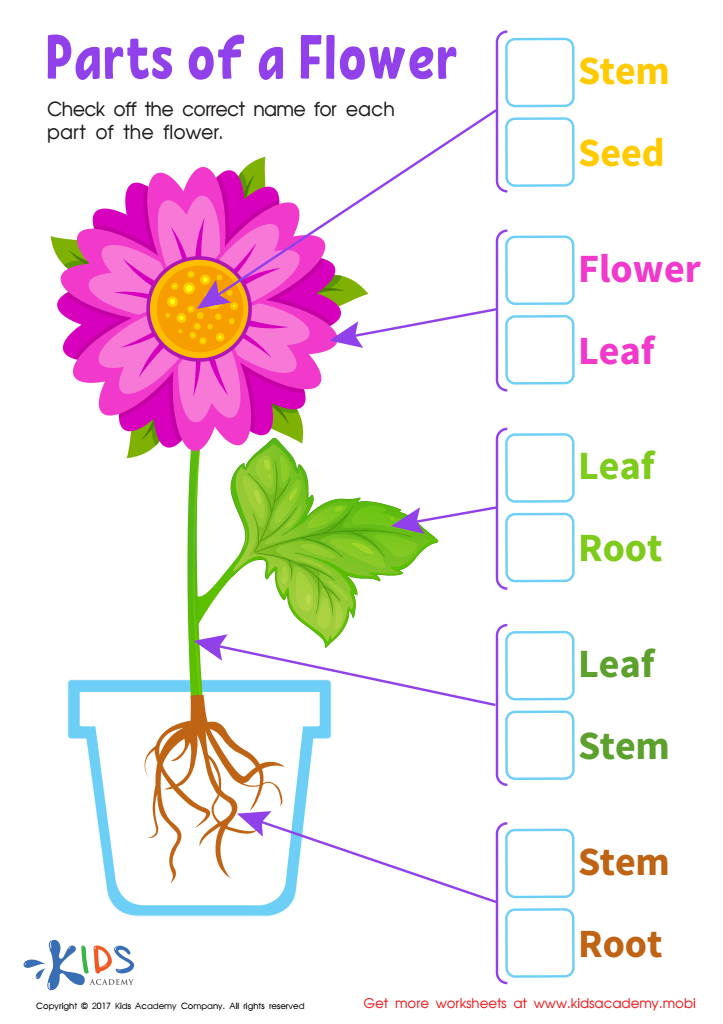
Parts Flower Printable
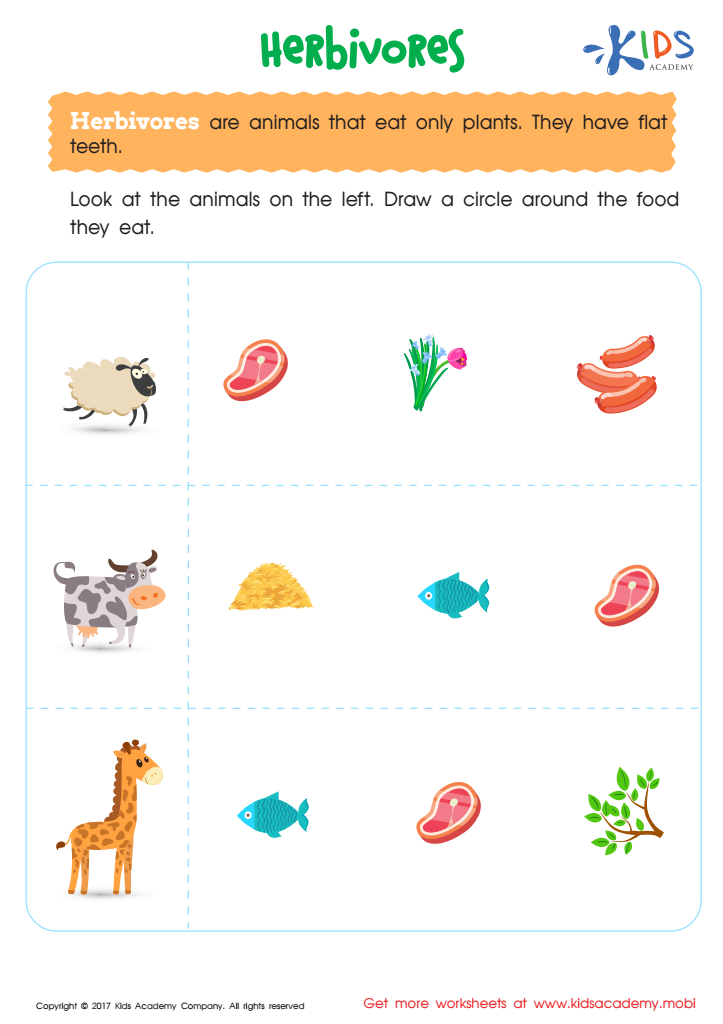
Herbivores Printable
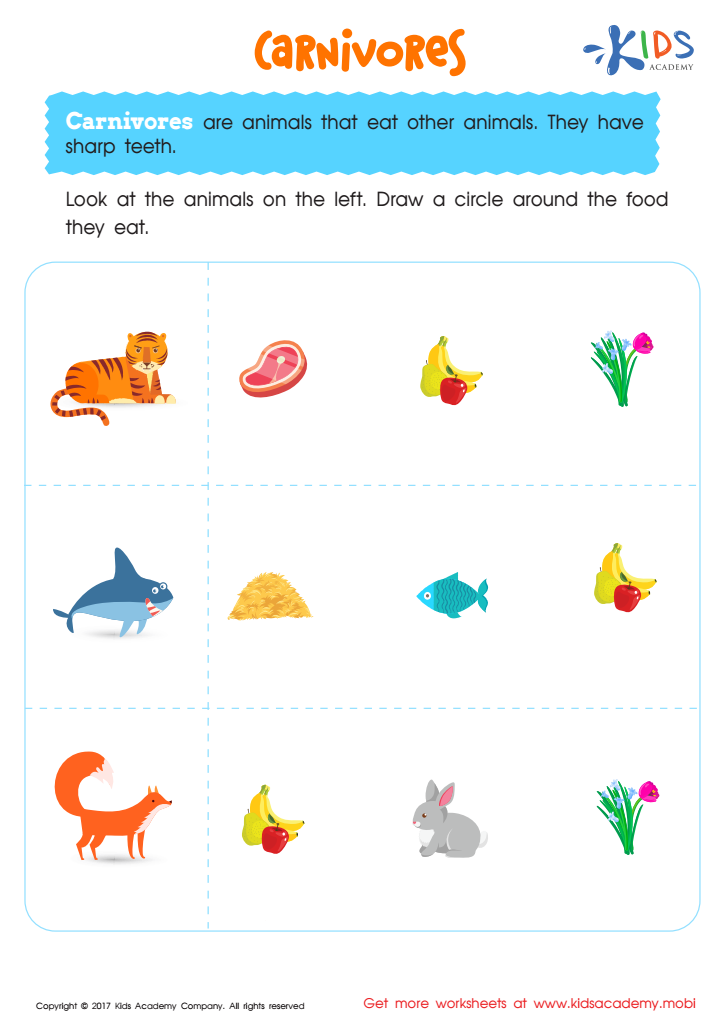
Carnivores Worksheet








Life Science is crucial for children aged 5-8 as it lays the foundation for their understanding of the world around them. At this age, children are naturally curious, eager to explore and comprehend the living things that surround them. Introducing life science fosters this curiosity, helping them to develop observational skills, critical thinking, and a sense of wonder about nature.
Understanding life science encourages children to appreciate the diversity of life, from plants and animals to ecosystems. It teaches them about the interdependence among living organisms and highlights the importance of caring for our environment. This foundational knowledge can spark a passion for science that encourages lifelong learning and promotes responsible stewardship of the Earth.
Additionally, life science activities can enhance hand-eye coordination and fine motor skills through hands-on exploration. They promote social interaction as children often engage in group projects or discussions, fostering teamwork and communication skills. For parents and teachers, emphasizing life science not only enriches the educational experience but also aligns with holistic growth, providing opportunities for nurturing creativity, observation, and problem-solving abilities. In essence, life science serves as a gateway to understanding the complexities of life, crucial for young minds.