World Around Us Worksheets for Ages 5-8 - Page 5
102 filtered results
-
From - To
 Assign to My Students
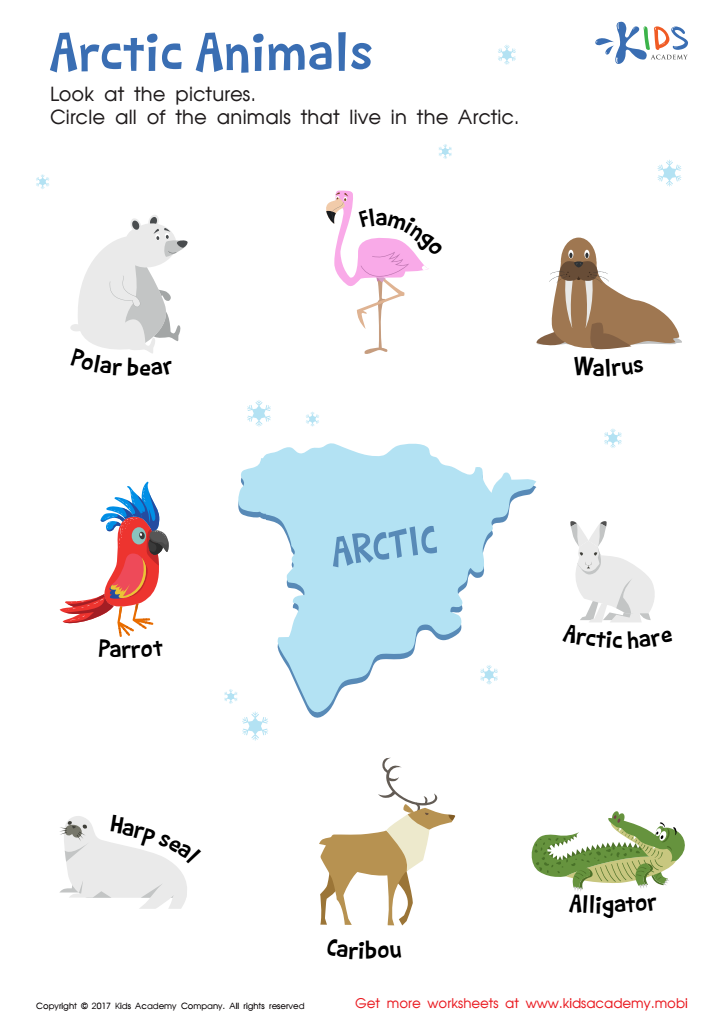
Arctic Animals Worksheet
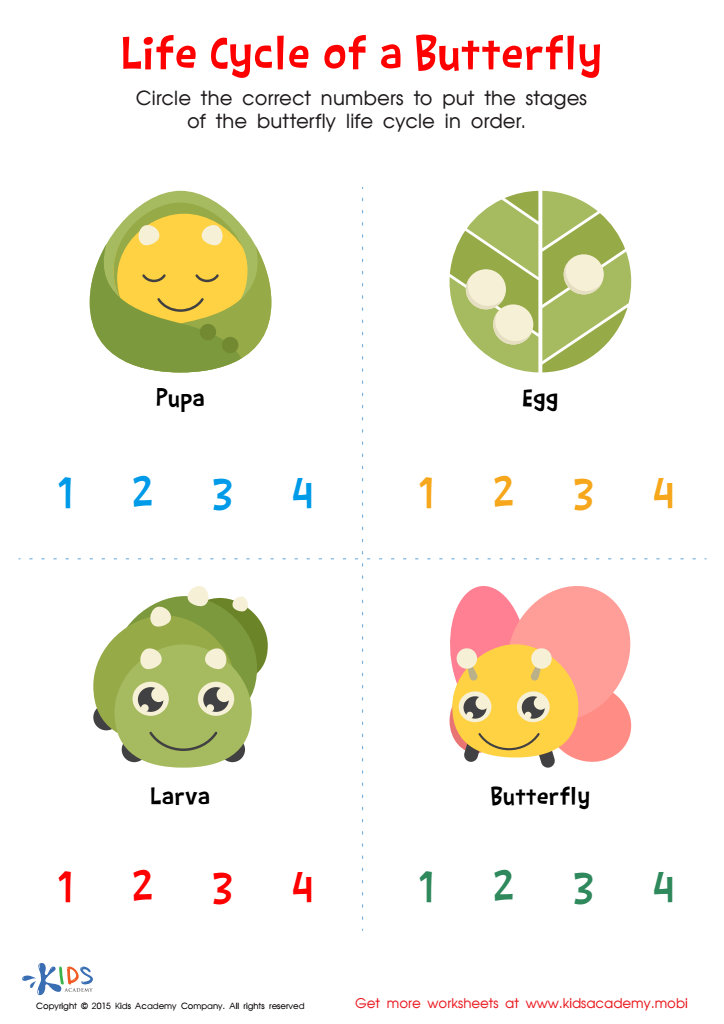
Life Cycle of Butterfly Printable
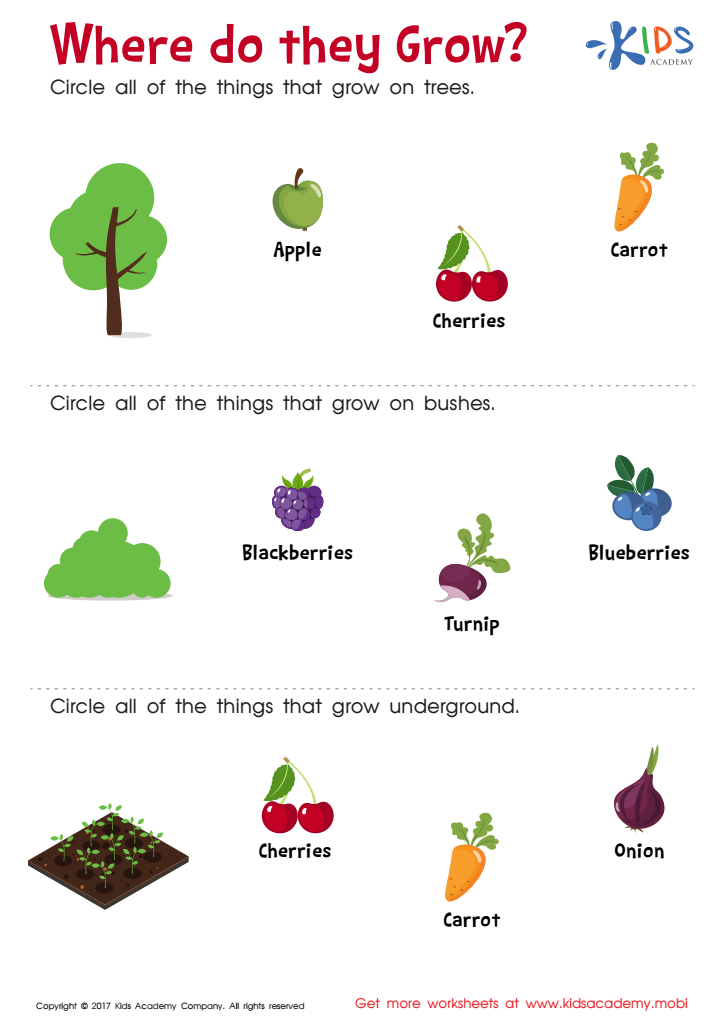
Where Do They Grow Worksheet







Understanding the "World Around Us" is crucial for children aged 5-8, as it lays the foundation for their cognitive and emotional development. At this age, children are naturally curious and eager to explore their environment, making it an ideal time to foster a love for learning about the world.
When parents and teachers engage children in discussions about their surroundings—covering topics like nature, community, cultures, and geography—they promote critical thinking skills and broaden their perspective. This comprehension helps kids relate to their environment and understand their role within it, fostering a sense of responsibility towards nature and society.
Furthermore, learning about the world encourages empathy and tolerance by exposing children to diverse people and ideas. It cultivates their social skills, as they learn to interact and collaborate with peers from different backgrounds.
By integrating lessons about the world into daily activities, educators and parents can provide enriching, hands-on experiences that capture children's imagination, enhancing their ability to connect concepts and solidify their learning. Ultimately, a rich understanding of the world not only nurtures educational development but also promotes well-rounded, conscientious individuals who are equipped to thrive in an interconnected society.