Vocabulary expansion Grammar Worksheets for Ages 5-8 - Page 2
57 filtered results
-
From - To
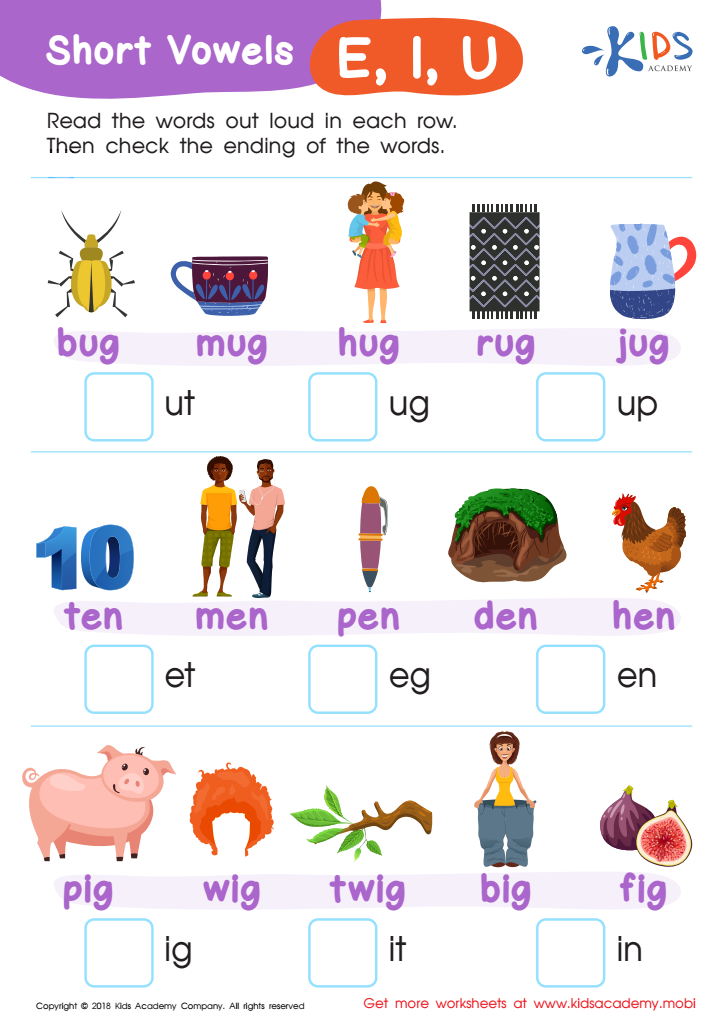
Short Vowels /e/, /i/, and /u/ Worksheet
 Assign to My Students
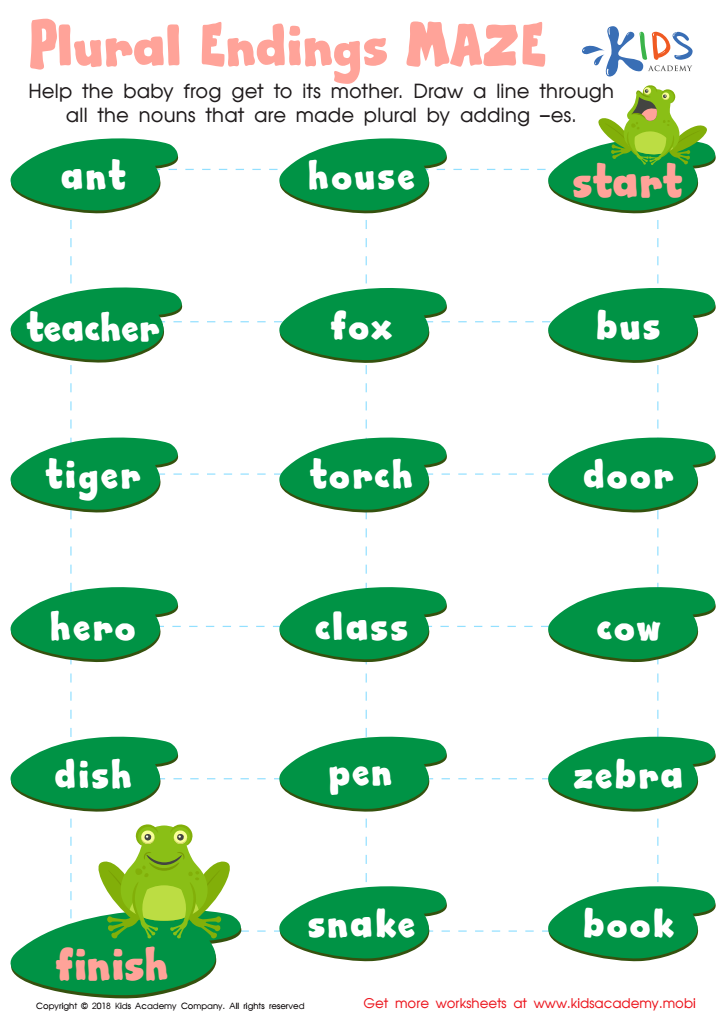
Plural Endings Maze Worksheet
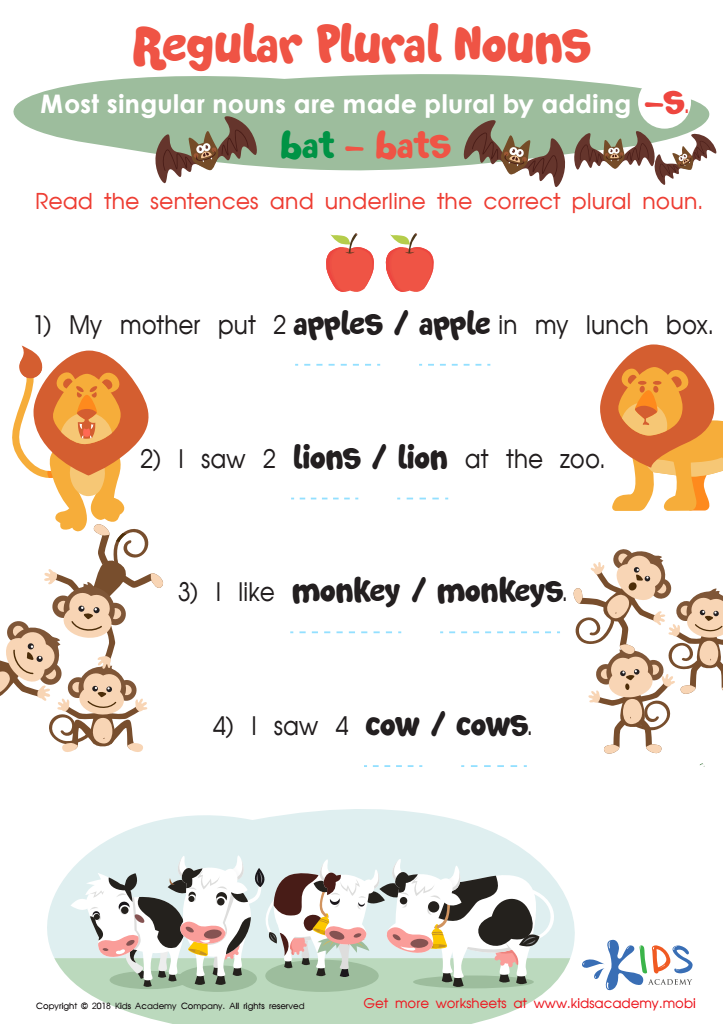
Regular Plural Nouns Worksheet
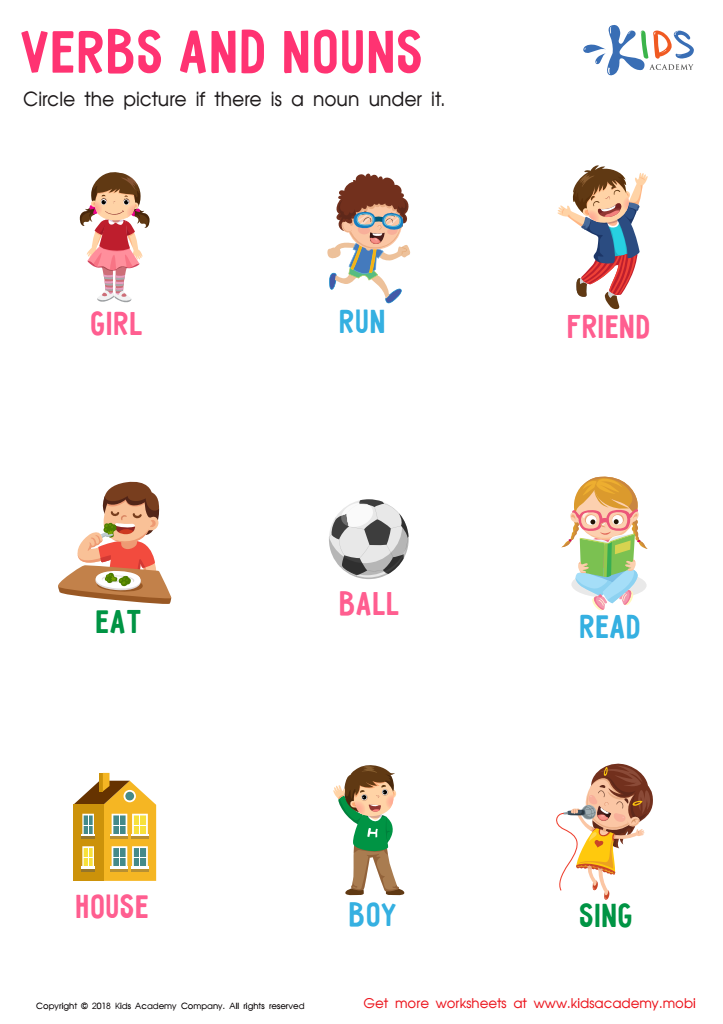
Verbs and Nouns Worksheet
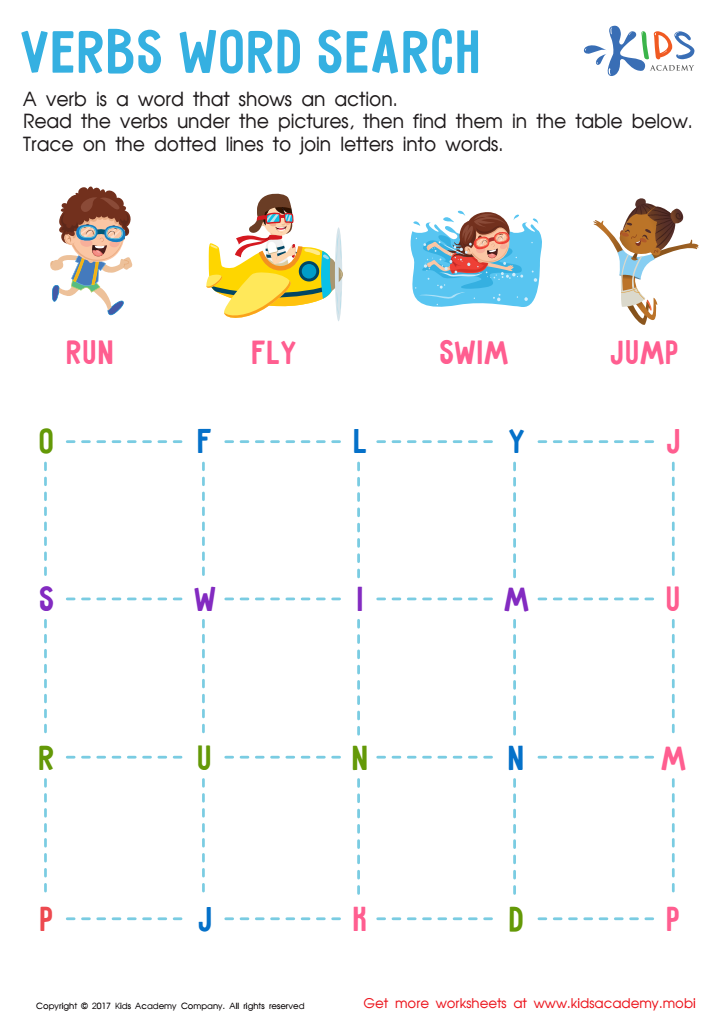
Verbs Word Search Worksheet
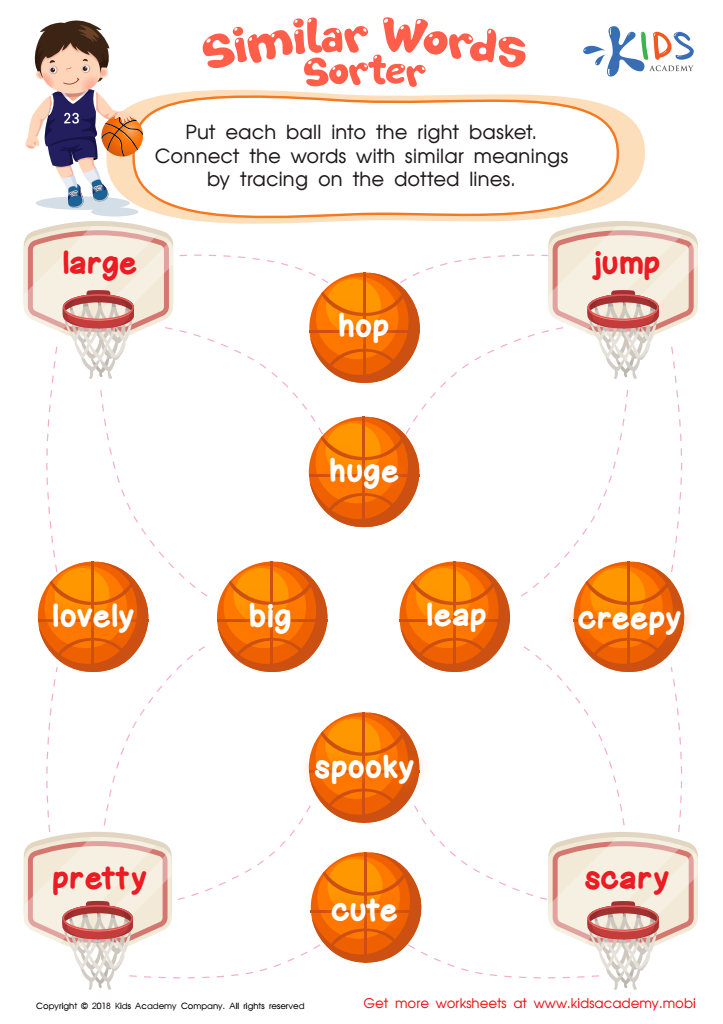
Similar Words Worksheet
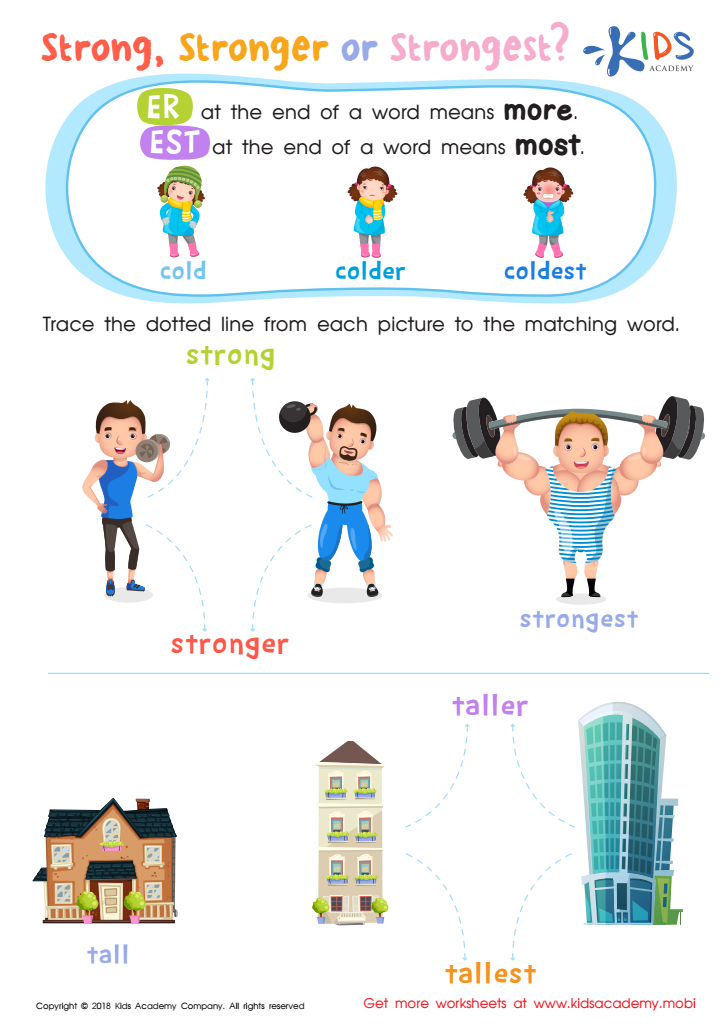
Strong or Stronger? Worksheet
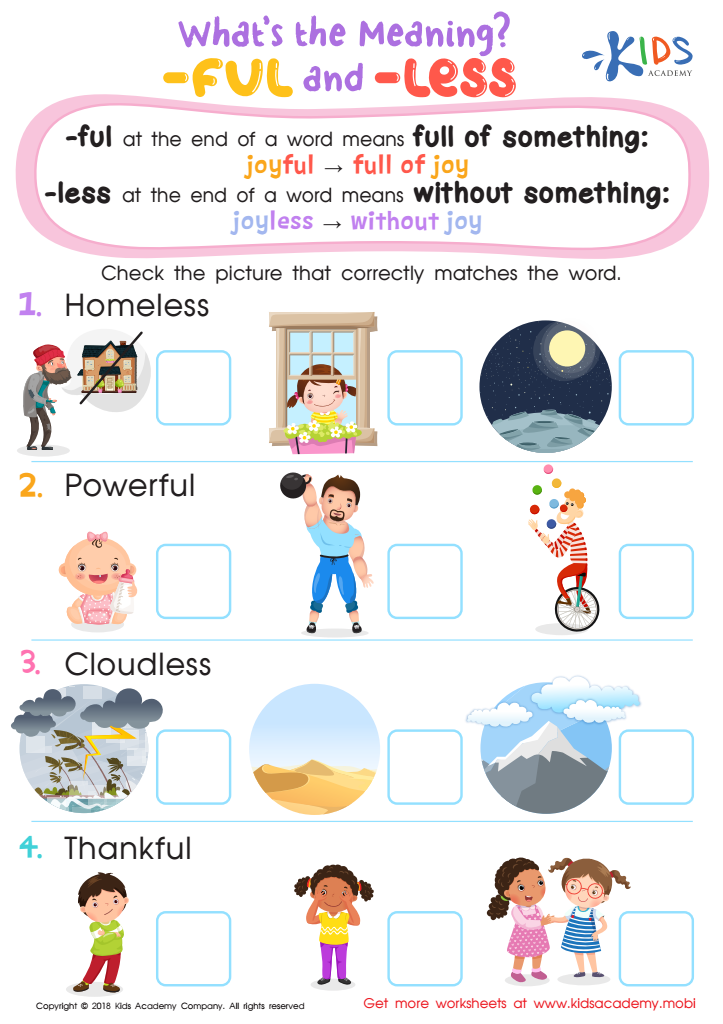
What's the Meaning? Worksheet
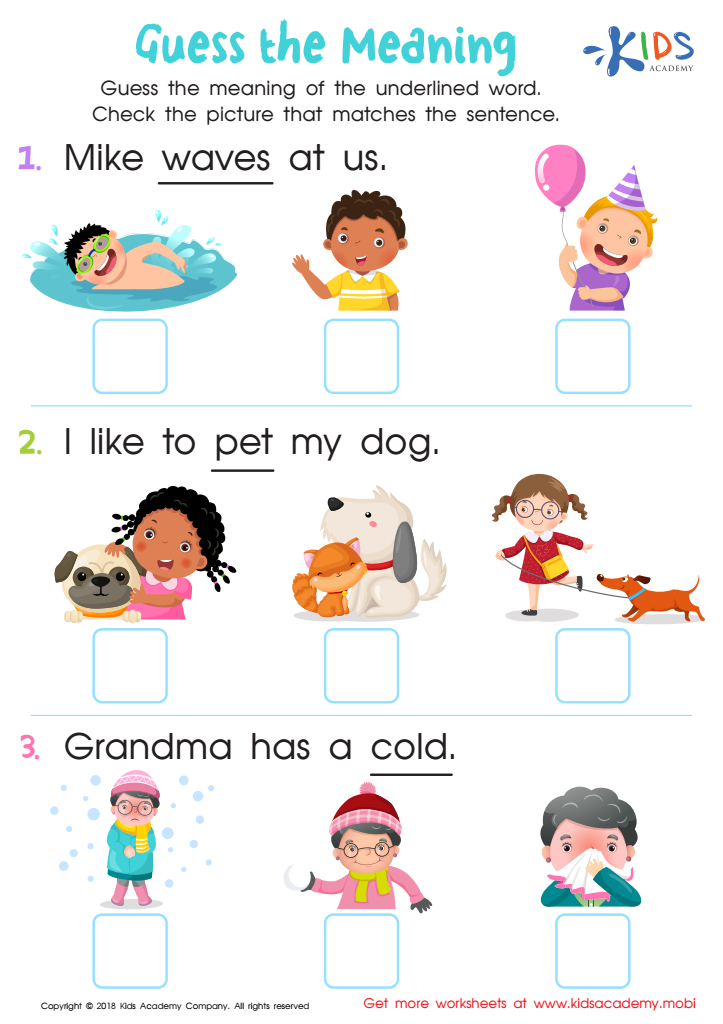
Guess the Meaning Worksheet
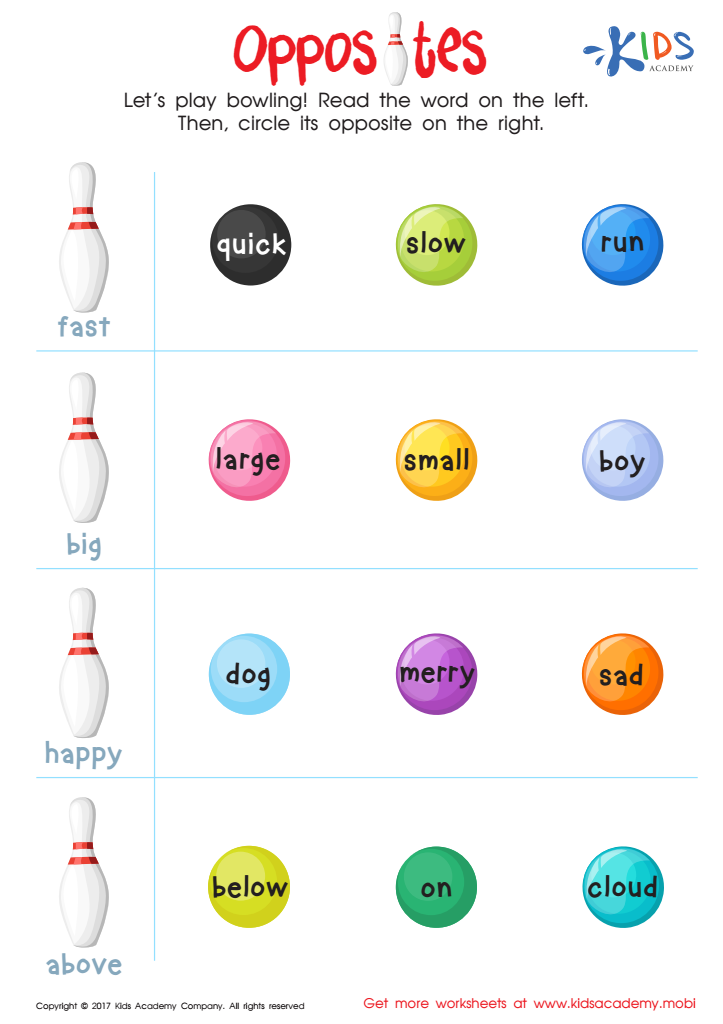
Opposites Worksheet
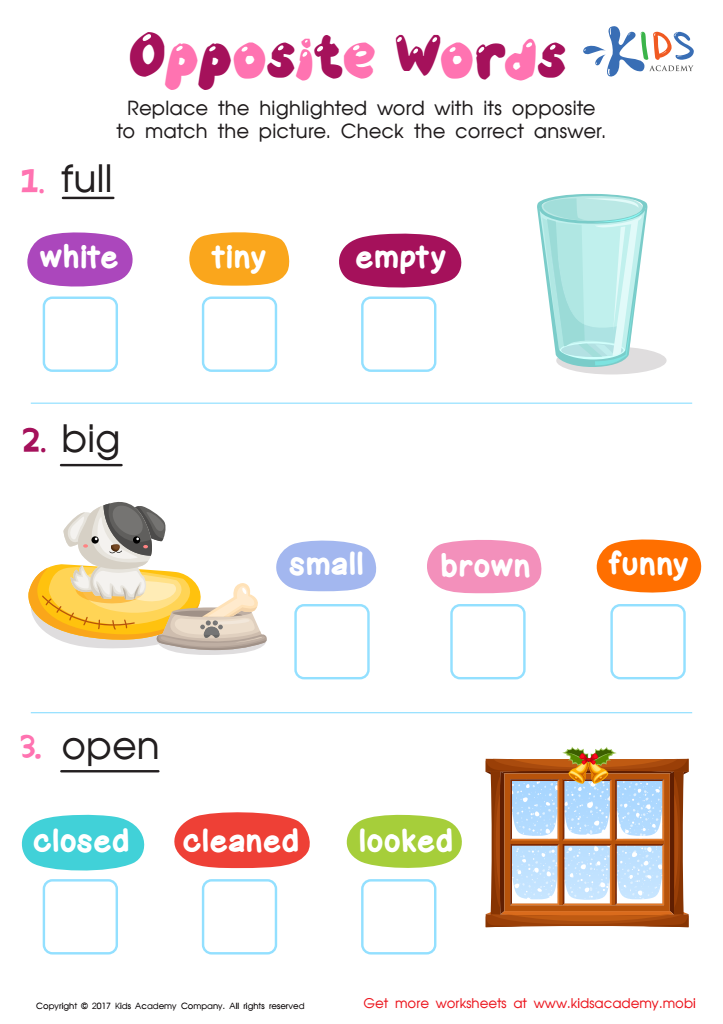
Opposite Words Worksheet
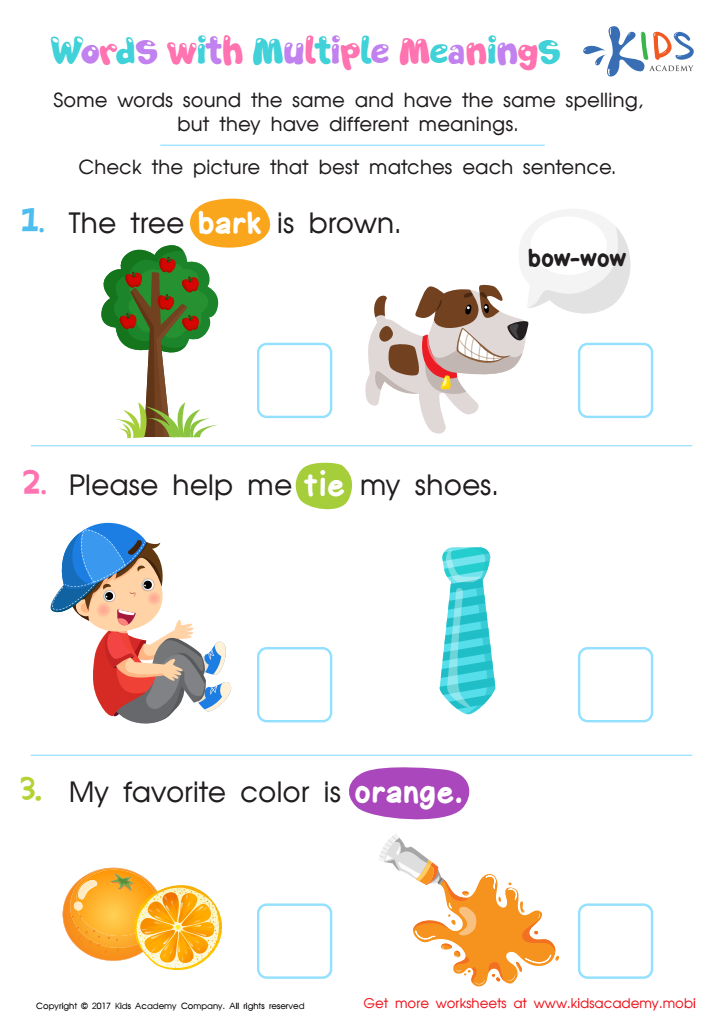
Words with Multiple Meanings Worksheet
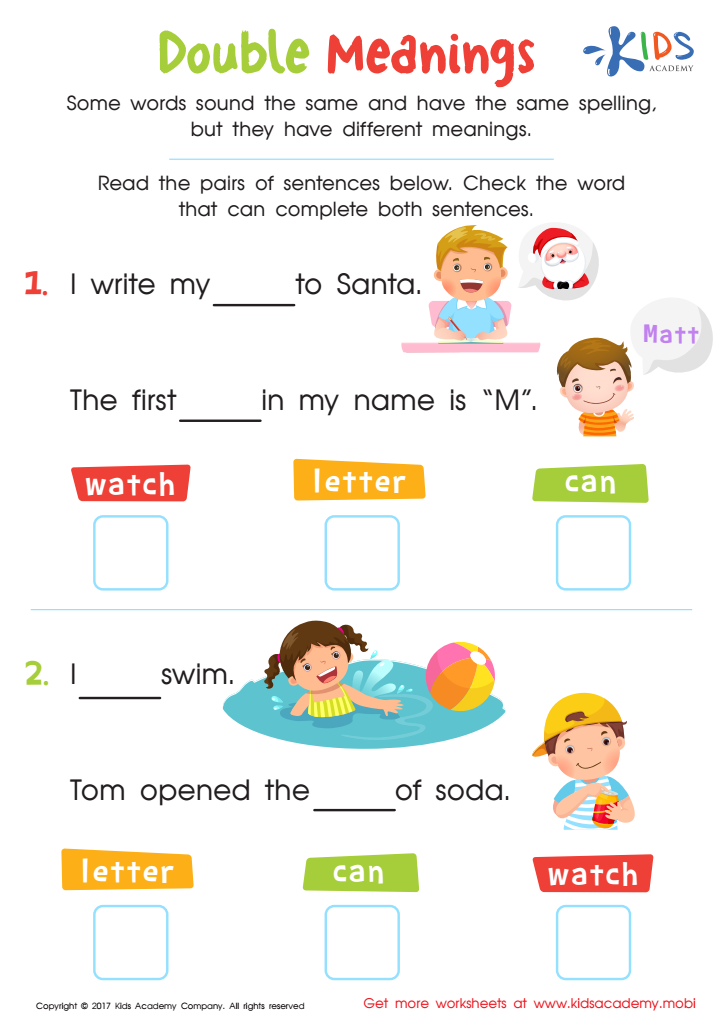
Double Meanings Worksheet
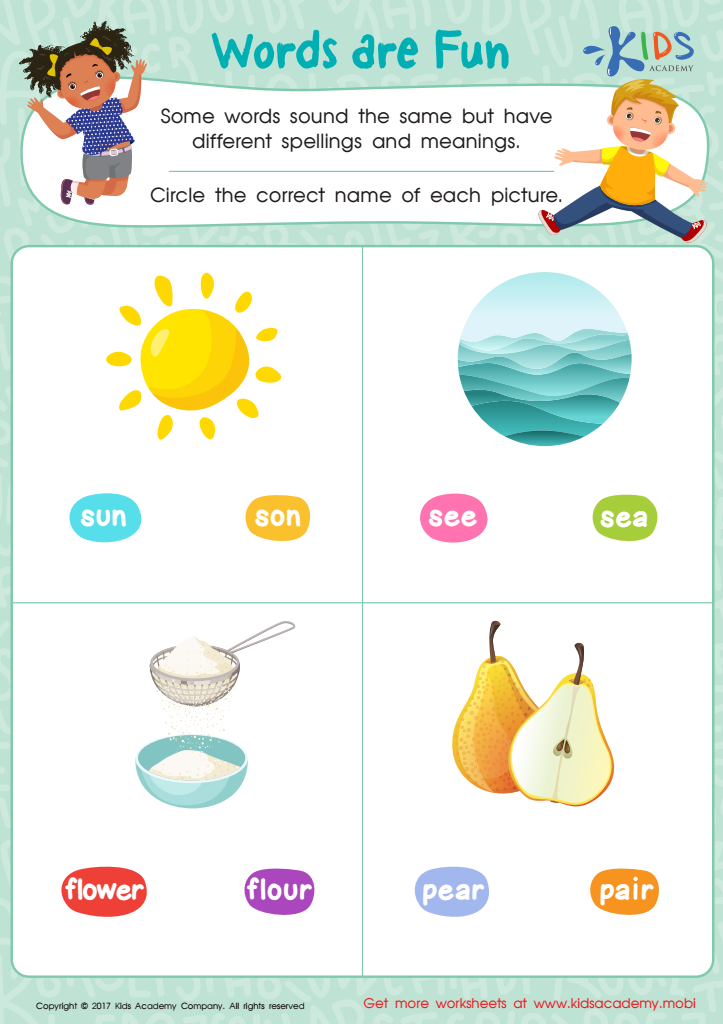
Words Are Fun Worksheet
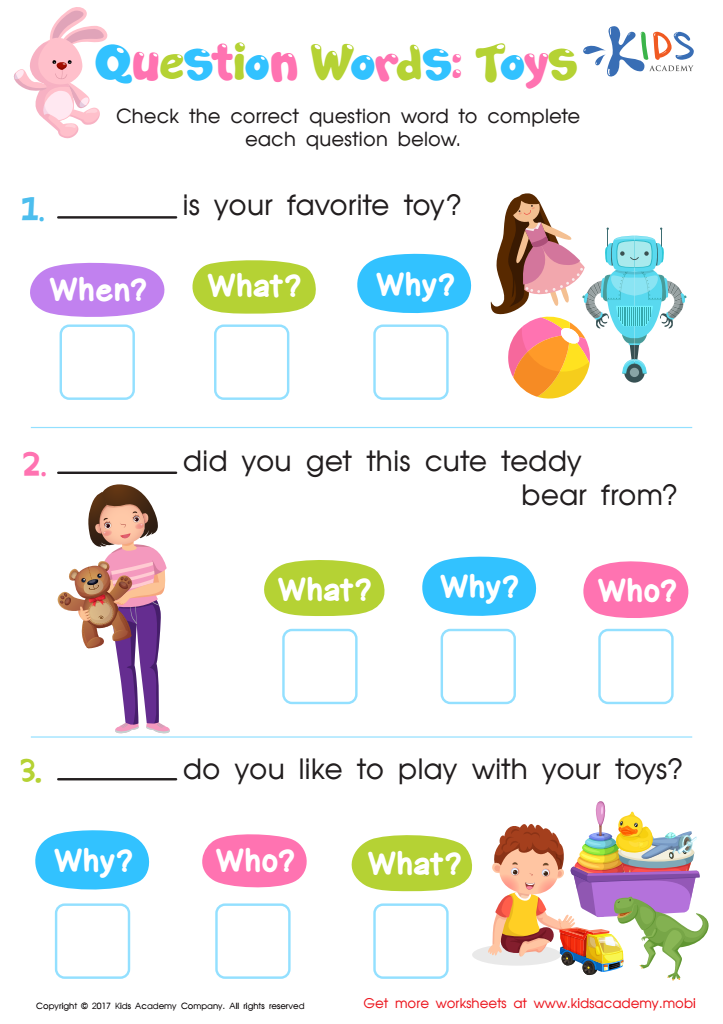
Question Words: Toys Worksheet
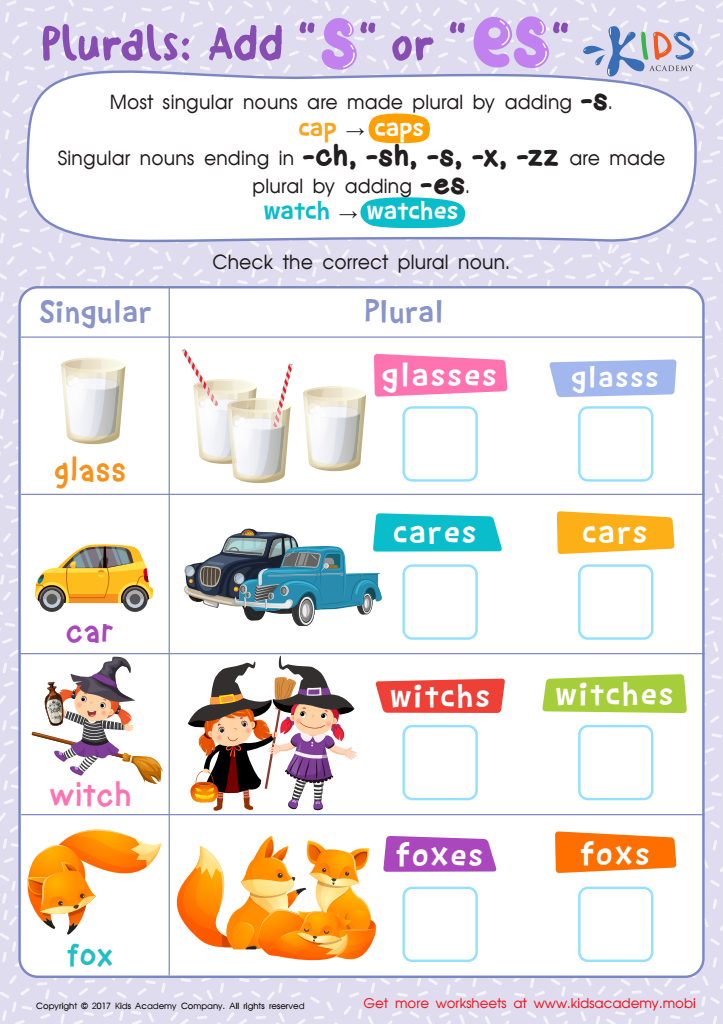
Plurals: "–es" or "–es"? Worksheet
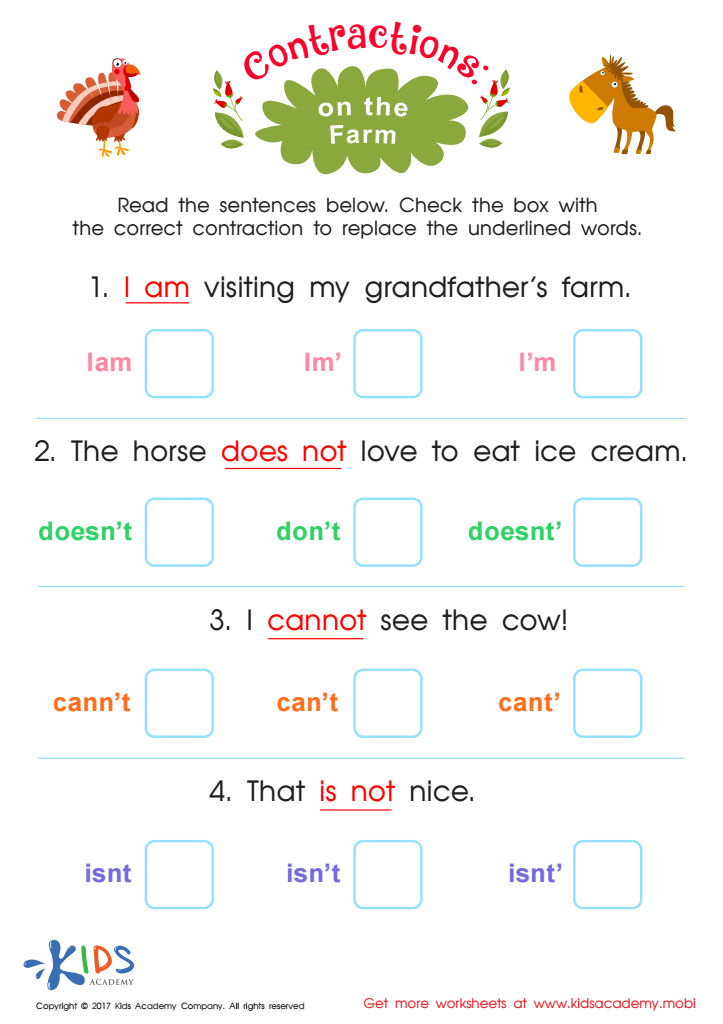
Contractions: On the Farm Printable
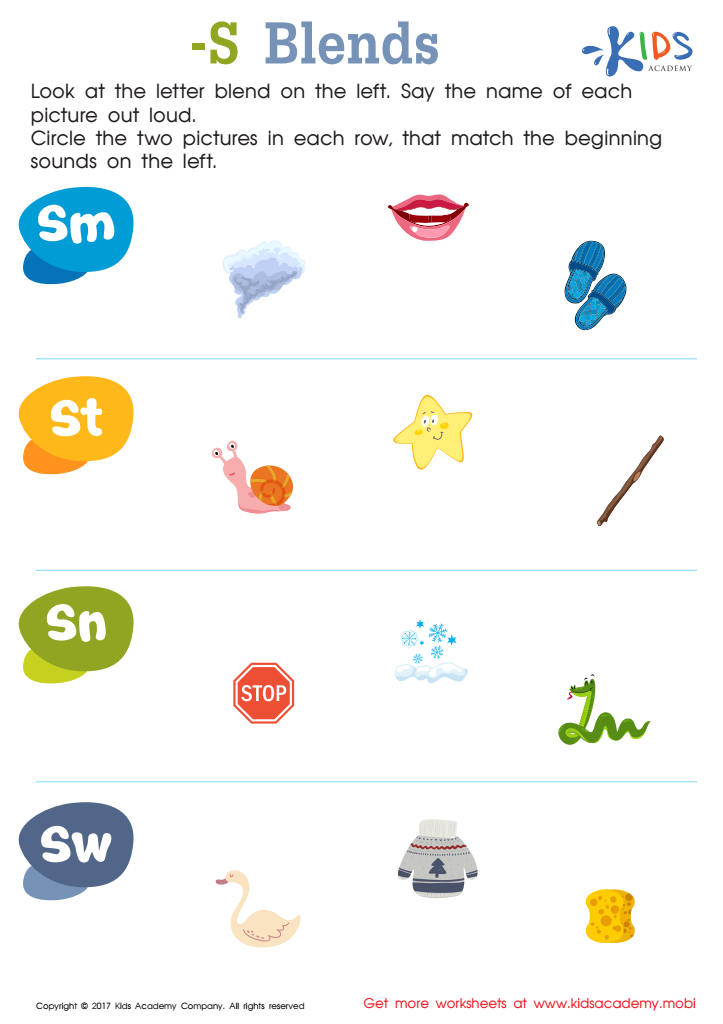
"s" Blends Spelling Printable
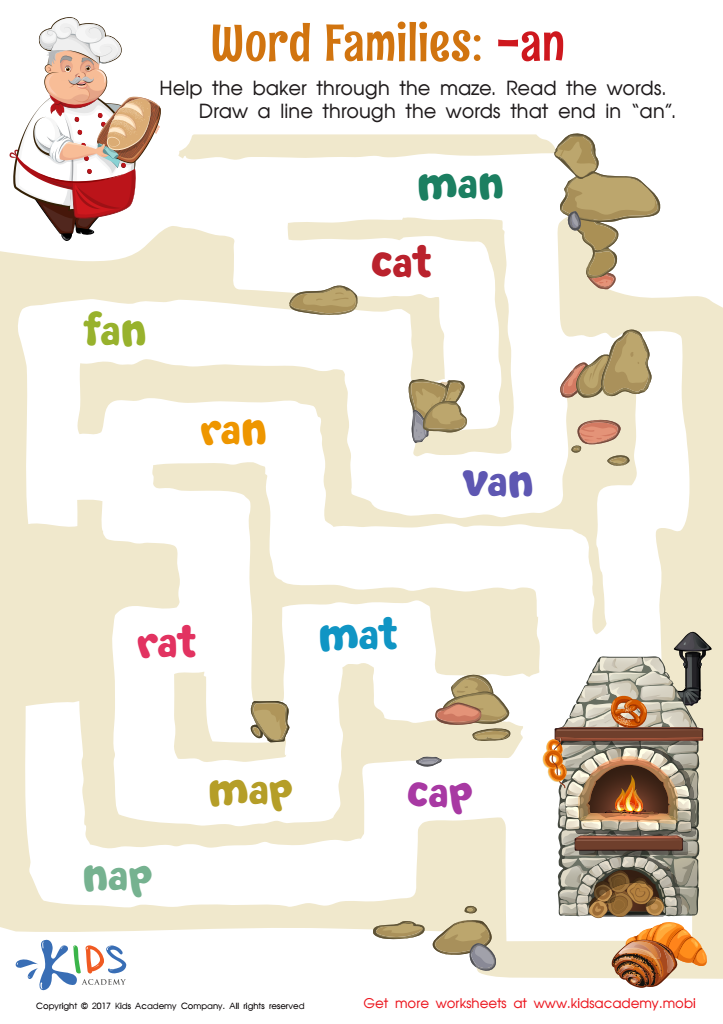
Words Families "an" Spelling Worksheet
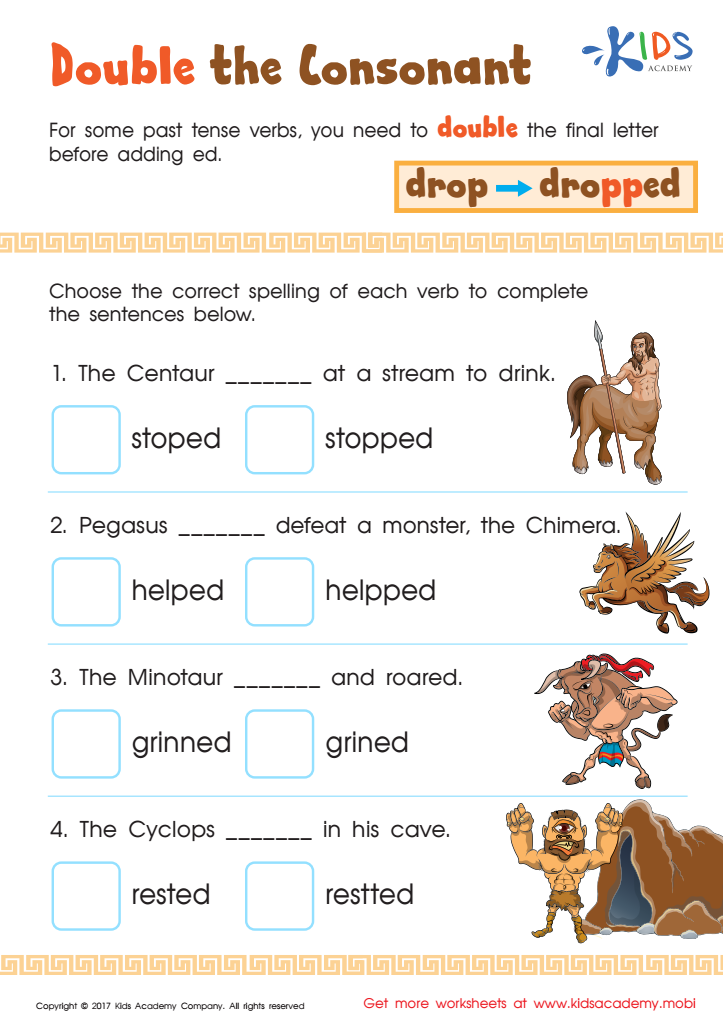
Double Consonant Spelling Worksheet
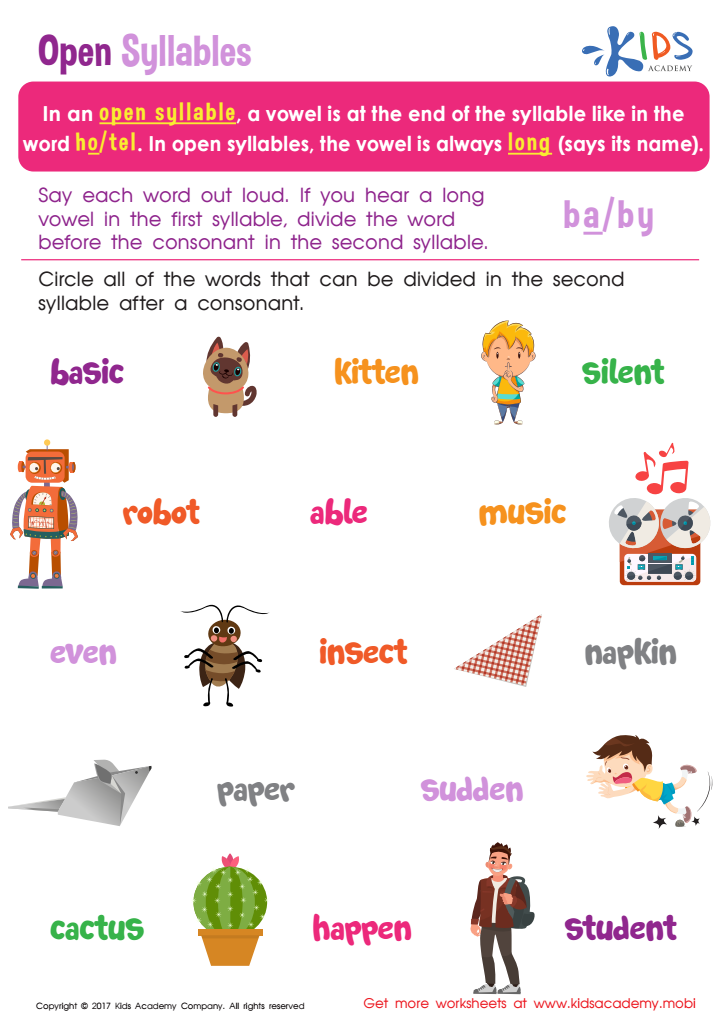
Open Syllable Printable Worksheet
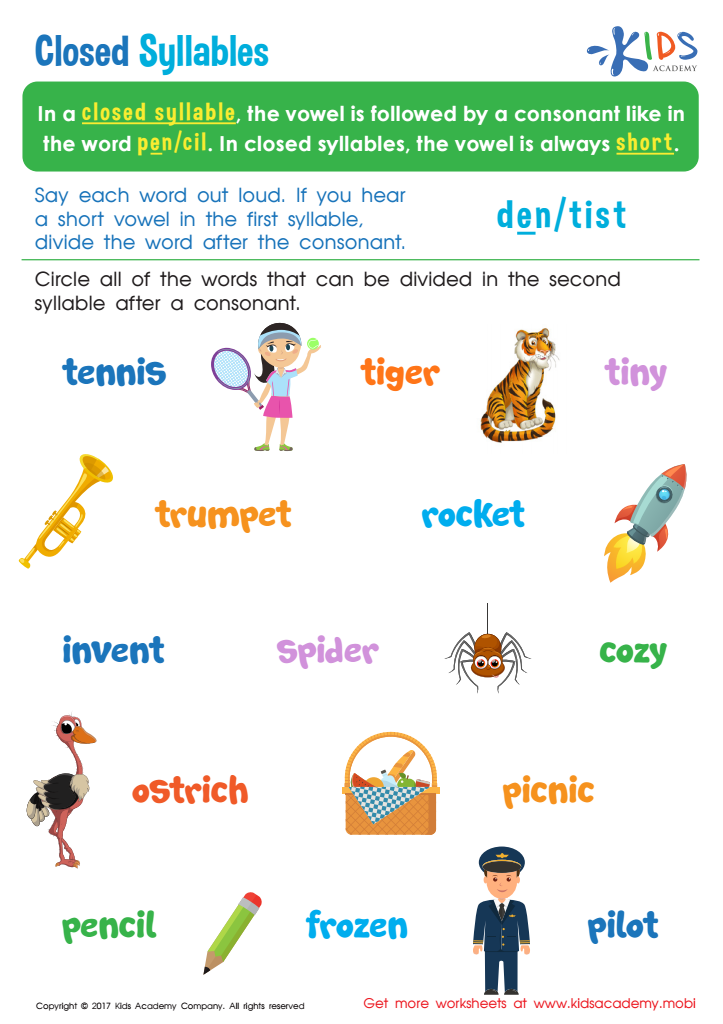
Closed Syllable Spelling Worksheet
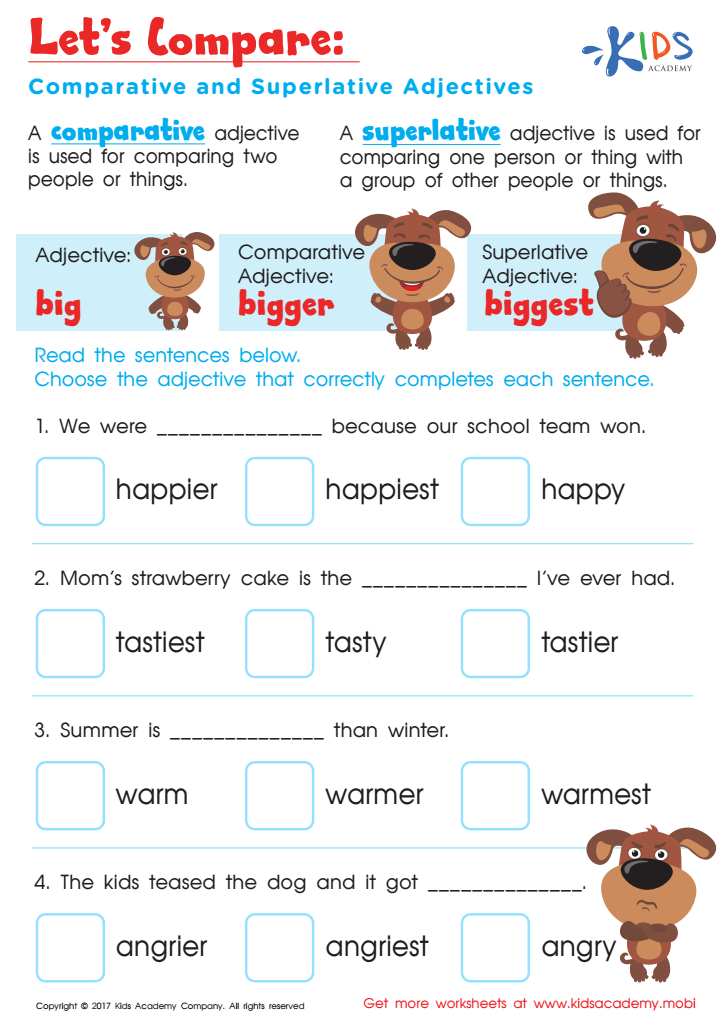
Comparative and Superlative Worksheet
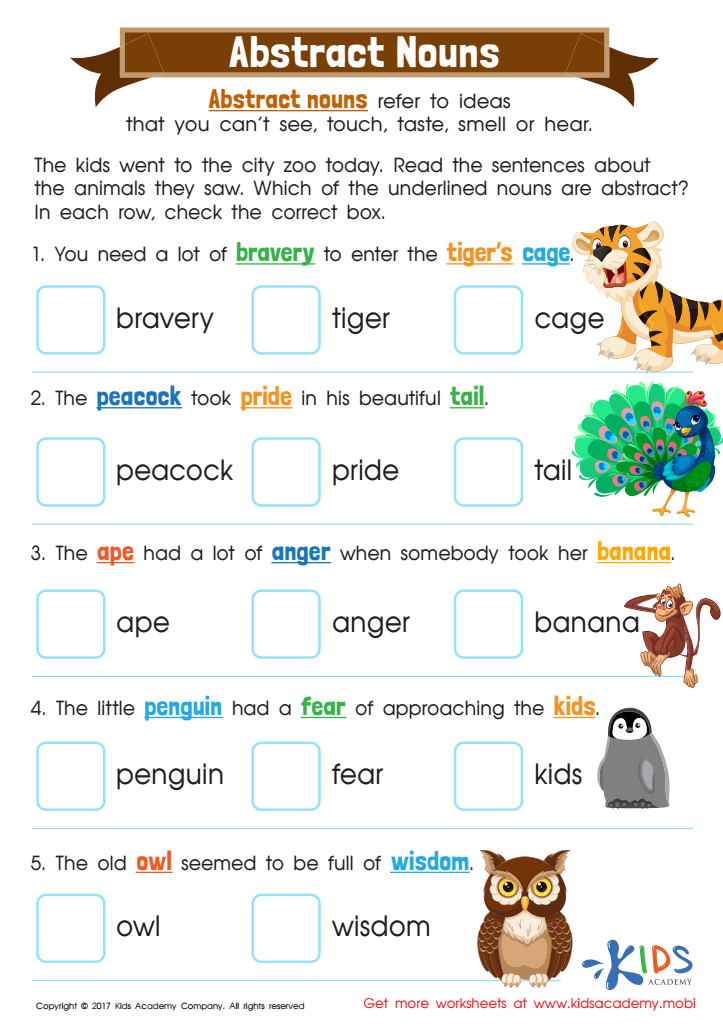
Abstract Nouns Worksheet



.jpg)




Vocabulary expansion and grasping grammar fundamentals during the ages of 5-8 is crucial because this period is a pinnacle in language development. Building a strong vocabulary helps young learners in several ways. It improves their reading comprehension, allowing them to better understand stories, instructions, and the world around them. This foundation in language also nurtures effective communication, enabling children to express their thoughts, feelings, and ideas more clearly and confidently.
Grammar instruction is equally important as it equips kids with the rules that govern language use. Mastery of grammar improves sentence structure and coherence, leading to better writing and speaking abilities. When children learn to use grammar correctly, they can construct clear, logical, and compelling sentences. This reduces misunderstandings and enhances their ability to engage in academic and social settings.
Additionally, early vocabulary and grammar proficiency prepares children for future academic success. These skills are interconnected stages of literacy that significantly impact overall cognitive and intellectual development. Children with a rich vocabulary and solid grammar foundation tend to perform better across all subjects, as they can understand and follow the material more effortlessly.
In essence, parents and teachers should emphasize vocabulary expansion and grammar at these formative ages to build a robust foundation for lifelong learning, effective communication, and intellectual development.








