Letter Recognition Worksheets for Ages 5-9 - Page 5
100 filtered results
-
From - To
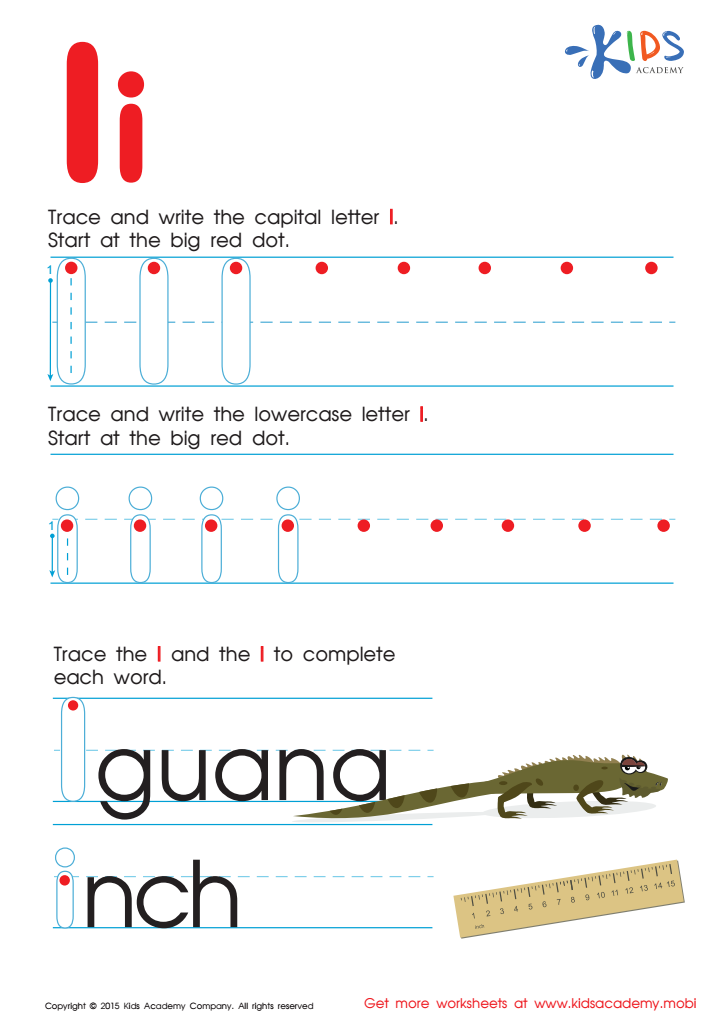
Letter I Tracing Page
 Assign to My Students

Letter H Tracing Page
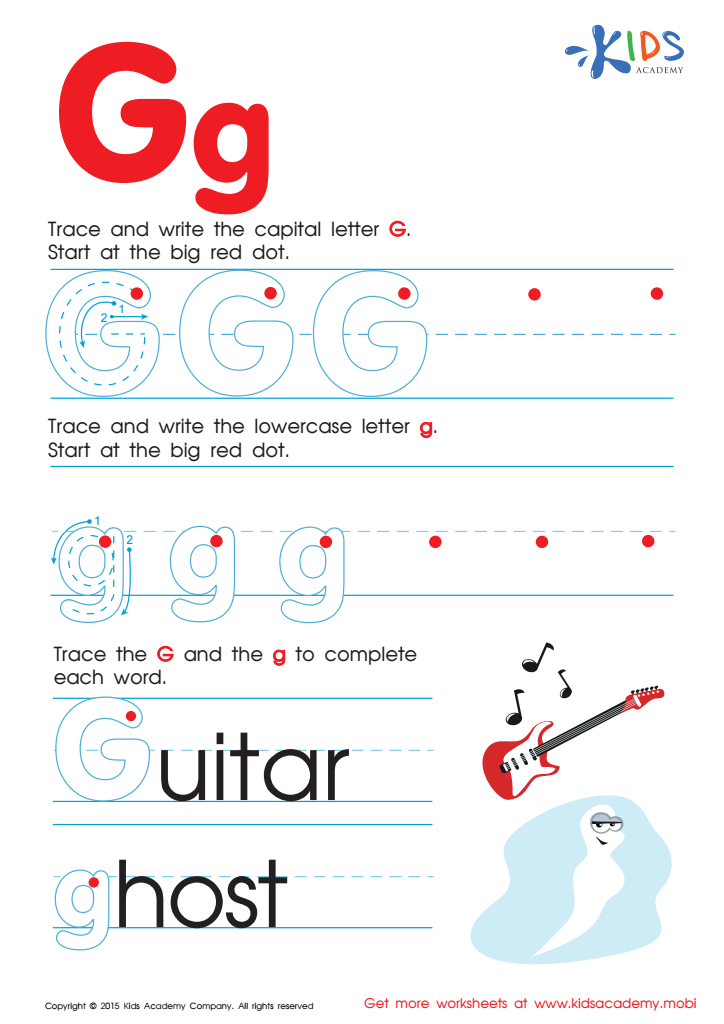
Letter G Tracing Page
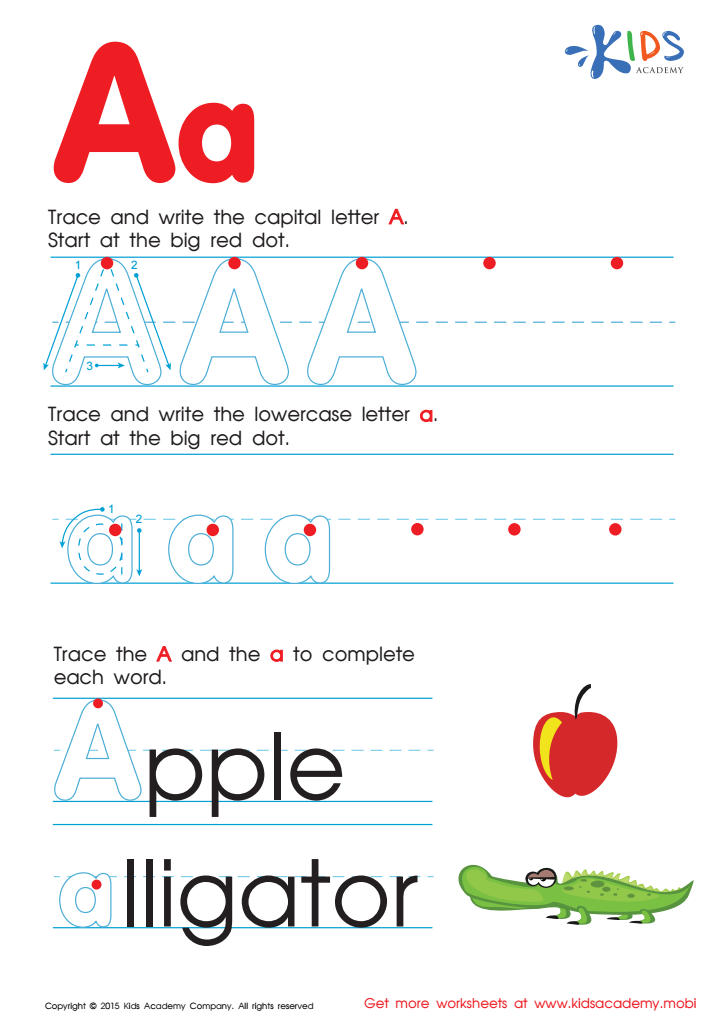
Letter A Tracing Page








Letter recognition is a foundational skill for children ages 5-9, serving as one of the primary building blocks for literacy development. When parents and teachers prioritize letter recognition, they set the stage for successful reading and writing experiences. Understanding and identifying letters allows children to connect sounds with corresponding symbols, an essential step in phonemic awareness. This capability helps children decode words, leading to improved reading skills and comprehension.
Early mastery of letter recognition enhances a child's ability to follow along in class, participate in reading activities, and gradually gain more confidence in their abilities. This self-assurance can foster a love for reading and learning that benefits their overall educational journey. Additionally, solid letter recognition supports better spelling and writing skills, as children learn to sequence letters into words accurately.
Moreover, difficulties with letter recognition can be early indicators of potential reading challenges such as dyslexia. Early identification allows for timely interventions, ensuring that all children receive the support they need to succeed.
Incorporating letter recognition activities into play and daily routines creates a fun and engaging learning environment, making a seemingly simple skill the cornerstone of educational development. By focusing on letter recognition, parents and teachers help cultivate proficient, enthusiastic readers and lifelong learners.







